
Reviewed · TSUKIJI AND TOYOSU FISH MARKET TOURS
Tokyo: Tsukiji Fish Market Foodie and Educational Tour
Tsukiji is best understood with someone who can connect the fish stalls, shrine customs, local food, and everyday Japanese shopping. This small-group walk does exactly that, with a stop at Namiyoke Inari Shrine, a tuna tasting, a small bento, and sake before you explore the market lanes.
I especially like the freshly cut tuna and wasabi served through a local wholesaler, and I like that the group is limited to six people. Guide Chinami has earned praise for clear English, local tips, and helping visitors avoid tourist traps. The main drawback is that extra market food and drinks cost more, and vegetarians are not suited to this tour.
Key points to know before you book
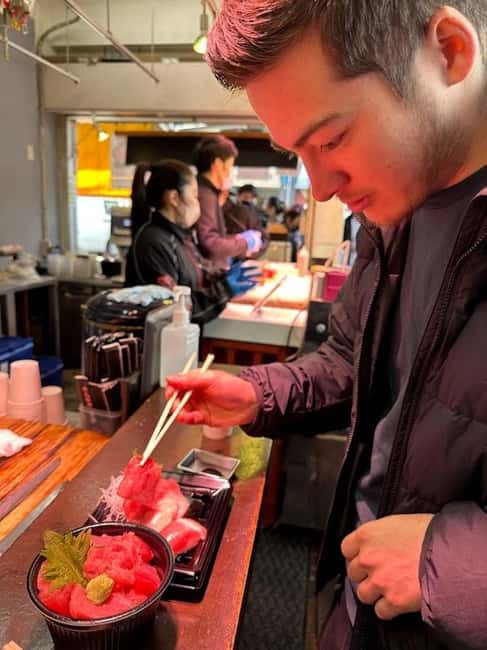
- Tuna, wasabi, and sake are included: You get a small bento with freshly cut tuna, fresh wasabi, water, and a small amount of Japanese sake.
- Namiyoke Shrine adds context: Learn why market workers worship the shrine and how to pray for protection from misfortune.
- The tour stays small: With no more than six participants, it is easier to ask questions and keep up in the market lanes.
- Chinami is a major strength: Her English, local advice, and Tokyo tips are useful beyond the two-hour walk.
- Extra eating is optional: Street food, drinks, Lawson purchases, and other market shopping are not included.
- The meeting point matters: Meet outside Lawson at the Tsukiji 4-chome intersection, away from the store entrance.
Why Tsukiji makes a good first food tour
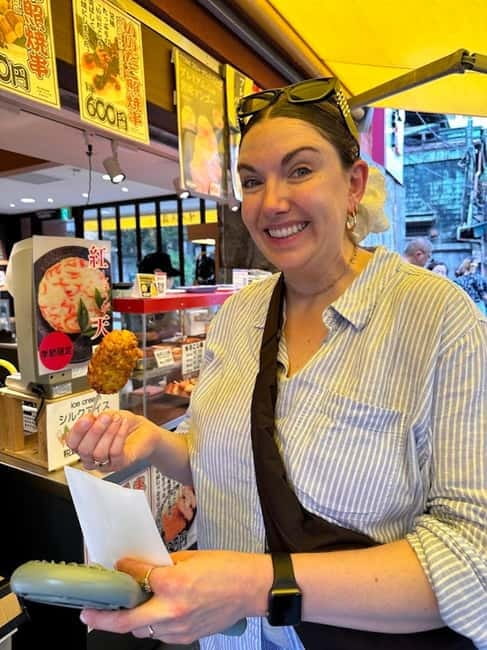
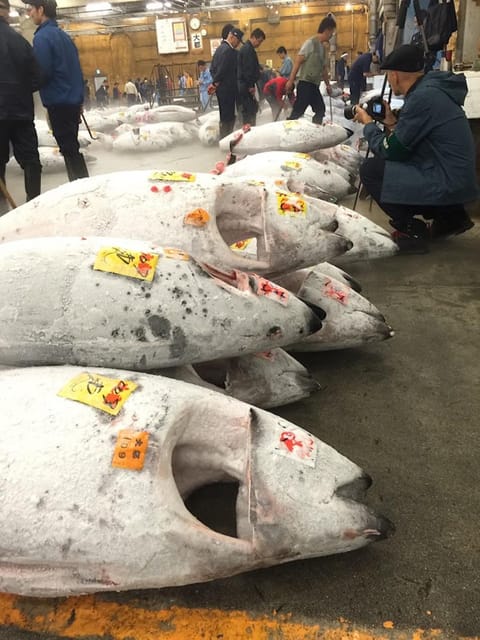
Tsukiji is no longer Tokyo’s main wholesale fish market. That role moved to Toyosu, but Tsukiji’s Outer Market remains a great place to see food culture at street level. Narrow lanes hold fish shops, cooking tools, ingredients, small restaurants, fruit, vegetables, knives, and snacks.
The useful thing about this tour is its wider view. You are not simply taken from one food stall to another. You learn how the area works, why the shrine matters, how tuna is served, and what to look for in a Japanese convenience store.
I like this approach because Tsukiji can feel confusing on your first visit. You may see a product without knowing how it is used, or spot a busy stall without knowing if it suits your tastes. A local guide gives the market some order without taking away the freedom to browse.
The two-hour length is also sensible. You get a focused introduction rather than a full morning of eating and walking. Expect a steady route with roughly 10 minutes of walking at the beginning, 15 minutes at the shrine, 35 minutes for the food and wholesale market stop, 45 minutes at the Outer Market, and another 10 minutes back to Lawson.
More Tsukiji and Toyosu fish market tours:
- Tokyo Tsukiji Fish Market Food and Culture Walking Tour
★ 5.0 · 3,184 reviews - Tokyo: Tsukiji Fish Market Food and Walking tour
★ 5.0 · 1,724 reviews - Tokyo: Tsukiji Fish Market Guided Walking Tour
★ 4.9 · 1,397 reviews
Meeting outside Lawson at Tsukiji 4-chome
The tour begins outside the Lawson convenience store at the Tsukiji 4-chome intersection. Do not gather directly around the entrance, since that can block shoppers entering the store. Look for the staff member holding a notice board.
This is a practical meeting point because the tour ends there too. You do not need to navigate to a distant station or find a hidden restaurant. Still, give yourself enough time to identify the correct Lawson, since there may be several convenience stores in Tokyo and the wording of the meeting point matters.
The group is limited to six people. That makes a real difference in Tsukiji, where crowded lanes and small food counters can make a large group awkward. You should have a better chance to hear the guide, ask about ingredients, and stay close during the walking sections.
The guide speaks English. Chinami is specifically praised for her clear English and useful advice about Tokyo and Kyoto, so this tour can work well near the start of your Japan trip. You can use the visit to ask about other foods, neighborhoods, or shopping ideas for later in your holiday.
Namiyoke Shrine and the market’s spiritual side
After about a 10-minute walk, you reach Namiyoke Inari Shrine. The visit lasts around 15 minutes and includes an explanation of the shrine’s connection with Tsukiji.
The shrine is worshipped by people seeking protection from bad luck, misfortune, and turmoil. Your guide explains why it matters to the local community and how to pray there. This gives you a useful introduction to Japanese shrine manners instead of leaving you to guess what each gesture means.
I like this stop because it keeps the tour from becoming only a list of things to eat. Food markets are tied to work, faith, seasonal customs, and local identity. Namiyoke Shrine helps show that Tsukiji is a working neighborhood with traditions, not just a photo stop.
You should also expect a short explanation of how the shrine fits into Japanese religious life. One participant particularly valued seeing nearby religious sites connected with both Shinto and Buddhism. The visit is brief, so it will not replace a dedicated temple and shrine tour, but it gives the market a more human setting.
Tuna, fresh wasabi, and a small sake tasting
From the shrine, it is about five minutes on foot to the food stop at Tsukiji Uogashi Mall. This section lasts about 35 minutes and is the heart of the included tasting.
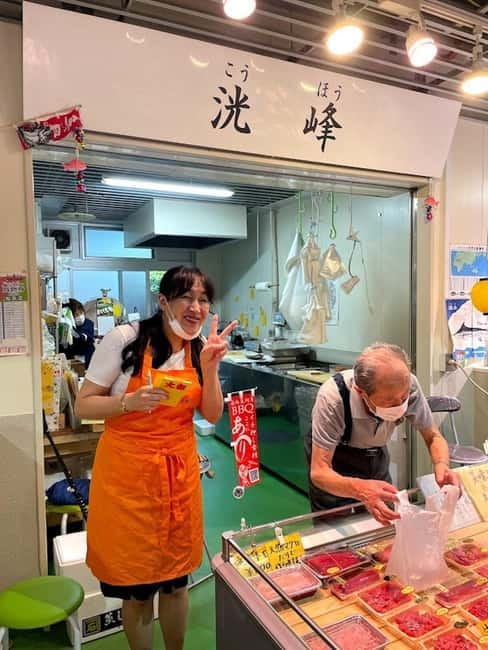
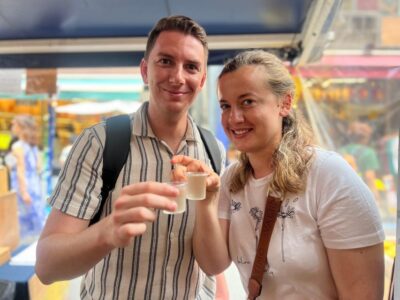
The stop is run by a local wholesaler called Tsukiji KohHoh, associated with Toyosu Market. The staff are especially experienced with blue marlin, and you receive a small bento with freshly cut tuna and fresh wasabi. Water and a small amount of sake are also included.
This is more useful than simply being handed a finished piece of sushi. You get an introduction to Japanese ingredients and the care that goes into presenting them. Your guide can explain the differences in fish and the role of wasabi, while you taste the food for yourself.
The tuna is a strong reason to book. One participant described it as the best sashimi they had eaten in Japan, and another highlighted the chance to notice subtle differences among types of fish, especially tuna. The portion is described as a small bento, so do not treat this as a full lunch. It is a guided tasting with enough food to give you a clear sense of the product.
The sake serving is also small. That is helpful if you are continuing to walk, shopping afterward, or avoiding much alcohol. If you do not drink, ask about your options before booking, since the tour is built around seafood and Japanese food tasting.
More Tokyo food tours:
- Tokyo: Shinjuku Food Tour (13 Dishes at 4 Local Eateries)
★ 5.0 · 6,603 reviews - Tokyo: Shinjuku Food Tour (15 Dishes and 4 Eateries)
★ 4.9 · 2,033 reviews - Best of Shinjuku: Izakaya Food Tour (4 Stops, 14+ Tastings)
★ 5.0 · 1,863 reviews - Tokyo Night Foodie Tour in Shinjuku – Seasonal Sushi, Wagyu Beef
★ 5.0 · 1,161 reviews
Tsukiji Uogashi Mall beyond the tasting
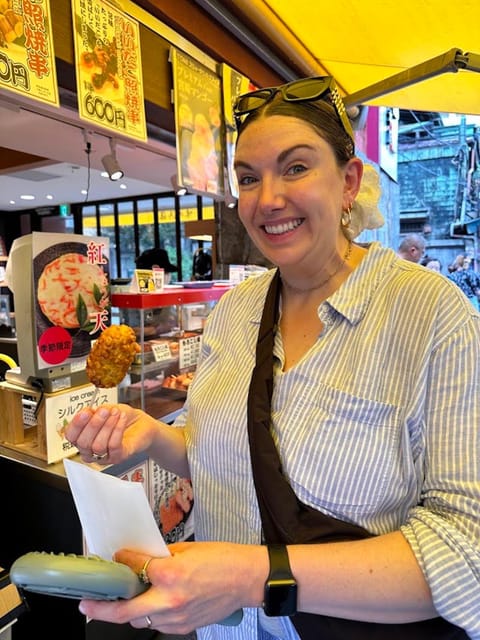
The guide also shows you Tsukiji Uogashi Mall, where you can find more products, vegetables, fruit, and a food court with restaurants. This is where the tour can turn into useful shopping advice.
The included bento gives you a reason to pause, but you are free to look at the wider market. You might find ingredients for a Japanese meal, packaged food, or something to take back to your accommodation. Since purchases are not included, keep some spending money available if you want to shop.
The wholesaler setting adds a different feel from a standard restaurant. You see how the market connects suppliers, food sellers, and customers. The guide can also help you understand what you are looking at, which is valuable when labels or unfamiliar cuts of fish leave you guessing.
Exploring the Tsukiji Outer Market for 45 minutes
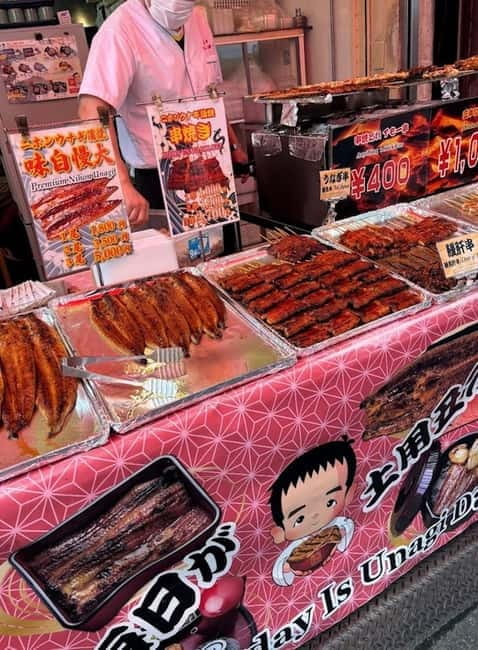
The longest stop is the Tsukiji Outer Market, with about 45 minutes for guided walking, food tasting, shopping, and sightseeing. This is your chance to look beyond fish.
You can browse stalls selling Japanese ingredients, cooking knives, utensils, local products, and souvenirs. There are also places for street food, desserts, and drinks. The guide points out alternatives to seafood, which is helpful if you want to browse without eating another fish dish.
Food and drinks purchased here are not included. That arrangement keeps the base price clear, but it means your final cost depends on your appetite and shopping plans. You may want a snack, a drink, or a small kitchen item, so plan for optional spending.
The guide’s local advice is especially valuable here. Tsukiji has many tempting stalls, but a short visit does not allow time to try everything. Chinami’s advice can help you avoid wasting money on food that does not suit you and can point you toward products that are more useful or distinctive.
This is also a good place to ask about cooking knives and utensils. If you buy a knife, check your airline and luggage rules before your trip. The tour can help you compare items, but shopping decisions and shipping arrangements remain your responsibility.
Finishing with Lawson snack advice
The tour ends back outside the same Lawson store after about 10 minutes of walking. The final activity is snack hunting inside the convenience store.
Do not dismiss this as an ordinary stop. Japanese convenience stores are a major part of everyday food life, and the guide gives recommendations about what to buy and enjoy. You can purchase snacks and drinks yourself, but Lawson items are not included.
This ending is practical for the rest of your holiday. You may need a quick breakfast, a late-night snack, a drink for your hotel room, or a simple item for a train ride. A local guide can help you choose instead of relying on familiar international brands.
The stop also brings the tour back to daily life. You begin with market traditions and specialist seafood, then finish with food that ordinary people can buy quickly. That contrast gives the two-hour experience a useful range.
What the $70 price includes
At $70 per person, the tour is not the cheapest way to walk through Tsukiji. Its value depends on how much you want from the visit.
You receive an English-speaking guide for two hours, a historical explanation of the area, a shrine visit, photos taken during the tour, a bottle of water, a small tuna bento, fresh wasabi, and a small amount of sake. You also get help understanding the market and Lawson food culture.
If you only want to wander, you can visit the Outer Market without paying for a guide. But you will miss the structured explanation, the wholesaler tasting, and the chance to ask questions in a small group. For a first visit, the included food and drink make the cost easier to justify.
You should budget extra for any street food, drinks, desserts, ingredients, souvenirs, knives, utensils, and Lawson purchases. The tour price is fixed, but your final spending is not.
Who will enjoy this tour most
I would choose this tour if you are visiting Tsukiji for the first time and want food context rather than a simple list of stops. It suits people who enjoy seafood, local customs, markets, and practical advice.
It is also a good choice early in a Tokyo trip. You can ask Chinami for food and sightseeing suggestions for the rest of your stay, and the Lawson advice may help you manage quick meals later.
The tour is less suitable if you are vegetarian. The activity is specifically marked as not suitable for vegetarians, and the included bento centers on tuna. If you are bringing children who will not eat the bento, contact the provider in advance with their ages and food preferences. The team may be able to adjust the experience.
You should also consider the walking and market setting. The route includes several walks and time in crowded food areas, although the group remains small. Wear comfortable shoes and arrive ready to stay with the guide.
Booking details worth knowing
You can cancel up to 24 hours before the tour for a full refund. A reserve-now, pay-later option is available, which helps if your Tokyo schedule is still changing.
Starting times vary, so check availability when choosing your date. The tour lasts two hours and is offered in English. Since the group is limited to six people, popular times may fill quickly.
Photos are taken during the tour, giving you a record of the visit without requiring you to handle your camera at every stop. If you have food preferences, alcohol concerns, or children in your party, raise them before the tour begins.
Should you book the Tsukiji food tour?
Book it if you want a compact, guided introduction to Tsukiji that combines food, religion, history, and shopping advice. The tuna, fresh wasabi, small sake tasting, and local guide are the strongest reasons to pay for the experience.
Skip it if you are vegetarian, dislike seafood, or prefer to explore markets entirely on your own. You will also need to pay separately for extra food and shopping.
For most first-time visitors who want more than a quick stroll, I think the $70 price is fair. The group size is small, the included tasting is specific rather than vague, and Chinami’s local tips can remain useful after the tour ends. It is a short experience, but it gives you a solid way into one of Tokyo’s most famous food districts.
FAQ
Where does the tour meet?
Meet outside Lawson at the Tsukiji 4-chome intersection. Do not gather directly around the store entrance, since you may block people entering. Staff will be waiting with a notice board.
How long does the tour last?
The tour lasts two hours, including walking, the shrine visit, the food tasting, the Outer Market, and the return to Lawson.
What language is the tour offered in?
The live tour guide speaks English.
How many people are in the group?
The tour is limited to six participants.
Is the bento included?
Yes. A small bento with freshly cut tuna and fresh wasabi is included, along with a bottle of water and a small amount of sake.
Are extra market foods and drinks included?
No. Street food, drinks, desserts, and other purchases at the markets are paid for separately.
Are Lawson snacks included?
No. Any food or drinks you buy at Lawson are paid for by each participant.
Is the tour suitable for vegetarians?
No. The tour is marked as not suitable for vegetarians.
Can children join the tour?
Children may be accommodated, but you should provide their ages and food preferences in advance if they will not eat the included bento.
More Tokyo markets and shopping streets
- Tsukiji Fish Market Guided Tour and Sushi Making with Pro Chef
★ 5.0 · 775 reviews - Tokyo: Tsukiji Fish Market Food and Culture Walking Tour
★ 4.7 · 757 reviews - Tsukiji Fish Market: Street Food & Culture Walking Tour
★ 5.0 · 669 reviews - Tsukiji Fish Market Small-Group Food Walking Tour
★ 5.0 · 621 reviews
Newly reviewed around Tokyo
- Tokyo Asakusa:Calligraphy & Make T-shirt Activity★ 5.0 · 62 reviews
- Intercity Shuttle, Tokyo to Haneda /Narita /Yokohama /Makuhari★ 5.0 · 5 reviews
- 1 Hour Travel around Tokyo with a Professional Photographer★ 5.0 · 3 reviews
- Travel Tokyo with Your Own Personal Photographer★ 5.0 · 43 reviews
- Train in Samurai Swordsmanship and Defeat the Demon in Tokyo★ 5.0 · 5 reviews
- Shuttle Van 6hr Tokyo Tour to-and-from Tokyo, Yokohama and Narita★ 5.0 · 9 reviews
- Kickboxing & Body Training with EX-Pro Fighter★ 5.0 · 4 reviews
- Traditional Japanese Knife Sharpening Class★ 5.0 · 18 reviews
Tsukiji and Toyosu Fish Market Tours, compared.
Tokyo Tsukiji Fish Market Food and Culture Walking Tour
Read our review →
Tokyo Sushi Making Class in Tsukiji with Professional Chef
Read our review →
Tsukiji Fish Market Guided Tour and Sushi Making with Pro Chef
Read our review →Tsukiji Fish Market Food and Culture Walking Tour
Read our review →
Tsukiji Fish Market: Street Food & Culture Walking Tour
Read our review →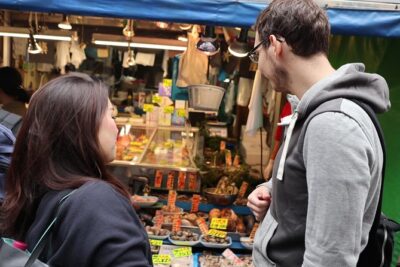
Tsukiji Fish Market Small-Group Food Walking Tour
Read our review →Browse the lists this tour appears in