
Reviewed · TSUKIJI AND TOYOSU FISH MARKET TOURS
Tokyo: Toyosu Tuna Auction &Tsukiji Market Gourmet Adventure
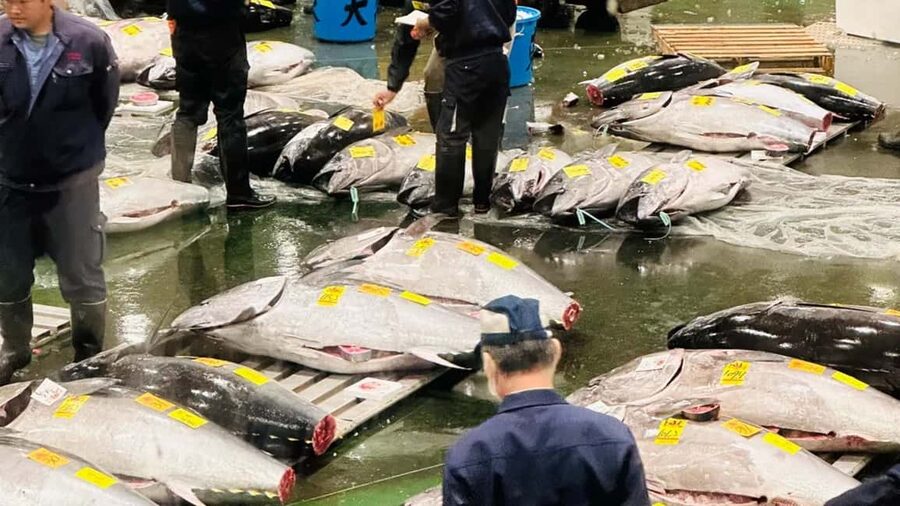
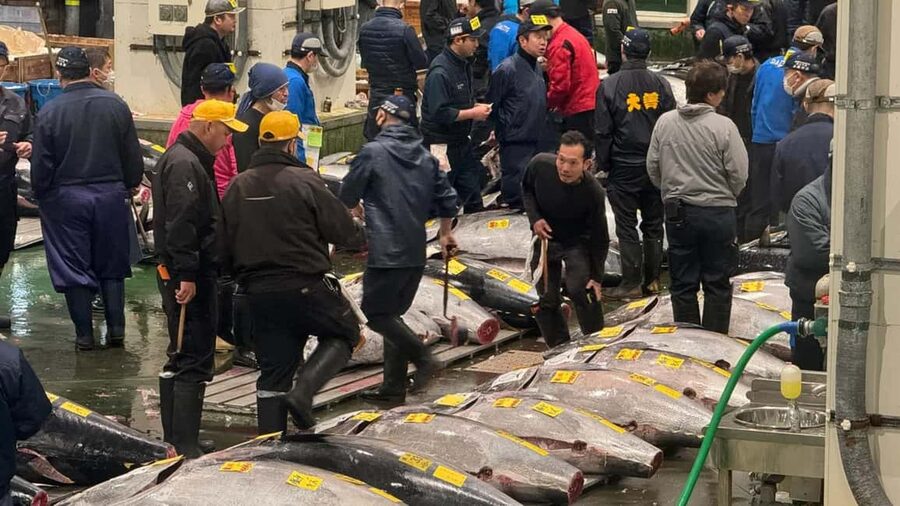
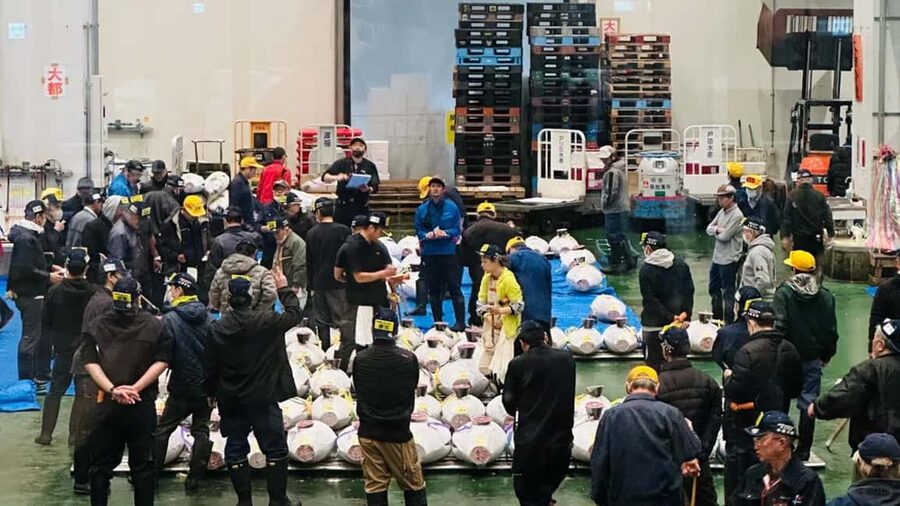
At 5 a.m., Toyosu Market is already wide awake. The main event is the bluefin tuna auction, where you watch buyers assess huge fish and read rapid hand signals from the second-floor public viewing deck. I like the personal audio guide, which helps you follow the action even when the auction room is busy and noisy. I also like the smart pairing of modern Toyosu with old-school Tsukiji.
The main drawback is distance. You see the auction through glass from above unless you win a limited first-floor lottery, so this is not a hands-on fish-market visit. Add the brutally early start, a separate breakfast budget, and no public transport at meeting time, and you need to plan carefully.
Key points worth knowing
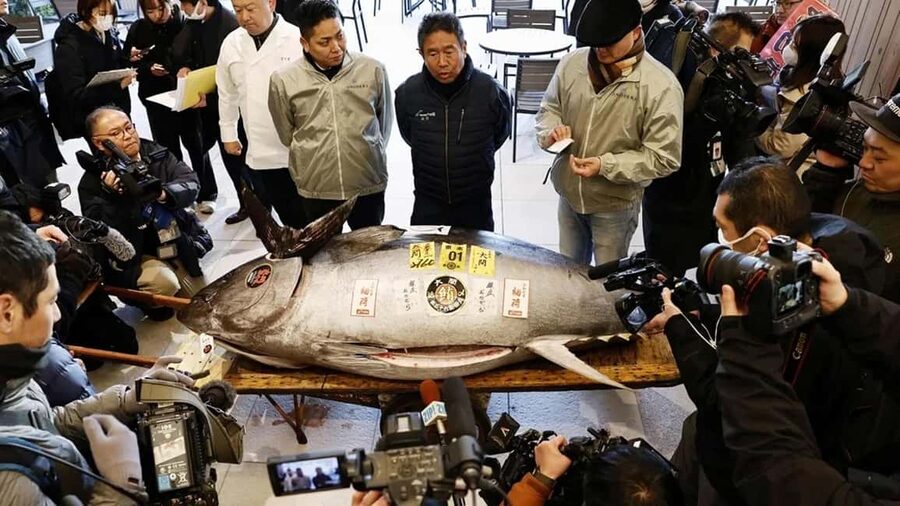
- The auction begins before dawn: Meet at Lawson Toyosu Market Senkyaku Banrai at 5 a.m., with optional hotel pickup around 4:20 a.m.
- The public view is from the second floor: A first-floor lottery is possible, but selection is random and must be arranged by the fifth of the previous month.
- The audio guide makes the auction easier to follow: Your own device carries the guide’s explanations about grading, bids, and hand signals.
- Toyosu and Tsukiji offer different market experiences: Toyosu is modern and organized, while Tsukiji is a maze of small food and kitchen shops.
- Breakfast is a key part of the morning: Menus change with the catch and restaurant hours, so plan for daily variation and extra food costs.
- The guide adds value beyond the schedule: Guides such as Tim, Ethan, Eon, and Lin are praised for clear explanations, restaurant tips, and helpful WhatsApp messages.
Why the tuna auction is worth the alarm
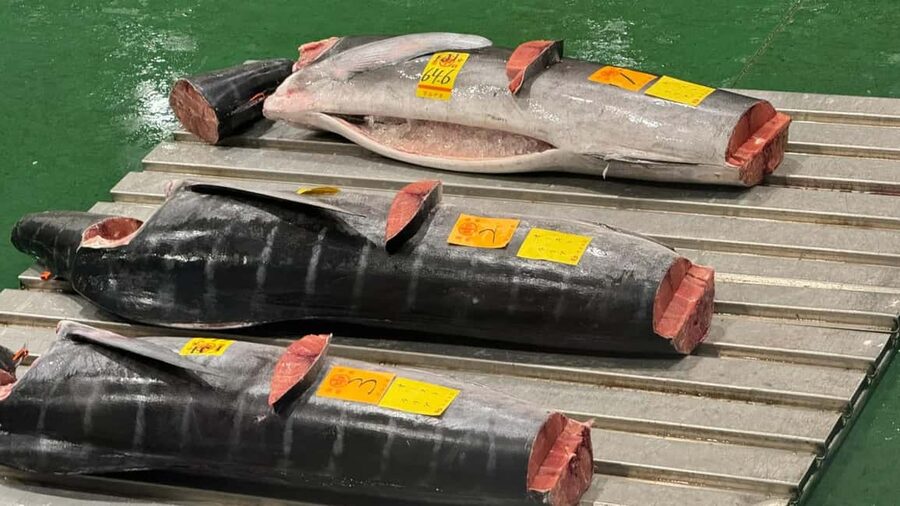
Tokyo’s tuna auction is not a theatrical show arranged for tourists. It is a working seafood trade, and that makes the experience interesting. Buyers inspect the fish, auction staff use quick signals, and each sale moves at a pace that can be hard to understand without help.
Your guide explains what you are seeing in real time. You learn how tuna is graded, what buyers look for, and why certain fish draw more interest. The auction signals can look like a blur when you first arrive. With commentary in your ear, the hand movements begin to have meaning.
The early hour also works in your favor. The group arrives before the market day has fully gathered speed, and the small-group format helps the guide get everyone into a good viewing position. One particularly useful tip is to arrive early enough to choose a better window on the public viewing level.
Still, keep your expectations sensible. The standard experience does not place you beside the auction floor. You watch through layers of glass from above, with sound delivered through the market system and your audio guide. Some people find this less thrilling than expected. If close-up viewing matters most to you, apply for the first-floor lottery, but do not book on the assumption that you will win.
The first-floor option requires the full names of everyone in your party and a booking completed by the fifth day of the preceding month. December has no lottery, so all participants use the second-floor public observation deck. Bring your passport or another ID if you are selected.
More Tsukiji and Toyosu fish market tours:
- Tokyo Tsukiji Fish Market Food and Culture Walking Tour
★ 5.0 · 3,184 reviews - Tokyo: Tsukiji Fish Market Food and Walking tour
★ 5.0 · 1,724 reviews - Tokyo: Tsukiji Fish Market Guided Walking Tour
★ 4.9 · 1,397 reviews
Meeting Toyosu before sunrise
The official meeting point is Lawson Toyosu Market Senkyaku Banrai. You should arrive about five minutes early for the 5 a.m. departure. Do not rely on a train or bus at this hour, since public transport may not be operating yet.
A taxi or Uber is the practical choice. Optional hotel pickup is available for selected hotels and inns in Chiyoda, Chuo, and Taito wards, generally around 4:20 a.m. Confirm eligibility before booking. Hotels in Toyosu, Tsukiji, and Ginza are the easiest bases for this early start.
The operator asks for your WhatsApp number, and this is useful. Guides such as Lin and Tim have used messages before the tour to clarify meeting details and pickup arrangements. That small bit of contact matters when you are leaving a hotel in the dark and cannot afford to miss the group.
Late arrivals and no-shows are not refunded. Wear shoes suitable for steady walking, and bring a warm or light outer layer depending on the season. The market can feel cold in the early morning.
The 5 to 6:30 a.m. auction visit
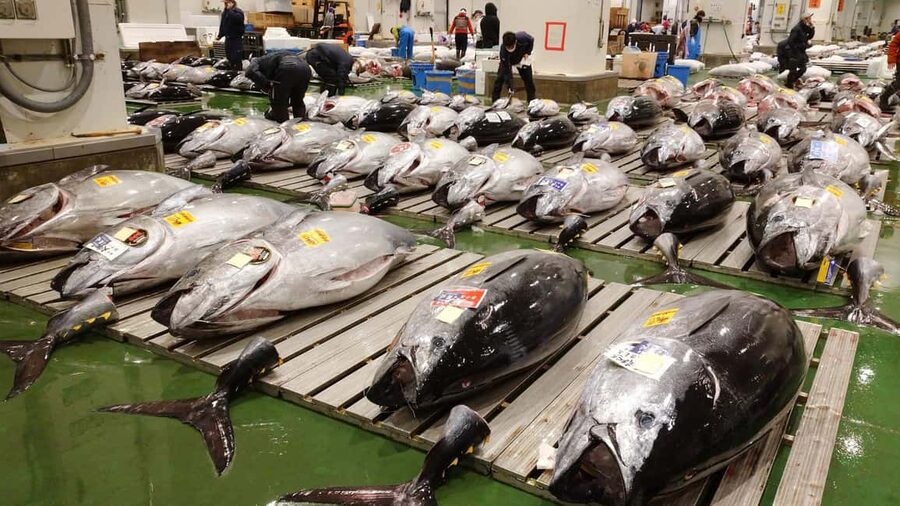
The first ninety minutes focus on the tuna auction and the public observation area. You watch the fish being graded and sold while the guide explains the system, the people involved, and the signals used by buyers.
The personalized audio guide is one of the strongest features here. A group explanation can be difficult to hear in a large market, particularly when several people are trying to see the same action. Individual commentary lets you keep looking through the window instead of constantly turning toward the guide.
The guide also puts the auction in a wider food context. You hear about seasonal auction patterns, the difference between fresh and frozen tuna, and how the trade affects what eventually reaches Tokyo’s restaurants. That background gives meaning to the breakfast that follows.
Do not expect a long, quiet lesson. The market keeps moving, and the guide’s job is to point out details as they happen. The quality of the morning depends partly on the guide assigned to your date. Tim receives especially strong praise for his clear explanations, organization, good humor, and practical food advice. Ethan, Eon, and Lin are also noted for history, market systems, and cultural background.
Photography and loud talking are not allowed in the viewing area. Follow the guide’s instructions, since the auction is a working operation rather than a photo set.
Seafood breakfast at Toyosu
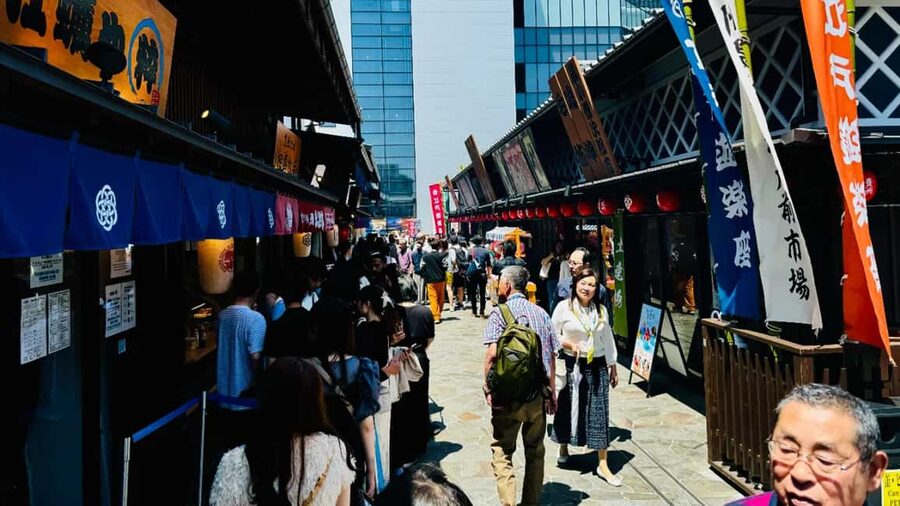
From about 6:30 to 7:15, you stop for a market breakfast. This is where the tour turns from watching seafood trade to tasting it. Depending on the day, you might find seafood ramen with shrimp and octopus, sushi, or different cuts of bluefin tuna.
The exact menu is not fixed. Ingredients and restaurant hours change, so you should treat the meal as a daily market choice rather than a guaranteed dish. The tour price does not list meals among its included services, so budget separately for breakfast.
That is not necessarily a disadvantage. It leaves room for the guide to respond to what is fresh and open that morning. Guides are praised for steering people toward good tuna and sushi choices, including comparisons between frozen and fresh tuna and different bluefin cuts.
Food lovers get the most from this part of the experience. If you care about where otoro and other tuna cuts come from, the earlier auction explanation makes the meal more meaningful. You are not simply eating sushi. You have just watched the kind of trade that supplies it.
There are limits. Vegetarian, halal, and gluten-free diets cannot be accommodated. Some tastings have age restrictions, so ask ahead if that affects your party. Food allergies are also listed as a reason the activity may not suit you.
More Tokyo markets and shopping streets:
- Tsukiji Fish Market Guided Tour and Sushi Making with Pro Chef
★ 5.0 · 775 reviews - Tokyo: Tsukiji Fish Market Food and Culture Walking Tour
★ 4.7 · 757 reviews - Tsukiji Fish Market: Street Food & Culture Walking Tour
★ 5.0 · 669 reviews - Tsukiji Fish Market Small-Group Food Walking Tour
★ 5.0 · 621 reviews
Toyosu’s modern market in 30 minutes
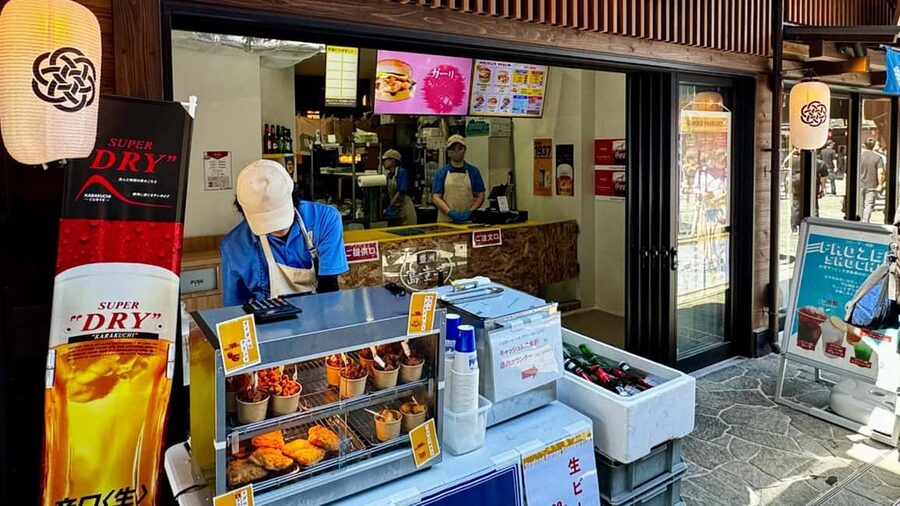
After breakfast, the guide leads a short tour through Toyosu. The focus is on how fresh ingredients are processed and how seafood moves through the market’s supply chain.
Toyosu feels planned and functional. Its controlled spaces and public viewing areas make it easier to observe the trade without wandering into restricted work zones. That order is useful for first-time visitors, though it can feel less atmospheric than the older market it replaced.
You have only about thirty minutes here, so the guide has to keep the route tight. That efficiency is helpful on a morning with three major stops, but it means you will not inspect every shop or market section. If you prefer slow browsing, you may wish the Toyosu shopping area received more time.
The guide’s role is important during this short visit. Without context, you might see workers handling fish and miss the larger system. With explanations about processing, seasonality, and buyers, the market becomes easier to read.
Traveling from Toyosu to Tsukiji
At about 7:45, the group transfers to Tsukiji. Transportation costs between the two markets are included, and the guide handles the changeover.
This short transfer is more valuable than it first appears. Toyosu and Tsukiji are often treated as interchangeable fish-market stops, but they show different sides of Tokyo’s food trade. Toyosu is the newer wholesale center with formal viewing infrastructure. Tsukiji is the older market district, where small specialist shops sell food, tools, and souvenirs directly to shoppers.
The move also saves you from working out the route on your own after a sleepless start. The guide keeps the morning on schedule and makes sure the group reaches Tsukiji with time left to explore.
Tsukiji from 8 to 8:30 a.m.
The Tsukiji portion is short, but it has a different feel from the auction. You walk among small shops selling seafood to take home, kitchenware, prepared food, and other market goods. You can watch local shopping, browse displays, and choose a souvenir.
This is the place for informal discovery. The auction explains the wholesale side of tuna. Tsukiji shows how food culture reaches ordinary shoppers through small businesses and specialist stalls.
I would like more than thirty minutes here, especially if you enjoy kitchen tools or want to compare several food shops. One past schedule included time for matcha and a group photo, and some people would rather use those minutes to browse. The guide can point you toward restaurants and stalls, but the clock limits how much independent shopping you can do.
Guides often provide recommendations for tuna sushi and other nearby places after the formal tour ends. That advice can save you from choosing a restaurant based only on the longest queue or the flashiest sign. You are free to continue exploring Tsukiji afterward if your day allows, although the structured tour itself ends around 8:30 a.m.
Is $122 a fair price?
At $122 per person, this is not the cheapest way to visit a market. You are paying for the guide, the auction explanation, the personal audio equipment, the Toyosu market walk, and the organized transfer to Tsukiji.
The value comes from timing and access to information. You could visit the public viewing deck on your own, but you would not necessarily understand the grading process or the hand signals. You would also need to arrange your own early transport, decide how to move between markets, and find breakfast while tired.
The price is easier to justify if you want the auction to make sense rather than simply take a quick look through a window. It is less attractive if you mainly want to eat your way through Tsukiji, since the final market visit is brief and food is not listed among the included costs.
The small group also matters. A compact group can move through crowded passages more easily and gives you better access to the guide’s explanations. The schedule is carefully timed, so you get three connected experiences in three and a half hours.
Free cancellation is available up to 24 hours before departure, and a reserve-now, pay-later option offers some flexibility. The tour is offered in English and Chinese.
Who will enjoy this early start?
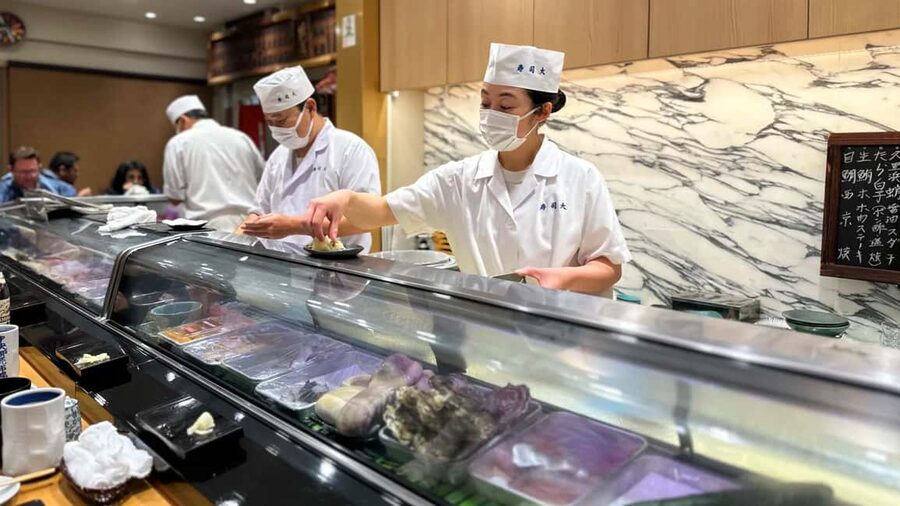
I would choose this tour for a first visit to Tokyo’s seafood markets, especially if you want context as well as food. It suits solo visitors, couples, and small groups who enjoy asking questions and starting the day before sunrise.
It is also a good fit for anyone curious about tuna quality. The comparison between fresh and frozen fish, the explanation of seasonal cycles, and the chance to taste different cuts add more than a basic sightseeing stop.
I would not choose it for a relaxed morning. You must leave your hotel very early, walk for a moderate amount of time, and follow a tight schedule. It is not suitable for wheelchair users, people with mobility impairments, people over 70, vegetarians, or people with food allergies.
If you need a special diet, ask before booking, but the stated conditions are firm: vegetarian, halal, and gluten-free meals cannot be accommodated.
Practical details that affect the morning
The auction does not operate on Wednesdays, Sundays, or Japanese public holidays. Market conditions, auction timing, restaurant hours, and available dishes can change, so the guide may adjust the order or exact stops on the day.
Bring cash as well as your passport or ID. The ID is especially important if you are selected for first-floor viewing. Keep your phone available for WhatsApp communication before the tour.
The tour lasts 210 minutes, from 5 to 8:30 a.m. Pickup, when available, starts earlier. The advertised transport between Toyosu and Tsukiji is covered, while your hotel ride and breakfast costs should be checked separately.
Should you book the Toyosu and Tsukiji tour?
Book it if the tuna auction is high on your Tokyo list and you want someone to explain what is happening. The auction commentary and audio guide are the main reasons to pay for the organized experience, while the Tsukiji stop gives you a useful contrast with Toyosu’s formal market.
Skip it if you dislike early mornings, need dietary flexibility, or expect to walk beside the auction floor. The normal viewing position is upstairs, and the first-floor lottery is not guaranteed.
For the right person, this is a smart way to turn a difficult early start into a focused morning of seafood, markets, and practical Tokyo food advice. Arrive early, bring warm clothes, budget for breakfast, and treat the lottery as a bonus rather than the plan.
FAQ
What time does the tour start?
The main tour begins at 5 a.m. You should arrive at Lawson Toyosu Market Senkyaku Banrai about five minutes early.
Is hotel pickup available?
Optional hotel pickup is available for eligible hotels and inns in Chiyoda, Chuo, and Taito wards. Pickup is around 4:20 a.m., and you should confirm that your accommodation is within the service area.
How do I get to the meeting point so early?
Public transport may not be operating at that hour. The tour information recommends using a taxi or Uber if you are not using the optional pickup.
Where will I watch the tuna auction?
The standard viewing location is the second-floor public observation deck. Every participant receives a personalized audio guide for the auction explanations.
Can I watch from the first floor?
You can apply for a first-floor viewing lottery. Registration requires booking by the fifth of the previous month and providing the full names of all participants. Selection is random, and only selected participants may enter the first-floor area.
Is there a first-floor lottery in December?
No. In December, all participants watch from the second-floor public observation deck.
Is breakfast included in the price?
Meals are not listed among the included services. The breakfast menu changes with ingredient availability and restaurant hours, so plan for food costs separately.
Does the tour suit vegetarians or people with food allergies?
No. Vegetarian, halal, and gluten-free diets cannot be accommodated, and the activity is not suitable for people with food allergies.
Which days does the tuna auction not operate?
The auction does not operate on Wednesdays, Sundays, and Japanese public holidays. Market operations and exact timing can also change.
Newly reviewed around Tokyo
- Tokyo Asakusa:Calligraphy & Make T-shirt Activity★ 5.0 · 62 reviews
- Intercity Shuttle, Tokyo to Haneda /Narita /Yokohama /Makuhari★ 5.0 · 5 reviews
- 1 Hour Travel around Tokyo with a Professional Photographer★ 5.0 · 3 reviews
- Travel Tokyo with Your Own Personal Photographer★ 5.0 · 43 reviews
- Train in Samurai Swordsmanship and Defeat the Demon in Tokyo★ 5.0 · 5 reviews
- Shuttle Van 6hr Tokyo Tour to-and-from Tokyo, Yokohama and Narita★ 5.0 · 9 reviews
- Kickboxing & Body Training with EX-Pro Fighter★ 5.0 · 4 reviews
- Traditional Japanese Knife Sharpening Class★ 5.0 · 18 reviews
Tsukiji and Toyosu Fish Market Tours, compared.
Tokyo Tsukiji Fish Market Food and Culture Walking Tour
Read our review →
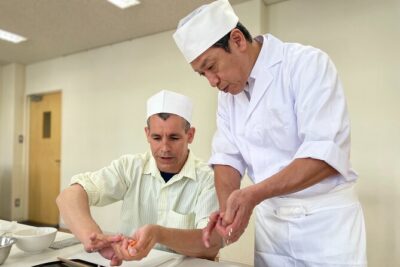
Tokyo Sushi Making Class in Tsukiji with Professional Chef
Read our review →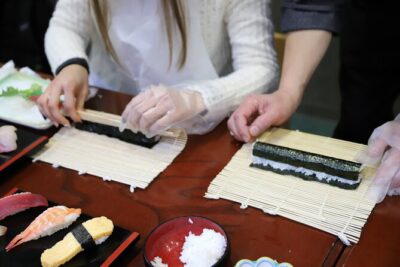
Tsukiji Fish Market Guided Tour and Sushi Making with Pro Chef
Read our review →Tsukiji Fish Market Food and Culture Walking Tour
Read our review →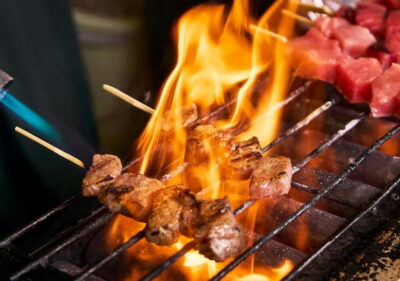
Tsukiji Fish Market: Street Food & Culture Walking Tour
Read our review →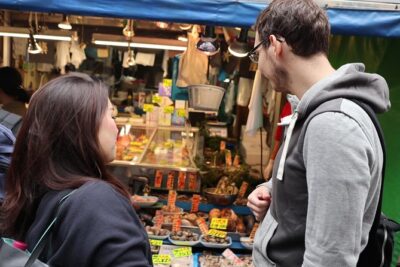
Tsukiji Fish Market Small-Group Food Walking Tour
Read our review →Browse the lists this tour appears in