
Reviewed · TOKYO TEA CEREMONY EXPERIENCES
Tokyo: Tea Ceremony in Shibuya Tokyo
A Japanese tea ceremony is not simply a cup of matcha. It is a carefully paced lesson in manners, attention, and hospitality, held here in a prestigious tea room in Shibuya. Your teacher explains the customs in English, then shows you Otemae, the formal method of preparing tea, before you make your own bowl.
I like the private format, which keeps the class personal and works well for families or friends. I also like the chance to taste traditional sweets before making tea, since the sweet and slightly bitter flavors are meant to work together. The main consideration is that kimono wear costs extra, and guests should wear clothing that covers the knees or use the free pants or wrap skirt provided.
Key points to know before you book
- Private groups of one to four: You share the tea room only with your own party, not with a mixed group.
- English-speaking instruction: The teacher explains tea history, etiquette, and each step of Otemae in English.
- You make your own matcha: This is a hands-on class, not just a demonstration.
- Sweets come before the tea: Traditional Japanese sweets prepare your palate for the matcha.
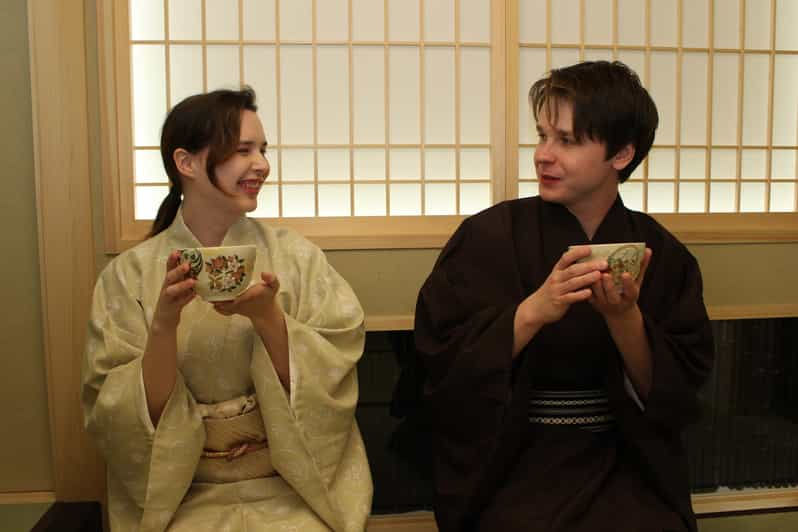
- Kimono is optional: You can arrange kimono wear for an additional charge, or attend in your own clothes.
- Shibuya setting with pickup available: Pickup can be arranged if needed, but contact the provider by email before booking.
A quiet tea lesson in the middle of Shibuya
Shibuya is known for bright signs, crowded crossings, and fast-moving city life. This activity gives you a very different Tokyo memory: a private room, measured movements, and a teacher who asks you to slow down and notice what is happening.
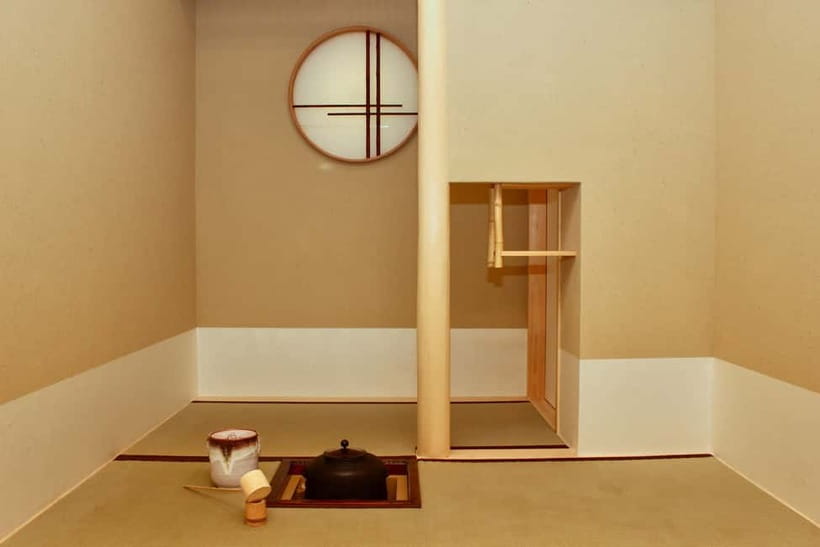
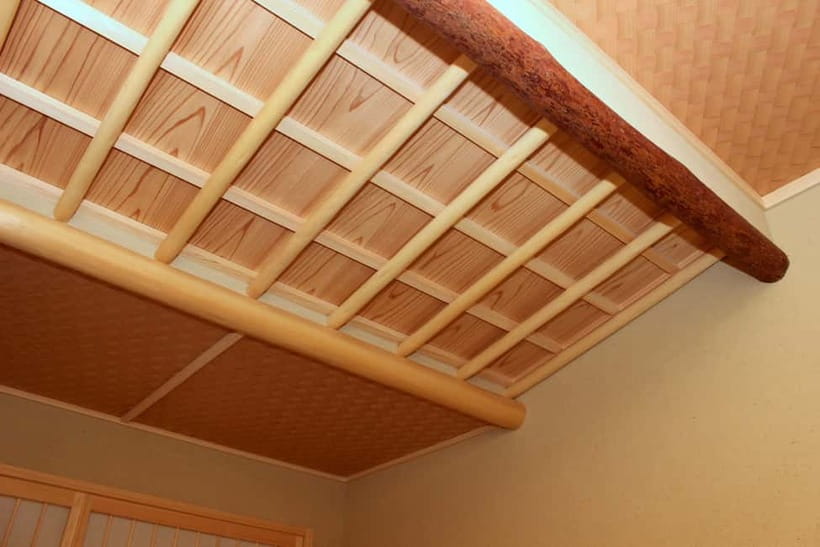
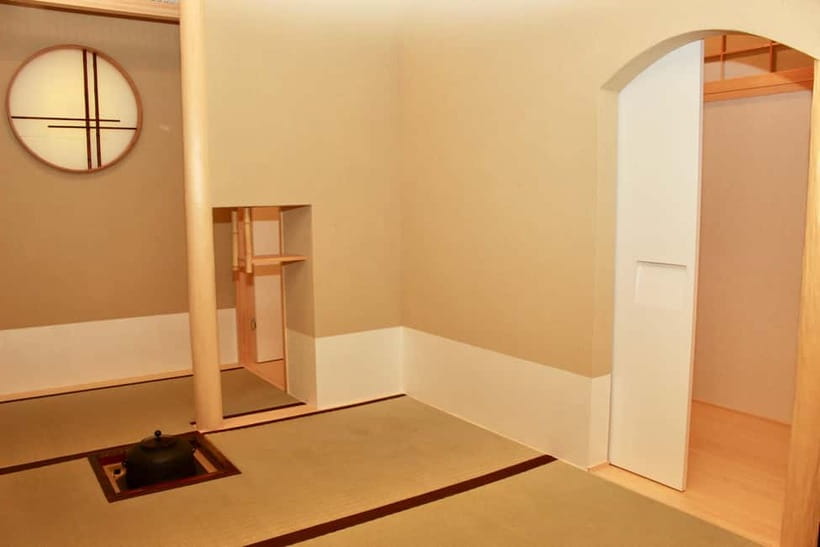
The setting matters. A tea ceremony is built around the room as much as the drink. The decor, the gestures, the bowl, the sweets, and the way the tea is offered all form part of the lesson. You are not just being handed matcha and told how to stir it. You are learning why the ceremony follows a set order.
The class is taught in English, which removes a common worry. You can ask questions about etiquette and history as you go, rather than trying to copy a demonstration without understanding it. The teachers are experienced in tea, and Mako-san is specifically noted as one of the instructors. She also leads the session in a kimono when that option is arranged.
This is a good choice if you want cultural context without committing to a full day trip. The experience focuses on one Japanese tradition and gives you enough time to practice it yourself.
More things to do in Shibuya:
- Official Street Go-Kart in Shibuya
★ 5.0 · 3,435 reviews - Tokyo: Street Kart Experience in Shibuya
★ 4.9 · 1,484 reviews - Shibuya Meltdown Nightlife Tour: All-You-Can-Drink Bar Hopping
★ 5.0 · 1,058 reviews
What happens when you arrive
The class is private, with a minimum of one person and a maximum of four per booking. That size is useful. If you are alone, you receive direct guidance. If you are traveling with family or friends, everyone can take part without feeling watched by a large class.
Pickup service is included if needed, but you should contact the provider at [email protected] before booking to arrange it. The available dates and plans can change, so check the provider website before settling your schedule.
There is no special equipment to bring. Clothing is the only practical point to handle ahead of time. Skirts or pants should cover your knees. If your outfit is too short, suitable pants or a wrap skirt can be lent to you at no charge.
That small clothing rule is worth taking seriously. Tea ceremony involves sitting and moving in a formal setting, so comfortable, modest clothing makes the class easier. Kimono wear is available for an additional fee if you want photographs and a more complete traditional presentation, but it is not required for the tea lesson.
The opening explanation: history and etiquette
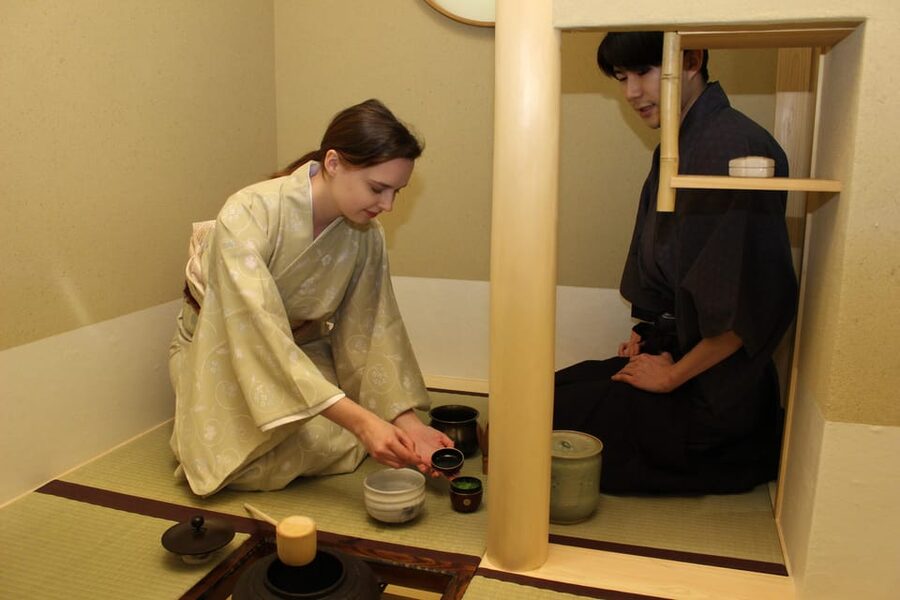
The first part covers the background of the tea ceremony and the basic manners used in the room. This is an important part of the activity, because the movements make more sense once you understand their purpose.
Your teacher explains the ceremony’s history and the etiquette you need to follow. Expect guidance on how the tea is presented, how to receive it, and how to behave in the tea room. The goal is not to test you. It is to give you enough information to participate respectfully.
I like this approach because it avoids turning Japanese customs into a string of unexplained rules. You learn what to do and why the order matters. That makes it easier to remember, and it gives the later demonstration more meaning.
The lesson also introduces the idea that tea ceremony is about more than taste. The preparation, presentation, and shared time are all part of the experience. Even a shorter one-hour plan can provide a calm introduction if you pay attention to these details.
Watching Otemae, the formal tea preparation
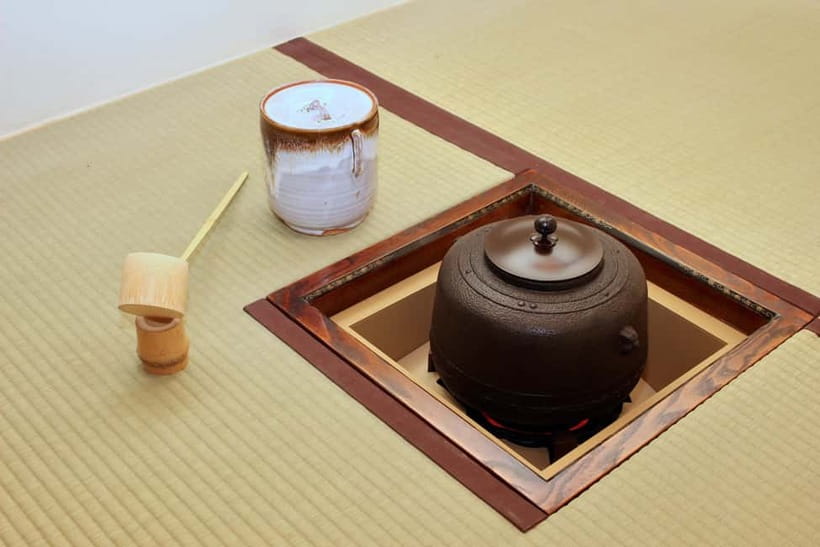
Next, an experienced teacher demonstrates Otemae, the method of preparing matcha. This is the part to watch closely. The preparation is deliberate, and small gestures matter.
You will see the teacher handle the tea and equipment in a set sequence. The demonstration gives you a model to follow when your turn comes. If you have never made matcha before, this is more useful than being asked to begin with a quick explanation.
The teacher’s movements may look simple at first, but the ceremony asks for care and control. You will notice the quiet rhythm of preparing the bowl, mixing the tea, and presenting it. The calm pace is part of the lesson, not wasted time.
This section is also where the private format pays off. You can ask for a step to be repeated, and your teacher can adjust the explanation to your group. A larger class would be less personal and might leave you watching from a distance.
More Tokyo tea ceremonies:
- Matcha Making Class in Tokyo with Authentic Japanese Sweets Set
★ 5.0 · 744 reviews - Tokyo: Traditional Tea Ceremony with a Tea Master
★ 5.0 · 528 reviews - Dynamic Tokyo: Tokyo Tower, Tea Experience, Bay Cruise Day Tour
★ 4.5 · 521 reviews - Tokyo: Matcha Making Experience with Mochi Sweets in Asakusa
★ 4.9 · 388 reviews
Sweets first, then your bowl of matcha
Before you prepare your tea, you taste traditional Japanese sweets. The timing is not random. The sweet flavor helps balance the stronger, grassy taste of matcha.
The sweets also give the class a pleasant pause before the hands-on part begins. You get to try a small piece of Japanese food and learn how it fits into the ceremony. The tea and sweets are included in the price, so there is no extra charge for this tasting.
Matcha can surprise first-time drinkers. It is not prepared like ordinary steeped tea, and its taste can be more intense than expected. The sweets make the pairing easier, especially if this is your first experience with powdered green tea.
After tasting the sweets, you prepare your own matcha. The teacher guides you through the process, so you are not left to guess how much effort or speed to use. You then taste the tea you made.
That hands-on step is the heart of the class. Watching a teacher is useful, but making your own tea helps you remember the process. It also gives you a better sense of the skill involved in producing a smooth bowl.
What makes the private format worthwhile
At $81 per person, this is not the cheapest way to taste matcha in Tokyo. You can find tea drinks for far less in cafes. The value comes from the instruction, the private room, the sweets, the tea, and the chance to make the drink yourself.
The price also includes facility charges and taxes, so the advertised cost covers the main parts of the class. For a group of friends or a family of up to four, the private setting can justify the higher price. You are paying for direct attention rather than simply buying a beverage.
I would compare it with the cost of other organized cultural activities in Shibuya, not with the price of a cafe drink. If you want a quick taste of matcha, this is more than you need. If you want a structured introduction to a major Japanese tradition, the lesson offers better value.
The activity is especially useful for people with limited time in Tokyo. You do not need to leave the city for a cultural visit, and you avoid the uncertainty of trying to understand ceremony etiquette on your own.
Adding kimono wear to the experience
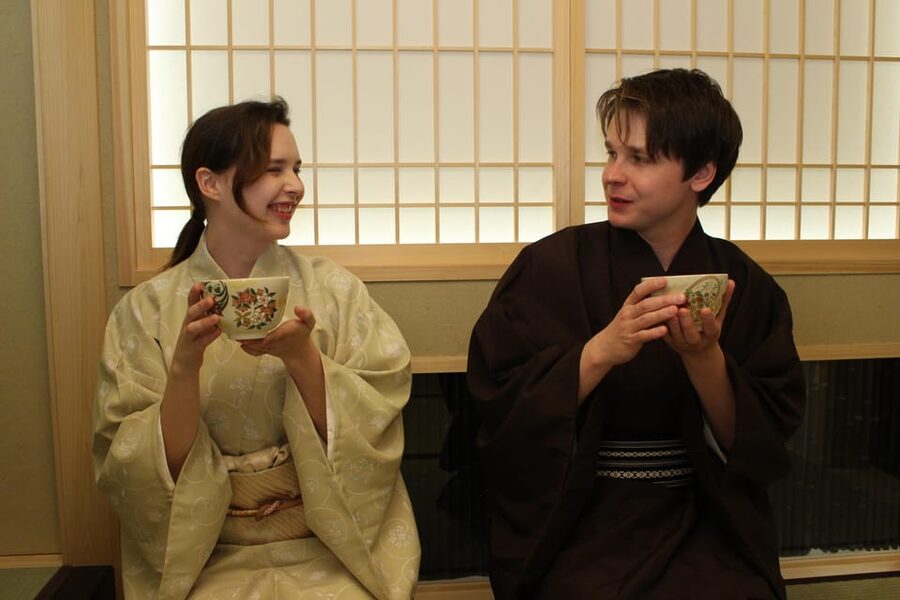
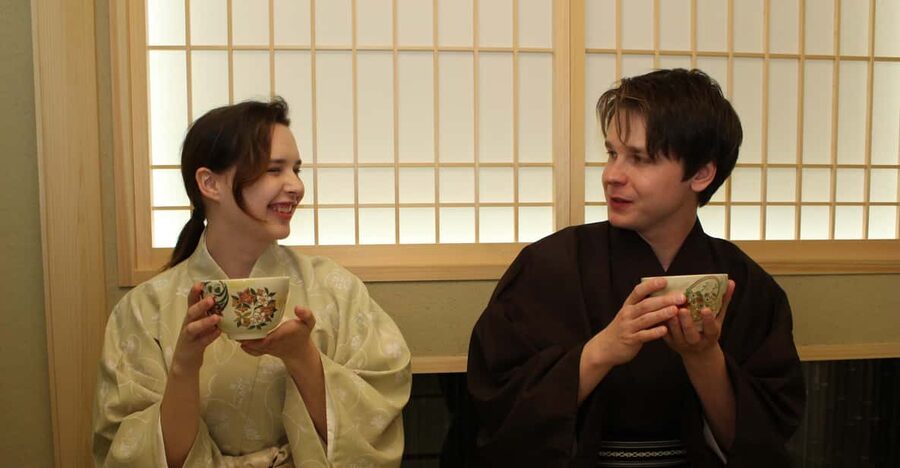
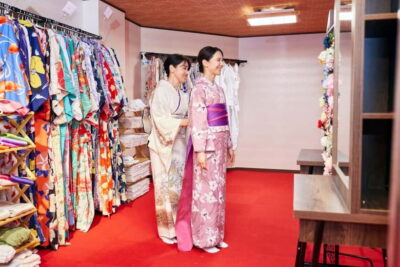
Kimono wear is optional and costs extra. One participant specifically took part in the ceremony wearing kimono, which can make the setting feel more formal and gives you a stronger visual connection to the tradition.
Do not treat the kimono as a requirement. The tea ceremony itself is the main activity, and you can attend in ordinary clothing as long as it covers your knees. The provider lends suitable pants or a wrap skirt free of charge if needed.
If you do choose kimono, allow for the added cost when comparing this activity with other cultural classes. The additional clothing option may appeal to you if photographs matter or if you want the ceremony to feel like a special occasion. It may be less important if your priority is learning the tea preparation.
Souvenirs and the small cultural details
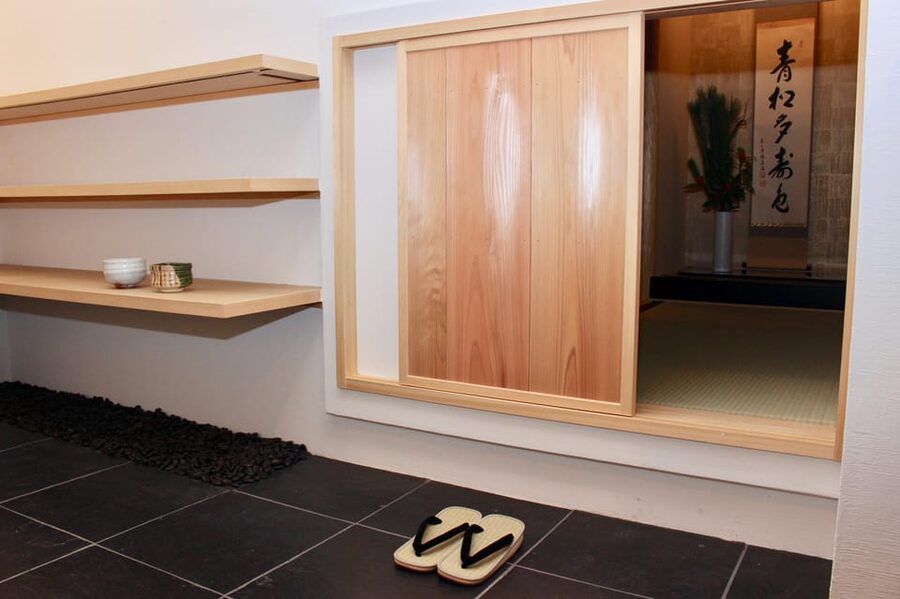
The experience also offers souvenirs, including Pokemon items made from kimono material. This is a playful touch that connects traditional fabric with modern Japanese pop culture.
These goods are not part of the tea lesson, and you should not book the class solely for shopping. Still, they provide an unusual reminder of how old and new Japanese culture can sit side by side. A small fabric souvenir may be easier to pack than a tea bowl or larger gift.
Some participants also purchased tea sets and matcha after the ceremony. If you are interested in taking the experience home, ask about available items during your visit. The supplied information confirms that such purchases have been made, but it does not give prices or a complete shop selection, so do not assume a specific product will be available.
Who will enjoy this Shibuya activity
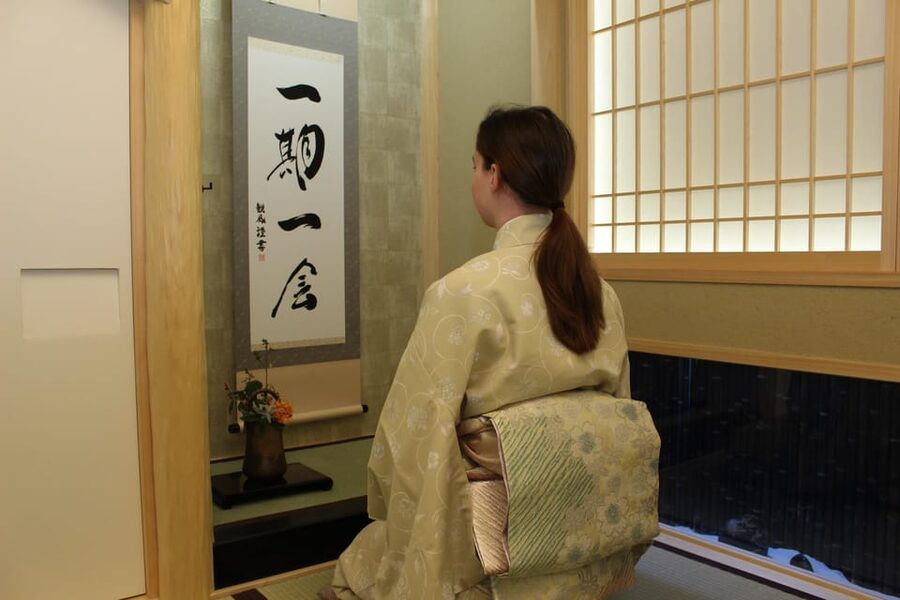
I would recommend this class to first-time visitors who want a clear introduction to Japanese tea ceremony. The English explanation makes it approachable, and the private format means you can ask questions without holding up a large group.
Families may also like it, especially with older children who can sit quietly and follow instructions. The one-to-four-person limit keeps the class manageable, though the ceremony’s formal pace may not suit very young children.
Couples and friends can use it as a slower break from sightseeing. Shibuya can be intense, and an hour or so of quiet instruction offers a sharp change of pace. This is not a loud, fast activity, so it works best for people who enjoy careful demonstrations and cultural detail.
It is less suitable if you want a casual drop-in tasting, a long tour of several Tokyo sights, or a large group social event. You will spend your time focused on one tradition rather than moving between attractions.
Practical booking advice for a smoother visit
The price is $81 per person, and bookings are for private groups of one to four. Tea, sweets, facility charges, and taxes are included.
You can reserve now and pay later, which is useful if your Tokyo schedule is still shifting. Cancellation is allowed up to 24 hours in advance for a full refund. These terms give you some flexibility, but you should still check the date and plan details on the provider website before booking.
Contact the provider by email before booking if you need pickup service. The listed contact is [email protected]. Pickup is described as available if needed, but the exact meeting arrangement should be confirmed directly.
The class is offered in English. Bring nothing special, and remember the knee-covering clothing rule. If you want kimono wear, ask about the extra charge before confirming so the final cost is clear.
Should you book this tea ceremony?
Book it if you want more than a cup of matcha. The strongest parts are the private setting, English-speaking instruction, traditional sweets, and the chance to prepare tea yourself. Those details turn the visit into a lesson rather than a short tasting.
At $81, the activity makes the most sense for visitors who value personal instruction and cultural context. It is particularly good for a couple, family, or small group that wants a calm Shibuya experience. Add kimono wear only if that visual element matters to you.
Skip it if your schedule is packed or you are mainly looking for inexpensive food and drink. But if you want to understand the manners, rhythm, and care behind Japanese tea ceremony, this is a practical and welcoming way to begin.
FAQ
Where does the tea ceremony take place?
The experience takes place in Shibuya, Tokyo, on Honshu, in a prestigious tea room.
How many people can join one booking?
Each private booking accepts from one to four people. Groups are not mixed with other bookings.
Is the class taught in English?
Yes. English-speaking teachers experienced in tea lead the class.
What is included in the $81 price?
The price includes the tea, traditional sweets, facility charges, and taxes.
Do I need to bring anything?
No special items are required. You should wear skirts or pants that cover your knees. Pants or a wrap skirt can be lent to you free of charge if needed.
Is kimono wear included?
No. Kimono wear is available for an additional charge, so ask about the cost before booking if you want this option.
Is pickup service available?
Pickup service is available if needed. Contact the provider at [email protected] before booking to arrange it.
Newly reviewed around Tokyo
- Tokyo Asakusa:Calligraphy & Make T-shirt Activity★ 5.0 · 62 reviews
- Intercity Shuttle, Tokyo to Haneda /Narita /Yokohama /Makuhari★ 5.0 · 5 reviews
- 1 Hour Travel around Tokyo with a Professional Photographer★ 5.0 · 3 reviews
- Travel Tokyo with Your Own Personal Photographer★ 5.0 · 43 reviews
- Train in Samurai Swordsmanship and Defeat the Demon in Tokyo★ 5.0 · 5 reviews
- Shuttle Van 6hr Tokyo Tour to-and-from Tokyo, Yokohama and Narita★ 5.0 · 9 reviews
- Kickboxing & Body Training with EX-Pro Fighter★ 5.0 · 4 reviews
- Traditional Japanese Knife Sharpening Class★ 5.0 · 18 reviews
Tokyo Tea Ceremony Experiences, compared.
Matcha Making Class in Tokyo with Authentic Japanese Sweets Set
Read our review →
Dynamic Tokyo: Tokyo Tower, Tea Experience, Bay Cruise Day Tour
Read our review →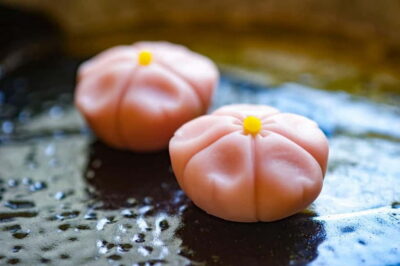
Matcha Making Experience with Mochi Sweets in Asakusa
Read our review →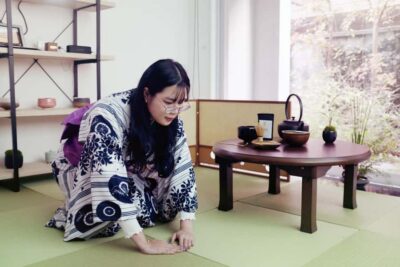
Tea Ceremony Workshop in Tokyo by the Experienced Instrucor
Read our review →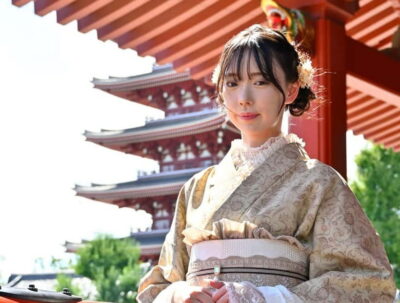
Browse the lists this tour appears in