
Reviewed · TOKYO TEA CEREMONY EXPERIENCES
Tokyo: Tea Ceremony & Japanese Traditional Sweets
The most appealing part of this Tokyo experience is that you do not just watch a tea ceremony. You see the formal otemae demonstration, then whisk your own matcha and shape a seasonal Japanese sweet called nerikiri. It is a compact, hands-on lesson rather than a passive cultural show.
I like the small group size, capped at 10, and the clear English guidance. I also like the balance between watching a licensed tea master with more than 10 years of experience and doing the work yourself. The main consideration is the short one-hour format. You get a focused introduction, not a long ceremony or a full afternoon of tea study.
Key points
- Two hands-on activities: Whisk your own matcha and make a seasonal nerikiri sweet.
- A formal demonstration: Watch the tea master perform otemae before trying the process yourself.
- English instruction: An expert host explains the ceremony and answers questions in English.
- Small group setting: The experience is limited to 10 participants, allowing for individual help.
- Easy Hakusan access: The meeting point is about five minutes from Toei Mita Line Hakusan Station.
- A calm break in Tokyo: The one-hour format fits neatly between sightseeing plans.
A quiet tea lesson near Hakusan Station
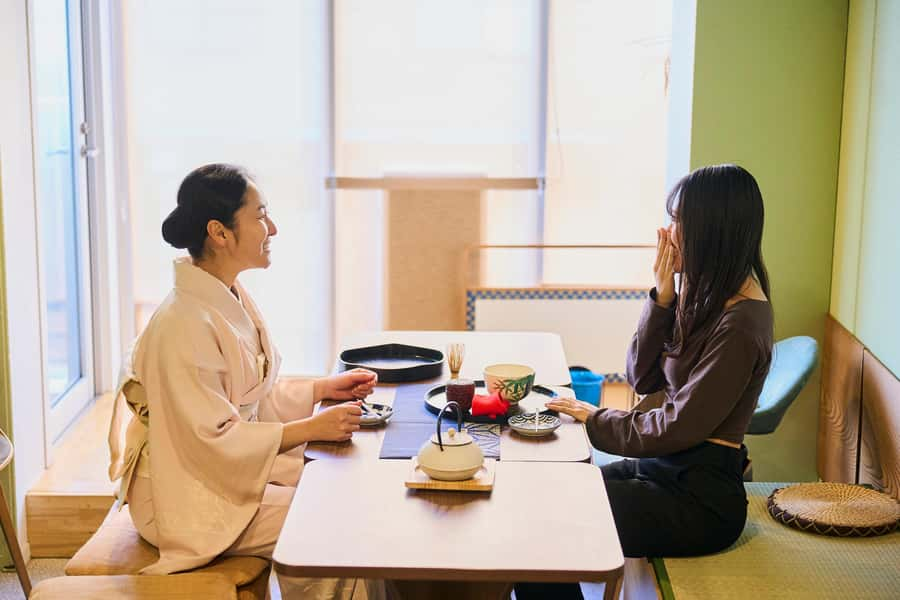
This experience takes place in Hakusan, a practical Tokyo neighborhood rather than one of the city’s major sightseeing districts. That location matters. You are not signing up for a tour that tries to combine tea, temples, shopping, and a meal in one rushed package. You are going to one place for one carefully focused activity.
From Toei Mita Line Hakusan Station, the meeting point is about a five-minute walk. The address is on the second floor of Phil Park Hakusan Hills, at 1-26-17 Hakusan, Bunkyo-ku. Use the supplied Google Maps pin and look for the second floor as directed. This is the sort of detail worth checking before you leave, since a short walk can still become an unwanted search if you are watching the clock.
The session lasts one hour. That makes it easy to fit into a morning or afternoon, especially if you want a break from Tokyo’s crowded main sights. It also means the experience has a clear limit. You will learn the basic flow and prepare the tea and sweets, but you should not expect an extended study of every rule or school of tea ceremony.
More Tokyo tea ceremonies:
- Matcha Making Class in Tokyo with Authentic Japanese Sweets Set
★ 5.0 · 744 reviews - Tokyo: Traditional Tea Ceremony with a Tea Master
★ 5.0 · 528 reviews - Dynamic Tokyo: Tokyo Tower, Tea Experience, Bay Cruise Day Tour
★ 4.5 · 521 reviews
Watching the otemae demonstration
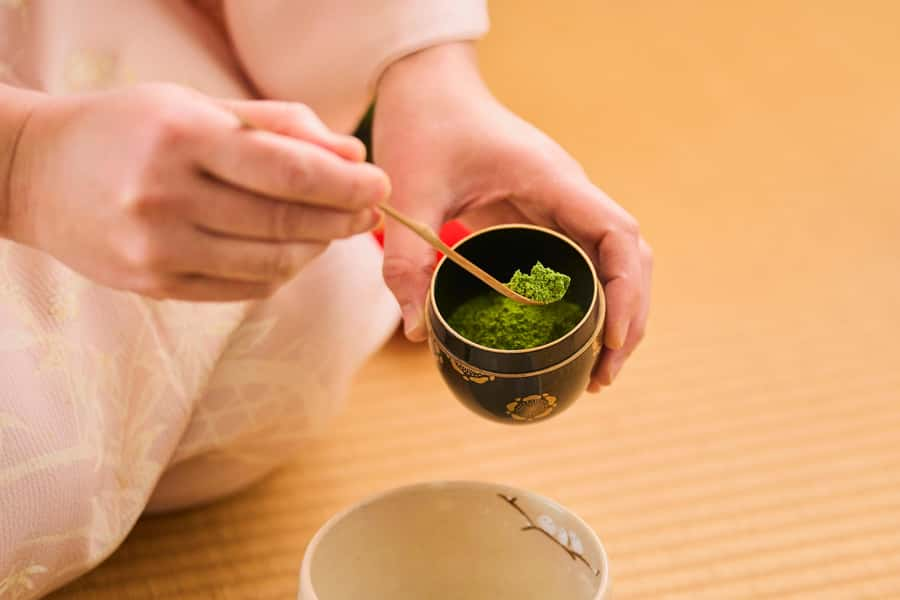
The session begins with instruction from a licensed tea master who has more than 10 years of experience. You first watch the otemae demonstration, the formal preparation of matcha. The point is not only to see a drink being made. The movements, order, and careful handling show how much attention is given to the act of serving tea.
This demonstration gives you a useful frame for the rest of the hour. Instead of being handed a bowl and told to copy someone, you can first watch the process from start to finish. The English-speaking host explains what is happening, making the ceremony easier to follow even if you know little about Japanese tea customs.
The graceful pace is part of the appeal. Tokyo can push you from one sight to the next, while this activity asks you to slow down and watch a sequence of deliberate actions. One of the strongest points of the experience is its calm mood, which makes it a good pause during a busy city visit.
The instruction is intended for first-time participants. You do not need prior knowledge of matcha preparation or tea ceremony etiquette. The host provides explanations in English and can answer questions as you go.
Whisking your own bowl of matcha
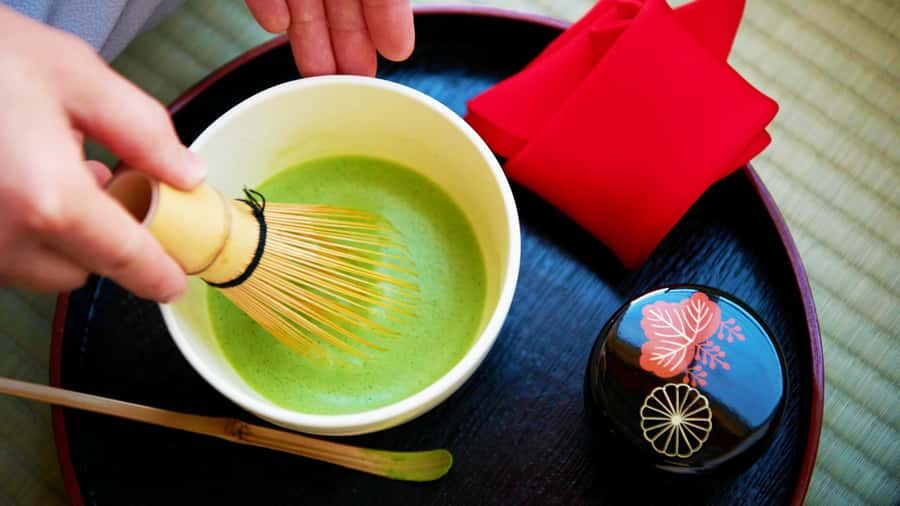
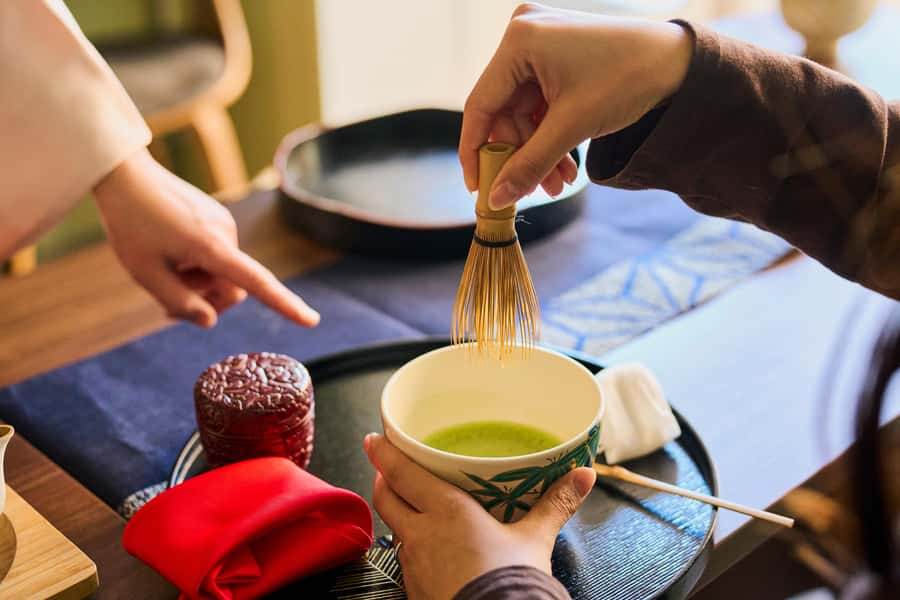
After watching the tea master, you prepare your own matcha. This is where the experience changes from demonstration to participation. You get to try the whisking process yourself and taste the result.
Matcha has a strong, distinctive flavor, and making it yourself gives you a better sense of the preparation behind the cup. The activity does not simply place a finished bowl in front of you. It lets you take part in a basic step of the ceremony, with guidance available if you need help.
That hands-on element is especially useful if you are comparing this with a tea service that only asks you to sit and observe. Here, you will have something to do and a skill to try. The small group limit of 10 should also make it easier to follow along and ask questions, though the exact amount of personal instruction can depend on the group.
The English format is a major practical advantage for international visitors. The activity is conducted in English only, with no Japanese language support. If you need Japanese instruction, this is not the right choice. If you are comfortable learning in English, the format removes much of the guesswork from the ceremony.
Making seasonal nerikiri sweets
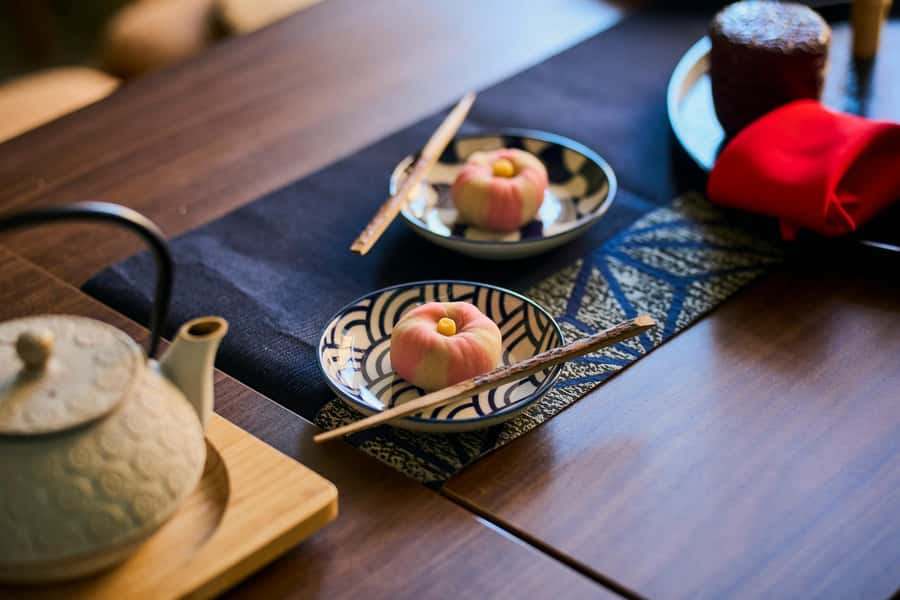
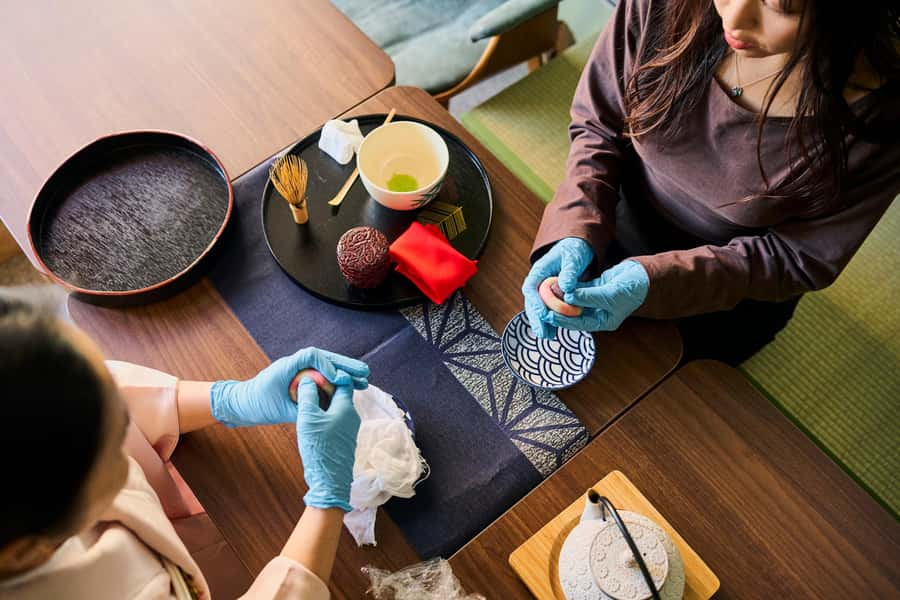
The second hands-on part is making nerikiri, a traditional Japanese confection. These sweets are known for delicate shapes and colors that reflect seasonal flowers and other motifs. During the session, you have the chance to shape your own piece rather than simply receive one as an accompaniment.
This adds a creative side to the tea lesson. Matcha preparation asks you to follow a method, while nerikiri gives you a chance to work with form and presentation. The sweet is designed to look refined, so the making process helps you appreciate the care behind Japanese confectionery.
The seasonal theme also gives the activity a sense of time and place. The exact design may vary, but the idea is to represent the season through the sweet’s color and shape. That makes nerikiri more than a snack. It becomes part of the visual setting for the tea.
You then pair your handmade nerikiri with freshly prepared matcha. The combination is central to the experience. The slightly strong tea and the traditional sweet are meant to be enjoyed together, with each part balancing the other.
You should keep your expectations sensible. This is a one-hour guided activity, not a professional confectionery workshop. The value is in learning the basic process and creating something yourself, not in producing a perfect artisan sweet on your first attempt.
More Dessert Tours in Tokyo:
- Tokyo: Matcha Making Experience with Mochi Sweets in Asakusa
★ 4.9 · 388 reviews - Make Traditional Nerikiri Sweets & Matcha experience in Shibuya
★ 5.0 · 130 reviews - Private Mochi Sweets Making class near Shibuya area
★ 5.0 · 93 reviews - Japanese Traditional Sweets making and Tea Ceremony
★ 4.7 · 50 reviews
Why the small group size matters
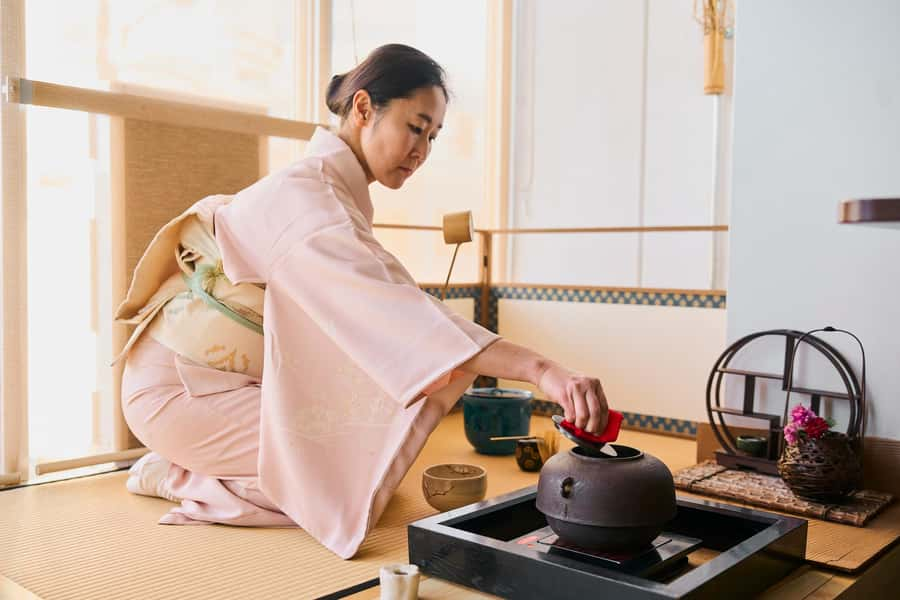
The experience is limited to 10 participants. That is large enough to feel social but small enough to avoid the scale of a major group demonstration. For an activity that involves watching, whisking, shaping, and asking questions, this limit is useful.
You will be learning movements that may be unfamiliar at first. A smaller group gives the host a better chance to see when someone needs help with the matcha or sweets. The available information does not promise a private lesson, so you should not expect constant one-to-one attention. Still, the group cap is a favorable feature for a practical class.
The session also suits people who prefer a gentle cultural activity. One past participant described it as a lovely, calm break from the busy pace of the rest of a Tokyo visit. That is a good way to think about the format. It is not built around speed, crowds, or a long list of sights. It is one quiet hour with a clear purpose.
The strongest praise centers on the instructor’s manner and explanations. The tea master and English-speaking host are described as kind, informative, and ready to help when needed. Those qualities matter here because the experience depends on instruction, not just scenery.
What the $27 price includes
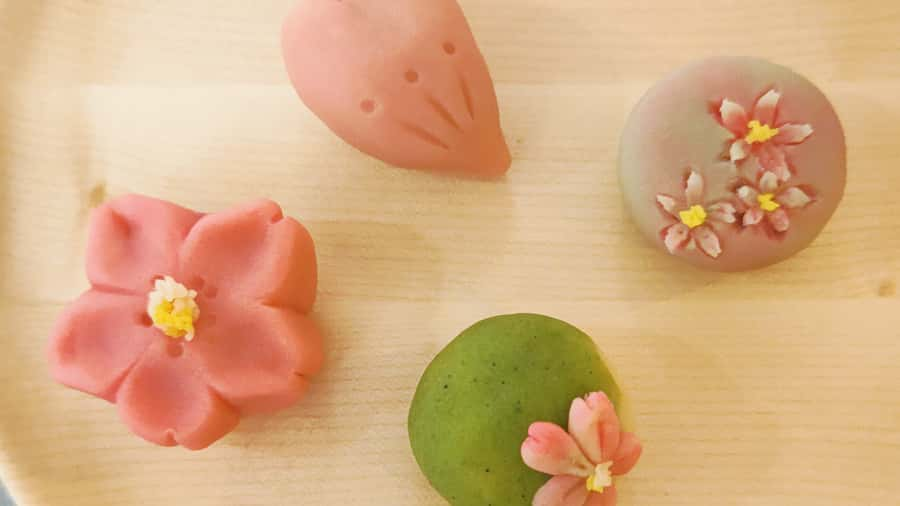
At $27 per person, this is a modestly priced activity for Tokyo. The fee includes the English guide, the tea ceremony, and the traditional Japanese sweets. You are also paying for the chance to prepare your own matcha and make nerikiri, which gives the hour more substance than a simple tasting.
I see it as good value if you want a compact introduction to tea ceremony with a practical element. You receive a demonstration, instruction, two activities, and a tasting within one hour. The small group format adds to the value, particularly if you appreciate being able to ask questions.
The price is less compelling if you want a long, formal ceremony or an in-depth lesson on tea schools and history. The supplied details do not promise a full meal, transport, sightseeing, or an extended workshop. Think of this as a focused cultural class, not a complete day experience.
That focus can be a strength. You do not need to sacrifice half a day or rearrange your Tokyo itinerary. If you have a free hour near Hakusan and want something more personal than simply taking photos at a cultural site, the cost is reasonable.
Who will enjoy this experience most
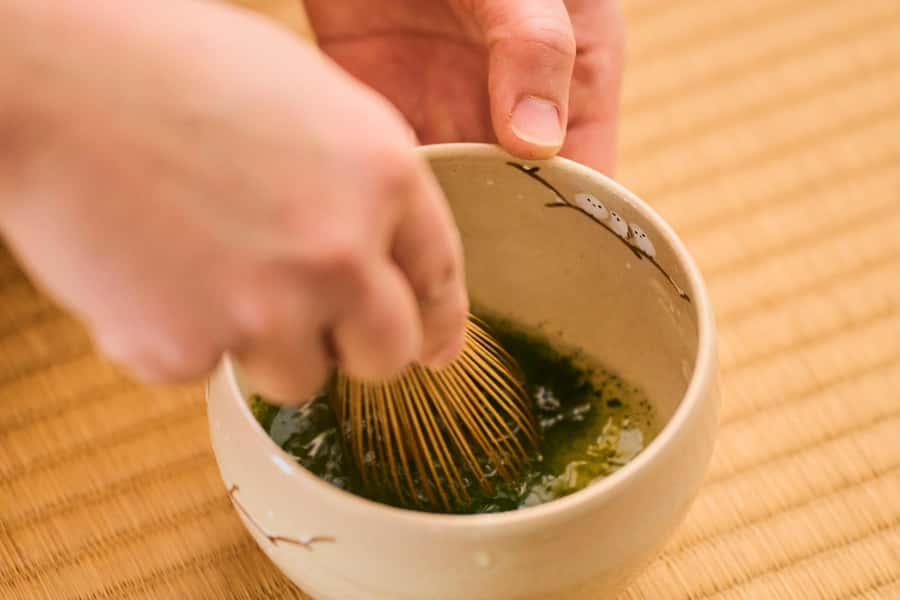
I would recommend this activity to first-time visitors who want an accessible introduction to Japanese tea ceremony. You do not need prior experience, and the English explanations make the process easier to follow.
It also fits well for visitors who enjoy making things. The matcha whisking and nerikiri shaping give you two different forms of participation. If you prefer to watch without taking part, you may find the practical sections less appealing, but most people comparing hands-on cultural activities will see the benefit.
The one-hour duration works well for couples, solo visitors, and small groups of friends. It is also useful for an itinerary that already includes several major Tokyo sights. You can place this experience between other plans without giving up a full morning or afternoon.
Families and visitors using wheelchairs may also find the activity suitable because it is listed as wheelchair accessible. The available information does not describe the exact room layout or restroom arrangements, so it is sensible to confirm any specific access needs before booking.
This is not the best choice if you require Japanese-language support. The activity is English only. It is also not the right pick if your main goal is a long ceremony, extensive cultural history, or a large menu of sweets.
Practical planning for your visit
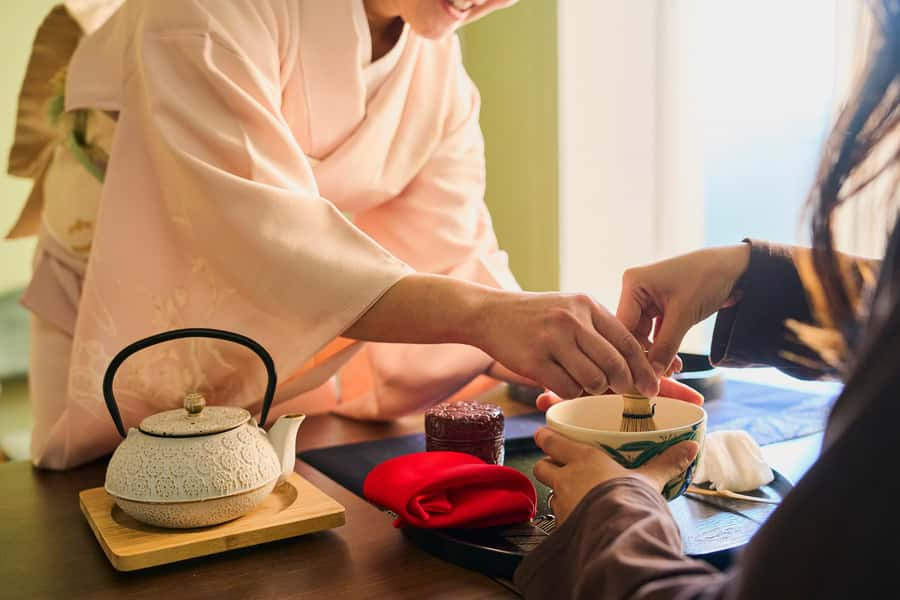
Wear comfortable clothes. The experience includes whisking matcha and shaping a sweet, so clothing that allows easy movement is a sensible choice. No special equipment is listed as necessary.
Allow enough time to find the building. The meeting point is about five minutes from Hakusan Station, but you still need to locate Phil Park Hakusan Hills and go to the second floor. Checking the map before leaving your hotel can prevent a rushed arrival.
The listed location is:
2nd Floor, Phil Park Hakusan Hills
1-26-17 Hakusan, Bunkyo-ku, Tokyo
The nearest stated access point is Toei Mita Line Hakusan Station. Since the activity lasts only one hour, arriving on time matters. A late arrival would cut into a short session that already has several parts to cover.
Booking is flexible. You can reserve now and pay later, and cancellation is free up to 24 hours in advance for a full refund. Those terms are useful if your Tokyo plans are still changing, though you should check the exact booking conditions at the time you reserve.
My verdict on the tea ceremony and sweets
I would book this experience if you want a short, well-guided introduction to Japanese tea ceremony with real participation. The best features are the licensed tea master, English instruction, small group limit, and the chance to make both matcha and nerikiri.
The main tradeoff is its scale. One hour is enough for a taste of the ceremony, but not enough for a lengthy lesson or a broad cultural program. You also need to be comfortable with English-only instruction.
At $27, the activity offers a fair amount for the time and cost. Book it if you want a calm break from Tokyo’s busy sightseeing rhythm and enjoy learning by doing. Skip it if you are seeking a grand formal ceremony, a full meal, or Japanese-language support.
FAQ
How long does the tea ceremony experience last?
The experience lasts one hour.
How much does the activity cost?
The price is $27 per person.
Where does the experience take place?
It takes place on the second floor of Phil Park Hakusan Hills, at 1-26-17 Hakusan, Bunkyo-ku, Tokyo.
How do I reach the meeting point?
The meeting point is about a five-minute walk from Toei Mita Line Hakusan Station on the Toei Mita Line.
Is the experience conducted in English?
Yes. The experience is conducted in English, and Japanese language support is not available.
How many people can join the group?
The experience is limited to 10 participants.
What will I do during the session?
You will watch an otemae tea demonstration, learn to whisk your own matcha, and make seasonal nerikiri Japanese sweets.
Is the activity wheelchair accessible?
Yes, the activity is listed as wheelchair accessible.
Can I cancel for a full refund?
Yes. You can cancel up to 24 hours in advance for a full refund.
Newly reviewed around Tokyo
- Tokyo Asakusa:Calligraphy & Make T-shirt Activity★ 5.0 · 62 reviews
- Intercity Shuttle, Tokyo to Haneda /Narita /Yokohama /Makuhari★ 5.0 · 5 reviews
- 1 Hour Travel around Tokyo with a Professional Photographer★ 5.0 · 3 reviews
- Travel Tokyo with Your Own Personal Photographer★ 5.0 · 43 reviews
- Train in Samurai Swordsmanship and Defeat the Demon in Tokyo★ 5.0 · 5 reviews
- Shuttle Van 6hr Tokyo Tour to-and-from Tokyo, Yokohama and Narita★ 5.0 · 9 reviews
- Kickboxing & Body Training with EX-Pro Fighter★ 5.0 · 4 reviews
- Traditional Japanese Knife Sharpening Class★ 5.0 · 18 reviews
Tokyo Tea Ceremony Experiences, compared.
Matcha Making Class in Tokyo with Authentic Japanese Sweets Set
Read our review →
Dynamic Tokyo: Tokyo Tower, Tea Experience, Bay Cruise Day Tour
Read our review →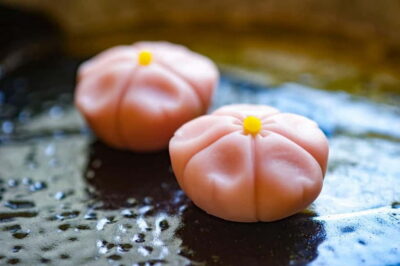
Matcha Making Experience with Mochi Sweets in Asakusa
Read our review →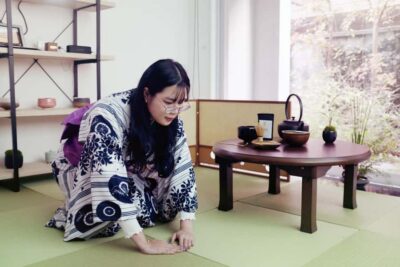
Tea Ceremony Workshop in Tokyo by the Experienced Instrucor
Read our review →
Browse the lists this tour appears in