
Reviewed · TOKYO SUSHI MAKING CLASSES
Tokyo: Sushi Making Class
The best part of this Tokyo class is that you do not just roll one maki and call it lunch. Over three hours, you work through four sushi styles, tamagoyaki, miso soup, and the rice that holds everything together. The lesson is friendly, practical, and built for beginners.
I like the small group of up to nine, since instructors can fix a loose roll or guide your hand without making you feel watched. I also like the local setting in a Shinjuku residential neighborhood, far from the usual sightseeing circuit. The main thing to consider is that the fish arrives pre-sliced, so this is a sushi-making class, not a lesson in preparing raw fish.
Key points at a glance
- Four kinds of sushi: Make nigiri, inari, hosomaki, and California rolls during one class.
- More than sushi: Prepare Japanese rolled egg, miso soup, toppings, and sushi rice.
- English-friendly instruction: Instructors explain techniques, ingredients, food customs, and useful Japanese terms.
- Small and hands-on: Groups are limited to nine, with demonstrations followed by your own cooking.
- A full meal at the end: Fresh wasabi and pickled ginger accompany a generous plate of homemade sushi.
- Useful take-home value: Recipes, practical rice tips, and techniques let you repeat the meal at home.
A three-hour sushi lesson in residential Shinjuku
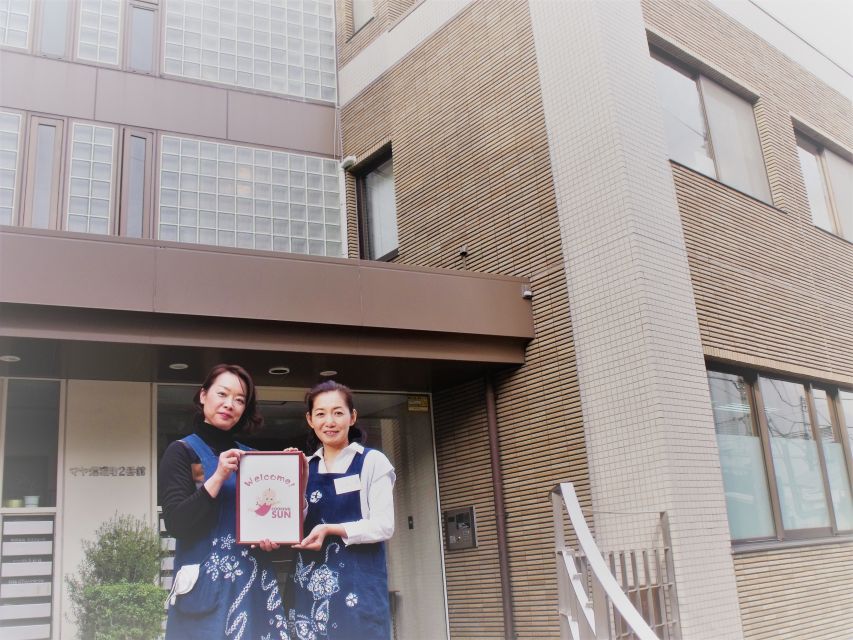
This class takes place at Cooking Sun Tokyo, in a beige residential building on the second floor. That setting matters. You are not sitting in a glossy restaurant with a distant chef behind a counter. You are entering a working cooking studio in a local neighborhood, where the afternoon feels more like being welcomed into a small community kitchen.
The studio can be hard to spot. At the entrance, use the right-hand door, then press 314 on the intercom. If you have mobile data, search Google Maps for Cooking Sun Tokyo at Shinanomachi 18-39, Shinjuku-ku. Without Wi-Fi, save the detailed directions before leaving your hotel. This is one place where a little preparation saves unnecessary wandering.
The class is conducted in English, and the instructors focus on clear demonstrations rather than rushing you through a recipe. Past sessions have included teachers such as Mika, Miki, Yuko, Yuki, Aya, and Koyotama, though the exact instructors can vary. The teaching style is consistent in the details: show the step, let you try it, then offer help when needed.
You do not need cooking experience. The class works for people who rarely cook, regular home cooks who want better sushi technique, and families with children. A seven-year-old sushi fan and a toddler were both described as being well supported in past sessions, though children still need an adult nearby in a kitchen setting.
More Tokyo sushi making classes:
- Sushi Making Tokyo Roll and Authentic Japanese Sushi Class
★ 5.0 · 3,971 reviews - Tokyo: Roll and Authentic Sushi Making Class in Asakusa
★ 4.9 · 1,957 reviews - Make Sushi and Create Unforgettable Memories in Tokyo
★ 5.0 · 1,413 reviews
Start with dashi, seasonings, and Japanese kitchen basics
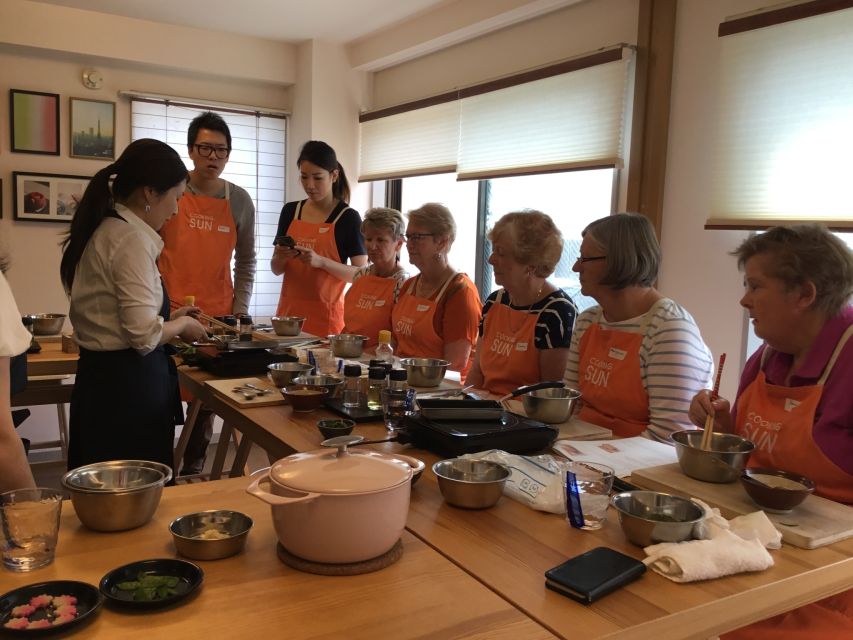
The lesson begins with an introduction to Japanese ingredients and the flavors behind the meal. You learn about dashi, the soup stock used in many Japanese dishes, along with traditional seasonings and the role of miso.
This opening section gives the sushi lesson some welcome context. Sushi can look simple on the plate, but its taste depends on small choices: how rice is seasoned, how ingredients are balanced, and how salty, sweet, sour, and savory flavors work together. You get enough explanation to understand what you are doing without sitting through a long lecture.
You also make miso soup. That is a useful addition because it turns the class into a broader Japanese cooking session, not just a lesson in rolling rice and fillings. You will serve the soup with your finished sushi, so the first part of the class directly contributes to the meal you eat later.
The instructors also bring in cultural and language details as they cook. You might learn the Japanese names for ingredients or hear how a dish fits into everyday food traditions. The cultural material is woven into the practical work, which keeps it easy to follow.
Make tamagoyaki before handling the sushi
Next comes tamagoyaki, the sweet Japanese rolled omelet. This is one of the more useful parts of the class because the technique is less familiar to many home cooks than making a basic roll.
Your instructor demonstrates how to build the omelet in layers, then you try it yourself. The process rewards patience and careful handling, but the step-by-step format keeps it manageable. It also gives you an early kitchen task before the sushi assembly begins.
Tamagoyaki often appears in Japanese bento boxes and sushi meals, so making it here helps you understand how several parts of a typical meal fit together. It is not simply a filler activity while the rice is prepared. You are learning another recognizable Japanese dish that you can make at home with ordinary ingredients.
Some people may find this section more challenging than expected. A rolled omelet requires timing and control, and your first attempt may not look perfectly neat. That is part of the appeal. The class is about learning the method, not producing restaurant-display pieces on your first try.
The real lesson is getting sushi rice right
Rice is the foundation of the afternoon. If it is too wet, too dry, too warm, or poorly seasoned, even good fillings will not produce satisfying sushi. The instructors spend time showing you how to prepare tasty sushi rice and how to handle it without crushing the grains.
This is where the class offers value beyond a fun afternoon. You can buy seaweed and fillings easily, but many home attempts fail because the rice texture is wrong. The lesson gives you a better feel for seasoning, consistency, and portioning.
You also prepare toppings such as shrimp. The fish used in class is pre-sliced, so you are not taught how to fillet or cut raw fish. That limitation is worth noting for anyone hoping for a full sushi-chef apprenticeship. For most beginners, though, pre-sliced fish keeps the session focused on rice, shaping, rolling, and safe assembly.
Ingredients and utensils are supplied. An apron and towel are available to rent as part of the activity, so you do not need to bring kitchen equipment. Instructors also build in hand-washing breaks and keep the work area organized, which makes the cooking process easier to manage in a small studio.
More Tokyo cooking classes:
- Tokyo Shinjuku Chopsticks Making Class
★ 5.0 · 1,763 reviews - Tokyo: Sushi Making Class in a Happi Coat near a Famous Spot
★ 4.9 · 1,377 reviews - Tokyo Sushi Making Class in Tsukiji with Professional Chef
★ 5.0 · 1,177 reviews - Ramen & Gyoza Cooking Class in Tokyo with Local Supermarket Visit
★ 5.0 · 823 reviews
Four sushi styles, four different techniques
The heart of the class is hands-on sushi making. You watch a demonstration, then repeat the process at your own station. The instructors stay available, which is especially helpful when your first roll is too loose or your rice portion is too large.
Nigiri
Nigiri is the hand-pressed style made with a small mound of rice and a topping placed on top. The challenge is creating a compact shape without squeezing the rice into a heavy block.
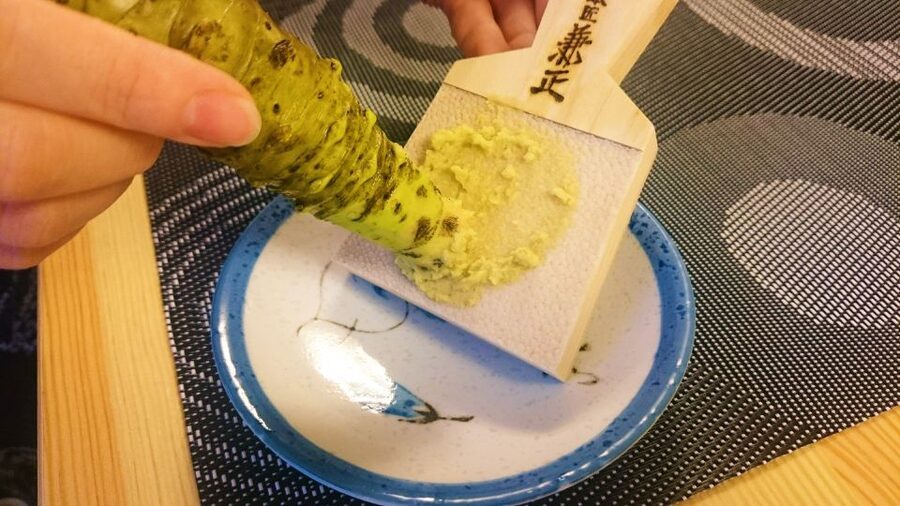
You learn how much rice to use and how to form it with a light touch. Fresh wasabi is served on the side with the finished meal, so you can control how much you add.
Inari
Inari uses sweet tofu pouches filled with sushi rice. It is a gentler and slightly more forgiving style for beginners, since the pouch provides a ready-made shape.
The sweet tofu adds a different taste from the savory toppings and makes the final plate more varied. It is also a good reminder that sushi includes more than raw fish and seaweed.
Hosomaki
Hosomaki is the thin roll, usually made with a narrow strip of filling inside seaweed and rice. The key is proportion. Too much filling makes the roll hard to close, while too much rice overwhelms the center.
You practice spreading the rice, placing the filling, and rolling with enough pressure to hold everything together. A bamboo mat may be used as part of the supplied equipment, but the important skill is learning to judge the shape and pressure.
California roll
The California roll gives you a chance to work with a larger roll and a different presentation. It is a useful contrast to hosomaki because the proportions and rolling technique change.
Making several styles in one class helps you see the logic behind sushi construction. You are not memorizing one recipe. You are learning how rice, seaweed, fillings, and hand pressure interact.
Expect a generous homemade meal
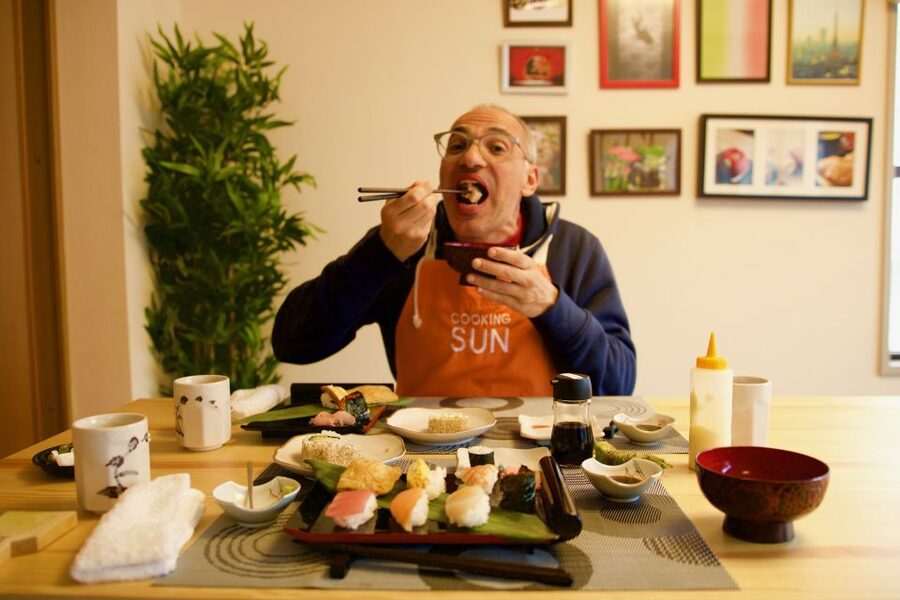
At the end, you sit down with the sushi, miso soup, tamagoyaki, and the other items made during the class. The amount is substantial enough that many people do not need dinner afterward, so arrive hungry.
This shared meal is an important part of the afternoon. You get to taste the result while the techniques are still fresh in your mind. A roll that looked slightly uneven on the mat may taste perfectly good, and that is a useful lesson in itself.
Wasabi and pickled ginger are served on the side. The ginger helps refresh your palate between pieces, while the wasabi lets you adjust the heat to your liking. Tea or sake is not listed as included, so do not book the class expecting an evening drink or formal sake tasting.
The food is prepared with fresh ingredients, and the meal includes a broad mix of pieces rather than one repeated sushi type. If you enjoy trying several textures and flavors, that variety makes the class feel like a full meal rather than a snack.
Why the small group matters
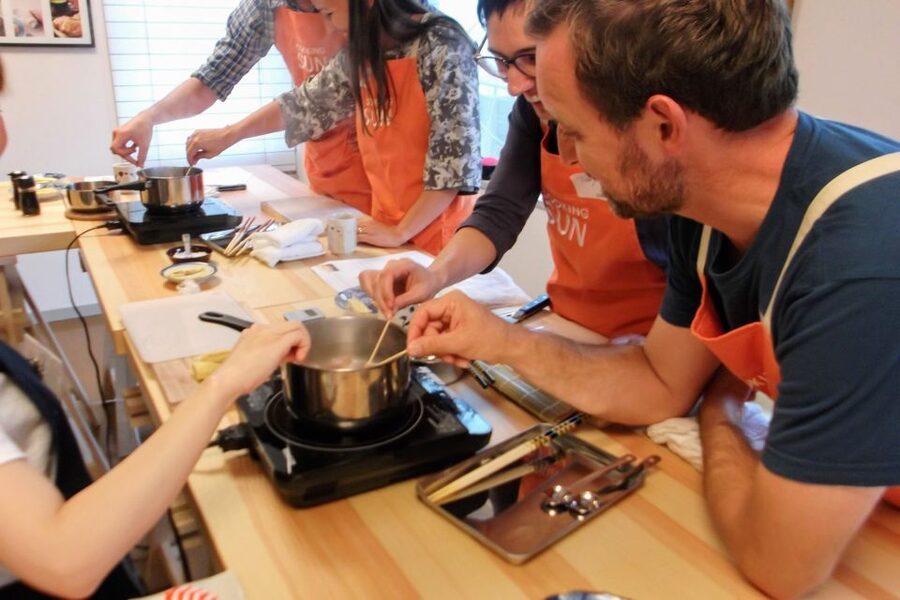
The maximum group size is nine, and sessions can be much smaller. That difference affects the quality of the instruction. With fewer people at the worktables, you can ask about rice texture, rolling pressure, ingredient substitutions, or the best way to repeat a technique at home.
The format also keeps the mood informal. You cook beside other people, compare your first rolls, and share the final meal. It is social without being a forced group performance.
A small class does not mean you receive private instruction every minute. You still follow the group demonstrations and wait while the class moves to the next step. The benefit is that help is close by when you need it, not that an instructor is assigned only to you.
This format suits families particularly well. Children can take part in several short tasks instead of sitting through one long demonstration. It also suits couples and solo visitors who want a practical activity with a chance to meet people.
Dietary needs can be handled with advance notice
Ingredient substitutions are available for allergies, gluten-free diets, religious restrictions, and vegetarian preferences. You need to provide those details when booking, not only after you arrive.
This is especially important in a sushi class because sauces, seasonings, fillings, and prepared ingredients can vary. People with celiac disease or significant allergies should give clear information in advance and listen carefully to the instructor’s explanation of substitutions.
The class can accommodate dietary needs, but that does not mean every replacement will be identical to the standard ingredients. Ask questions before handling food if you are unsure. The instructors have experience explaining which items are gluten-free and which ingredients have been changed.
Is $67 a fair price?
At $67 per person, the class is not the cheapest way to eat sushi in Tokyo. If your only goal is a full plate of sushi, a restaurant will usually be quicker and may cost less.
The value comes from the three-hour format and the amount of food preparation included. You make four sushi styles, tamagoyaki, miso soup, sushi rice, and toppings, then eat the result. All ingredients and utensils are included, and you receive recipes to take home.
I consider the price fair for a hands-on class with a maximum of nine people. A shorter lesson with a crowded room would offer less time for questions and practice. Here, you are paying for instruction, cultural background, food, equipment, and a skill you can use after leaving Tokyo.
The recipes add practical value. One participant had already recreated the dishes at home, which is exactly what you want from a cooking class. You may not reproduce every ingredient abroad, but the rice method, omelet technique, and rolling steps are easy to carry home.
Timing, cancellation, and arrival advice
The activity lasts three hours, although some sessions may run closer to three and a half hours. Plan your afternoon with a little breathing room rather than scheduling a train or dinner immediately afterward.
You arrange your own transportation. Hotel pickup is not included. Because the studio is in a quiet residential area, a privately hired vehicle should not wait in front of the building. Use a nearby coin-operated parking lot if your driver needs to stop.
You can cancel up to 24 hours before the class for a full refund, and the reserve-now, pay-later option keeps your schedule flexible. Check the available start times before booking, since the session is offered at set times rather than as an open drop-in activity.
Wear something comfortable for kitchen work. An apron and towel are available, but the class remains hands-on, so choose clothes you do not mind wearing around food.
Who should book this sushi class?
Book it if you want to do more than photograph sushi in Tokyo. The class gives you a practical look at Japanese ingredients and food customs while letting you make a large meal with your own hands.
It is particularly good for:
- First-time sushi makers who want patient instruction
- Families with children who enjoy cooking
- Couples looking for a shared afternoon activity
- Home cooks who want better sushi rice and rolling technique
- People with dietary needs who can provide advance notice
- Visitors looking for a local neighborhood activity away from major sights
It is less suitable if you want to learn professional knife work or fish preparation. The fish is pre-sliced, and the class does not cover cutting raw fish. It is also not the right choice if you want a quiet restaurant meal with no participation.
Should you book it?
I would book this class if sushi is one of the foods you hope to understand better during your Japan trip. The combination of rice technique, four sushi styles, tamagoyaki, miso soup, cultural explanation, and a full meal gives you plenty to do for the price.
The strongest reasons to choose it are the small group, clear English instruction, patient help, and recipes you can use later. The main caution is simple: arrive at the correct residential building, and do not expect fish-cutting instruction.
For a rainy afternoon, a family outing, or a break from temple and shopping stops, this is a smart three-hour choice. You leave with a full stomach, a better grasp of Japanese cooking, and enough technique to try sushi again at home.
FAQ
Where does the sushi class take place?
It takes place at Cooking Sun Tokyo in a second-floor beige residential building at Shinanomachi 18-39, Shinjuku-ku, Tokyo.
How do I enter the studio?
At the building entrance, use the door on the right. Press 314 on the intercom to call the studio.
Is the class taught in English?
Yes. The instructors speak English and explain the cooking steps, ingredients, and cultural information in English.
How long does the activity last?
The scheduled duration is three hours. Some sessions may last about three and a half hours.
What kinds of sushi will I make?
You will make nigiri, inari, hosomaki, and California rolls.
Will I learn to cut raw fish?
No. The class uses pre-sliced fish and does not teach raw fish cutting.
Are ingredients and kitchen equipment included?
Yes. Ingredients and utensils are included, along with recipes. Towel and apron rental are also included.
Can the class accommodate dietary restrictions?
Yes. Ingredient substitutions can be made for allergies, gluten-free diets, religious restrictions, vegetarian preferences, and other dietary needs. Tell the provider when you book.
Can I cancel the booking?
You can cancel up to 24 hours before the class for a full refund. A reserve-now, pay-later option is also available.
More hands-on classes and workshops in Tokyo
- Chopstick Making Workshop in Ginza
★ 4.8 · 1,366 reviews - Matcha Making Class in Tokyo with Authentic Japanese Sweets Set
★ 5.0 · 744 reviews - Tokyo: Samurai Sword & Archery Class from Samurai Descendant
★ 5.0 · 603 reviews - Tokyo: Tsukiji Fish Market Sushi Making Class with Pro Chef
★ 4.9 · 506 reviews
Newly reviewed around Tokyo
- Tokyo Asakusa:Calligraphy & Make T-shirt Activity★ 5.0 · 62 reviews
- Intercity Shuttle, Tokyo to Haneda /Narita /Yokohama /Makuhari★ 5.0 · 5 reviews
- 1 Hour Travel around Tokyo with a Professional Photographer★ 5.0 · 3 reviews
- Travel Tokyo with Your Own Personal Photographer★ 5.0 · 43 reviews
- Train in Samurai Swordsmanship and Defeat the Demon in Tokyo★ 5.0 · 5 reviews
- Shuttle Van 6hr Tokyo Tour to-and-from Tokyo, Yokohama and Narita★ 5.0 · 9 reviews
- Kickboxing & Body Training with EX-Pro Fighter★ 5.0 · 4 reviews
- Traditional Japanese Knife Sharpening Class★ 5.0 · 18 reviews
Tokyo Sushi Making Classes, compared.
Sushi Making Tokyo Roll and Authentic Japanese Sushi Class
Read our review →
Roll and Authentic Sushi Making Class in Asakusa
Read our review →
Make Sushi and Create Unforgettable Memories in Tokyo
Read our review →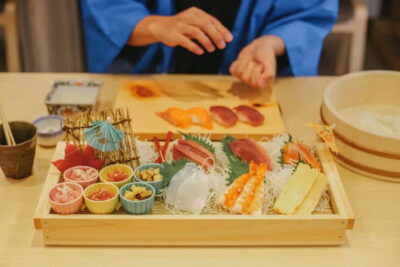
Sushi Making Class in a Happi Coat near a Famous Spot
Read our review →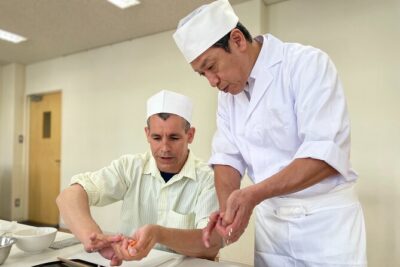
Tokyo Sushi Making Class in Tsukiji with Professional Chef
Read our review →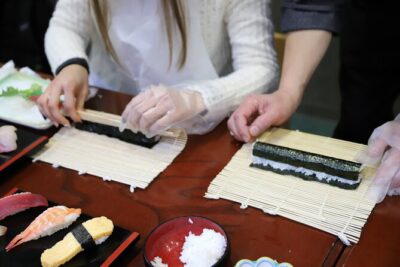
Tsukiji Fish Market Guided Tour and Sushi Making with Pro Chef
Read our review →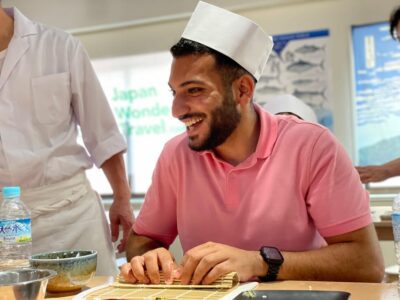
Tsukiji Fish Market Sushi Making Class with Pro Chef
Read our review →
Tokyo Tsukiji Fish Market Tour and Sushi Making Lesson
Read our review →Browse the lists this tour appears in