
Reviewed · TOKYO TEA CEREMONY EXPERIENCES
【NEW】Shibuya Tea Ceremony Tokyo-Chaan
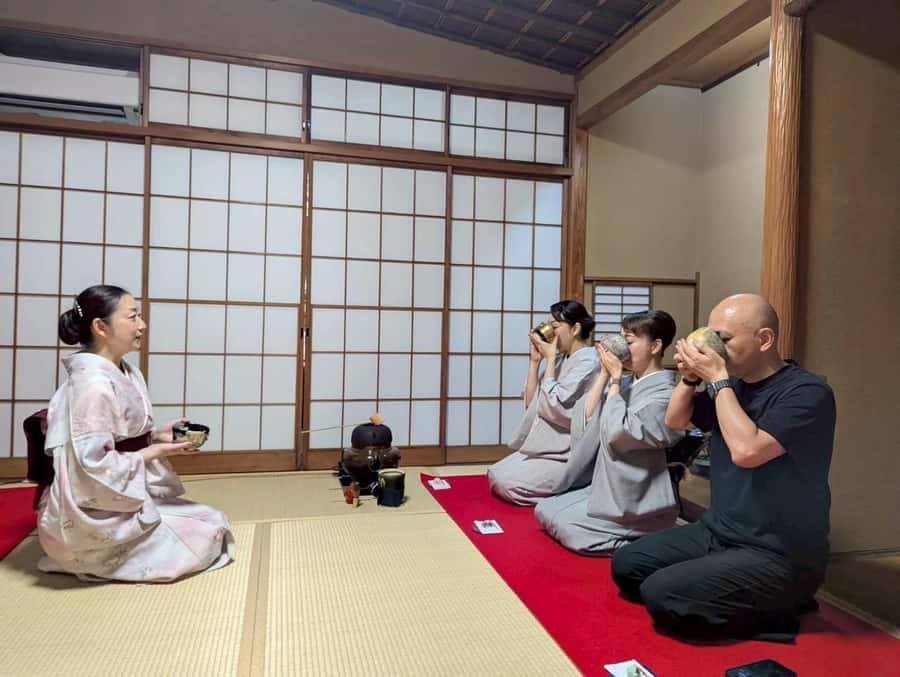
Shibuya’s neon streets are only part of Tokyo. Upstairs in a traditional tatami room, this experience slows the city down and introduces you to the careful art of Japanese tea. You’ll watch the Otemae demonstration, then prepare your own bowl of matcha with genuine tea utensils.
I like the clear English instruction and the chance to take part rather than only watch. I also like the personal touch from instructors such as Sakura and Kini, both praised for explaining the history and steps with care. The main consideration is the age rule: children under four cannot enter, and every child aged four or older needs a ticket.
Key points to know before booking
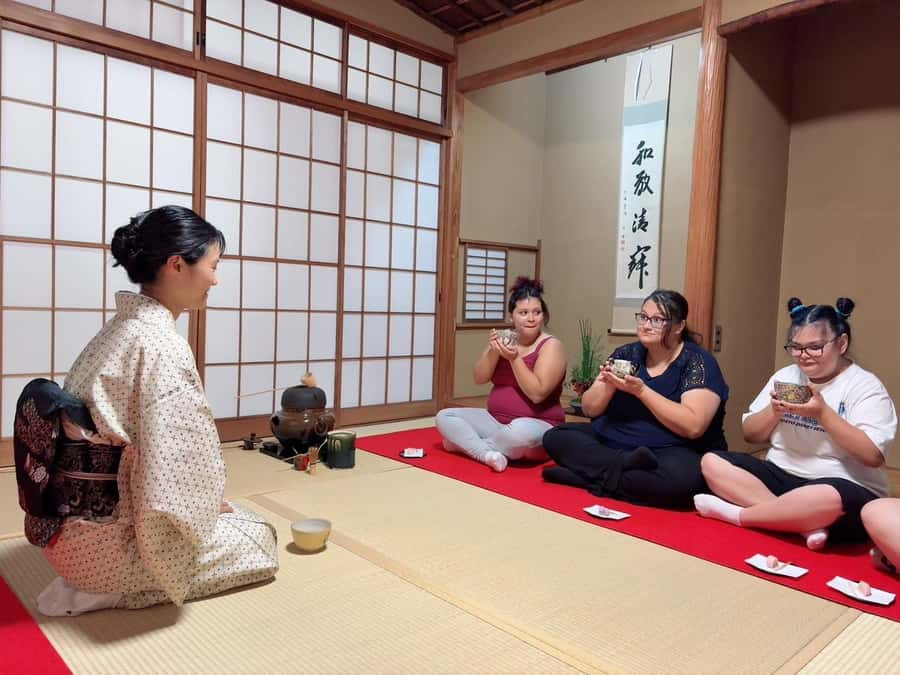
- You make your own matcha: After the demonstration, you handle traditional utensils and prepare your own tea.
- Sakura and Kini may lead the class: The instructors wear kimono, speak fluent English, and have more than 10 years of tea ceremony experience.
- The setting is a tatami room: This gives the activity a calm, traditional feel despite its central Shibuya location.
- Seasonal sweets are included: A Japanese confection is served with the matcha to balance its grassy, slightly bitter taste.
- The price is $18 per person: That covers admission, matcha, and confections, making this a modest-cost cultural activity in Tokyo.
- The meeting point is easy to identify: Go to the second floor of the Manji Building at 1-15-9 Dogenzaka.
A quiet tea room above Shibuya’s busy streets
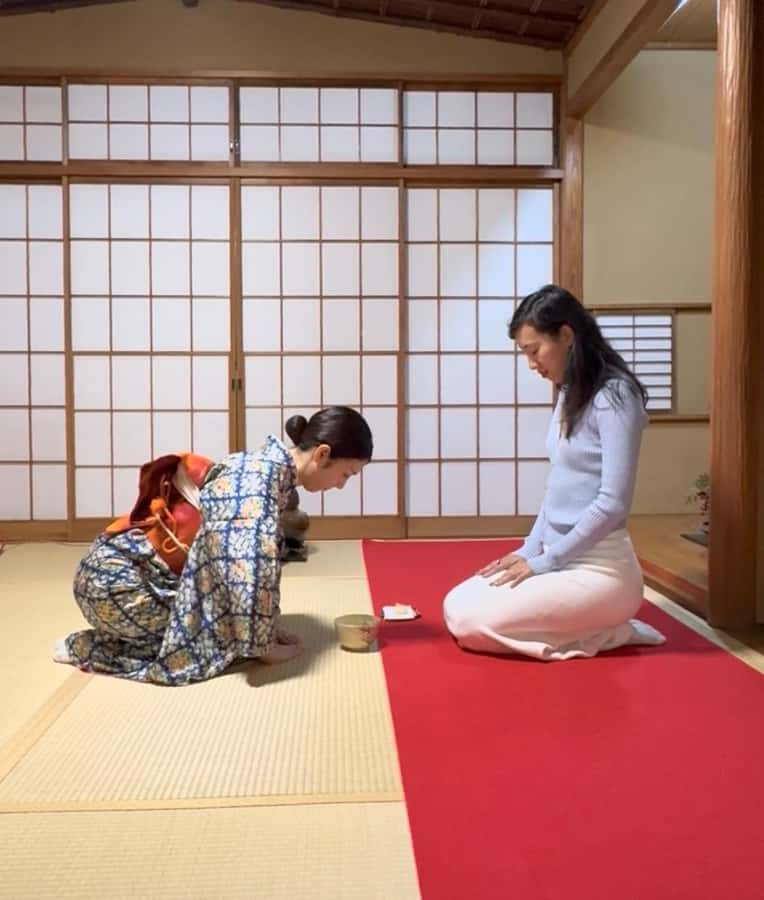
The appeal of this activity is the contrast. Shibuya is famous for bright signs, crowded crossings, and quick movement. Here, you step into a traditional room and pay attention to small actions: how the tea bowl is handled, how the powder is whisked, and how the finished drink is presented.
This is not designed as a formal tea school for specialists. It is a friendly introduction for visitors who want to understand a familiar Japanese symbol without needing prior knowledge. You do not simply sit through a performance. You watch the instructor, hear the reasons behind the gestures, and then try the process yourself.
The setting matters. A tatami room gives the class a traditional frame, even though you are in a modern commercial area. If you have already spent the day moving between department stores, shrines, and train stations, the quiet room offers a welcome change of pace.
The instructors wear kimono and teach in English. Each has more than 10 years of tea ceremony experience, so you can expect the lesson to cover more than a recipe for whisking green tea. The focus is also on manners, presentation, and the ideas behind the ceremony.
More things to do in Shibuya:
- Official Street Go-Kart in Shibuya
★ 5.0 · 3,435 reviews - Tokyo: Street Kart Experience in Shibuya
★ 4.9 · 1,484 reviews - Shibuya Meltdown Nightlife Tour: All-You-Can-Drink Bar Hopping
★ 5.0 · 1,058 reviews
What happens during the welcome and introduction
Your visit begins at the second floor of the Manji Building, located at 1-15-9 Dogenzaka in Shibuya-ku. The activity ends at the same place, so you do not need to arrange transportation between separate parts of the experience.
Once inside, the instructor welcomes you into the traditional Japanese room. The opening explanation covers the meaning and history of tea ceremony, giving you useful context before the practical part begins.
This introduction is important because tea ceremony can look mysterious if you see only the finished performance. The movements are deliberate, and some may seem overly precise at first. Learning why the tools, gestures, and serving manners matter helps you watch the demonstration with a better eye.
Sakura and Kini are among the instructors associated with the class. Their teaching style has been described as clear and warm, with particular care given to explaining the history of tea ceremony. That is useful if you want cultural background rather than a quick photo opportunity.
You should also expect the lesson to be conducted in English. That makes the experience accessible if you do not speak Japanese, though the exact instructor may vary. The information provided identifies English as the available language.
Watching the Otemae tea ceremony demonstration
The next step is the live Otemae demonstration. Otemae refers to the formal preparation and serving of matcha. The instructor shows you how the tea tools are used and explains the basic manners connected with serving and receiving tea.
Watch the hands closely. The appeal is in the small details, not in speed or spectacle. The instructor handles the utensils in an orderly way, prepares the powdered tea, and presents it according to established customs.
This is also the point where you learn the etiquette. You are not expected to arrive already knowing how to sit, hold the bowl, or receive the tea. The instructor explains the basics in clear English, so the process feels manageable rather than intimidating.
I like this demonstration because it gives you something to compare with your own attempt later. When you make your matcha, you will understand the purpose of the tools and the order of the steps. You will also see why patience matters. A tea ceremony is not about getting the drink ready as fast as possible.
The demonstration may be especially useful for first-time visitors to Japan. Many cultural activities explain what you are seeing but do not let you try it. Here, the observation period prepares you for hands-on participation.
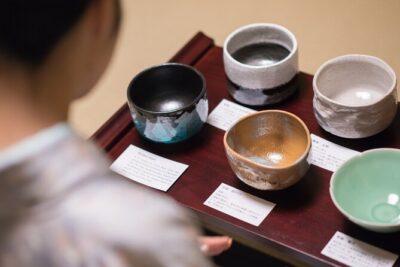
Making matcha with traditional utensils
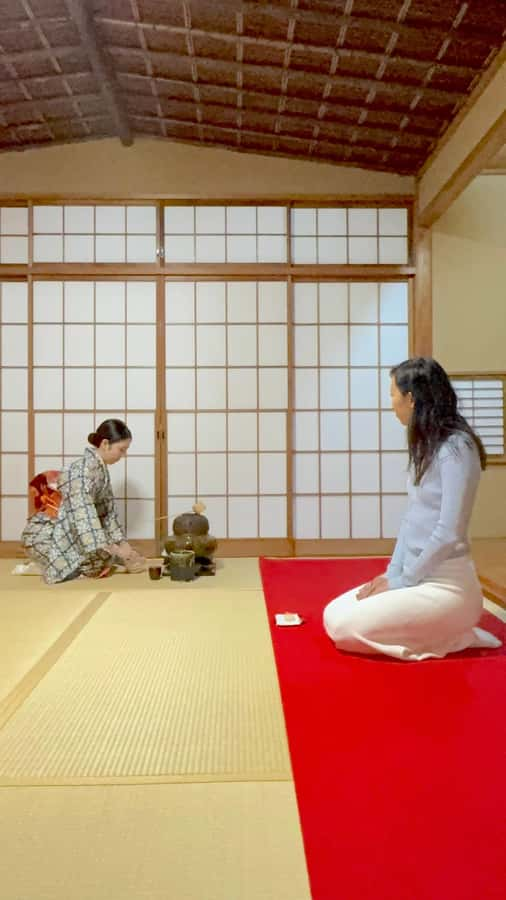
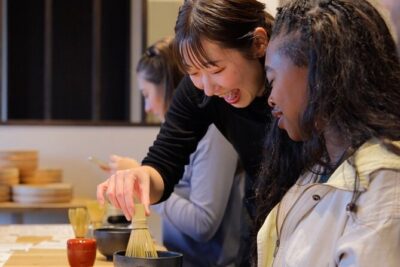
After watching the instructor, you prepare your own bowl of matcha. You use traditional tea tools and freshly ground powdered tea, following the method just demonstrated.
This is the most memorable part for many people because it turns a cultural lesson into a personal task. You are no longer watching someone else perform the ceremony. You are holding the equipment, preparing the drink, and seeing how small changes in technique affect the result.
Do not worry about producing a perfect bowl. The value is in learning the process. The instructor guides you through the steps, and the class is intended as an introduction, not a test.
Matcha has a distinct flavor. It is grassy, concentrated, and sometimes bitter, especially if you are used to sweetened tea. The seasonal Japanese confection served with it helps balance that taste. The sweet is not just an extra snack. It is part of the traditional pairing, giving your palate a pleasant contrast with the tea.
The activity description refers to freshly ground powder, while the included items list matcha. Either way, you can expect powdered green tea prepared for whisking rather than a standard tea bag or brewed leaf tea. If you have only tried matcha in a latte, this is a more direct taste of the ingredient.
More Tokyo tea ceremonies:
- Matcha Making Class in Tokyo with Authentic Japanese Sweets Set
★ 5.0 · 744 reviews - Tokyo: Traditional Tea Ceremony with a Tea Master
★ 5.0 · 528 reviews - Dynamic Tokyo: Tokyo Tower, Tea Experience, Bay Cruise Day Tour
★ 4.5 · 521 reviews - Tokyo: Matcha Making Experience with Mochi Sweets in Asakusa
★ 4.9 · 388 reviews
Why the seasonal sweet matters
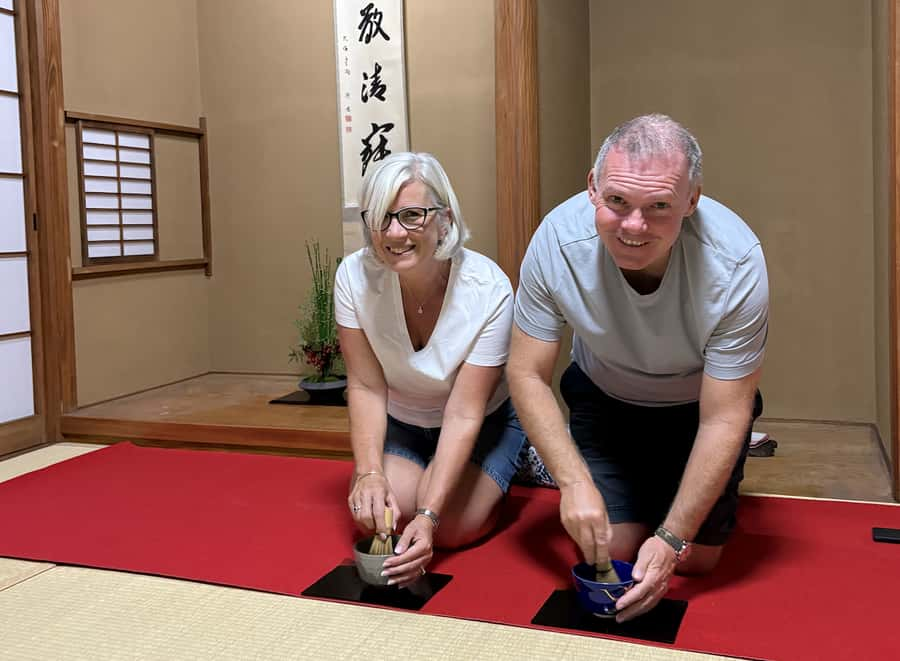
The confection adds a small but meaningful cultural detail. Japanese sweets served with matcha are often chosen to complement the tea rather than compete with it. Here, the sweet gives you a chance to notice how the taste of the tea changes when paired with something sugary.
The exact sweet can vary with the season, so you should not book this expecting one particular item. That change is part of the point. Seasonal foods are closely tied to Japanese hospitality, and the confection adds a sense of occasion to what might otherwise be a short lesson.
You can enjoy the pairing after preparing your tea in the calm room. This creates a natural pause at the end of the activity. Instead of rushing straight back into Shibuya, you have a few moments to appreciate what you have made.
The tea itself may not appeal to everyone. If you prefer mild or sweet drinks, matcha can be an adjustment. Still, the instructor’s explanation and the seasonal sweet make this a good setting for trying it properly.
The value of an $18 cultural experience
At $18 per person, the price is reasonable for a guided cultural activity in central Tokyo. The fee includes the entrance cost, matcha, and confections. You are also paying for instruction from Japanese teachers with more than a decade of experience in tea ceremony.
The value comes from participation. A quick ceremonial demonstration might cost less, but it would not give you the same chance to handle the tools and prepare the tea yourself. On the other hand, this is not a long workshop or a full course in tea ceremony. If you are looking for advanced practice, the short introductory format may feel limited.
For most visitors, the balance is good. You receive cultural explanation, a live demonstration, hands-on preparation, and a traditional sweet without committing a large part of your day or budget. Since no duration is provided, you should check the current booking details if timing is important to your schedule.
The price also works well for families with older children, couples, and solo visitors who want an activity that feels distinctly Japanese. Remember that every participant aged four or older needs a ticket, even when accompanied by a paying adult.
Who will enjoy this Shibuya experience
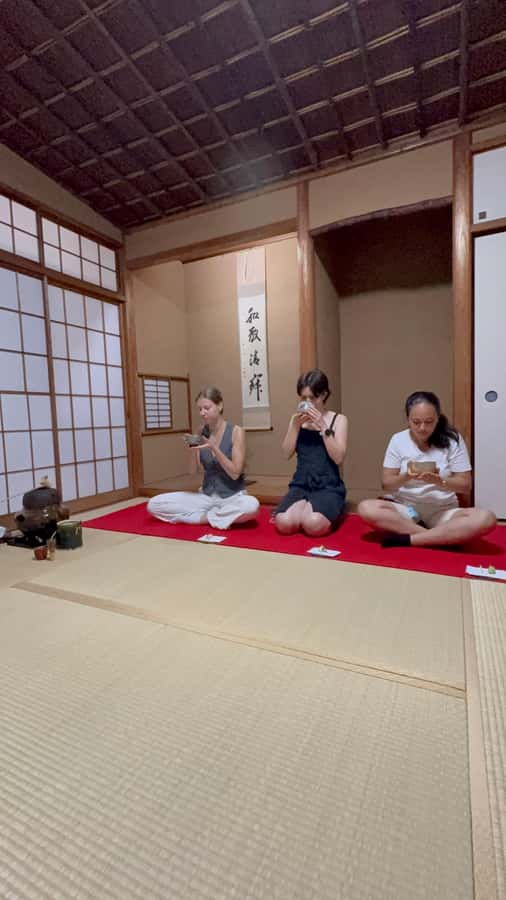
I would recommend this class to you if you want a gentle introduction to Japanese customs. It suits first-time visitors who are curious about tea ceremony but do not know the rules. The English instruction removes much of the uncertainty, and the practical part keeps the activity from feeling like a lecture.
It is also a good choice if you want a break from sightseeing. The tatami room and deliberate pace offer a quiet contrast to Shibuya’s busy streets. You can fit it into a day based around Dogenzaka and nearby central Tokyo sights, since the activity begins and ends at the same address.
Families should read the age rule carefully. Children under four cannot participate, and the provider may refuse entry if a child under four arrives without advance contact. Children aged four and older need their own tickets.
This class may be less suitable if you want a private ceremony, a long formal meal, or an advanced lesson in Japanese tea schools. The information provided does not promise a private group, a full meal, or instruction beyond the introductory ceremony. Book it for a clear cultural lesson with a hands-on element.
Finding the Manji Building in Dogenzaka
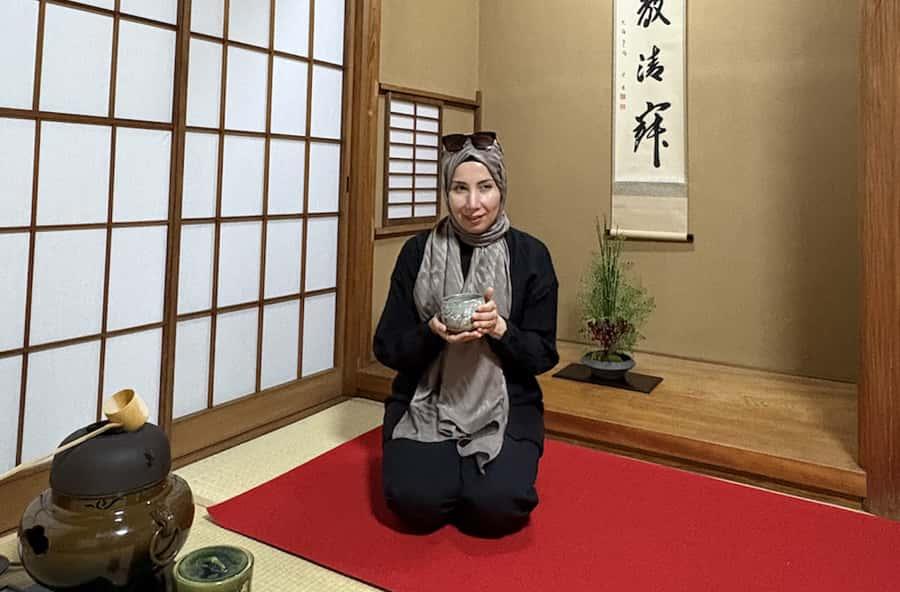
The meeting point is on the second floor of the Manji Building at:
1-15-9 Dogenzaka, Shibuya-ku, Tokyo 150-0043, Japan
The Japanese address is:
〒150-0043 東京都渋谷区道玄坂1-15-9 万字ビル 2F
Because the activity takes place in a building rather than at a famous outdoor landmark, allow time to locate the entrance. Having the Japanese address ready on your phone can help if you need to ask for directions.
The activity returns to the meeting point at the end. That makes planning simpler, especially if you have restaurant plans or another timed booking afterward. Still, leave some breathing room rather than arranging a tight connection. Tea ceremony depends on a calm pace, and rushing away would spoil part of its appeal.
Practical booking details
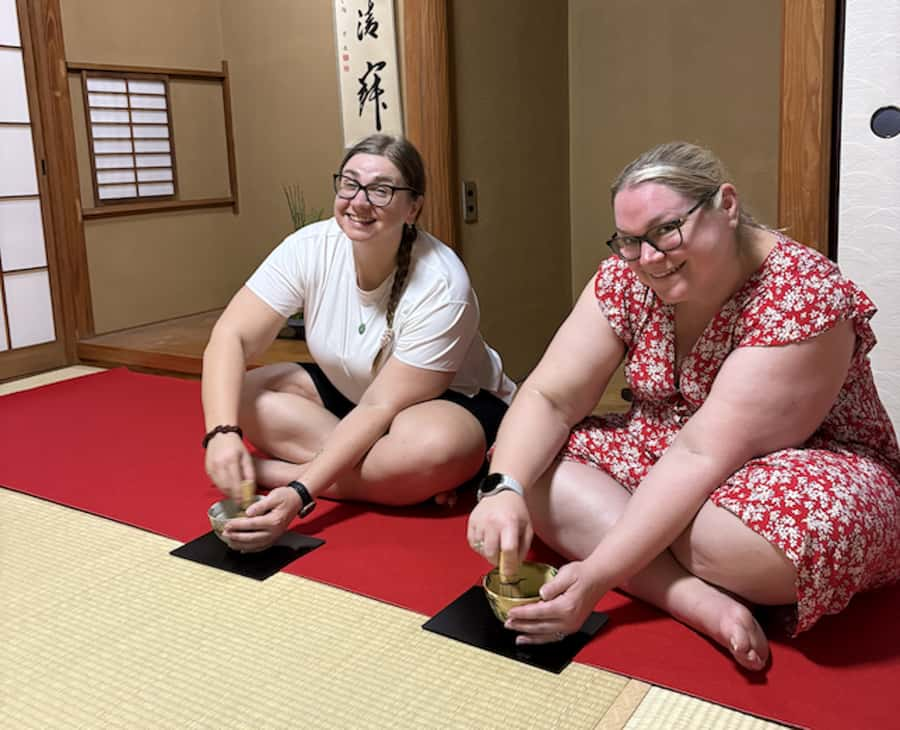
The experience is offered in English. The instructors wear kimono and have more than 10 years of tea ceremony experience, but the specific teacher may vary. Sakura and Kini are names connected with the class, and both are described as explaining the history and process clearly.
You can reserve now and pay later, which is useful if you are still arranging your Tokyo schedule. Cancellation is allowed up to 24 hours in advance for a full refund.
Children under four are not permitted. Contact the provider ahead of time if you are traveling with a child under four, since arriving with one may result in refused entry. Every child aged four or older requires a ticket.
The included items are simple and clear:
- Entrance fee
- Matcha
- Seasonal Japanese confections
No transportation, meal, or additional sightseeing is listed as part of the experience. Plan to reach the Dogenzaka meeting point on your own.
My verdict: book it for participation, not spectacle
You should book this Shibuya tea ceremony if you want an affordable, well-explained introduction to Japanese culture with a chance to do the main activity yourself. The combination of kimono-clad English-speaking instructors, a traditional tatami room, a live Otemae demonstration, and hands-on matcha preparation gives the experience real substance.
I especially like that the class does not stop at watching. You make the tea, taste it with a seasonal sweet, and leave with a better sense of the manners and care behind the ceremony. The teaching from Sakura, Kini, and the other experienced instructors adds a personal touch.
Skip it if you want a long, private, highly formal tea-school lesson or if your schedule requires a confirmed duration that is not provided here. For most visitors, though, $18 is a fair price for a calm cultural pause in the middle of Shibuya. Just check the child policy, allow enough time to find the building, and arrive ready to slow down.
FAQ
Where does the Shibuya tea ceremony take place?
It takes place on the second floor of the Manji Building at 1-15-9 Dogenzaka, Shibuya-ku, Tokyo 150-0043, Japan. The Japanese address is 〒150-0043 東京都渋谷区道玄坂1-15-9 万字ビル 2F.
Where does the activity end?
The activity ends back at the meeting point in the Manji Building.
Is the tea ceremony offered in English?
Yes. English is the listed language, and the Japanese instructors speak English fluently.
Who leads the tea ceremony?
The activity is led by Japanese instructors who wear kimono and each have more than 10 years of tea ceremony experience. Sakura and Kini are among the instructors associated with the class.
What is included in the price?
The $18 price includes the entrance fee, matcha, and seasonal Japanese confections.
Can children participate?
Children under four cannot participate. Children aged four and older can attend but must have their own ticket.
Can I cancel the booking?
Yes. You can cancel up to 24 hours in advance for a full refund.
Newly reviewed around Tokyo
- Tokyo Asakusa:Calligraphy & Make T-shirt Activity★ 5.0 · 62 reviews
- Intercity Shuttle, Tokyo to Haneda /Narita /Yokohama /Makuhari★ 5.0 · 5 reviews
- 1 Hour Travel around Tokyo with a Professional Photographer★ 5.0 · 3 reviews
- Travel Tokyo with Your Own Personal Photographer★ 5.0 · 43 reviews
- Train in Samurai Swordsmanship and Defeat the Demon in Tokyo★ 5.0 · 5 reviews
- Shuttle Van 6hr Tokyo Tour to-and-from Tokyo, Yokohama and Narita★ 5.0 · 9 reviews
- Kickboxing & Body Training with EX-Pro Fighter★ 5.0 · 4 reviews
- Traditional Japanese Knife Sharpening Class★ 5.0 · 18 reviews
Tokyo Tea Ceremony Experiences, compared.
Matcha Making Class in Tokyo with Authentic Japanese Sweets Set
Read our review →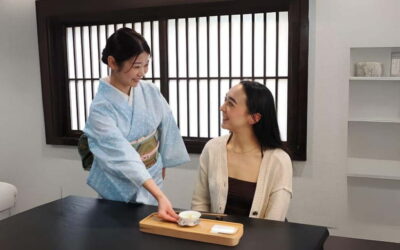
Dynamic Tokyo: Tokyo Tower, Tea Experience, Bay Cruise Day Tour
Read our review →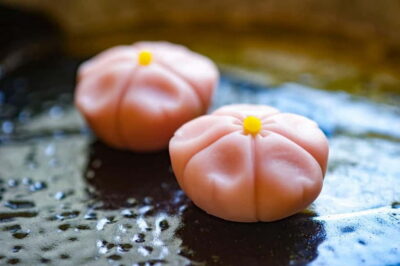
Matcha Making Experience with Mochi Sweets in Asakusa
Read our review →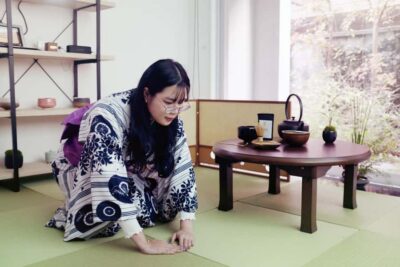
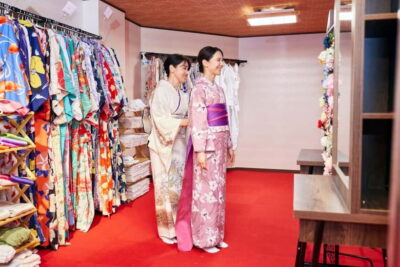
Tea Ceremony Workshop in Tokyo by the Experienced Instrucor
Read our review →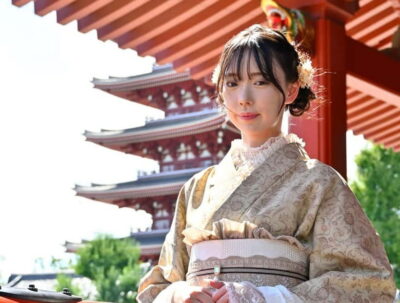
Browse the lists this tour appears in