
Reviewed · TOKYO COOKING CLASSES
Unique Private Cooking Class with a Tokyo Local Emi
Japanese food is easiest to understand when you leave the restaurant and enter a home kitchen. With Tokyo local Emi, you prepare three dishes yourself, then sit down to eat them with tea and sake. This is hands-on cooking, not a demonstration from the sidelines.
I like the private format and the practical recipes you can repeat at home. I also like the personal extras, such as a stop at a local supermarket, sweet shop, or tea and pottery shop if arranged ahead of time. The main drawback is the location in Nerima, which takes planning from central Tokyo, and the small kitchen may feel tight for some groups.
Key points to know
- Choose three dishes in advance: Everyone in the group prepares the same main menu, so send Emi your choices at least four days before the class.
- Cook in a home or studio: Groups of two or three on weekends may meet at Emi’s home; larger groups and weekday bookings use her cooking studio.
- Expect real participation: You chop, wrap, mix, and cook rather than simply watch.
- Food and drinks are included: Barley tea, green tea, the meal, and sake are part of the experience.
- Plan for Nerima: The class begins and ends at the meeting point, near Nerima City Hall, with public transportation nearby.
- Add a local stop: Emi can take you to one Japanese sweet shop, tea and pottery shop, or supermarket after class if you request it in advance.
What the three-hour cooking class is really like
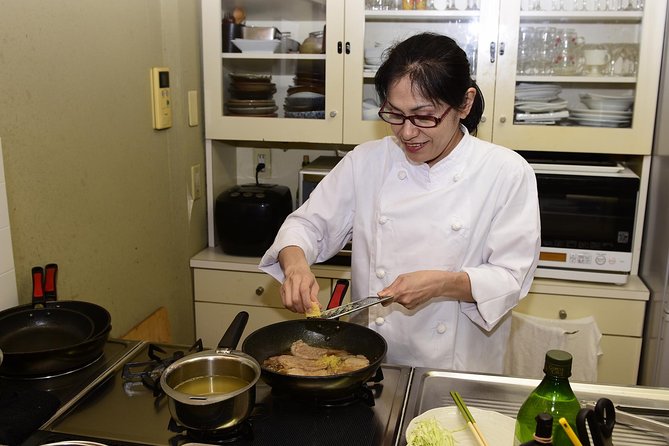
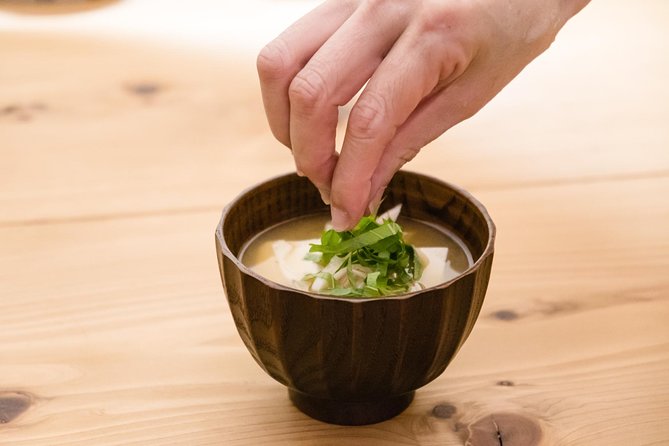
This experience gives you a small look at ordinary Japanese food culture, the kind you rarely find on a restaurant menu. Emi teaches home-style dishes and explains the small choices that make them work: preparation, seasoning, timing, and the customs around eating them.
Your full session lasts about three hours. The cooking itself takes roughly 1.5 to 2 hours, followed by the meal. You begin with mugi-cha, or barley tea, before getting to work. This is a pleasant start, especially if you have spent the morning rushing through Tokyo.
The class is private, so only your group takes part. That matters. You can ask Emi to repeat a step, change the pace, or explain a Japanese ingredient without worrying about holding up strangers. It also makes the class a better fit for couples, families with older children, and small groups of friends.
The activity is not designed for children aged nine or younger. Children aged ten and above pay the adult price.
More Tokyo cooking classes:
- Tokyo: Roll and Authentic Sushi Making Class in Asakusa
★ 4.9 · 1,957 reviews - Tokyo Shinjuku Chopsticks Making Class
★ 5.0 · 1,763 reviews - Tokyo: Sushi Making Class in a Happi Coat near a Famous Spot
★ 4.9 · 1,377 reviews
Picking your menu before you arrive
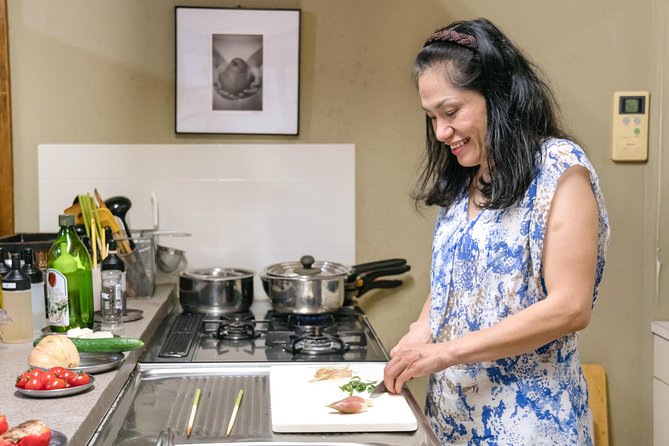
Menu planning is one of the most important parts of this class. Emi offers several Japanese dishes, and you choose three. Everyone in your group prepares the same main dish, so this is not the place for each person to order a completely different meal.
Contact Emi after booking to discuss your choices. You must send your menu preference at least four days before the class. If you do not, Emi selects the menu for you.
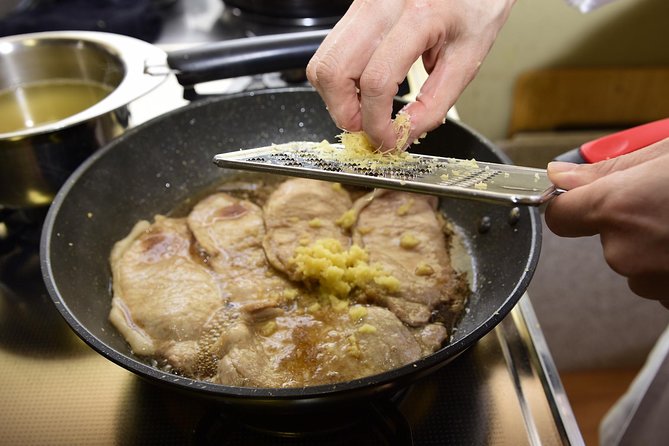
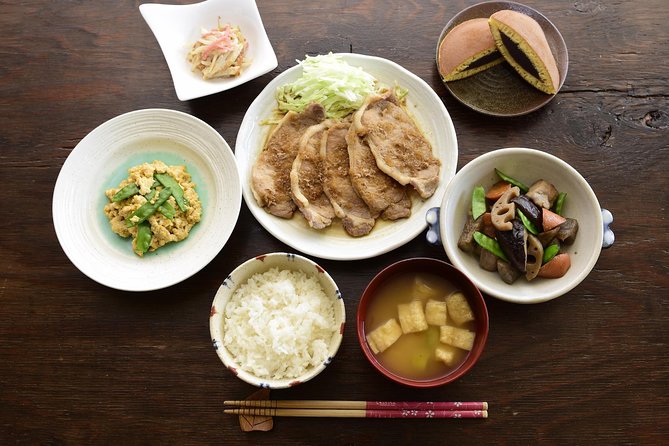
Possible dishes described by past participants include gyoza, ginger-fried pork, tempura, tonkatsu, onigiri, karaage, miso soup, yakisoba, salmon with hijiki seaweed, shrimp and vegetable tempura, and shrimp gyoza. The exact menu depends on your booking and Emi’s arrangements, so treat these as examples, not a guaranteed list.
The menu can be adjusted for allergies, dietary restrictions, and cooking preferences. Vegetarian cooking is possible, but the group menu may change to suit it. One caution is noted for okonomiyaki: it contains fish granule soup stock. If you avoid fish, explain that clearly before the class.
I recommend choosing dishes that use different techniques. Gyoza teaches you how to fill and fold dumplings. Tempura introduces batter and hot oil. Ginger pork gives you a simple home meal with a useful sauce. Three dishes with different methods make the class more valuable than three versions of the same preparation.
Hands-on cooking, not a kitchen lecture
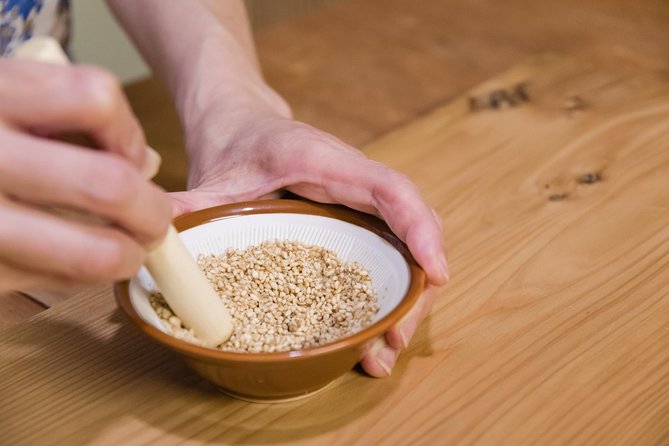
Emi demonstrates each step, then has you take over. You may chop ingredients, prepare fillings, wrap gyoza, mix sauces, or cook at the stove, depending on your menu.
That hands-on approach is the heart of the class. You learn what the food should look and feel like at each stage, rather than trying to remember a fast demonstration. If your gyoza folds are uneven, that is part of the fun. The point is to leave with enough confidence to try again at home.
Emi is described as patient, funny, warm, and easy to talk with. Her English is reported as clear, which is helpful when a recipe depends on a small detail. She also answers questions about Japanese food, etiquette, customs, and daily life in Tokyo.
The kitchen setting is intimate. A small group of two or three can take part comfortably, but one account of the class noted that the cooking area was small enough for one person to cook while another watched and took photographs. If your group is larger, the studio is the likely setting. Groups of four or more should reserve two or three months ahead because studio space can fill.
From barley tea to sake at the table
After cooking, you sit down and eat the meal you prepared. Green tea and barley tea are included, along with sake. The meal gives the class a natural second half, since you can talk through the food instead of rushing straight out after the final dish.
This is also when the cultural side becomes clearer. Japanese meals involve more than recipes. Emi can explain table customs and the way certain foods fit into home cooking. You get to ask the questions that do not always come up during a standard sightseeing tour.
The meal is intended to be substantial. Food and drink are included, so do not arrive after filling up at lunch. The point is to cook enough food to share and enjoy it together.
The class does not include hotel pickup or drop-off. The activity ends at the meeting point, although Emi may be able to take you to a nearby local stop afterward if you arrange it ahead of time.
A completely different kind of day in Tokyo:
- Mt Fuji and Hakone 1-Day Bus Tour Return by Bullet Train
★ 5.0 · 26,383 reviews - 1-Day Tokyo Bus Tour
★ 5.0 · 14,250 reviews - Tokyo: teamLab Planets TOKYO Digital Art Museum Entry Ticket
★ 4.6 · 9,779 reviews - Mt Fuji & Hakone Cruise, Drum Show Bullet Train 1 Day from Tokyo
★ 4.0 · 7,413 reviews
Home cooking versus a restaurant meal
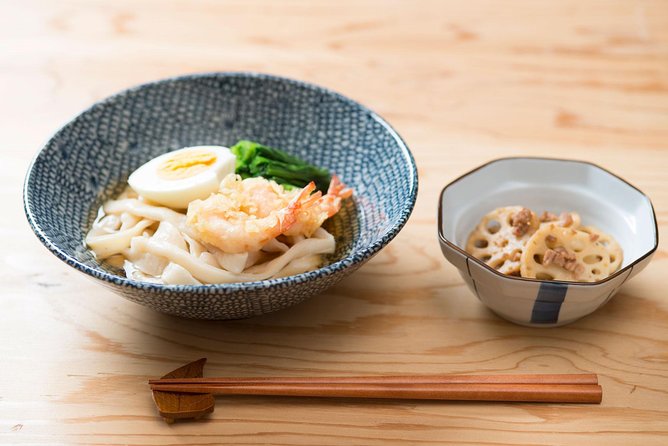
Tokyo has no shortage of excellent restaurants, but restaurant food and home cooking serve different purposes. At a restaurant, you are tasting a finished dish. Here, you learn how the dish comes together and why it belongs in a Japanese household.
That difference makes this class especially useful for repeat visitors and food lovers who want more than a meal. You receive recipes so you can prepare the dishes at home. Several participants found the recipes and cooking tips among the most useful parts of the experience because they turned a holiday memory into something practical.
The class also gives you a better sense of ingredients you may see in Japanese markets. A post-class supermarket visit can help you connect the recipe to the shelves, labels, and snacks you encounter elsewhere in Tokyo. If you prefer something more traditional, choose the tea and pottery shop. If you have a sweet tooth, select the Japanese sweet shop.
You can choose only one post-class stop, and you need to tell Emi in advance. It is not an open-ended shopping tour, so decide what would add most to your day.
Getting to Nerima and choosing the right day
The listed starting point is Nerima City Hall, at 6-chōme-12-1 Toyotamakita, Nerima City, Tokyo 176-8501. The activity is near public transportation, and it begins and ends at the meeting point.
The class is not in the center of the major sightseeing districts, so allow time for the journey. Nerima can work well as part of a day in northwest Tokyo, rather than as a quick activity squeezed between sights in Asakusa, Shibuya, and Ginza.
The Harry Potter Museum in Tokyo is about a 20-minute walk from Emi’s apartment. If you plan to visit TeamLab Borderless in Azabudai Hills, the Oedo Line can take you from Azabu-Juban to Nerima without a transfer. That makes the class easier to combine with those plans, though you should still allow enough time for the class and transport.
The venue depends on your booking:
- On weekends, groups of two or three may cook at Emi’s home.
- Groups of four or more generally use the cooking studio.
- Weekday bookings use the studio.
- Studio access includes about ten steps, which may matter if anyone in your group has mobility concerns.
Your confirmation should clarify the exact meeting details. Some arrangements may involve meeting near a station, but the official meeting point is the one provided with your booking.
How much value do you get for $99?
At $99 per person, this is not the cheapest food activity in Tokyo. You are paying more than the cost of eating a simple Japanese lunch. The value comes from the private instruction, the ingredients, the meal, the drinks, the recipes, and the time spent talking with a local.
The price makes the most sense for two or three people who want personal attention. You are not paying for a large group demonstration where the instructor must divide time among strangers. A larger group can benefit from the private format too, but reserve early and expect to cook in the studio.
Food and drink are included, including sake, green tea, and barley tea. Hotel transfers are not included, so add your own transportation costs. The class lasts about three hours, which is long enough to learn several dishes without taking up an entire day.
Group discounts are available, though the amount depends on the booking. Check the price for your party size before committing. Since the menu is shared by the group, the experience is also more efficient for a couple or family that enjoys the same foods.
The personal touches that make this class useful
Emi’s role goes beyond showing you how to cook. She can offer suggestions for Tokyo sightseeing, explain food customs, and help you understand what you are seeing in local shops and markets.
Her hospitality also shows in small practical details. She may help with directions, meet you at a station under certain arrangements, or assist with a taxi after the class. These details are not guaranteed parts of the formal package, so confirm what is planned. Still, they can make a home-based activity in a residential part of Tokyo much easier.
The cultural conversation is a major reason to choose this class over a cooking school with a fixed script. You can ask about Japanese ingredients, home meals, etiquette, and life in Tokyo while the food is being prepared. The best questions often come up naturally while your hands are busy.
The recipes are another strong point. You leave with more than photographs. You have a chance to recreate gyoza, karaage, tempura, ginger pork, or another selected dish in your own kitchen.
Who should book, and who should think twice
I would recommend this class to anyone who likes food and wants a quiet, personal activity away from Tokyo’s busiest streets. It suits couples, small groups of friends, older children, and travelers who enjoy learning by doing.
It is also a good choice if you have already seen the main sights and want a more local activity. The private format works well for people who ask many questions or need menu adjustments.
Think twice if your schedule is packed with central Tokyo attractions. Nerima takes time to reach, and the class itself lasts three hours. It may not suit people who want a quick tasting, a large professional kitchen, or complete freedom to choose a different dish for every person.
Young children under ten cannot take part. People with accessibility concerns should ask about the studio’s steps before booking. Guests with strict dietary needs should contact Emi early, especially if they are considering okonomiyaki or a menu shared with other members of the group.
Booking advice and cancellation terms
This experience is often booked well ahead, with an average lead time of about 42 days. Groups of four or more should aim for two or three months ahead because studio availability may be limited.
Send your menu choice, allergies, dietary restrictions, and preferred post-class stop as soon as your booking is confirmed. Waiting until the last moment can leave Emi selecting the menu for you.
Free cancellation is available up to 24 hours before the local start time. Cancelling or changing the booking less than 24 hours ahead does not qualify for a refund or accepted changes.
Should you book Emi’s cooking class?
Book it if you want to cook, eat, and talk, not simply watch a chef perform. The private setting, flexible menu, recipes, and local conversation give the experience real substance. It is especially good for couples and small groups who want to take a piece of Japanese home cooking back with them.
Skip it if you have only a short time in Tokyo or need an activity in the city center. For everyone else, $99 buys a full meal, instruction, cultural context, and a memorable afternoon or evening in Nerima. Choose your menu early, arrive hungry, and leave room for the sake and the last bite.
FAQ
How long does the cooking class last?
The experience lasts approximately three hours. Cooking takes about 1.5 to 2 hours, followed by the meal.
What is included in the price?
The private cooking class, the prepared meal, green tea, barley tea, and sake are included.
Where does the class begin?
The listed meeting point is Nerima City Hall, 6-chōme-12-1 Toyotamakita, Nerima City, Tokyo 176-8501, Japan. Studio sessions may meet directly at the cooking studio.
Where does the activity end?
The activity ends back at the meeting point.
How many dishes will I prepare?
You choose three dishes from Emi’s menu. The experience describes making three to four home-style dishes, depending on the selected menu and arrangements.
Can I request a vegetarian menu?
Yes. Emi can accommodate vegetarian requests, but the menu for the whole group may change.
Can Emi accommodate allergies or dietary restrictions?
Yes. You should provide allergy information, dietary restrictions, and cooking preferences when booking, then message Emi after confirmation to discuss the menu.
Can each person choose a different main dish?
No. Everyone in the group prepares the same main dish, so the group needs to agree on its menu choice.
How far in advance must I choose my menu?
Send your menu preference at least four days before the experience. If Emi does not hear from you by then, she chooses the menu.
Are children allowed to join?
Children aged ten and older may join and are charged the adult price. The experience is not suitable for children aged nine or younger.
More hands-on classes and workshops in Tokyo
- Sushi Making Tokyo Roll and Authentic Japanese Sushi Class
★ 5.0 · 3,971 reviews - Chopstick Making Workshop in Ginza
★ 4.8 · 1,366 reviews - Tokyo Sushi Making Class in Tsukiji with Professional Chef
★ 5.0 · 1,177 reviews - Ramen & Gyoza Cooking Class in Tokyo with Local Supermarket Visit
★ 5.0 · 823 reviews
Newly reviewed around Tokyo
- Tokyo Asakusa:Calligraphy & Make T-shirt Activity★ 5.0 · 62 reviews
- Intercity Shuttle, Tokyo to Haneda /Narita /Yokohama /Makuhari★ 5.0 · 5 reviews
- 1 Hour Travel around Tokyo with a Professional Photographer★ 5.0 · 3 reviews
- Travel Tokyo with Your Own Personal Photographer★ 5.0 · 43 reviews
- Train in Samurai Swordsmanship and Defeat the Demon in Tokyo★ 5.0 · 5 reviews
- Shuttle Van 6hr Tokyo Tour to-and-from Tokyo, Yokohama and Narita★ 5.0 · 9 reviews
- Kickboxing & Body Training with EX-Pro Fighter★ 5.0 · 4 reviews
- Traditional Japanese Knife Sharpening Class★ 5.0 · 18 reviews
Tokyo Cooking Classes, compared.
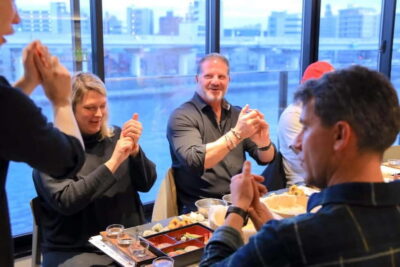
Roll and Authentic Sushi Making Class in Asakusa
Read our review →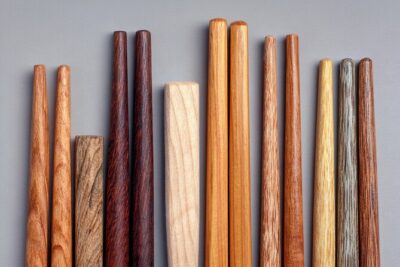
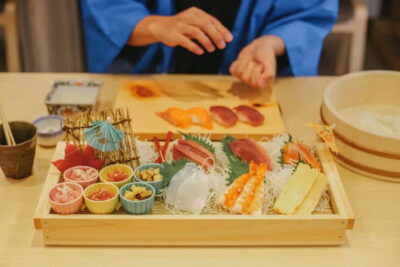
Sushi Making Class in a Happi Coat near a Famous Spot
Read our review →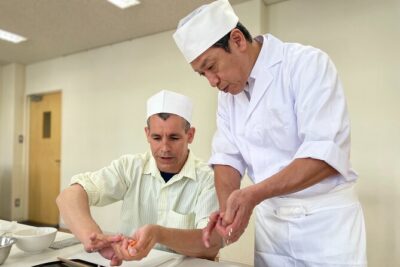
Tokyo Sushi Making Class in Tsukiji with Professional Chef
Read our review →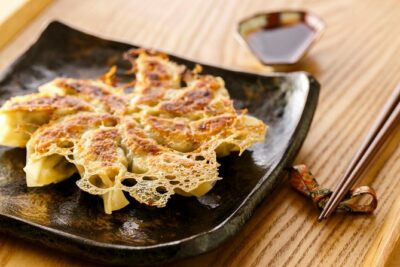
Ramen & Gyoza Cooking Class in Tokyo with Local Supermarket Visit
Read our review →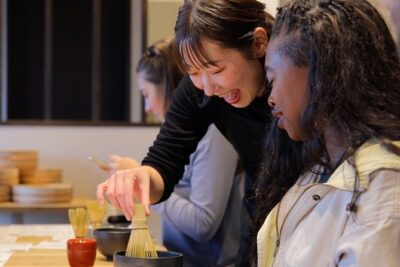
Matcha Making Class in Tokyo with Authentic Japanese Sweets Set
Read our review →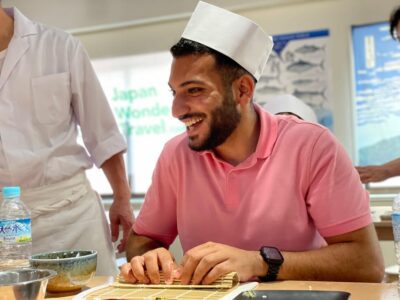
Tsukiji Fish Market Sushi Making Class with Pro Chef
Read our review →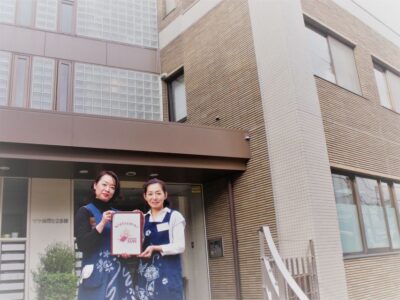
Browse the lists this tour appears in