
Reviewed · TOKYO SUMO EXPERIENCES
Tokyo Walking Tour : Sumo, Sushi, Tea, Temples and Tokyo Tower
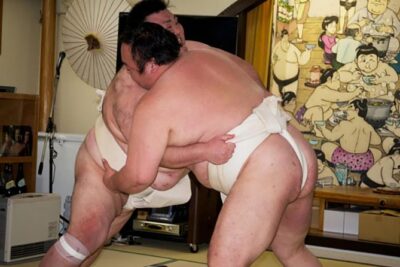
The most unusual part of this day is the chance to watch sumo wrestlers train at Arashio Beya. This is real practice, not a staged show, so you must stay quiet and accept that the stable may not be training when you arrive.
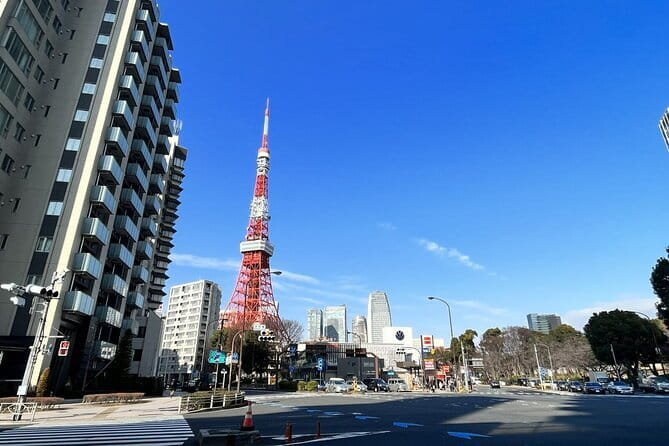
I like the thoughtful mix of food and culture, from Tsukiji samples to tea and a temple ritual. I also like the route’s grand finish at Tokyo Tower, after quieter gardens and temple grounds have given you a calmer view of Tokyo.
The main drawback is simple: this is a long outdoor walking day using public transport, not a private-vehicle tour. Sumo training can change without notice, and training stops during some tournament periods, including January, May, and September.
Key points to know before booking
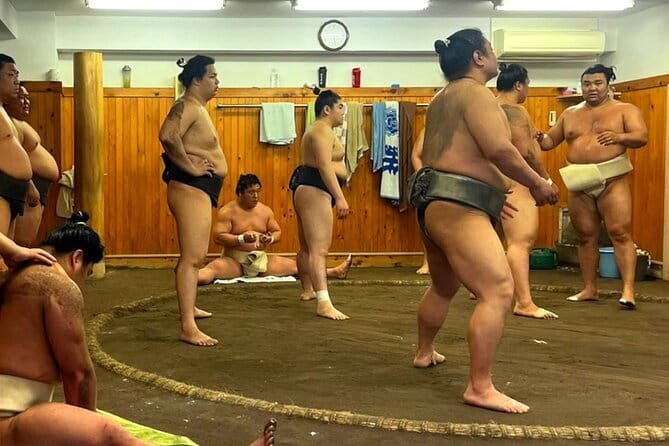
- Sumo is the early highlight: Watch genuine training at Arashio Beya, but accept that practice is not guaranteed.
- Tsukiji is for tasting and browsing: Your guide leads you through the outer market, while food and drinks cost extra.
- Hama Rikyu adds a quiet pause: Garden admission and a tea house visit are included.
- Zojoji offers hands-on culture: You tour the temple and take part in sutra copying.
- Tokyo Tower finishes the day: Your ticket is included, with the tour ending near Akabanebashi Station.
- Plan for a full day on foot: The group can have up to 15 people, and the start time is 8:15 a.m.
Starting with sumo at Arashio Beya
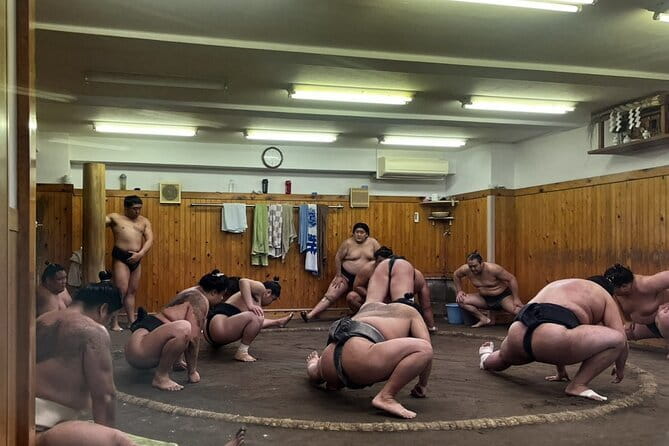
Your day begins at 8:15 a.m. near Hamacho Station, at Hamacho Station, 2-chōme-59-3 Nihonbashihamachō. The first stop is Arashio Beya, a traditional sumo training stable.
This is a valuable chance to see a part of Japanese life that most sightseeing routes skip. You are not attending a match in a stadium. You are watching wrestlers practice, which means the atmosphere depends on the stable’s schedule and rules.
The wrestlers cannot be disturbed, so expect to observe quietly. You will not be able to wander around, interrupt practice, or treat the session like a performance. That restraint is part of the point. You are seeing a working place, not a show arranged for tourists.
The tour allows about 1 hour and 10 minutes here. That gives you time for the visit itself, though the exact amount of training you see can vary. The tour provider clearly warns that the schedule may change and that the wrestlers may not be training on your date.
You should also check the timing carefully if your visit falls in January, May, or September. Grand Sumo Tournaments take place during those months, and training is closed during certain weeks. If seeing sumo is your main reason for booking, this is the first detail to confirm before paying.
More Tokyo Tower tickets and tours:
- Dynamic Tokyo: Tokyo Tower, Tea Experience, Bay Cruise Day Tour
★ 4.5 · 521 reviews - Tokyo: ‘Red Tokyo Tower’ Digital Amusement Park Ticket
★ 4.1 · 398 reviews - Tokyo: Imperial Palace, Sensō-ji Temple, & Tokyo Tower Tour
★ 4.5 · 339 reviews
Tsukiji Outer Market, where food costs extra
From the sumo stable, the route continues to Tsukiji Outer Market. The tour includes the train fare from Ningyocho Station to Tsukiji Station, which keeps this part of the route straightforward. Transport before the tour and after it is not included.
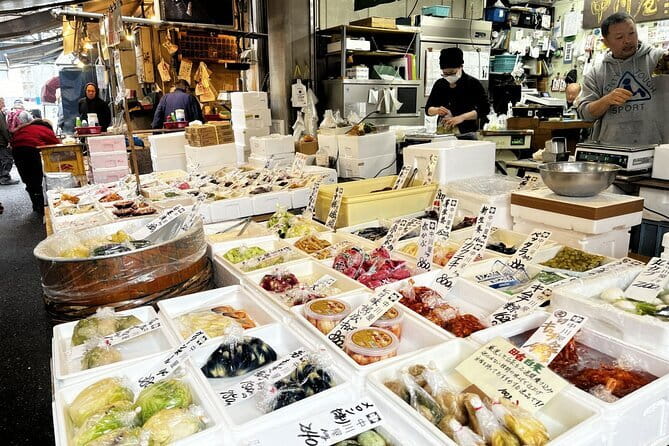
You receive a guided walk through the market and time to sample foods on offer. You also get free time to take pictures, browse shops, and choose additional food at your own pace.
This is where the tour’s food promise needs careful reading. Food and drinks are not included in the price, so the $166.85 fee does not cover every bite you may want to try. That can be a benefit if you prefer choosing your own portions and avoiding a fixed tasting menu. It also means your final cost depends on how much you buy.
Allow about 1 hour and 30 minutes here. That is enough for an introduction, several tastings, and some browsing without turning the market visit into an all-day stop. I would arrive ready to make choices rather than expecting every food purchase to be arranged for you.
Tsukiji works well after the quiet discipline of sumo. The setting changes from silent observation to a food-focused walk, giving the day a more casual rhythm. You can use the free time to take photos or shop, but keep track of the meeting time so the group can continue.
Hama Rikyu Gardens and a proper tea break
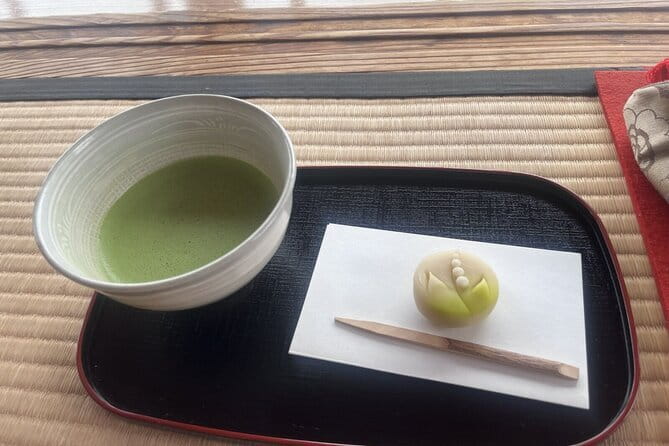
The next stop is Hama Rikyu Gardens, with about 1 hour and 20 minutes set aside. Admission to the gardens is included, as is the tea house experience.
Your guide introduces the garden and its history, then gives you free time before the group meets again for tea and a sweet. This is one of the better-balanced parts of the day because it combines explanation with unhurried time. You are not simply being led past a series of views.
Hama Rikyu gives you a break from city streets without requiring a long trip outside central Tokyo. The garden visit also provides a useful contrast with Tsukiji. One stop focuses on food, commerce, and movement. The next gives you space, greenery, and a slower traditional ritual.
The tea house visit is included in the tour price, unlike the food at Tsukiji. That makes the cost easier to judge. You are paying not only for the guide and transport between stops, but also for garden admission and a planned tea experience.
Do not expect this to be a private tea ceremony lasting several hours. The schedule allows about 1 hour and 20 minutes for the garden and tea together. Think of it as a focused introduction, with enough room to look around and enjoy a sweet before moving on.
Zojoji Temple and the sutra copying session
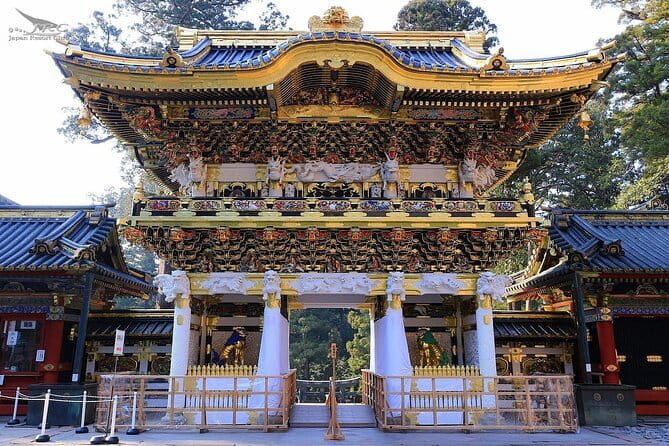
The tour then visits Zojoji Temple, with about an hour at the temple and its surrounding park. Your guide explains the temple and its history, followed by a sutra copying experience.
Sutra copying gives this stop a more personal feel than a standard temple visit. You are given time for a quiet, careful activity rather than simply taking photos and moving on. You do not need to be religious to appreciate the pause. It offers a clear change of pace after the market and the walking between locations.
The sutra copying fee is included. That matters because the activity is one of the tour’s planned cultural elements, not an optional add-on you must arrange yourself.
An hour is not a long time for a temple complex, a history talk, and a hands-on activity. You should expect an introduction rather than an exhaustive study of the site. Still, the stop earns its place because it gives the day a quiet center.
This is also a good moment to notice the structure of the tour. It is not built around one single attraction. Instead, it moves through several kinds of Tokyo experience: work, food, garden design, tea, Buddhist practice, and modern city views. If you want a day with constant major attractions, the pace may feel measured. If you want variety without planning each transfer yourself, the sequence makes sense.
More Tokyo sumo experiences:
- Tokyo: Sumo Show and Dining Experience
★ 4.8 · 2,742 reviews - the SUMO show
★ 5.0 · 1,960 reviews - Tokyo Shinjuku Sumo Show & Experience with Photo
★ 5.0 · 1,750 reviews - Tokyo: Sumo Show and Experience in Shinjuku
★ 4.8 · 1,001 reviews
Tokyo Tower at the end of the day
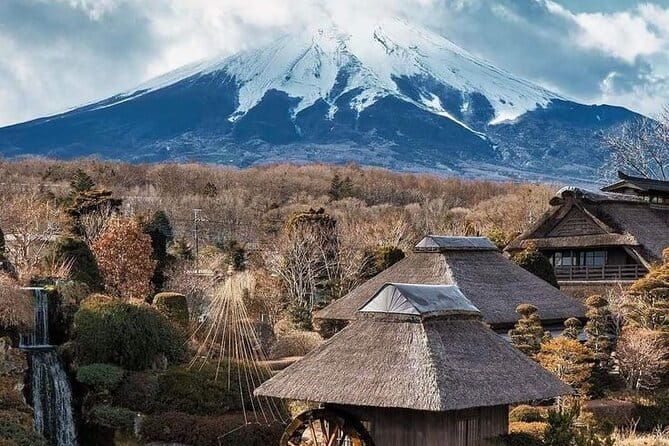
The final major stop is Tokyo Tower, where you have about 1 hour and 15 minutes. Admission is included, and the tour finishes nearby at Akabanebashi Station.
Tokyo Tower gives the day a strong visual ending. After seeing Tokyo from street level, you get a wider view from one of the city’s best-known observation decks. The tower also has the retro architectural character noted in the tour details, so this is not only about the view from above.
The timing is useful. You do not need to arrange a separate visit to the tower, buy another ticket, or work out how to fit it into the day. Your guide brings the group there and can answer transport questions afterward.
The tour ends at Akabanebashi Station, at 1-chōme-28-13 Higashiazabu. This is not the same place where you started, so plan your return journey from the finish rather than assuming you will be taken back to Hamacho.
Your guide can help with transport questions after the tour. That is especially helpful if you are heading to another part of Tokyo, though your onward train or other transport is not included.
What the $166.85 price covers

At $166.85 per person, this is not a cheap walking tour. The value depends on how much planning help and included admission you want.
The price covers a local English-speaking guide, the train fare from Ningyocho Station to Tsukiji Station, admission to Hama Rikyu Gardens, the garden tea house experience, the sutra copying fee, and the Tokyo Tower ticket.
It does not cover food or drinks at Tsukiji. It also does not cover transport before the tour begins or after it ends. Those exclusions are normal enough, but you should budget for them rather than treating the listed price as the full cost of your day.
I see the strongest value in the number of separate arrangements handled for you. In one day, you visit a sumo stable, market, garden, tea house, temple, and observation deck. Booking each piece alone would take time, and moving between them by public transport can be tiring if you do not know Tokyo well.
The price is less appealing if you mainly want a cheap introduction to the city or if you already have a firm plan for these sights. It is also poor value if the sumo visit is your only priority, since training is not guaranteed.
Walking, group size, and practical comfort

The tour lasts about 8 hours and 15 minutes. Several hours are spent outdoors, and the route uses public transport rather than a private vehicle.
That makes footwear important. You should be ready for extended walking, standing, station transfers, and time outside in changing weather. The tour description says most people can participate, but it does not promise a private car or a low-walking route.
The group can have up to 15 people. That is small enough for a guide-led walk to feel manageable, while still large enough that the group may take time to gather at stations and entrances.
The start is early, but that suits the sumo stop. Arashio Beya is the first destination, and the morning schedule is likely an important part of catching training if it is taking place. Arrive at the Hamacho meeting point with enough time to find the station area without rushing.
A mobile ticket is provided. Confirmation is received at booking, and the experience is near public transportation throughout. Free cancellation is available if you cancel at least 24 hours before the start time. Changes or cancellations inside that window are not accepted for a refund.
One named guide is Jade. If Jade leads your outing, expect a guide who can mix personal stories with Japanese history. That combination was specifically praised in the available feedback, and it is the kind of detail that can make a long walking day feel more connected to the places you visit.
Who should book this Tokyo day tour?
I would choose this tour if you have limited time in Tokyo and want a broad first look without arranging every train, ticket, and stop yourself. It suits you especially well if sumo, Japanese food, gardens, temples, and city views all sound appealing.
It is also a good match for first-time visitors who want context as they move through the city. The guide gives the stops a shared thread, while the free time at Tsukiji and Hama Rikyu lets you look around without being talked at every minute.
You should think twice if you dislike walking, public transport, early starts, or group schedules. You may also prefer a different tour if your main goal is a long, guaranteed sumo session, since the stable’s training schedule can change.
Food-focused visitors should bring extra spending money. The Tsukiji stop includes sampling opportunities, but food and drink purchases are your responsibility.
Should you book it?
Book this tour if you want one full day that links old and new Tokyo, with several admissions and cultural activities already arranged. The combination of sumo, Tsukiji, tea, sutra copying, and Tokyo Tower is unusually varied, and the guide can add the historical and personal context that is hard to gather while exploring alone.
Skip it if you want a private ride, a slow pace, or certainty that sumo practice will be happening. At $166.85, the tour earns its price through variety, included tickets, and planning help, not through luxury. Confirm the sumo schedule if that is your top reason for going, then book with comfortable shoes and an open appetite.
FAQ
How long does the Tokyo walking tour last?
The tour lasts approximately 8 hours and 15 minutes. It begins at 8:15 a.m. and finishes near Akabanebashi Station.
Where does the tour start?
The meeting point is Hamacho Station, 2-chōme-59-3 Nihonbashihamachō, Chuo City, Tokyo 103-0007, Japan.
Where does the tour end?
The tour ends near Akabanebashi Station, at 1-chōme-28-13 Higashiazabu, Minato City, Tokyo 106-0044. The guide can help with questions about transport afterward.
Is sumo training guaranteed?
No. The Arashio Beya schedule can change, and the wrestlers may not be training when you visit. Training is also closed during certain weeks when Grand Sumo Tournaments take place in January, May, and September.
Are food and drinks included?
No. Food and drinks at Tsukiji Outer Market are not included. You can buy food and drinks during the market visit at your own expense.
What is included in the tour price?
The price includes the train fare from Ningyocho Station to Tsukiji Station, Hama Rikyu Gardens admission, the Hama Rikyu tea house experience, the sutra copying fee, the Tokyo Tower ticket, and a local English-speaking guide.
More Tokyo walking tours
- Tokyo Tsukiji Fish Market Food and Culture Walking Tour
★ 5.0 · 3,184 reviews - Tokyo: Imperial Palace and Shogun Historical Walking Tour
★ 5.0 · 2,251 reviews - Tokyo: Shinjuku Local Bar and Izakaya Guided Walking Tour
★ 4.9 · 1,794 reviews - Tokyo: Tsukiji Fish Market Food and Walking tour
★ 5.0 · 1,724 reviews
Newly reviewed around Tokyo
- Tokyo Asakusa:Calligraphy & Make T-shirt Activity★ 5.0 · 62 reviews
- 1 Hour Travel around Tokyo with a Professional Photographer★ 5.0 · 3 reviews
- Travel Tokyo with Your Own Personal Photographer★ 5.0 · 43 reviews
- Intercity Shuttle, Tokyo to Haneda /Narita /Yokohama /Makuhari★ 5.0 · 5 reviews
- Train in Samurai Swordsmanship and Defeat the Demon in Tokyo★ 5.0 · 5 reviews
- Shuttle Van 6hr Tokyo Tour to-and-from Tokyo, Yokohama and Narita★ 5.0 · 9 reviews
- Kickboxing & Body Training with EX-Pro Fighter★ 5.0 · 4 reviews
- Traditional Japanese Knife Sharpening Class★ 5.0 · 18 reviews
Tokyo Sumo Experiences, compared.
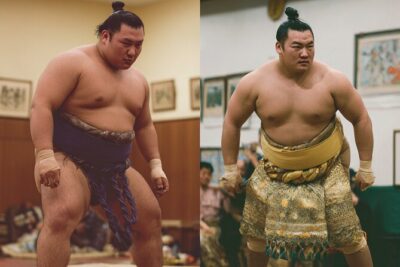
Tokyo Shinjuku Sumo Show & Experience with Photo
Read our review →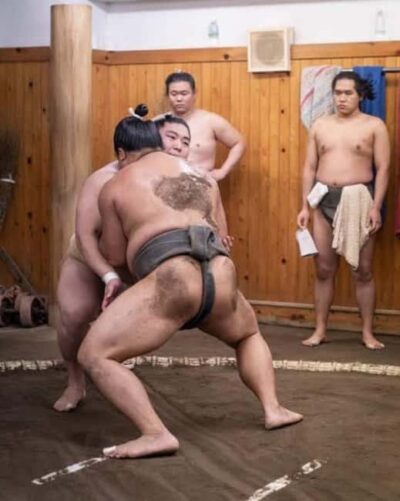

Luxury Sumo Show Experience & Japanese cuisine & Drink
Read our review →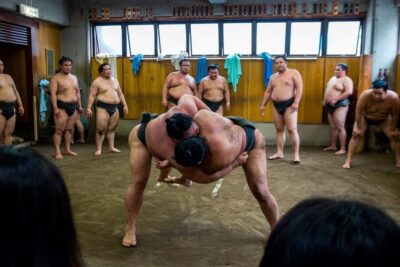
Tokyo Sumo Experience: Chanko & Mochi with a Former Pro
Read our review →
Ultimate Sumo Tournament: Tokyo, Osaka, Nagoya, Fukuoka
Read our review →Browse the lists this tour appears in