
Reviewed · TSUKIJI AND TOYOSU FISH MARKET TOURS
Tokyo Tsukiji Food & Culture Private Tour Licensed Guide
Tokyo’s best food tour may be the one that lets you choose the menu. This private six-hour outing links Toyosu and outer Tsukiji with local shopping streets and food districts, while your licensed guide explains what you are seeing and helps you order, shop, and use the trains.
I like the personal itinerary and the practical help. Kenji Kasama has built days around specific requests, while guides such as Naomi and Michio have adjusted plans when weather or interests changed. I also like that food is not treated as a quick photo stop. You can ask about Japanese cooking, manners, ingredients, and the right way to buy things.
The main drawback is cost control. At $141 per person, this is not a cheap market walk, and food, transport, taxis, and entrance fees cost extra. The guide also cannot cover every listed district in six hours, so you need to choose carefully.
Key points to know before booking
- Choose three or four stops in six hours: Pick from Toyosu, outer Tsukiji, Kappabashi, Asakusa, Tsukishima, and Yanaka Ginza.
- Meet locally and travel by public transport: Your guide meets you at your hotel lobby or requested station, then you set off on foot.
- Licensed English-speaking guidance: English and Japanese guides explain food, etiquette, history, and daily life.
- Food is not included: You pay for tastings, meals, drinks, transport, taxis, and any entrance fees separately.
- Private means flexible: You can request a food focus, a shopping focus, specific neighborhoods, or a slower pace.
- Plan for a lot of walking: The day connects markets, streets, stations, and shops, so comfortable shoes matter.
A six-hour day built around your appetite
This is not a fixed bus route with a guide rushing you from one landmark to the next. You meet your guide at your hotel lobby or at a train station you request, usually 10 minutes before the scheduled pickup. From there, the day unfolds on foot and by public transportation.
You should tell the local partner which places interest you after booking. The possible stops include Toyosu Market, the outer Tsukiji fish market, Kappabashi kitchenware street, Tsukishima’s Monja Street, and Yanaka Ginza. You can also ask for Asakusa or Ueno’s Ameyoko area, both described as part of the wider food and shopping program.
A four-hour booking covers about two or three sites. The six-hour option covers about three or four. That sounds generous, but Tokyo’s size, train connections, walking time, and meal stops add up quickly. I would treat the schedule as a focused neighborhood day, not a checklist of every famous food district.
Your guide’s role is part interpreter, part route planner, and part local shopping assistant. If you want to taste unfamiliar food, ask about customs, or buy Japanese kitchen goods without guessing, that personal help can be worth more than a standard sightseeing ticket.
More Tsukiji and Toyosu fish market tours:
- Tokyo Tsukiji Fish Market Food and Culture Walking Tour
★ 5.0 · 3,184 reviews - Tokyo: Tsukiji Fish Market Food and Walking tour
★ 5.0 · 1,724 reviews - Tokyo: Tsukiji Fish Market Guided Walking Tour
★ 4.9 · 1,397 reviews
Toyosu Market: modern Tokyo’s food center
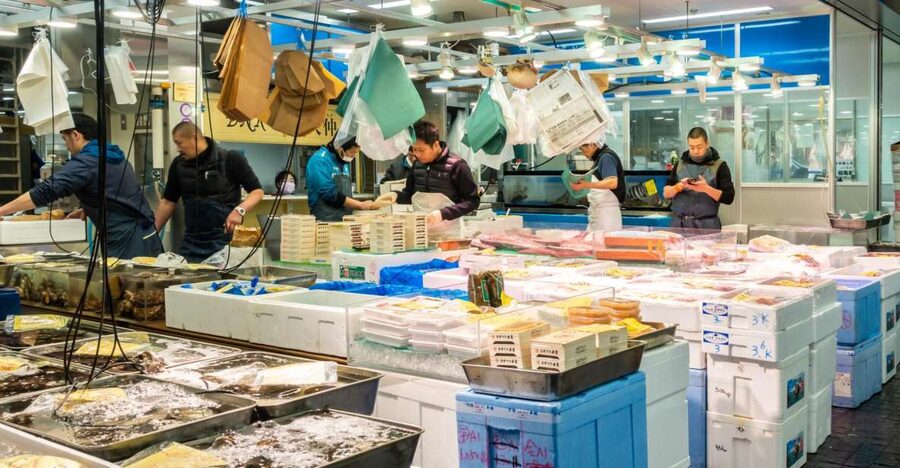
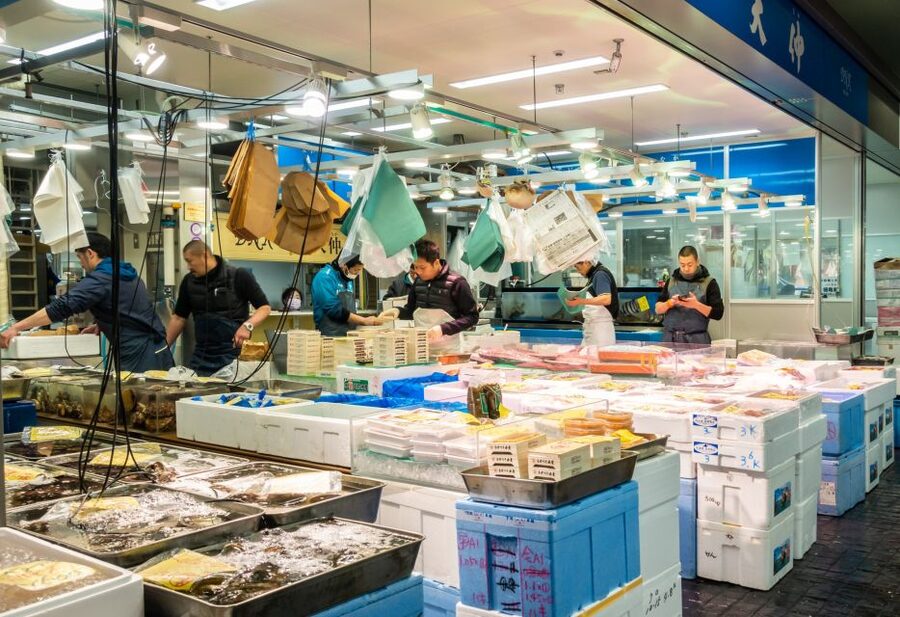
Toyosu is the newer fish market and one of the main choices for the day. It gives you a look at Tokyo’s modern food trade, with a very different setting from the older streets around Tsukiji.
The value here is context. A guide can explain how the market fits into Tokyo’s food culture and help you understand what you are seeing rather than leaving you to walk through a large market area without a frame of reference. The guide can also help connect Toyosu with the rest of your food day.
Toyosu may suit you if you want to see the present-day side of Tokyo’s seafood world. It is less useful if your main goal is informal street food and small food stalls. In that case, you may prefer outer Tsukiji, Asakusa, or Yanaka Ginza.
You should also remember that Toyosu is one stop among several, not the whole tour. If you choose it along with distant districts, some of your six hours will go toward transport. Ask your guide to group locations sensibly.
Outer Tsukiji: the best place for food browsing
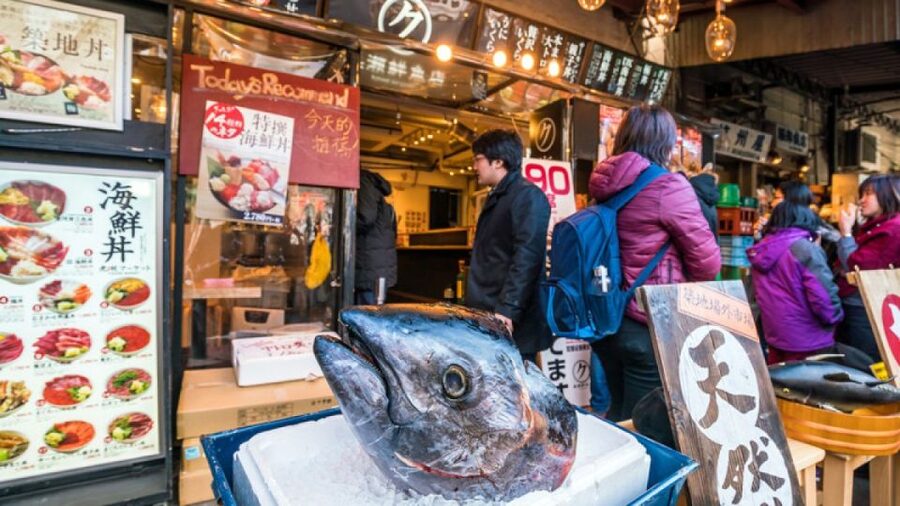
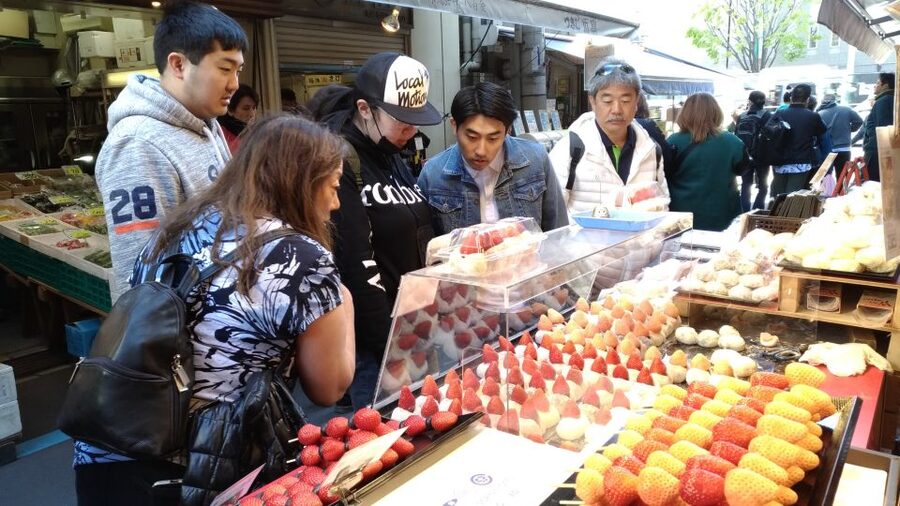
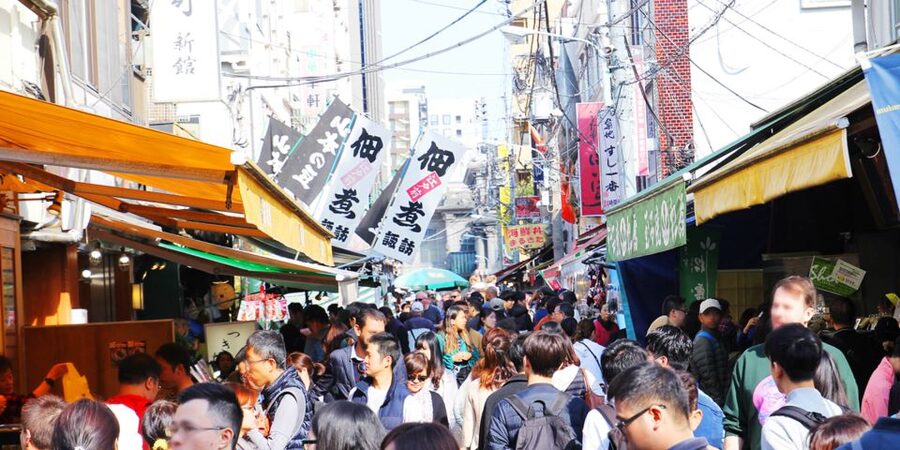
The outer Tsukiji fish market is the more hands-on food stop. The emphasis is on shops, fresh foods, and the chance to try things as you go. It is a strong choice if you want to browse at close range and eat in small portions rather than sit down for one long meal.
Your guide makes a difference here. The market can be crowded, and a guide who knows the area can help you move through it without wasting time. Yoshii helped one group handle the busy streets of both outer Tsukiji and Toyosu, while Nori accompanied another visitor at the fish market.
This is also where language help can matter. Sekimoto-san helped one visitor buy products correctly in Japanese, a small service that can prevent confusion when labels, quantities, or shop customs are unfamiliar. You can ask your guide how to order, what to look for, and how to behave around food sellers.
Food itself is not included in the $141 price. That is both a drawback and a benefit. You control your spending and can choose what appeals to you, but the final cost depends on how much you eat and buy. Bring room in your budget for tastings, drinks, and any meal your guide recommends.
Asakusa and Ameyoko: street food with shopping on the side
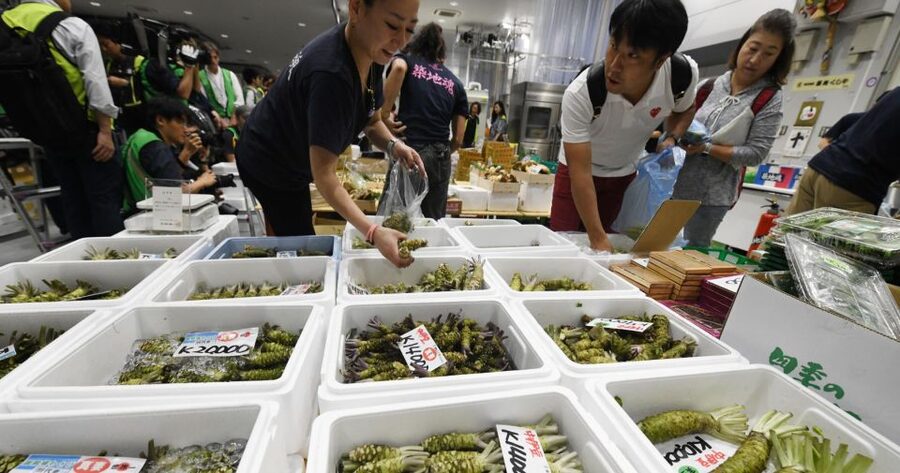
Asakusa adds a more traditional street-food feel to the day. The shopping street is known for authentic Tokyo snacks, and it gives your guide a natural place to explain how food connects with everyday customs.
You can use this stop to ask about Japanese behavior around eating, buying, and sharing food. Ilze particularly valued learning about Japanese cuisine and behavior with guide Katsu. That kind of explanation is one reason to book a private guide instead of simply following a food map.
Ueno’s Ameyoko area is another possible choice. The program describes it as a local food and shopping area, so it can work well if you want a less formal market visit with time to browse. You will need to decide if Ameyoko adds more to your day than one of the other districts.
Asakusa and Ameyoko may appeal to different moods. Asakusa is a good choice if you want a recognizable old Tokyo setting and street food. Ameyoko may suit you if you prefer a shopping district with food stops. Your guide can help match the choice to your interests, but the final decision needs to be made before the day becomes crowded with options.
More Tokyo food tours:
- Tokyo: Shinjuku Food Tour (13 Dishes at 4 Local Eateries)
★ 5.0 · 6,603 reviews - Tokyo: Shinjuku Food Tour (15 Dishes and 4 Eateries)
★ 4.9 · 2,033 reviews - Best of Shinjuku: Izakaya Food Tour (4 Stops, 14+ Tastings)
★ 5.0 · 1,863 reviews - Eat and Drink Like a Local: Tokyo Ueno Food Tour-Taverns&Ramen
★ 5.0 · 957 reviews
Kappabashi: Tokyo’s kitchenware wonderland
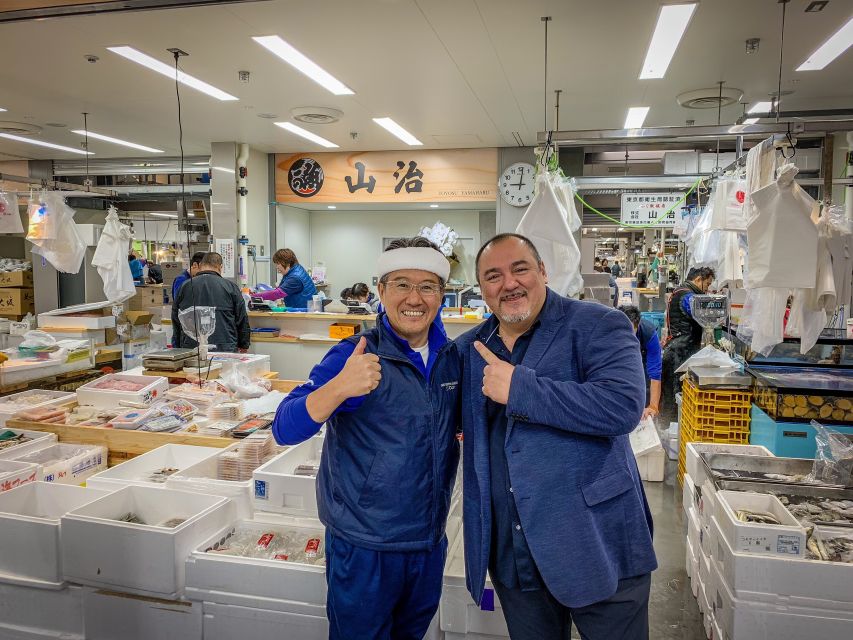
Kappabashi is the most useful stop for cooks, food lovers, and anyone who has ever admired Japanese knives, bowls, chopsticks, or restaurant tools. The street is lined with kitchen supply shops, and it is also known for its highly realistic plastic food samples.
This is a different experience from eating. You are looking at the tools and visual language behind Japanese restaurants. A private guide can help explain what particular items are for and can make shopping less intimidating if you do not read Japanese.
The fake food samples are especially practical for understanding how Japanese restaurants show their menus. They are also easy to enjoy even if you are not planning to buy anything. If you do shop, remember that transportation costs and purchases are separate from the tour price.
Kappabashi is a strong choice for a six-hour day because it offers a clear theme. Pair it with Tsukiji if food is your main interest, or with Asakusa if you want to combine shopping with a major cultural district. Trying to add too many far-flung stops can leave you with less time in each place.
Tsukishima’s Monja Street and Yanaka Ginza
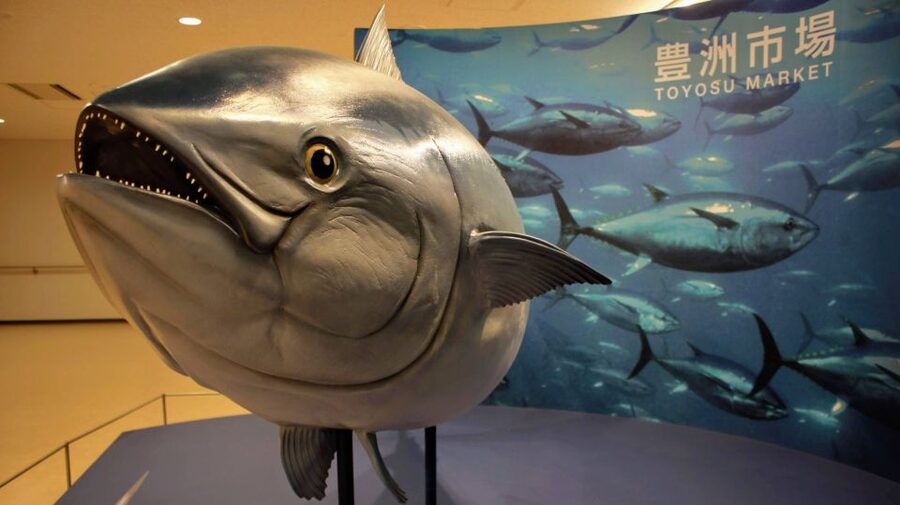
Tsukishima’s Monja Street gives the itinerary a local food angle that differs from seafood markets and street snacks. Monja is a Tokyo specialty, and this is the place to request if you want your day centered on a particular dish rather than a broad market tour.
Because the food is not included, your guide can help you understand the dining choice, but you pay directly for the meal. Ask about the time needed before fixing the rest of your route. A full meal can change what is realistic in a six-hour schedule.
Yanaka Ginza is another choice, known here for fried croquettes and its local shopping-street character. It can feel like a slower, more neighborhood-focused part of Tokyo than the major markets. One guide took a visitor along both the tourist route and a less tourist-oriented route, adding historical explanation along the way.
I would choose Yanaka Ginza if you want a relaxed street, small food purchases, and local atmosphere. It is less suitable if your priority is the fish trade or Japanese kitchenware. The private format lets you make that tradeoff clearly.
What your guide adds to the day
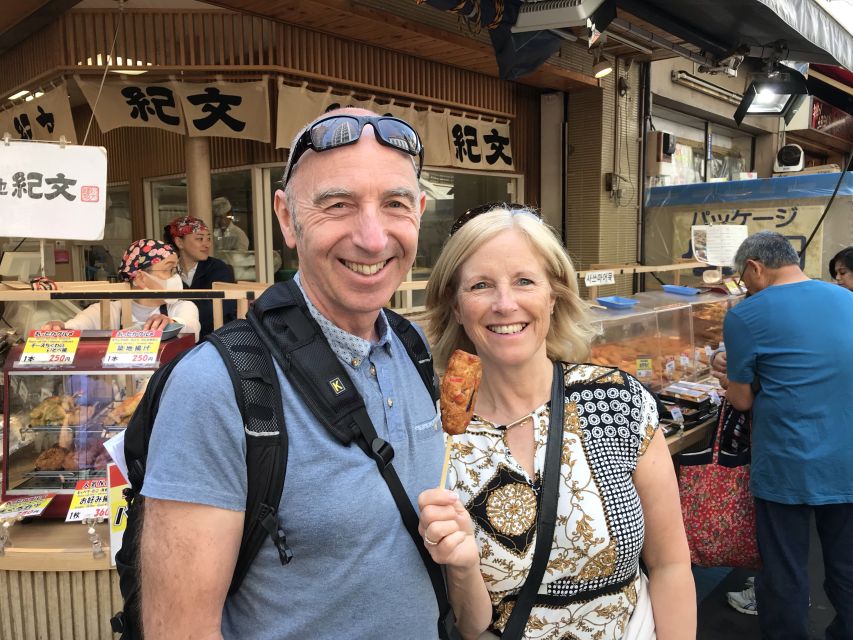
The strongest part of this experience is not simply access to markets. It is the human help between stops.
Several guides have been praised for building the day around personal requests. Fumiko planned a tightly organized day with good food stops and cultural explanation. Kenji Kasama created an itinerary around specific locations and patiently guided his group through Tokyo’s public transportation. Michio Akutsu adjusted to different activities, gave a broad introduction to Japanese history, and recommended a sushi lunch and a steak restaurant.
That range matters because Tokyo can be easy to misread. A private guide can explain why a food custom matters, show you how to use a train card, or help you select a restaurant when you are unsure what fits your taste. Naomi helped one visitor navigate the railway system in cold, rainy weather, and the museum became the highlight of that day instead of forcing the original plan.
The guides also seem comfortable with families. Michio worked patiently with a family that included teenagers and a younger child. Show was attentive to a daughter who needed relief from the heat. These details suggest that you can ask for a realistic pace rather than treating the day as a race.
Still, the guide’s quality is not fully predictable in advance. You may be assigned someone different from the named guides above. The experience is not confirmed until a guide accepts it, and the local partner may continue looking for one until close to the tour date. If having a guide is essential to your plans, pay attention to those confirmation messages.
Transport, walking, weather, and the real pace
This is a walking tour supported by public transportation or private taxis. You pay for those rides separately. The guide can help you use the railway system, but your transport budget is not included in the $141 price.
The pickup is convenient because you can meet at your hotel lobby or a requested station in Tokyo’s 23 wards. The guide waits about 10 minutes before the scheduled pickup, and you set off on foot from there. Confirm the meeting point carefully, especially if your hotel has more than one entrance.
Expect a full day on your feet. You may walk through markets, shopping streets, stations, and connecting neighborhoods. The tour is wheelchair accessible, but the exact route still matters, so tell the partner about your needs before the day.
The experience runs rain or shine. That is worth considering in Tokyo’s hot summers, cold winter days, and rainy seasons. Bring suitable clothing and shoes, and tell your guide if weather makes a planned market route uncomfortable. The private format gives you a better chance of adjusting the order or pace.
Is $141 per person good value?
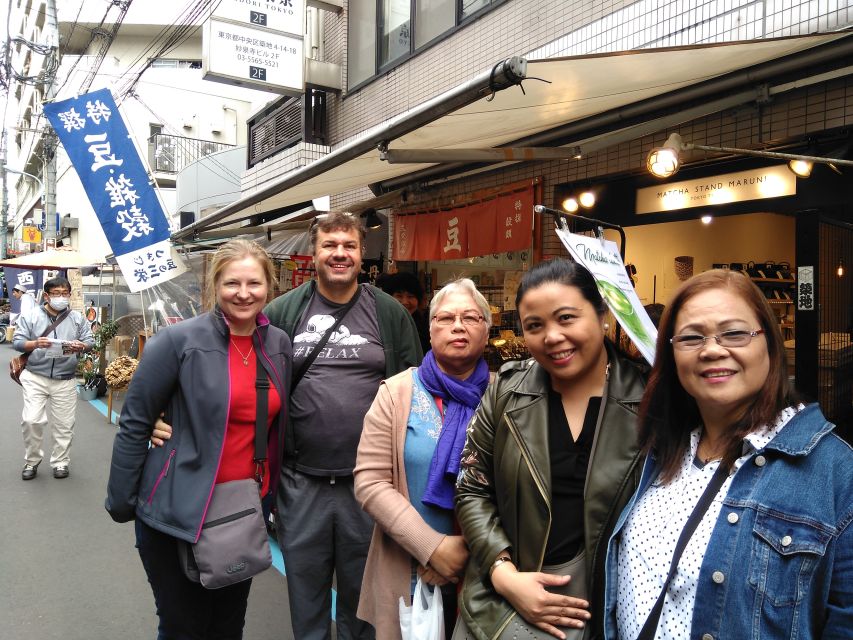
At $141 per person, this is expensive compared with exploring Tsukiji or Asakusa alone. You still pay for food, drinks, transport, taxis, and entrance fees, so the final bill can climb.
The value comes from private service and time saved. You are not paying only for a walk through a market. You are paying for a licensed local guide, a custom route, help with Japanese public transportation, language support while shopping, and explanations matched to your interests.
The price makes more sense for a small private group than for one person on a tight budget. A family or group of friends can share the cost while keeping control over the pace. It also makes sense early in a Tokyo visit, when a guide can help you understand food customs and transport for the rest of your trip.
If you already know Tokyo well, speak Japanese, and are happy to plan each stop yourself, you may not need this level of help. If you want several food districts in one organized day, the cost is easier to justify.
Who should book this Tokyo food tour?
I would recommend it to first-time visitors who want food and culture together, families that need a flexible pace, and food-focused shoppers who want to see both markets and kitchenware. It also suits anyone who feels uncertain about Japanese train systems or ordering food.
The six-hour option is best for three or four carefully chosen stops. Pick Toyosu and Tsukiji for a market-centered day, Kappabashi and Asakusa for food culture and shopping, or Tsukishima and Yanaka Ginza for a more neighborhood-based route.
The four-hour option may be the smarter choice if you want a short introduction or if your schedule is tight. It covers about two or three sites, leaving less room for long meals and distant transfers.
You should skip it if you want a fixed sightseeing route, an all-inclusive food experience, or a cheap group tour. You should also avoid overloading the itinerary. Tokyo rewards time spent in a few places, and your guide can do the best work when you leave room to look, taste, ask questions, and shop.
FAQ
How long is the Tokyo Tsukiji food and culture tour?
The listed experience is six hours. A four-hour option is also available, depending on the booking selected.
How many places can I visit in six hours?
You can generally see three to four sites during a six-hour tour. The four-hour option covers about two to three sites.
Which locations can I request?
Possible choices include Toyosu Market, the outer Tsukiji fish market, Kappabashi Street, Tsukishima’s Monja Street, and Yanaka Ginza. Asakusa and Ueno’s Ameyoko area are also part of the wider food and shopping program.
Where does the guide meet me?
The guide can meet you in your hotel lobby or at a train station you request within Tokyo’s 23 wards. The guide waits about 10 minutes before the scheduled pickup, and you begin on foot.
Is food included in the tour price?
No. Food, drinks, transport, private taxis, and entrance fees are not included. You pay for those separately during the day.
Is public transportation included?
No. The tour uses public transportation or private taxis as needed, but you pay those transportation costs separately.
Is the tour private?
Yes. It is a private group experience with a licensed local guide, and the itinerary can be adjusted to suit your requests and preferences.
Is the tour available in English?
Yes. Live guiding is available in English and Japanese. The tour is led by a licensed local guide.
Newly reviewed around Tokyo
- Tokyo Asakusa:Calligraphy & Make T-shirt Activity★ 5.0 · 62 reviews
- 1 Hour Travel around Tokyo with a Professional Photographer★ 5.0 · 3 reviews
- Travel Tokyo with Your Own Personal Photographer★ 5.0 · 43 reviews
- Intercity Shuttle, Tokyo to Haneda /Narita /Yokohama /Makuhari★ 5.0 · 5 reviews
- Train in Samurai Swordsmanship and Defeat the Demon in Tokyo★ 5.0 · 5 reviews
- Shuttle Van 6hr Tokyo Tour to-and-from Tokyo, Yokohama and Narita★ 5.0 · 9 reviews
- Kickboxing & Body Training with EX-Pro Fighter★ 5.0 · 4 reviews
- Traditional Japanese Knife Sharpening Class★ 5.0 · 18 reviews
Tsukiji and Toyosu Fish Market Tours, compared.
Tokyo Tsukiji Fish Market Food and Culture Walking Tour
Read our review →
Tokyo Sushi Making Class in Tsukiji with Professional Chef
Read our review →
Tsukiji Fish Market Guided Tour and Sushi Making with Pro Chef
Read our review →Tsukiji Fish Market Food and Culture Walking Tour
Read our review →
Tsukiji Fish Market: Street Food & Culture Walking Tour
Read our review →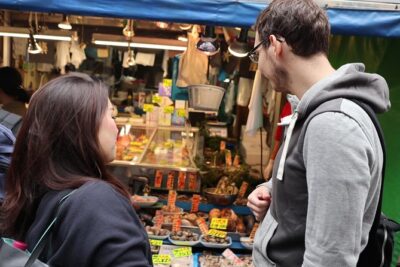
Tsukiji Fish Market Small-Group Food Walking Tour
Read our review →Browse the lists this tour appears in