
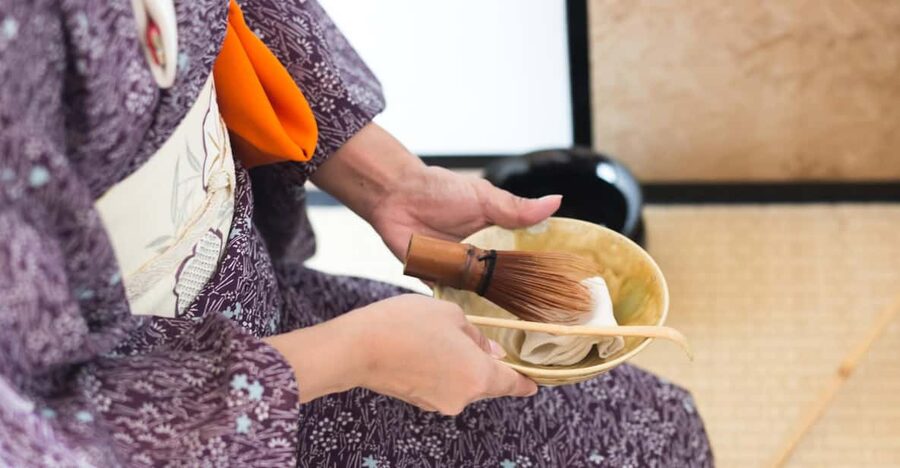
Reviewed · TOKYO TEA CEREMONY EXPERIENCES
Tokyo: Tea Ceremony Experience in a small tea room
Tokyo’s best cultural moments are often small and quiet. In this one-hour tea ceremony, you sit with an English-speaking teacher who has 20 years of experience, learn why each movement matters, and prepare your own matcha if you wish. The setting near Nishi-Nippori, close to Yanaka and Nezu Shrine, gives you a welcome break from Tokyo’s noise.
I like the small group of six or fewer, which leaves room for questions and patient instruction. I also like that the session is made for beginners, not tea experts. The main thing to consider is the setting: it is in a residential area, and the tea room may require climbing two narrow flights of stairs. A taxi can also have trouble finding the exact spot.
Key points
- Learn from Mari, an English-speaking tea teacher: Her 20 years of experience help make the ceremony clear rather than mysterious.
- Prepare your own matcha: You can practice whisking the tea and learn the careful folding of the tea towel.
- Meet near Nishi-Nippori: Senraku-an is about a seven-minute walk from the station, close to Yanaka and Nezu Shrine.
- Enjoy a genuinely small session: With no more than six participants, the lesson feels personal and unhurried.
- Expect matcha and traditional dried sweets: These are included in the $51 price.
- Plan for a modest residential setting: It is peaceful, but the room may be upstairs and the location can be tricky for taxis.
A quiet hour near Nishi-Nippori
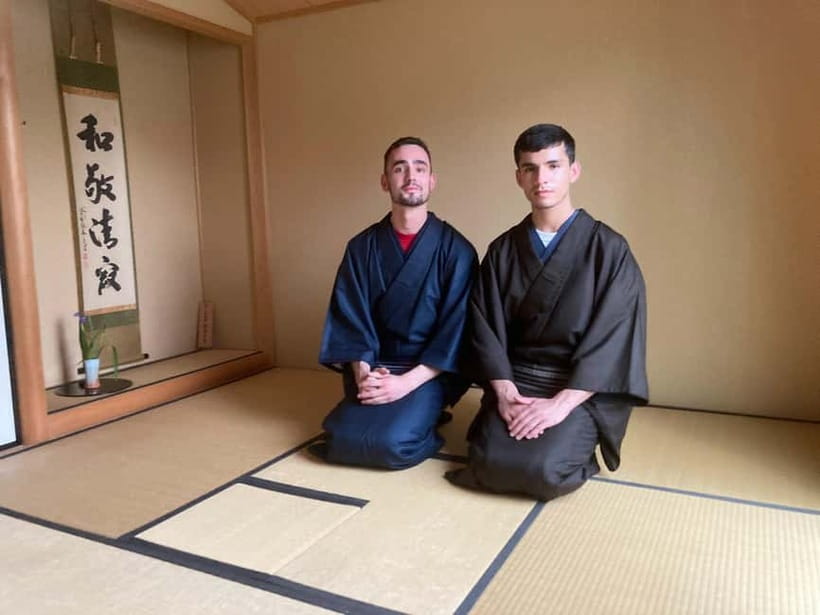
This experience takes place at Senraku-an, about a seven-minute walk from Nishi-Nippori Station. The area is close to Yanaka and Nezu Shrine, parts of Tokyo known for older streets, local neighborhoods, and a slower pace than the city center.
The setting matters. You are not being rushed through a large attraction or seated in a theatrical hall built for mass groups. You meet in a small tea room connected with a private home, which gives the session a personal feel. That also means you should arrive ready for a simple residential setting rather than a polished museum-style venue.
The meeting point is listed as Senraku-an, and you should arrive 10 minutes before the start. This is sensible advice. The location can be hard for a taxi driver to identify, so walking from Nishi-Nippori is likely the least stressful plan. Keep the address and meeting instructions handy on your phone.
The nearby Kamogawa Delta is described as part of the peaceful surroundings, and the broader Yanaka and Nezu Shrine area gives you a good chance to continue the cultural outing after the tea session. The ceremony itself lasts one hour, so you can pair it with a neighborhood walk without giving up half a day.
More Tokyo tea ceremonies:
- Matcha Making Class in Tokyo with Authentic Japanese Sweets Set
★ 5.0 · 744 reviews - Tokyo: Traditional Tea Ceremony with a Tea Master
★ 5.0 · 528 reviews - Dynamic Tokyo: Tokyo Tower, Tea Experience, Bay Cruise Day Tour
★ 4.5 · 521 reviews
Meeting Mari and learning the meaning of tea
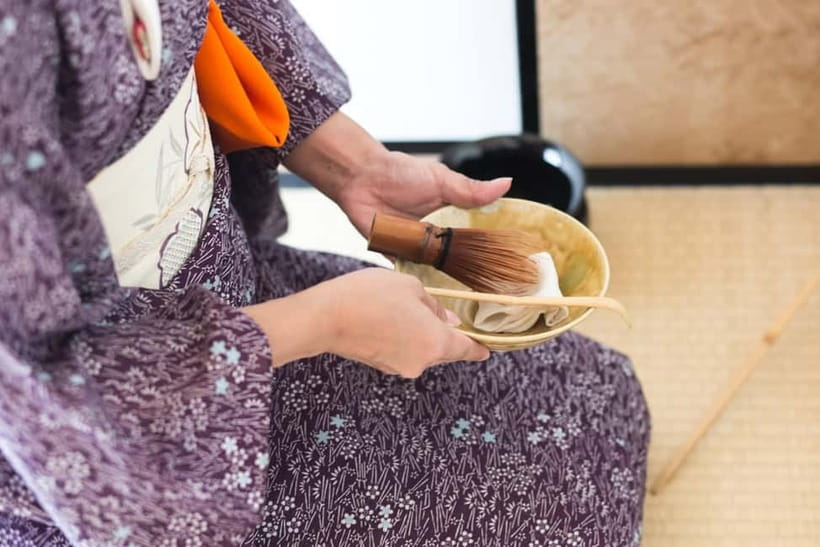
Mari leads the session in English and has more than 20 years of experience with tea ceremony. Her role is not simply to serve matcha. She explains the purpose behind the movements, the etiquette, and the ideas that shape the ceremony.
That explanation is what makes this experience useful for a first-time visitor. Japanese tea ceremony can look formal from the outside, with precise gestures and quiet pauses that are easy to misunderstand. Here, Mari helps you see those actions as expressions of purity, hospitality, harmony, and mindfulness.
You do not need to know the rules before arriving. The lesson is designed for complete beginners, and the teaching style is meant to lower the usual barriers around formal tea customs. You can ask questions as the ceremony unfolds, rather than trying to copy every movement without knowing why it matters.
Several details make the teaching feel practical. You can repeat a movement if you need more time, and the session allows hands-on practice rather than only watching. One particularly useful skill is folding the tea towel, a small action that can be difficult to remember after seeing it only once. Mari has been described as patient when helping people practice it again.
The group limit of six is important here. A large class would make the ceremony feel like a demonstration. In a small room, you have a better chance to see the details, ask about unfamiliar customs, and receive help when preparing your tea.
Preparing matcha with your own hands
The hands-on matcha lesson is the heart of the experience. You learn how powdered green tea is whisked into a smooth drink, following the measured movements shown by the teacher.
You can take part directly, or simply watch if you prefer. That choice makes the session friendly for different comfort levels. Some people want to perform every step, while others prefer to observe the first time and ask questions.
The activity is not presented as a quick tea tasting. The preparation connects the physical movements with the values of tea ceremony. The careful handling of utensils, the clean presentation, and the controlled pace all point toward a larger idea: hospitality is shown through attention to small details.
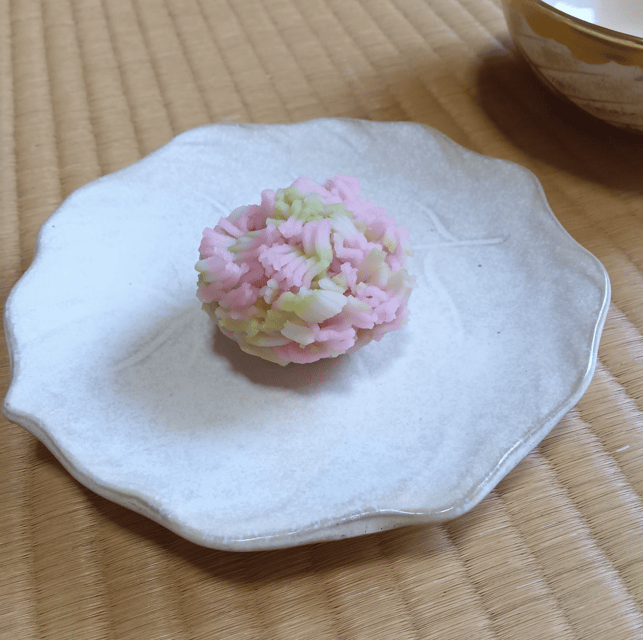
You also receive traditional dried sweets with the tea. These are not just a snack added to the booking. In a tea setting, the sweet taste works alongside the bitter matcha and helps explain how the elements of the ceremony are balanced.
Do not expect a long tasting menu or a chance to sample many types of tea. The focus is on one traditional preparation and the customs around it. For a one-hour session, that narrow focus is a strength. You leave with a clearer sense of how matcha is made and why the process is performed so carefully.
Why the small room changes the experience
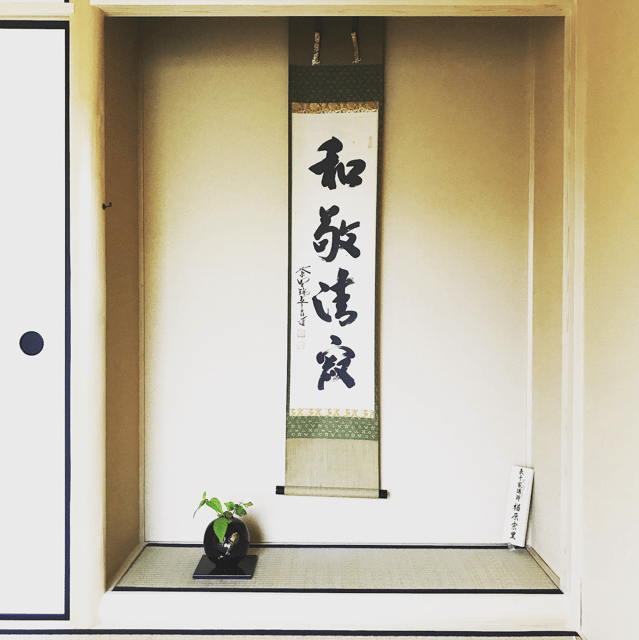
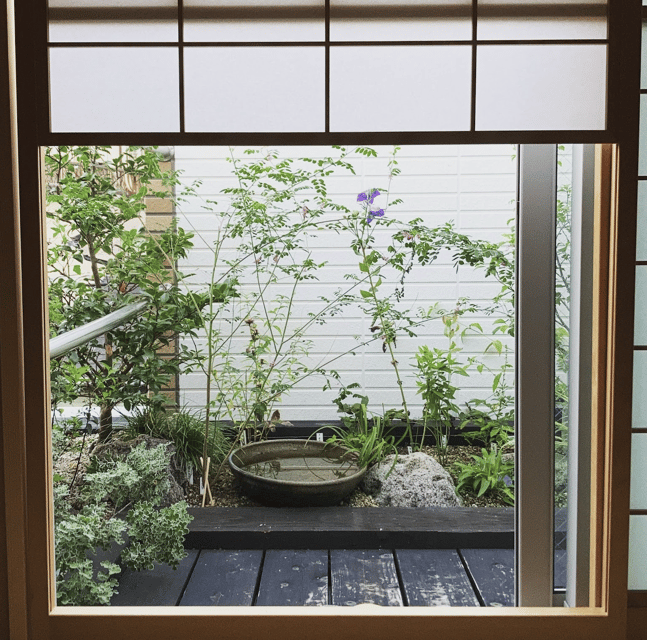
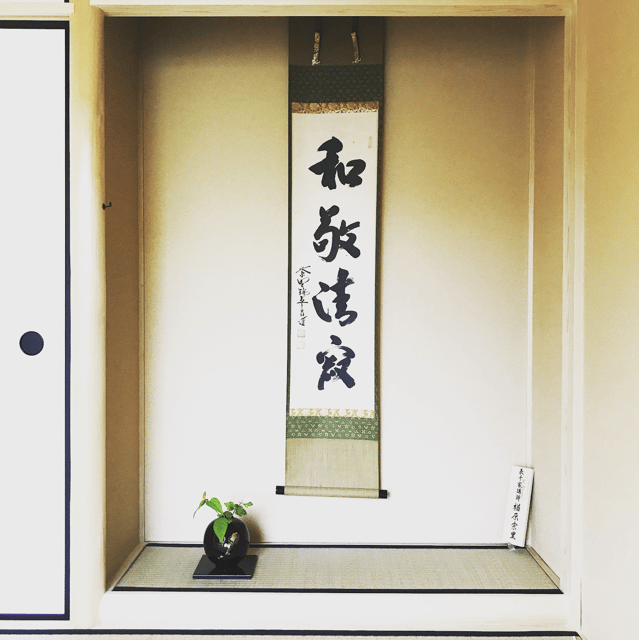
A small tea room creates a different mood from the grand spaces many people associate with Tokyo. You are close to the teacher, the utensils, and the other participants. The quieter setting makes it easier to concentrate on the rhythm of the ceremony.
The atmosphere is also one of the most frequently praised parts of this experience. It offers a calm pause from the city, and the home setting adds a sense of contact with everyday Japanese life. You are not only looking at an old custom from a distance. You are learning how it is practiced in a personal space.
Still, the room’s modest scale brings practical limits. A review of the experience noted that the room was up two narrow flights of stairs, which was difficult for one participant. The supplied information does not give a formal accessibility rating, so contact the provider in advance if stairs are a concern.
The residential location can also be difficult for taxis. The meeting point is walkable from Nishi-Nippori, but you should not assume a taxi will stop directly outside the tea room without trouble. Build in time for the final walk and arrive early enough to find Senraku-an without rushing.
A completely different kind of day in Tokyo:
- Mt Fuji and Hakone 1-Day Bus Tour Return by Bullet Train
★ 5.0 · 26,383 reviews - 1-Day Tokyo Bus Tour
★ 5.0 · 14,250 reviews - Tokyo: teamLab Planets TOKYO Digital Art Museum Entry Ticket
★ 4.6 · 9,779 reviews - Mt Fuji & Hakone Cruise, Drum Show Bullet Train 1 Day from Tokyo
★ 4.0 · 7,413 reviews
A useful stop before or after Yanaka and Nezu Shrine
The tea ceremony fits naturally into a visit to Tokyo’s northeastern neighborhoods. Yanaka has a quieter feel than many central districts, while Nezu Shrine offers one of the area’s best-known cultural stops. The experience is very close to both, so you can plan a wider half-day in the same part of the city.
You are not taken on a guided walking tour of those sites as part of the one-hour booking. Their value here is practical: they give you a reason to visit the area and make the tea ceremony easy to combine with other sightseeing.
I would plan the tea session at a time when you can slow down afterward. A ceremony followed by a walk through Yanaka or a visit to Nezu Shrine keeps the day focused on local culture instead of sending you straight back into Tokyo’s busiest shopping streets.
The setting near the riverside scenery also helps explain why the experience feels removed from central Tokyo. The city is still close, but the neighborhood gives you a chance to notice smaller details, older streets, and quieter public spaces.
Is $51 a fair price for one hour?
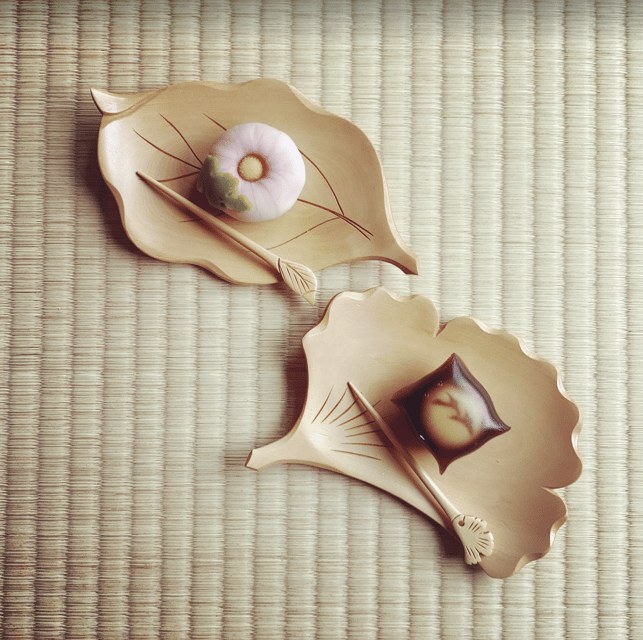
At $51 per person, this is not the cheapest way to drink matcha in Tokyo. You can find tea in many places for far less. The value here comes from the instruction, the small group, the cultural explanation, and the chance to prepare the tea yourself.
The price includes matcha, traditional dried sweets, and the lesson with the tea teacher. Transportation is not included, so you will pay separately to reach Nishi-Nippori. Kimono dressing is also not part of the standard cost.
For someone who wants only a cup of green tea, the price will feel high. For someone who wants to understand the ceremony and take part in the preparation, it is more reasonable. You are paying for time with an experienced teacher and a carefully structured cultural lesson, not just for the drink.
The small group makes the price easier to justify. With six participants or fewer, you are less likely to stand at the back of a crowded demonstration. Families and couples can also get more direct help, especially if children or first-time participants need extra instruction.
Kimono dressing and other optional extras
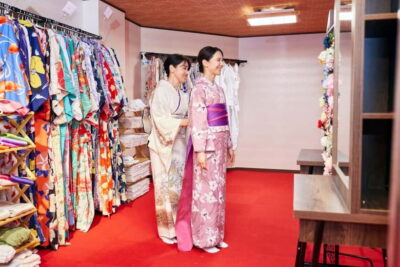
Kimono is not included, but you can request it for an additional charge. One family arranged kimono dressing for two girls and found the extra cost reasonable, while another participant thought the kimono price was high.
That difference is a useful warning: treat kimono as an optional add-on, not a central part of the $51 experience. Ask for the current price before booking it, especially if you are comparing this session with a longer photography or dressing package elsewhere.
The tea ceremony itself does not depend on wearing kimono. You can learn the customs, prepare matcha, and enjoy the setting in ordinary comfortable clothing. If you do choose the traditional dress, allow extra time and ask exactly what the dressing includes.
Who will enjoy this tea ceremony most?
I would recommend this session to first-time visitors who want a clear introduction to Japanese tea culture without committing to a long formal course. It also suits couples, families, and anyone who prefers a personal lesson over a large group show.
It is a good match for you if you want:
- A one-hour cultural activity that fits into a busy Tokyo schedule
- English instruction from an experienced tea teacher
- A chance to prepare matcha rather than only watch
- A quiet setting close to Yanaka and Nezu Shrine
- A small group where you can ask questions
- A gentle introduction that does not assume prior knowledge
It may be less suitable if you need a fully accessible venue, dislike climbing narrow stairs, or want a ceremony in a grand public tea house. You should also think twice if your main goal is kimono photography, since kimono is optional and costs extra.
Booking details worth knowing
The activity costs $51 per person and lasts one hour. It is conducted in English, and the group is limited to six participants.
You can cancel up to 24 hours before the start for a full refund. The reserve-now, pay-later option is useful if your Tokyo schedule is still shifting, since you do not need to pay at the time of booking.
Transportation is not included. Meet at Senraku-an 10 minutes before the experience, and allow extra time if you are walking from Nishi-Nippori or trying to locate the residential address.
The activity has earned a 4.9 rating from 53 bookings, with especially strong praise for Mari’s patience, clear explanations, warm manner, and English. Those qualities matter here because the ceremony depends on guidance, not just scenery.
Should you book the Nishi-Nippori tea ceremony?
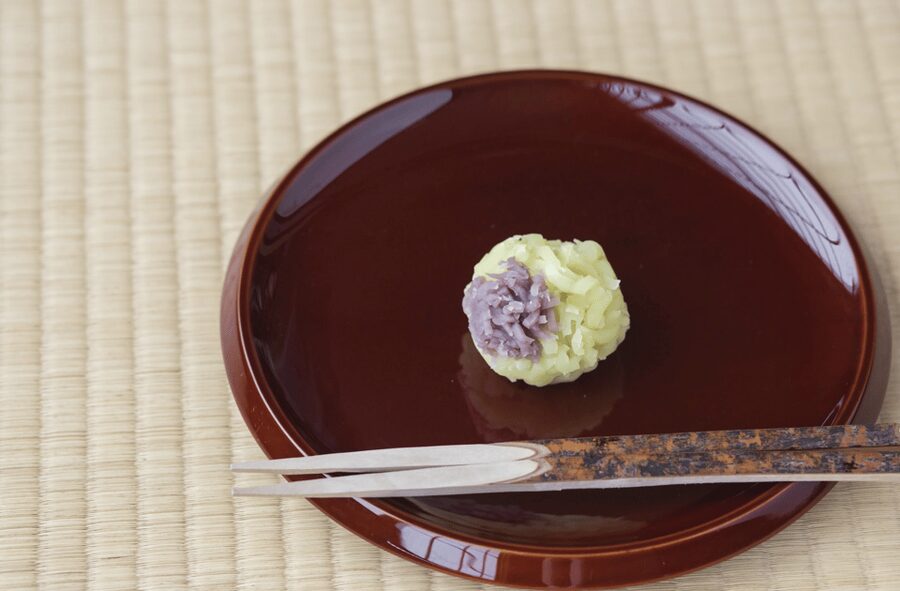
Book it if you want a calm, personal introduction to Japanese tea ceremony and like the idea of making your own matcha. The combination of an experienced teacher, a group of six or fewer, and a location near Yanaka gives the hour real cultural value.
Before booking, check the stairs and confirm the meeting details. If you are bringing an older relative or anyone with limited mobility, ask where the room is located. Also confirm the kimono surcharge if that extra interests you.
For most visitors, the best plan is to pair the ceremony with Yanaka or Nezu Shrine. You get a quiet lesson, a taste of traditional hospitality, and a reason to explore a less frantic side of Tokyo. That makes $51 a fair price for a focused cultural experience, even if it is more than you would spend on matcha alone.
FAQ
Where does the tea ceremony take place?
The meeting point is Senraku-an, about a seven-minute walk from Nishi-Nippori Station. It is close to the Yanaka and Nezu Shrine area.
How long does the experience last?
The tea ceremony lasts one hour. You should arrive at the meeting point 10 minutes before the start.
Is the activity offered in English?
Yes. The instructor teaches in English.
What does the $51 price include?
The price includes matcha, traditional dried sweets, and the lesson led by the tea ceremony teacher.
Can I prepare the matcha myself?
Yes. You can make your own tea under the teacher’s guidance if you wish. The lesson covers the whisking and other careful steps involved in preparing matcha.
Is kimono included?
No. Kimono is available only if requested and costs extra.
Newly reviewed around Tokyo
- Tokyo Asakusa:Calligraphy & Make T-shirt Activity★ 5.0 · 62 reviews
- Intercity Shuttle, Tokyo to Haneda /Narita /Yokohama /Makuhari★ 5.0 · 5 reviews
- 1 Hour Travel around Tokyo with a Professional Photographer★ 5.0 · 3 reviews
- Travel Tokyo with Your Own Personal Photographer★ 5.0 · 43 reviews
- Train in Samurai Swordsmanship and Defeat the Demon in Tokyo★ 5.0 · 5 reviews
- Shuttle Van 6hr Tokyo Tour to-and-from Tokyo, Yokohama and Narita★ 5.0 · 9 reviews
- Kickboxing & Body Training with EX-Pro Fighter★ 5.0 · 4 reviews
- Tokyo History: Sensoji Temple & Asakusa District Private Tour★ 5.0 · 28 reviews
Tokyo Tea Ceremony Experiences, compared.
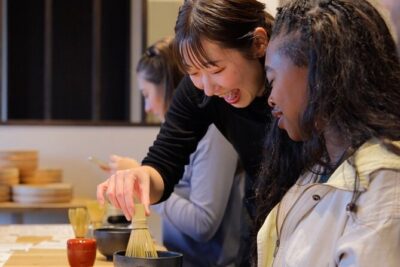
Matcha Making Class in Tokyo with Authentic Japanese Sweets Set
Read our review →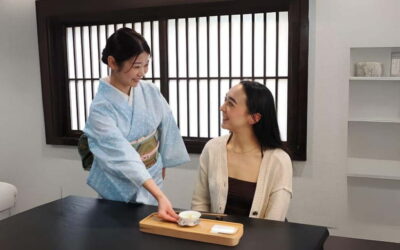
Dynamic Tokyo: Tokyo Tower, Tea Experience, Bay Cruise Day Tour
Read our review →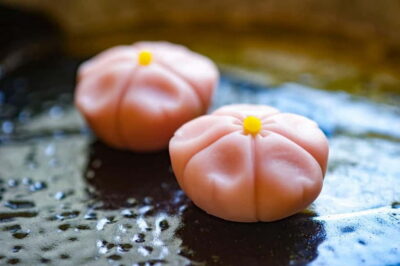
Matcha Making Experience with Mochi Sweets in Asakusa
Read our review →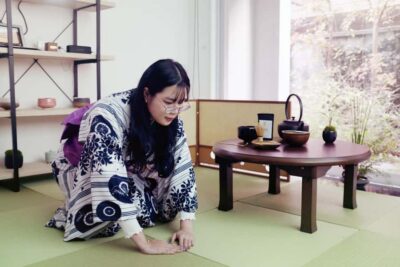
Tea Ceremony Workshop in Tokyo by the Experienced Instrucor
Read our review →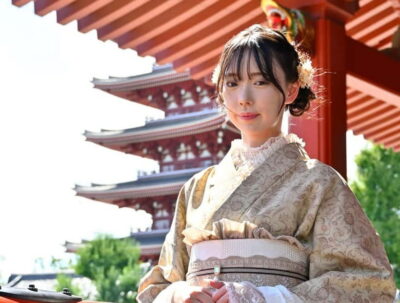
Browse the lists this tour appears in