
Reviewed · TOKYO SUMO EXPERIENCES
Tokyo Sumo Morning Practice: Viewing & Exclusive Interaction
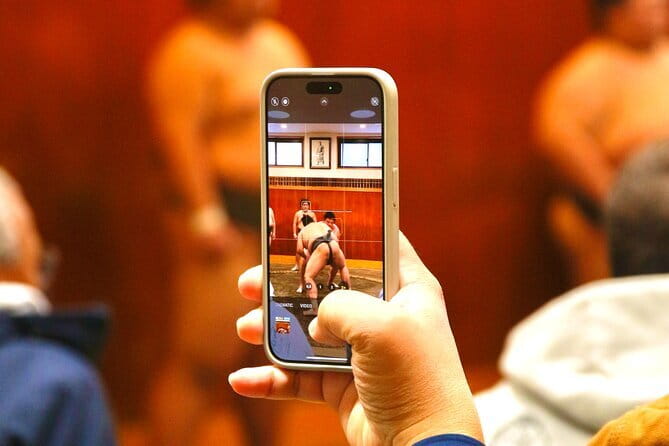
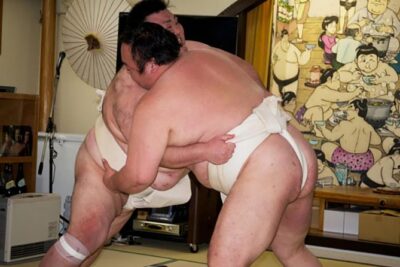
Seeing professional sumo wrestlers train just a few meters away is the heart of this Tokyo experience. You watch real practice, not a stage show, as athletes repeat powerful pushes, footwork, and ritual movements inside a working stable.
I like the close view of training and the chance to ask questions and take personal photos afterward. I also like that the session finishes in the morning, leaving most of the day for Asakusa, Tokyo Skytree, or other sightseeing.
The main caution is value. At $95.77 per person, the price is fair if the interaction matters to you, but some visits have finished much earlier than the advertised two and a half to three hours. Training length can vary, and the guide may have limited time for questions.
Key points to know before booking
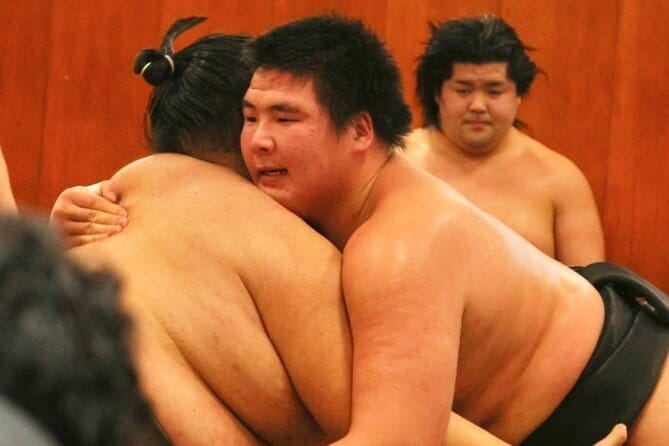
- Real morning practice: You watch professional wrestlers train in a working sumo stable, not a choreographed tourist performance.
- Close seating: The practice takes place only a few meters away, so you see the force, footwork, and discipline clearly.
- After-practice interaction: There is time for questions, photographs, and, in some cases, a brief chance for male participants or children to enter the ring.
- Helpful guides: Guides including Momo, Sarah, Haru, Peach, Moana, and Taka have provided history, etiquette, translation, and practical explanations.
- Official souvenir: You receive a banzuke ranking sheet in an original folder.
- Optional Japanese brunch: You can continue with a local meal afterward, usually costing about 1,000 to 2,000 yen depending on what you choose.
Why a morning at a sumo stable feels different from a tournament
A Tokyo sumo tournament takes place only a few times each year. If your dates do not match the tournament calendar, this practice visit gives you another way to see the sport at close range.
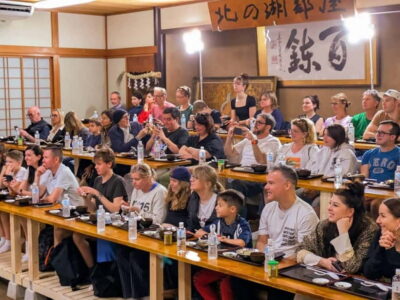
The setting changes the mood. At a tournament, you sit among a large crowd and watch formal bouts under bright lights. Here, you sit quietly near the wrestlers as they work through their routine. You see warmups, exercises, practice bouts, and the repeated rituals that prepare them for competition.
The sound is part of the experience. A body hitting the floor and the heavy slap of a training push feel different when you are only a few meters away. The practice is not arranged around your schedule, so the pace may be slow at first, then suddenly intense when the wrestlers begin facing one another.
That unpredictability is a strength, but it also explains why the experience does not always fill the full advertised time. The stable controls the morning schedule. You are observing a real training session, not a show designed to run exactly 90 minutes.
More Tokyo sumo experiences:
- Tokyo: Sumo Show and Dining Experience
★ 4.8 · 2,742 reviews - the SUMO show
★ 5.0 · 1,960 reviews - Tokyo Shinjuku Sumo Show & Experience with Photo
★ 5.0 · 1,750 reviews
Starting at Narihira Park in Sumida
The meeting point is Narihira Park, near the multipurpose restroom, at 2-chōme-3-番 Narihira in Sumida City. Your guide begins with an orientation lasting about 20 minutes before taking the group to the stable.
This short briefing matters. Sumo has its own vocabulary, ranking system, rituals, and behavior rules. Without an introduction, you might see wrestlers stamping, stretching, bowing, or repeating a movement without understanding its purpose.
Guides such as Sarah and Peach have sent meeting instructions and reading material before the visit. Momo, Haru, Moana, and Taka have also been praised for explaining the sport and helping with questions. The quality of the morning depends partly on the guide, since the stable itself is not a museum with signs and displays.
Pay close attention to the meeting instructions. One account reported that the location shown on the ticket did not match the actual meeting point. I would confirm the park location and allow time to get there, especially for an early session from Shinjuku or another distant part of Tokyo.
Sitting close to the morning practice
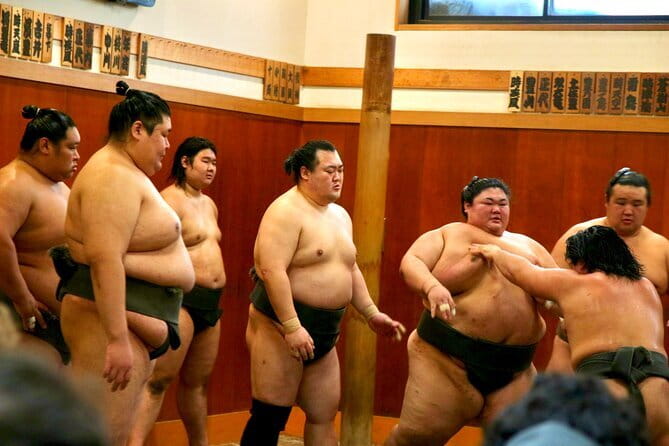
The main viewing period lasts about 90 minutes, though the actual time can vary. You sit quietly and watch the wrestlers train at close range.
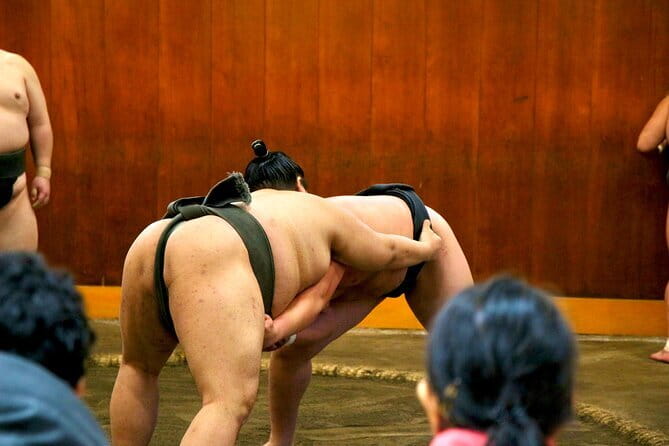
This is the part that earns the high marks. You can see the athletes’ strength, but you also notice repetition and control. A practice session is not simply a series of dramatic bouts. It includes exercises, technique work, preparation, and periods when wrestlers wait their turn.
The wrestlers are not performing for applause. That makes the experience feel more serious, but it also means you need patience. One visit may include several exciting practice matches. Another may focus more on drills and technique.
You should be ready to sit still and remain quiet for a long period. One useful piece of advice from the experience is that it may not suit very young children who cannot manage a quiet indoor observation period. Families with older children have enjoyed it, and children have sometimes joined the post-practice interaction.
The guide usually explains what you are seeing, but the amount of commentary can vary. Some guides offer plenty of background and explain the rules clearly. In other cases, the guide’s main job is translating questions between the group and the wrestlers. If you want detailed instruction, read any pre-tour material and prepare a few questions of your own.
Meeting the wrestlers after practice
After the training, the group has roughly 30 minutes for questions and photographs. This is where the experience becomes more personal than simply watching sumo from the stands.
You can ask about training, daily life, and the wrestlers’ experience of the sport. The interaction is generally friendly and direct, though the number of questions may be limited. One account noted a limit of about five group questions, and you should not expect a long private interview with the stable master, known as the Oyakata.
That limitation matters if you are booking mainly for conversation. A question and answer session is included, but it does not guarantee that the Oyakata will speak to the group. The wrestlers themselves may answer, with the guide translating as needed.
Photography is one of the strongest parts of the visit. You have the opportunity to take photos with the wrestlers after practice, and guides help organize the session. Several families especially valued the chance to photograph their children with the athletes.
Some groups have also been allowed to try a brief push in the ring. One participant described pushing against a wrestler who did not move until he chose to give a little. Children and male participants have sometimes taken part in this playful moment.
There is an important cultural restriction. Women are not allowed into the ring because of long-standing sumo traditions. Women can still watch the practice, join the questions, and take photographs, but they should not book this expecting equal access to the ring.
More early morning tours in Tokyo:
- Tokyo: Sumo Morning Practice Viewing Tour
★ 4.8 · 570 reviews - Tokyo: Sumo Morning Training Visit
★ 4.4 · 370 reviews - Tokyo: Sumo Morning Practice Tour at Sumida City
★ 4.8 · 308 reviews - Tokyo Sumo Morning Practice Tour at Stable
★ 5.0 · 298 reviews
The closing session and banzuke souvenir
The group returns to the park for a closing session of about 30 minutes. This provides extra time for questions and a calmer end to the morning.
You receive an official banzuke ranking sheet in a specially designed folder. The banzuke is more meaningful than a generic souvenir because it connects directly to the ranking system you have just been learning about.
The final session may also help if you still have questions after watching the practice. I would use this time to clarify terms, ask about a particular exercise, or check what you noticed during the training. It is not a major attraction on its own, but it gives the morning a clear finish.
The published schedule totals between two and a half and three hours. Keep that as an approximate range, not a promise. At least one visit lasted only about an hour, while other accounts describe a longer practice, questions, photographs, and closing time.
Is $95.77 a fair price?
At $95.77, this is not a cheap Tokyo activity. The included price covers the English-speaking guide, the practice viewing fee, and the banzuke souvenir set. The optional brunch costs extra.
I think the price works best for people who place a high value on access. You are paying for a rare chance to sit near professional wrestlers in a working stable, plus the guide’s translation and cultural explanation. You are not paying for a polished stage performance with a guaranteed running time.
Value is weaker if you only want to watch a short practice and take a couple of photos. The experience can be much shorter than expected, and the guide’s role may feel modest if you already know a lot about sumo.
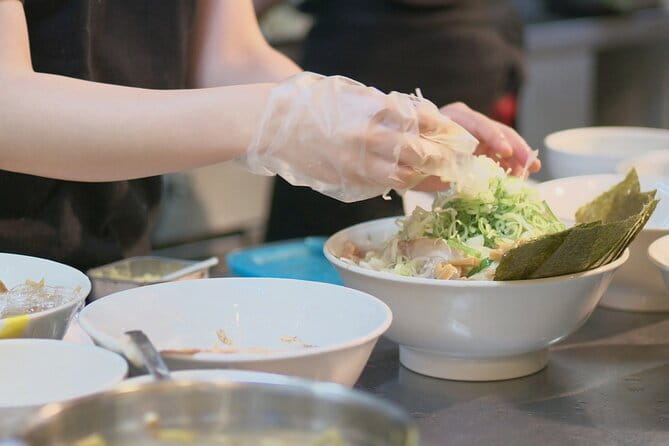
The optional brunch can add value after the visit. It is described as a Japanese meal rather than a Western-style brunch, and the cost is usually around 1,000 to 2,000 yen depending on your choices. Guides may explain the dishes and help you select what to eat. If you want a local meal and have extra time, it is a sensible add-on.
Who will enjoy this most
I would recommend this for first-time sumo fans, families with older children, and anyone interested in seeing how a traditional sport is practiced away from the tournament arena.
It suits you particularly well if you enjoy:
- Watching real work rather than a staged presentation
- Learning the rules and customs behind a sport
- Taking close-up photographs
- Asking athletes questions through a guide
- Finishing early enough for more Tokyo sightseeing
It may not suit you if you need a tightly timed schedule, dislike sitting quietly, or expect a long conversation with the Oyakata. It is also not the right choice if stepping into the ring is essential for every member of your group, since ring access is restricted and depends on tradition and the circumstances of the visit.
The maximum group size is 45, but the stable itself can feel much more intimate. One group had only eight participants and seven wrestlers, which allowed for a particularly close exchange. Group size can vary, so do not assume you will receive a private visit.
Planning the rest of your morning
The activity begins early and ends back at the meeting point in Sumida. That location makes it practical to continue sightseeing afterward, although you should leave enough time for the return walk and transport.
You could pair the morning with other sights in eastern Tokyo, but the tour itself does not include transport beyond the guided movement to and from the stable. Confirm the exact meeting point before leaving your hotel, and do not rely only on a map pin if the booking information shows a different address.
The mobile ticket is convenient, but the real practical item is the pre-tour message. Read it carefully when it arrives. Some guides send the meeting instructions and sumo reading material the day before, which helps you arrive prepared.
Cancellation is free up to 24 hours before the start time. Cancellations or changes inside that window are not accepted for a refund.
Should you book this sumo experience?
Book it if you want the closest practical look at sumo outside a tournament and you are willing to accept an unscripted morning. The real practice, close seating, photographs, and wrestler interaction make it far more personal than watching matches from the audience.
I would hesitate only if the $95.77 price feels high for an activity whose length and content can change. Read the pre-tour material, arrive at the correct park meeting point, prepare questions, and treat the schedule as flexible.
For a visitor who cannot attend a Tokyo tournament, this is one of the better ways to meet the sport on its own ground. You may leave with more respect for the wrestlers’ strength, patience, and discipline, plus a useful banzuke to remind you who was ranked where.
FAQ
How long does the sumo morning experience last?
The advertised duration is approximately two and a half to three hours. The actual length can change with the stable’s training schedule, and some visits have been much shorter.
Where is the meeting point?
You meet at Narihira Park near the multipurpose restroom, at 2-chōme-3-番 Narihira, Sumida City, Tokyo 130-0002. Confirm the location details before setting out.
What does the price include?
The price includes an English-speaking guide, the sumo morning practice viewing fee, and an official banzuke ranking sheet with an original folder.
Is brunch included?
No. Japanese brunch is optional and costs extra. The reported price is approximately 1,000 to 2,000 yen, depending on what you eat.
Can I take photos with the wrestlers?
Yes. The experience includes time for personal photographs with the wrestlers after practice.
Can visitors enter the sumo ring?
Some male participants and children have been allowed to take part in a brief pushing activity. Ring access is not guaranteed, and women are not allowed into the ring because of sumo traditions.
Can I ask the wrestlers questions?
Yes. There is an after-practice question and answer period. The number of questions may be limited, and the guide may translate between English and Japanese.
Is this suitable for children?
Families have enjoyed the experience, and children have sometimes joined the interaction. However, children need to remain quiet and seated during the practice, which can last a long time.
What happens if I need to cancel?
You can cancel for a full refund up to 24 hours before the local start time. Cancellations or changes made less than 24 hours before the experience are not refunded.
Newly reviewed around Tokyo
- Tokyo Asakusa:Calligraphy & Make T-shirt Activity★ 5.0 · 62 reviews
- Travel Tokyo with Your Own Personal Photographer★ 5.0 · 43 reviews
- Intercity Shuttle, Tokyo to Haneda /Narita /Yokohama /Makuhari★ 5.0 · 5 reviews
- 1 Hour Travel around Tokyo with a Professional Photographer★ 5.0 · 3 reviews
- Train in Samurai Swordsmanship and Defeat the Demon in Tokyo★ 5.0 · 5 reviews
- Shuttle Van 6hr Tokyo Tour to-and-from Tokyo, Yokohama and Narita★ 5.0 · 9 reviews
- Kickboxing & Body Training with EX-Pro Fighter★ 5.0 · 4 reviews
- Traditional Japanese Knife Sharpening Class★ 5.0 · 18 reviews
Tokyo Sumo Experiences, compared.
Tokyo Shinjuku Sumo Show & Experience with Photo
Read our review →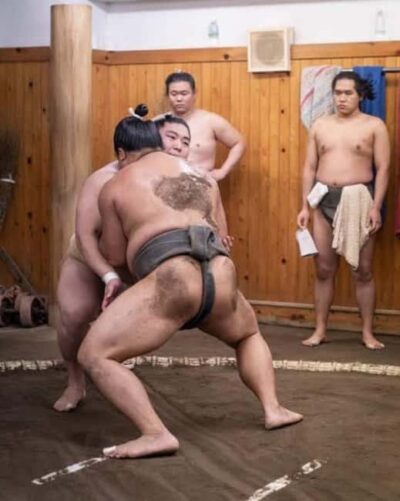

Luxury Sumo Show Experience & Japanese cuisine & Drink
Read our review →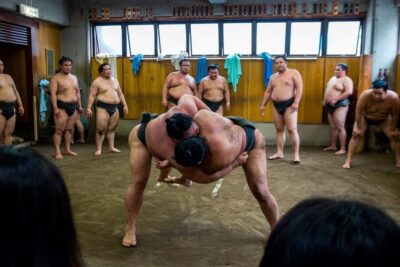
Tokyo Sumo Experience: Chanko & Mochi with a Former Pro
Read our review →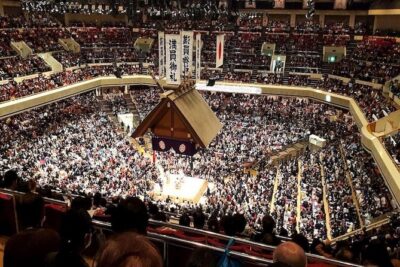
Ultimate Sumo Tournament: Tokyo, Osaka, Nagoya, Fukuoka
Read our review →Browse the lists this tour appears in