
Reviewed · TOKYO WALKING TOURS
Tokyo Shibuya Walking Tour With A Local Guide
Shibuya Crossing is only the opening scene. This two-hour walk takes you from the famous crossing and Hachiko Statue through Center-gai, Mark City, Shibuya 109, and a possible city viewpoint. I like the way the route helps you get your bearings quickly, and I like that you can request a private or small-group format.
The strongest part is the human touch. Fabian has been praised for listening well and sharing practical help, while Riccardo has shaped tours around each group’s interests. Mark even contacted guests before arrival and helped them find their way through a busy airport. The main consideration is pace: six listed stops in about two hours means short visits, not long indoor explorations.
Key points at a glance
- Shibuya Crossing comes first, giving you an easy introduction to Tokyo’s most famous pedestrian scene.
- Hachiko adds a personal story, not just another photo stop near the station.
- The route mixes shopping, food streets, views, and local advice, so you see more than the crossing.
- Private tours can be tailored, including points of interest you identify ahead of time.
- The $30.03 price is fair for a guided orientation, but food, transport, and admission fees are extra.
- The tour suits first-time visitors, especially if Shibuya feels confusing or too large to tackle alone.
Why this two-hour walk works in Shibuya
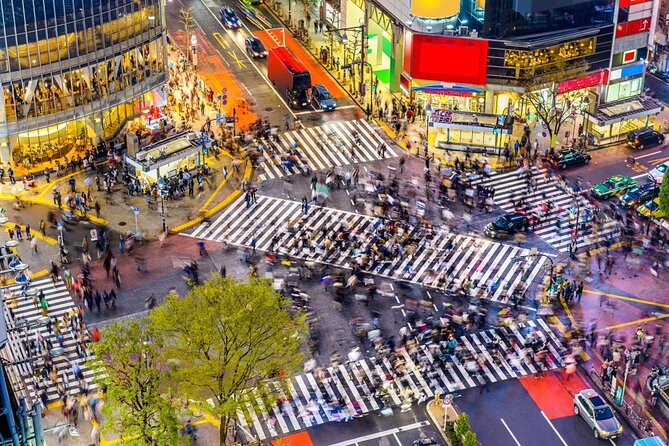
Shibuya can feel like several districts stitched together around one enormous station. You have the famous crossing, department stores, narrow shopping streets, restaurants, nightlife, railway lines, and tall buildings packed into a small area. A local guide helps you make sense of it before you return on your own.
I see this as an orientation tour first and a sightseeing tour second. You will not spend hours inside museums or department stores. Instead, you will learn how the main parts of Shibuya connect, hear suggestions for bars and eateries, and leave with a better idea of where to come back later.
The advertised price is $30.03 per person, which is reasonable if you want personal guidance without paying for a full-day private tour. The value depends on the group format. A private walk gives you more room to ask questions and adjust the route. A small group keeps the cost down, but the group option requires at least two participants.
The route is listed as about two hours, with roughly 20 minutes at each of six stops. That timing is useful for a first look, but it also tells you what not to expect. You will see the main areas and receive context, yet you probably will not shop properly, sit down for a full meal, or explore every building.
More things to do in Shibuya:
- Official Street Go-Kart in Shibuya
★ 5.0 · 3,435 reviews - Tokyo: Street Kart Experience in Shibuya
★ 4.9 · 1,484 reviews - Shibuya Meltdown Nightlife Tour: All-You-Can-Drink Bar Hopping
★ 5.0 · 1,058 reviews
Starting at Shibuya Crossing
The tour begins near Dōgenzaka, at the Shibuya Hachiko-guchi meeting point at 2-chōme 5-9, Shibuya, Tokyo 150-0043. This puts you close to the station and the area’s central action. Take a moment to confirm the exact meeting point before setting out, since Shibuya Station has many exits and underground passages.
Shibuya Crossing is the natural first stop. When the signals change, pedestrians stream across from several directions while traffic pauses around them. The scene is most useful as a visual introduction to the district. Your guide can point out where the main shopping streets begin, how to orient yourself after leaving the station, and where to return for photographs.
There is no admission fee, so the stop costs you only time. That matters in a short tour. You get an iconic Tokyo sight without using part of your budget for a ticket, and the guide can turn a quick crossing into a practical lesson in navigating Shibuya.
The drawback is that the crossing itself is easy to visit alone. You are paying for the explanation, local direction, and the wider route, not for access to a special viewing area. If you already know Shibuya well, this first stop may feel familiar.
Hachiko and the human side of Shibuya
The Hachiko Statue sits near Shibuya Station and is one of Tokyo’s most recognizable meeting points. The statue honors Hachiko, an Akita dog remembered for waiting faithfully for his owner at the station.
This is a brief stop, but it gives the walk some emotional weight. Shibuya is often presented as screens, crowds, fashion, and bright signs. Hachiko offers a quieter story about loyalty and memory, and it explains why the statue remains such a popular place to meet.
Your guide can also help you use the statue as a reference point later. Shibuya Station can be confusing, especially when you are trying to match an above-ground street with an underground exit. Knowing that Hachiko is one of the district’s main anchors makes future visits easier.
Expect a photo opportunity and a short explanation rather than a formal memorial visit. There is no entry fee, and the tour does not include a museum or monument interior. If you want more time for photographs, say so at the start, since the overall route moves at a steady pace.
Center-gai, where Shibuya gets loud
Center-gai, also called Center Street, is a pedestrian shopping and entertainment street filled with boutiques, cafés, restaurants, and nightlife venues. This is the part of the walk that shows how Shibuya functions after the crossing photo is finished.
I like this stop because it gives you practical choices. You can ask where to look for a quick meal, which streets are best for browsing, and what parts of the district are worth returning to after dark. The guide’s suggestions may be more useful than a generic list because you can explain what you like and ask for places that fit your plans.
Still, Center-gai is not a calm street. It can be noisy and crowded, and the atmosphere may not suit every visitor. Families with young children, anyone sensitive to busy city spaces, or anyone hoping for a quiet cultural walk should know that this section feels more commercial and energetic.
One poor rating connected to food that was not part of this experience, including unusual dishes and a disagreement over the amount of cash needed. That complaint appears to reflect a misunderstanding with a separate food outing. This walking tour specifically excludes food and drinks, so you should not arrive expecting tastings or a restaurant booking. If you want food advice, ask the guide for recommendations, then pay for your own meal separately.
More Tokyo walking tours:
- Tokyo Tsukiji Fish Market Food and Culture Walking Tour
★ 5.0 · 3,184 reviews - Tokyo: Imperial Palace and Shogun Historical Walking Tour
★ 5.0 · 2,251 reviews - Tokyo: Shinjuku Local Bar and Izakaya Guided Walking Tour
★ 4.9 · 1,794 reviews - Tokyo: Tsukiji Fish Market Food and Walking tour
★ 5.0 · 1,724 reviews
Mark City and the practical side of the station
Shibuya Mark City is a multi-use complex beside the station, with shops, restaurants, entertainment, and event space. It is less of a single landmark than a useful part of the neighborhood’s working structure.
This stop helps explain why Shibuya is not simply an outdoor street scene. The station area connects shopping, dining, hotels, railway access, and indoor spaces. If rain interrupts your plans, or you need a meal close to the station, understanding this complex can save time.
The tour may only spend about 20 minutes here, so think of Mark City as an orientation point. You are unlikely to browse every floor or compare shops in detail. That is fine if you are new to the district and want a map in your head. It is less useful if your main purpose is serious shopping.
Transportation costs are not included. If you use a train or other public transport during the walk, you pay that fare yourself. The route is intended to be walked, but the station area can require changes in direction and extra movement, so comfortable shoes are a sensible choice.
Shibuya 109 and youth fashion
Shibuya 109 is a distinctive cylindrical department store aimed mainly at young women. Its many floors are packed with fashion boutiques and current styles, making it one of the clearest symbols of Shibuya’s role in youth culture.
Even if you do not plan to shop, the building is worth seeing because it tells you something about the district. Shibuya’s identity is not only old Tokyo customs or major tourist sights. It is also fashion, music, design, and fast-changing trends.
This stop may suit you best if you enjoy clothing, visual culture, or people-watching. If you are not interested in fashion, you may prefer to treat it as an exterior landmark and use the time for questions. A private tour gives you more control here. You can ask to move on quickly or request extra shopping guidance.
The tour does not include purchases, and it is not a shopping service. You will need to manage your own spending and decide whether to return later. That separation is helpful: the guide can offer context without turning the walk into a sales-focused outing.
The final Shibuya view
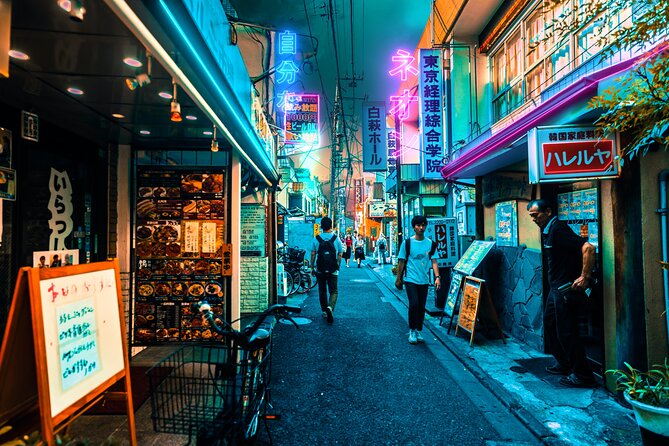
The last stop is described as a scenic view in Shibuya, with the exact vantage point depending on the route and local conditions. It might be a rooftop bar, observation area, or another place with a broad look over the district.
This is the least specific part of the route, so I would ask your guide at the start what viewpoint is planned. The answer may depend on opening hours, access, weather, or the interests you share. Since entry fees are not included, confirm whether any paid observation area is involved before agreeing to it.
A view gives the route a useful finish. After walking through the station area and shopping streets, you can see how tightly the district fits together. The crossing, towers, roads, and commercial blocks make more sense when viewed from above or from a higher street.
Do not assume that a ticketed observation deck is part of the $30.03 price. The included experience is a walking tour, and entry to monuments and museums is excluded. If you want a particular paid attraction, the provider offers help booking desired visits, but you should expect to pay the admission cost.
The guides and the personal touch
Several guide names appear in the available feedback, including Fabian, Riccardo, Mark, and Francisco. That does not mean you can choose any one of them when booking, so confirm the assigned guide if a specific person matters to you.
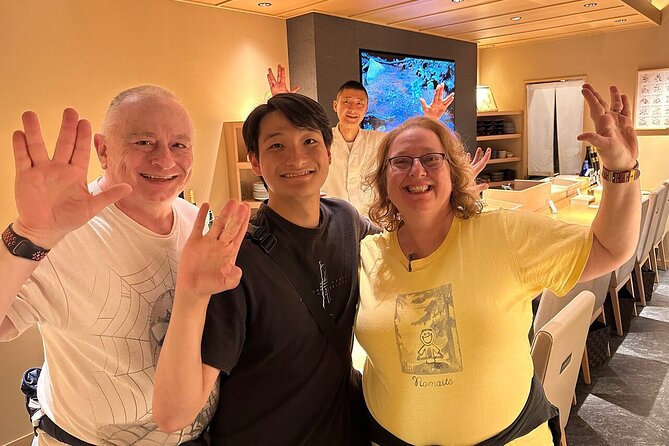
Fabian has been praised for being easy to relate to, attentive, and willing to listen. That combination matters on a neighborhood walk. A guide who asks what you care about can spend less time on sights you do not need and more time on food, shopping, history, or city views.
Riccardo has built visits around individual interests and included a mix of cultural context and modern Shibuya. That makes him a good example of what the customization option can offer. If you have limited time, tell the guide before the walk whether you want photographs, shopping streets, local food suggestions, or a broader cultural explanation.
Mark’s pre-arrival contact is another useful detail. Shibuya is connected to a major station with many exits, and Tokyo’s airports can feel confusing after a long flight. Do not assume every guide will provide airport help, but this experience may include helpful communication before the meeting time.
Francisco has been praised for his area knowledge and for finding good spots with views over the district. If scenery matters to you, mention that when you book or when the guide contacts you.
What the price includes and what it does not
At $30.03 per person, this is a modest way to add structure to your first Shibuya visit. You are paying for an in-person guide, a walking route, customization, and the option of English, Spanish, French, or Italian guidance.
The price does not cover food, drinks, tips, public transport, or entry to monuments and museums. That is important because the route passes places where it would be easy to assume a snack, drink, or attraction is included. It is not.
I consider the price strongest for a private outing or a small group that wants direct advice. If you are comfortable navigating Tokyo and only want to see Shibuya Crossing, you can do that without a paid tour. If you want the district explained and would rather not spend your first afternoon checking maps, the fee can save time and reduce confusion.
Tips are optional. The walk ends back at the meeting point, so plan your next activity from that location rather than assuming you will finish near a different attraction.
Who should book this Shibuya walk?
I would recommend it most to first-time visitors who want a quick introduction before exploring Shibuya alone. It also suits anyone who likes asking a local guide direct questions instead of reading a long guidebook while walking.
A private option makes sense for couples, families, or friends with different interests. You can request more shopping, more views, or more local suggestions. A small group is better if you want a lower-cost introduction and do not mind sharing the guide’s attention.
This is less suitable if you want a food tour, a museum visit, a long shopping session, or a full historical lecture. It is also not the best choice if you dislike busy commercial districts. The walk stays in the city streets and passes through places designed for crowds and movement.
Most people can participate, and the meeting point is near public transport. The tour is a city walk, not an inside visit to monuments or museums. Free cancellation is available up to 24 hours before the start time, but changes or cancellations within 24 hours are not refunded.
Should you book it?
Book this tour if you want a friendly orientation to Shibuya, practical advice, and the chance to shape the walk around your interests. The strongest value comes from the guide’s local knowledge and personal attention, not from admission to a special attraction.
Skip it if your only goal is to photograph Shibuya Crossing or shop at Shibuya 109. You can handle those stops on your own. For a first visit, though, two hours with a guide such as Fabian, Riccardo, Mark, or Francisco can turn a confusing station district into a place you understand and can revisit with confidence.
FAQ
How long does the Tokyo Shibuya walking tour last?
The tour lasts approximately two hours.
What places are included in the walking route?
The route includes Shibuya Crossing, the Hachiko Statue, Center-gai, Shibuya Mark City, Shibuya 109, and a Shibuya scenic viewpoint.
Is the tour private or shared?
A private or small-group option is available. The group option requires at least two participants. The activity information also notes that only your group will participate for the private format.
What languages can the guide speak?
In-person guides are available in English, Spanish, French, and Italian.
Are food and drinks included?
No. Food and drinks are not included. The tour is a walking tour, though the guide can provide advice about local bars and eateries.
Are transportation and attraction tickets included?
No. You pay for any public transport used during the tour, as well as admission to monuments, museums, or other paid visits.
Where does the tour start and finish?
The meeting point is at Japan, 150-0043 Tokyo, Shibuya, Dōgenzaka, 2-chōme 5-9, Shibuya Hachiko-guchi store A. The tour ends back at the meeting point.
Newly reviewed around Tokyo
- Tokyo Asakusa:Calligraphy & Make T-shirt Activity★ 5.0 · 62 reviews
- Intercity Shuttle, Tokyo to Haneda /Narita /Yokohama /Makuhari★ 5.0 · 5 reviews
- 1 Hour Travel around Tokyo with a Professional Photographer★ 5.0 · 3 reviews
- Travel Tokyo with Your Own Personal Photographer★ 5.0 · 43 reviews
- Shuttle Van 6hr Tokyo Tour to-and-from Tokyo, Yokohama and Narita★ 5.0 · 9 reviews
- Kickboxing & Body Training with EX-Pro Fighter★ 5.0 · 4 reviews
- Train in Samurai Swordsmanship and Defeat the Demon in Tokyo★ 5.0 · 5 reviews
- Traditional Japanese Knife Sharpening Class★ 5.0 · 18 reviews
Tokyo Walking Tours, compared.
Tokyo Tsukiji Fish Market Food and Culture Walking Tour
Read our review →
Imperial Palace and Shogun Historical Walking Tour
Read our review →
Shinjuku Local Bar and Izakaya Guided Walking Tour
Read our review →
Asakusa Walking Tour with Sensoji Temple Visit
Read our review →
Tokyo Castle & Imperial PalaceーShogun Walking Tour
Read our review →
Browse the lists this tour appears in