
Reviewed · TOKYO WALKING TOURS
Tokyo Shibuya Walking tour With A Guide
Shibuya is easy to recognize but harder to understand. You can photograph Hachiko and cross the famous intersection in minutes, yet a private local guide can explain how the streets fit together, where the shops lead, and which corners deserve more of your time.
I like the tour’s flexible shape and its low price of $23 per person. I also like that you can ask for food, shopping, nightlife, or train advice instead of following a fixed script. The main trade-off is its two-hour length: you will see a lot, but this is an introduction, not a full day in Shibuya.
Key points
- Private and flexible: You get your own guide, with the option to shape the walk around your interests.
- Six major Shibuya stops: The route covers Shibuya Sky, Shibuya 109, Mark City, Center Street, Hachiko, and Shibuya Crossing.
- Useful local advice: Guides can point you toward restaurants, bars, shops, and other places to visit later.
- Several language choices: Tours are available in English, French, Spanish, Italian, Japanese, and Portuguese.
- Good value for a first look: Two hours for $23 works well if you want orientation before exploring on your own.
Starting near Dogenzaka and getting your bearings
The meeting point is at 2-chome-5-9 Dogenzaka, a practical starting area in western Shibuya. Dogenzaka is close to the district’s shops, entertainment, restaurants, and major pedestrian routes, so you begin among the streets that make Shibuya feel like Shibuya.
You should confirm the exact meeting details before setting out. The advertised route also includes Hachiko, and one guide, Olivier, has collected a participant from a hotel in a past booking. That suggests some flexibility may be possible, but hotel pickup is not listed as a standard inclusion. Do not assume it comes with the $23 price.
The first minutes matter on a short tour. Shibuya can feel like a maze of elevated walkways, railway entrances, department stores, and side streets. A private guide gives you someone to ask when you are unsure where to go next, rather than spending your first hour simply trying to orient yourself.
You can also use this opening to state your priorities. If you care most about Japanese fashion, ask for more time around Shibuya 109. If you want restaurants or bars, say so early. If you need help using the railway system, mention that too. A past booking with Olivier included help buying a train ticket, which shows the practical value a guide can offer when your needs are clear.
More things to do in Shibuya:
- Official Street Go-Kart in Shibuya
★ 5.0 · 3,435 reviews - Tokyo: Street Kart Experience in Shibuya
★ 4.9 · 1,484 reviews - Shibuya Meltdown Nightlife Tour: All-You-Can-Drink Bar Hopping
★ 5.0 · 1,058 reviews
Shibuya Sky, a high viewpoint in a fast-moving district
The route gives about 20 minutes to Shibuya Sky, listed as a photo stop, visit, guided tour, and walk. Its height gives you a different way to read the district. From above, Shibuya’s roads, railway lines, towers, and pedestrian flows make more sense than they do at street level.
The stop is especially useful at the start of your visit because it gives you a visual map. After seeing the area from above, the crowded streets below become easier to place. You can connect the major buildings with the smaller lanes and understand why Shibuya feels so large despite the compact walking area.
The schedule calls for a short stop, so treat this as an introduction rather than a long observation session. The tour information does not state that an admission ticket to Shibuya Sky is included. Ask before booking if you want to go inside the paid observation area, since the advertised $23 price covers the guide and walk, not food, drinks, or listed admission fees.
That distinction matters. You may be perfectly happy with an exterior explanation and a quick photo stop. If the view from Shibuya Sky is a main reason for booking, check the entry arrangement in advance and allow for any extra cost or time.
Shibuya 109 and the district’s fashion pulse
Next comes Shibuya 109, one of the area’s most recognizable shopping buildings. Even if you are not planning to buy clothes, it helps explain why Shibuya is so closely tied to youth fashion, changing trends, and highly visual retail culture.
A guide can add context that a quick photograph cannot. You can ask which floors or styles match your interests, how the building fits into the surrounding shopping area, and where to continue after the tour. The guide may also help you avoid wandering through every floor when you have limited time.
The planned 20 minutes is enough for an introduction, but not for serious shopping. If you want to browse carefully, try on clothing, or search for particular brands, you will need to return later. That is not a flaw in the tour. It is one of the benefits of a guided orientation: you learn where to come back when you have more time.
The private format works well here. You can tell your guide that you prefer fashion, cosmetics, streetwear, or simply architecture and people-watching. A larger group would make that kind of adjustment harder.
Mark City and Shibuya’s layered transport routes
Shibuya Mark City is another useful stop because it brings transport and shopping together. Shibuya is not arranged like a single simple street grid. Railway stations, connected buildings, bridges, and underground routes overlap, and Mark City helps show how the district works as a transport hub as well as a shopping center.
Your guide can help you understand where different routes lead and how to move around the station area without constantly checking your phone. That advice becomes even more useful if you plan to visit other parts of Tokyo later in the day.
The 20-minute stop is again a quick look. You should not expect a full tour of the building or a long shopping break. Think of it as a practical waypoint, with the guide explaining what is nearby and how to return to the right entrance.
This is also where a private walk may save time. A guide can adjust the pace to your comfort and avoid sending you on an unnecessary detour. The tour is wheelchair accessible, though Shibuya’s busy streets and station connections can still require careful pacing. If you use a wheelchair, discuss the route and any preferred access points with the provider before the walk.
More Tokyo walking tours:
- Tokyo Tsukiji Fish Market Food and Culture Walking Tour
★ 5.0 · 3,184 reviews - Tokyo: Imperial Palace and Shogun Historical Walking Tour
★ 5.0 · 2,251 reviews - Tokyo: Shinjuku Local Bar and Izakaya Guided Walking Tour
★ 4.9 · 1,794 reviews - Tokyo: Tsukiji Fish Market Food and Walking tour
★ 5.0 · 1,724 reviews
Center Street, where Shibuya gets loud and youthful
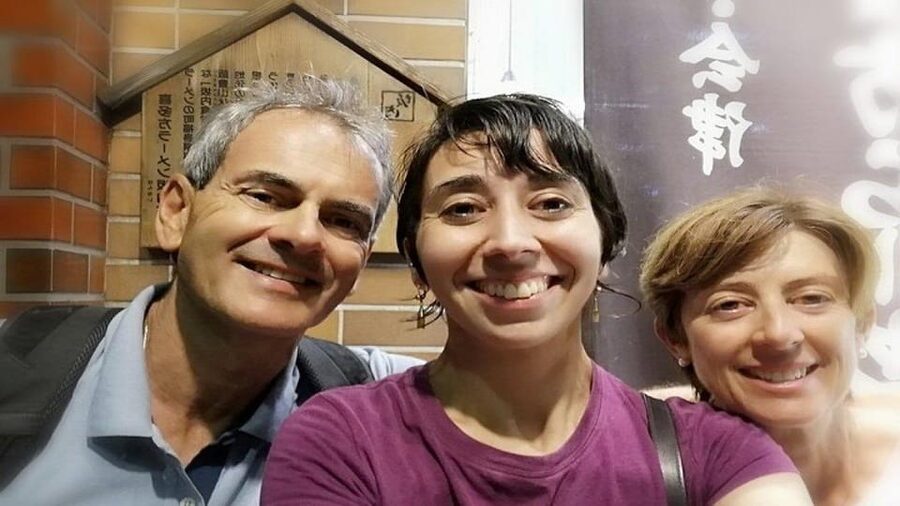
Shibuya Center Street brings you into one of the district’s best-known shopping and eating routes. Here, the experience is less about one landmark and more about seeing how shops, restaurants, bars, signs, and pedestrians share a tight urban space.
This part of the walk is a good place to ask direct questions. You can ask where to eat after the tour, which streets suit a quieter evening, or what kind of shopping you can find nearby. Food and drinks are not included, so any meal or café stop will be at your own expense.
The guide can point out restaurants and bars, but you should not expect a tasting tour. The value is in getting usable suggestions from someone who knows the area, then choosing your own place later. That approach keeps the price low and lets you decide how much to spend.
Center Street can feel crowded and noisy, especially at busy times. If you prefer calm lanes, tell your guide. The route description makes clear that the walk can move beyond the busiest streets, and the private format gives you a better chance of seeing a side of Shibuya that is not limited to the main shopping strip.
Hachiko, the meeting point with a human story
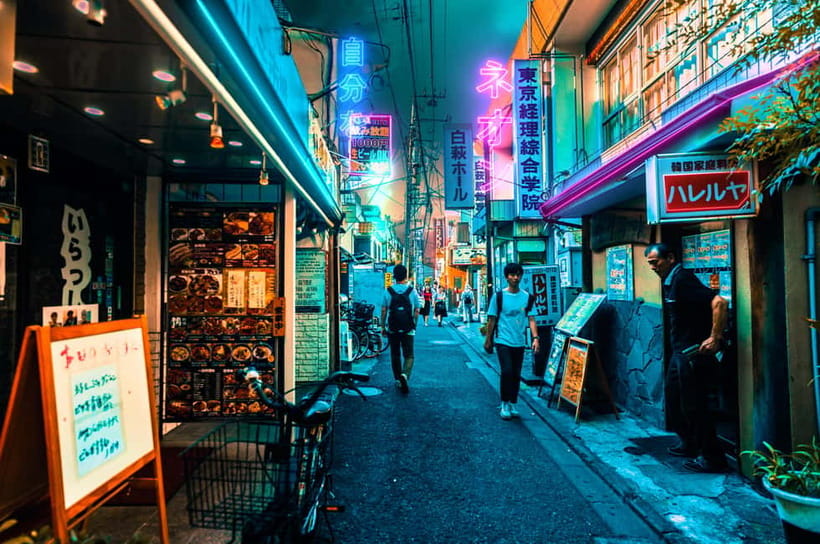
The Hachiko Statue is both a landmark and a practical meeting place. You will hear the story behind the dog before moving on, giving the statue more meaning than a quick photograph beside it.
Hachiko also shows how Tokyo turns a small public space into a major point of connection. People meet here, orient themselves here, and use the statue as a reference before heading toward the station or crossing. Your guide can explain why this particular spot became so well known and how it fits into daily life in Shibuya.
There is one practical issue: Hachiko is a popular photo stop. Crowds may gather around the statue, and your 20-minute schedule can pass quickly. Keep personal belongings close and be ready to move when the guide suggests it.
If you meet your guide at Hachiko rather than Dogenzaka, make sure you know which starting point applies to your booking. The supplied route lists both an initial Dogenzaka location and Hachiko as a stop, so confirming the exact rendezvous point is sensible.
Shibuya Crossing, the finale everyone recognizes
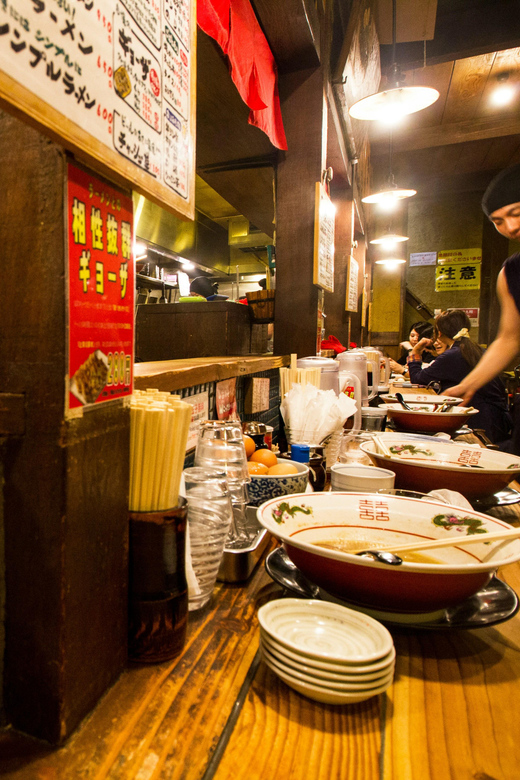
The final major stop is Shibuya Crossing, the district’s signature scene. When the signals change, pedestrians move across the intersection from several directions, creating the famous image you have likely seen before.
A guide improves this moment by placing it in context. You can watch from street level, take photographs, and then ask where to go for a different view or a less hurried look. The 20-minute allocation gives you time to experience the crossing without turning the whole tour into a single photo stop.
The crossing is exciting, but it is not the whole of Shibuya. That is why the earlier stops matter. Shibuya Sky gives you height, 109 shows the shopping culture, Mark City explains the transport connections, Center Street brings you into the commercial heart, and Hachiko supplies a familiar human story.
The order also gives the walk a clear finish. You begin with orientation and buildings, move through shops and streets, then end at the place most associated with Shibuya. Afterward, you can continue exploring with a better sense of where you are.
What the private format adds for $23
At $23 per person, this is inexpensive for a private two-hour walk, especially if you are traveling alone or with one other person. A private guide means you are not sharing the pace or questions with a large group. It also lets you focus on the parts of Shibuya that matter to you.
The price is strongest when you use the guide for advice, not just directions. Ask about your next stop, food plans, shopping goals, nightlife, or railway travel. One booking with Olivier included help buying a train ticket, and that kind of small practical assistance can be worth more than another standard landmark explanation.
The tour is less valuable if you want long visits inside buildings or a food-focused experience. Food, drinks, local transport around the city, and car transport are not included. The walk uses walking and public transport where needed, except where a separately selected option applies.
You should also think about what $23 does not promise. It does not appear to include a Shibuya Sky admission ticket, and the two-hour schedule leaves little room for extended shopping. The tour gives you a clear start in the district, then helps you decide how to spend the rest of your day.
Guides, languages, and the kind of help you can expect
Guides are available in English, French, Spanish, Italian, Japanese, and Portuguese. The experience depends heavily on the individual guide, but the strongest qualities to look for are punctuality, local familiarity, and a willingness to adjust the route.
Emir has been praised for an enthusiastic approach and for sharing historical background along with practical advice. Olivier has been described as punctual, willing to show less obvious parts of Shibuya, and helpful with a train ticket. If either guide is assigned to you, tell them what you want before the walk begins so their strengths match your plans.
A private booking also helps if your group includes different interests. One person may want fashion, another may care about food, and another may simply want the key sights. A guide can usually adjust the emphasis, though the total time remains two hours.
The tour is wheelchair accessible. Still, accessibility in a large station district can depend on the exact route and pace, so share any mobility needs when arranging the booking.
Who should book this Shibuya walk
I would choose this tour for a first visit to Shibuya, especially if you want a quick orientation before exploring alone. It is also a good fit for anyone who likes asking questions and wants advice shaped around a personal itinerary.
The tour suits solo visitors particularly well. You receive individual attention without paying for a long private excursion. Couples and small groups can also get good value if they use the guide to plan the rest of their time in the district.
It is less suitable if you want a full shopping day, a restaurant crawl, or a long visit at each landmark. You will need to return to places such as Shibuya 109 or Center Street on your own if you want more time.
The cancellation terms are friendly: you can cancel up to 24 hours ahead for a full refund, and you can reserve now and pay later. That flexibility helps if your Tokyo schedule is still changing.
Should you book this tour?
Book it if you want a private introduction to Shibuya at a modest price, with a guide who can answer questions and suggest what to do next. The combination of major sights, local streets, transport advice, and flexible conversation gives you more than a simple landmark checklist.
Skip it if you already know Shibuya well or want a long, detailed visit inside each building. For most first-time visitors, though, two hours is a useful starting point. Arrive ready to ask for the kind of Shibuya you want, and you should leave with a clearer map and better plans for the rest of your Tokyo stay.
FAQ
How long does the Tokyo Shibuya walking tour last?
The tour lasts two hours. Starting times vary, so you need to check availability when booking.
Is the tour private?
Yes. It is a private and exclusive tour, with no one else added to your group.
Which sights are included?
The route includes Shibuya Sky, Shibuya 109, Shibuya Mark City, Shibuya Center Street, the Hachiko Statue, and Shibuya Crossing.
Which languages are available?
The live guide can conduct the tour in English, French, Spanish, Italian, Japanese, or Portuguese.
Are food and drinks included?
No. Food and drinks are not included in the tour price.
Can I cancel or pay later?
You can cancel up to 24 hours in advance for a full refund. You can also reserve now and pay later, which keeps your plans flexible.
Newly reviewed around Tokyo
- Tokyo Asakusa:Calligraphy & Make T-shirt Activity★ 5.0 · 62 reviews
- Intercity Shuttle, Tokyo to Haneda /Narita /Yokohama /Makuhari★ 5.0 · 5 reviews
- 1 Hour Travel around Tokyo with a Professional Photographer★ 5.0 · 3 reviews
- Travel Tokyo with Your Own Personal Photographer★ 5.0 · 43 reviews
- Train in Samurai Swordsmanship and Defeat the Demon in Tokyo★ 5.0 · 5 reviews
- Shuttle Van 6hr Tokyo Tour to-and-from Tokyo, Yokohama and Narita★ 5.0 · 9 reviews
- Kickboxing & Body Training with EX-Pro Fighter★ 5.0 · 4 reviews
- Traditional Japanese Knife Sharpening Class★ 5.0 · 18 reviews
Tokyo Walking Tours, compared.
Tokyo Tsukiji Fish Market Food and Culture Walking Tour
Read our review →
Imperial Palace and Shogun Historical Walking Tour
Read our review →
Shinjuku Local Bar and Izakaya Guided Walking Tour
Read our review →
Asakusa Walking Tour with Sensoji Temple Visit
Read our review →
Tokyo Castle & Imperial PalaceーShogun Walking Tour
Read our review →
Browse the lists this tour appears in