
Reviewed · TOKYO WALKING TOURS
Tokyo: Private Walking Tour With Fresh Eyes, Local Hearts
Tokyo is too large for a one-size-fits-all tour, and this experience gets that right. You can spend your time in Asakusa’s temple district, learn the train system with a guide such as Toko, or build a food-and-neighborhood route around Tsukiji, Shibuya, or Shinjuku.
I like the private format and the chance to shape the route before you arrive. I also like the practical help: past bookings have included airport meetups, elevator detours for families with infants, restaurant suggestions, and even a walk to a favorite omakase restaurant. The main catch is that transport, meals, and drinks cost extra, and a short tour can cover only a small piece of Tokyo.
Key things to know before you book
- Your route is built around your interests: Choose temples, shrines, food, shopping, gardens, pop culture, or major city sights.
- Toko and Momo are guides named in guest feedback: Toko has helped first-time visitors learn the train system, while Momo has shared cultural background and food advice.
- The private format helps families and first-time visitors: Your guide can slow down for bathroom breaks, elevators, children, or transport questions.
- You can choose from 1, 2, 4, 6, or 8 hours: A one-hour walk is a brief introduction, while eight hours gives you room for several districts.
- Public transport is part of the plan: Subway and train fares are not included, so keep money or a transit card ready.
- The $25 starting price can be good value: It is especially useful when you need local orientation, but the final cost of a longer tour and transport will be higher.
Why this private Tokyo walk works well
The best reason to book this experience is flexibility. Tokyo has no single center in the way some European capitals do. Shibuya, Asakusa, Ueno, Ginza, Shinjuku, and Akihabara each feel like their own small city, and crossing between them takes time.
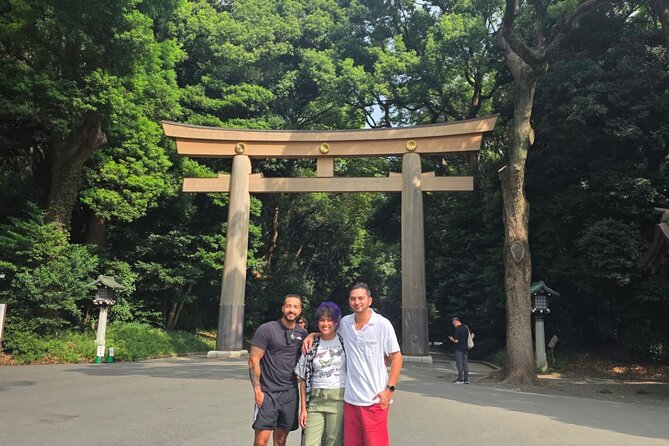
A private guide lets you choose where that time goes. You might focus on traditional Tokyo, with Meiji Shrine, Asakusa Shrine, and Zojo-ji Temple. You might prefer modern Tokyo, moving from Shibuya Crossing to Takeshita Street and Harajuku. Or you could ask for a gentle first-day orientation that teaches you how to move around by train.
The guide contacts you within the two weeks before the tour to discuss your interests and schedule. That conversation matters. Tell the guide if this is your first visit, if you care about food or gardens, if you have mobility needs, or if you want help using public transport.
You can request hotel pickup or another meeting location, but the meeting point may also be set in the area that best matches your chosen route. Because time is limited, this is sensible. Starting in Shibuya for an Asakusa-heavy route would waste precious hours.
More Tokyo walking tours:
- Tokyo Tsukiji Fish Market Food and Culture Walking Tour
★ 5.0 · 3,184 reviews - Tokyo: Imperial Palace and Shogun Historical Walking Tour
★ 5.0 · 2,251 reviews - Tokyo: Shinjuku Local Bar and Izakaya Guided Walking Tour
★ 4.9 · 1,794 reviews
Choosing between one, two, four, six, and eight hours
The advertised choices are 1, 2, 4, 6, and 8 hours. The shorter options work best as focused walks, not grand tours of Tokyo.
A one-hour tour could introduce you to one neighborhood or a single major sight. This makes sense if you have a long layover, want help on your first afternoon, or need a quick orientation. It will not allow much travel between districts.
A two-hour tour gives you enough time for a compact area such as Asakusa, Shibuya, Tsukiji, or Meiji Shrine and nearby Harajuku. You can learn the setting, ask questions, and get a few local suggestions without spending half a day.
A four-hour tour is the most useful middle ground for many visitors. You can link two nearby areas, such as Meiji Shrine, Yoyogi Park, and Takeshita Street, or combine the Imperial Palace area with Hama-rikyu Gardens. Public transport and walking time still matter, so avoid trying to collect too many distant sights.
A six-hour tour allows a fuller neighborhood comparison. You could pair Asakusa and Ueno, or explore Shibuya, Harajuku, and Shinjuku. An eight-hour tour gives you the most freedom, although it will still be a long day on foot and likely involve several train or subway rides.
The low advertised price of $25 per person is attractive, especially for a private experience. Still, check the price for your chosen duration and group before assuming that $25 covers a full day. Transportation fees, food, and drinks are not included.
Traditional Tokyo in Asakusa and Ueno
Asakusa is one of the easiest places to understand Tokyo’s older face. The Asakusa Culture Tourist Information Center is listed as a stop, followed by Asakusa Shrine. From the center, you can get your bearings before walking through the district and discussing its religious and local customs.
Asakusa Shrine offers a quieter counterpoint to the better-known temple area nearby. Your guide can explain how shrines differ from temples, how to behave at a religious site, and what you are seeing instead of leaving you to guess from signs.
Ueno gives you another strong traditional-and-local pairing. Ueno Park, Ueno Toshogu Shrine, and Ueno Ameyoko Shopping Street offer very different experiences within the same broad area. The park and shrine provide space for history and architecture, while Ameyoko is better for street-level shopping and everyday city life.
This route suits first-time visitors who want more than Tokyo’s famous billboards. The drawback is distance. Asakusa and Ueno are close by Tokyo standards, but you will still need to account for walking and public transport if your tour begins elsewhere.
Shibuya, Harajuku, and the modern city
Shibuya Crossing is the obvious starting point for modern Tokyo. Your guide can help you understand how the surrounding streets fit together, rather than leaving you with only a quick photo of the intersection.
From Shibuya, a route can move toward Meiji Shrine, Yoyogi Park, and Takeshita Street. Meiji Shrine offers a calmer setting and a chance to discuss Shinto practice. Yoyogi Park gives the route breathing room, while Takeshita Street brings you into Harajuku’s youth-oriented shopping scene.
This is a good choice if you want a clear contrast between Tokyo’s public traditions and its pop culture. It also works well for visitors with limited time because these stops can be linked more naturally than distant parts of the city.
You should tell the guide how much shopping you want. Takeshita Street can be fun, but it may not be the best use of your time if you prefer gardens, architecture, or food. A private guide can adjust the balance.
A completely different kind of day in Tokyo:
- Mt Fuji and Hakone 1-Day Bus Tour Return by Bullet Train
★ 5.0 · 26,383 reviews - 1-Day Tokyo Bus Tour
★ 5.0 · 14,250 reviews - Tokyo: teamLab Planets TOKYO Digital Art Museum Entry Ticket
★ 4.6 · 9,779 reviews - Mt Fuji & Hakone Cruise, Drum Show Bullet Train 1 Day from Tokyo
★ 4.0 · 7,413 reviews
Shinjuku, Golden Gai, and garden time
Shinjuku offers a dense mix of department stores, nightlife, transport, and quieter corners. The route can include Shinjuku Gyoen National Garden, which gives you a break from the district’s hard-edged city atmosphere.
Golden Gai is a very different stop. Its small bar streets are known for their compact venues and nighttime character. A daytime visit may feel more like a look at the setting than a full nightlife experience, so ask the guide what timing makes sense for your schedule.
Shinjuku is a strong choice for a longer tour because the district can fill several hours without requiring a cross-city transfer. It is less ideal for a one-hour booking if you also want gardens and Golden Gai.
If you are interested in food, say so clearly before the tour. The guide can help point out local dining areas, but meals are not included. One guest described being walked to a guide’s favorite omakase restaurant after the tour, a useful reminder that the local food advice may be one of the most valuable parts of the day.
Tsukiji and Tokyo’s food side
Tsukiji Outer Market is a natural stop for anyone who wants food, market culture, or an introduction to Japanese ingredients. You can ask your guide about what you are seeing, how the market has changed, and where to spend your limited eating time.
The market is best for a focused visit rather than a quick checkbox. You may want to taste something, browse, and ask questions, so a longer option makes more sense than trying to squeeze Tsukiji into a packed one-hour route.
Hama-rikyu Gardens can pair well with Tsukiji. The two areas offer a useful contrast between food stalls and formal garden scenery. Again, transportation and any purchases are your responsibility.
A private guide is particularly helpful here if you have dietary questions or want to avoid wasting time on food you do not recognize. The activity does not promise a food tasting, so think of the guide as a companion and interpreter, not a meal provider.
Imperial Palace and Tokyo’s formal center
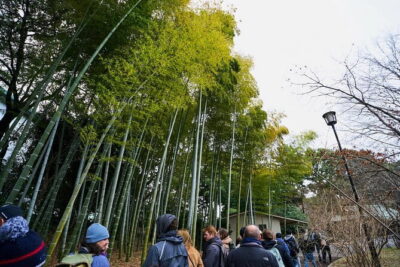
The Tokyo Imperial Palace is another possible stop, with guided walking and sightseeing. It gives you a look at the city’s formal center and can work well for visitors interested in government, imperial tradition, and broad city geography.
The palace area is spacious, so your guide can help you decide how much time to spend there. It pairs naturally with central Tokyo sights, but it is not an efficient add-on to every neighborhood route.
If you have only two hours, choose the palace only if it is a high priority. If you book four hours or more, it becomes easier to give the area the attention it deserves without racing to the next district.
Gardens for a slower Tokyo
Tokyo’s gardens can change the pace of a busy sightseeing day. In addition to Hama-rikyu, the choices include Kiyosumi Gardens, Koishikawa Korakuen, Rikugien, and Shinjuku Gyoen National Garden.
These are good options if you want design, seasonal scenery, and a quieter walk. They also suit repeat visitors who have already seen Shibuya and Asakusa.
Do not try to visit all four in a short booking. They are spread across Tokyo, and public transport time can swallow the tour. Tell your guide which type of day you want, then choose one garden or pair one with a nearby district.
Akihabara and Tokyo pop culture
Akihabara Electric Town gives you Tokyo’s electronics and anime side. Super Potato Akihabara is listed as a stop, making this route especially relevant to visitors interested in retro games and Japanese pop culture.
The appeal here depends on your interests. If you enjoy games, gadgets, or character culture, a guide can add context to stores and streets that might otherwise blur together. If you are not interested in those subjects, use your limited hours elsewhere.
Kanda Shrine offers a useful contrast nearby. Adding a shrine to an Akihabara route lets you see how modern entertainment and older religious traditions sit close together in Tokyo.
Nezu, Gotokuji, and less obvious stops
Nezu Shrine and the Nezu Museum provide options beyond the standard first-visit circuit. They may suit you if you have already seen the major landmarks or want a route with art, architecture, and neighborhood atmosphere.
Gotokuji Temple is another distinctive choice. The tour description includes it as a stop, so you can ask about building a route around western Tokyo rather than staying only in the most famous central districts.
These stops require careful planning because Tokyo is large. They are better choices for a four-hour or longer tour, unless you are staying nearby.
Tokyo Tower and Zojo-ji Temple
Tokyo Tower is one of the city’s classic viewpoints and photo stops. Zojo-ji Temple nearby creates a strong visual and cultural pairing, with a modern landmark set against a major Buddhist temple.
This route works for visitors who want recognizable Tokyo without spending the whole day in Shibuya or Shinjuku. It can also be a good evening-area plan, although the experience itself is described as walking and guided sightseeing rather than a guaranteed night tour.
Ask your guide how much time is planned for each stop. Tokyo Tower can become a long visit if you add an observation deck, and entry costs are not listed as included.
What the guide adds to the day
The strongest practical feature is local help. Toko has helped first-time visitors understand Tokyo’s train system, shown them how to reach major neighborhoods, and suggested places to eat near their hotel. That kind of orientation can save far more time than a list of facts.
Toko has also handled a short-notice booking by asking about the group’s stay and interests before building a route. For families, the private format allows bathroom breaks and elevator detours without holding up a larger group.
Momo has been associated with cultural explanations and a warm, personal approach, along with a recommendation for an omakase restaurant. Guide assignments can vary, so treat these names as examples of the kind of local attention you may receive, not a guarantee that one particular person will lead your tour.
English and Japanese are offered. If you have detailed language or subject needs, explain them during the pre-tour contact.
Walking, trains, and comfort
This is a walking tour, but it is not limited to walking. Public transport may be used to connect districts, and its cost is not included.
Wear comfortable shoes and keep the route realistic. Tokyo’s stations can be large, and a day that looks simple on a map may involve more walking than expected. If you have a stroller, an infant, or mobility concerns, mention it before the tour. The activity is listed as wheelchair accessible, and one family received help with elevators and necessary breaks.
Pickup from your hotel or another requested location is available, but the meeting point may be set in a suitable neighborhood. Confirm that detail before the day begins.
Free cancellation is available up to 24 hours before the tour for a full refund, and you can reserve now and pay later. Those policies help if your Tokyo schedule is still shifting.
Who should book this Tokyo experience?
I would choose this tour for a first day in Tokyo, especially if you want help with trains and neighborhood layout. It is also a good fit for families, couples with different interests, and repeat visitors who want a route built around gardens, food, temples, or pop culture.
The tour is less suitable if you want a fixed, all-inclusive sightseeing package. You must pay for transport, food, drinks, and any attraction costs, and the short options cannot cover much ground.
At $25 per person, the starting price is appealing for private guidance, but judge the value by the time you choose and the size of your group. The real benefit is not the number of sights. It is having someone adjust the day, explain what you are seeing, and help you move through Tokyo with fewer wrong turns.
Should you book it?
Book this experience if you want a personal Tokyo orientation rather than a rigid route. Choose two hours for one neighborhood, four hours for a balanced half-day, and six to eight hours if you want to connect several districts.
I would especially recommend it to first-time visitors who feel unsure about trains, families who need flexibility, and anyone who wants local food or neighborhood advice. Skip it if you already know Tokyo well and prefer exploring alone, or if you expect meals and transport to be included. For the right visitor, the private format can turn a confusing first day into a useful head start.
FAQ
How long is the Tokyo private walking tour?
You can choose a 1, 2, 4, 6, or 8-hour option. Check availability for the starting times offered on your selected date.
Is this a private tour?
Yes. Only your group participates, and the itinerary can be adjusted around your interests and preferences.
Which languages are available?
The tour offers live guides in English and Japanese.
Can the guide pick me up at my hotel?
Yes. Hotel pickup is offered, and you can request pickup from another location. The guide will contact you by WhatsApp or email before the tour.
Where does the tour meet?
The meeting point depends on your selected option and interests. Because time is limited, it may be set in an area such as Shibuya, Shinjuku, or Tsukiji.
Are transportation fees included?
No. Walking and public transport may be used, but transportation fees are not included. Private transportation is also not included.
Are meals and drinks included?
No. Meals and drinks are not included.
Is the tour wheelchair accessible?
Yes. The activity is listed as wheelchair accessible. You should share your mobility needs when arranging the itinerary.
Can I cancel for a full refund?
Yes. You can cancel up to 24 hours in advance for a full refund. You can also reserve now and pay later.
Newly reviewed around Tokyo
- Tokyo Asakusa:Calligraphy & Make T-shirt Activity★ 5.0 · 62 reviews
- Intercity Shuttle, Tokyo to Haneda /Narita /Yokohama /Makuhari★ 5.0 · 5 reviews
- 1 Hour Travel around Tokyo with a Professional Photographer★ 5.0 · 3 reviews
- Travel Tokyo with Your Own Personal Photographer★ 5.0 · 43 reviews
- Train in Samurai Swordsmanship and Defeat the Demon in Tokyo★ 5.0 · 5 reviews
- Shuttle Van 6hr Tokyo Tour to-and-from Tokyo, Yokohama and Narita★ 5.0 · 9 reviews
- Kickboxing & Body Training with EX-Pro Fighter★ 5.0 · 4 reviews
- Traditional Japanese Knife Sharpening Class★ 5.0 · 18 reviews
Tokyo Walking Tours, compared.
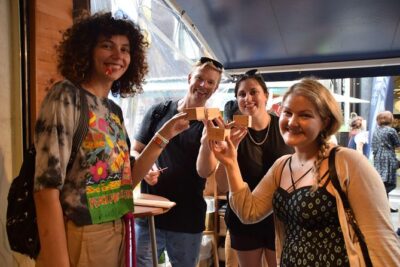
Tokyo Tsukiji Fish Market Food and Culture Walking Tour
Read our review →
Imperial Palace and Shogun Historical Walking Tour
Read our review →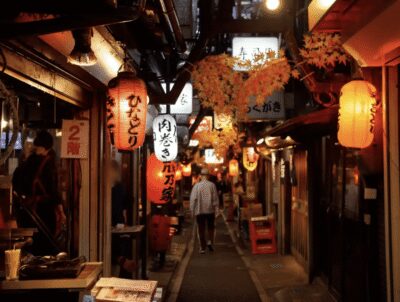
Shinjuku Local Bar and Izakaya Guided Walking Tour
Read our review →
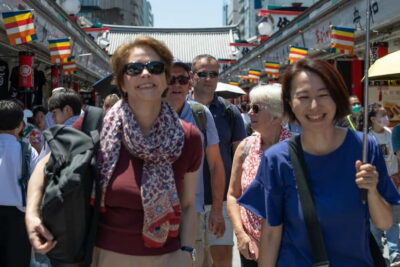
Asakusa Walking Tour with Sensoji Temple Visit
Read our review →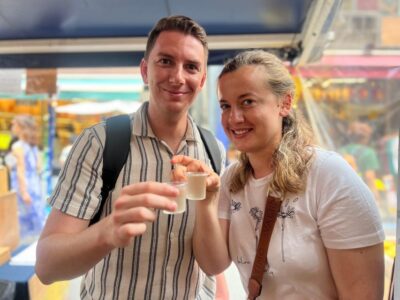
Tokyo Castle & Imperial PalaceーShogun Walking Tour
Read our review →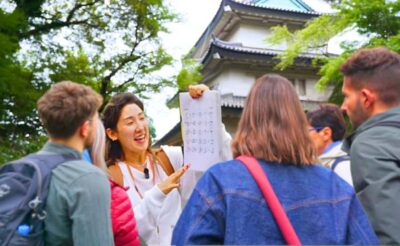
Browse the lists this tour appears in