
Reviewed · TOKYO WALKING TOURS
Tokyo Private Walking Tour With Fresh Eyes, Local Hearts
Tokyo can wear you out before lunch. The city is huge, the train map looks like modern art, and the choice between shrines, markets, gardens, and pop culture is not easy. This private walk solves that problem by shaping the day around you, with a Tokyo-born guide and a flexible plan.
I like the one-to-eight-hour range, which lets you book a short orientation or a fuller day. I also like the private format: you get the guide’s full attention, can request specific sights, and do not spend your time waiting for a large group.
The main catch is that the $26.36 price does not include public transport, meals, personal spending, private vehicles, or entry fees for gardens. Also, the long list of possible stops is a menu, not a promise that you will see everything in one outing.
Key points at a glance
- Local guide Toko may help shape your day: She contacted one family before the tour to learn their interests and planned around their first visit.
- The tour is truly flexible: You can ask for markets, temples, gardens, modern Tokyo, pop culture, or a mix.
- You can start with hotel pickup: Walking and public transportation are included as the touring method, but train and transit fares are extra.
- The stop list covers several Tokyos: Tsukiji food stalls, Imperial Palace grounds, Shibuya Crossing, Asakusa, Akihabara, gardens, and traditional shrines are all possible choices.
- The tour suits a first Tokyo day: A private guide can reduce the mental work of planning and help you choose a sensible area or route.
- The price is a starting point, not the full cost: Add transport, food, and any paid garden admissions to your budget.
A private Tokyo plan instead of a fixed route
This experience works best when you see it as a planning service with a walking tour attached. You tell the guide what you care about, and the guide builds a route instead of forcing you through a standard sequence.
That matters in Tokyo. A morning around Tsukiji and Ginza feels very different from an afternoon in Harajuku and Shibuya. Asakusa gives you temple architecture and older streets, while Akihabara shifts the mood to anime, electronics, games, and modern pop culture. A private guide can help you choose one clear theme or combine two areas that fit your available time.
The company says its guides were born and raised in Tokyo. Toko is the only guide named in the supplied information, and she worked with a family before their meeting to understand their interests. Their day included three places, history, culture, and local treats. That example gives you a useful clue: the strongest version of this tour is not a race through every famous address. It is a short list chosen for your group.
The tour lasts from about one to eight hours. A one-hour booking may be enough for a neighborhood introduction or a quick orientation near your hotel. A longer booking gives you room for several districts, but Tokyo’s distances and train changes still matter. Do not expect to cover all 22 possible stops in eight hours. The stop list is far too broad for that.
More Tokyo walking tours:
- Tokyo Tsukiji Fish Market Food and Culture Walking Tour
★ 5.0 · 3,184 reviews - Tokyo: Imperial Palace and Shogun Historical Walking Tour
★ 5.0 · 2,251 reviews - Tokyo: Shinjuku Local Bar and Izakaya Guided Walking Tour
★ 4.9 · 1,794 reviews
Imperial Palace and central Tokyo
The Imperial Palace is a sensible choice if you want a first look at Tokyo’s political and historic center. The grounds occupy the former site of Edo Castle, with moats and a large surrounding park. The tour does not provide access to the inside of the palace, and entry is limited to certain public areas.
I would choose this stop for context rather than a long palace visit. The advertised stop time is about 15 minutes, so you should expect an outside look and an explanation of the site, not a detailed garden tour. If you want an unhurried visit, say so when the guide contacts you.
Nearby, Hamarikyu Gardens offer a different view of old Tokyo. This former shogun villa includes ponds, tidal gardens, and seasonal flowers beside Tokyo Bay. The contrast between greenery and the surrounding city is the point. Admission is not included, so allow extra time and money if you select it.
Koishikawa Korakuen and Rikugien are also possible garden choices. Both are traditional stroll gardens with ponds, bridges, and carefully arranged scenery. Rikugien is especially noted for spring blossoms and autumn foliage. Each garden has an admission fee, and a 15-minute stop would only give you a quick taste.
Tsukiji for food and market life
Tsukiji is one of the most useful choices for a morning tour. The Outer Market has more than 400 shops and stalls, selling fresh food and small bites. The plan describes it as a good breakfast stop, but breakfast is not included, so you pay directly for anything you eat.
The practical advantage of a guide here is not simply finding the market. It is having someone help you decide how to use limited time. Fifteen minutes is enough to get a sense of the streets, but not enough for a relaxed meal and broad browsing. If food is one of your main reasons for booking, request more time.
The tour also mentions the former inner Tsukiji Market as an area that many people, including some Japanese visitors, may not know well. The description separates it from the Outer Market’s street food focus. Since the market arrangements can be complex, ask the guide exactly which parts remain available on your chosen date and what the visit will involve.
Shibuya, Harajuku, and Meiji Jingu
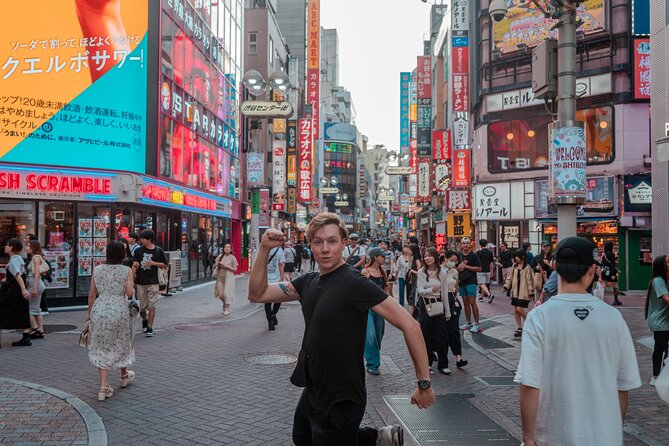
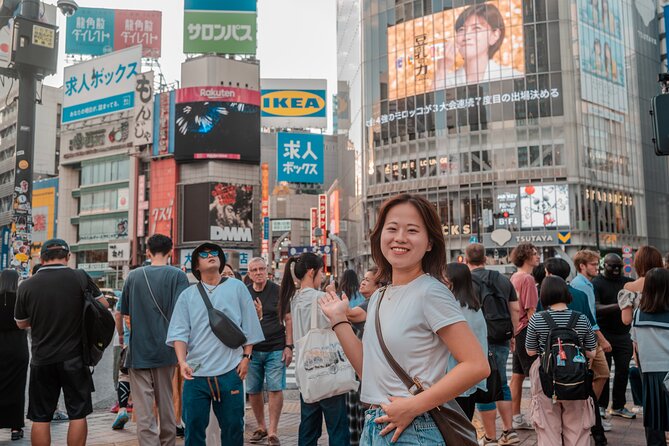
Shibuya Crossing gives you Tokyo at full speed. The district is known for youth culture, fashion, and entertainment, and the crossing is one of the city’s most recognizable public spaces. A 15-minute visit is enough to see the crossing and hear how Shibuya fits into modern Tokyo, but it leaves little time for shopping or side streets.
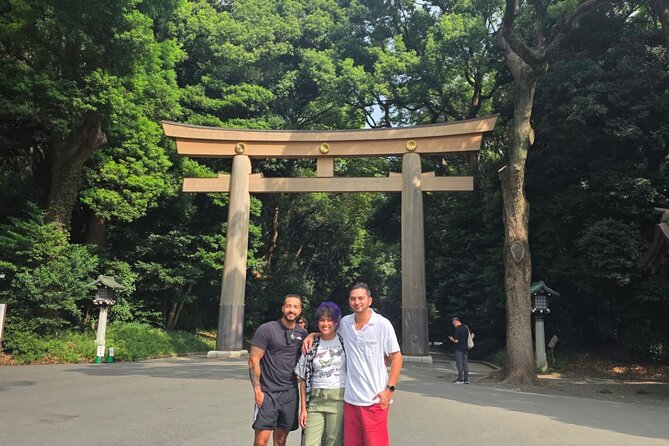
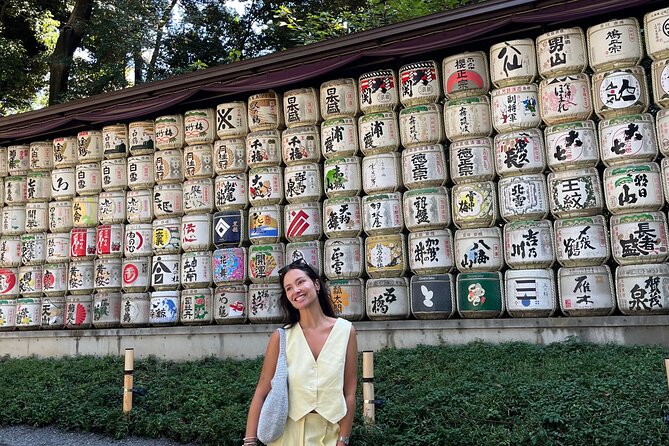
Meiji Jingu provides a strong contrast. Built in 1920 for Emperor Meiji and Empress Shoken, it is not one of Japan’s ancient shrines, but it carries major cultural importance. Its grounds offer a more solemn setting after the noise of Shibuya.
Yoyogi Park and Takeshita Street can extend this part of the city. Yoyogi Park is used for jogging, picnics, and events, while Takeshita Street is known for kawaii fashion, sweets, accessories, and character goods. You may like this combination if you want to see both quiet green space and youth-oriented shopping.
The tradeoff is distance and pace. Shibuya, Meiji Jingu, Harajuku, and Yoyogi can fill a substantial part of a day once walking and train time are counted. Ask the guide to prioritize two or three of them instead of trying to check every box.
A completely different kind of day in Tokyo:
- Mt Fuji and Hakone 1-Day Bus Tour Return by Bullet Train
★ 5.0 · 26,383 reviews - 1-Day Tokyo Bus Tour
★ 5.0 · 14,250 reviews - Tokyo: teamLab Planets TOKYO Digital Art Museum Entry Ticket
★ 4.6 · 9,779 reviews - Mt Fuji & Hakone Cruise, Drum Show Bullet Train 1 Day from Tokyo
★ 4.0 · 7,413 reviews
Asakusa and Senso-ji
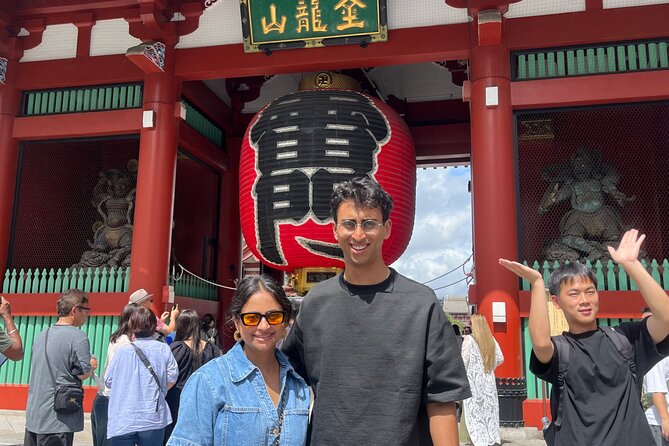
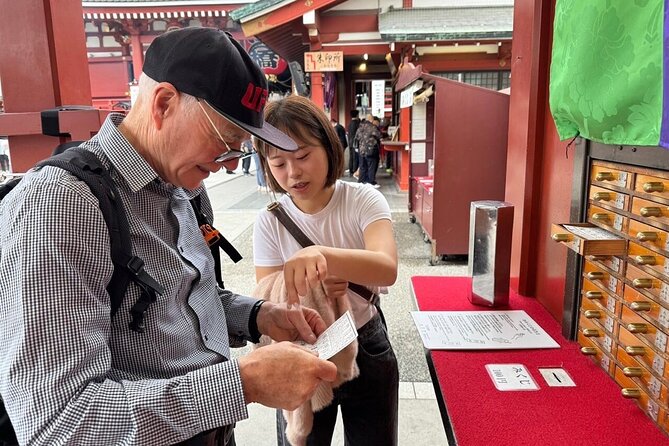
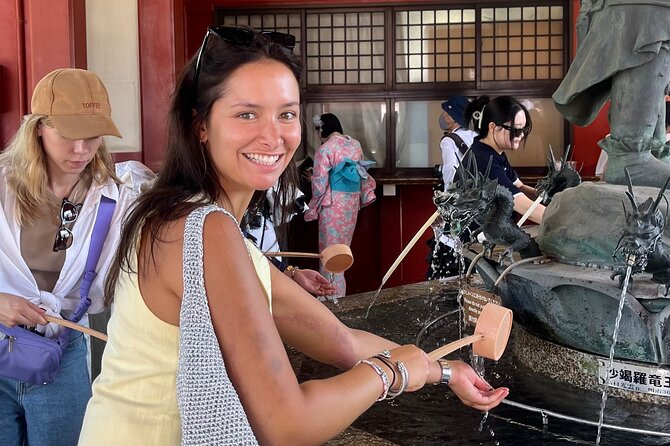
Senso-ji is the oldest temple in Tokyo and the main reason many people choose Asakusa. Its story begins with two fisherman brothers who discovered a statue, according to local tradition. The temple remains one of Tokyo’s most familiar religious landmarks.
The suggested visit lasts about 30 minutes, twice the time given to many other stops. That is sensible. Senso-ji rewards a slower look, and Asakusa has more to offer than the temple itself. The surrounding streets preserve more of Tokyo’s traditional character, with local shops and older-style surroundings.
I would pair Senso-ji with Asakusa if you want history and atmosphere without paying an entry fee. The temple visit is free, as is the general area. Still, a short tour cannot explain every building or side street, so be clear about your priorities. You might want temple history, food, shopping, or simply help finding your way around.
Kabukiza, Zojo-ji, and Tokyo’s old traditions
Kabukiza Theater offers a look at one of Japan’s most famous performing arts. The tour does not include the main theater interior. Instead, the visit goes to a gallery on another floor of the same building, and admission is listed as free.
That limitation is important. You are not booking a kabuki performance. You are getting a short introduction to the theater and its tradition. It can work well for a first visit, especially if you want cultural context without committing to a full show.
Zojo-ji is another useful traditional stop. This historic temple served as the Tokugawa family temple, and several Tokugawa shoguns are enshrined there. Its location near Tokyo Tower also creates a striking city pairing, although the tour information does not promise entry to Tokyo Tower itself.
Kanda Shrine offers another layer of Tokyo’s religious past. It has more than 1,300 years of history and serves as a guardian shrine for central districts including Kanda and Nihonbashi. Admission is not listed as included, so confirm any costs before you go.
Shinjuku, Akihabara, and modern Tokyo
Shinjuku Gyoen National Garden is a good reset after crowded streets. Once an imperial garden, it is now open to the public and offers lawns, trees, and a calmer setting in central Tokyo. Admission is extra, and 15 minutes will be a brief look rather than a full garden visit.
Shinjuku Golden Gai gives you a very different Shinjuku experience. More than 300 tiny bars occupy narrow lanes and traditional two-story buildings. The district is mainly a nightlife setting, so the stop makes more sense later in the day. A 15-minute walk can show you the area, but it does not amount to a night out, and the tour does not include drinks or personal expenses.
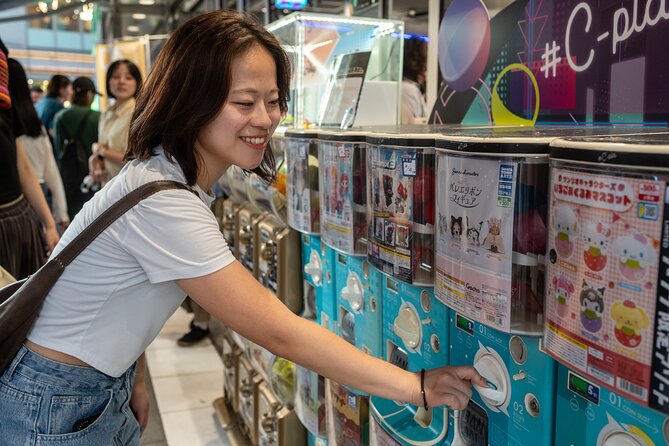
Akihabara is the pick for electronics, anime, manga, and gaming. It is a strong choice if your group has a clear interest in Japanese pop culture. If not, you may find that a shrine, market, or garden gives you a better first impression of Tokyo. The value of the private format is that you can say exactly that.
Gotokuji Temple provides a quieter cultural option. It is associated with the origin of the maneki-neko, the beckoning cat. The temple’s traditional buildings and gardens make it a good alternative to the major central sights, especially if you have already seen Senso-ji.
How the price really works
At $26.36 per person, this is an inexpensive way to get a private introduction to Tokyo. The value is strongest when you use the guide to save planning time and shape a focused route. A private guide costs less to justify if you only want someone to point out one famous crossing for an hour.
Read the inclusions carefully. Walking and public transportation are listed as part of the experience, but transportation fees are not included. You also pay for meals, personal purchases, private transportation, and admission to paid gardens. Hotel pickup is offered, which is useful, but it does not mean a private car will collect you.
A good budget plan is to decide your theme first, then ask the guide to limit the day to sights that work well together. For example, Tsukiji, central Tokyo, and Hamarikyu may form one broad area. Asakusa and Ueno may make another. Shibuya, Meiji Jingu, Yoyogi Park, and Takeshita Street fit together more naturally than a cross-city list.
The tour has a 5 out of 5 rating from 41 reviews, with 100 percent recommending it. The strongest praise centers on customization and value for money. Toko’s advance contact with a first-time family is especially useful evidence of how the service can work in practice.
Who should book this walk
I would recommend it to first-time visitors who feel stuck choosing among Tokyo’s many districts. It also suits families or small groups with different interests, since a private guide can adjust the plan rather than making everyone follow a fixed route.
It is a good match if you want local treats, cultural background, and practical help using the city. It may be less suitable if you want a formal museum tour, a full kabuki performance, private driving, or guaranteed entry inside the Imperial Palace or Kabukiza Theater.
You can cancel for a full refund up to 24 hours before the start time. Changes or cancellations within 24 hours are not accepted for a refund. Most people can participate, service animals are allowed, and the experience is near public transportation.
Should you book it?
Book this tour if you want Tokyo to fit your interests rather than the other way around. The best plan is to choose two or three priorities, tell the guide what you like, and leave room for food or an unexpected stop.
At this price, the private attention and planning help offer good value, especially for a first day. Just treat the long stop list as inspiration, budget for trains and paid gardens, and avoid expecting every famous district in one outing. Choose a focused route, and this can be a smart way to get your bearings fast.
FAQ
How long does the Tokyo private walking tour last?
The tour lasts approximately one to eight hours, depending on the option you book.
Is hotel pickup available?
Yes. Hotel pickup is offered.
Are public transportation fees included?
No. Walking and public transportation are included as touring methods, but transportation fees are not included.
Is this a private tour?
Yes. Only your group participates.
Can I customize the route?
Yes. Tour customization is included, and you can request places and interests when planning the experience.
Does the tour enter the Imperial Palace?
No. The tour does not include access to the inside of the Imperial Palace. Visits are limited to certain public areas.
Are meals and personal expenses included?
No. Meals, food, and personal expenses are not included.
Are admission fees included?
Some stops are free, but admission is not included for places such as Shinjuku Gyoen National Garden, Hamarikyu Gardens, Koishikawa Korakuen Garden, Rikugien Garden, and Kanda Shrine, as specified in the tour details.
Newly reviewed around Tokyo
- Tokyo Asakusa:Calligraphy & Make T-shirt Activity★ 5.0 · 62 reviews
- Intercity Shuttle, Tokyo to Haneda /Narita /Yokohama /Makuhari★ 5.0 · 5 reviews
- 1 Hour Travel around Tokyo with a Professional Photographer★ 5.0 · 3 reviews
- Travel Tokyo with Your Own Personal Photographer★ 5.0 · 43 reviews
- Train in Samurai Swordsmanship and Defeat the Demon in Tokyo★ 5.0 · 5 reviews
- Shuttle Van 6hr Tokyo Tour to-and-from Tokyo, Yokohama and Narita★ 5.0 · 9 reviews
- Kickboxing & Body Training with EX-Pro Fighter★ 5.0 · 4 reviews
- Traditional Japanese Knife Sharpening Class★ 5.0 · 18 reviews
Tokyo Walking Tours, compared.
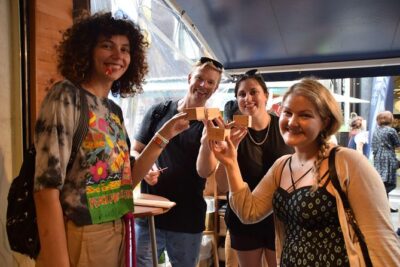
Tokyo Tsukiji Fish Market Food and Culture Walking Tour
Read our review →
Imperial Palace and Shogun Historical Walking Tour
Read our review →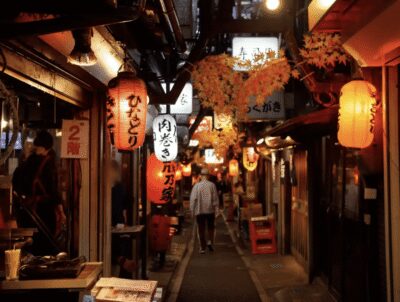
Shinjuku Local Bar and Izakaya Guided Walking Tour
Read our review →
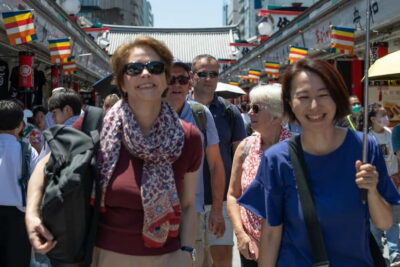
Asakusa Walking Tour with Sensoji Temple Visit
Read our review →
Tokyo Castle & Imperial PalaceーShogun Walking Tour
Read our review →
Browse the lists this tour appears in