
Reviewed · TOKYO WALKING TOURS
Tokyo: Private Walking Tour with a Local Guide
Tokyo is too large for a one-size-fits-all sightseeing walk. This private tour gets the important thing right: you choose the focus, and your guide helps build a sensible route around it. You might spend a morning in Asakusa and Ueno, or use a longer day to connect Meiji Shrine, Shibuya, and Shinjuku.
I especially like the local orientation. Guides such as Miwa, Momo, Rika, Hina, and Kanako help with train routes, neighborhood choices, food stops, and everyday customs, not just dates and names. I also like the relaxed human touch: several guides take photos, check when you need a rest, and adjust the pace when the day gets hot or tiring.
The catch is Tokyo’s size. You cannot sensibly see every place listed in a short tour, and too many train rides can eat into your sightseeing time. One useful warning from the experience: a full day may involve a lot of walking and packed trains, so tell your guide in advance if you prefer taxis, fewer stops, or longer breaks.
Key points at a glance
- A private route built around you: Send your interests and must-see places before the tour, then confirm the final plan with your guide.
- Local guides with different strengths: Miwa, Momo, Rika, Hina, Yossy, Nao, Kanako, and others are praised for clear English, warmth, and practical city help.
- A useful first-day introduction: Your guide can show you how to use Tokyo’s public transport and help you feel more independent for the rest of your trip.
- Old Tokyo and new Tokyo together: Pair Sensō-ji and Meiji Shrine with Akihabara, Shibuya Crossing, Ginza, or Shinjuku.
- A strong value at $53 per person: The price includes a private guide, pickup, public transport guidance, and temple and shrine entrance fees, but not fares, meals, or extra attractions.
- Best for active walkers: The tour is not suitable for wheelchair users or people with mobility impairments, and long versions can be tiring.
Why a private Tokyo tour can make sense
Tokyo rewards planning, but it can punish overplanning. The city map looks manageable until you discover how long it takes to cross from east to west, find the right station exit, and walk between the station and the sight you meant to visit.
This is where a local guide earns the fee. Instead of spending your first morning decoding railway maps, you can meet at your hotel and begin with a route shaped around your interests. Guides have helped first-time visitors understand public transport, activate a rail pass, choose between neighborhoods, and plan the rest of their Japan trip.
The private format matters. You are not waiting for a group member who wants to photograph every doorway, and you can ask as many questions as you like. The guides are praised for explaining history, customs, pop culture, food, and ordinary life in clear English without burying you in dates.
You can also ask for a specific tone. Want major sights and efficient transport? Say so. Prefer small lanes, local shopping, and less touristy areas? Say that instead. Momo, Miwa, Rika, and Hina are repeatedly singled out for adjusting plans during the day rather than treating the itinerary as fixed.
More Tokyo walking tours:
- Tokyo Tsukiji Fish Market Food and Culture Walking Tour
★ 5.0 · 3,184 reviews - Tokyo: Imperial Palace and Shogun Historical Walking Tour
★ 5.0 · 2,251 reviews - Tokyo: Shinjuku Local Bar and Izakaya Guided Walking Tour
★ 4.9 · 1,794 reviews
Planning the right length: two, four, six, or eight hours
The experience can last from two to eight hours, with the final locations shaped with your guide. The short option works best as an introduction to one compact area, not as a grand tour of Tokyo.
A two-hour visit could focus on Asakusa, Sensō-ji, and nearby streets, or Meiji Shrine and Harajuku. This is a good choice if you have limited energy, a late arrival, or a particular cultural interest.
Four hours gives you a useful half-day. You might combine Asakusa and Ueno, or Meiji Shrine, Harajuku, and Shibuya. Several people have used four hours on their first day to learn the rail system while seeing a handful of major districts.
Six hours is the sweet spot for many visitors. It gives you time for several neighborhoods, a proper meal or snack break, and some flexibility when a market or shrine takes longer than expected. An eight-hour day can cover a large number of sights, but only if you accept a brisk pace and plenty of public transport.
Do not treat the displayed list as a promise to visit every stop. Sensō-ji, Asakusa, Ueno, Ameya-Yokocho, Akihabara, Shibuya, Harajuku, Meiji Shrine, Tsukiji, Ginza, the Imperial Palace, and Shinjuku are sample possibilities. Tokyo is too spread out for all of them to fit comfortably into a short booking.
Sensō-ji, Asakusa, Ueno, and Ameya-Yokocho
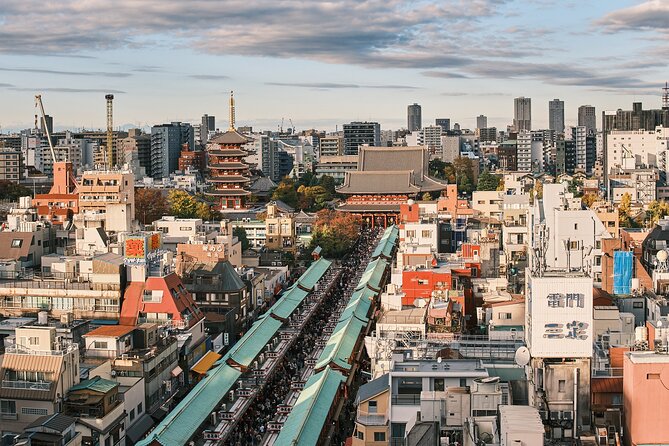
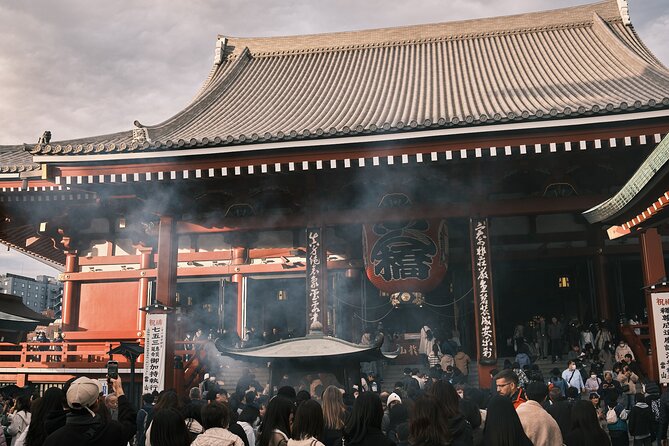
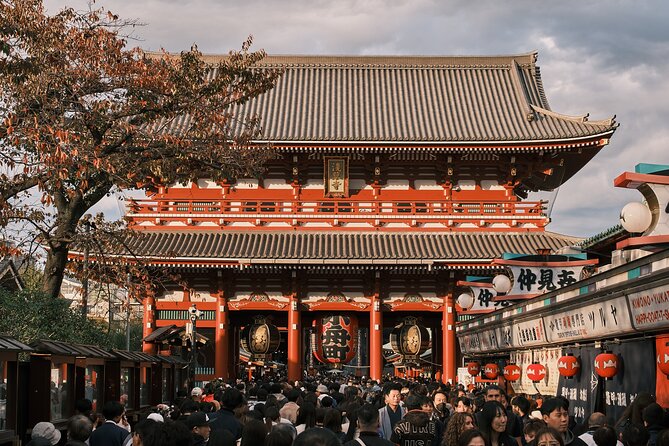
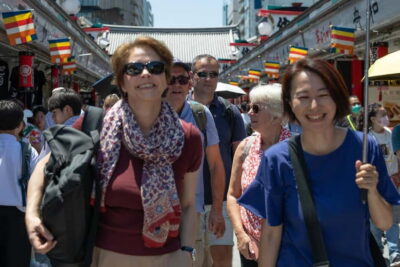
Asakusa is the natural choice if you want old Tokyo in concentrated form. Sensō-ji gives you a major Buddhist temple, a sacred setting, and a chance to ask your guide about basic temple customs. The surrounding Asakusa area adds traditional streets and shops, making it easier to connect the formal temple visit with daily city life.
The advantage of visiting with a guide is context. You can ask how a Buddhist temple differs from a Shinto shrine, what to do at a place of worship, and which parts of the area are worth your time. Your guide can also help you avoid treating the temple as just a backdrop for photographs.
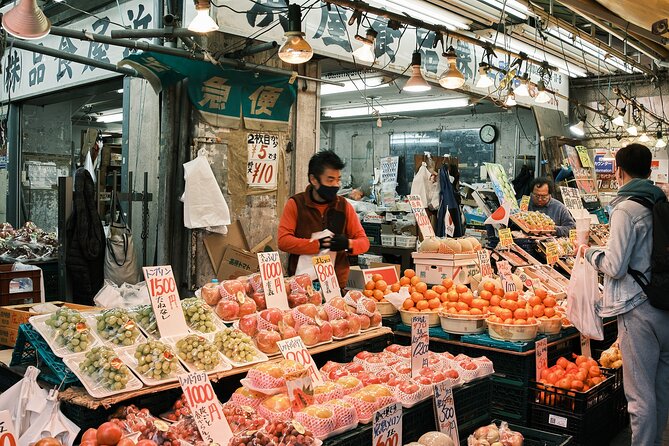
Nearby Ueno offers a different feel, with parks, cultural sights, and access to Ameya-Yokocho. The market street is useful for visitors who want food, shopping, and a more ordinary city scene rather than only grand monuments.
The limitation is time. Asakusa, Ueno, and Ameya-Yokocho can fill a half-day on their own, especially if you stop for snacks or browse the shops. If you also want Shibuya and Shinjuku, ask your guide to choose the strongest stops instead of rushing through all three eastern neighborhoods.
Akihabara, Shibuya, Harajuku, and Meiji Shrine
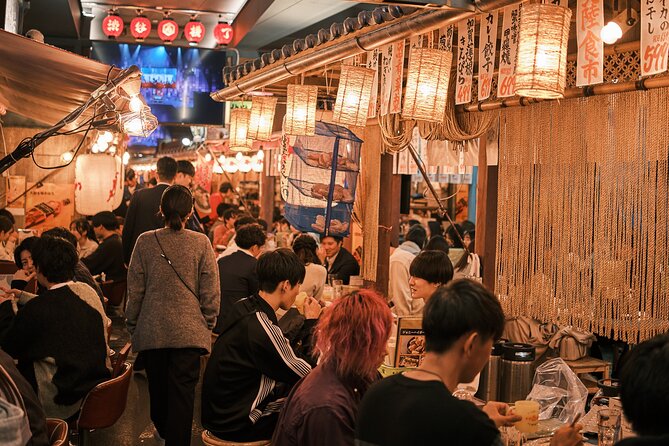
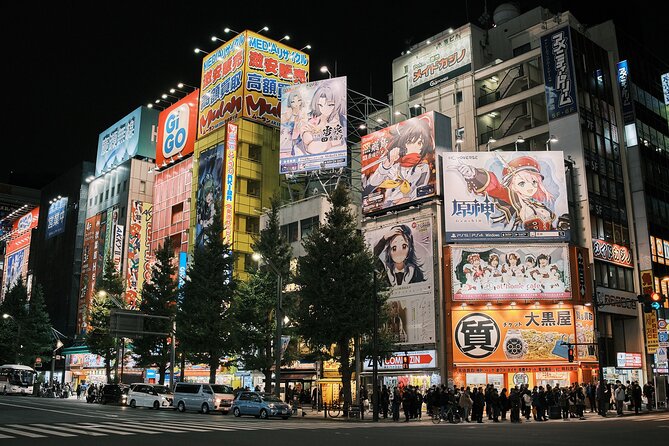
Akihabara is the choice for electronics, anime, manga, and Tokyo’s modern pop culture. It is not a traditional sightseeing district, so explain what interests you before arrival. A guide can help you focus on the part of Akihabara that suits you rather than wandering without a plan.
Shibuya Crossing is one of Tokyo’s famous visual moments. It is easy to reach and simple to understand, but it may not deserve a large share of your tour. One couple specifically wished they had chosen another place after seeing it, a useful reminder that famous does not always mean personally rewarding.
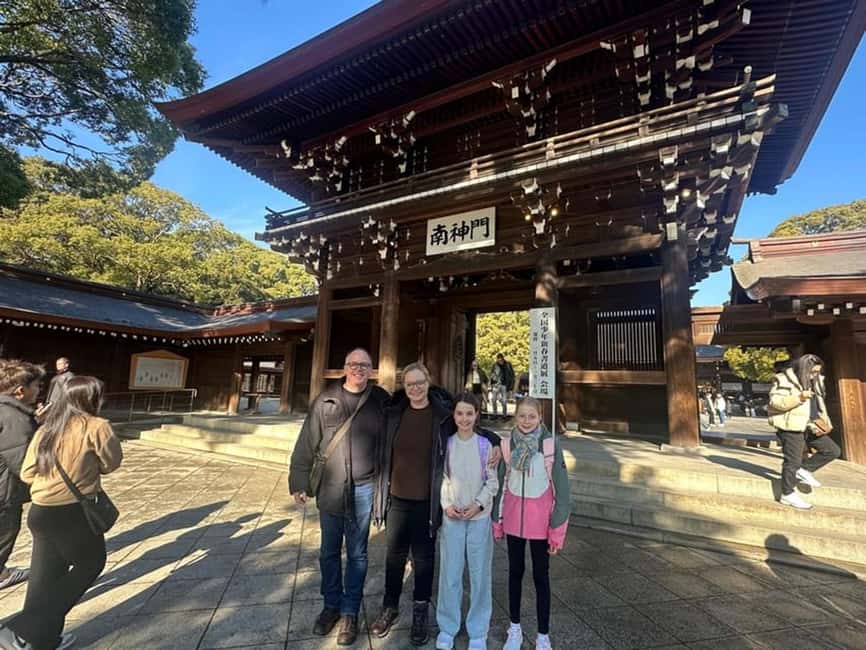
Harajuku and Meiji Shrine make a more satisfying pair for many first visits. Harajuku brings youth culture and shopping, while Meiji Shrine offers a quieter religious setting close to the city center. Your guide can explain Shinto customs and point out the contrast between the surrounding streets and the shrine grounds.
This western Tokyo combination works well for a four-hour tour, especially if you want a blend of modern style and Japanese religious tradition. If your main goal is food or markets, use those hours elsewhere.
A completely different kind of day in Tokyo:
- Mt Fuji and Hakone 1-Day Bus Tour Return by Bullet Train
★ 5.0 · 26,383 reviews - 1-Day Tokyo Bus Tour
★ 5.0 · 14,250 reviews - Tokyo: teamLab Planets TOKYO Digital Art Museum Entry Ticket
★ 4.6 · 9,779 reviews - Mt Fuji & Hakone Cruise, Drum Show Bullet Train 1 Day from Tokyo
★ 4.0 · 7,413 reviews
Tsukiji Outer Market, Ginza, and the Imperial Palace
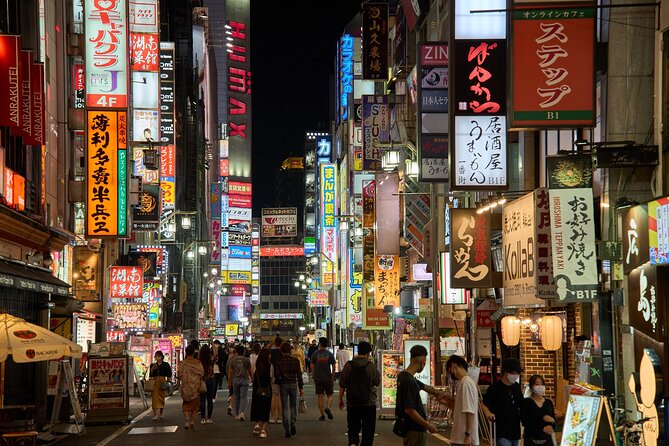
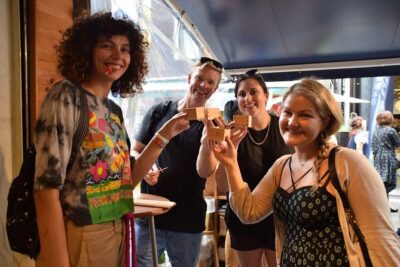
Tsukiji Outer Market is a practical pick for food-focused visitors. The market area offers seafood, small bites, and opportunities to try samples. One guide-led visit included grilled seafood and free tastings, showing why this stop works better with time to browse rather than a rushed photo stop.
Meals are not included, and you pay for your own purchases. If you choose to eat with your guide, you are expected to cover the guide’s meal too. If you would rather eat alone or only snack, explain that before the tour so the arrangement is clear.
Ginza gives you a polished shopping district and a different view of Tokyo’s commercial side. It pairs naturally with Tsukiji because of the location, but the two stops serve different purposes: one is food and market atmosphere, the other is department stores, brands, and city design.
The Imperial Palace offers another change of pace. Your guide can provide background on Japan’s imperial institution and the central Tokyo setting, though the exact access and any special attraction tickets depend on what you choose to visit. Additional admission fees are not included, and you may need to pay for both yourself and the guide at paid attractions.
Shinjuku and the wider city
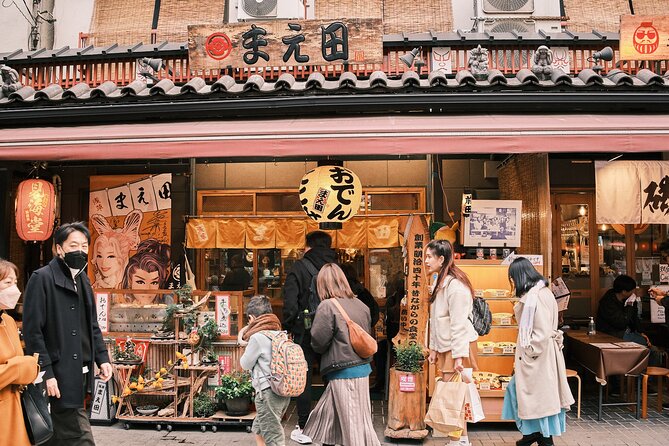
Shinjuku is useful for visitors who want a sense of Tokyo’s scale. It brings major transport connections, high-rise city views, shopping, nightlife, and busy streets into one area. A local guide can help you make sense of it rather than leaving you to circle the station and hope for the right exit.
The city’s central districts are not all interchangeable. Shinjuku feels different from Shibuya, and both differ sharply from Asakusa or Ueno. A good private tour uses those contrasts to explain Tokyo rather than simply collecting famous names.
One guide, Miwa, has taken visitors through Asakusa, Ueno, Tokyo Station, Shibuya, Meiji Shrine, and Shinjuku in a single long day. That kind of route is possible, but it demands energy and efficient train travel. I would choose it only if you are comfortable walking most of the day and want a broad first look.
Public transport is part of the lesson
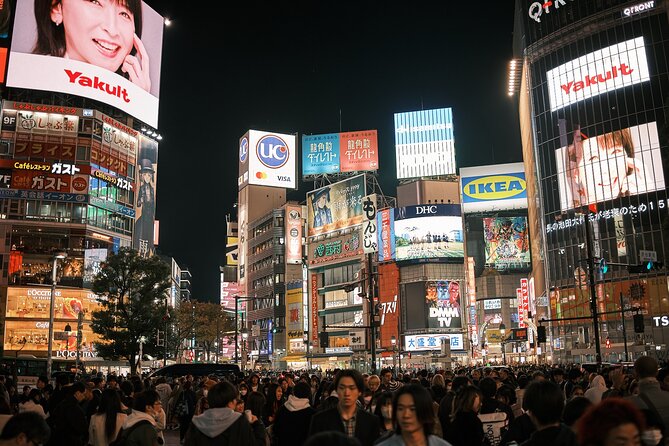
The tour includes walking and convenient public transport, but your train and subway fares are not included. Bring a transport card or be ready to pay as you go. One useful tip is to have a Suica card or another suitable pass prepared, since this can speed up movement between districts.
The guide does more than lead you from one station to another. Several visitors used the tour to learn how Tokyo’s rail network works, which is arguably one of the most valuable parts of the experience. By the end, you may feel more confident reaching places on your own.
Still, public transport means standing, walking through large stations, and sometimes riding crowded trains. One visitor found that the day involved too much walking and too many packed trains, and wished they had requested a mix of trains and taxis. Taxis cost more, but you can ask about them if comfort matters more than keeping transport cheap.
Tell your guide about mobility concerns before the day begins. The experience is not suitable for wheelchair users or people with mobility impairments. Even able-bodied visitors should wear comfortable shoes and carry water, especially for a six or eight-hour booking.
What makes the guides useful
The strongest part of this experience is the human guidance. Miwa is praised for careful planning, clear explanations, and helping visitors become more independent. Momo is frequently described as warm, funny, flexible, and good at finding less touristy places. Rika is noted for efficient railway use, clear communication, and taking useful group photos.
Hina is a good fit if you want history and neighborhood advice delivered at a relaxed pace. Kanako has shown particular patience with older visitors, switching to taxis when walking and trains became too demanding. Other guides, including Yossy, Nao, Yoshie, Saya, and Gabriel, have also been praised for communication and adapting the route.
Do not expect every guide to have exactly the same personality or interests. That is normal with a guide team. The smart move is to be specific in your pre-tour messages: tell them your age range, walking comfort, food interests, favorite neighborhoods, shopping needs, and the sights you have already seen.
Communication takes place through WhatsApp, and your guide is expected to contact you within 24 hours before the tour. The final plan is also confirmed around that time. Reply promptly, since the quality of the day depends on making sensible choices before you meet.
What the $53 price really buys you
At $53 per person, the tour can be a good value, particularly for a first visit or a small private group. You are paying for a dedicated guide, hotel or accommodation pickup and drop-off, route planning, local explanations, help with public transport, and entrance fees for temples and shrines.
The price does not cover meals, drinks, train fares, private cars, airport transfers, or tickets for additional attractions. That distinction matters. If you want a paid observation deck, museum, garden, or special attraction added, you may need to buy an admission ticket for your guide as well.
The value is highest when you use the guide for orientation and decision-making, not just escort service. A well-planned four-hour introduction can save you time across the rest of your Tokyo stay. It can also prevent the common mistake of choosing districts that look close on a map but take a long time to connect.
Free cancellation is available up to 24 hours before the tour, and you can reserve now and pay later. Those terms are useful if your Tokyo schedule may change, but they do not remove the need to check your chosen start time and tour length before booking.
Who should book this Tokyo walking tour?
I would recommend it to first-time Tokyo visitors who want a confident start, families who need help balancing different interests, couples who prefer a private pace, and short-stay visitors who cannot afford a wasted morning. It also suits anyone nervous about train travel or unsure how to combine temples, markets, and modern districts.
It is less suitable if you want a specialist food tour, a deep visit inside one major attraction, or a slow day with very little walking. It is also not the right choice for anyone needing wheelchair access.
Book the shortest option if you have one clear neighborhood in mind. Choose four hours for a practical introduction, six hours for a broad and balanced day, and eight hours only if you enjoy a busy schedule. Send a realistic wish list, not every Tokyo landmark. The best result comes from choosing two or three priorities and allowing your local guide to connect them intelligently.
FAQ
How long does the private Tokyo walking tour last?
The tour lasts from two to eight hours. Available durations and starting times depend on availability, and the final route is confirmed with your guide before the tour.
Where does the tour begin?
Your guide can meet you at your hotel or accommodation in central Tokyo, or at a preferred meeting place in Tokyo. Pickup and drop-off are included.
Is the itinerary fixed?
No. The listed Tokyo sights are sample options. You should share your interests and preferred places after booking, and the final itinerary is determined with your guide about 24 hours before the tour.
Does the tour include train and subway fares?
No. The tour includes travel with your guide via convenient public transport, but train and other transport costs are not included. Private cars, airport transfers, and additional transport are also excluded.
Are temple and shrine admission fees included?
Temple and shrine entrance fees are included. Tickets for additional attractions or special requests are not included, and you may need to pay admission for both yourself and your guide.
Are meals included?
No. Meals and beverages are not included. If you choose to have lunch or dinner during the tour with your guide, you are asked to cover the guide’s meal.
Is the tour suitable for wheelchair users?
No. The experience is not suitable for wheelchair users or people with mobility impairments. You should also bring comfortable shoes, cash, a credit card, and your passport or ID card.
Should you book it?
Yes, if you want Tokyo explained by a local person and would rather spend your first day learning the city than wrestling with its transport system. Just keep your plan focused, prepare for substantial walking, and tell your guide early if you want taxis, rest stops, food markets, or quieter neighborhoods. At $53 per person, it is a sensible introduction for visitors who value practical help as much as sightseeing.
Newly reviewed around Tokyo
- Tokyo Asakusa:Calligraphy & Make T-shirt Activity★ 5.0 · 62 reviews
- Intercity Shuttle, Tokyo to Haneda /Narita /Yokohama /Makuhari★ 5.0 · 5 reviews
- 1 Hour Travel around Tokyo with a Professional Photographer★ 5.0 · 3 reviews
- Travel Tokyo with Your Own Personal Photographer★ 5.0 · 43 reviews
- Kickboxing & Body Training with EX-Pro Fighter★ 5.0 · 4 reviews
- Train in Samurai Swordsmanship and Defeat the Demon in Tokyo★ 5.0 · 5 reviews
- Shuttle Van 6hr Tokyo Tour to-and-from Tokyo, Yokohama and Narita★ 5.0 · 9 reviews
- Traditional Japanese Knife Sharpening Class★ 5.0 · 18 reviews
Tokyo Walking Tours, compared.
Tokyo Tsukiji Fish Market Food and Culture Walking Tour
Read our review →
Imperial Palace and Shogun Historical Walking Tour
Read our review →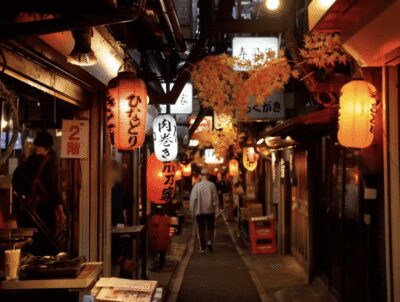
Shinjuku Local Bar and Izakaya Guided Walking Tour
Read our review →
Asakusa Walking Tour with Sensoji Temple Visit
Read our review →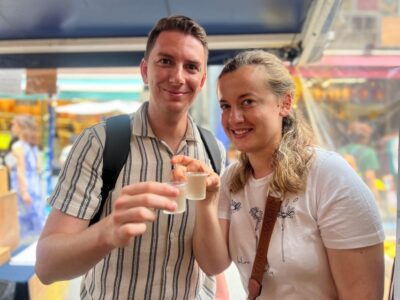
Tokyo Castle & Imperial PalaceーShogun Walking Tour
Read our review →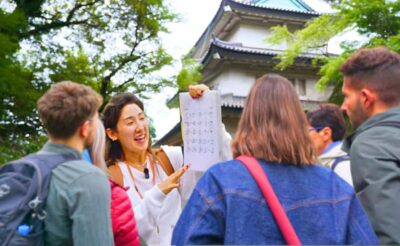
Browse the lists this tour appears in