
Reviewed · TOKYO COOKING CLASSES
Tokyo: Private Japanese Cooking Class with a Local Chef
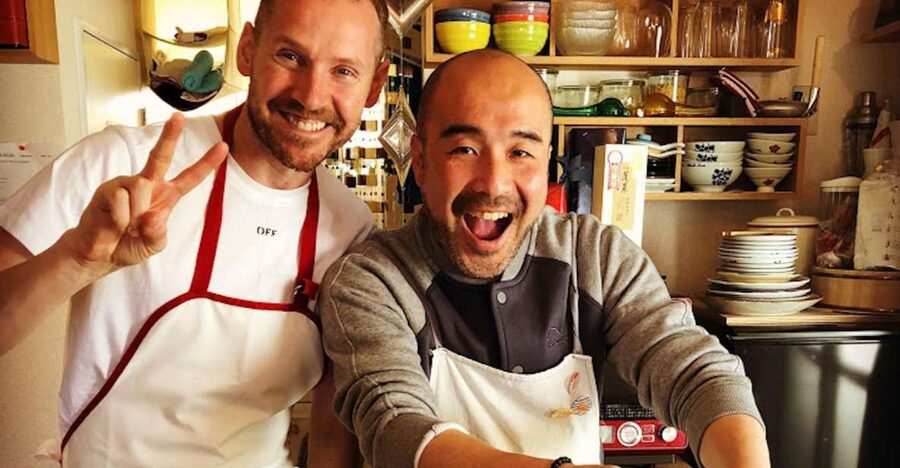
Cooking in Chef Sato’s small Shinjuku apartment gives you something a restaurant cannot: a look at how Japanese food fits into daily home life. You prepare two to four dishes, sit down to eat what you made, and learn why seasonal ingredients matter so much in Japanese cooking.
I like the personal setting and the fact that you do the work yourself, from chopping and seasoning to arranging the finished dishes. I also like the flexible menu, which may bring you ramen and gyoza one day, or a traditional rice-based set meal on another.
The main thing to watch is the menu schedule. You cannot simply assume you will cook sushi or ramen on the day you book. The class menu changes by weekday, and the stated duration is also a little unclear: the schedule shows two and a half hours, while the activity details list 3 hours, or 270 minutes.
Key points to know before booking
- Chef Sato teaches in English: He explains ingredients, cooking methods, family traditions, and the place of seasonal food in Japanese meals.
- The apartment setting feels personal: You cook in a real home near Shinjuku rather than in a formal culinary school.
- Menus depend on the day: Weekend, Monday, and Tuesday classes focus on traditional meals, while Wednesday through Friday feature popular dishes such as ramen, gyoza, curry, and okonomiyaki.
- You eat what you prepare: Classes include the meal and free Japanese barley tea.
- Morning classes can include a Tokyo walk: After the 10:30 a.m. class, an optional 1 to 3:30 p.m. outing visits places not usually found in guidebooks.
- The private format suits small parties: The class is designed for a private group, making it a good fit for couples, families, or friends who want time to ask questions.
Meeting Chef Sato near Shinjuku Station
Your meeting point is the police box at the east exit of Shinjuku Station, at 3-38-38-1, Shinjuku-ku. That sounds simple, but Shinjuku Station is large and can be confusing, so give yourself extra time to reach the east exit.
From the police box, you walk with Chef Sato to his apartment. This short transfer is part of the experience. You move from one of Tokyo’s busiest commercial areas into the more ordinary rhythm of a local neighborhood, then enter the space where the class takes place.
The apartment is described as cute and welcoming rather than large or professional. That matters. You are not watching a chef work behind a counter while standing in a crowd. You are sharing a home kitchen, asking questions at close range, and taking part in the preparation.
Space is likely to feel more intimate than in a cooking studio. I would choose this class for connection and conversation, not for a polished cooking-school production.
More Tokyo cooking classes:
- Tokyo: Roll and Authentic Sushi Making Class in Asakusa
★ 4.9 · 1,957 reviews - Tokyo Shinjuku Chopsticks Making Class
★ 5.0 · 1,763 reviews - Tokyo: Sushi Making Class in a Happi Coat near a Famous Spot
★ 4.9 · 1,377 reviews
What the three-hour class is really like
The listed class length needs a small clarification. The scheduled morning time is 10:30 a.m. to 1 p.m., and the evening time is 6 p.m. to 8:30 p.m. That is two and a half hours. The activity details describe the experience as 3 hours, or 270 minutes.
For planning, I would leave at least three hours free, especially if you want time to settle in, cook at a comfortable pace, eat, and talk. If you book the morning session and add the optional outing, your day continues until around 3:30 p.m.
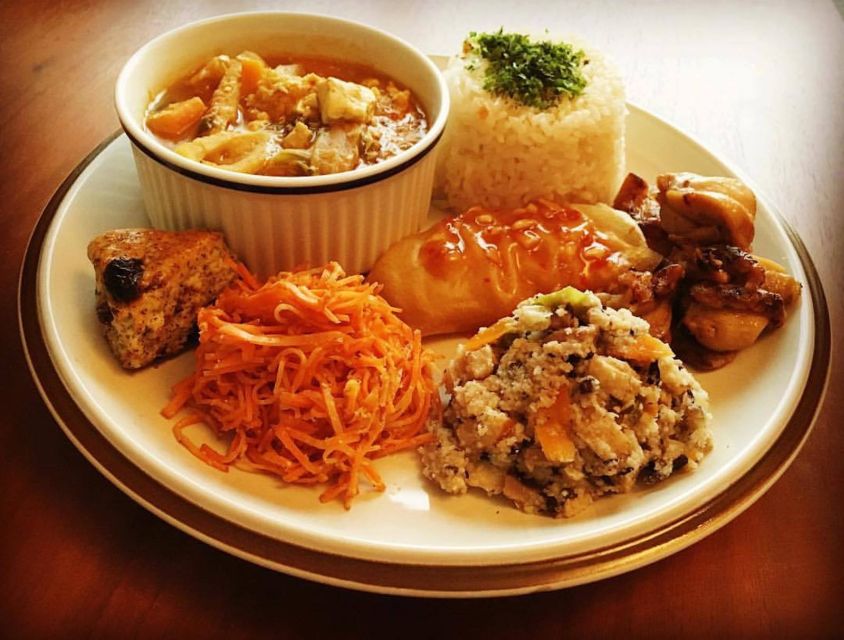
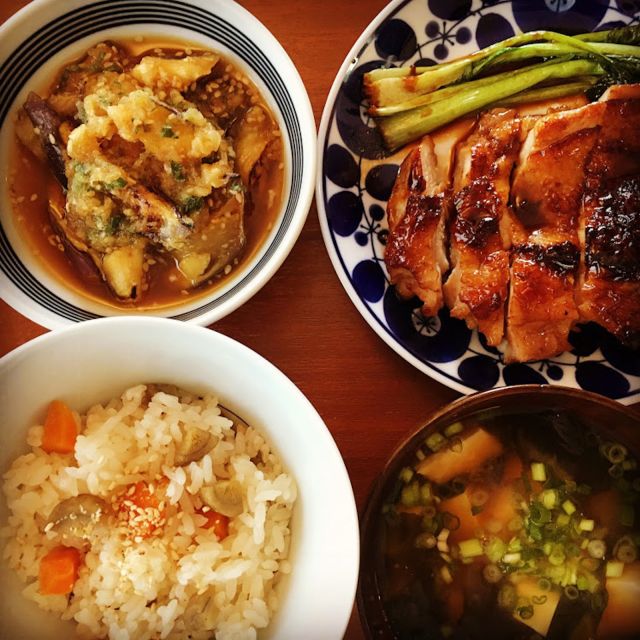
The class is hands-on. You may chop vegetables, season ingredients, prepare fillings, shape food, and help arrange the finished dishes. One couple learned to make katsu curry, fresh spring tofu salad, and chikuwa vegetable appetizers from scratch. Another group prepared miso soup, salad, rice, and teriyaki chicken with vegetables.
Chef Sato also explains how food is presented. Japanese home cooking is not only about flavor. The arrangement of rice, soup, a main dish, and side dishes gives the meal a clear balance and makes an ordinary lunch feel considered.
Choosing between traditional meals and popular Japanese dishes
Your weekday choice affects the food you cook.
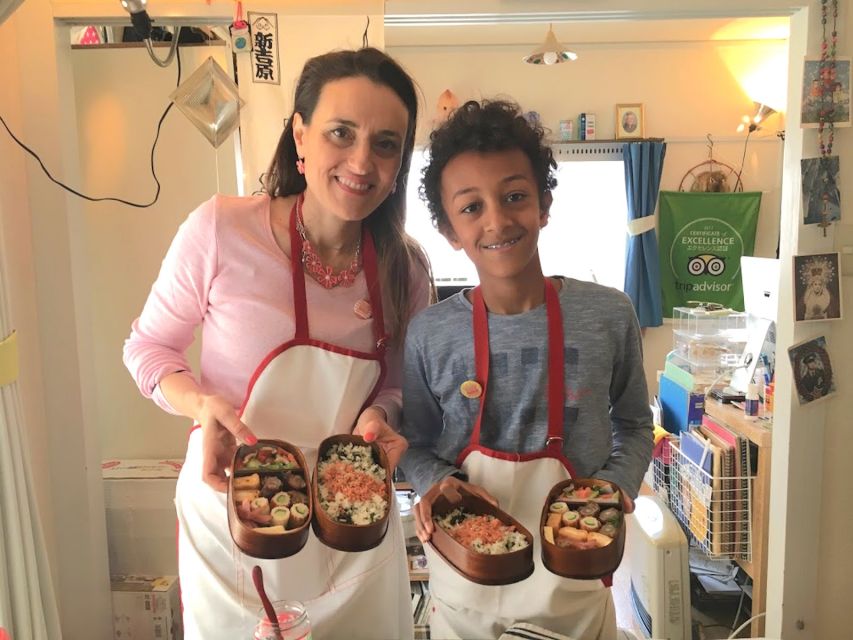
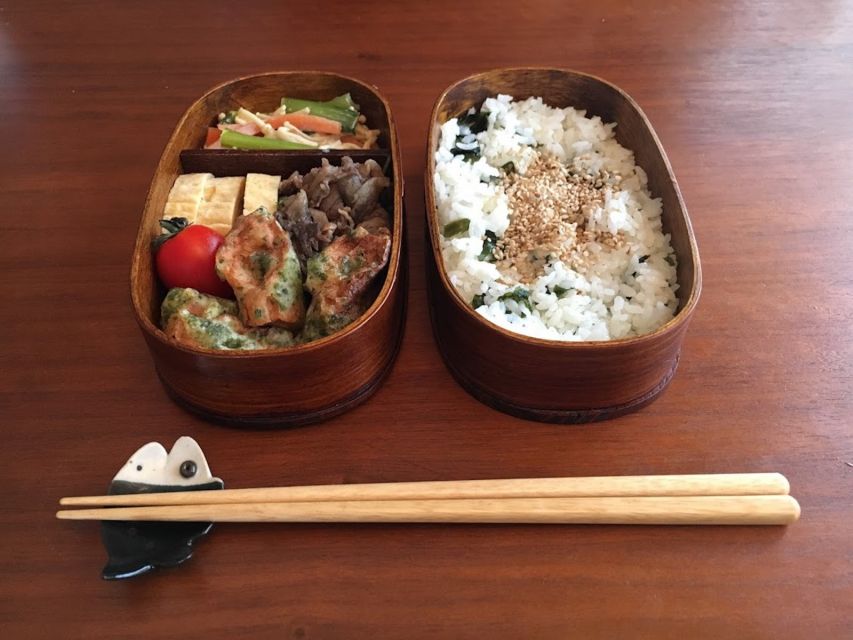
On Saturday, Sunday, Monday, and Tuesday, the class focuses on standard traditional meals. A typical menu may be a teishoku, or set meal, with rice, a seasonal main dish, two seasonal side dishes, and sometimes soup. Other possibilities include donburi, obento, tonjiru, or rice balls.
This is the better choice if you want to understand the everyday structure of a Japanese meal. A set meal shows you how several modest dishes work together instead of treating one large plate as the entire meal. It also gives you a useful model to recreate at home.
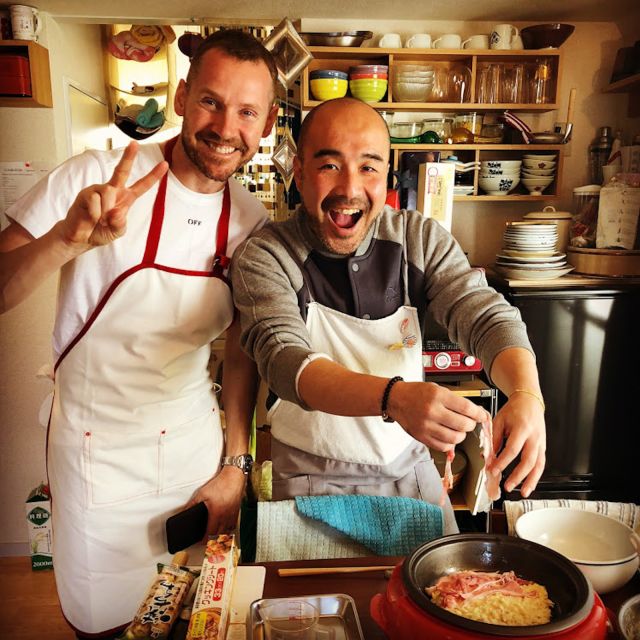
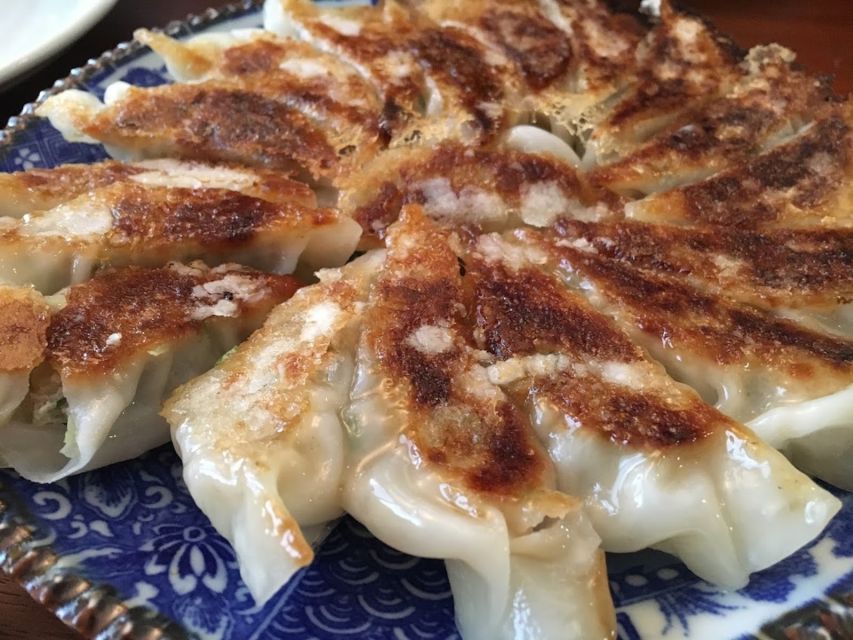
Wednesday, Thursday, and Friday are popular-food days. Possible dishes include curry rice, okonomiyaki, gyoza, ramen, rice burgers, kara-age, and yakisoba. The standard menu on these days still includes a seasonal main dish, often fried, plus two seasonal side dishes.
I would choose a popular-food day if you are excited by dishes you already recognize from Japanese restaurants. Ramen and gyoza are especially practical choices because you can try making them again at home. Several classes have focused on both, with participants preparing them from scratch and learning techniques that are possible in a home kitchen.
The menu is not fixed for every booking, so check the day carefully. If a particular dish matters to you, contact Chef Sato before committing. Past menus have also been adjusted to suit food preferences, which is useful if you have a strong preference or want to learn a certain style of dish.
Why seasonal ingredients matter here
Seasonality is not a side note in this class. Chef Sato treats it as a basic rule of Japanese cooking, and the menu changes with the ingredients available at the time.
You may learn how seasonal vegetables fit into a full meal, how a simple side dish balances a stronger main dish, or why the same basic cooking method changes with the season. The lesson is less about memorizing one restaurant recipe and more about learning a way to think about food.
That makes the class useful after you return home. You may not find the exact Japanese ingredients in your local shop, but you can apply the same ideas to local produce. The recipes provided after some classes also make it easier to repeat the meal instead of leaving the experience behind in Tokyo.
Chef Sato has cooked traditional Japanese food since childhood and often shares stories about his parents and family influence. This family connection gives the class a personal angle. You learn not just what to do with miso, rice, vegetables, or chicken, but why these foods matter in a Japanese home.
A completely different kind of day in Tokyo:
- Mt Fuji and Hakone 1-Day Bus Tour Return by Bullet Train
★ 5.0 · 26,383 reviews - 1-Day Tokyo Bus Tour
★ 5.0 · 14,250 reviews - Tokyo: teamLab Planets TOKYO Digital Art Museum Entry Ticket
★ 4.6 · 9,779 reviews - Mt Fuji & Hakone Cruise, Drum Show Bullet Train 1 Day from Tokyo
★ 4.0 · 7,413 reviews
Sitting down to eat your own Japanese meal
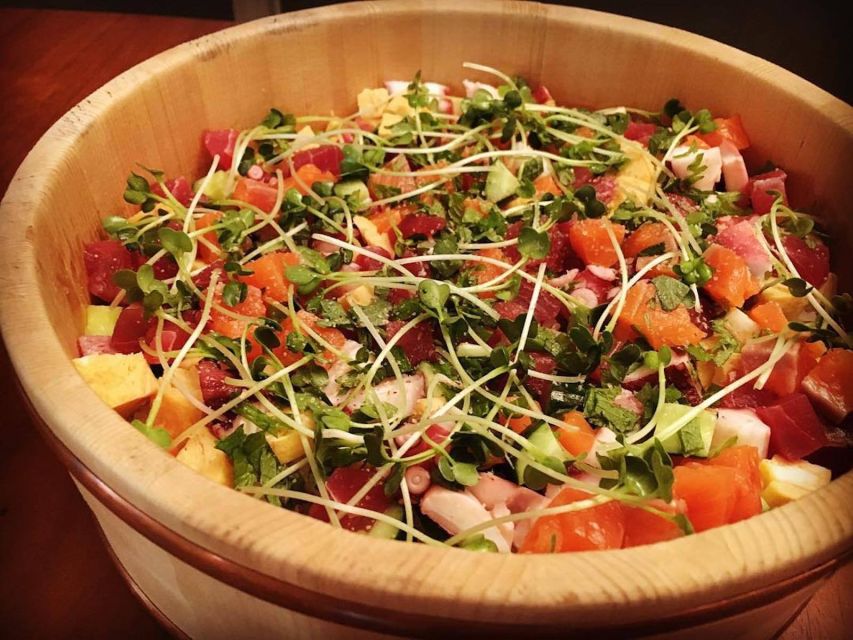
The best part of the timing is the meal at the end. After preparing the dishes, you sit at the table and eat together. That creates a natural pause for conversation and lets you judge the difference between watching a recipe and actually making it.
The food is served as a complete meal rather than as a string of samples. Depending on the day, that could mean ramen and gyoza, teriyaki chicken with rice and soup, curry with side dishes, or a seasonal set meal.
Japanese barley tea is included. It is a small detail, but it suits the home-style mood and gives you something familiar to drink without adding another charge.
I would not book this class only for a quick meal. Tokyo has endless places to eat, often at lower prices. The value comes from making the food, hearing the explanations, and then sharing the finished meal in the same home.
Chef Sato’s teaching style and English
Chef Sato teaches in English and has been praised for clear explanations, patience, and easy conversation. That is important in a cooking class, where a small misunderstanding about timing, seasoning, or knife work can affect the whole dish.
The atmosphere is relaxed rather than strict. You are encouraged to participate, not simply watch. Chef Sato explains ingredients and techniques while sharing parts of his life and family story, so the class has the feel of cooking with a friend.
That informal approach will suit beginners and home cooks who want to ask basic questions without feeling awkward. It also works for experienced cooks. One group of confident Australian home cooks still found plenty to learn about Japanese preparation and presentation.
The personal tone is not for everyone. If you want a formal chef demonstration, a large commercial kitchen, or advanced professional training, this may feel too casual. If you want to talk, cook, and understand the food in context, the relaxed style is a major strength.
Adding the Shinjuku and Nakano walk
Morning-class participants can add an optional short trip from 1 p.m. to 3:30 p.m. The walk visits several places that are not usually included in guidebooks. Past outings have included parts of Shinjuku and Nakano.
This is a useful addition because Chef Sato can point out places you might pass without noticing. The walk also gives the cooking class a wider sense of place. You first see ingredients and food preparation inside a home, then spend time looking at the surrounding city with someone who knows the area.
The outing is optional, so you do not need to choose it if you have other plans. I would add it if this is your first time in the area or if you want a slower afternoon after the class. It is less suitable if you need to rush to another reservation.
The information provided does not state an extra price for the walk, so ask when booking if the cost matters to your budget.
Is $120 per person good value?
At $120 per person, this is not a bargain meal. You can eat well in Tokyo for far less. The price makes more sense when you count the private format, English instruction, meal, barley tea, host interaction, and time spent in a local apartment.
For two people, the total is $240. That is a serious expense, but you receive more than a recipe demonstration. You get a private activity that can fill much of a morning or evening, plus a meal and practical ideas to use at home.
The value is strongest for people who enjoy food as a way to understand culture. It is also good for couples celebrating a trip, families who want an activity beyond sightseeing, and home cooks who are likely to use the recipes afterward.
The value is weaker if you are mainly looking for a cheap lunch, a large menu, or a guaranteed dish. The menu changes by day, and the timing should be confirmed because the published duration and class schedule do not match exactly.
Cancellation is free up to 24 hours before the class, and you can reserve now and pay later. Those terms help if your Tokyo schedule is still changing.
Who should book this private cooking class?
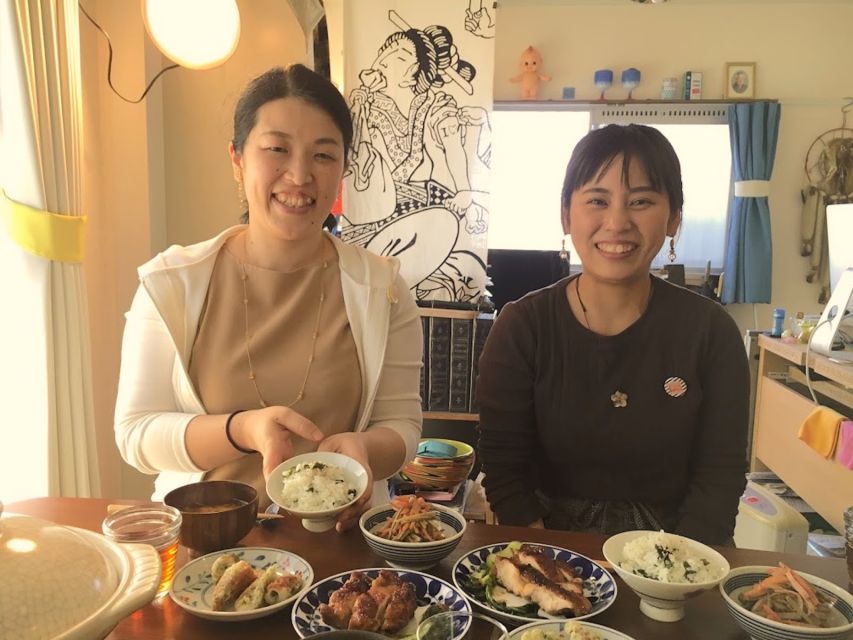
I would recommend it to you if you want to meet a local person, cook with your hands, and learn how Japanese meals are built. It is especially appealing after several days of restaurant meals, when you want to see food prepared in a home rather than ordered from a menu.
Beginners should feel comfortable here. You do not need to arrive with advanced cooking skills, and the class gives you direct practice with common dishes. Children may enjoy the hands-on format, though the supplied information does not specify age rules, so check before booking for a family group.
Food-focused couples and small groups get the most from the private arrangement. You can ask questions freely and spend time talking with Chef Sato without the noise or pace of a large class.
I would hesitate only if your schedule is tight, you need a specific dish on a specific date, or you prefer a formal culinary school. Otherwise, this is one of the more personal ways to turn a meal in Tokyo into a practical cultural experience.
FAQ
Where does the cooking class meet?
You meet at the police box at the east exit of Shinjuku Station, located at 3-38-38-1, Shinjuku, Shinjuku-ku, Tokyo, 160-0022, Japan.
Who teaches the class?
Chef Sato teaches the class in English. He explains Japanese ingredients, cooking methods, seasonal food, and family cooking traditions.
How long does the class last?
The scheduled morning and evening sessions run for two and a half hours, from 10:30 a.m. to 1 p.m. or from 6 p.m. to 8:30 p.m. The activity details also list the duration as 3 hours, or 270 minutes, so confirm the exact timing when booking.
What food will I cook?
The menu depends on the day. Traditional meal days may include teishoku, donburi, obento, tonjiru, rice balls, rice, seasonal dishes, and side dishes. Popular-food days may include ramen, gyoza, curry rice, okonomiyaki, rice burgers, kara-age, and yakisoba.
Is the meal included?
Yes. The meal you prepare is included, along with a free drink of Japanese barley tea.
Is the group private?
Yes. The activity is offered as a private group experience.
Can I take a walk after the class?
Yes. An optional short trip is available every day after the morning class, from 1 p.m. to 3:30 p.m. It visits places in the area that are not usually found in guidebooks.
Should you book it?
Book this class if you want more than a restaurant meal and prefer a warm, personal look at Japanese home cooking. Chef Sato’s apartment, seasonal menus, hands-on preparation, and optional Shinjuku and Nakano walk give the experience real local texture.
Before paying, choose your weekday carefully and confirm the menu and exact duration. If the dish and timing suit your plans, the $120 price is reasonable for a private lesson, a full meal, and an evening or morning spent cooking with a local host.
More hands-on classes and workshops in Tokyo
- Sushi Making Tokyo Roll and Authentic Japanese Sushi Class
★ 5.0 · 3,971 reviews - Chopstick Making Workshop in Ginza
★ 4.8 · 1,366 reviews - Tokyo Sushi Making Class in Tsukiji with Professional Chef
★ 5.0 · 1,177 reviews - Ramen & Gyoza Cooking Class in Tokyo with Local Supermarket Visit
★ 5.0 · 823 reviews
Newly reviewed around Tokyo
- Tokyo Asakusa:Calligraphy & Make T-shirt Activity★ 5.0 · 62 reviews
- Intercity Shuttle, Tokyo to Haneda /Narita /Yokohama /Makuhari★ 5.0 · 5 reviews
- 1 Hour Travel around Tokyo with a Professional Photographer★ 5.0 · 3 reviews
- Travel Tokyo with Your Own Personal Photographer★ 5.0 · 43 reviews
- Kickboxing & Body Training with EX-Pro Fighter★ 5.0 · 4 reviews
- Train in Samurai Swordsmanship and Defeat the Demon in Tokyo★ 5.0 · 5 reviews
- Shuttle Van 6hr Tokyo Tour to-and-from Tokyo, Yokohama and Narita★ 5.0 · 9 reviews
- Traditional Japanese Knife Sharpening Class★ 5.0 · 18 reviews
Tokyo Cooking Classes, compared.
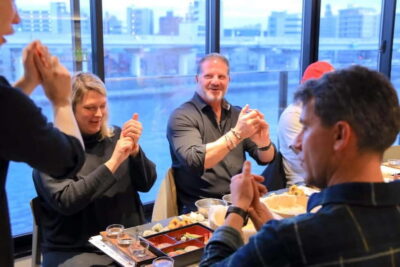
Roll and Authentic Sushi Making Class in Asakusa
Read our review →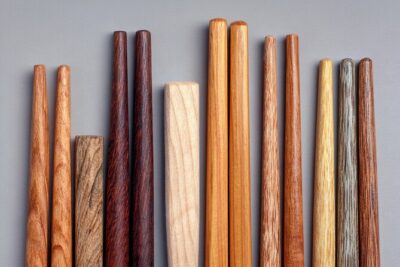
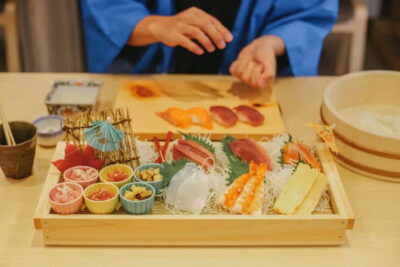
Sushi Making Class in a Happi Coat near a Famous Spot
Read our review →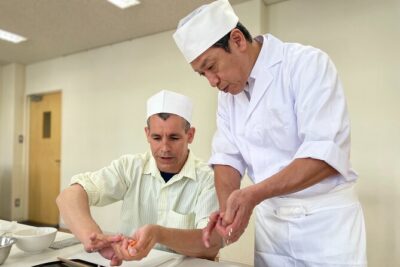
Tokyo Sushi Making Class in Tsukiji with Professional Chef
Read our review →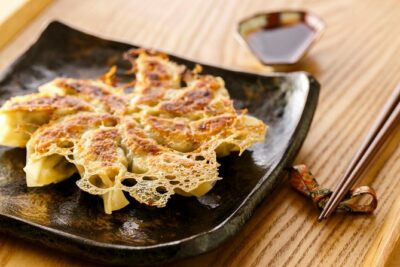
Ramen & Gyoza Cooking Class in Tokyo with Local Supermarket Visit
Read our review →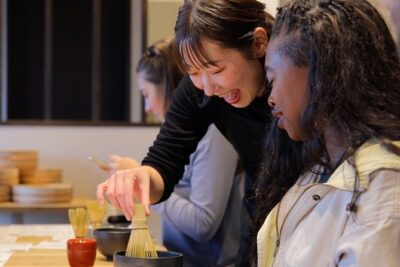
Matcha Making Class in Tokyo with Authentic Japanese Sweets Set
Read our review →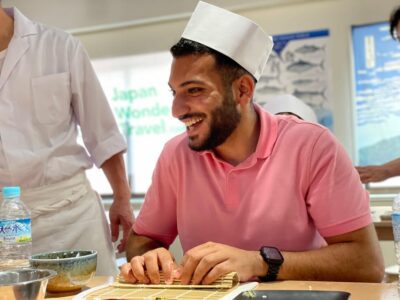
Tsukiji Fish Market Sushi Making Class with Pro Chef
Read our review →
Browse the lists this tour appears in