
Reviewed · TOKYO WALKING TOURS
Tokyo: Private Custom Walking Tour with Local Guide
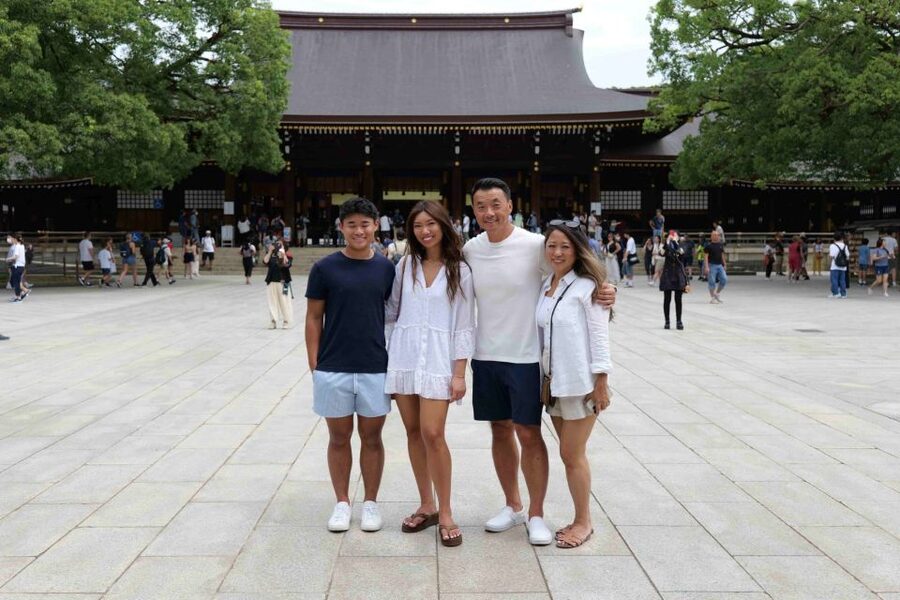
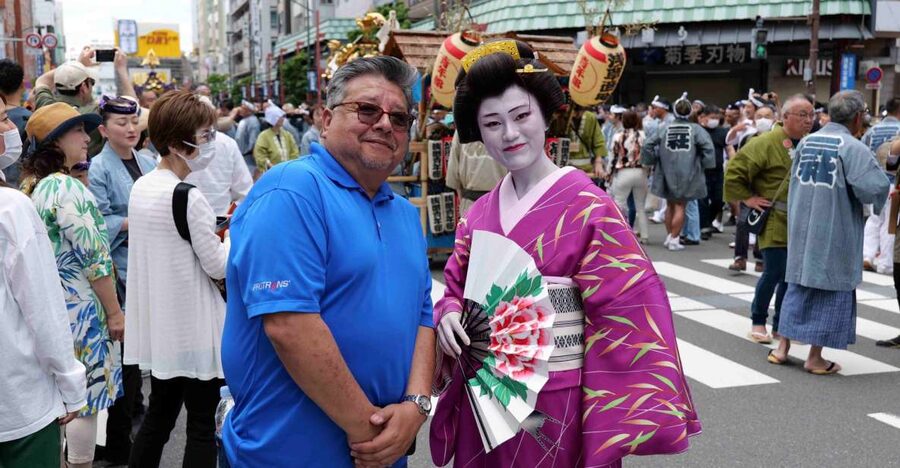
Tokyo is easiest to understand when someone shows you how its pieces fit together. This private walking tour lets you choose the mix: temples and gardens, neon districts, shopping, food, or simple help with the train system. Guides such as Francine, Karl, Enrique, and Albert have built routes around everything from Asakusa and Akihabara to Shibuya and Odaiba.
I like the full flexibility and the practical help. You can spend four hours on famous sights, or use eight hours to cross several parts of the city. I also like that the guide can teach you how to use public transport, find a Suica card, order food, and behave respectfully at shrines and temples.
The main catch is that this is a walking tour, and Tokyo can mean a lot of steps. The $53 per person price is attractive, but attraction tickets, meals, and drinks cost extra, and the final route depends on the guide and your advance planning.
Key points to know before booking
- Build your own route: Choose major sights, quieter neighborhoods, food stops, shopping, or transport practice.
- Use Tokyo’s trains with help: Guides have assisted with subway routes, JR passes, Suica cards, and station navigation.
- Expect a private experience: The tour is for your group, with a duration from two to eight hours.
- Hotel pickup is included in central Tokyo: If your hotel is outside the city center, you will meet at a practical central location.
- Ask for the right pace: Families, solo visitors, couples, and people with mobility concerns can discuss breaks and route changes in advance.
- Plan for extra costs: Food, drinks, and attraction tickets are not included, and most sightseeing is from the outside unless you arrange a museum or other visit ahead of time.
Why a private Tokyo orientation works
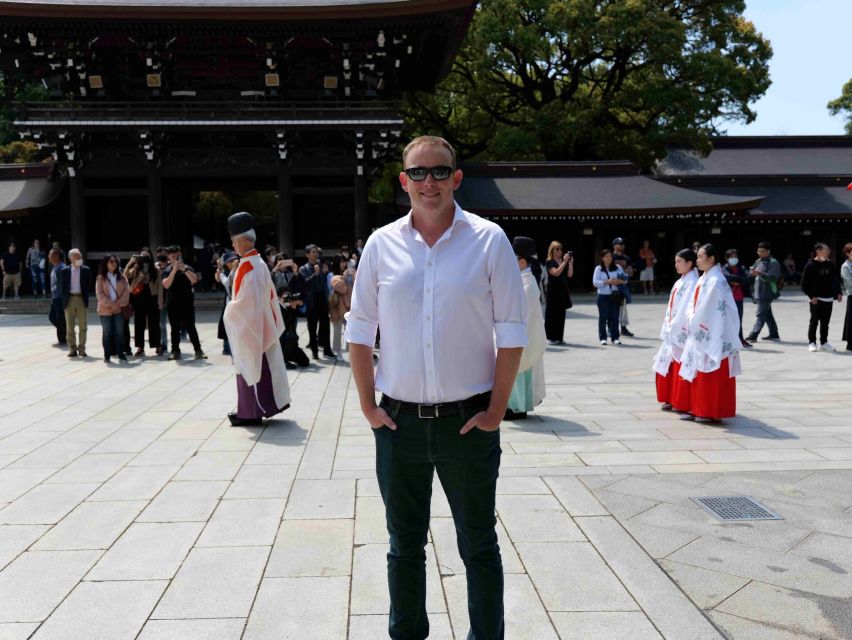
Tokyo can feel less like one city than several cities stitched together by rail. Asakusa has old temples and traditional streets. Shibuya runs on crossings, fashion, and bright signs. Marunouchi feels polished and businesslike, while Akihabara has its own pop-culture rhythm.
A standard group tour has to keep everyone moving. This one lets you decide what matters. You might want a quick introduction on your first morning, a full day of major sights, or a neighborhood tour built around food and shopping.
I see the biggest value in using the guide as a bridge into the rest of your trip. You are not just looking at Tokyo. You are learning how to move through it. Several guides have helped with train tickets, rail passes, Suica cards, station transfers, finding bathrooms, ordering meals, and choosing places to visit after the tour ends.
That practical training can save you time for the rest of your stay. Tokyo’s public transport is excellent, but its stations can be huge and confusing. A guide who walks you through the system on day one can make the rest of the city feel far less intimidating.
More Tokyo walking tours:
- Tokyo Tsukiji Fish Market Food and Culture Walking Tour
★ 5.0 · 3,184 reviews - Tokyo: Imperial Palace and Shogun Historical Walking Tour
★ 5.0 · 2,251 reviews - Tokyo: Shinjuku Local Bar and Izakaya Guided Walking Tour
★ 4.9 · 1,794 reviews
Choosing between two hours and eight
The tour can last from two to eight hours, so the duration matters more than the headline price. A two-hour session is best used for a small, focused area. You might cover a temple district, get a first look at Shibuya, or learn the basics of the metro.
A four-hour tour gives you room for two areas connected by train. One useful plan could combine Senso-ji and Asakusa with Tokyo Skytree views. Another could pair Shinjuku and Shibuya, with time for streets, buildings, and local advice.
An eight-hour day can cross several wards and include the city’s major contrasts. Guides have taken groups through three areas, combining history, shopping, special-interest stops, and public transport practice. One eight-hour outing included train help, attraction bookings, meal assistance, photographs, and extra stops added along the way.
Do not try to cram every famous Tokyo sight into two hours. The city is too spread out, and stations take time. I would choose one or two priorities for a short tour and reserve the full day for a broad introduction.
You should also be honest about your walking speed. One long outing reached roughly 23,000 steps. That can be a terrific day for an active visitor, but it is not a small amount of walking. Ask for regular breaks if needed, especially with children or anyone managing a medical issue.
Asakusa, Senso-ji, and Tokyo’s older face
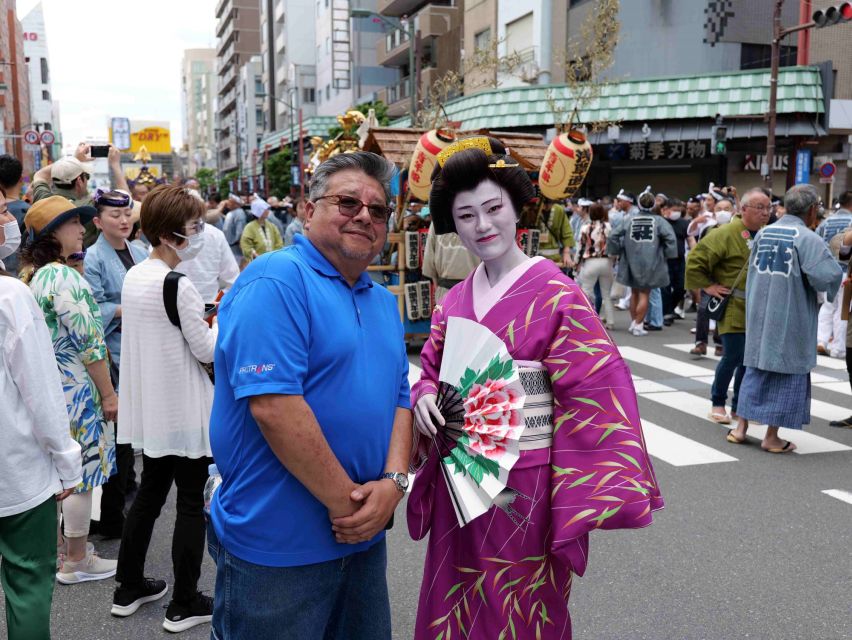
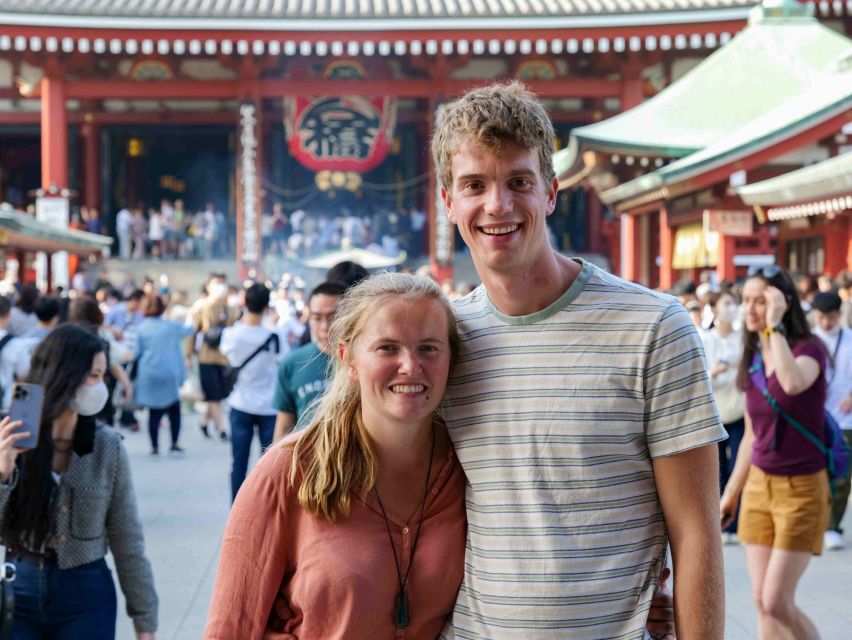
Asakusa is one of the most useful areas for a first look at traditional Tokyo. The district gives you temple grounds, older-looking streets, local treats, and views toward Tokyo Skytree. Senso-ji is a natural anchor, and a guide can explain how to enter shrines and temples respectfully.
That last point matters. Small customs can change the way you experience a sacred place. A guide can explain appropriate behavior without turning the visit into a lecture. You can also ask questions about everyday practice, festivals, and the difference between Shinto and Buddhist sites.
One guide took a family to a high viewing point above Senso-ji, offering a view over the temple and streets below. Another included snacks in Asakusa. These additions show why a private route can work better than a fixed checklist. You can pause for a treat, a photograph, or a quiet look at the district instead of being hurried to the next stop.
Asakusa can also be a good choice for families. It mixes open walking areas, food stops, and sights that are easy to understand at a glance. Still, crowds and pavement can make it tiring, so request breaks if your group needs them.
Imperial Palace Gardens and Marunouchi
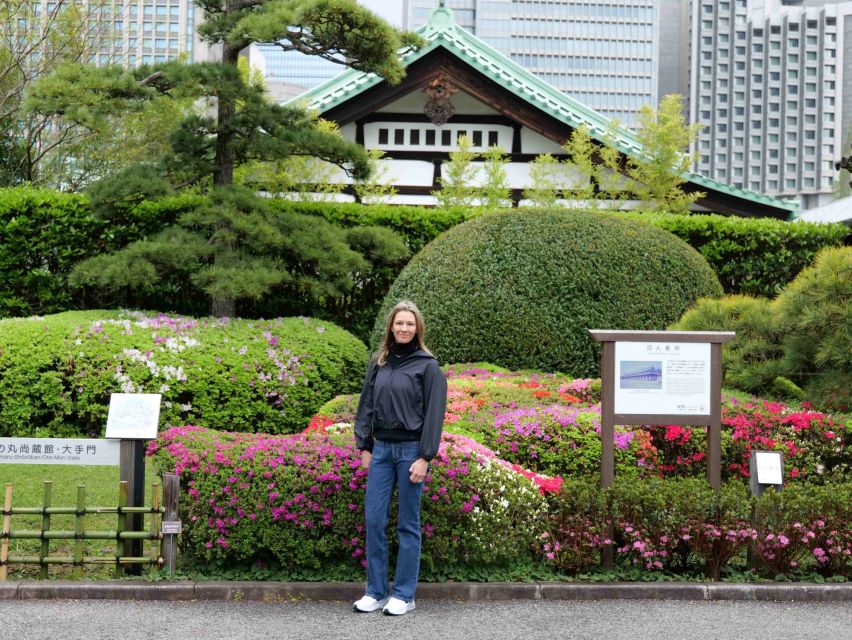
The Imperial Palace area gives you a different side of Tokyo. The gardens offer space and history, while Marunouchi presents broad streets, office towers, and a more formal city center.
A guide can help you connect these two sides instead of treating them as separate photo stops. You may learn how the palace grounds relate to modern Tokyo and then see how the surrounding business district functions today.
Season matters here. One winter outing included the palace gardens, and the visitor noted how appealing the area was even then, while wondering what it would look like in spring. The gardens are not a guaranteed part of your tour, so request them when arranging your route.
This area suits you if you want history without spending the whole day inside a museum. Keep in mind that the tour normally focuses on exterior sights. If you want to enter a museum or paid attraction, tell the provider in advance so the guide can adjust the plan and help with tickets.
A completely different kind of day in Tokyo:
- Mt Fuji and Hakone 1-Day Bus Tour Return by Bullet Train
★ 5.0 · 26,383 reviews - 1-Day Tokyo Bus Tour
★ 5.0 · 14,250 reviews - Tokyo: teamLab Planets TOKYO Digital Art Museum Entry Ticket
★ 4.6 · 9,779 reviews - Mt Fuji & Hakone Cruise, Drum Show Bullet Train 1 Day from Tokyo
★ 4.0 · 7,413 reviews
Shibuya and Shinjuku for modern Tokyo
Shibuya and Shinjuku are strong choices if you want contemporary Tokyo. They can offer famous streets, tall buildings, shopping, nightlife advice, and quieter corners tucked away from the main flow.
A guide has taken visitors through several parts of Shinjuku and Shibuya, mixing temples, major buildings, iconic sights, and calmer streets. That balance is useful. The headline attractions show you the Tokyo you expected, while the less obvious streets give you a better sense of how the districts fit together.
You can also use this part of the tour to ask for evening suggestions. One guide offered recommendations for bars, restaurants, and karaoke. Those suggestions are especially useful for solo visitors who want to go out but would rather not choose blindly from a crowded list.
A short two-hour tour can work here because both areas offer plenty to see in a compact plan. If you want shopping, food, viewpoints, and train practice in the same outing, allow more time.
Akihabara, Odaiba, and special interests
Your guide does not have to follow the classic temple and palace route. Akihabara has suited visitors interested in Japanese pop culture, electronics, and specialty shops. One solo visitor used the tour to explore Akihabara and Asakusa while also learning about Japanese customs and appropriate behavior.
Odaiba offers a quieter change of scene. A guide took one group to the marina, which provided a peaceful view of another side of Tokyo. This is a good example of why you should state your interests clearly. If you want water, open space, or a break from dense city streets, Odaiba may fit better than another central shopping district.
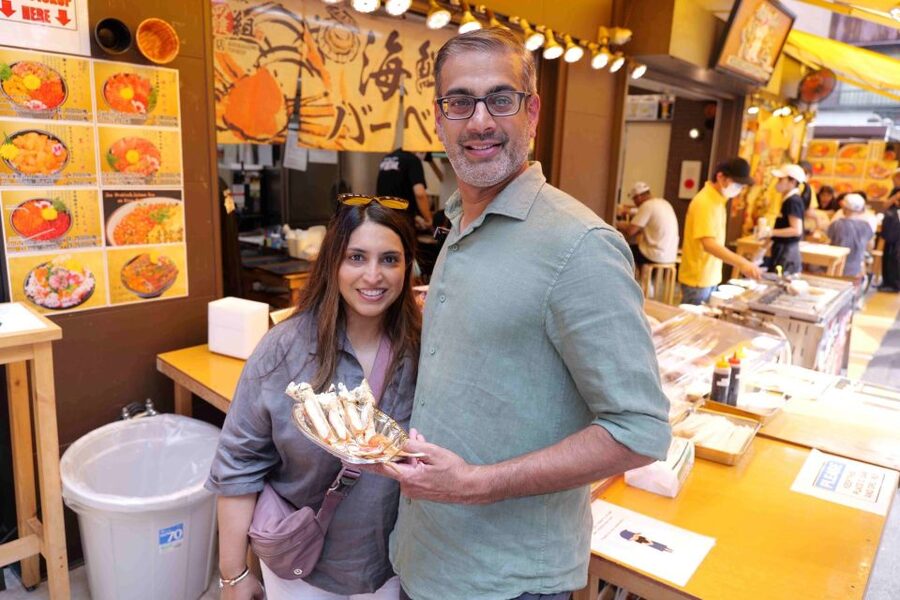
Other special-interest stops have included a Pokemon Mega Center and a behind-the-scenes look at the fish market. These are not automatic inclusions. Put specific requests in your pre-tour message, especially if your group includes teenagers, food fans, or serious shoppers.
Food planning can also be personal. One guide helped locate suitable food for a visitor with celiac disease. You should still explain dietary needs before the tour and confirm details directly, since food and drinks are not included.
The real benefit: learning Tokyo’s transport system
For many people, the trains are the strongest reason to book this experience. Tokyo’s network can look bewildering on a map, and a station transfer that seems simple may involve long corridors, different operators, or several levels.
Your guide can accompany you on public transport during the tour. Past routes have included help collecting JR rail passes, buying train tickets, locating a Suica card, and learning how to move through the system. You can ask the guide to end the tour at a different area from where it began, but request that in advance.
This turns sightseeing into useful practice. Instead of merely being carried from one attraction to another, you learn how to repeat the journey later. For a first visit, that can be worth more than one extra monument.
The tour normally uses walking and public transport. A different transport option may be available if selected, but the basic arrangement is not a private car tour. If you prefer minimal walking or need a particular transport setup, discuss it before booking.
Guides and the value of the personal match
The guide you receive will shape the day. Names praised for flexibility and city help include Francine, Karl, Enrique, Albert, Cristiano, Himena, Victor, Maria, Fabian, and Shaban.
Francine has prepared routes in advance while changing them during the day to match new interests. Karl has helped people understand modern Tokyo and use the metro, while Enrique has been especially useful for navigation and adapting schedules. Albert has worked well with families who needed regular breaks and small detours.
Cristiano has helped visitors collect rail passes and move around despite poor weather. Shaban has handled a long day with train tickets, attraction bookings, meal orders, photographs, and surprise stops. These examples suggest a practical way to choose: do not focus only on a list of sights. Tell the provider what kind of help you need.
Mention your age range, walking pace, food needs, interest in history, shopping plans, and comfort with public transport. A solo visitor may want conversation and evening tips. A family may need flexible timing. A couple may prefer gardens, food, and quieter neighborhoods.
The guides speak English, French, Italian, Japanese, Spanish, and Portuguese. A specific language or named guide may not always be available, so check before relying on it.
Price, tickets, and what you actually receive
The listed price is $53 per person, which is a reasonable entry point for a private service, especially if you use it for orientation rather than simple sightseeing. The value improves when the guide helps you master trains, saves you from wrong turns, and gives advice you can use for several more days.
Still, the price does not cover everything. Food, drinks, and attraction tickets are extra. The guide can help your group book desired visits, but you should plan for those costs separately.
You also need to compare the price with the length you choose. A two-hour tour may be enough for one district. A longer booking gives you more time and spreads the guide’s help across several neighborhoods, but it also demands more energy.
Hotel pickup is available when your accommodation is in Tokyo. If the hotel is outside the city center, you will be given a central meeting point. The tour may finish somewhere other than the starting point, which can be convenient if you want to continue sightseeing in another district.
The activity is wheelchair accessible, but a long route through stations and city streets still needs careful planning. Tell the provider about mobility needs before the day so the route can be adjusted.
Who should book this private walk
I would recommend it most strongly for first-time visitors who want a calm start. It is also a good fit for solo visitors, families, couples, and anyone who feels uneasy about Tokyo’s trains.
Families get control over breaks and detours. Solo visitors get company without joining a large group. Couples can build a route around food, neighborhoods, or architecture instead of following a standard sightseeing loop.
It is less suitable if you want a fully guided interior tour of several museums or attractions. The normal focus is walking, outside views, local explanation, and public transport. Paid entry is separate and needs advance planning.
I would also think twice before booking the longest version if your group dislikes walking. Tokyo rewards curiosity, but a full day can be physically demanding. A shorter, well-planned route is better than an ambitious itinerary that leaves everyone worn out.
Should you book it?
Book this tour if you want Tokyo to feel easier by the end of your first day. Ask for the areas you care about, and use the guide for more than photographs: learn the trains, ask about local manners, get food and neighborhood advice, and practice moving around the city.
The strongest plan is to send a clear wish list before meeting. Name your must-see sights, preferred pace, dietary needs, mobility concerns, and interest in museums or special stops. Choose two hours for a focused introduction, four hours for a useful city sampler, or eight hours for a broad day with several districts.
At $53 per person, it offers good value when the personal planning and transport help matter to you. It is not the right choice for a ticketed attraction package or a no-walking sightseeing ride. For a flexible introduction that keeps changing with your interests, I would book it.
FAQ
How long does the private Tokyo walking tour last?
You can choose a duration from two to eight hours. Starting times depend on availability.
Is hotel pickup included?
Hotel pickup is included when your accommodation is located in Tokyo. If your hotel is outside the city center, the provider selects a convenient central meeting point.
Can I choose the places I visit?
Yes. The tour is customizable, and the guide contacts you beforehand to discuss your preferences. You can request areas such as Asakusa, Shibuya, Shinjuku, Akihabara, Odaiba, or the Imperial Palace Gardens.
Are attraction tickets and food included?
No. Food, drinks, and attraction tickets are not included. The guide can help your group book tickets for desired visits if you arrange the request in advance.
Is public transport part of the tour?
Yes. The tour includes walking and public transport, except when you select a different transport option. Guides can help with train routes, JR rail passes, tickets, and Suica cards.
Which languages are available?
Live guides are available in English, French, Italian, Japanese, Spanish, and Portuguese. Availability of a particular language or guide should be checked when booking.
Newly reviewed around Tokyo
- Tokyo Asakusa:Calligraphy & Make T-shirt Activity★ 5.0 · 62 reviews
- Intercity Shuttle, Tokyo to Haneda /Narita /Yokohama /Makuhari★ 5.0 · 5 reviews
- 1 Hour Travel around Tokyo with a Professional Photographer★ 5.0 · 3 reviews
- Travel Tokyo with Your Own Personal Photographer★ 5.0 · 43 reviews
- Kickboxing & Body Training with EX-Pro Fighter★ 5.0 · 4 reviews
- Train in Samurai Swordsmanship and Defeat the Demon in Tokyo★ 5.0 · 5 reviews
- Shuttle Van 6hr Tokyo Tour to-and-from Tokyo, Yokohama and Narita★ 5.0 · 9 reviews
- Traditional Japanese Knife Sharpening Class★ 5.0 · 18 reviews
Tokyo Walking Tours, compared.
Tokyo Tsukiji Fish Market Food and Culture Walking Tour
Read our review →
Imperial Palace and Shogun Historical Walking Tour
Read our review →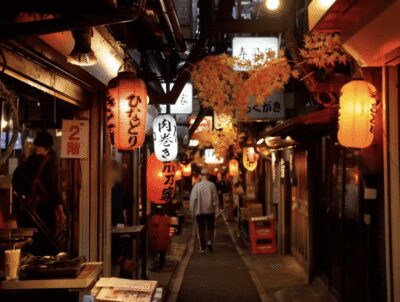
Shinjuku Local Bar and Izakaya Guided Walking Tour
Read our review →
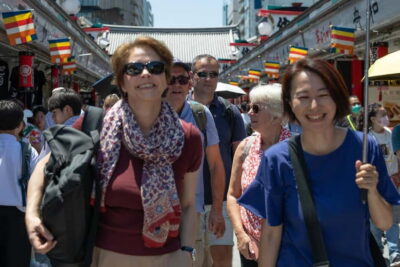
Asakusa Walking Tour with Sensoji Temple Visit
Read our review →
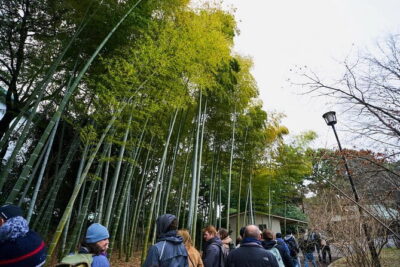
Tokyo Castle & Imperial PalaceーShogun Walking Tour
Read our review →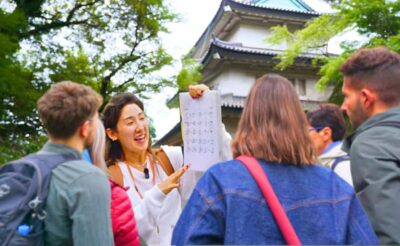
Browse the lists this tour appears in