
Reviewed · TOKYO TRADITIONAL CRAFT WORKSHOPS
Tokyo: Name Seal & Pouch or Tote Bag Making Experience
A Japanese name seal is a small souvenir with real cultural meaning. At Shodocafe7557 in Roppongi, you choose Kanji or Hiragana for your name, then watch a custom inkan take shape while an English-speaking host explains the characters and guides you through calligraphy.
I like the personal touch of having your name translated into auspicious Kanji, and I like that you leave with more than a stamp: you also receive a decorated pouch or tote. The main catch is time. A Kanji seal takes production time, and a busy session can take about 40 minutes per person.
Key points at a glance
- Kanji chosen for meaning and sound: Staff help match your name with attractive, favorable Japanese characters.
- Two useful souvenirs: Pick a 24-millimeter square Kanji seal or a 12-millimeter round Hiragana seal, plus a personalized pouch or tote.
- Calligraphy while you wait: Use the production time to practice writing your name and create a postcard with calligraphy art.
- Four Kanji bag designs: Choose Mt. Fuji, a pine tree, a floral leaf crest, or a maiko girl.
- Small English-speaking class: The group is limited to five people, with the activity taking 30 to 40 minutes.
- Easy Roppongi setting: The studio is on the second floor of the Crest Roppongi Building, near the National Art Center Tokyo.
A Japanese seal with your own name
In Japan, an inkan is not just a decorative stamp. Seal stamps are still used in business and daily life, which gives this short workshop a useful cultural angle. You are not simply buying a souvenir from a shop shelf. You are having one made around your own name.
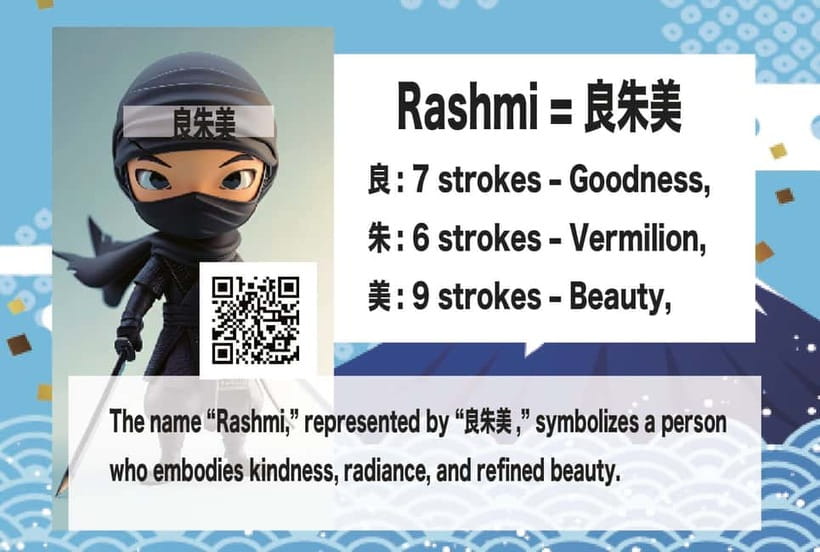
You can choose a name written in Kanji or Hiragana. The Kanji option is the more involved choice. Since foreign names do not always have a direct Japanese equivalent, the staff help select characters based on both sound and meaning. That makes the finished seal feel personal, though you should give your name and preferred design in advance so the studio has time to prepare.
The Kanji seal is square and measures 24 millimeters. The Hiragana version is round and measures 12 millimeters. If you want the clearest connection to traditional Japanese calligraphy and name seals, I would choose Kanji. If you prefer a simpler, more compact stamp, Hiragana may be the better fit.
The distinction also affects the design of your bag. With a Kanji seal, you can choose one of four images: Mt. Fuji, a pine tree, a floral leaf design known as Kiri-mon, or a maiko girl. These give the finished item a distinctly Japanese look without making it feel like a generic souvenir.
More Tokyo craft workshops:
- Tokyo Shinjuku Chopsticks Making Class
★ 5.0 · 1,763 reviews - Chopstick Making Workshop in Ginza
★ 4.8 · 1,366 reviews - Kintsugi Experience: Art of Golden Joinery in Tokyo
★ 5.0 · 467 reviews
What happens during the 30 to 40 minutes
The activity begins at RoppongiHanko, the studio listed as Shodocafe7557, Kanji and Calligraphy Tokyo. This is a compact class rather than a long sightseeing outing, so you should arrive ready to make choices quickly.
First, you provide the names for everyone taking part and choose the seal type. For a Kanji seal, you also need to select the bag design and pouch color ahead of time. The staff then work through the name translation and production details with you.
While the custom seal is being made, you can practice Japanese calligraphy. This is an important part of the value. Instead of sitting idle while the stamp is produced, you have something creative to do, and you get a little insight into how Japanese characters are formed.
The staff can explain what the selected characters mean. That explanation matters because a Kanji translation can be attractive on the page, but its meaning is what gives it character. You can also design a personalized postcard with calligraphy art while you wait.
The class returns to its starting point, with no walking between several stops. That makes it easy to fit into a Roppongi afternoon, especially if you are visiting the National Art Center Tokyo nearby. The session is advertised at 30 to 40 minutes, but the studio notes that production can take longer when many people are present. Allow extra time if you have a tight dinner reservation or a timed museum entry.
Choosing between the pouch and tote bag
The pouch is the more compact option. You can choose gold or silver, then have your name added in Kanji or Hiragana. It is a practical place for small items, and its modest size makes it easy to pack.
The tote bag gives you more room for decoration. Your name and up to three decorations are included, with cherry blossoms and stars among the available choices. If you want more than three decorations, an additional charge applies.
The pouch and tote suit different kinds of souvenir hunters. I would pick the pouch if you want something small, tidy, and easy to carry home. The tote makes more sense if you want a larger item that you can keep using after Japan.
For the Kanji version, the four main bag images create different moods:
- Mt. Fuji: A simple symbol of Japan and an easy choice for a classic design.
- Pine tree: Matsu has traditional associations and gives the item a calm, formal look.
- Floral leaf, or Kiri-mon: This crest-style image feels more decorative and distinctly Japanese.
- Maiko girl: A playful choice connected with traditional Japanese dress and performance.
The tote allows up to three extra decorations, such as cherry blossoms or stars. Think about the overall design before adding every available feature. A name, a main image, and a few small details can look cleaner than a crowded bag.
Why the calligraphy portion matters
The calligraphy practice is more than a way to fill time. It gives you a brief introduction to the visual structure of Japanese writing. You can try writing your name, receive encouragement from the host, and take home a postcard connected to the session.
This part is especially useful for families. Children can make marks and see how a name changes when written in Japanese characters, while adults get a quieter cultural activity than the usual photo stop. Several families have used the short class as a shared activity, and the personalized stamp and bag can become keepsakes for children rather than items that disappear in a suitcase.
The teaching style appears to be warm and patient. The English-speaking host explains the character meanings and helps participants practice. You should not expect a formal language lesson or a long calligraphy course. Instead, think of it as a friendly introduction with a finished souvenir at the end.
Small extras may also be offered during the visit, including drinks and additional little gifts. These are pleasant touches, but I would judge the experience mainly by the custom seal, bag, and time with calligraphy rather than by extras that may vary.
A completely different kind of day in Tokyo:
- Mt Fuji and Hakone 1-Day Bus Tour Return by Bullet Train
★ 5.0 · 26,383 reviews - 1-Day Tokyo Bus Tour
★ 5.0 · 14,250 reviews - Tokyo: teamLab Planets TOKYO Digital Art Museum Entry Ticket
★ 4.6 · 9,779 reviews - Mt Fuji & Hakone Cruise, Drum Show Bullet Train 1 Day from Tokyo
★ 4.0 · 7,413 reviews
Roppongi location and finding the studio
The studio is at 7-9-3 Roppongi, Minato-ku, Tokyo, on the second floor of the Crest Roppongi Building. It is near the National Art Center Tokyo.
By train, take the Toei Oedo Line to Roppongi Station and use Exit 7. After leaving the station, cross toward FamilyMart and keep to the right. Walk toward the National Art Center Tokyo along the museum street. The studio is marked by a large crane sign on the left side.
Google Maps is the safest way to confirm the route. Searching for RoppongiHanko or Shodocafe7557 should help you locate the studio. If you take a taxi, show the driver the address and mention Shodocafe7557 in the Crest Roppongi Building near the National Art Center Tokyo.
This location works well as part of a museum day, but do not assume the studio is inside the museum area. Give yourself time to find the building and reach the second floor. Roppongi streets can be confusing, and a few extra minutes will make the appointment less hurried.
The price and what you actually receive
At $29 per person, this is not the cheapest quick activity in Tokyo, but the value is reasonable because the price covers several personalized elements. You receive a custom name seal, a name pouch or tote, Japanese name translation, and the short calligraphy component.
The strongest value comes from personalization. A mass-produced fan or key ring may be attractive, but it does not explain anything about you. Here, the Kanji selection relates to your name, the bag design is chosen by you, and the stamp is made for your order.
The price also works better for families and couples who want a shared activity. Each person gets an individual name item, while the calligraphy practice gives you something to do together. If you only want a basic souvenir and are not interested in making it, you can probably spend less elsewhere.
There are a few possible extra costs. Delivery outside Japan is not included, and another stamp material is not included. A tote with more than three decorations costs extra. The activity description does not list a price for those additions, so ask the studio before confirming extras.
Who will enjoy this most
I would recommend this experience to you if you want a souvenir with a story behind it. It is also a good choice for families, couples, and small groups who prefer making something together instead of simply shopping.
It suits first-time visitors who want a gentle introduction to Japanese writing. You do not need previous calligraphy experience, and the class is conducted in English. The small group limit of five participants should make the instruction easier to follow than in a large workshop.
The activity is also useful for rainy weather. It takes place indoors, lasts less than an hour, and can fit between other Roppongi plans. Wheelchair access is available, though the provided information does not give further details about the building entrance or restroom setup. If you need specific accessibility arrangements, contact the provider before booking.
This is less suitable if you are looking for a long cultural class. The session is short, and the central goal is a finished seal and bag. You will learn something, but you will not spend several hours studying brush control or Japanese language.
Booking details that can save you trouble
Give the studio your name, preferred seal type, design, and pouch color in advance. This is particularly important for a Kanji seal because the name translation and production take time.
For a pouch, choose gold or silver. For a tote, decide on your name style and up to three decorations. If you are booking for several people, provide everyone’s names rather than leaving the studio to collect them one by one.
The group is limited to five participants, and the guide speaks English. Smoking is not allowed. The activity offers free cancellation up to 24 hours before the scheduled time, with a full refund, and you can reserve now and pay later.
Because production time can increase when several people attend, avoid placing this directly before a nonflexible booking. I would allow at least an hour around the class once you include finding the building, settling in, and collecting your finished items.
My take on the souvenir quality
The best part of this activity is that the finished items connect three things: your name, Japanese writing, and a design you select. That combination gives the souvenir more staying power than a quick retail purchase.
The stamp is likely to be the most meaningful item because it reflects the traditional role of inkan in Japan. The pouch or tote is more practical, and the postcard adds a small record of your calligraphy practice.
The design choices are limited, but that is not necessarily a weakness. Four Kanji images keep the decision simple, while the tote decorations provide some freedom. You can make a personal item without having to design every detail from scratch.
The main limitation is that the experience depends on the production schedule. You may spend part of the session waiting for the seal to be finished. The calligraphy and postcard activities help, but anyone expecting nonstop instruction should set expectations accordingly.
Should you book this Roppongi workshop?
Book it if you want a small, personal souvenir and a relaxed introduction to Japanese calligraphy. The $29 price is fair for a custom seal, a personalized pouch or tote, name translation, calligraphy practice, and a postcard.
I would especially choose it for a family afternoon, a rainy day, or a final Tokyo souvenir that feels connected to your own trip. Prepare your name and design choices before arriving, and leave enough time for production.
Skip it if you only want sightseeing or a long, serious calligraphy lesson. For everyone else, this is a friendly, compact activity with a useful end product and a clear cultural connection.
FAQ
Where does the name seal and bag experience take place?
It takes place at RoppongiHanko, also identified as Shodocafe7557, in the Crest Roppongi Building, 2F, at 7-9-3 Roppongi, Minato-ku, Tokyo.
How long does the activity last?
The scheduled duration is 30 to 40 minutes. The studio notes that production may take longer when many people attend, with about 40 minutes per person in busy conditions.
What types of name seals can I choose?
You can choose a square 24-millimeter seal with Kanji or a round 12-millimeter seal with Hiragana.
Can the staff translate my name into Kanji?
Yes. Staff translate your name into Japanese Kanji characters and help choose characters based on the sound and meaning of your name.
What designs are available for a Kanji seal?
You can choose Mt. Fuji, a pine tree, a floral leaf design called Kiri-mon, or a maiko girl.
Can I choose a pouch color?
Yes. The custom pouch is available in gold or silver. You should provide your preferred color before your visit.
What can I add to the tote bag?
Your name and up to three decorations are included. Cherry blossoms and stars are among the decoration choices. More than three decorations cost extra.
Is the activity conducted in English?
Yes. The activity includes a live English-speaking guide, and the group is limited to five participants.
Newly reviewed around Tokyo
- Tokyo Asakusa:Calligraphy & Make T-shirt Activity★ 5.0 · 62 reviews
- Intercity Shuttle, Tokyo to Haneda /Narita /Yokohama /Makuhari★ 5.0 · 5 reviews
- 1 Hour Travel around Tokyo with a Professional Photographer★ 5.0 · 3 reviews
- Travel Tokyo with Your Own Personal Photographer★ 5.0 · 43 reviews
- Train in Samurai Swordsmanship and Defeat the Demon in Tokyo★ 5.0 · 5 reviews
- Shuttle Van 6hr Tokyo Tour to-and-from Tokyo, Yokohama and Narita★ 5.0 · 9 reviews
- Kickboxing & Body Training with EX-Pro Fighter★ 5.0 · 4 reviews
- Traditional Japanese Knife Sharpening Class★ 5.0 · 18 reviews
Tokyo Traditional Craft Workshops, compared.
Kintsugi Experience: Art of Golden Joinery in Tokyo
Read our review →
Authentic Pure Gold Kintsugi Workshop with Master Taku in Tokyo
Read our review →
Private Handmade Ring Workshop Activity in Tokyo Shibuya
Read our review →
Browse the lists this tour appears in