
Reviewed · TOKYO WALKING TOURS
Tokyo Must-See Attractions Private Walking Tour With A Guide
Tokyo is a city where a short walk can take you from an old temple courtyard to neon arcades, luxury shops, fish stalls, or a futuristic waterfront. This private walking tour gives you a local guide to help connect those pieces, with stops that can include Senso-ji, Meiji Shrine, Akihabara, Tsukiji, Ginza, Ueno Park, Odaiba, and Tokyo Skytree.
I like two things right away: you can shape the route around your interests, and you get practical advice for the rest of your stay. A guide can explain what you are seeing instead of leaving you to guess, and the private format means you are not tied to a large group’s pace. Guide Albert has been praised for strong preparation and making good use of limited time.
The main consideration is time. The advertised duration ranges from two to eight hours, while each listed stop is shown as a short 15-minute visit. You will need to agree on priorities before setting out, since seeing all nine areas in depth would require a long day and careful use of public transport.
Key points to know before booking
- Private route from two to eight hours: Choose a short orientation walk or a fuller day built around your interests.
- Nine very different Tokyo stops: The route can cover temples, markets, shopping streets, pop culture, parks, and waterfront views.
- Hotel pickup in central Tokyo: The guide can meet you at a centrally located hotel, with another meeting point suggested if you stay outside the city.
- Useful for first-day planning: Ask for advice on food, neighborhoods, and places to visit after the tour ends.
- Public transport and walking form the core: This is not a chauffeur-driven sightseeing tour, and attraction tickets, food, and drinks cost extra.
- Several guide languages are available: English, French, Italian, Spanish, Japanese, and Portuguese are listed.
Tokyo in one private walk
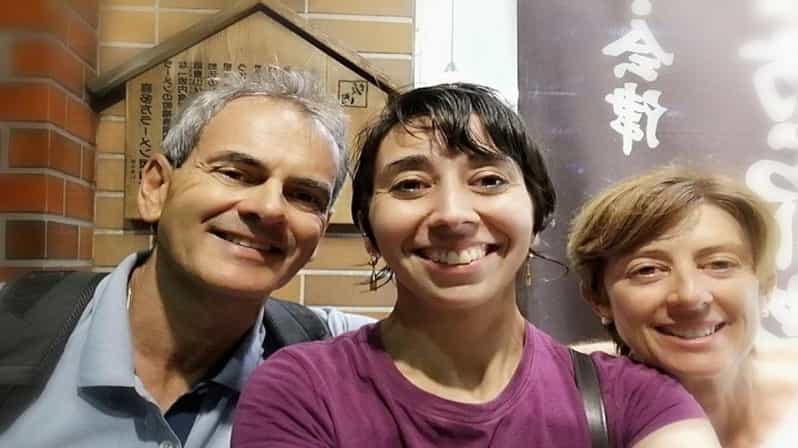
The best reason to book this experience is not simply the number of sights. It is the chance to make sense of Tokyo’s scale.
A first visit can feel like a string of disconnected neighborhoods. Senso-ji belongs to old Asakusa. Akihabara is all manga, games, and electronics. Ginza brings polished department stores and high-end shopping. Tsukiji focuses on food. Odaiba looks toward the future. A private guide can help you see how these places differ and can steer the conversation toward the parts of Tokyo you care about.
You might want temples and traditional customs. You might prefer food and markets. You may be traveling with children who would rather see Akihabara than another shrine. The flexible setup is built for those choices.
The tour costs $63 per person. That is a fair price if you use the guide for orientation, local advice, and route planning rather than treating the experience as a simple series of photo stops. Since it is a private group, the value improves when two or more people share the booking. A solo visitor pays more per person but gets the full attention of the guide.
More Tokyo walking tours:
- Tokyo Tsukiji Fish Market Food and Culture Walking Tour
★ 5.0 · 3,184 reviews - Tokyo: Imperial Palace and Shogun Historical Walking Tour
★ 5.0 · 2,251 reviews - Tokyo: Shinjuku Local Bar and Izakaya Guided Walking Tour
★ 4.9 · 1,794 reviews
What the two to eight hours really means
A two-hour booking is best treated as a focused introduction. Pick one area, or perhaps two nearby sights, and use the time to learn how Tokyo works. A longer booking gives you room to connect several districts, but you should still avoid trying to check every box.
The schedule lists 15 minutes at each stop. That is enough for a photo, a quick explanation, and a look around. It is not enough for a full museum visit, a long shopping session, a proper market meal, or a slow temple visit with time for every detail.
I would choose your top three interests before the guide arrives. Then keep a second list in case time and transport allow more. For example:
- Traditional Tokyo: Senso-ji, Meiji Shrine, and Ueno Park
- Food and shopping: Tsukiji Outer Market, Ginza, and possibly Akihabara
- Modern city views: Tokyo Skytree, Odaiba, and Ginza
- Pop culture and local orientation: Akihabara, Senso-ji, and Tsukiji
This approach protects you from spending the whole day crossing the city. Tokyo’s districts are spread out, and the tour is based on walking and public transport rather than private car travel.
Senso-ji and Meiji Shrine: two very different views of tradition
Senso-ji Temple in Asakusa is one of the clearest places to begin understanding old Tokyo. The temple visit gives your guide a chance to explain the setting, customs, and meaning behind what you see. A short stop can cover the main approach and temple area, but you should not expect an unhurried religious visit in only 15 minutes.
Meiji Shrine offers a different mood. Its setting is tied to a broad wooded approach and modern Japanese history, while Senso-ji feels more closely linked to Asakusa’s old-town character. Seeing both in one tour helps you avoid treating every shrine and temple as the same type of sight.
Ask the guide how to behave at each site and what details deserve your attention. That sort of context is one of the stronger reasons to choose a private guide. You can ask follow-up questions on the spot instead of saving them for later.
The tradeoff is that neither stop is likely to be fully explored during a short booking. If these are your main reasons for coming, tell the guide at the start and give them more time than the standard 15-minute outline suggests.
Tsukiji Outer Market for food and street life
Tsukiji Outer Market is a useful choice if you want Tokyo to make sense through food. You can look for fresh seafood and market stalls, and the guide can help explain what you are seeing. The experience is more about the market’s working food culture than a formal attraction with a fixed route.
Food and drinks are not included, so budget separately if you plan to sample something. That is actually helpful here because you can choose what interests you instead of paying for a set tasting program.
A guide also helps with the practical side of a market visit. You can ask what is worth trying, how much time to spend, and which nearby areas fit your plans. Keep in mind that a 15-minute stop allows for a quick look and perhaps a small purchase, not a relaxed market meal.
If food is your main goal, make Tsukiji a central part of the booking and reduce the number of distant stops. That will give you a more useful visit than rushing through the market on the way to several landmarks.
A completely different kind of day in Tokyo:
- Mt Fuji and Hakone 1-Day Bus Tour Return by Bullet Train
★ 5.0 · 26,383 reviews - 1-Day Tokyo Bus Tour
★ 5.0 · 14,250 reviews - Tokyo: teamLab Planets TOKYO Digital Art Museum Entry Ticket
★ 4.6 · 9,779 reviews - Mt Fuji & Hakone Cruise, Drum Show Bullet Train 1 Day from Tokyo
★ 4.0 · 7,413 reviews
Akihabara brings out Tokyo’s playful side
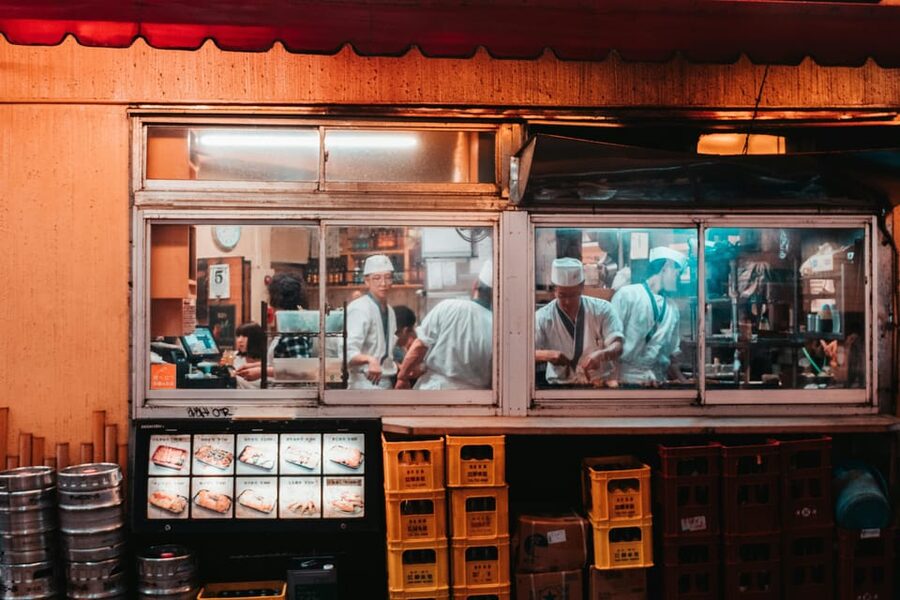
Akihabara is the stop to choose if you want Tokyo’s modern pop culture and electronics scene. It gives the tour a sharp change of tone after the temples and market. A guide can help you understand the area’s appeal and point out the parts that match your interests.
The 15-minute format is enough for an introduction and photographs, but not for serious shopping. If you want time in stores, arcades, or specialist venues, ask for a longer stop and accept that another district may need to be removed.
This is also a good area to mention before booking if you have a very specific interest. The activity promises customization, but it does not promise entry to any particular venue. Attraction tickets are not included, and the provider can help book desired visits, so ask in advance if you want more than an outside look.
Ginza shows Tokyo’s polished face
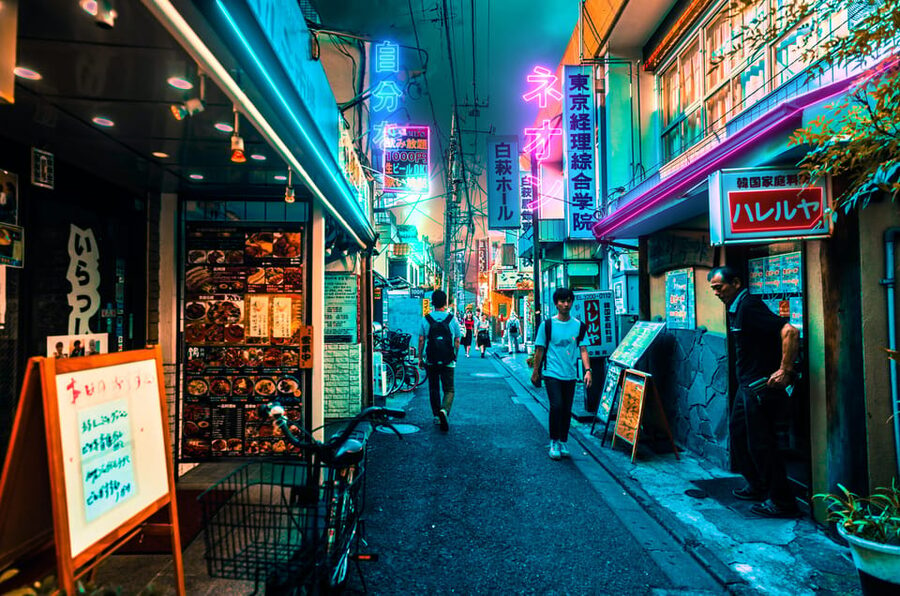
Ginza is useful for understanding Tokyo’s upscale shopping and commercial side. Its broad streets and refined storefronts create a different experience from Asakusa or Akihabara. If you like design, department stores, fashion, or city photography, this can be a worthwhile part of the route.
Do not expect a 15-minute stop to cover Ginza in detail. It works best as a short orientation, especially if you want your guide to explain where to return later. If shopping is part of your plan, treat the tour as a scouting visit and come back on your own.
Ginza also makes sense for visitors who want a central starting point. Your guide can help you connect it with other parts of the city, but moving between distant areas takes time. The private format helps here because you can adjust the plan instead of waiting for a whole group.
Ueno Park gives the tour breathing room
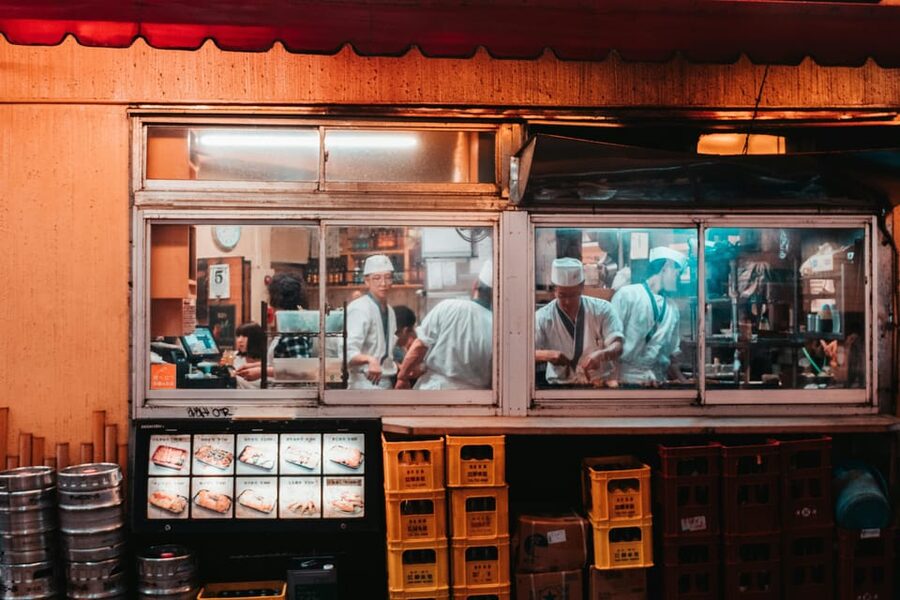
Ueno Park offers a break from Tokyo’s dense streets and a chance to add green space to the day. During cherry blossom season, it can be especially appealing. The tour can include a walk and photo stop, with your guide explaining the area and helping you decide if it deserves more of your schedule.
If you want museums, allow extra time. Entry to museums and monuments is not included, and the short visit listed for the park is not designed for a full cultural afternoon.
Ueno is a sensible choice for families, photography fans, and anyone who wants a less commercial side of the city. It also pairs well with a shorter tour because you can enjoy a simple walk without needing to buy an attraction ticket.
Tokyo Skytree and Odaiba for modern views
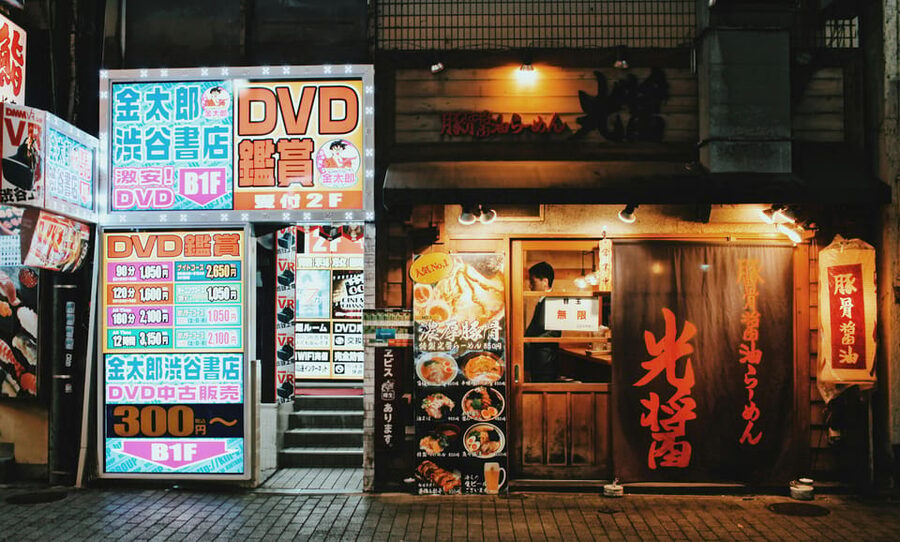
Tokyo Skytree gives you a chance to discuss the city from above and take photographs around one of its best-known modern landmarks. The listed experience does not include attraction tickets, so going up the tower would cost extra. You can still use the stop for an exterior visit and local commentary, but confirm the plan if the observation decks are important to you.
Odaiba offers a different modern setting, with futuristic architecture, waterfront views, and a sense of Tokyo looking ahead. It is farther from several central districts, so it can consume a fair part of a short tour. I would include it only if the waterfront is one of your priorities.
These two stops are easy to pair in concept, but not necessarily in a short schedule. A guide can help you judge if the views are worth the transport time for your particular day.
What your guide adds to the day
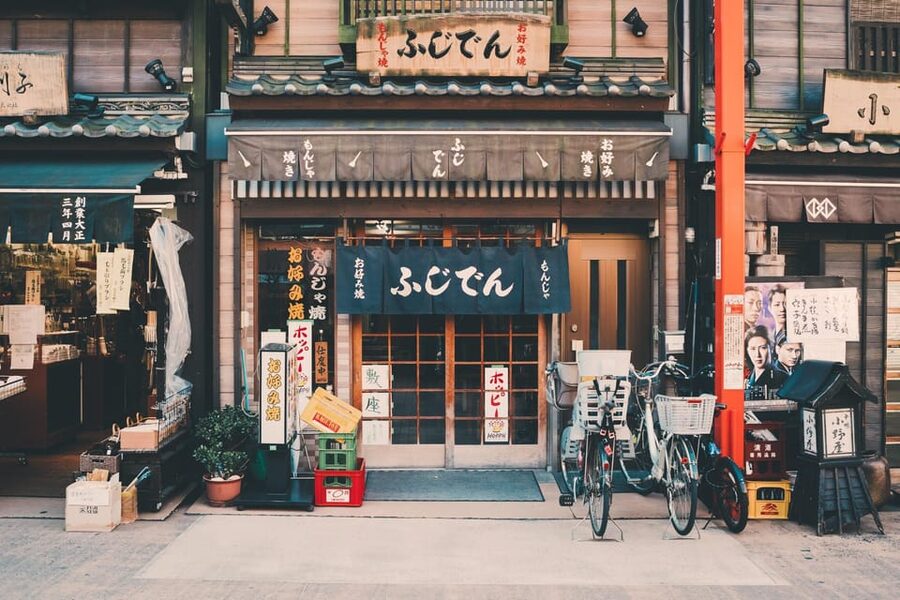
The guide is the heart of this experience. A private guide can adjust the conversation, answer questions, and offer advice for the rest of your visit. That matters in Tokyo, where a useful recommendation can save you a long trip across town or help you choose among many similar-looking options.
Albert received particularly strong praise for being professional, well prepared, and careful with time. He is not necessarily the person assigned to every booking, so treat his name as a helpful reference rather than a guarantee. The listed guide languages include English, French, Italian, Spanish, Japanese, and Portuguese.
One French-speaking customer described the tour as a good way to start a Tokyo stay, with a friendly guide and several famous places included. That is exactly where this experience makes the most sense: early in your trip, when you still need a map in your head and practical suggestions for later days.
Ask your guide for advice on what to do after the tour. The activity specifically includes help with other city plans and assistance booking desired visits. Since tickets are not included, clarify any booking help and extra costs before committing to a particular attraction.
Transport, tickets, and the small print that affects value
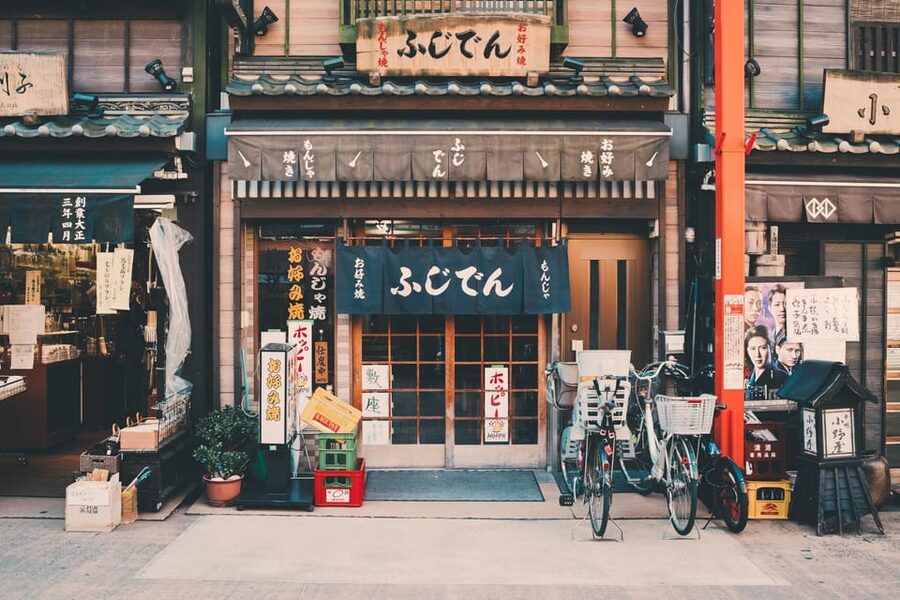
The tour includes walking and public transport in its standard format, while private car transportation is not included. The supplied details also say local transportation around the city is not included, so you should confirm exactly which fares are covered when you book. This is worth checking because a route that jumps between Ueno, Odaiba, Ginza, and Tokyo Skytree may involve several rides.
Hotel pickup is available from centrally located accommodation. If your hotel is outside the city, the provider will suggest a central meeting point. That makes the starting arrangement flexible, but it also means the tour does not remove every transport decision from your day.
Entry fees, museum and monument admission, food, drinks, and attraction tickets are extra. The provider can help book tickets for visits you request, but the cost of those tickets remains separate.
You can cancel up to 24 hours before the tour for a full refund, and you can reserve now and pay later. Those policies are useful if your Tokyo schedule is still changing, but they do not change the need to plan your preferred route.
Who should book this Tokyo experience
I would recommend this tour most strongly to first-time Tokyo visitors who want a quick introduction without joining a large group. It also suits couples, families, and small private parties with different interests, since the route can be adjusted.
It is a good match if you want:
- A local introduction on your first or second day
- Help choosing between Tokyo’s many neighborhoods
- A private pace and the ability to ask questions
- A mix of old temples, food, shopping, pop culture, and modern sights
- Advice for planning the rest of your stay
I would be more cautious if you want long visits inside museums, extensive shopping time, or a full meal at Tsukiji. The short stop structure favors orientation over detailed sightseeing. You should also be ready to walk and use public transportation rather than expecting door-to-door driving.
My verdict on the $63 price
At $63 per person, this tour offers solid value when you use it as a private introduction to Tokyo. You are paying for flexibility, a guide’s time, hotel pickup when applicable, and help making sense of a city that can be hard to organize on your own.
The value is weaker if you simply want a quick photograph at each landmark. Several locations are far apart, and short stops can feel rushed if you try to include everything. A focused two to four-hour route may give you more than an ambitious checklist spread across the whole city.
I would book it early in a Tokyo stay and choose three main areas. Put Tsukiji first if food matters, Senso-ji and Meiji Shrine first if culture matters, or Akihabara and Skytree first if modern Tokyo is your priority. Tell the guide what you do not want, too. Private time is wasted just as easily by unwanted stops as by poor route planning.
Should you book it?
Book this tour if you want a private Tokyo orientation, useful local advice, and the freedom to build the day around your interests. The strongest points are the one-to-one format, the broad choice of neighborhoods, and the chance to ask practical questions as you go.
Skip it if you prefer to explore slowly on your own, spend hours inside attractions, or avoid public transport. For everyone else, especially a first-time visitor arriving with a long wish list, a carefully focused route can make the $63 price worthwhile. Choose fewer stops, ask about transport costs, and use the guide’s advice to plan the rest of your Tokyo stay.
FAQ
How long does the private Tokyo tour last?
The tour duration ranges from two to eight hours. You should check available starting times and choose a length that matches the number of areas you want to visit.
Can the tour be customized?
Yes. The experience is private and customizable, so you can request the sights and areas that interest you. Discuss your priorities with the guide at the start.
Which Tokyo sights can be included?
Possible stops include Ueno Park, Odaiba, Ginza, Tokyo Skytree, Akihabara, Meiji Shrine, Senso-ji Temple, and Tsukiji Outer Market.
Is hotel pickup available?
Yes. The guide can meet you at a centrally located hotel. If your accommodation is outside the city, the provider will suggest a central meeting point.
Are attraction tickets and food included?
No. Entry to monuments and museums, attraction tickets, food, and drinks are not included. The provider can help book tickets for visits you want.
Which languages are available for the guide?
Guides are listed as available in English, French, Italian, Spanish, Japanese, and Portuguese.
Newly reviewed around Tokyo
- Tokyo Asakusa:Calligraphy & Make T-shirt Activity★ 5.0 · 62 reviews
- Intercity Shuttle, Tokyo to Haneda /Narita /Yokohama /Makuhari★ 5.0 · 5 reviews
- 1 Hour Travel around Tokyo with a Professional Photographer★ 5.0 · 3 reviews
- Travel Tokyo with Your Own Personal Photographer★ 5.0 · 43 reviews
- Train in Samurai Swordsmanship and Defeat the Demon in Tokyo★ 5.0 · 5 reviews
- Shuttle Van 6hr Tokyo Tour to-and-from Tokyo, Yokohama and Narita★ 5.0 · 9 reviews
- Kickboxing & Body Training with EX-Pro Fighter★ 5.0 · 4 reviews
- Traditional Japanese Knife Sharpening Class★ 5.0 · 18 reviews
Tokyo Walking Tours, compared.
Tokyo Tsukiji Fish Market Food and Culture Walking Tour
Read our review →
Imperial Palace and Shogun Historical Walking Tour
Read our review →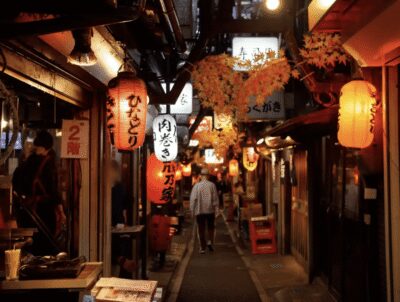
Shinjuku Local Bar and Izakaya Guided Walking Tour
Read our review →
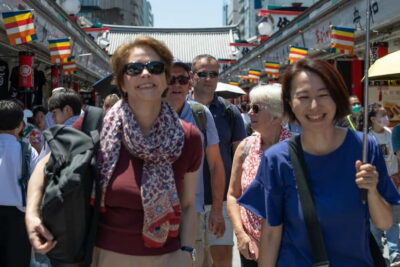
Asakusa Walking Tour with Sensoji Temple Visit
Read our review →
Tokyo Castle & Imperial PalaceーShogun Walking Tour
Read our review →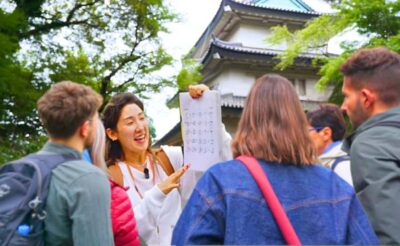
Browse the lists this tour appears in