
Reviewed · TOKYO COOKING CLASSES
Tokyo: Mochi-Making Class in a Private Studio
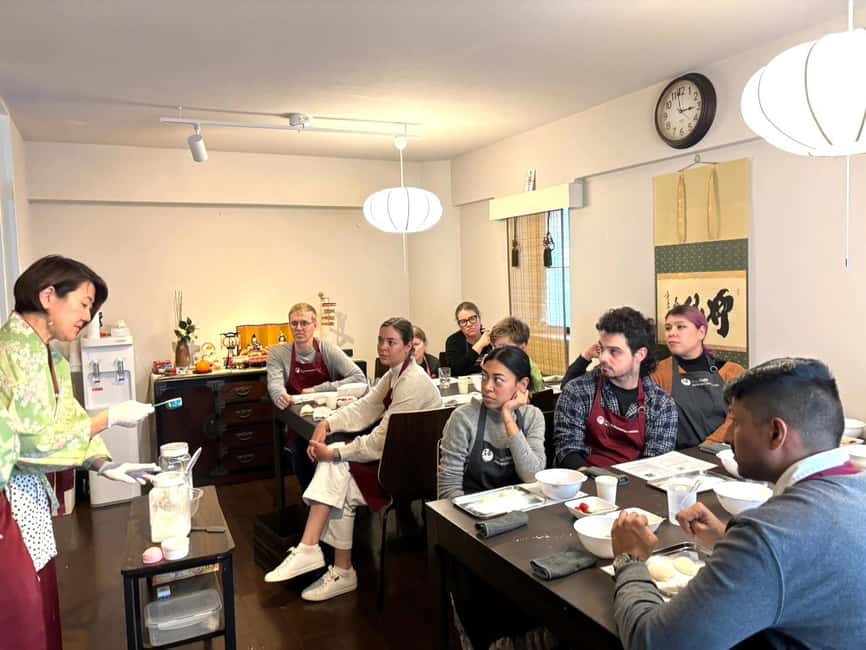
Mochi looks simple, but its soft, stretchy dough takes practice. In this two-hour class, you make five kinds of mochi dishes from scratch, shape them by hand, and eat them with green tea. The class also explains why mochi matters in Japanese food and celebrations, so it is more than a dessert lesson.
I like the small group of up to eight people, which gives you room to ask questions and work at your own pace. I also like the personal touches reported by guests, including Owa’s calligraphy and Michiko’s warm conversation about why each person came to Japan. The main consideration is access: the studio is not suitable for wheelchair users, and you must find your own way there.
Key points to know before booking
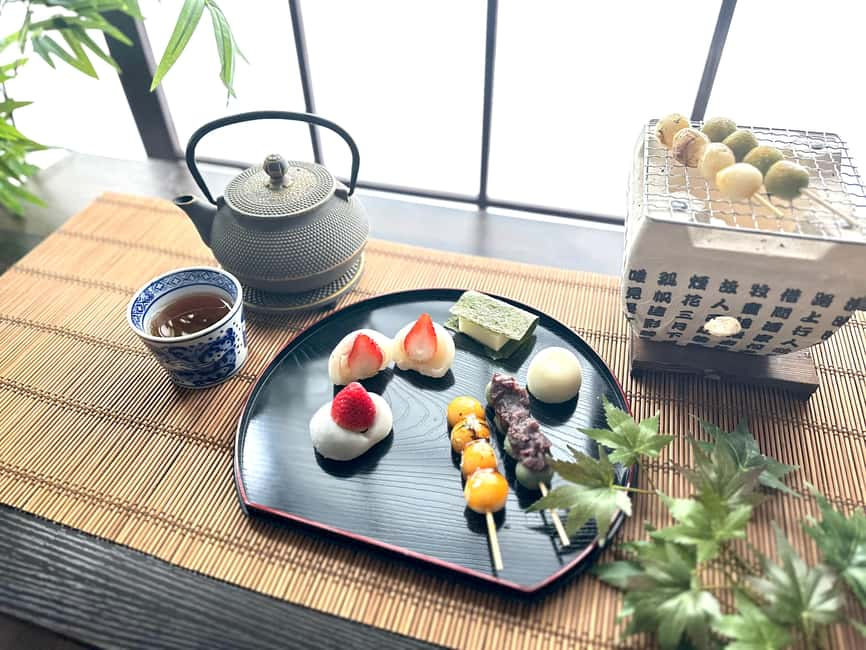
- Five mochi dishes in two hours: You will touch, shape, prepare, and taste several styles rather than watch a single demonstration.
- English and Japanese instruction: Instructors including Owa, Ayumi, Kiyoko, and Michiko have led classes, with clear step-by-step teaching praised by past participants.
- A private studio setting: The group is limited to eight, making this a more personal activity than a large cooking demonstration.
- Gluten-free and non-dairy friendly: The class is gluten-free, and a non-dairy option is available.
- A useful edible souvenir: You receive downloadable recipes so you can try the dishes again at home.
- Easy to combine with Tokyo sightseeing: The session lasts two hours, but transportation to the studio is not included, so plan your route before you go.
Why this Tokyo mochi class is worth your time
Tokyo gives you endless choices for food experiences. You can visit a market, buy a pretty wagashi sweet, and be eating it within minutes. This class asks for more time and attention, but it gives you something a shop cannot: a clear look at how mochi is made and why it has such a strong place in Japanese life.
You will not simply receive a finished sweet. You will handle the dough, shape it into different forms, and see how small changes create different dishes. That physical work is the heart of the class. Mochi has a distinctive texture, and touching it helps you understand why it is both loved and slightly tricky to prepare.
The cultural background also matters. Mochi is not just an everyday snack. It is linked with Japanese traditions and celebrations, and the class gives you a chance to connect the food with those customs. The lesson is aimed at all ages, with a minimum age of four, so families can take part together.
I would choose this experience if you want a food class that feels local without taking up half a day. Two hours is enough time to cook, listen, taste, and take photos, while still leaving room for another Tokyo plan.
More Tokyo cooking classes:
- Tokyo: Roll and Authentic Sushi Making Class in Asakusa
★ 4.9 · 1,957 reviews - Tokyo Shinjuku Chopsticks Making Class
★ 5.0 · 1,763 reviews - Tokyo: Sushi Making Class in a Happi Coat near a Famous Spot
★ 4.9 · 1,377 reviews
Entering the private studio near Family Mart
The meeting point takes a little care. The building is to the right of a Family Mart convenience store, with a drug store and hair salon on the ground floor. Look for the sign, then use the stairs or the ramp at the front.
At the entrance, press 303 and then enter on the keypad to get inside. This is the kind of small detail that can save you a rushed phone call from the pavement, so write it down before leaving your hotel.
Transportation is not included. You need to arrange your own route to the studio and allow enough time to locate the entrance. The meeting instructions are specific, but you should not assume that the building will feel like a large cooking school with an obvious street-facing reception desk.
The studio format helps set the tone. With no more than eight participants, the class can stay interactive. You have a better chance to see the instructor’s technique, ask about ingredients, and get help when the dough does not behave exactly as planned.
Learning what makes mochi different
The class begins with an explanation of mochi and its place in Japanese culture. This opening gives the hands-on work some context. Instead of treating mochi as a novelty sweet, you learn why it has remained important in Japan.
The instructors teach in English and Japanese. Past participants specifically praised the clear, step-by-step explanations, and Owa was also noted for sharing beautiful calligraphy. That detail gives you a sense of the broader cultural setting: the class can include more than mixing and eating, depending on the instructor and the flow of the session.
You should expect a friendly, personal teaching style rather than a formal lecture. Michiko was praised for asking about each person’s reason for visiting Japan, which helped create a relaxed atmosphere. Ayumi and Kiyoko were also singled out for making the class warm and easy to follow.
Because the group is small, you can ask questions as you work. That is helpful for families, first-time cooks, and anyone unsure about shaping the dough. The class is designed for beginners, and no previous cooking experience is required in the supplied information.
Making five dishes by hand
The main part of the experience is the preparation of five kinds of mochi dishes. You work with mochi from scratch, touch the dough, and shape it into different desserts. The exact recipes and shapes are not specified in advance, so you should think of the variety itself as the main feature.
This is where the class earns its price. A standard mochi tasting might give you several flavors, but not the chance to learn how they are formed. Here, each dish helps you notice the texture and handling of the dough. You may find that shaping mochi takes more care than its tidy appearance suggests.
The hands-on format also makes the session work well for families. Children from age four can enter the class, and the activity gives them a direct task instead of asking them to sit through a long talk. Adults will find enough cultural and cooking detail to keep it interesting too.
There is one practical point to remember: mochi dough can be sticky and exact shaping takes practice. If you want a polished result every time, this may feel less relaxing than simply ordering a dessert. If you enjoy learning through trial and error, that is part of the fun.
More hands-on classes and workshops in Tokyo:
- Sushi Making Tokyo Roll and Authentic Japanese Sushi Class
★ 5.0 · 3,971 reviews - Chopstick Making Workshop in Ginza
★ 4.8 · 1,366 reviews - Tokyo Sushi Making Class in Tsukiji with Professional Chef
★ 5.0 · 1,177 reviews - Ramen & Gyoza Cooking Class in Tokyo with Local Supermarket Visit
★ 5.0 · 823 reviews
Five tastes, green tea, and a recipe to keep
After making the dishes, you taste the five mochi creations with hot or cold green tea. Having both tea temperatures available is a small but useful touch, especially if you are visiting Tokyo in very warm or very cool weather.
The tasting gives you time to compare the dishes and enjoy the results of your work. You are not rushing from one demonstration to the next. The experience ends with a shared food moment, which helps the class feel complete.
Strawberries may be used in the recipes, but another fruit is substituted if strawberries are unavailable. That means the ingredients can change slightly. If a particular fruit is important to you, ask the instructor rather than assuming it will be included.
You also receive a downloadable recipe. This is one of the strongest practical benefits of the class. A souvenir that fits in your luggage is nice, but a recipe lets you repeat the experience after Japan. The results at home may vary depending on ingredients and equipment, but you will have a starting point instead of relying on memory.
A photo-taking session is included as well. You can record the making process and the finished sweets, though the main value remains the instruction and tasting rather than a formal photography service.
Price, group size, and what you receive for $82
At $82 per person, this is not a budget snack stop. You are paying for two hours of instruction, five handmade dishes, tea, cultural background, a small-group setting, and recipes to use later.
I think the value is strongest if you want participation rather than a quick taste. The private studio and eight-person limit give the class a more personal feel. You also avoid the common problem of leaving a cooking lesson with nothing but a full stomach. The downloadable recipes give the experience some life beyond your Tokyo visit.
The price is harder to justify if you mainly want to sample mochi or if your schedule is packed with major sights. Tokyo has plenty of ready-made sweets for less money. This class makes sense when the process matters as much as the food.
The class lasts two hours, with starting times depending on availability. That fixed length makes planning easier. You can place it between sightseeing plans, but add travel time because getting to the studio is your responsibility.
Free cancellation is available up to 24 hours before the activity for a full refund. You can also reserve and pay later, which helps if you are still arranging a larger Japan itinerary.
Who will enjoy this class most
Families with children age four and older are a natural fit. The activity is tactile, short enough to hold attention, and built around food that children can help shape. Parents should still consider that the class is not suitable for children under four.
Food-focused visitors will appreciate the chance to learn instead of simply eat. The class also suits people who want a cultural activity without committing to a full-day workshop.
It is a good pick for couples, friends, and solo visitors who like small groups. With only eight places, conversation and questions are easier than in a large class. The personal teaching style described by participants also makes it a friendly choice if you want contact with a local instructor.
The class is not suitable for wheelchair users. Smoking is not allowed. The activity is gluten-free, and a non-dairy option is available, which makes it useful for some dietary needs. You should still tell the provider about your needs when booking if you require the non-dairy choice.
What makes the instructors part of the experience
The instructor can shape the class as much as the mochi itself. Several names are associated with this experience, including Owa, Ayumi, Kiyoko, and Michiko. The teaching language is English or Japanese, and participants have praised the instructors for clear explanations and an inviting manner.
Owa was noted for her strong English and calligraphy skills. Michiko was praised for giving background on the history and cultural meaning of mochi, then taking time to hear each person’s story. Ayumi was described as making the activity feel unique and connected to Japanese culture, while Kiyoko was praised for teaching creative mochi dishes.
You should not expect every session to be identical. The instructor on your date may change, and each teacher may bring a slightly different personality to the conversation. That is normal for a small studio class, and it is one reason the experience can feel personal rather than scripted.
My practical verdict on the experience
I like this class because it gives you three things at once: a food lesson, a cultural introduction, and a snack you have made yourself. The five-dish format keeps the activity moving, while the small group leaves room for questions and conversation.
The drawbacks are clear. You must find the studio on your own, the access is not suitable for wheelchair users, and $82 is a serious price for a two-hour food activity. The exact fruit may vary, and mochi-making can be messy or harder than it looks.
Still, I would book it if you want an active Tokyo experience and enjoy taking a skill home with you. It is especially worthwhile for families, food lovers, and visitors who want a personal class rather than another quick stop at a shop. Skip it if you only want to taste mochi cheaply or need step-free access.
FAQ
How long does the mochi-making class last?
The class lasts two hours.
How much does the experience cost?
The listed price is $82 per person.
How many people can join the class?
The group is limited to eight participants.
What languages are spoken?
Instruction is available in English and Japanese.
How many mochi dishes will I make and taste?
You will make and taste five kinds of mochi dishes from scratch.
Is green tea included?
Yes. You can enjoy hot or cold green tea with the mochi.
Is the class suitable for children?
Children aged four and older can enter the class. Children under four are not allowed to participate.
Can I take recipes home?
Yes. You receive a downloadable recipe after the experience.
Is the class suitable for dietary restrictions?
The experience is gluten-free, and a non-dairy option is available.
Newly reviewed around Tokyo
- Tokyo Asakusa:Calligraphy & Make T-shirt Activity★ 5.0 · 62 reviews
- Intercity Shuttle, Tokyo to Haneda /Narita /Yokohama /Makuhari★ 5.0 · 5 reviews
- 1 Hour Travel around Tokyo with a Professional Photographer★ 5.0 · 3 reviews
- Travel Tokyo with Your Own Personal Photographer★ 5.0 · 43 reviews
- Train in Samurai Swordsmanship and Defeat the Demon in Tokyo★ 5.0 · 5 reviews
- Shuttle Van 6hr Tokyo Tour to-and-from Tokyo, Yokohama and Narita★ 5.0 · 9 reviews
- Kickboxing & Body Training with EX-Pro Fighter★ 5.0 · 4 reviews
- Traditional Japanese Knife Sharpening Class★ 5.0 · 18 reviews
Tokyo Cooking Classes, compared.

Roll and Authentic Sushi Making Class in Asakusa
Read our review →
Sushi Making Class in a Happi Coat near a Famous Spot
Read our review →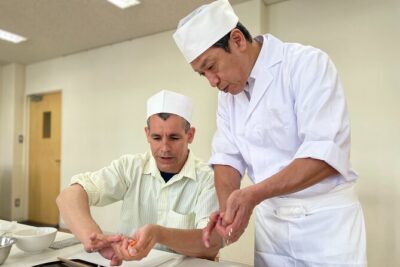
Tokyo Sushi Making Class in Tsukiji with Professional Chef
Read our review →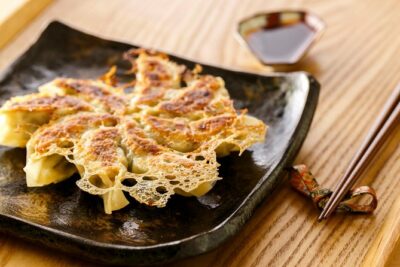
Ramen & Gyoza Cooking Class in Tokyo with Local Supermarket Visit
Read our review →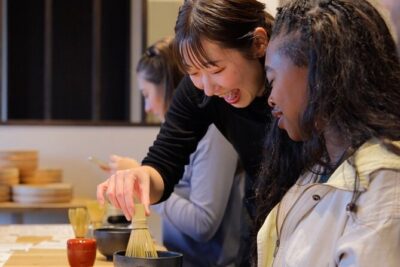
Matcha Making Class in Tokyo with Authentic Japanese Sweets Set
Read our review →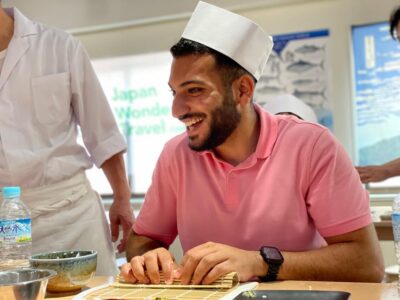
Tsukiji Fish Market Sushi Making Class with Pro Chef
Read our review →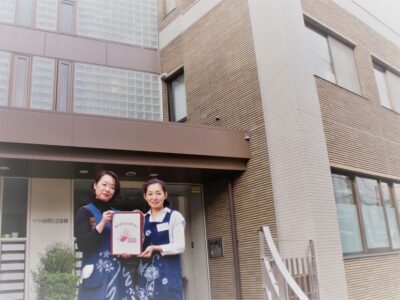
Browse the lists this tour appears in