
Reviewed · TOKYO COOKING CLASSES
Tokyo: Making a bento box with cute character look
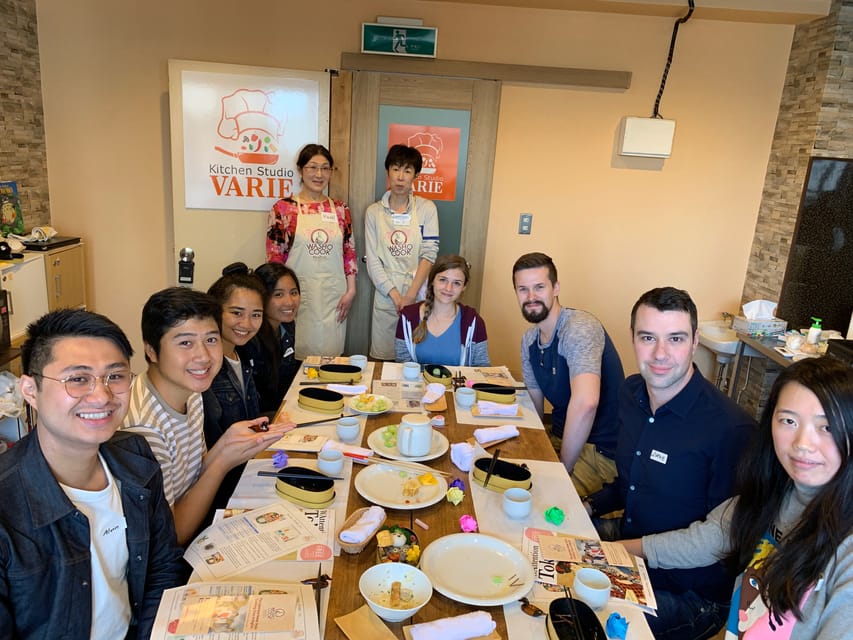
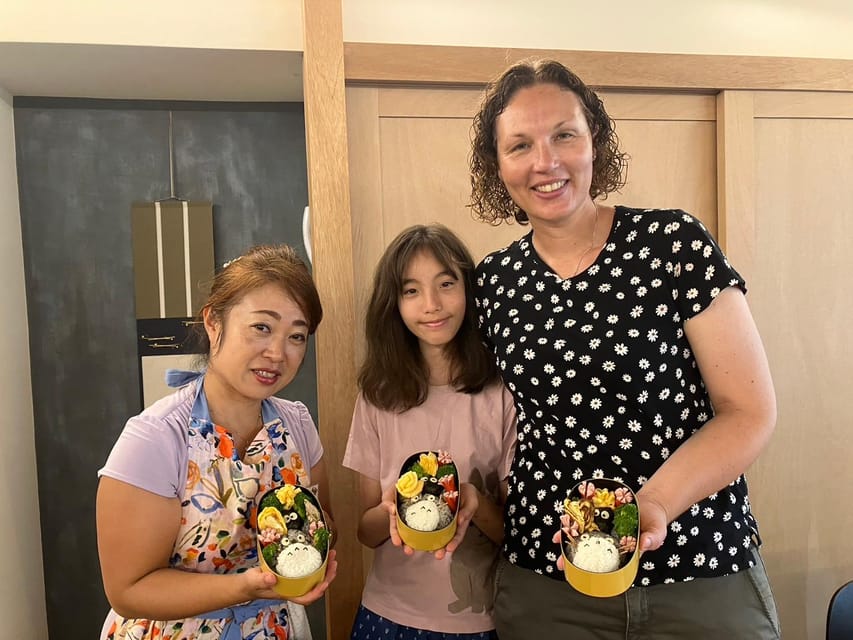
The fun here is turning an ordinary Japanese lunch into a tiny edible character. You shape rice and arrange side dishes into a cute chara-ben, then sit down and eat the meal you made. It is part cooking lesson, part food design, and a pleasant way to meet Japanese home cooking.
I like the hands-on format and the English-speaking instructor, who offers friendly support as you work. I also like that the lesson covers more than looks: you learn about nutritional balance, seasoning, and food presentation. The main drawback is the late address notice. Your studio will be near Shinjuku, Chiyoda, or Minato, but the exact location arrives only after booking, with details sent three days before the class.
Key points to know
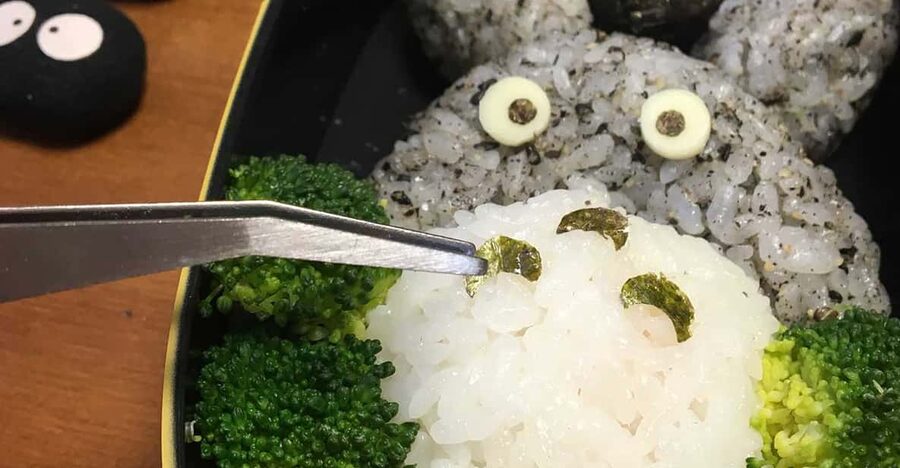
- Make a real chara-ben: Shape rice and arrange side dishes into a cute character-style bento.
- Learn in English: An English-speaking instructor guides the cooking and offers hands-on help.
- Eat what you prepare: The class ends with a 30-minute tasting session and beverages.
- Plan around the location: The studio may be near Shinjuku, Chiyoda, or Minato, with the address sent three days before.
- Check the restrictions: The class is not suitable for vegans, children under three, or people with back problems.
- Good cancellation terms: You can cancel up to 24 hours before the start for a full refund.
Making a Japanese character bento
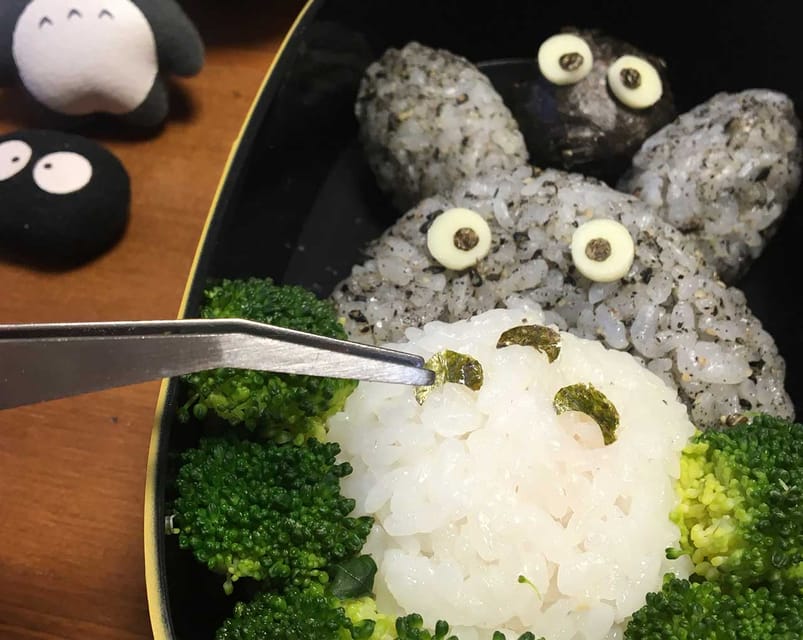
A chara-ben is a bento box arranged to look like a popular character. Rice becomes the main shape, while side dishes help form the face, details, and color. The aim is not simply to cook lunch. You are learning how Japanese food can be made appealing through careful arrangement.
That makes this different from a standard cooking class. You are not just following a recipe and carrying the results away. The visual work matters. A small change in shape or placement can make the character look friendly, funny, or slightly confused. That is part of the charm.
I like this activity for travelers who want a Japanese food experience with a clear result. You leave with skills you can try again at home, even if your next bento character looks less polished than the one made in class.
The experience is based around rice and side dishes, rather than one large restaurant-style meal. That gives you a look at how a Japanese lunch can combine several small portions. The presentation may be cute, but the lesson also considers nutrition and balance.
More Tokyo cooking classes:
- Tokyo: Roll and Authentic Sushi Making Class in Asakusa
★ 4.9 · 1,957 reviews - Tokyo Shinjuku Chopsticks Making Class
★ 5.0 · 1,763 reviews - Tokyo: Sushi Making Class in a Happi Coat near a Famous Spot
★ 4.9 · 1,377 reviews
A 150-minute class with a clear rhythm
The full experience lasts about 150 minutes. The planned schedule gives you two hours for cooking, from 11:00 to 13:00, followed by 30 minutes for tasting, from 13:00 to 13:30.
That timing works well for a lunch activity. You are not rushing through a short demonstration, but you are also not giving up half a day in the kitchen. The 30-minute tasting period gives you time to sit down and enjoy the result after the practical work is finished.
The cooking section is the heart of the experience. You can expect the instructor to guide you through the preparation and help as you assemble the character bento. Since the class is taught in English, you can ask questions about the process without relying only on watching hand movements.
The schedule also gives the activity a useful beginning and end. First, you learn and make the food. Then you stop working and eat it. That second part is easy to overlook, but it matters. The meal is not just a photo prop. It is the payoff for the time spent preparing it.
Learning food balance, seasoning, and presentation
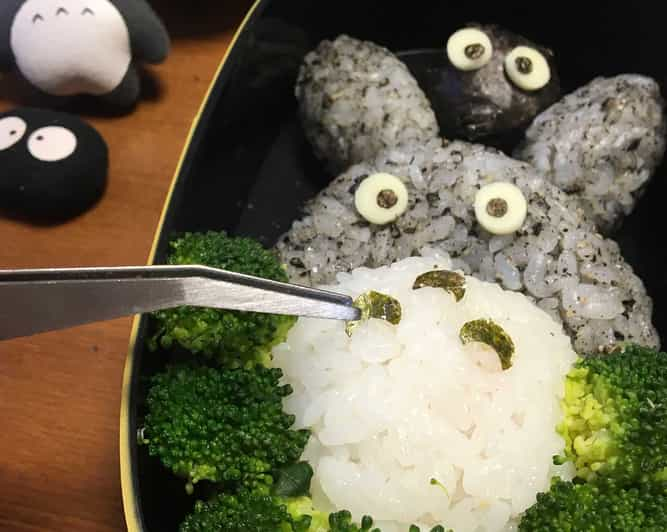
The class includes lessons on nutritional balance, seasoning, and food presentation. These details make the experience more useful than a simple craft session.
A bento needs to work as a meal, not just as a picture. The rice provides the central element, while side dishes add variety and help create the character design. The focus on seasoning gives you a better sense of how separate components can fit together.
Presentation is especially important here. Japanese bento culture often treats the arrangement of food as part of the meal itself. A tidy box can make familiar ingredients feel more inviting. In this class, the character theme gives you a reason to pay close attention to size, shape, and placement.
You should not expect a professional culinary qualification or advanced restaurant training. The value is more personal and practical. You learn enough to understand the idea behind chara-ben and to appreciate the care involved in Japanese packed lunches.
Friendly instruction in English
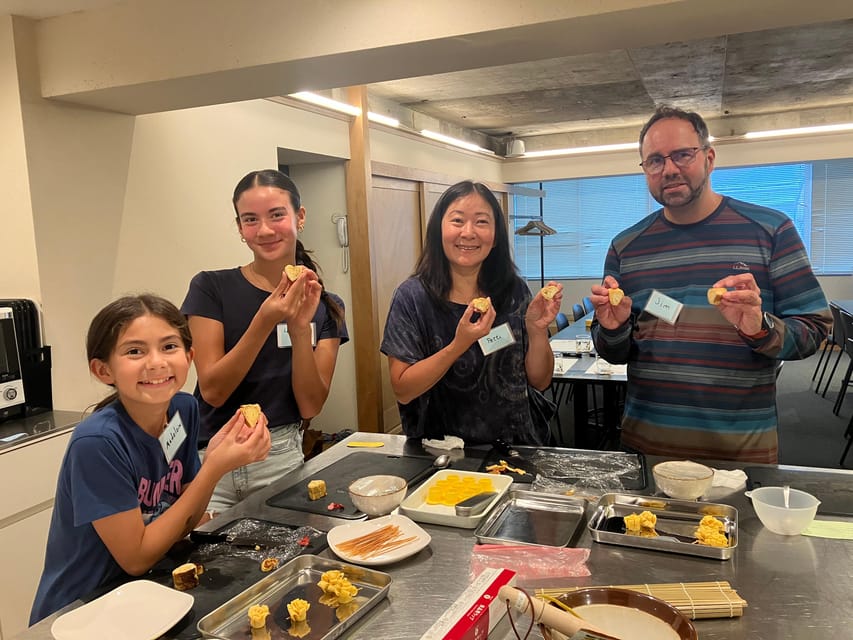
The instructor speaks English and provides hands-on support during the chara-ben lesson. That is a key point for anyone who feels unsure about working with unfamiliar food or shaping the character correctly.
Cooking classes can vary widely in how much help you receive. Here, the stated format calls for friendly, practical support, not simply a demonstration from across the room. You should have guidance as the bento comes together and can use the instructor’s advice on seasoning, balance, and presentation.
No instructor name is provided, so you should not book expecting a particular teacher. The available feedback describes the instructor as very sweet, which fits the welcoming tone promised by the class.
The English-language format also makes this a good choice if you want to ask why a step matters. You can learn the reasoning behind the food, not just copy a sequence of actions. That is useful when you later try to make your own bento.
A completely different kind of day in Tokyo:
- Mt Fuji and Hakone 1-Day Bus Tour Return by Bullet Train
★ 5.0 · 26,383 reviews - 1-Day Tokyo Bus Tour
★ 5.0 · 14,250 reviews - Tokyo: teamLab Planets TOKYO Digital Art Museum Entry Ticket
★ 4.6 · 9,779 reviews - Mt Fuji & Hakone Cruise, Drum Show Bullet Train 1 Day from Tokyo
★ 4.0 · 7,413 reviews
Sitting down to eat your own work
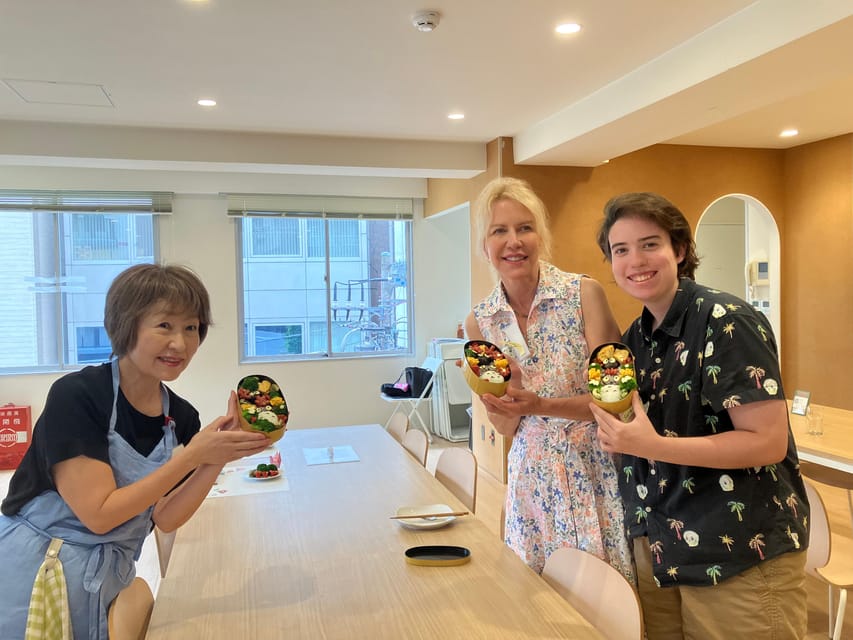
The tasting session runs for about 30 minutes after cooking. Beverages are included, and you eat the home-cooked meal you have prepared.
That creates a more relaxed finish than simply packing the bento and leaving. You get to see the finished character, taste the combination of rice and side dishes, and enjoy the food at the studio. For many people, this will be the most satisfying part of the class.
The meal is also a useful test of the lesson. Cute food still needs to taste good. By eating the bento, you can judge how the seasoning and balance work together rather than focusing only on the appearance.
You should keep your expectations realistic. The supplied information does not identify the exact character, menu, ingredients, or dietary substitutions. The style of bento is clear, but the specific food design may vary.
Choosing between the Tokyo studio areas
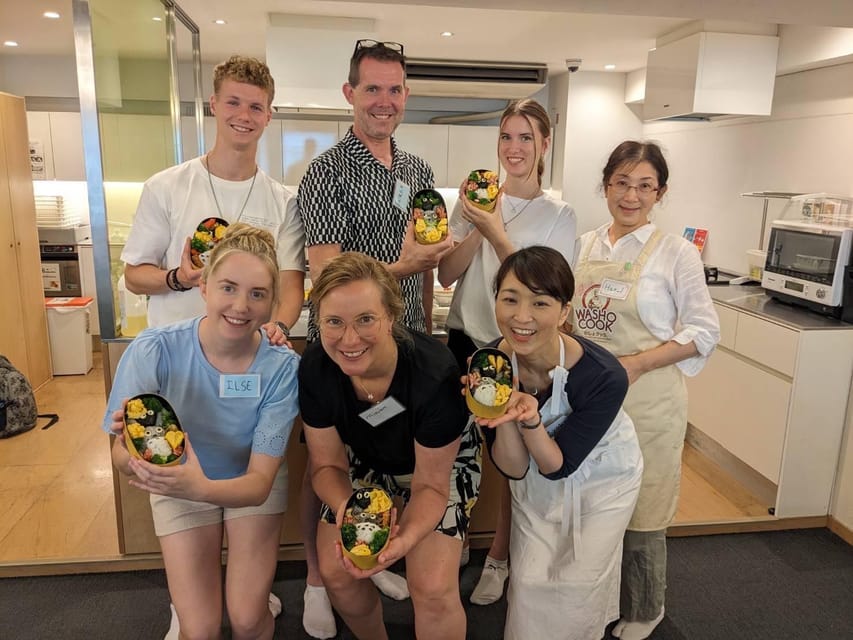
The cooking studios are located near Shinjuku, Chiyoda, and Minato wards. These are three different parts of central Tokyo, so the address matters when planning your day.
You receive the specific studio details after booking, with the location sent three days before the reservation date. The Google Map shown with the activity may display a different place, so do not use that map as your final meeting point.
This is the biggest practical issue with the experience. You cannot fully plan your route until the studio address arrives. If you are booking around a museum visit, train departure, or restaurant reservation, leave room for the location to land in a different ward than expected.
You should arrive at the designated cooking studio before the start time. Hotel pickup and drop-off are not included, so you are responsible for getting there. The class begins at 11:00 in the sample schedule, but availability should be checked for the date you want.
The location uncertainty is manageable if you keep your morning flexible. It is less convenient if you want a tightly packed schedule or need a studio close to your hotel.
Is the $90 price fair?
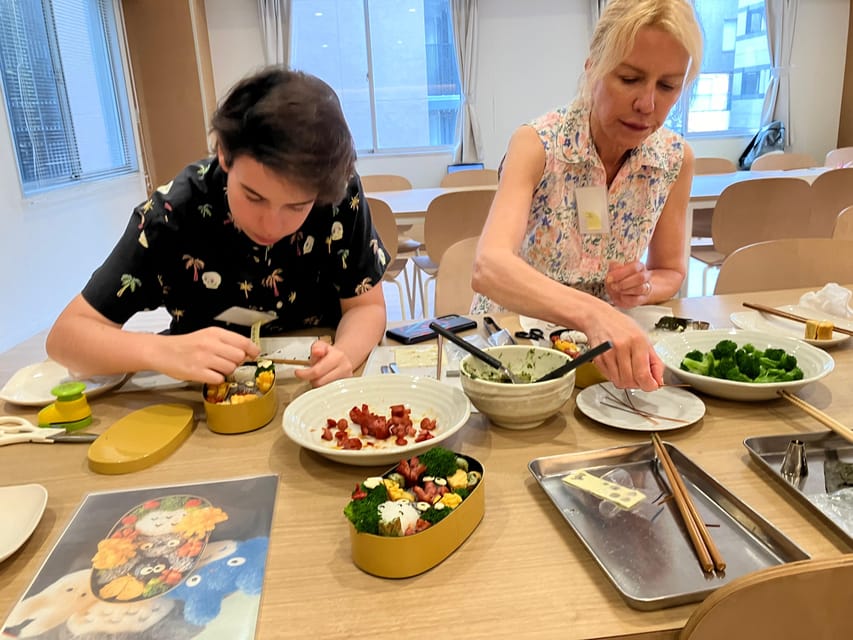
At $90 per person, this is not a cheap lunch. You are paying for more than ingredients. The price covers a 150-minute, English-language cooking experience, instructor support, ingredients, beverages, and the chance to eat the finished meal.
The value depends on what you want from a Tokyo food activity. If you only want to eat a bento, you can spend much less at a shop or department-store food hall. If you want to understand how a character bento is made and take part in the process, the comparison changes.
I see the strongest value for people who enjoy making things. The activity gives you a focused cultural experience rather than another meal at a restaurant. It also suits anyone who wants a practical memory of Japan that does not depend on buying souvenirs.
The price is harder to justify if you dislike decorative food, have little interest in cooking, or want a large meal. The class centers on preparation, design, and learning. It is not a budget food stop.
Who should book this class
This experience suits couples, friends, families with older children, and solo visitors who enjoy food activities. Anyone interested in Japanese home cooking or bento culture will get more from it than someone looking only for a quick meal.
It can also work well as a break from major Tokyo sights. The class gives you a reason to slow down and focus on one small task. You are still learning about Japanese culture, but through lunch preparation rather than a museum display.
Children under three are not permitted. The experience is also not suitable for people with back problems, perhaps because cooking may involve standing or working at a counter, though the supplied details do not explain the exact setup.
Vegans should not book this class. The activity is specifically marked as unsuitable for vegans, and no vegan alternative is promised. Other dietary information is not provided, so you should confirm any food concerns before reserving.
Smoking indoors is not allowed.
Booking, cancellation, and timing advice
You can reserve now and pay later, which helps if your Tokyo plans are still changing. You can also cancel up to 24 hours in advance for a full refund.
That policy is useful here because the final studio location arrives only three days before the reservation date. Once you receive the address, check it against your hotel and other plans. Do not wait until the last minute to work out the route.
The class lasts 150 minutes, but you should allow extra time for getting to the studio. Since hotel transfers are not included and the exact address may be in one of three wards, your total time commitment will be longer than the cooking and tasting period.
The stated schedule is 11:00 to 13:30. Check the available start time when booking, since the activity information also asks you to confirm current availability.
Final call: a sweet, hands-on Tokyo food activity
Book this class if you want to make something distinctly Japanese, prefer learning by doing, and enjoy a meal with a playful visual twist. The English instruction, included ingredients, beverages, and friendly hands-on support make the format easy to understand.
Skip it if you need a fixed meeting address far in advance, want a low-cost lunch, or follow a vegan diet. The $90 price makes most sense when you value the lesson and the memory of creating your own chara-ben, not just the food itself.
For the right person, this is a cheerful and personal way to spend a Tokyo morning. You cook, shape, arrange, and eat. That is a small experience, but it gives you a direct look at the care Japanese cooks can bring to an everyday lunch.
FAQ
Where does the chara-ben cooking class take place?
The cooking studios are located near Shinjuku, Chiyoda, and Minato wards in Tokyo. The specific address is sent after booking, three days before the reservation date.
How long does the experience last?
The activity lasts about 150 minutes. The stated schedule is two hours of cooking from 11:00 to 13:00, followed by 30 minutes of tasting until 13:30.
What is a chara-ben?
A chara-ben is a Japanese bento box arranged to look like a popular character. It uses rice and side dishes to create the character design.
Is the class taught in English?
Yes. The instructor speaks English, and English is listed as the language for the experience.
Are ingredients included?
Yes. The cooking experience and ingredients are included in the price.
Are beverages included?
Yes. Beverages are included, and you can enjoy them during the tasting period.
Is hotel pickup or drop-off provided?
No. Hotel pickup and drop-off are not included. You must travel to the designated cooking studio yourself.
Can vegans join the class?
No. The activity is not suitable for vegans.
Are young children allowed?
Children under three years old are not permitted to take part.
Can I cancel for a refund?
Yes. You can cancel up to 24 hours in advance for a full refund. You can also reserve now and pay later.
Newly reviewed around Tokyo
- Tokyo Asakusa:Calligraphy & Make T-shirt Activity★ 5.0 · 62 reviews
- Intercity Shuttle, Tokyo to Haneda /Narita /Yokohama /Makuhari★ 5.0 · 5 reviews
- 1 Hour Travel around Tokyo with a Professional Photographer★ 5.0 · 3 reviews
- Travel Tokyo with Your Own Personal Photographer★ 5.0 · 43 reviews
- Train in Samurai Swordsmanship and Defeat the Demon in Tokyo★ 5.0 · 5 reviews
- Shuttle Van 6hr Tokyo Tour to-and-from Tokyo, Yokohama and Narita★ 5.0 · 9 reviews
- Kickboxing & Body Training with EX-Pro Fighter★ 5.0 · 4 reviews
- Traditional Japanese Knife Sharpening Class★ 5.0 · 18 reviews
Tokyo Cooking Classes, compared.
Roll and Authentic Sushi Making Class in Asakusa
Read our review →
Sushi Making Class in a Happi Coat near a Famous Spot
Read our review →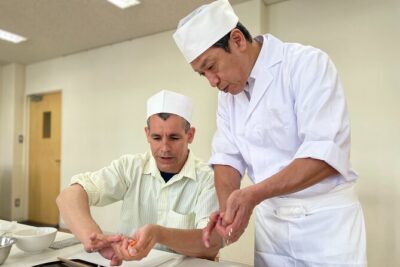
Tokyo Sushi Making Class in Tsukiji with Professional Chef
Read our review →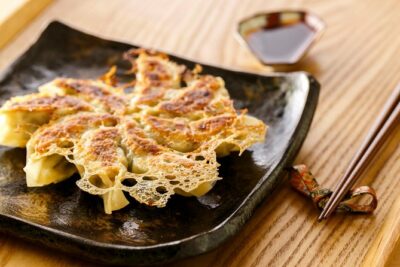
Ramen & Gyoza Cooking Class in Tokyo with Local Supermarket Visit
Read our review →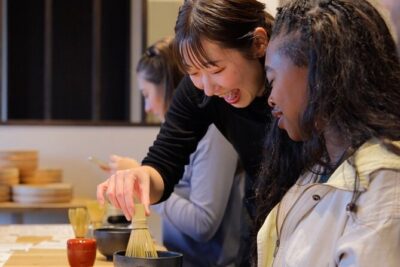
Matcha Making Class in Tokyo with Authentic Japanese Sweets Set
Read our review →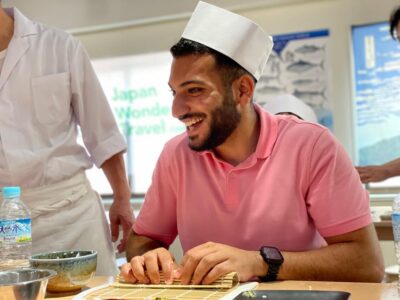
Tsukiji Fish Market Sushi Making Class with Pro Chef
Read our review →
Browse the lists this tour appears in