
Reviewed · TOKYO TRADITIONAL CRAFT WORKSHOPS
Tokyo: Make Your Own Hanko Stamp — Unique Cultural Souvenir
A Japanese hanko is more than a souvenir. It is a small personal seal tied to identity, and this 90-minute workshop lets you design and carve one inside a traditional Tokyo seal shop. You learn what your chosen kanji or katakana means, then finish with a red-ink impression and a case for carrying it home.
I like the direct help from the local craftsman, especially for first-time carvers, and the maximum of four participants keeps the session personal. I also like the multilingual support in English, French, Spanish, Italian, or Chinese. The main drawback is the price: at $154 per person, this costs far more than a typical souvenir, so its value depends on how much you want a hands-on cultural keepsake.
Key points to know
- Carve your own personal seal: You do the hands-on work, with experienced staff guiding the process.
- Choose kanji or katakana: A multilingual host explains the meaning and helps you settle on a design.
- Meet at central Tokyo’s Otemachi: The meeting point is the Lawson in front of Taihodo in the Shin-Otemachi Building.
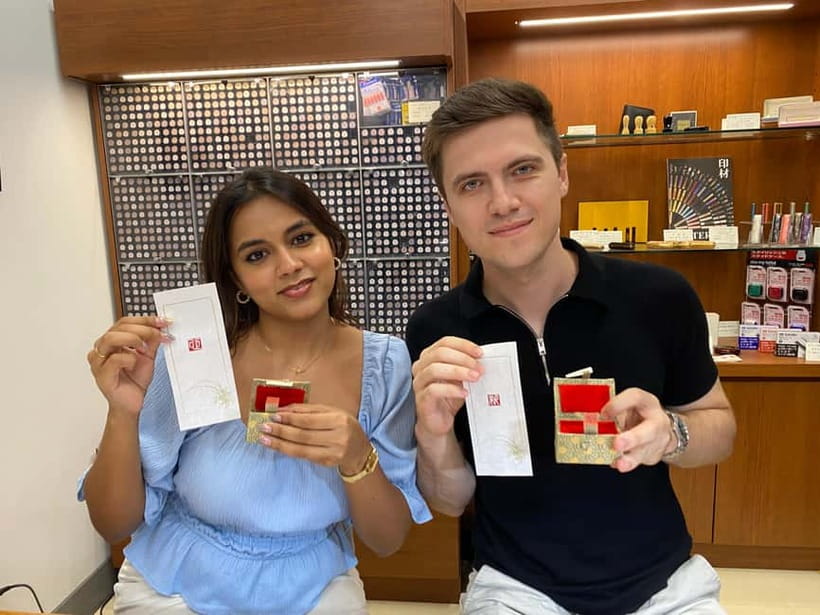
- Keep the finished hanko: Your seal comes with a protective case and can be stamped in traditional red ink.
- Small private session: A maximum of four participants allows plenty of individual attention.
- Good in any weather: The workshop takes place indoors and is wheelchair accessible.
Why a small red seal makes a memorable souvenir
Tokyo offers no shortage of things to buy. Many are attractive for a day or two, then disappear into a drawer. A hanko has more staying power because you help create it and leave with an object tied to your own name.
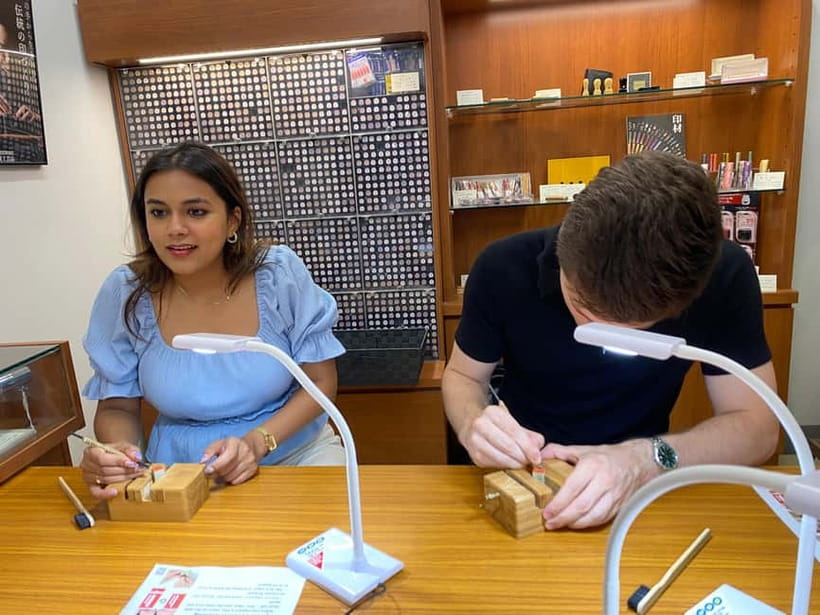
In Japan, hanko seals have long been used as a mark of identity and authenticity. The workshop gives you a short lesson in that role before asking you to make a personal version. You are not simply choosing an item from a shelf. You are deciding how your name will look in Japanese, selecting a calligraphy style, and cutting the design into the seal.
That makes this a good choice for someone who wants a cultural activity rather than another shopping stop. You also get a clear result within one session: a finished seal, a first red-ink impression, and a case to protect it.
The experience is held at a long-established seal shop in central Tokyo. That setting matters. You are learning in a working craft environment, with the craftsman involved directly in the design and carving process. A multilingual interpreter helps communication run smoothly, which is especially useful when discussing the meaning of characters.
More Tokyo craft workshops:
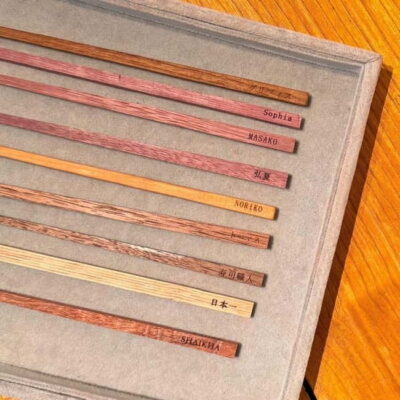
- Tokyo Shinjuku Chopsticks Making Class
★ 5.0 · 1,763 reviews - Chopstick Making Workshop in Ginza
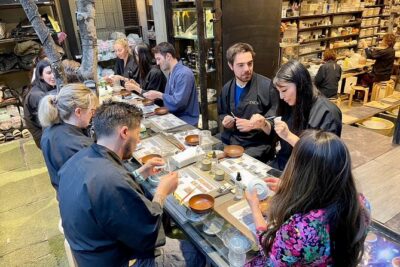
★ 4.8 · 1,366 reviews - Kintsugi Experience: Art of Golden Joinery in Tokyo
★ 5.0 · 467 reviews
Finding the Otemachi meeting point
Your starting point is the Lawson in front of Taihodo, at the Shin-Otemachi Building, 2-2-1 Otemachi, Chiyoda-ku. The guide welcomes you there and leads the session with language support.
Otemachi is a practical location for a short activity because it is in central Tokyo. Still, give yourself enough time to find the correct building and convenience store. The instructions identify a specific landmark, but large office districts can feel confusing if you arrive at the last minute.
Transportation costs are not included, so you handle your own way to the meeting point. The workshop itself is indoors, so rain or poor weather should not affect the activity once you arrive.
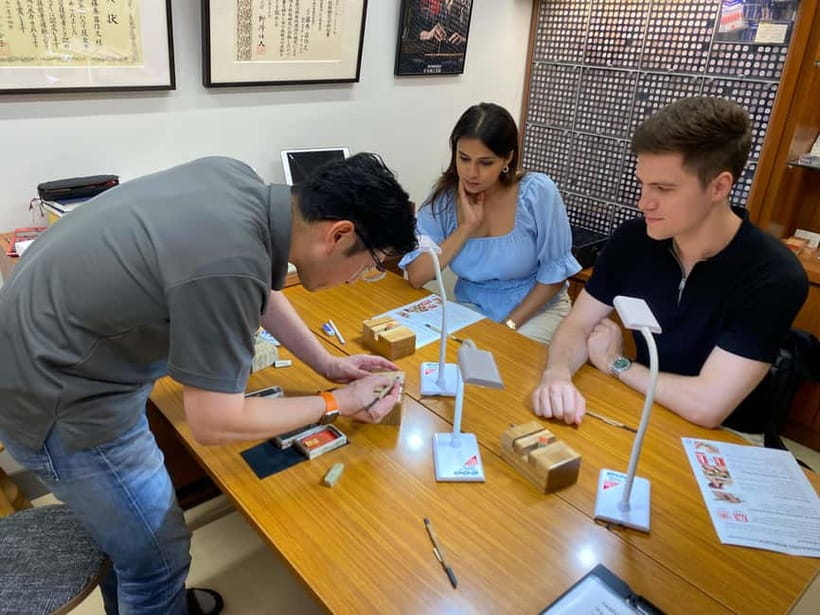
The group is private and capped at four people. That is one of the strongest practical features. You are not trying to follow a demonstration from the back of a crowded room, and the staff can watch your work as you carve.
Learning what hanko means in Japan
The first part of the session explains the cultural role of the hanko. These seals have been used in Japan for centuries as a personal mark connected with identity and authenticity.
You do not need prior knowledge of Japanese writing or seal carving. The guide explains the process in an approachable way, and the multilingual format lets you ask questions in English, French, Spanish, Italian, or Chinese.
This introduction gives the craft some needed context. Without it, carving a name into a small block could feel like a standard workshop project. With it, you understand why the final object has meaning beyond its appearance.
The strongest part of the cultural explanation is its practical link to your own seal. You learn about the tradition, then immediately make a personal version. The lesson never sits apart from the activity.
Choosing your name in kanji or katakana
Next comes the design decision. You can represent your name in kanji or katakana, with help from the guide and explanations of the meaning behind the characters.
This is likely the most thoughtful part of the workshop. You are not expected to know Japanese script, and you should not feel pressured to choose quickly. Ask about the options and listen to the explanation before settling on the characters that feel right for you.
Kanji can carry meaning beyond sound, while katakana offers another way to represent a foreign name in Japanese writing. The activity lets you make that choice with guidance rather than treating the script as decoration.
You then select a calligraphy style. The style affects the look of the finished seal, so this step gives you another chance to make the design personal. The guide and craftsman help ensure that the result is suitable for carving.
A useful tip is to think about what you want the seal to represent before the session begins. You might focus on your name, a personal meaning, or the visual character of the design. The supplied information does not promise unlimited design options, so expect the final choice to be shaped by what works well for a small carved seal.
A completely different kind of day in Tokyo:
- Mt Fuji and Hakone 1-Day Bus Tour Return by Bullet Train
★ 5.0 · 26,383 reviews - 1-Day Tokyo Bus Tour
★ 5.0 · 14,250 reviews - Tokyo: teamLab Planets TOKYO Digital Art Museum Entry Ticket
★ 4.6 · 9,779 reviews - Mt Fuji & Hakone Cruise, Drum Show Bullet Train 1 Day from Tokyo
★ 4.0 · 7,413 reviews
Carving the seal with the local craftsman
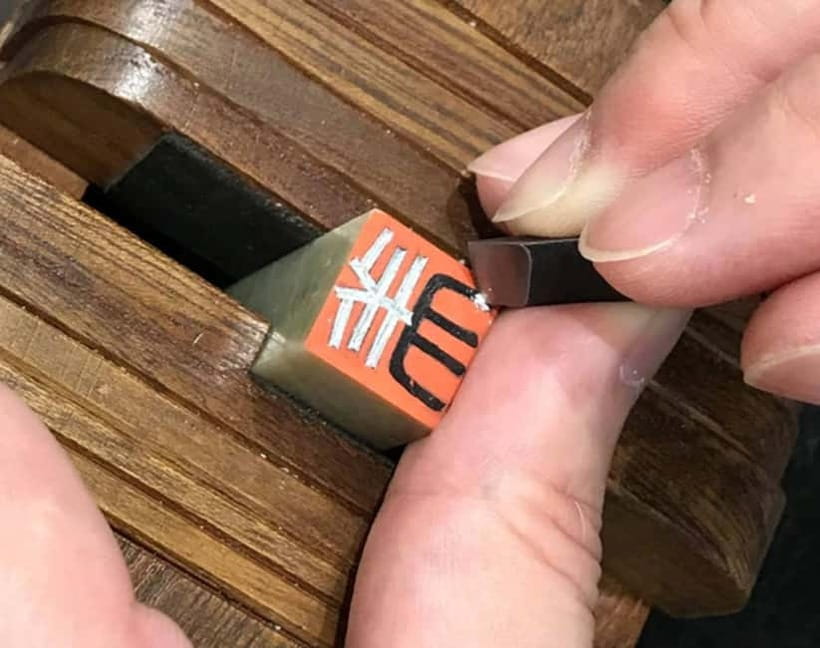
Once the design is set, you begin carving. This is not a demonstration where you watch someone else do the work. You carve your own hanko, with experienced staff supporting you throughout the process.
That balance is important. A fully self-directed carving class could be frustrating, while a craftsman making the whole seal for you would reduce the personal connection. Here, you take part while receiving help with safety and precision.
The craftsman works with you directly, and the multilingual interpreter helps bridge any language gaps. One visitor described the process as taking place in a local hanko shop with the craftsman helping design and carve a personalized stone seal. That detail captures the appeal of the activity: the maker is part of the session, not just a name attached to the shop.
You should expect careful, focused work rather than a rushed craft project. The session lasts 90 minutes, and the small group allows staff to provide individual support. Children under five may attend as observers, but they cannot carve. Older children can take part, though an adult should consider how comfortable they are with a hands-on carving activity.
The exact level of difficulty will depend on your design and your comfort with the tools. Staff support is included, but you still need to pay attention and follow their directions. The point is to make the seal yourself, not to produce a factory-perfect object without effort.
The first red-ink impression
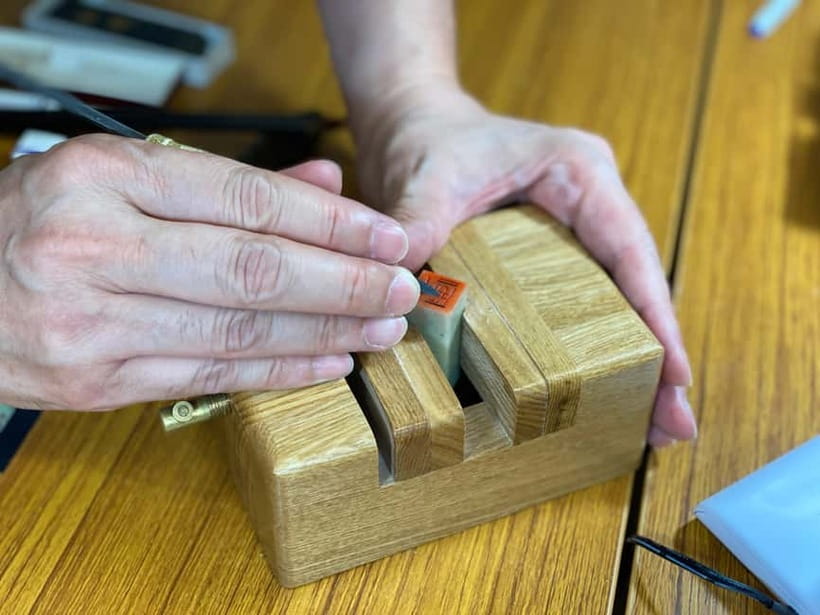
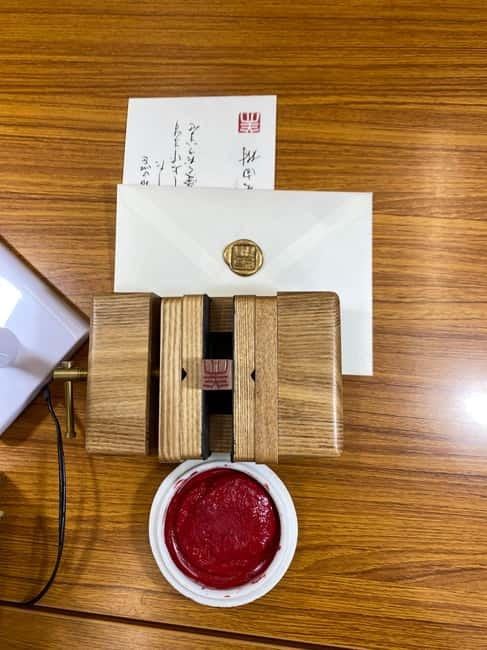
After carving, you stamp the completed hanko with traditional red ink. This is the moment when the design becomes clear. Small flaws or variations are part of the fact that you made it by hand.
You can admire the first impression and take commemorative photos during the session. The red mark also gives you an immediate way to see how the characters and calligraphy style work together.
The finished seal comes in a protective case. That case is a useful addition, not just packaging, because the hanko is small and the carved surface needs protection. You can keep the seal as a functional object or use it as a reminder of your time in Japan.
The experience does not state that the hanko can be used for official legal purposes, so you should treat it as a personal cultural souvenir rather than assume it will replace an official Japanese seal. Its main value here is the connection between your name, the craft, and the memory of making it.
Is $154 a fair price?
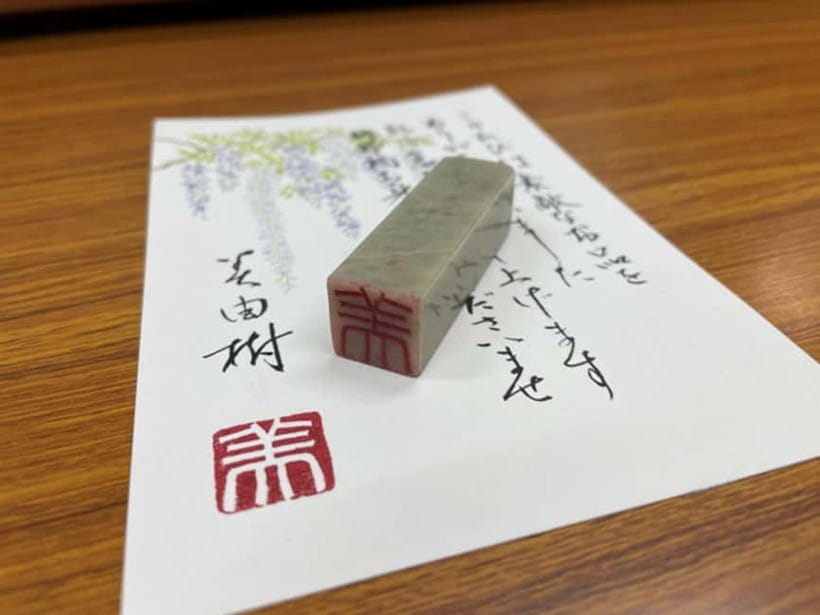
At $154 per person, this is an expensive souvenir activity. The price includes the original hanko, carving fee, seal case, and multilingual guide, but not transportation or personal shopping.
I would not book it simply because you need a cheap memento. You can buy many attractive gifts in Tokyo for much less. The case for the price is the personal instruction, the direct involvement of the craftsman, the small private group, and the fact that you create the object yourself.
The maximum of four participants improves the value. You are paying for attention as well as materials, and the staff can help with the writing, calligraphy, and carving instead of leaving you to work alone.
The price also makes more sense for a couple, family, or small group that wants a shared activity. You can compare designs, watch one another work, and leave with separate seals that carry the same memory. For a solo visitor, the decision comes down to how strongly you value the craft and the personal meaning.
The workshop received a top rating in the supplied feedback. The praise centers on the kindness of the staff, clear explanations, and the authentic setting of a local hanko shop. Those are the areas where this experience earns its cost.
Who will enjoy this workshop most?
I would recommend it to you if you like making something with your hands and want a souvenir connected to Japanese culture. It suits repeat visitors who have already seen major sights and want a quieter activity with a clear cultural focus.
It also works well for families with older children, couples, and small private groups. Children under five can observe but cannot carve, so very young children may find the 90-minute session less engaging.
The activity is open to all ages and does not require previous experience. Wheelchair access is available, and staff can assist if needed. Since the session takes place indoors, it is a dependable option on a rainy day.
This may not suit you if you prefer a fast sightseeing stop or dislike careful handwork. The process involves decisions about writing and style, followed by actual carving. It is relaxed, but it is not passive.
Practical details that affect your day
Plan for 90 minutes at the workshop, plus the time needed to reach the Otemachi meeting point. Check the available starting times when booking, since the activity does not provide one fixed daily schedule.
The multilingual guide supports English, French, Spanish, Italian, and Chinese. The host helps explain the cultural background and the character choices, while the local staff support the carving.
You can cancel up to 24 hours in advance for a full refund, and the reserve-now, pay-later option keeps your plans flexible. Pets are not allowed.
The workshop runs in all weather because it is indoors. That makes it easy to pair with a central Tokyo day, though you should still allow time for transportation and finding the Lawson in front of Taihodo.
Personal shopping is not included. The included item is your original hanko and its case, not additional merchandise from the shop.
Should you book the Tokyo hanko workshop?
Book it if you want a personal souvenir with a real making process behind it. The best reasons are the small private group, direct help from the craftsman, multilingual support, and the chance to choose the Japanese form of your own name.
At $154, this is not a bargain activity. It earns consideration because you leave with something designed and carved by you, rather than something selected from a tourist shelf. The setting in a traditional seal shop also gives the activity a stronger cultural link than a generic craft class.
Skip it if you are mainly looking for an inexpensive gift or have little interest in handwork. For everyone else, this is a focused way to spend 90 minutes in Tokyo and take home a seal that recalls both the city and the effort you put into making it.
FAQ
Where does the hanko workshop meet?
Meet at the Lawson in front of Taihodo in the Shin-Otemachi Building, 2-2-1 Otemachi, Chiyoda-ku, Tokyo.
How long does the activity last?
The workshop lasts 90 minutes.
Can I choose between kanji and katakana?
Yes. You can choose to represent your name in kanji or katakana, with explanations and help from the multilingual guide.
Do I need previous carving experience?
No. Previous experience is not required, and experienced staff support you during the carving process.
How many people can join the session?
The private session has a maximum of four participants.
Is the workshop wheelchair accessible?
Yes. The workshop is wheelchair accessible, and staff can assist if needed.
Newly reviewed around Tokyo
- Tokyo Asakusa:Calligraphy & Make T-shirt Activity★ 5.0 · 62 reviews
- Intercity Shuttle, Tokyo to Haneda /Narita /Yokohama /Makuhari★ 5.0 · 5 reviews
- 1 Hour Travel around Tokyo with a Professional Photographer★ 5.0 · 3 reviews
- Travel Tokyo with Your Own Personal Photographer★ 5.0 · 43 reviews
- Kickboxing & Body Training with EX-Pro Fighter★ 5.0 · 4 reviews
- Train in Samurai Swordsmanship and Defeat the Demon in Tokyo★ 5.0 · 5 reviews
- Shuttle Van 6hr Tokyo Tour to-and-from Tokyo, Yokohama and Narita★ 5.0 · 9 reviews
- Traditional Japanese Knife Sharpening Class★ 5.0 · 18 reviews
Tokyo Traditional Craft Workshops, compared.
Kintsugi Experience: Art of Golden Joinery in Tokyo
Read our review →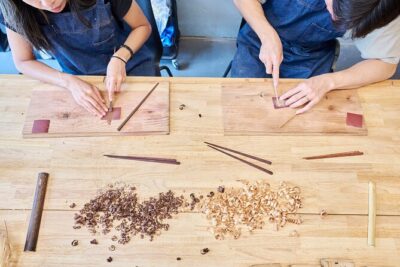
Authentic Pure Gold Kintsugi Workshop with Master Taku in Tokyo
Read our review →
Private Handmade Ring Workshop Activity in Tokyo Shibuya
Read our review →
Browse the lists this tour appears in