
Reviewed · TOKYO COOKING CLASSES
Tokyo: Learnt to cook Bento, Oyakodon and More!
Japanese home cooking is the star here, not restaurant theatrics. In a small Tokyo kitchen, you learn how dashi gives miso soup and oyakodon their depth, then use simple ingredients to prepare dishes you can repeat at home. The hands-on format keeps you working rather than watching.
I like the personal scale, with no more than six participants, and I like the practical takeaway: recipes, cultural context, and instruction from an English-speaking teacher such as Yuki. The main consideration is dietary restriction. The class is not suitable for vegans, vegetarians, people with food allergies, gluten intolerance, or nut allergies.
Key points
- Cook dashi, miso soup, and oyakodon: Learn the broth that gives several Japanese dishes their flavor.
- Small group of six or fewer: You can ask questions and receive help at the counter.
- English instruction with Japanese available: Yuki has excellent English, and Japanese lessons can be arranged on request.
- Recipes go home with you: The class gives you a useful way to repeat the dishes outside Japan.
- Apron, towel, and slippers provided: Wear comfortable clothes and leave your cooking gear at home.
- Central Tokyo setting: The Alleyway Gourmet Lab is reached through an alley and up to the second floor of a gray four-story building.
What You Actually Cook in Two Hours
This is a compact class built around Japanese dishes that belong to everyday home cooking. The advertised focus includes bento and oyakodon, with additional dishes such as miso soup and dashi appearing in the class experience.
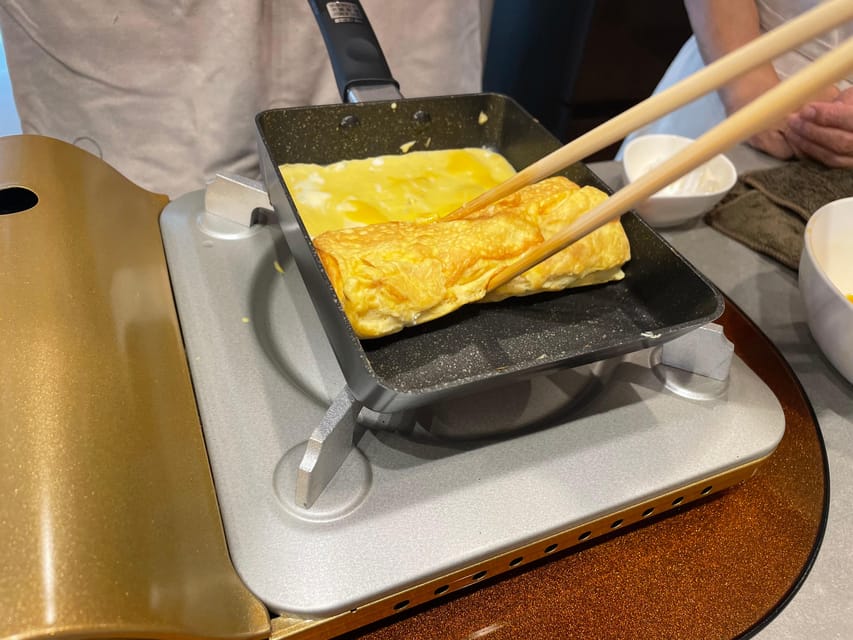
Oyakodon is a particularly good choice for a short lesson. The name means parent-and-child rice bowl, referring to chicken and egg served over rice. It is familiar enough to enjoy at once, but it also teaches useful Japanese cooking habits: building flavor with stock, seasoning carefully, and cooking egg so it stays soft rather than dry.
The dashi lesson may be the most useful part for your kitchen back home. Dashi is a basic Japanese stock, and it gives both miso soup and oyakodon a savory base. You are not simply handed a finished bowl. You take part in making the broth, so you can understand how a few straightforward ingredients create a distinct flavor.
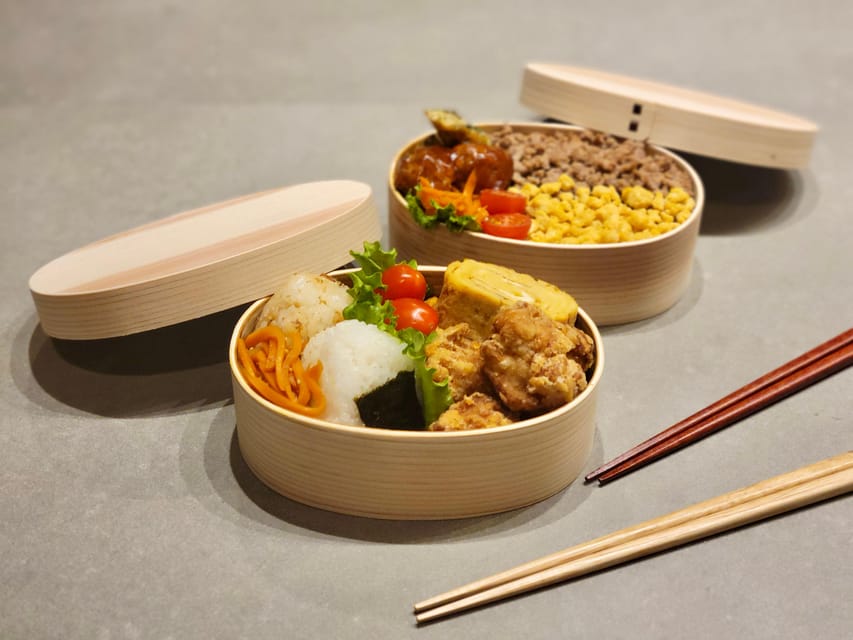
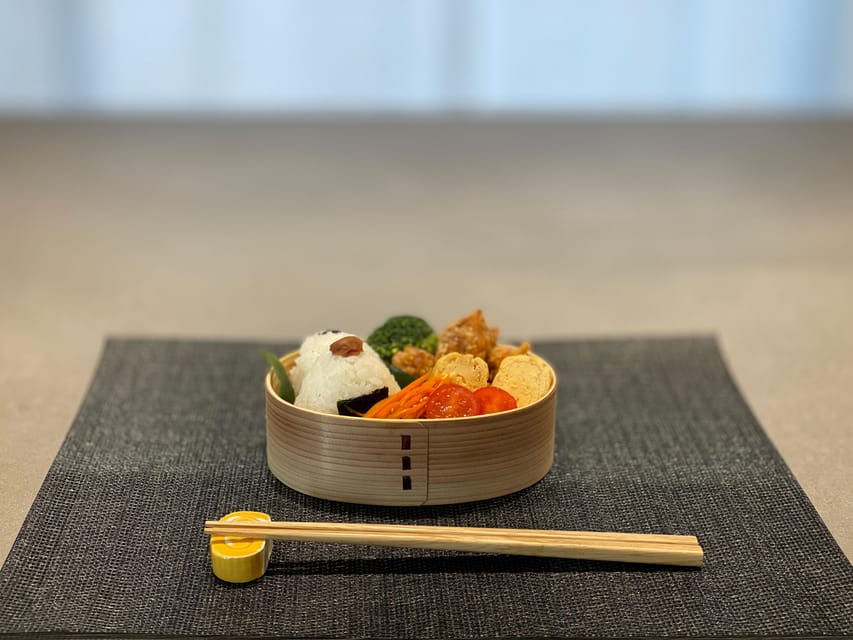
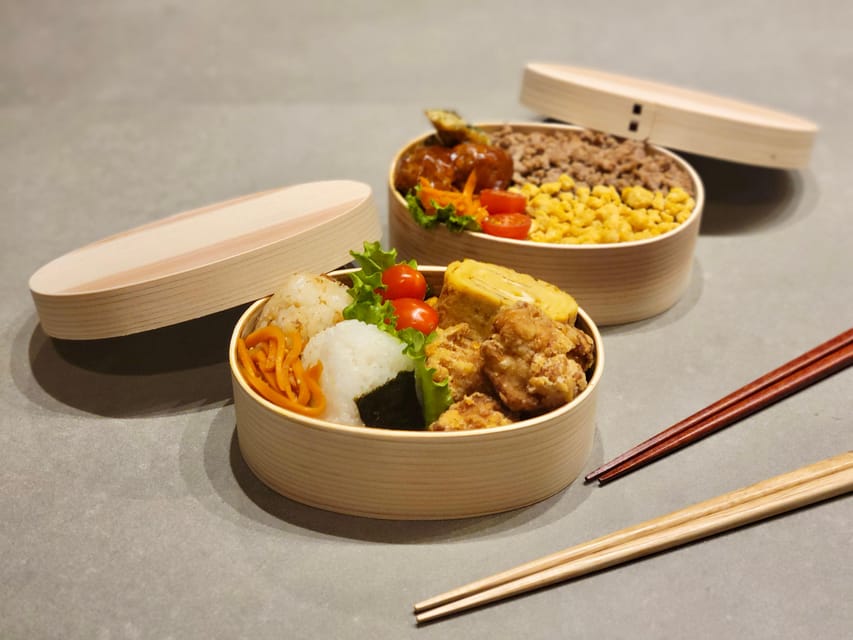
Bento adds another practical angle. A bento is not just a lunchbox. It is a small arrangement of separate foods, with attention to balance, color, texture, and portion. The class can help you see how Japanese home cooking brings several modest dishes together instead of relying on one large centerpiece.
The exact order of the lesson can vary, so you should think of this as a guided cooking session rather than a fixed restaurant-style menu. The class provides the ingredients and equipment, and you work through the preparations with the instructor.
More Tokyo cooking classes:
- Tokyo: Roll and Authentic Sushi Making Class in Asakusa
★ 4.9 · 1,957 reviews - Tokyo Shinjuku Chopsticks Making Class
★ 5.0 · 1,763 reviews - Tokyo: Sushi Making Class in a Happi Coat near a Famous Spot
★ 4.9 · 1,377 reviews
A Hands-On Class With Yuki and a Six-Person Limit
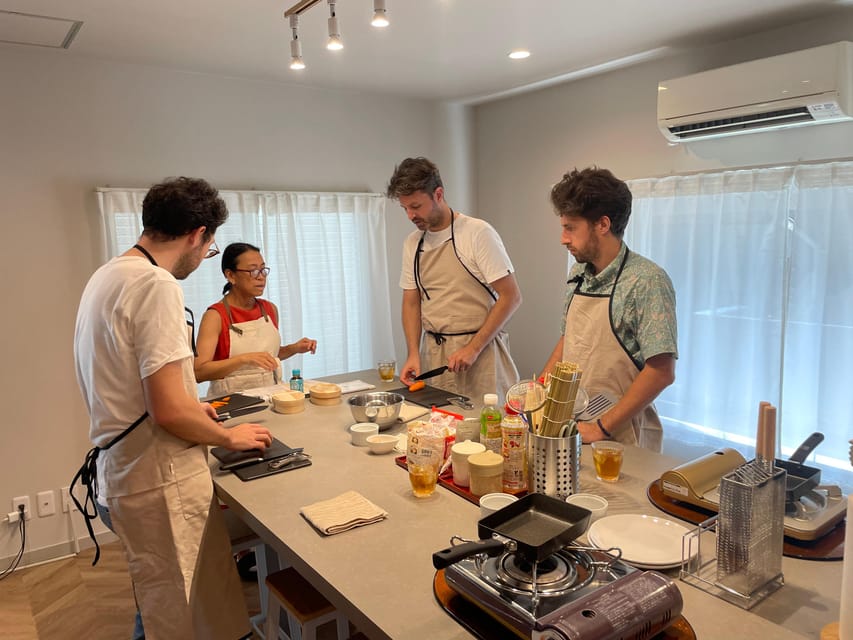
The group is capped at six people. That matters in a cooking class. You have a better chance to handle the food yourself, see what the instructor is doing, and ask why a particular step matters.
The class is conducted in English, and Yuki has been praised for clear English and strong pronunciation. That is useful when you need to ask about timing, seasoning, or technique. Japanese instruction can also be arranged upon request.
You should expect a supportive lesson aimed at both beginners and more experienced cooks. The description does not promise advanced knife work or professional culinary training, and that is probably the right way to view it. This is home cooking with practical explanations, not chef school.
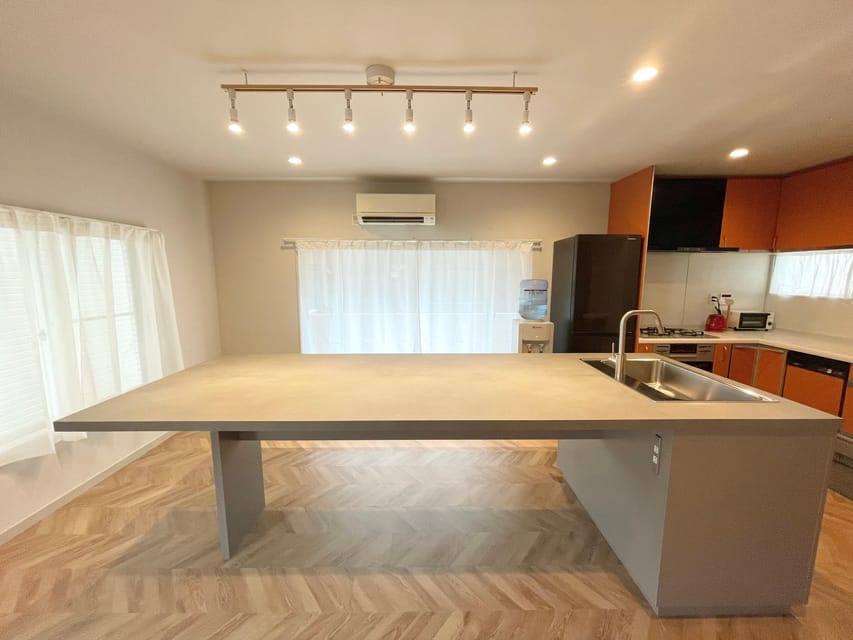
The kitchen is described as clean, modern, and elegant. That may sound like a minor point, but it affects the experience. A tidy kitchen makes it easier to focus on the food and feel comfortable handling shared equipment.
The small group also suits couples and friends. If you book with people you know, you can share the work and compare your results. If you attend alone, the limited size gives you a better chance to connect with the instructor than a large demonstration class would.
Why the Dashi Lesson Matters
Many short cooking classes focus on attractive finished dishes and rush past the foundation. This one gives dashi a clear role, which makes the lesson more useful.
Dashi is an example of how Japanese cooking often depends on careful balance rather than a long list of ingredients. Once you understand the broth, miso soup becomes less mysterious. You also gain a better sense of why oyakodon tastes rounded and savory instead of simply salty.
The cultural explanations add value here. You learn about the place of each dish in Japanese food customs and home life, not just the steps in a recipe. The information is designed to explain significance as you cook, so the meal has context without turning into a formal lecture.
I especially like this approach for visitors who have eaten Japanese food in restaurants but have not considered how it is made at home. You see the difference between restaurant presentation and ordinary domestic cooking. The emphasis is on methods you can actually repeat with accessible ingredients.
That last point is important. You are not promised rare equipment or specialist ingredients. The lesson focuses on simple ingredients and practical skills. You will still need to find the ingredients at home, but the recipes give you a clear starting point.
The Alleyway Gourmet Lab Meeting Point
The cooking school is in a central area that is easy to access for tourists and residents. The final approach is easy to miss if you are moving quickly through Tokyo.
Turn into the alley and look for a four-story gray building on the right. At the front are doors on both sides. Use the right-hand door marked Alleyway Gourmet Lab, then go to the second floor.
Allow a little extra time to identify the entrance, especially if you are arriving close to the start time. Transportation is not included, so you make your own way there. The exact starting times depend on availability when you book.
Once inside, you do not need to bring an apron or towel. Slippers are provided because shoes are not worn indoors. Comfortable clothing is the only stated item to bring, and I would avoid anything you would dislike getting splashed or stained.
A completely different kind of day in Tokyo:
- Mt Fuji and Hakone 1-Day Bus Tour Return by Bullet Train
★ 5.0 · 26,383 reviews - 1-Day Tokyo Bus Tour
★ 5.0 · 14,250 reviews - Tokyo: teamLab Planets TOKYO Digital Art Museum Entry Ticket
★ 4.6 · 9,779 reviews - Mt Fuji & Hakone Cruise, Drum Show Bullet Train 1 Day from Tokyo
★ 4.0 · 7,413 reviews
What the Two Hours Feel Like
The first part of the class introduces the dishes, ingredients, and cooking plan. You then work through the preparations with the instructor. Since the format is hands-on, expect to take part in each step rather than sit through a long demonstration.
The dashi and soup work give you the foundation. You learn how the broth is made and how it is used in more than one dish. This is a good moment to ask questions, since small changes in seasoning can affect the final result.
The oyakodon preparation shows how the separate parts come together. The chicken, egg, seasoning, broth, and rice need to be coordinated. You get a lesson in timing as well as ingredients.
Bento-style preparation brings attention to arrangement and balance. The value is not only visual. Separating foods helps you think about how a Japanese home meal combines several small portions, rather than treating lunch as one large serving.
At the end, you eat what you have prepared during the class. The supplied information also describes the activity as a cooking class rather than a separate dining experience, so do not book it expecting a full restaurant meal in addition to the dishes you make. If you have a large appetite, plan another meal afterward.
What You Take Home Besides the Food
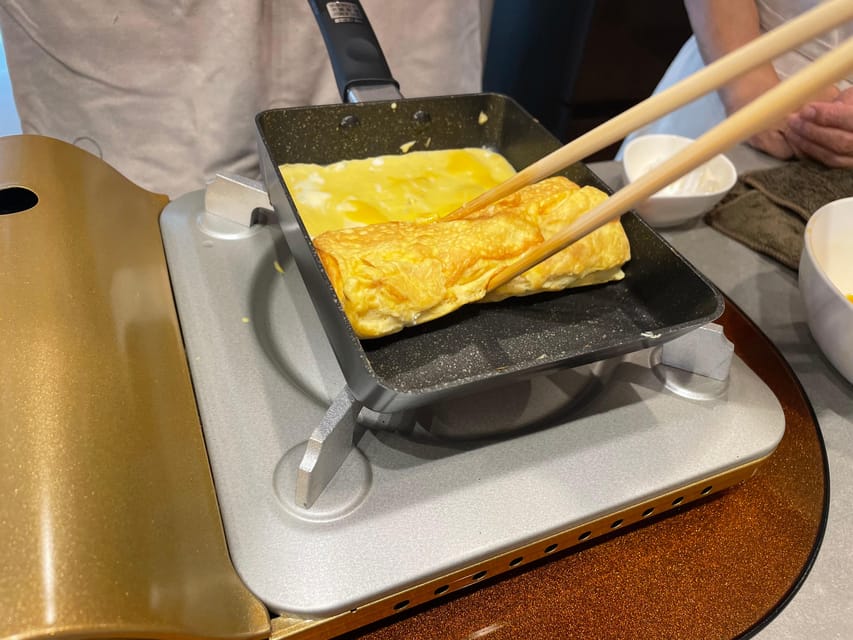
The recipes are the most useful take-home item. They let you repeat the dishes after your trip and share what you learned with friends or family. A recipe sheet cannot replace the instructor, but it gives you a practical record of the ingredients and method.
You also receive a Japanese souvenir, with the contents kept as a surprise. Additional Japanese souvenirs are available for purchase on site, with an average price of about ¥1,000. These are optional and not part of the core value of the class.
The greater benefit is confidence. After two hours, you should understand more about dashi, oyakodon, miso soup, and the logic of a bento meal. You also get a better feel for how Japanese home cooking uses modest ingredients with care.
I would treat the class as a useful first step rather than a complete Japanese cooking course. You will not learn every major dish, and the short duration limits how much technique can be covered. Still, the recipes and basic methods can lead to several meals at home.
Is $83 a Fair Price?
At $83 per person, this is not the cheapest way to eat in Tokyo. You can buy a filling bowl of noodles or rice for far less. The comparison changes once you consider what is included: ingredients, cooking equipment, apron, towel, slippers, instruction, cultural explanation, recipes, and a souvenir.
The small group also matters. You are paying for access to an instructor who can answer questions and guide your hands-on work. A larger demonstration might cost less, but you would likely do less of the cooking yourself.
The value is strongest if you want a skill you can use after the trip. If you only want lunch, this is an expensive meal. If you want to understand dashi, learn oyakodon, and take home recipes, the price is more reasonable.
The class works best as a planned activity in your Tokyo schedule, not as a last-minute way to fill an empty hour. Its two-hour length is convenient, but you still need to factor in your journey to the building and the time needed to find the alley entrance.
Who Should Book This Cooking Class?
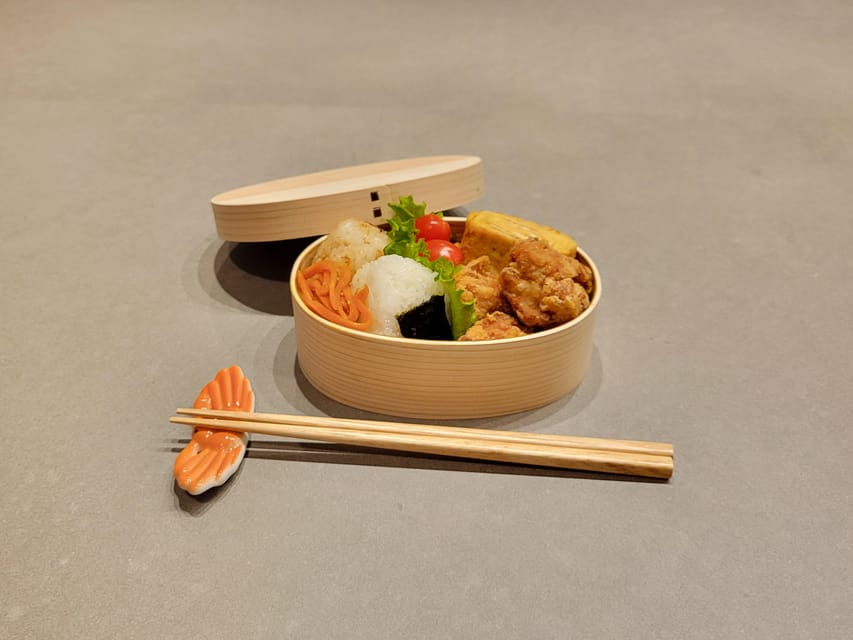
I would recommend it to solo visitors, couples, and small groups of friends who enjoy food and want direct contact with Japanese daily life. It is also a good choice for a beginner who feels unsure about Japanese cooking. The instructor provides guidance, and the group size allows room for questions.
It suits cooks who want to understand technique, not just collect food photographs. The dashi lesson, in particular, gives you a foundation that can be used in several dishes.
It is not suitable for children under six, people over 80, people under 120 centimeters tall, or anyone with a cold. Wheelchair users cannot take part, and electric wheelchairs are specifically excluded.
Food restrictions require careful attention. Vegans, vegetarians, and people with food allergies, gluten intolerance, or nut allergies should not book this class. Assistance dogs are allowed, but ordinary pets are not.
The class also prohibits smoking, vaping, alcohol, drugs, weapons, sharp objects, fireworks, and strong fragrances. Shoes are not worn indoors. These rules are easy to follow, but they are worth knowing before you arrive.
Booking and Cancellation Details
You can cancel up to 24 hours before the class for a full refund. A reserve-now, pay-later option is available, which helps if your Tokyo schedule is still shifting.
English is the standard class language. Japanese instruction can be arranged upon request, but translation services beyond English or Japanese are not included.
Insurance is not included, and personal cooking tools, home equipment, and extra ingredients are not supplied. You receive the equipment needed during the class, not a kit to take home.
Should You Book It?
Book this class if you want to do more than sample Japanese food. The strongest reasons are the small group, clear English instruction, practical dashi lesson, and recipes you can use after returning home.
Skip it if your diet requires vegan, vegetarian, allergy-free, gluten-free, or nut-free cooking, or if you are mainly looking for a cheap meal. For everyone else, $83 buys a focused two-hour introduction to Japanese home cooking, with enough hands-on work to make the experience useful long after your Tokyo visit.
FAQ
How long does the cooking class last?
The class lasts two hours.
How many people are in each group?
The group is limited to six participants.
What dishes are included?
The experience focuses on Japanese home cooking, including bento and oyakodon. The class experience also includes miso soup and dashi.
Is the class taught in English?
Yes. Classes are conducted in English. Japanese instruction can be arranged upon request.
What should I bring?
Bring comfortable clothes. An apron, towel, and slippers are provided.
Where is the meeting point?
Enter the alley and look for a four-story gray building on the right. Use the right-hand door marked Alleyway Gourmet Lab and go to the second floor.
Can I cancel for a refund?
Yes. You can cancel up to 24 hours in advance for a full refund.
Newly reviewed around Tokyo
- Tokyo Asakusa:Calligraphy & Make T-shirt Activity★ 5.0 · 62 reviews
- Intercity Shuttle, Tokyo to Haneda /Narita /Yokohama /Makuhari★ 5.0 · 5 reviews
- 1 Hour Travel around Tokyo with a Professional Photographer★ 5.0 · 3 reviews
- Travel Tokyo with Your Own Personal Photographer★ 5.0 · 43 reviews
- Kickboxing & Body Training with EX-Pro Fighter★ 5.0 · 4 reviews
- Train in Samurai Swordsmanship and Defeat the Demon in Tokyo★ 5.0 · 5 reviews
- Shuttle Van 6hr Tokyo Tour to-and-from Tokyo, Yokohama and Narita★ 5.0 · 9 reviews
- Traditional Japanese Knife Sharpening Class★ 5.0 · 18 reviews
Tokyo Cooking Classes, compared.
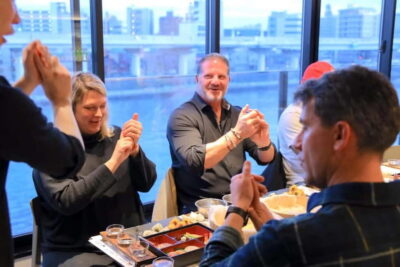
Roll and Authentic Sushi Making Class in Asakusa
Read our review →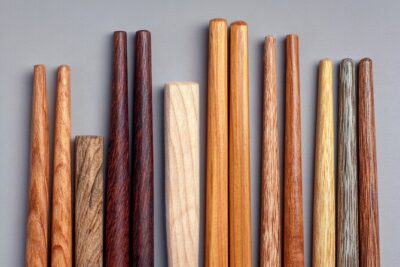
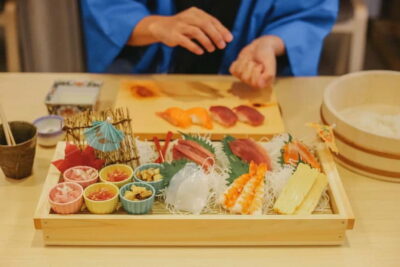
Sushi Making Class in a Happi Coat near a Famous Spot
Read our review →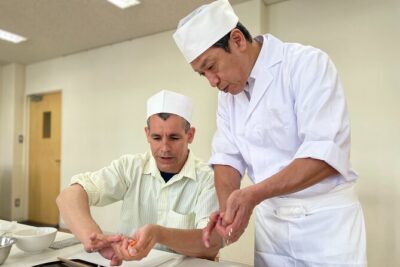
Tokyo Sushi Making Class in Tsukiji with Professional Chef
Read our review →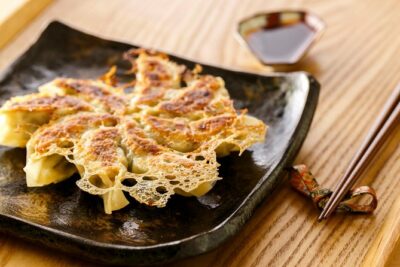
Ramen & Gyoza Cooking Class in Tokyo with Local Supermarket Visit
Read our review →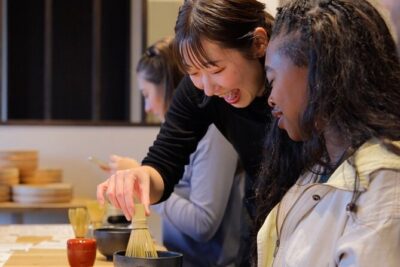
Matcha Making Class in Tokyo with Authentic Japanese Sweets Set
Read our review →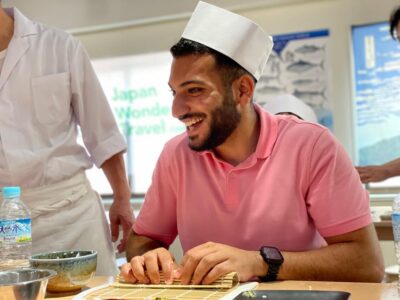
Tsukiji Fish Market Sushi Making Class with Pro Chef
Read our review →
Browse the lists this tour appears in