
Reviewed · TOKYO TRADITIONAL MUSIC AND DANCE SHOWS
Tokyo: Learn to play traditonal songs on Tsugaru Shamisen
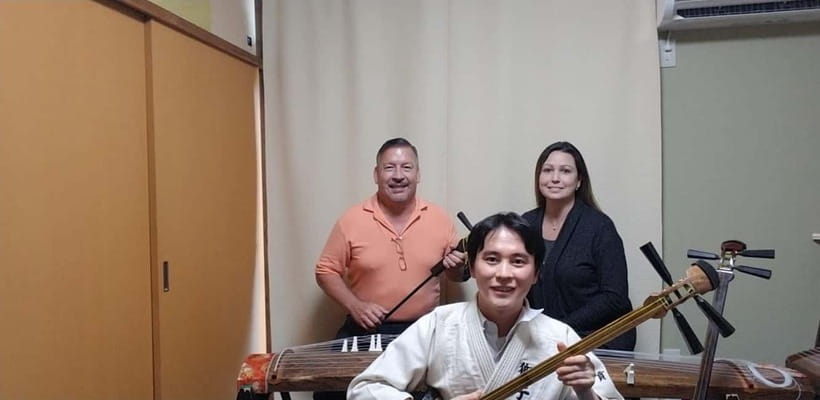
Tsugaru shamisen is not gentle background music. Its three strings produce a bright, percussive sound that can suggest surf, wind, and northern Japan in a few quick strokes. In this private lesson near Shinjuku, champion musician Kouzan Oyama shows you how to make that sound, then helps you play a song yourself.
I like the direct, hands-on format: you do not just watch a concert, and you can request a song at the start. I also like the chance to hear several Japanese instruments, including Okinawa sanshin and koto. The one-hour limit is practical, but it also means beginners should expect a satisfying introduction rather than mastery.
Key points
- Learn from a two-time world champion: Kouzan Oyama won the Tsugaru Shamisen World Cup in 2018 and 2019.
- Play during the first lesson: You practice a traditional folk song or request a song of your choice.
- Hear several Japanese instruments: The session can include demonstrations of different shamisen types, Okinawa sanshin, and koto.
- Study in English: The lesson is offered in English and focuses on both technique and cultural background.
- Keep a record of the moment: You can take photos and videos of your performance with the instructor.
- Book a private hour near Shinjuku: The price is $59 per person, with flexible cancellation up to 24 hours before the lesson.
Hearing the sharp sound of Tsugaru shamisen
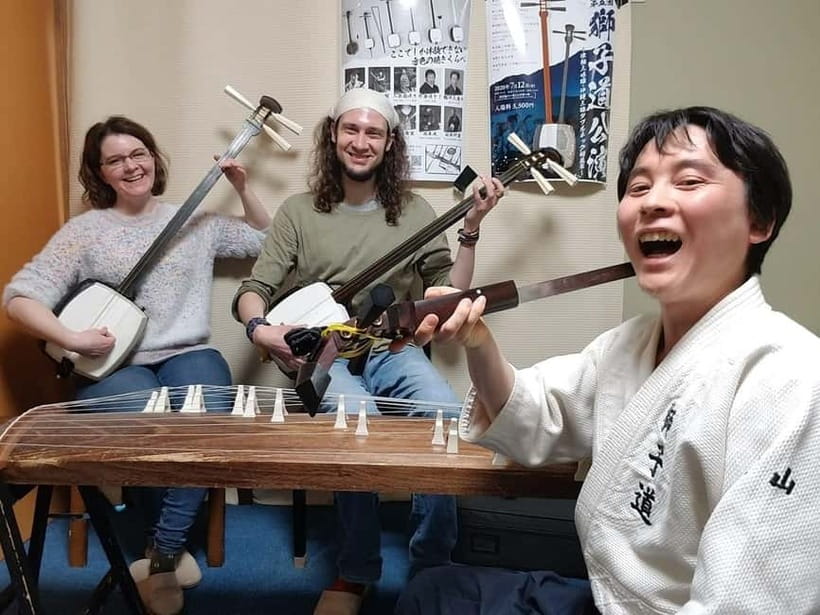
The shamisen is a three-stringed Japanese instrument often compared with a banjo. That comparison helps you picture its basic shape, but the sound is its own thing. Instead of a rounded Western tone, the shamisen can produce a crisp snap and a forceful attack.
Tsugaru shamisen comes from the Tsugaru area in northern Japan. Its music developed among traveling musicians and ordinary people, rather than only in formal concert halls. The style is known for speed, power, and energetic playing, so this is a good choice if you want a Japanese music experience with some punch.
You begin by learning what makes the instrument work. The lesson covers the shamisen’s three strings, the materials used to make it, and the way sound is produced. This matters because you are not simply copying hand movements. You are learning why the instrument responds as it does.
The comparison with Western instruments is useful, too. A piano or guitar usually lets you see a clear relationship between a note and a key or fret. Shamisen playing uses a different physical approach, and the sound comes from the meeting of the strings, the body, and the large pick used in performance.
More Tokyo traditional music and dance shows:
- Tokyo: Japanese Dance Cabaret Theater Asakusa-Kaguwa Ticket
★ 4.8 · 2,270 reviews - Tokyo: KABUKI Show at Kabukiza Theatre Admission Ticket
★ 4.8 · 152 reviews - Tokyo: KABUKI, BUNRAKU, etc. presented by National Theatre
★ 4.6 · 135 reviews
Meeting Kouzan Oyama near Shinjuku
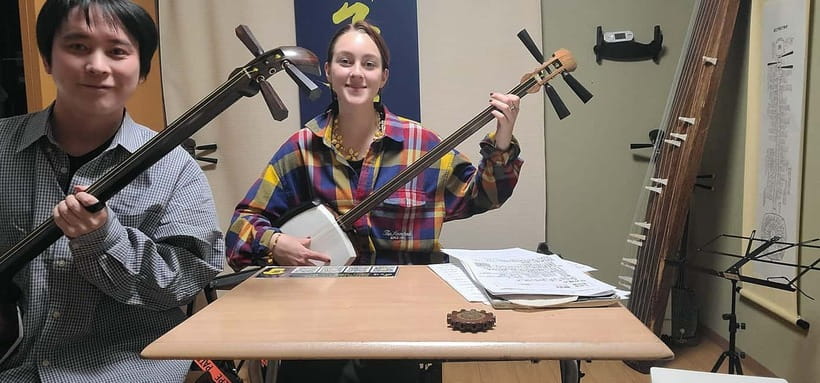
Your instructor is Kouzan Oyama, a master of the Oyama style of Tsugaru shamisen. He won the Tsugaru Shamisen World Cup in both 2018 and 2019, so you are learning from someone with serious performance experience, not a general music guide offering a short demonstration.
That distinction affects the lesson. Oyama can show you the techniques rather than only describe them. He also performs examples so you can hear the difference between a basic beginner sound and the fast, forceful style he has spent years developing.
His teaching material includes books he wrote himself. These are designed to help a first-time player get through a song during the lesson. That is a useful touch: instead of spending the full hour trying to remember a sequence of instructions, you have a guide to follow while your hands get used to the instrument.
The lesson is offered in English. Communication may not feel like a polished university lecture, but the class focuses on practical demonstration, and Oyama can answer questions about the instrument and its background. The teaching style is patient, which is especially helpful when your hands do not immediately do what your ears want them to do.
What happens during the one-hour lesson
The precise order can vary, but you should expect a clear progression from explanation to practice and performance.
First, you get to know the instrument
The session begins with an introduction to the shamisen. You learn about its three strings, construction, and sound. You may also see and hear other types of shamisen, which helps explain how Japanese string instruments differ from one another.
This opening is more useful than it may sound. A quick concert can leave you impressed but unsure what you just heard. Here, the instrument is placed in your hands as part of the explanation. You begin to understand the size, posture, and basic mechanics before trying to play.
A completely different kind of day in Tokyo:
- Mt Fuji and Hakone 1-Day Bus Tour Return by Bullet Train
★ 5.0 · 26,383 reviews - 1-Day Tokyo Bus Tour
★ 5.0 · 14,250 reviews - Tokyo: teamLab Planets TOKYO Digital Art Museum Entry Ticket
★ 4.6 · 9,779 reviews - Mt Fuji & Hakone Cruise, Drum Show Bullet Train 1 Day from Tokyo
★ 4.0 · 7,413 reviews
Next, you learn how to make a sound
Your first goal is not a complicated melody. It is producing a clean shamisen sound. The instrument has a distinctive response, and the pick, hand position, and string contact all matter.
This can be the most humbling part of the lesson. Do not expect your first attempts to sound like a professional performance. The pleasure is in the quick improvement, as Oyama corrects your position and helps you hear what needs to change.
Because he demonstrates each technique, you can compare your own attempts with the intended sound. That visual and musical contrast makes the instructions easier to grasp than spoken explanations alone.
Then, you work through a song
You can request a preferred song at the beginning of the lesson. If you do not have a particular choice, you practice a traditional Japanese folk song.
The choice is worth thinking about before you arrive. A familiar song may give you extra motivation, while the traditional folk song provides a straightforward introduction to Japanese music. The supplied teaching books are intended to help beginners play a song or two before the hour ends.
One student was able to learn Sakura in a single session. That does not mean every song will be equally easy, but it shows what the lesson is designed to deliver: a playable result in a short time, not just a lecture about shamisen culture.
Finally, you perform and record the moment
The session includes opportunities for photos and videos with the instructor. You can finish by playing what you have learned, with Oyama beside you.
This closing moment gives the lesson a proper shape. You leave with more than a few notes about Japanese music. You have a short performance to remember and a visual record of yourself trying the instrument.
Why the extra instruments matter
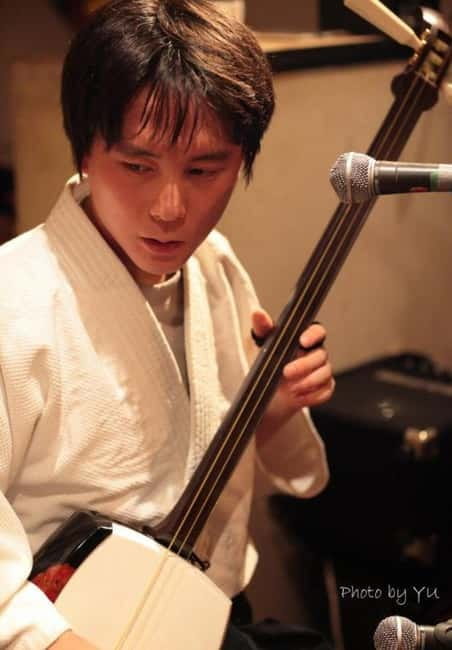
The focus is Tsugaru shamisen, but the musical comparisons add useful context. You may hear different types of shamisen, including Okinawa sanshin. The sanshin has its own place in Japanese music and gives you a chance to notice how regional instruments can differ in sound and style.
Oyama also plays koto, a traditional Japanese string instrument. During the lesson, he may perform on it and teach you a short tune. This is an unexpected bonus for anyone curious about Japanese music beyond the main subject.
The added instruments do not replace the shamisen lesson. Instead, they help you place Tsugaru shamisen within a wider musical picture. You hear why the northern style has such a strong, energetic character, and you gain a small taste of other traditions in the same hour.
The value of a $59 private lesson
At $59 per person, this is not the cheapest one-hour activity in Tokyo. It is also not priced like a passive cultural show. You receive direct instruction, access to the instrument, a private-group setting, demonstrations by a decorated performer, and time to play a song.
The value is strongest if you want an activity you actively take part in. You are paying for a focused lesson with an expert, not simply for a seat in an audience. The photos and video also give the hour a lasting souvenir that does not require buying a physical item.
A private group can be especially helpful for couples, friends, or families who want to ask questions without competing with a large class. It may feel less social than a shared workshop, but it gives the instructor more room to adjust the lesson to your pace.
The one-hour length keeps the cost and time commitment manageable. You can fit it into a day around Shinjuku without giving up half your sightseeing schedule. The tradeoff is that you will only learn a small foundation. If you want advanced technique, repeated practice, or a full concert-level piece, you will need more than one session.
Who will get the most from this activity
I would choose this lesson for several kinds of visitors:
- First-time music learners: You do not need prior shamisen experience, and the teaching material supports beginners.
- People who prefer doing over watching: The lesson puts an instrument in your hands and gives you a song to attempt.
- Japanese culture enthusiasts: You learn about the instrument’s construction, regional style, and place in Japanese music.
- Couples and small private groups: The private format allows for personal attention and shared photos.
- Musicians: If you already play another instrument, the difference between Japanese and Western sound production may be especially interesting.
- Visitors with a tight schedule: One hour is long enough for a real introduction but short enough to fit around other plans.
It may be less suitable if you want a long concert, a highly polished performance, or a relaxed activity requiring almost no concentration. You will be asked to listen, copy techniques, and practice. That is the point, but it does make the experience more active than simply sitting back.
Small practical points that affect your choice
The lesson is near Shinjuku, a useful location if you are already exploring western central Tokyo. The supplied details do not give a precise meeting point, so check the confirmed location carefully before setting out.
English instruction is available. The session is wheelchair accessible, and the group type is private. Those details make it easier to plan for different needs, though you should still confirm any personal access requirements when booking.
The activity offers free cancellation up to 24 hours before the start time. You can also reserve now and pay later, which helps if your Tokyo schedule is still changing.
Bring a song request if you have one. Make it at the beginning, since the instructor needs to know what you hope to learn. If you arrive without a plan, the traditional Japanese folk song option gives you a ready-made starting point.
How this compares with watching a shamisen show
A concert gives you the best possible sound from the first note. A lesson gives you a much rougher first attempt, followed by the satisfaction of improvement. You should choose based on what you want to remember from the hour.
If you want to hear a professional performance without effort, book a show. If you want to understand how that sound is produced and try creating it yourself, this lesson offers more personal value.
The presence of a two-time World Cup winner also changes the experience. Oyama can demonstrate the speed and force of Tsugaru playing in a way that a basic beginner class might not. You may not reproduce that level of performance, but seeing the technique up close gives the lesson a strong reference point.
Final verdict: book it if you want to play, not just watch
I recommend this activity if you want a compact, hands-on introduction to Japanese music. The best reasons to book are the private format, patient English instruction, and chance to play a complete song with help from Kouzan Oyama.
The main limitation is simple: one hour goes quickly. You will not become a Tsugaru shamisen expert, and a difficult personal song may need more preparation than the session allows. Still, at $59, the lesson offers a clear result, cultural context, demonstrations on several instruments, and photos or video to take with you.
Book it if the idea of making your own first shamisen sound appeals to you. Skip it if you only want a concert or have no interest in active practice. For a curious visitor with one free hour near Shinjuku, this is a memorable way to meet Japanese music at close range.
FAQ
Where does the shamisen lesson take place?
The lesson takes place near Shinjuku in Tokyo, on Honshu, Japan.
How long is the activity?
The lesson lasts one hour.
How much does the experience cost?
The price is $59 per person.
Is the lesson taught in English?
Yes. English instruction is provided.
Who teaches the lesson?
The instructor is Kouzan Oyama, a master of the Oyama style of Tsugaru shamisen and a winner of the Tsugaru Shamisen World Cup in 2018 and 2019.
Do I need previous shamisen experience?
The activity is designed to teach beginners how to produce the Tsugaru shamisen sound and play a song. No previous experience is stated as a requirement.
Can I request a song?
Yes. You can request a preferred song at the beginning of the lesson. If you do not choose one, you practice a traditional Japanese folk song.
Will I hear instruments besides Tsugaru shamisen?
Yes. The lesson may include demonstrations of different shamisen types, Okinawa sanshin, and koto.
Can I take photos or videos?
Yes. The activity includes opportunities to take photos and videos of your performance together with the instructor.
Is the activity wheelchair accessible?
Yes. The activity is listed as wheelchair accessible.
Can I cancel the booking?
You can cancel up to 24 hours in advance for a full refund.
Do I have to pay when I book?
No. The activity offers a reserve-now, pay-later option.
Newly reviewed around Tokyo
- Tokyo Asakusa:Calligraphy & Make T-shirt Activity★ 5.0 · 62 reviews
- Intercity Shuttle, Tokyo to Haneda /Narita /Yokohama /Makuhari★ 5.0 · 5 reviews
- 1 Hour Travel around Tokyo with a Professional Photographer★ 5.0 · 3 reviews
- Travel Tokyo with Your Own Personal Photographer★ 5.0 · 43 reviews
- Kickboxing & Body Training with EX-Pro Fighter★ 5.0 · 4 reviews
- Train in Samurai Swordsmanship and Defeat the Demon in Tokyo★ 5.0 · 5 reviews
- Shuttle Van 6hr Tokyo Tour to-and-from Tokyo, Yokohama and Narita★ 5.0 · 9 reviews
- Traditional Japanese Knife Sharpening Class★ 5.0 · 18 reviews
Tokyo Traditional Music and Dance Shows, compared.

Japanese Dance Cabaret Theater Asakusa-Kaguwa Ticket
Read our review →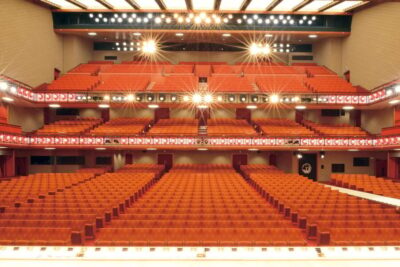
KABUKI Show at Kabukiza Theatre Admission Ticket
Read our review →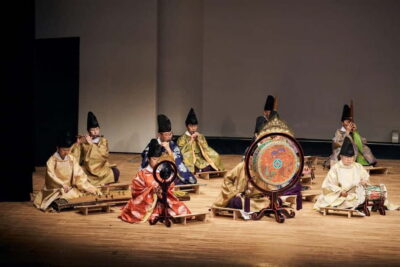
KABUKI, BUNRAKU, etc. presented by National Theatre
Read our review →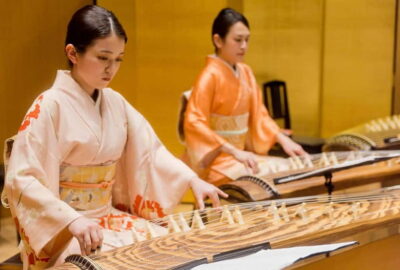
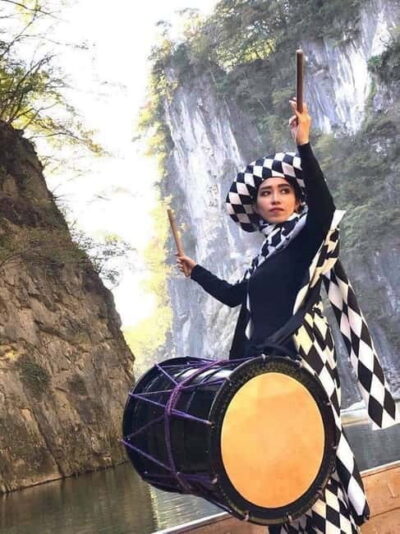
Tokyo’s Authentic and Finest Taiko Drumming Experience
Read our review →
Tokyo’s Authentic and Finest Taiko Drumming Workshop
Read our review →
Authentic Japanese Dance Show ticket by professionals
Read our review →
Browse the lists this tour appears in