
Reviewed · TOKYO WALKING TOURS
Tokyo: Kichijoji Walking Tour with Local Guide
Kichijoji is where Tokyo relaxes a little. This four-hour walk takes you from the Hanako Elephant Statue through local shopping streets and Inokashira Park, then leaves you with two hours inside the Ghibli Museum. It is a smart way to pair a hard-to-get museum ticket with a look at a neighborhood most visitors skip.
I like the small groups of up to five and the easygoing local guides, including Mina, Daiske, Yuma, and Shinjo. I also like the route itself: lively food lanes, a quiet park, and a family-friendly museum make a good change from Tokyo’s busiest districts. The main drawback is price. At $88, you pay a premium for the guided walk and museum access, and lunch is not included.
Key points to know before booking
- The Ghibli ticket is the big prize: This tour can be useful when buying a museum ticket directly has not worked out.
- Kichijoji feels local: Sunroad and Harmonica Yokocho offer shops, food stalls, narrow lanes, and everyday Tokyo life.
- Inokashira Park breaks up the city day: Allow for a pleasant 30-minute guided walk, plus another 10-minute walk between stops.
- The museum visit is independent: After entering, you have about two hours to explore at your own pace.
- Guides make the difference: Mina, Daiske, Yuma, Miko, Oishi, and Shinjo have all been singled out for warmth, local tips, and help with practical details.
- Bring good shoes and a flexible appetite: You will walk, lunch costs extra, and food options or dietary arrangements may vary.
Why Kichijoji makes a good Tokyo half-day
I like Kichijoji because it gives you a softer version of Tokyo. You still get the energy of shops and food streets, but the pace is less frantic than in Shibuya or Shinjuku. The neighborhood also feels like a real place where people shop, meet friends, eat, and spend time outdoors.
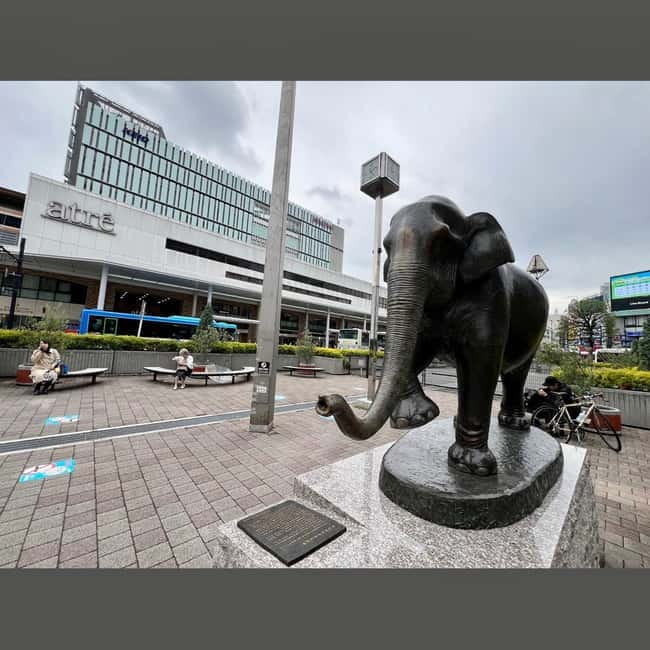
The meeting point is the Hanako Elephant Statue at the north exit of Kichijoji Station. Look for a guide wearing a lanyard. This is a useful detail because the station area can be busy, and the elephant statue is easier to spot than a vague meeting point near a station entrance.
The guide contacts you through WhatsApp the day before to confirm the meeting. That small check-in matters in Tokyo, where a few minutes spent at the wrong station exit can quickly become a stressful start. The tour runs rain or shine, so check the forecast and bring suitable footwear or rain protection.
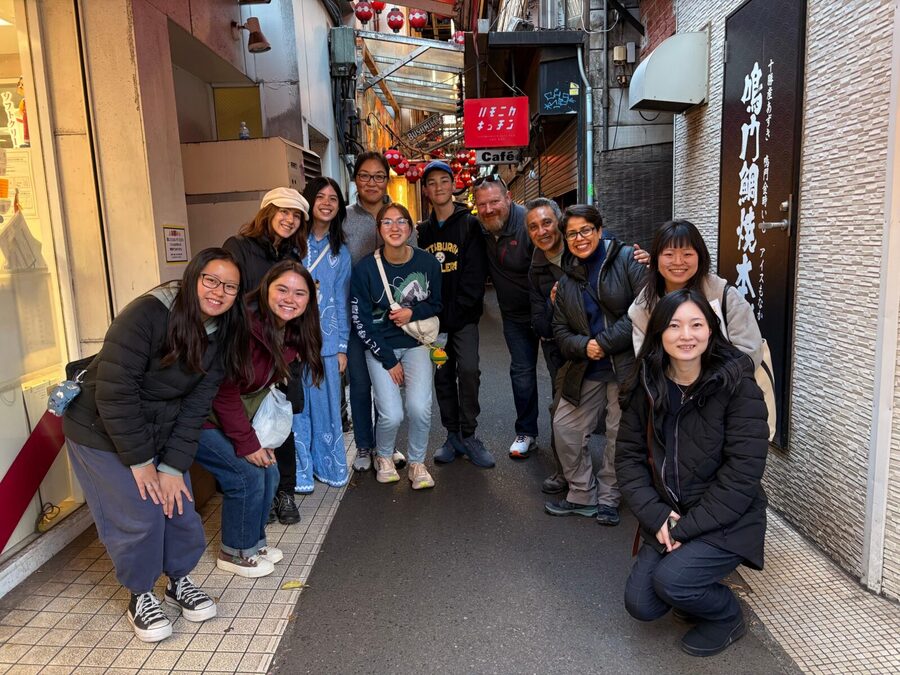
With only five people, the group should feel more like a walk with a local than a large organized outing. Guides such as Mina and Daiske are praised for being friendly and easy to talk with, while Yuma and Shinjo have been noted for explaining the area and helping with practical questions. English and Japanese are available, though some guides may use a translation app when needed.
More Tokyo walking tours:
- Tokyo Tsukiji Fish Market Food and Culture Walking Tour
★ 5.0 · 3,184 reviews - Tokyo: Imperial Palace and Shogun Historical Walking Tour
★ 5.0 · 2,251 reviews - Tokyo: Shinjuku Local Bar and Izakaya Guided Walking Tour
★ 4.9 · 1,794 reviews
Sunroad: a busy shopping street with local flavor
From the meeting point, you walk for about 10 minutes before reaching Kichijoji Sunroad. The guided portion here lasts about 15 minutes. Sunroad is not a museum piece or a preserved old town. It is a working shopping street, which is exactly why it is worth seeing.
You can expect a mix of shops, food businesses, and the steady movement of local shoppers. The guide helps you notice the neighborhood rather than simply leading you from one attraction to the next. You might learn where people eat, which shops matter locally, and how Kichijoji fits into everyday Tokyo.
The time here is short, so do not expect a full food tour or a long shopping stop. The value is in getting your bearings and understanding the character of the neighborhood. If you enjoy seeing how people actually use a place, this is more rewarding than another famous photo stop.
Harmonica Yokocho and the narrow lanes
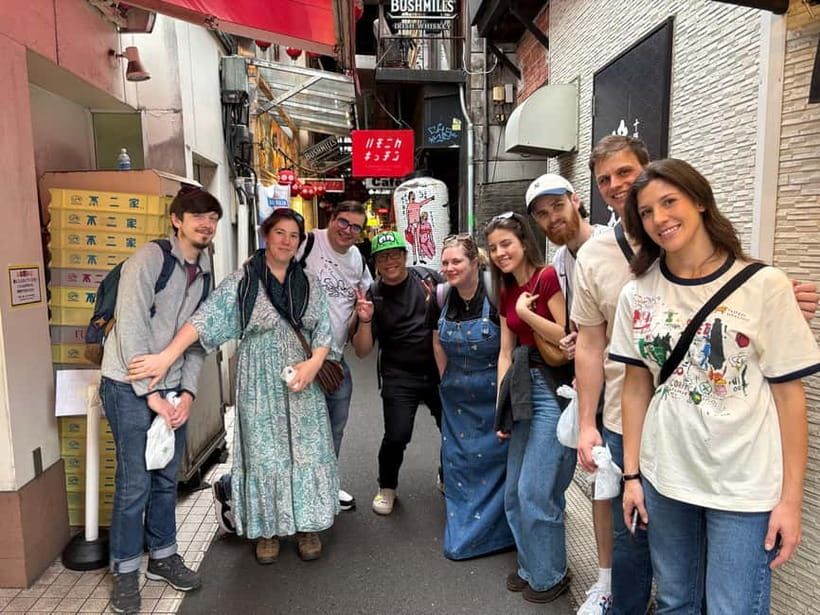
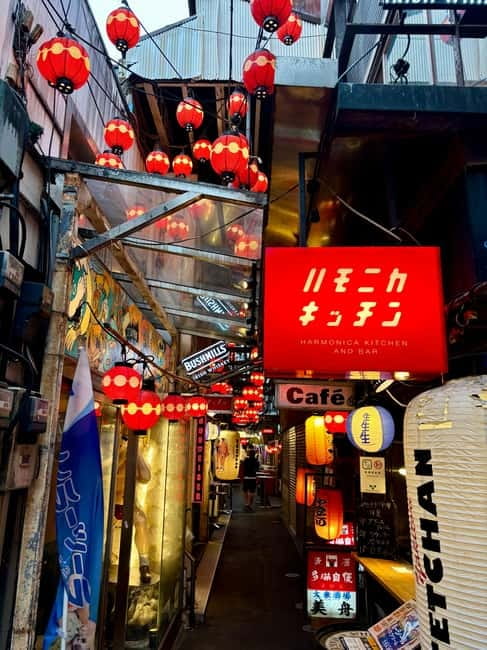
The next stop is Harmonica Yokocho, explored with the guide for about 15 minutes. Its narrow lanes are packed with small food spots and have a more nostalgic feel than the broad shopping street. The name fits the close-set layout, with lanes that can feel almost compressed between storefronts.
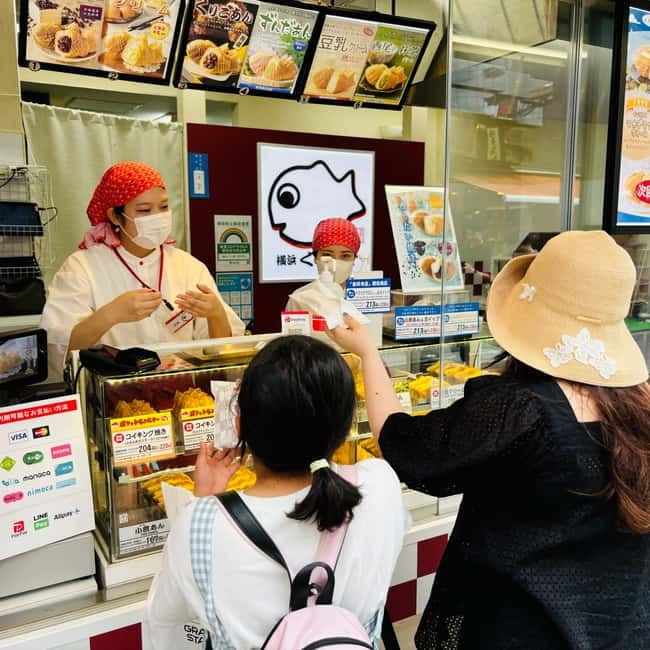
This is one of the most entertaining parts of the walk. You can smell food, see compact restaurants, and get a sense of Tokyo’s small-scale dining culture. The guide can point out local places and explain what you are seeing, which is especially helpful if you are not used to ordering in tiny Japanese eateries.
Food is part of the experience, but you should read the price carefully. Lunch is not included in the advertised package. Some departures have included a local lunch stop or helped arrange food, while the official inclusions list only a snack. Ask your guide what the day’s food plan is before ordering, especially if you have dietary restrictions or are vegetarian.
That said, the food is repeatedly treated as an important part of the outing. Past visitors have described sushi, fish dishes, ramen, Japanese sweets, taiyaki, and other local snacks. Do not book this expecting a fixed culinary menu, but do expect the guide to help you find something interesting. If lunch is included informally on your departure, confirm whether you pay separately.
Inokashira Park: a calm walk before the museum
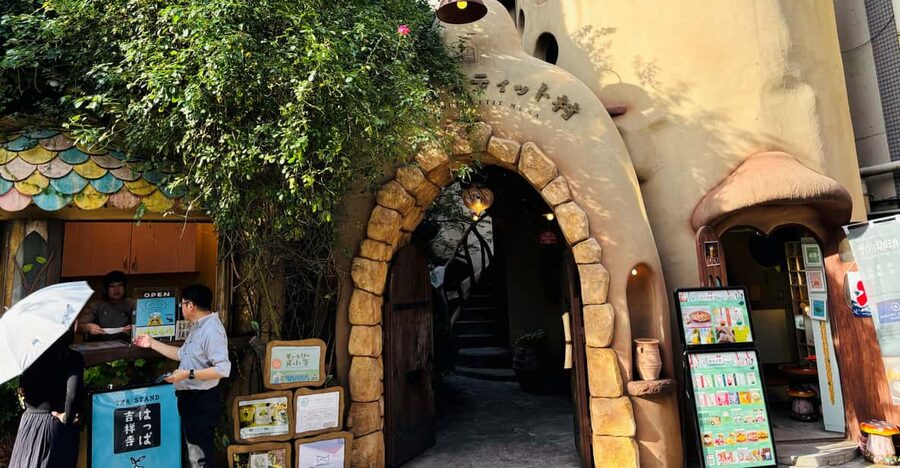
After the shopping streets, the tour heads toward Inokashira Park. The walk takes about 10 minutes, followed by roughly 30 minutes with the guide in the park. This change of scene is one of the tour’s best design choices.
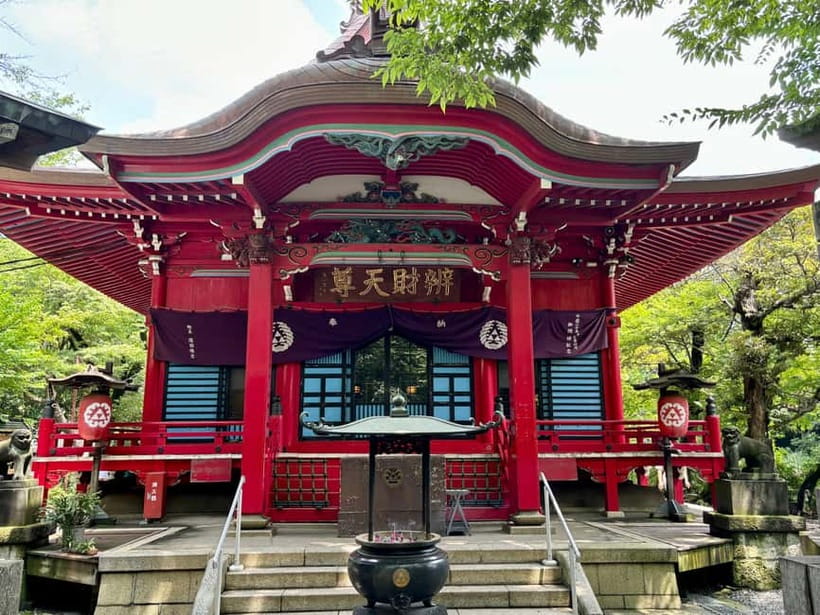
Inokashira Park gives you trees, open space, and a quieter rhythm after the tight lanes of Harmonica Yokocho. The lake and swan boats add a bit of charm, and the park is used by local people throughout the year. You may also pass a shrine or other small points of interest, depending on the route and the guide.
The park walk is not difficult in the sense of a hike, but this is still a walking tour. One visitor noted that it was a bit much for senior parents, and the guide helped with alternative ways to return to the station afterward. If you have mobility concerns, contact the provider before booking and ask how much walking your departure will involve.
I especially like this section for families. Children can move around more easily than they can on a crowded shopping street, and the park gives everyone a chance to slow down before the museum. In spring, the trees can be especially pleasant, while in hot or wet weather you should be ready for changing conditions because the tour operates rain or shine.
A completely different kind of day in Tokyo:
- Mt Fuji and Hakone 1-Day Bus Tour Return by Bullet Train
★ 5.0 · 26,383 reviews - 1-Day Tokyo Bus Tour
★ 5.0 · 14,250 reviews - Tokyo: teamLab Planets TOKYO Digital Art Museum Entry Ticket
★ 4.6 · 9,779 reviews - Mt Fuji & Hakone Cruise, Drum Show Bullet Train 1 Day from Tokyo
★ 4.0 · 7,413 reviews
Reaching the Ghibli Museum
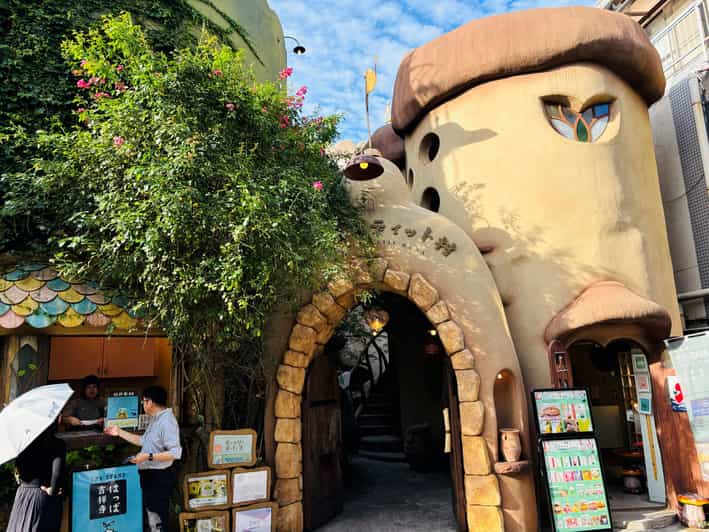
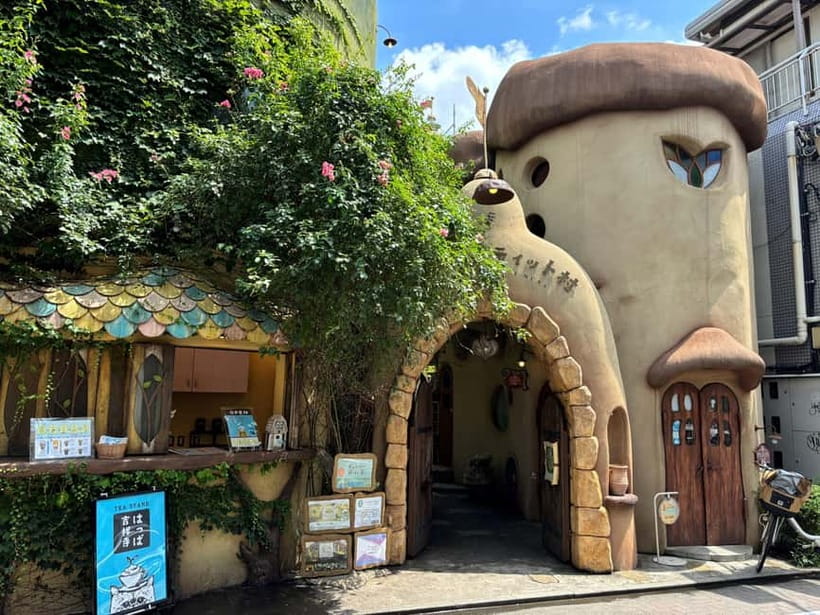
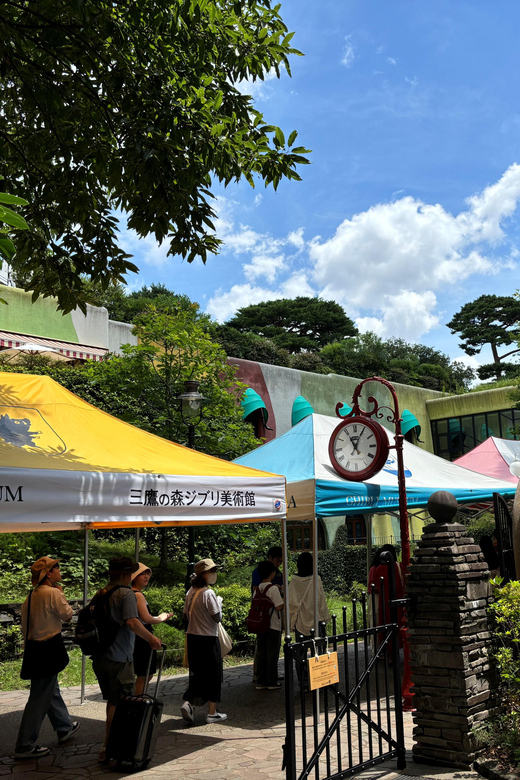
The route continues on foot from the park to the Ghibli Museum. The museum visit lasts about two hours and is free time, not a guided tour. Your guide helps you reach the entrance and provides the admission, then you explore on your own.
That setup works well. A museum devoted to Studio Ghibli is personal by nature, and you may want to linger over a film detail, sketch, display, or short animation without keeping pace with a group. Families can move at their own speed, and committed fans can spend their time where it matters most.
The museum is compact, so two hours is generally a sensible amount of time. It gives you enough room to see the exhibits without turning the whole day into one long indoor visit. The museum may feel small if you expect a huge theme park, but its appeal comes from the close-up look at the creative process and the atmosphere of the films.
Photography may be limited inside. Plan to put your phone away in many areas and enjoy the displays directly. There are outdoor photo opportunities, and the gift shop is a natural final stop for many people. One useful tip is to start at the bottom if you want to finish near the shop at the top, though you may still need to use stairs on the way out.
You should also know that the museum is best for people who already like Studio Ghibli or want to learn more about the studio’s work. If you have no interest in animation, the $88 price becomes harder to justify. For a fan who could not secure a ticket, the museum access can be the reason the tour makes sense.
Is $88 a fair price?
The direct museum ticket is cheaper than the full tour price, so this is not the budget way to visit. You are paying for more than admission, though. The package includes a local guide, the walking route, the small group, a snack, and the convenience of having the museum ticket arranged for you.
The museum ticket is the key value. Direct tickets can be difficult to obtain, and some people book this experience mainly because they cannot get in through the regular online sale. If the alternative is missing the museum during a once-only Tokyo trip, the premium may be reasonable.
The value is stronger if you want all three of these things:
- A local introduction to Kichijoji
- Help with food and neighborhood context
- A reliable route into the Ghibli Museum
The value is weaker if you already know Kichijoji, can buy the museum ticket yourself, or prefer exploring without a guide. You should also budget extra for lunch. The package does include a snack, but it does not promise a full meal.
I would think of the $88 as a convenience and access fee, not simply a museum ticket. For a devoted Ghibli fan, that distinction matters. For a casual fan, compare the price with other Tokyo activities before booking.
The guides shape the experience
The route is straightforward, so the guide is what gives it personality. Mina has been praised for being chatty and friendly, while Daiske has helped with meeting instructions, dietary questions, and group comfort. Yuma has been appreciated for local history and neighborhood facts, and Miko for food recommendations and conversation.
You may not receive the same guide every time. That means the tone can vary. Some guides are confident in English, while others may rely on Google Translate or another translation app. The language listing is English and Japanese, but you should not assume a polished lecture-style presentation.
That is not necessarily a problem. The strongest part of this format is the informal exchange. You can ask about shops, restaurants, manga, food, and Japanese customs as you walk. A small group also makes it easier to ask for help with vegetarian choices or other food needs.
The guide may take photos during the walk and send them through WhatsApp afterward, depending on the person leading your group. Treat that as a possible bonus, not a guaranteed inclusion.
Who should book this Kichijoji walk?
I would recommend it most strongly to Ghibli fans who could not get museum tickets. You get the museum access plus a pleasant introduction to a part of Tokyo you might otherwise miss.
It also suits families. The pace is relaxed, the group is small, and Inokashira Park offers a welcome open-air break. Parents should still bring comfortable shoes and keep in mind that the walk from the station through the park to the museum takes time.
Couples and first-time Tokyo visitors can also get a lot from it. The tour avoids the biggest tourist corridors and gives you a manageable half-day with food streets, greenery, and a major cultural stop.
I would be more cautious if you dislike walking, need a fully accessible route, want a formal historical tour, or are not interested in Ghibli. The experience is not built around famous monuments or long lectures. Its appeal is local streets, conversation, snacks, and museum access.
Booking is flexible, with free cancellation up to 24 hours before the activity and a reserve-now, pay-later option. The start time varies, so check availability for your date. Wear comfortable shoes, do not smoke during the activity, and keep your phone ready for the WhatsApp confirmation.
Should you book it?
Book this tour if the Ghibli Museum is high on your Tokyo list and you want a relaxed neighborhood walk before entering. The combination of Kichijoji, Harmonica Yokocho, Inokashira Park, and two hours at the museum gives you more variety than a museum visit alone.
Skip it if you can easily buy a museum ticket yourself and would rather explore Kichijoji independently. At $88, the price is fair mainly when you value the ticket access, local guidance, and small group. For the right person, it turns a difficult museum booking into a pleasant half-day. For everyone else, the neighborhood is easy to enjoy on its own.
FAQ
Where does the tour meet?
Meet at the Hanako Elephant Statue at the north exit of Kichijoji Station. Look for a guide wearing a lanyard.
How long does the experience last?
The activity lasts four hours. The exact starting time depends on availability for your selected date.
How much walking is involved?
The route includes a 10-minute walk to Kichijoji Sunroad, a further 10-minute walk toward Inokashira Park, and walking through the shopping streets and park before reaching the museum.
Is lunch included?
No. Lunch is not included in the listed price. A snack is included, and food arrangements may vary by departure, so ask your guide about the meal plan.
Is admission to the Ghibli Museum included?
Yes. Admission to the Ghibli Museum is included, followed by about two hours of free time inside.
Can I explore the museum independently?
Yes. The museum portion is free time, so you can visit the exhibits at your own pace after entering.
What languages are available?
Live guiding is available in English and Japanese. Some guides may use a translation app when needed.
What should I bring?
Bring comfortable shoes. The tour operates in rain or shine, so weather-appropriate clothing is also sensible.
Can I cancel the booking?
You can cancel up to 24 hours in advance for a full refund. A reserve-now, pay-later option is also available.
Newly reviewed around Tokyo
- Tokyo Asakusa:Calligraphy & Make T-shirt Activity★ 5.0 · 62 reviews
- Intercity Shuttle, Tokyo to Haneda /Narita /Yokohama /Makuhari★ 5.0 · 5 reviews
- 1 Hour Travel around Tokyo with a Professional Photographer★ 5.0 · 3 reviews
- Travel Tokyo with Your Own Personal Photographer★ 5.0 · 43 reviews
- Train in Samurai Swordsmanship and Defeat the Demon in Tokyo★ 5.0 · 5 reviews
- Shuttle Van 6hr Tokyo Tour to-and-from Tokyo, Yokohama and Narita★ 5.0 · 9 reviews
- Kickboxing & Body Training with EX-Pro Fighter★ 5.0 · 4 reviews
- Traditional Japanese Knife Sharpening Class★ 5.0 · 18 reviews
Tokyo Walking Tours, compared.
Tokyo Tsukiji Fish Market Food and Culture Walking Tour
Read our review →
Imperial Palace and Shogun Historical Walking Tour
Read our review →
Shinjuku Local Bar and Izakaya Guided Walking Tour
Read our review →
Asakusa Walking Tour with Sensoji Temple Visit
Read our review →
Tokyo Castle & Imperial PalaceーShogun Walking Tour
Read our review →
Browse the lists this tour appears in