
Reviewed · WORKSHOPS
Tokyo Keen Japanese Knife and Sashimi Workshop
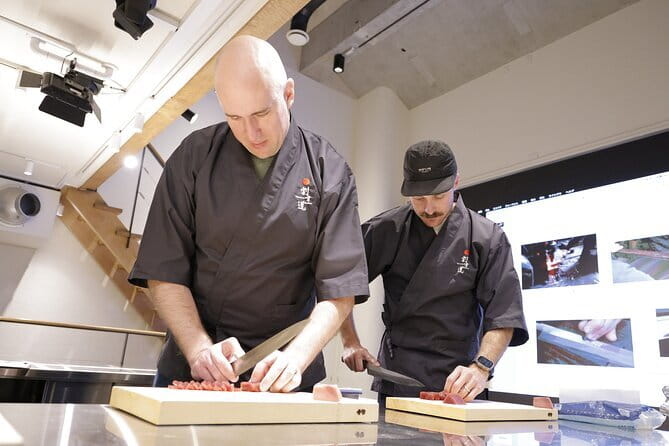
Japanese knife work is about far more than cutting food. In this small Tokyo class, you learn how a Japanese knife is made, practice sharpening it on a wet stone, slice sashimi, and turn that fish into a bowl of zuke-don. The hands-on practice is the real draw.
I like the mix of craft and lunch, since the meal gives you a reason to use each new skill right away. I also like the patient teaching style of chef Naoya and interpreter Hiromi, especially for English-speaking visitors. The main drawback is the price: at $130.78 per person, this is not a casual budget activity, and the two-hour format leaves little room for a slow, relaxed meal.
Key points to know before booking
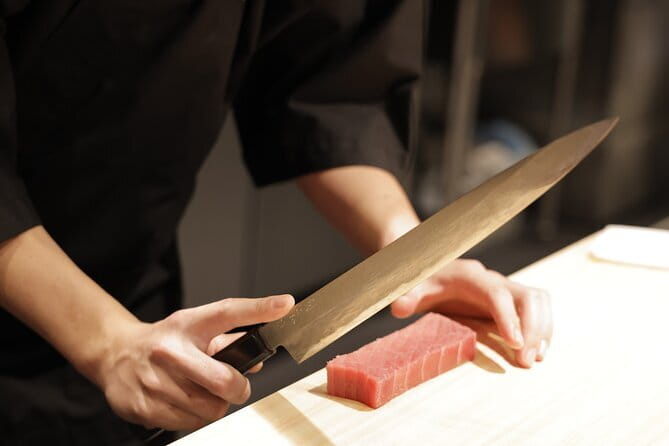
- Practice with real Japanese knives: You cut sashimi yourself rather than only watching a demonstration.
- Sharpening is part of the lesson: You use a whetstone and receive help even if this is your first attempt.
- Lunch is made in class: You prepare zuke-don, a rice bowl topped with marinated sashimi, then eat it with miso soup.
- Small groups keep the lesson personal: The class accepts a maximum of eight people.
- English support is available: Chef Naoya teaches with interpreter Hiromi.
- You get useful extras: Tools and aprons are provided, along with sake tasting, a participation certificate, and 10% off the first-floor shop that day.
Why this Tokyo knife class feels different
Many Japanese food classes focus on recipes. This one begins with the tool itself. You learn about the culture and customs surrounding Japanese knives, then hear how a Japanese knife is made before using one at the cutting board.
That order matters. A sashimi knife is not simply a sharper version of an ordinary kitchen knife. The way you hold it, draw it through the fish, and think about the cut all affect the final texture. This workshop gives you a chance to feel that difference rather than treating Japanese knife work as a quick photo opportunity.
The lesson takes place at Kappodo H.Q., also identified as Tokyo D Kitchen Studio, in Nishi-Azabu. The address is in Minato City at 2-chome 21-12, DK Building. It is near public transportation, and the class starts and finishes at this same location.
You should allow about two hours. That is enough time for a useful introduction, but not enough for a leisurely professional training session. Think of it as a focused cultural class with a meal at the end, not a full culinary-school course.
More hands-on classes and workshops in Tokyo:
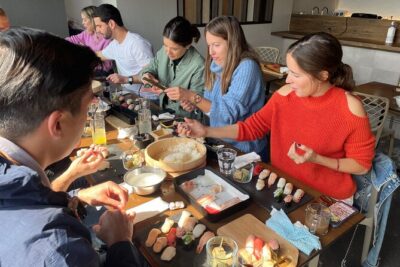
- Sushi Making Tokyo Roll and Authentic Japanese Sushi Class
★ 5.0 · 3,971 reviews - Tokyo: Roll and Authentic Sushi Making Class in Asakusa
★ 4.9 · 1,957 reviews - Tokyo Shinjuku Chopsticks Making Class
★ 5.0 · 1,763 reviews
The opening lesson on Japanese knife culture
The first part explains how Japanese knives are made and why they have such an important place in Japanese cooking. This is one of the strongest parts for anyone who likes to understand the object in their hand, not just buy one in a shop.
You are introduced to the customs and traditions connected with Japanese knives. The class does not only tell you that the knives are sharp. It explains how their design and use relate to Japanese food preparation, especially sashimi, where a clean cut is central to the dish.
This section is mainly demonstration and explanation, so it suits curious beginners. You do not need previous knife experience. The teaching is available through Japanese and English, with Hiromi providing interpretation for international participants.
The small maximum of eight people should help here. You have a better chance to see the demonstration clearly and ask questions than you would in a large cooking class. If your group is very small, the instructor may be able to give you more individual attention, but that can vary by date.
Watching the sashimi technique before trying it
Chef Naoya demonstrates the knife work before you take over. That is a sensible approach because sashimi cutting can feel unfamiliar if you are used to chopping, rocking, or pressing a knife through ingredients.
You then use a Japanese knife to cut sashimi yourself. This is the point where the lesson becomes more than a talk about Japanese craftsmanship. You can feel the sharpness of the blade and learn how much pressure is, and is not, needed.
The cutting style is different from what many home cooks expect. You are taught to work with the knife in a controlled way rather than forcing it through the fish. The class gives you repeated practice, which is helpful because the first cut may not feel natural.
Do not expect to leave with restaurant-level sashimi technique after one session. The value is in learning the basic movement and gaining a better sense of why Japanese chefs treat knife work as a craft. You also leave with a clearer idea of which habits to practice at home.
Sharpening on a whetstone
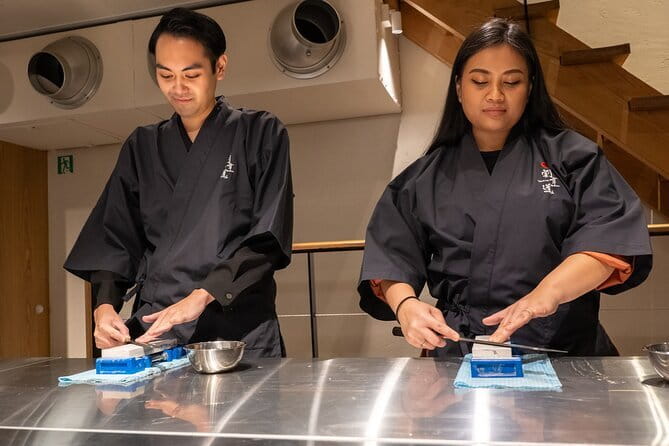
While the fish is marinating later in the class, you learn to sharpen a Japanese knife on a whetstone. This is a particularly useful feature because sharpening is often the part of knife ownership that beginners avoid.
The instructor helps you through the process even if you have never used a whetstone. You learn how the stone is used and how sharpening differs from simply running a blade through a modern pull-through sharpener.
This lesson demands patience. You need to pay attention to the angle and motion, and you may not produce a perfect edge on your first attempt. That is not a flaw in the class. It is an honest introduction to a skill that takes practice.
For me, this is one of the best reasons to choose the workshop over a standard sushi-making class. You gain advice that can apply to your own kitchen tools. Still, you should check what you take home before booking. The included items are the tools and aprons used during the lesson, but the details provided do not say that a knife or whetstone is yours to keep.
A completely different kind of day in Tokyo:
- Mt Fuji and Hakone 1-Day Bus Tour Return by Bullet Train
★ 5.0 · 26,383 reviews - 1-Day Tokyo Bus Tour
★ 5.0 · 14,250 reviews - Tokyo: teamLab Planets TOKYO Digital Art Museum Entry Ticket
★ 4.6 · 9,779 reviews - Mt Fuji & Hakone Cruise, Drum Show Bullet Train 1 Day from Tokyo
★ 4.0 · 7,413 reviews
Making tuna zuke-don for lunch
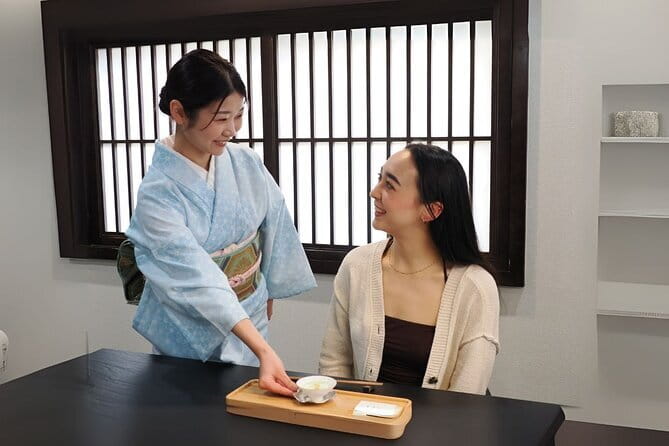
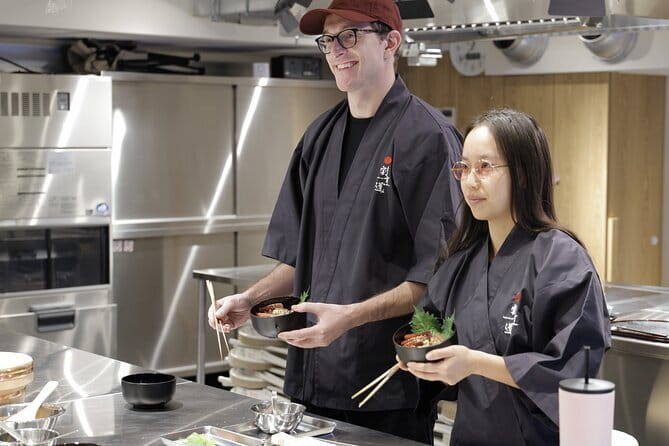
After working on the knife skills, you prepare zuke-don. This is a Japanese rice bowl topped with marinated sashimi, usually tuna, though the fish can change depending on availability.
You work with the sashimi you have cut and prepare the rice dish while the fish marinates. The class then serves your bowl with miso soup. The meal is not an afterthought. It gives the earlier technique a clear purpose and lets you taste how the cut and marinade come together.
I like this structure because you are not simply handed a dish after the lesson. You make the main bowl yourself, then sit down to eat it. That creates a satisfying connection between the knife work, the preparation, and the finished food.
The meal also helps with the price. At $130.78, the class needs to offer more than a short demonstration. Lunch, drinks, equipment, instruction, and the cultural explanation all form part of the value. If you only want to learn how to sharpen a knife, this will probably feel expensive. If you want a compact food-and-craft activity in Tokyo, the cost is easier to justify.
Sake tasting and the finish of the class
You can taste Kappodo’s original sake as part of the session. Tea is also mentioned as part of the refreshments available with the meal. The sake adds a small cultural touch, but it should not be the main reason you book.
The workshop ends back at the meeting point after lunch. You receive a certificate of participation, which is a pleasant souvenir, though its practical value is limited. The more useful takeaway is the technique, especially if you plan to continue sharpening and cutting at home.
You also receive 10% off items in the first-floor shop on the same day. That discount may matter if you have already decided to buy a Japanese knife or related kitchen item. Do not feel pressured to purchase, though. The class can work perfectly well as a learning experience without adding a shopping stop.
What the two-hour schedule means for you
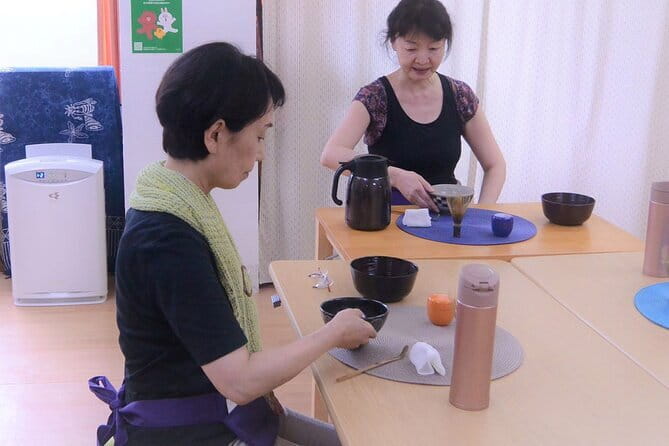
Two hours is a compact format. You will cover knife culture, the making of Japanese knives, a cutting demonstration, sashimi practice, sharpening, cooking, and lunch. The schedule is efficient, but it will not allow unlimited time at each station.
This suits you if you prefer a focused activity that fits neatly into a Tokyo sightseeing day. It is also useful for a first introduction, especially if your cooking knowledge is basic or your Japanese knife experience is limited.
The short duration may feel restrictive if you want to ask many technical questions or practice each movement at length. A class with more time might be better for an experienced cook who wants detailed sharpening instruction. For most beginners, though, two hours should provide a clear taste of the subject without taking over the day.
The class is offered to a maximum of eight people. That is small enough to support hands-on work, but it is still a group class rather than a private lesson. If you want a completely personal pace, you should ask about availability before booking, since the supplied details only confirm the group format.
Language, teaching, and comfort level
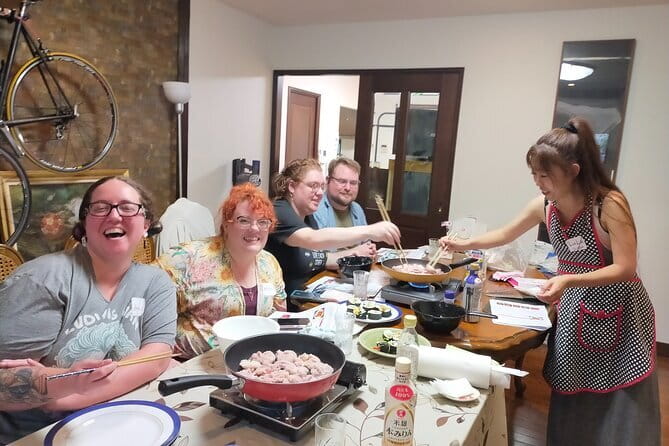
English-speaking visitors are supported by an interpreter. Hiromi works with chef Naoya, and the teaching includes both Japanese and English. That matters during a knife class because a small misunderstanding about grip or movement can affect both your result and your safety.
The teaching style is patient and demonstration-based. You watch the technique, try it yourself, and receive corrections. This is more reassuring than being given a recipe and left to copy it.
The class is friendly to foreigners and designed for people who may not know Japanese food traditions. You should still expect to listen carefully and follow instructions around sharp tools. The atmosphere is comfortable, but it remains a practical workshop, not a casual drop-in tasting.
The location and practical planning
You meet at Kappodo H.Q., Tokyo D Kitchen Studio, in Nishi-Azabu, Minato City. The activity begins and ends there, and the location is near public transportation. Private transportation is not included, so you will need to make your own way to the studio.
Because the activity is often booked about 46 days ahead, it is sensible to reserve early if your Tokyo dates are fixed. That advance demand does not guarantee every date will sell out, but it suggests that last-minute planning may limit your choices.
Confirmation is provided at booking. The tour requires a minimum number of participants, so a date can be canceled if that minimum is not reached. In that case, you are offered another date or experience, or a full refund.
You can cancel for a full refund up to 24 hours before the start time. Changes or cancellations made within 24 hours are not refunded, and the cut-off follows Tokyo local time. Keep that in mind if your Japan itinerary is still shifting.
Who will get the most from this experience
I would recommend this class to you if you enjoy food with a craft element. It is a good fit for home cooks, knife enthusiasts, people curious about Japanese food customs, and visitors who want a structured activity away from the usual restaurant meal.
It also works well for couples, friends, and small groups. Group discounts are available, though the supplied details do not specify the discount amount. The compact class length makes it easy to place alongside other Tokyo plans.
You may want to skip it if your main goal is to buy a knife cheaply, eat a large lunch, or learn advanced professional technique. The price is high for a basic meal, and the class is not presented as a full certification course. Its value comes from the combination of instruction, cultural context, hands-on practice, and lunch.
The class is also less suitable if you dislike using sharp tools or want a completely passive activity. You will be expected to handle the knife, cut sashimi, and work with the whetstone.
Is the $130.78 price fair?
The price sits firmly in the premium range for a two-hour cooking class. Still, you are paying for several separate elements: a guide, interpretation, all lesson tools, aprons, knife instruction, sharpening practice, sashimi cutting, lunch, miso soup, sake tasting, a certificate, and a same-day shop discount.
The package makes the most sense if you would otherwise pay for both a food class and a knife demonstration. You are getting one connected lesson rather than two unrelated activities. The tuna bowl also gives you a proper meal instead of a token sample.
I would call it fair for someone who values instruction and cultural context, but not a bargain. Before booking, decide if you want the skills or simply the finished food. If you want the skills, the price is easier to defend. If you only want sashimi and rice, a restaurant will cost much less.
Should you book the Tokyo knife workshop?
Book it if you want to understand Japanese knives by using one, not just looking at them in a shop. The class gives you a clear progression: learn how the knives are made, watch the cutting method, practice sashimi, sharpen on a whetstone, and eat the tuna bowl you prepared.
I especially like it for first-time learners because the instruction is patient, the group is capped at eight, and English interpretation is available through Hiromi. Chef Naoya’s demonstration gives the class a professional center without making it feel like an exam.
Skip it if the $130.78 price feels too steep for two hours or if you want a long, slow cooking session. For the right person, though, this is a practical Tokyo experience that sends you home with more than a full stomach. You leave with a better understanding of why Japanese knife work matters and how to begin practicing it yourself.
FAQ
How long does the Japanese knife and sashimi workshop last?
The workshop lasts approximately two hours.
Where does the activity begin and end?
It begins and ends at Kappodo H.Q., Tokyo D Kitchen Studio, in Nishi-Azabu, Minato City, Tokyo. The address is 2-chome 21-12, DK Building.
What is included in the price?
The price includes the guide, all tools and aprons used during the lesson, lunch, the tuna bowl you prepare, a tasting of Kappodo’s original sake, and a certificate of participation.
What food do you prepare?
You prepare zuke-don, a rice bowl topped with marinated sashimi. Tuna is usually used, but the fish may vary depending on availability. Miso soup is served with the meal.
Do I get to use a Japanese knife?
Yes. You watch a knife-cutting demonstration and then use a Japanese knife to cut sashimi yourself.
Is knife sharpening included?
Yes. You learn how to sharpen a Japanese knife with a whetstone, and the instructor provides help even if you are a beginner.
How many people can join the class?
The activity accepts a maximum of eight participants.
Can I cancel for a refund?
Yes. You can cancel at least 24 hours before the start time for a full refund. Cancellations or changes made less than 24 hours before the start time are not refunded.
Newly reviewed around Tokyo
- Tokyo Asakusa:Calligraphy & Make T-shirt Activity★ 5.0 · 62 reviews
- Intercity Shuttle, Tokyo to Haneda /Narita /Yokohama /Makuhari★ 5.0 · 5 reviews
- 1 Hour Travel around Tokyo with a Professional Photographer★ 5.0 · 3 reviews
- Travel Tokyo with Your Own Personal Photographer★ 5.0 · 43 reviews
- Train in Samurai Swordsmanship and Defeat the Demon in Tokyo★ 5.0 · 5 reviews
- Shuttle Van 6hr Tokyo Tour to-and-from Tokyo, Yokohama and Narita★ 5.0 · 9 reviews
- Kickboxing & Body Training with EX-Pro Fighter★ 5.0 · 4 reviews
- Traditional Japanese Knife Sharpening Class★ 5.0 · 18 reviews
Workshops, compared.
Sushi Making Tokyo Roll and Authentic Japanese Sushi Class
Read our review →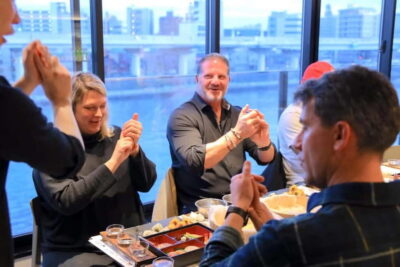
Roll and Authentic Sushi Making Class in Asakusa
Read our review →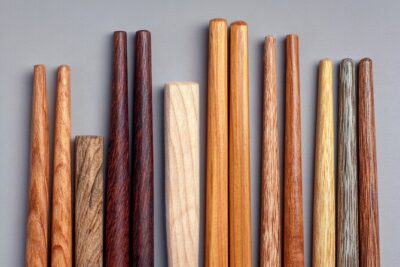
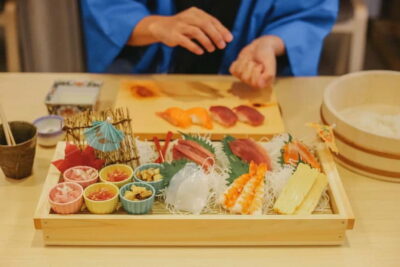
Sushi Making Class in a Happi Coat near a Famous Spot
Read our review →
Tokyo Sushi Making Class in Tsukiji with Professional Chef
Read our review →
Ramen & Gyoza Cooking Class in Tokyo with Local Supermarket Visit
Read our review →
Matcha Making Class in Tokyo with Authentic Japanese Sweets Set
Read our review →Browse the lists this tour appears in