
Reviewed · TOKYO COOKING CLASSES
Tokyo: Kawaii Bento Cooking Class – Cute Character Lunchbox
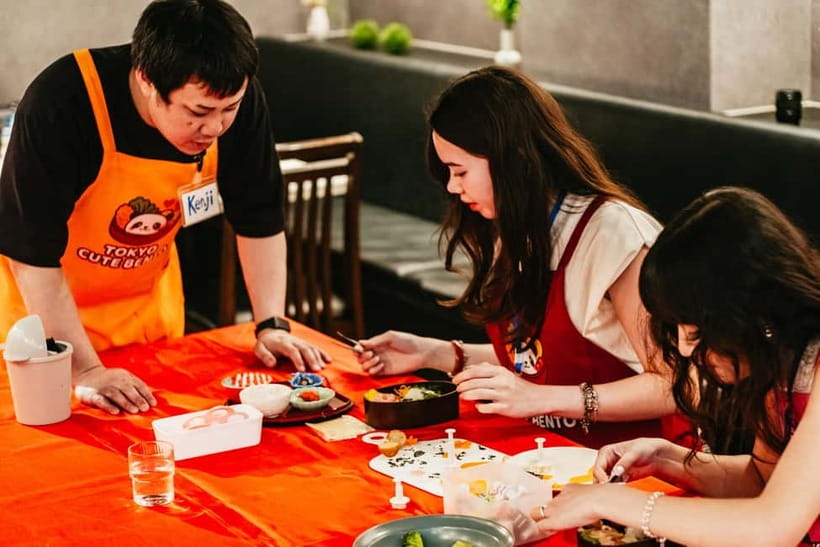
Making lunch in Japan can mean more than filling a box with food. In this two-hour kawaii bento class, you shape rice, add decorated faces, arrange side dishes, and turn an ordinary meal into edible art. Kenji and Mari guide you through each step in English, so you do not need cooking experience.
I like the mix of craft and culture. You learn why bento matters in Japanese daily life, then use a wide selection of tools to make a panda, brown bear, or seasonal design. I also like the practical side: the food is eaten at the end, recipes are included, and several families have found the class easy enough for children.
The main consideration is the food. Common allergens such as seafood, soy, and sesame may be present, and strict dietary needs require advance notice. The workshop uses knives and cooking tools, so younger children need close supervision.
Key points at a glance
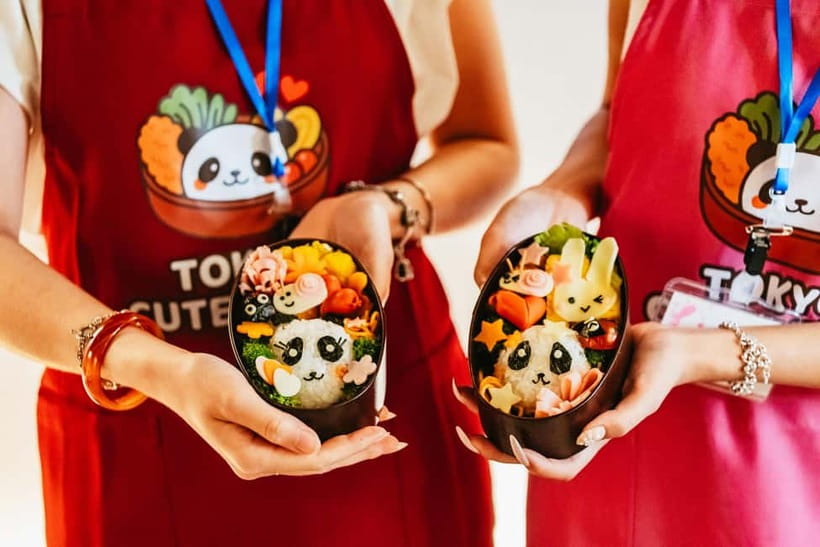
- Choose your character: Pick a panda, brown bear, or seasonal limited-edition bento, with the final choice confirmed by email after booking.
- Learn from Kenji and Mari: English-speaking instructors explain both the food preparation and the place bento holds in Japanese culture.
- Make lunch, not just a souvenir: You decorate the food, photograph the finished box, and sit down to eat it.
- Useful for families: Children, teenagers, couples, friends, and solo participants can all join, with step-by-step help for beginners.
- Dietary requests need planning: Vegetarian, vegan, no-nut, and no-milk adjustments may be possible when requested in advance.
- Easy rainy-day plan: The indoor class meets near Tameike-Sanno Station, with a clear landmark and wheelchair access.
What makes a kawaii bento class worth your time
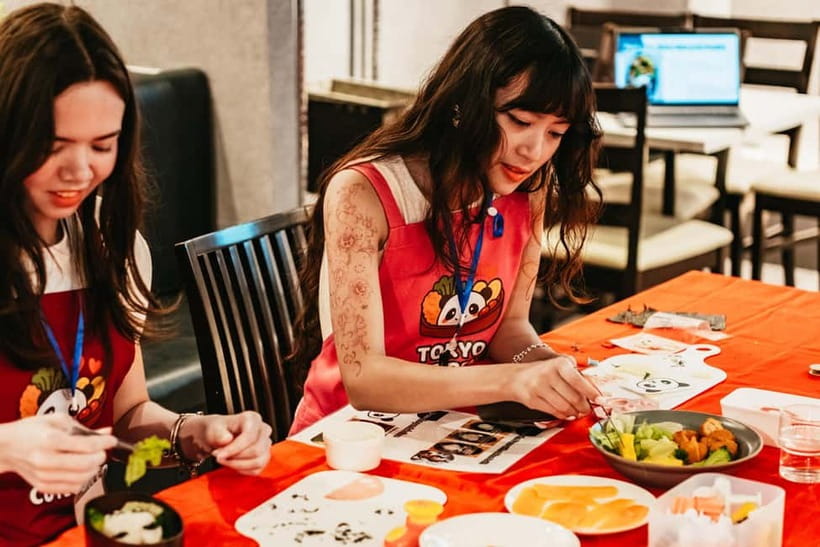
A character bento is a small lesson in how Japanese food can be playful, tidy, and carefully arranged. The appeal is not only the cute face on top. You are learning how rice, side dishes, color, and shape work together inside a compact lunchbox.
I like this format because it gives you something to do with your hands. Tokyo has plenty of sightseeing that involves walking and looking. Here, you spend time making something, talking with the instructors, and eating the result. The finished bento also makes a strong travel photo without needing a grand backdrop.
The class is especially useful if you want a cultural activity that does not feel like a lecture. The introduction explains bento customs in plain English, then the ideas become practical. You see why portions are arranged carefully, how decoration changes the mood of a meal, and how a lunchbox can be both useful and expressive.
This is not a professional cooking course. You will not leave with restaurant-level knife skills or a long list of difficult recipes. You will leave with a repeatable way to make a cute lunch, plus a better sense of why bento is important in Japan.
More Tokyo cooking classes:
- Tokyo: Roll and Authentic Sushi Making Class in Asakusa
★ 4.9 · 1,957 reviews - Tokyo Shinjuku Chopsticks Making Class
★ 5.0 · 1,763 reviews - Tokyo: Sushi Making Class in a Happi Coat near a Famous Spot
★ 4.9 · 1,377 reviews
Finding the basement studio near Tameike-Sanno
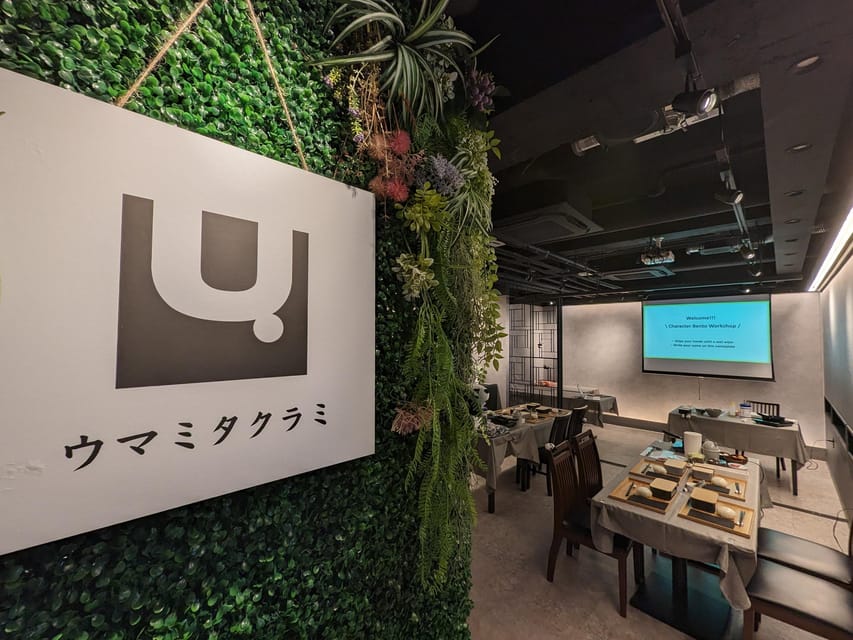
The meeting point is Exit 7 of Tameike-Sanno Station. Walk straight ahead, cross the intersection, and look for the building directly in front of you. A sign showing a panda bento marks the entrance, and the class is in the basement, B1, beneath a ramen shop.
That landmark matters because the activity takes place indoors rather than at a major tourist attraction with a large, obvious entrance. Give yourself enough time to find the building calmly, especially if you are carrying luggage or arriving with children.
The location is described as convenient for plans involving Tokyo Station, Shibuya, and Asakusa. The exact meeting point is Tameike-Sanno, so check your route before setting out. The room is wheelchair accessible, and the indoor setting makes this a sensible choice on a rainy or very hot day.
Ticket redemption and the activity happen at the same place. You do not need to travel elsewhere after checking in, which keeps the two-hour schedule simple.
The first 15 minutes: bento culture before the cooking starts
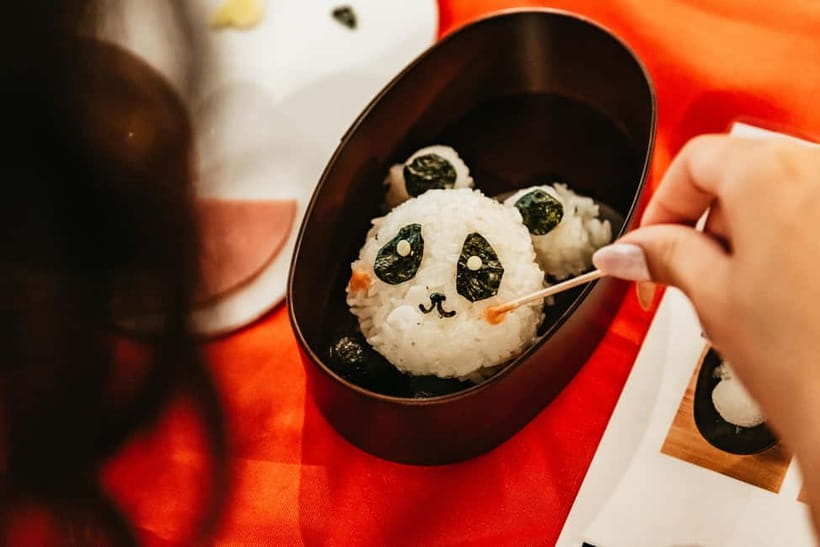
The session begins with about 15 minutes on the role of bento in Japanese food culture. This short introduction gives the craft some context before you start pressing rice and arranging side dishes.
That opening is useful because kawaii bento can look like pure decoration from the outside. The class explains the practical side as well, including why food is packed in a bento and how presentation fits into Japanese meals. The cultural material is not separated from the activity for long. You hear the idea, then put it into practice.
Kenji has been praised for explaining the subject with care and enthusiasm, and Mari also helps lead sessions. Their teaching style is aimed at beginners. The class moves from explanation to demonstration, so you are not expected to understand a complicated recipe all at once.
If you are booking for children, this is a good moment to set expectations. The activity is playful, but it is still a cooking workshop. Younger participants will need an adult nearby when knives and other tools are being used.
The 60-minute hands-on session: shaping a character lunch
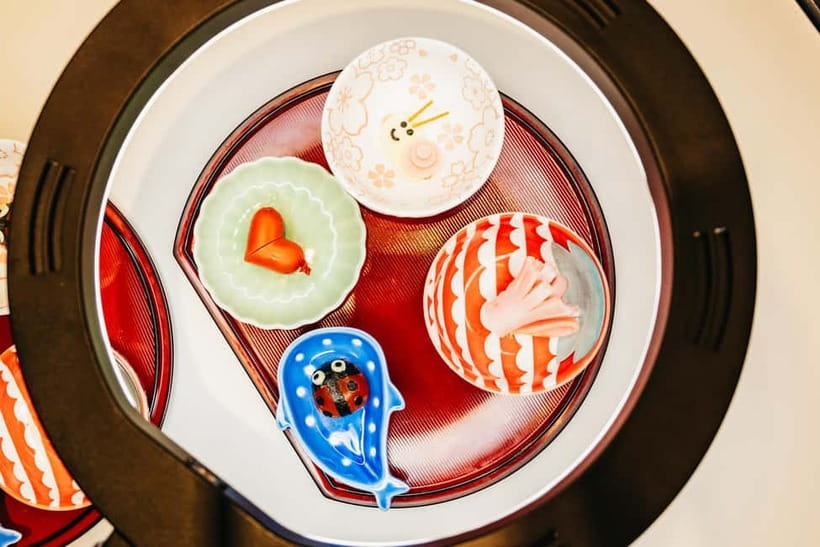
The main part of the class lasts about an hour. You make the character design, prepare the decorated face, and arrange the side dishes in your lunchbox. All ingredients and equipment are supplied, and the instructors show you what to do one step at a time.
You can choose a panda, a brown bear, or a seasonal limited-edition design. The choice is confirmed by email after booking, so check your messages and make sure the class has your preference. The seasonal option may be appealing if you want something that feels tied to your visit, while the panda is the clearest choice if you want the design shown on the meeting-point sign.
The class includes a wide range of bento-making tools. That detail matters more than it may sound. Small cutters and shaping tools help turn a simple lunch into a face with recognizable features, and they make the process manageable for people who do not consider themselves artistic.
You are not being judged on perfect symmetry. The instructors can help you place the features and adjust the design. Several participants have found the result easier to make than expected, which is encouraging if you worry that the finished character will look nothing like the example.
The food is part of the lesson, not just material for decoration. You pack a full little meal, and the portion can be more generous than the box first suggests. Plan to eat it during the class rather than assuming you will finish it quickly on the way to your next sight.
A completely different kind of day in Tokyo:
- Mt Fuji and Hakone 1-Day Bus Tour Return by Bullet Train
★ 5.0 · 26,383 reviews - 1-Day Tokyo Bus Tour
★ 5.0 · 14,250 reviews - Tokyo: teamLab Planets TOKYO Digital Art Museum Entry Ticket
★ 4.6 · 9,779 reviews - Mt Fuji & Hakone Cruise, Drum Show Bullet Train 1 Day from Tokyo
★ 4.0 · 7,413 reviews
Why the class works for children and first-time cooks
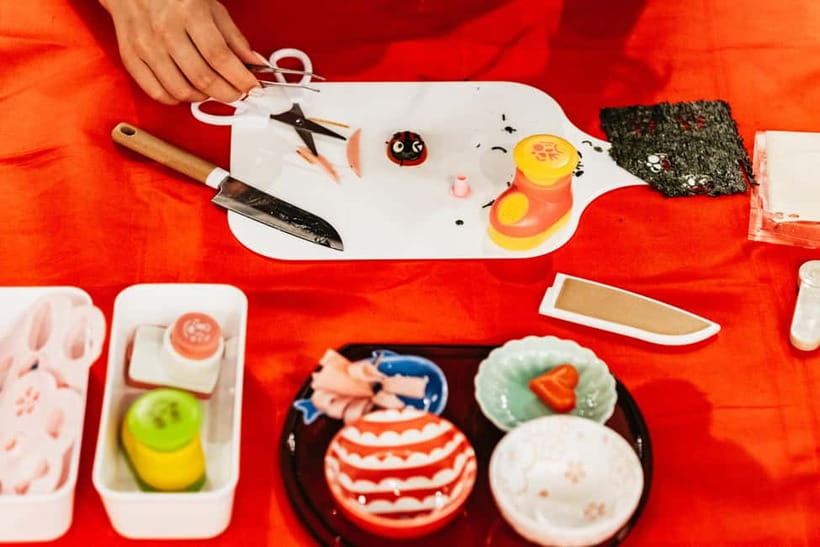
The steps are broken into small tasks, which helps children and adults keep up without prior experience. Families with children around school age have used the class successfully, and teenagers can enjoy the creative side without feeling they are being given a babyish activity.
I would book this for a family that wants a shared project rather than a passive attraction. One person can focus on shaping the rice while another works on the face or side dishes. Couples and friends can also compare designs, and solo participants are welcome instead of being treated as an awkward extra at a group table.
There is still a safety point to keep in mind. Knives and cooking tools are used, and parents or guardians are responsible for supervising younger children. If your child is too young to handle those tools, you can still enjoy the class together, but the adult will need to take an active role.
The relaxed pace is another plus. The schedule leaves enough time for explanation, making, photos, and eating, rather than rushing you through a quick demonstration. Kenji has been described as patient and helpful, which is exactly what a beginner needs when a small decoration refuses to sit where it should.
Dietary requests and the food you will actually eat
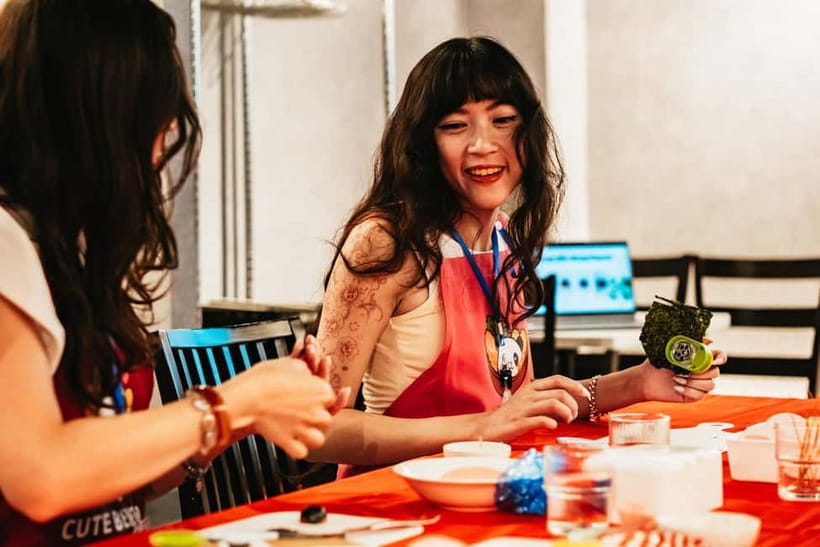
The class can adjust the menu for vegetarian and vegan diets, and it may accommodate requests such as no nuts or no milk. You must give notice when booking. Do not wait until you arrive, since substitutions may require preparation before the session.
The important caution is that common allergens, including seafood, soy, and sesame, are used in the activity. People with severe allergies may not be able to join safely, even if an adjustment is requested. If your allergy is serious, contact the provider before booking and ask exactly what can be changed.
A useful example is pork. A participant who could not eat pork received replacement ingredients in advance, showing that the kitchen can make practical adjustments when it has time to prepare. That does not guarantee every request can be met, but it is a good reason to communicate clearly.
The meal is not merely decorative. You sit down and eat the bento after the photo session, and the food has been described as tasty as well as cute. For many people, that makes the $64 price easier to justify. You are paying for instruction, ingredients, tools, cultural explanation, a prepared lunch, photographs, recipes, and a souvenir.
The 15-minute photo session and 30-minute meal
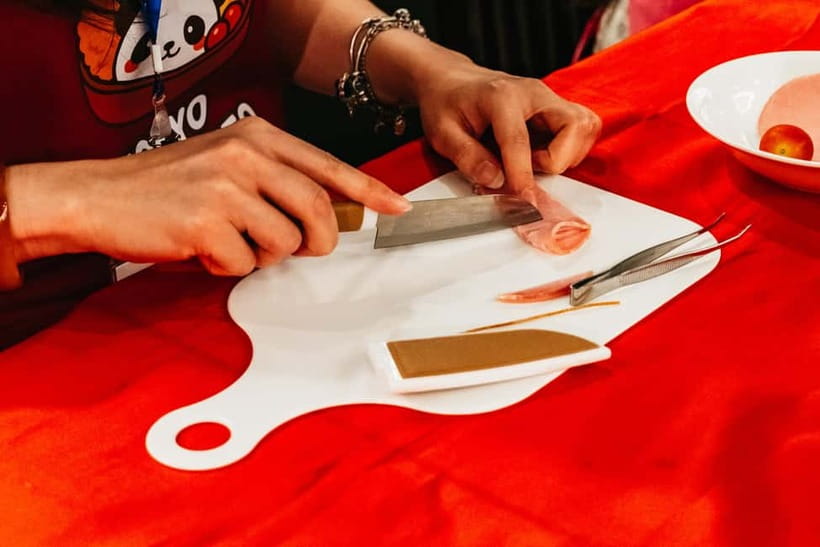
Once your bento is finished, the class pauses for photographs. This is a smart part of the schedule because the box looks its best before you open it and start eating. You can record the design you made rather than relying on memory after a busy day in Tokyo.
The photo time also gives you a natural finish to the craft portion. You do not have to rush from shaping the last piece directly to eating. The instructors can help make sure the character is ready for its close-up.
The final 30 minutes are for enjoying the meal. This is when the workshop feels less like a lesson and more like lunch with a story attached. You have made the face, arranged the contents, and can see how the separate steps became a complete bento.
You may also take the box elsewhere if you prefer, though the planned schedule gives you time to eat on site. One participant carried a finished bento to Shinjuku Gyo-en to enjoy later, but the class itself includes the meal, so you do not need to arrange a separate picnic.
What is included for the $64 price
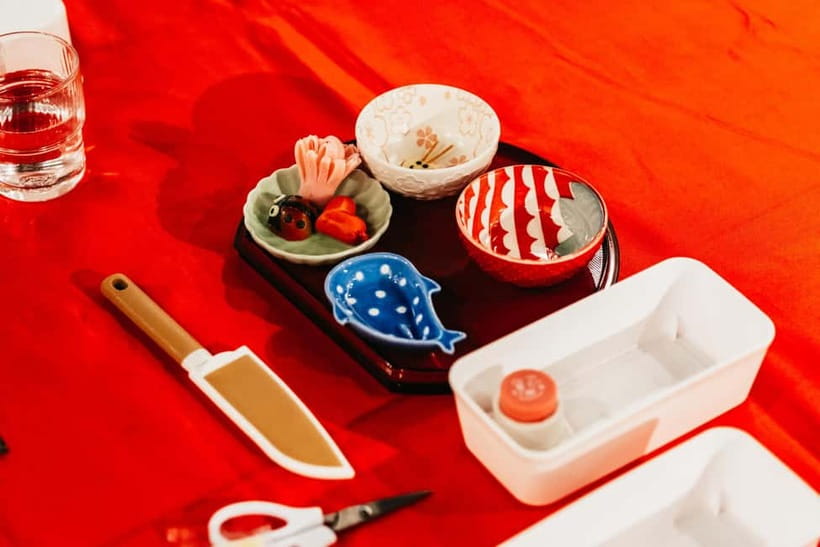
At $64 per person, this is not the cheapest lunch in Tokyo. You can buy a bento from a convenience store or department basement for far less. The value comes from the teaching time and the chance to make the food yourself.
Your fee covers:
- English-speaking cooking instruction
- All ingredients and tools
- Character decoration and side dishes
- An explanation of bento culture
- The meal you prepare
- A photography session
- English recipes
- A souvenir after class
For a family, the cost can add up quickly, especially when several people book. I would compare it with the price of other paid Tokyo activities rather than with the cost of lunch alone. You are getting a two-hour indoor activity that works in poor weather, includes food, and gives each person a personal result to remember.
The class also has value for someone who wants to repeat the idea at home. The recipes and the method can help you recreate a simple character bento after the trip. You may need to buy some of the specialized tools yourself, but the class shows you how they are used.
Optional add-ons and a flexible schedule
Two free add-ons may be available with an advance request. Before the workshop, you can ask for a 30-minute advanced side-dish preparation session. Afterward, you can request a 30-minute Akasaka tour.
These extras are not part of the standard two-hour schedule unless arranged ahead of time. Ask before the day of the class if either one matters to your plans. The side-dish session suits someone who wants more kitchen practice, while the Akasaka walk adds a little neighborhood time after lunch.
Starting times vary, so check availability when choosing your date. The standard class itself is two hours, but the optional additions could affect how you plan the rest of the day.
Free cancellation is available up to 24 hours before the activity for a full refund, and you can reserve now and pay later. Those terms are useful if your Tokyo schedule is still shifting, but you should still provide dietary information early.
Who should book this Tokyo activity
I would recommend the class to families who want an activity that keeps children involved. It also suits couples and friends who enjoy making something together, and solo visitors can join without needing to bring a partner.
It is a particularly good fit if you like food, crafts, photography, or small cultural details. You do not need cooking ability, artistic talent, or Japanese-language skills. The instruction is in English, and the recipes are also provided in English.
I would be more cautious if you have severe food allergies or strict dietary rules. The kitchen may be able to adjust ingredients, but seafood, soy, and sesame are part of the food environment. Contact the provider first rather than relying on an on-the-day solution.
The class is also not ideal if you want a quiet, purely observational activity. You will handle ingredients, use tools, make choices, and take part. That is its strength, but it requires more involvement than a standard food tasting.
Should you book the kawaii bento workshop?
Book it if you want a hands-on Tokyo memory that combines food and craft without requiring previous cooking skills. The strongest reasons are the clear English instruction, the patient help from Kenji and Mari, the large selection of shaping tools, and the fact that you eat what you make.
The $64 cost is fair for a two-hour class with ingredients, lunch, photos, recipes, and a souvenir, though it is more than you would spend on a regular bento. Families should also weigh the per-person price and the need for adult supervision around knives.
I would schedule it on a rainy or hot day, or place it between sightseeing stops in central Tokyo. Give dietary information in advance, confirm your character choice by email, and allow time to find the B1 entrance at Tameike-Sanno Station. If those details suit your plans, this is a cheerful and genuinely participatory way to meet a small but memorable part of Japanese food culture.
FAQ
How long does the kawaii bento class last?
The standard workshop lasts two hours. The approximate schedule includes 15 minutes of bento culture, 60 minutes of hands-on preparation, 15 minutes for photographs, and 30 minutes to eat.
How much does the class cost?
The price is $64 per person.
Where is the meeting point?
Exit Tameike-Sanno Station through Exit 7. Walk straight, cross the intersection, and look for the building directly ahead with a panda bento sign. The workshop is in the basement, B1, beneath a ramen shop.
Is the class taught in English?
Yes. The instructor language is English, and English recipes are included.
Do I need previous cooking experience?
No. The instructors guide you through the process step by step, and no prior cooking experience is required.
Which character bento can I make?
You can choose a cute panda, a brown bear, or a seasonal limited-edition bento. Your choice is confirmed by email after booking.
Can children join the workshop?
Yes. Children are welcome, but the class uses knives and other cooking tools. Parents or guardians should supervise younger participants.
Can the class accommodate vegetarian or vegan diets?
Vegetarian and vegan adjustments may be available. No-nut and no-milk requests may also be possible. Give all dietary information when booking.
What is the cancellation policy?
You can cancel up to 24 hours in advance for a full refund. Reserve-now, pay-later booking is also available.
More hands-on classes and workshops in Tokyo
- Sushi Making Tokyo Roll and Authentic Japanese Sushi Class
★ 5.0 · 3,971 reviews - Chopstick Making Workshop in Ginza
★ 4.8 · 1,366 reviews - Tokyo Sushi Making Class in Tsukiji with Professional Chef
★ 5.0 · 1,177 reviews - Ramen & Gyoza Cooking Class in Tokyo with Local Supermarket Visit
★ 5.0 · 823 reviews
Newly reviewed around Tokyo
- Tokyo Asakusa:Calligraphy & Make T-shirt Activity★ 5.0 · 62 reviews
- Intercity Shuttle, Tokyo to Haneda /Narita /Yokohama /Makuhari★ 5.0 · 5 reviews
- 1 Hour Travel around Tokyo with a Professional Photographer★ 5.0 · 3 reviews
- Travel Tokyo with Your Own Personal Photographer★ 5.0 · 43 reviews
- Train in Samurai Swordsmanship and Defeat the Demon in Tokyo★ 5.0 · 5 reviews
- Shuttle Van 6hr Tokyo Tour to-and-from Tokyo, Yokohama and Narita★ 5.0 · 9 reviews
- Kickboxing & Body Training with EX-Pro Fighter★ 5.0 · 4 reviews
- Traditional Japanese Knife Sharpening Class★ 5.0 · 18 reviews
Tokyo Cooking Classes, compared.
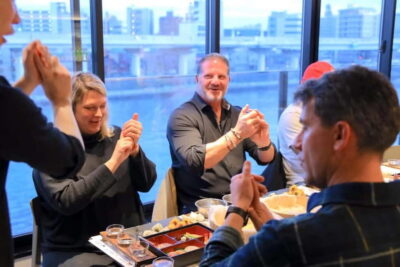
Roll and Authentic Sushi Making Class in Asakusa
Read our review →
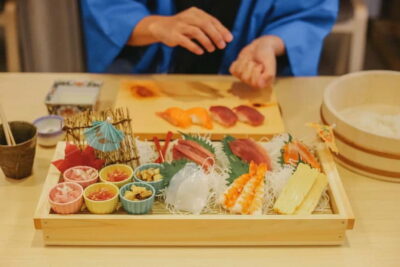
Sushi Making Class in a Happi Coat near a Famous Spot
Read our review →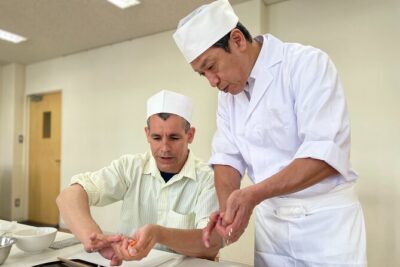
Tokyo Sushi Making Class in Tsukiji with Professional Chef
Read our review →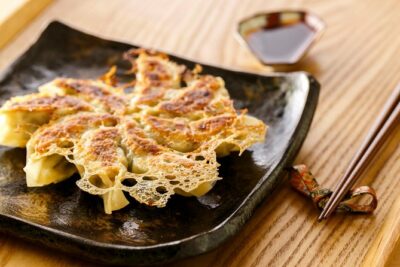
Ramen & Gyoza Cooking Class in Tokyo with Local Supermarket Visit
Read our review →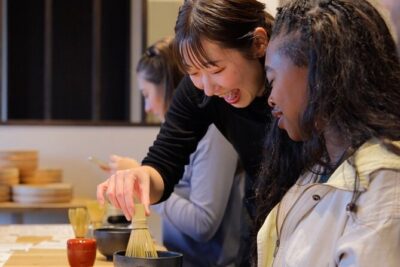
Matcha Making Class in Tokyo with Authentic Japanese Sweets Set
Read our review →
Tsukiji Fish Market Sushi Making Class with Pro Chef
Read our review →
Browse the lists this tour appears in