
Reviewed · TOKYO COOKING CLASSES
Tokyo: Japanese Knife Skills and Sashimi & Tempura Cooking Class
The sharpest part of this Tokyo food class is not the meal. It is the knife lesson. You learn how to hold, sharpen, care for, and guide a Japanese knife before putting it to work on sashimi and vegetables. That gives the class a useful edge over a standard cooking demonstration.
I like the private setting for two and the chance to get close instruction from an English-fluent Japanese guide and chef. I also like that you eat what you prepare, with sashimi and tempura making up a proper lunch. The main consideration is time: 50 minutes go to knife care and sharpening, so anyone wanting a long cooking session may find the 30-minute food preparation period brief.
Key points at a glance
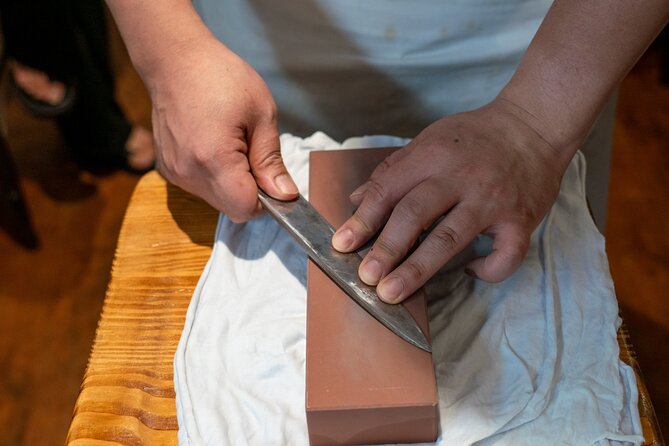
- Sharpen before you slice: The class spends about 50 minutes on knife care, handling, and sharpening.
- A private class for two: The minimum booking is two people, with no more than six participants.
- Bring a knife if you have one: You can use a provided knife or bring a Japanese knife purchased during your trip.
- Make sashimi and tempura: Your hands-on cooking ends with a meal you prepare yourself.
- Practice decorative cuts: Vegetable work is fun but can be tricky, so patience helps.
- Easy station meeting point: Meet at ground level outside Nishi-Koyama Station, then walk about 10 minutes to the venue.
Why the knife lesson matters in Tokyo
Many Japanese cooking classes focus on recipes. This one focuses first on the tool that shapes the food. That difference matters. A sharp knife is not simply faster. It helps you make clean cuts in fish and vegetables, which affects texture, appearance, and how the food feels when you eat it.
The first 50 minutes cover knife care and sharpening. You will learn how to handle a Japanese knife properly and how to keep its edge in good condition. This is the part I find most useful for anyone who has bought a Japanese knife in Tokyo, Kyoto, or elsewhere in Japan and wants to use it safely at home.
The class is also a good choice if you are shopping for a knife but have not yet learned what to do with it. Knives are supplied, so you do not need to purchase one before booking. If you already own one from your trip, you can bring it along and learn how to care for that particular tool.
The tone appears to be friendly and relaxed. Amy is named as a warm, funny guide, and the chef team is described as patient and passionate about Japanese cuisine. That matters in a skill class. Sharpening and precise cutting can feel awkward at first, and an instructor who explains each movement clearly makes the process less intimidating.
More Tokyo cooking classes:
- Tokyo: Roll and Authentic Sushi Making Class in Asakusa
★ 4.9 · 1,957 reviews - Tokyo Shinjuku Chopsticks Making Class
★ 5.0 · 1,763 reviews - Tokyo: Sushi Making Class in a Happi Coat near a Famous Spot
★ 4.9 · 1,377 reviews
Meeting Amy near Nishi-Koyama Station
Your meeting point is at the ground-level exit of Nishi-Koyama Station. The listed address is 6-chōme-3-10 Koyama, Shinagawa City, Tokyo 142-0062. From the station, you walk with the guide for about 10 minutes to the cooking venue.
This is not a class inside one of Tokyo’s famous sightseeing districts. That is part of its appeal. Nishi-Koyama gives you a chance to spend a few hours in a local Tokyo neighborhood rather than remain around the city’s best-known visitor zones.
Arrive with enough time to find the correct station exit. The meeting instructions specify the ground level, and the walk to the venue is part of the start, not an optional extra. You do not need to arrange private transportation. The activity is near public transportation, but hotel transfers are not included.
The class begins at noon. That timing works well if you want a focused lunch activity before an afternoon in Shinagawa or nearby parts of Tokyo. The end point is back at the venue, so you can make your own way onward after eating.
The 50-minute knife care and sharpening session
The longest section is the knife lesson. That tells you what this experience is really about. Sashimi and tempura are the tasty finish, but the main teaching time goes into learning to use and maintain the knife.
Expect instruction on sharpening, handling, and care. The exact sharpening equipment and lesson format are not specified, so you should think of this as guided practical training rather than a formal certification course. You will watch the chef demonstrate techniques and then practice them under personal instruction.
A Japanese knife rewards control. You need to pay attention to grip, angle, pressure, and the direction of the cut. Those details may seem small, but they are what separate a clean slice from a ragged one. The class gives you time to work on these basics before food is placed in front of you.
This section is especially valuable if you cook at home. You are not only learning something for lunch in Tokyo. You are learning a skill you can use later with fish, vegetables, and other ingredients. The class is designed for people who want to treat friends and family back home, making the lesson more practical than a one-time food tasting.
You should also expect a little frustration. Sharpening is a physical skill, and decorative cutting does not become easy in a few minutes. That is not a flaw, but it does mean you should come ready to listen and repeat the motions rather than rush toward the meal.
Sashimi slicing and decorative vegetable cuts
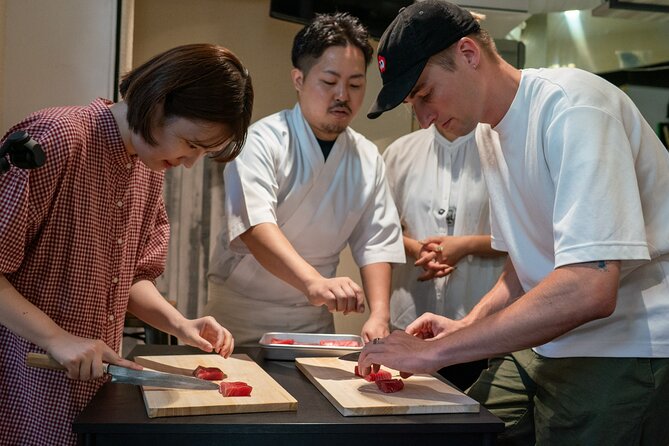
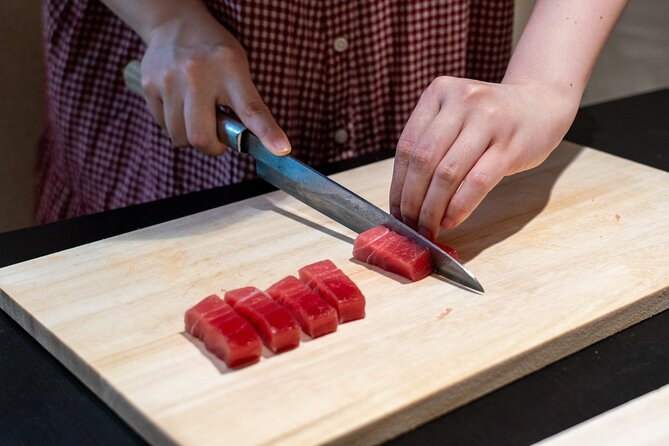
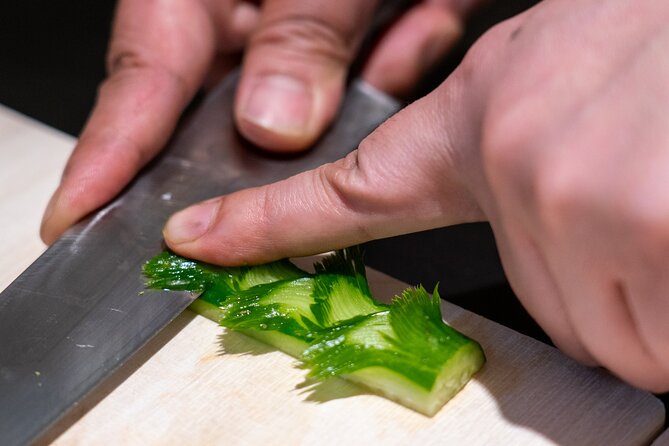
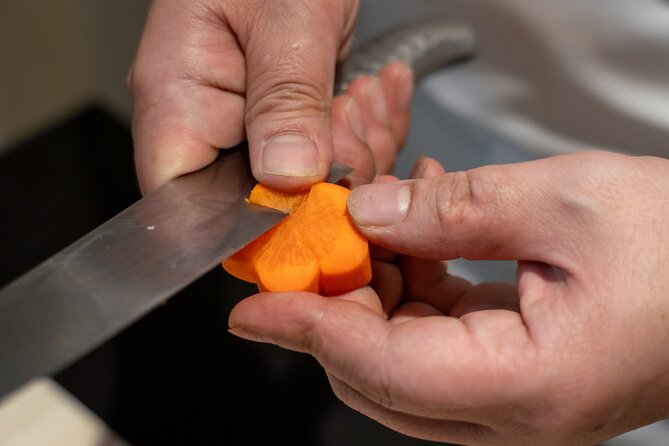
After the knife care lesson, the class moves into cooking. You will practice slicing sashimi and making decorative cuts in vegetables. These are two good tests of control because they require accuracy rather than brute force.
Sashimi slicing rewards a clean, confident motion. The goal is to cut the fish neatly without crushing it. Under the chef’s guidance, you can see how knife technique affects the final piece. This is a small lesson in Japanese food culture: preparation is part of the flavor, not just decoration.
The vegetable cutting is more playful, but it may also be the hardest part. One participant found the decorative work difficult, which is easy to understand. Turning a plain vegetable into a neat shape takes practice, and the short cooking period does not leave unlimited time for repeated attempts.
I would treat the decorative cuts as a challenge, not a test you must ace. You are there to learn how Japanese chefs use a knife, not to produce perfect restaurant garnishes on your first try. Even an imperfect cut can show you why professional knife work takes years.
The cooking session lasts about 30 minutes. That is enough time for focused preparation, but it is not a slow, multi-course cooking workshop. If you want a class centered on making several recipes from start to finish, this may feel compact. If you want one concentrated lesson followed by lunch, the pace makes sense.
A completely different kind of day in Tokyo:
- Mt Fuji and Hakone 1-Day Bus Tour Return by Bullet Train
★ 5.0 · 26,383 reviews - 1-Day Tokyo Bus Tour
★ 5.0 · 14,250 reviews - Tokyo: teamLab Planets TOKYO Digital Art Museum Entry Ticket
★ 4.6 · 9,779 reviews - Mt Fuji & Hakone Cruise, Drum Show Bullet Train 1 Day from Tokyo
★ 4.0 · 7,413 reviews
Making your own sashimi and tempura lunch
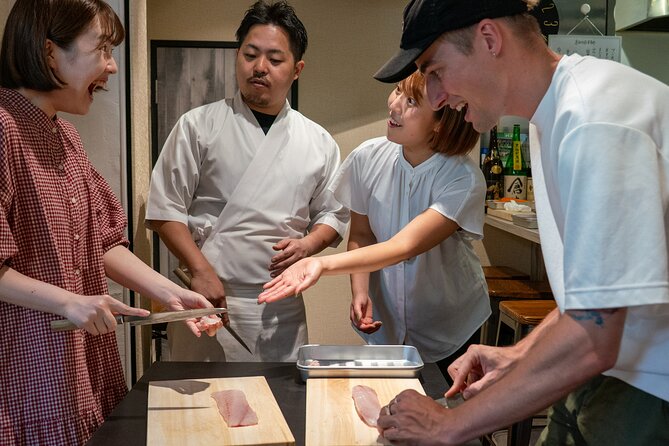
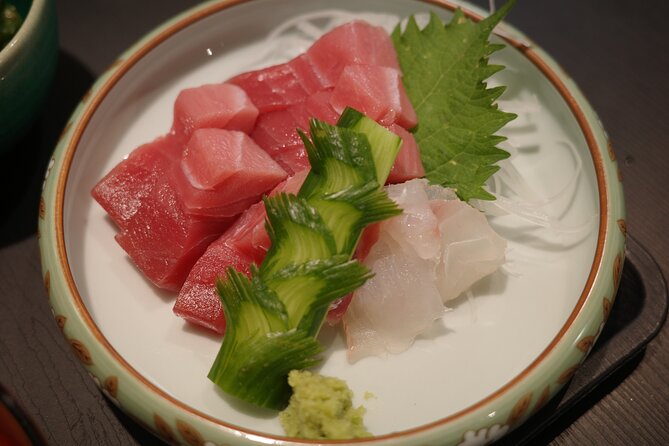
The meal includes the food you prepare during the class. You will make a sashimi meal alongside a tempura platter, then sit down and eat it. This gives the class a satisfying finish and lets you judge your knife work immediately.
Sashimi and tempura also make a useful pairing. Sashimi depends on precise raw preparation, while tempura depends on handling ingredients in a different way. The two dishes let you see how the knife serves different jobs in Japanese cooking.
The meal lasts about 30 minutes. It is described as lunch rather than a tasting, so you should expect a straightforward meal built around your own preparation. The food is part of the price, and no separate lunch booking is needed.
Do not expect this to be a restaurant meal with a long menu or extensive service. The point is the connection between the lesson and the food. You sharpen the knife, cut the ingredients, prepare the dishes, and then eat what you made. That chain gives the class its value.
What the private format adds
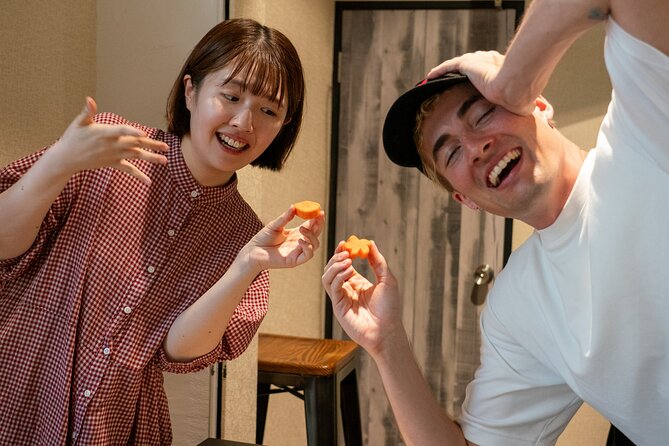
The booking is private for two people, with a maximum of six participants. The minimum number is two, so this is best suited to a couple, two friends, or a small family group booking together.
A small group matters for knife work. You need to see the instructor’s hands and receive corrections on your own grip and cutting motion. In a large class, you might spend more time watching from the back. Here, the format is built around personal attention.
The guide is English-fluent, which helps with technical instruction. Knife sharpening is not the sort of subject where vague directions are useful. You need to understand what the knife should do, how to hold it, and how to care for it afterward.
The class has also worked well for someone joining alone according to the supplied experience details, but the stated booking rules set a minimum of two participants. Confirm the current arrangement before paying if your party is smaller than two.
Is $123.79 a fair price?
At $123.79 per person, this is not a cheap lunch. You are paying for more than sashimi and tempura. The price covers a private or very small-group lesson, the knife instruction, the food, the guide, and about two hours of focused teaching.
The value is strongest if you care about Japanese knives or cook regularly. A single sharpening lesson can be more useful to you than another restaurant meal, especially if you have purchased a knife and are unsure how to maintain it. You also get a meal at the end, so the experience is not only technical.
The value is weaker if you mainly want to eat Japanese food or watch a chef cook. In that case, the 50-minute knife section may feel like a lot of time spent on equipment. You are paying for a skill lesson first and a lunch second.
The class is often booked about 24 days ahead. That suggests you should not leave it until the last morning of your Tokyo stay, especially if your schedule is tight. A noon start also means you should place it carefully among other plans, since the walk, lesson, cooking, and meal fill the full two-hour period.
Who will enjoy this class most?
I would choose this experience for:
- A home cook who owns, or plans to buy, a Japanese knife
- Anyone curious about sashimi preparation
- Couples looking for a private food activity
- People who prefer hands-on instruction to a simple food tour
- Visitors who want to spend time in a Tokyo neighborhood outside the main sightseeing areas
- Anyone interested in the care and technique behind Japanese cooking
It may not suit you if you dislike raw fish, want a large menu of dishes, or prefer a relaxed meal with little instruction. The class requires attention, especially during sharpening and decorative cutting.
It is also not a good fit if you expect hotel pickup or private transportation. You meet at Nishi-Koyama Station and walk to the venue. Bring only yourself if you are using a provided knife, or bring your own Japanese knife if you want to practice with it.
Booking and cancellation details
You receive confirmation at the time of booking, and the experience includes a mobile ticket. Free cancellation is available up to 24 hours before the local start time for a full refund.
Cancellations or changes made less than 24 hours before the experience are not accepted for a refund. The activity also requires at least two participants. If the provider cancels because that minimum is not met, you are offered another date or experience, or a full refund.
Should you book the Nishi-Koyama knife class?
Book it if you want a practical skill, not just a meal. The long sharpening lesson, personal guidance, and chance to bring a knife from your Japan trip make this a useful choice for serious home cooks and curious beginners alike.
Skip it if your main goal is a generous lunch or a broad Japanese cooking course. The food preparation section is short, and the class spends most of its time on knife technique.
For the right person, the class offers a memorable souvenir that fits in a kitchen drawer. You leave with more than sashimi and tempura in your stomach. You leave with a better idea of how to care for a Japanese knife and how much precision goes into everyday Japanese food.
FAQ
Where does the Japanese knife class meet?
You meet at the ground-level exit of Nishi-Koyama Station in Tokyo. The listed address is 6-chōme-3-10 Koyama, Shinagawa City, Tokyo 142-0062.
What time does the experience start?
The class starts at 12:00 pm.
How long does the experience last?
The experience lasts about two hours.
How far is the venue from Nishi-Koyama Station?
You walk with the guide for about 10 minutes from the station to the venue.
Is the class private?
The experience is described as a private class for two. The maximum group size is six people.
Is there a minimum number of participants?
Yes. The minimum number of participants is two.
Are knives provided?
Yes. Knives are provided for the lesson.
Can I bring my own Japanese knife?
Yes. You may bring a Japanese knife purchased during your travels and practice with it during the class.
What food will I prepare?
You will prepare a sashimi meal and a tempura platter, then eat the meal you made.
Is lunch included?
Yes. Lunch and the knife lesson are included in the price.
Is transportation from my hotel included?
No. Hotel travel and private transportation are not included. The experience is near public transportation.
Can I cancel for a full refund?
Yes. You can cancel at least 24 hours before the local start time for a full refund. Changes or cancellations made less than 24 hours before the start time are not refunded.
More hands-on classes and workshops in Tokyo
- Sushi Making Tokyo Roll and Authentic Japanese Sushi Class
★ 5.0 · 3,971 reviews - Chopstick Making Workshop in Ginza
★ 4.8 · 1,366 reviews - Tokyo Sushi Making Class in Tsukiji with Professional Chef
★ 5.0 · 1,177 reviews - Ramen & Gyoza Cooking Class in Tokyo with Local Supermarket Visit
★ 5.0 · 823 reviews
Newly reviewed around Tokyo
- Tokyo Asakusa:Calligraphy & Make T-shirt Activity★ 5.0 · 62 reviews
- Intercity Shuttle, Tokyo to Haneda /Narita /Yokohama /Makuhari★ 5.0 · 5 reviews
- 1 Hour Travel around Tokyo with a Professional Photographer★ 5.0 · 3 reviews
- Travel Tokyo with Your Own Personal Photographer★ 5.0 · 43 reviews
- Train in Samurai Swordsmanship and Defeat the Demon in Tokyo★ 5.0 · 5 reviews
- Shuttle Van 6hr Tokyo Tour to-and-from Tokyo, Yokohama and Narita★ 5.0 · 9 reviews
- Kickboxing & Body Training with EX-Pro Fighter★ 5.0 · 4 reviews
- Traditional Japanese Knife Sharpening Class★ 5.0 · 18 reviews
Tokyo Cooking Classes, compared.
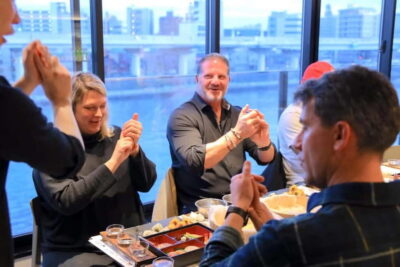
Roll and Authentic Sushi Making Class in Asakusa
Read our review →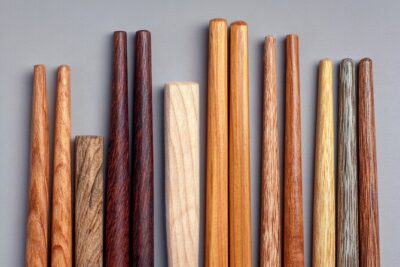
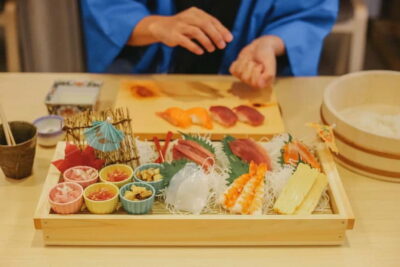
Sushi Making Class in a Happi Coat near a Famous Spot
Read our review →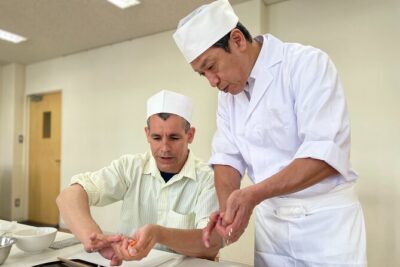
Tokyo Sushi Making Class in Tsukiji with Professional Chef
Read our review →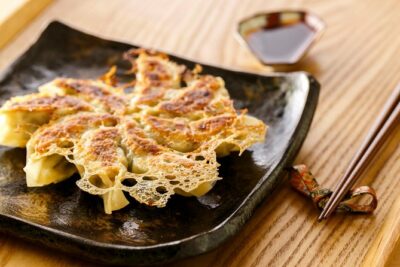
Ramen & Gyoza Cooking Class in Tokyo with Local Supermarket Visit
Read our review →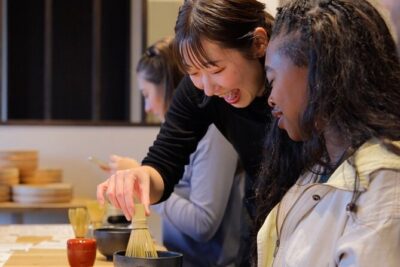
Matcha Making Class in Tokyo with Authentic Japanese Sweets Set
Read our review →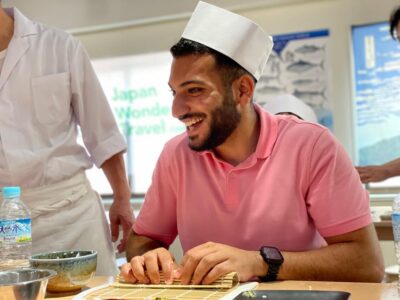
Tsukiji Fish Market Sushi Making Class with Pro Chef
Read our review →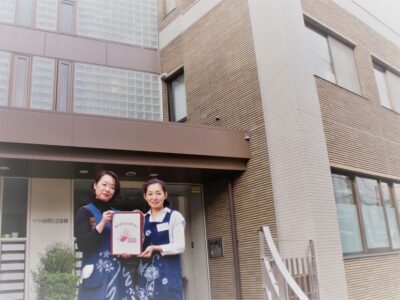
Browse the lists this tour appears in