
Reviewed · AKIHABARA AND ANIME TOURS
Tokyo/Ikebukuro Manga lesson by acitive pro-Manga artists
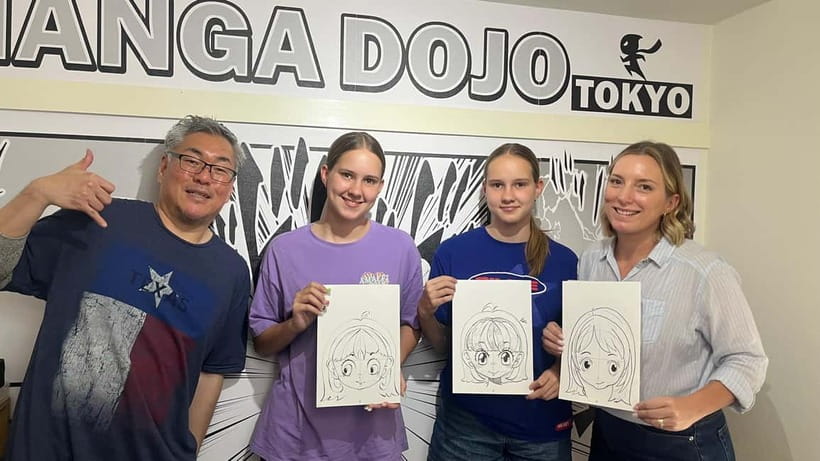
Tokyo’s manga scene becomes much more approachable in this two-hour workshop near Ikebukuro’s Animate store. You learn from active professional artists, including instructor Kazuo Maekawa, rather than simply browsing comic shops or posing with character merchandise. The class covers manga culture, character creation, and hands-on drawing with real tools.
I like the small groups of up to eight and the chance to ask an artist about daily work and career choices. I also like that you leave with more than a sketch: depending on your level, you may create a character, a four-panel comic, or a short story page. The main drawback is the price, $127 per person, which can feel high if you want only a basic drawing lesson.
Key points before you book
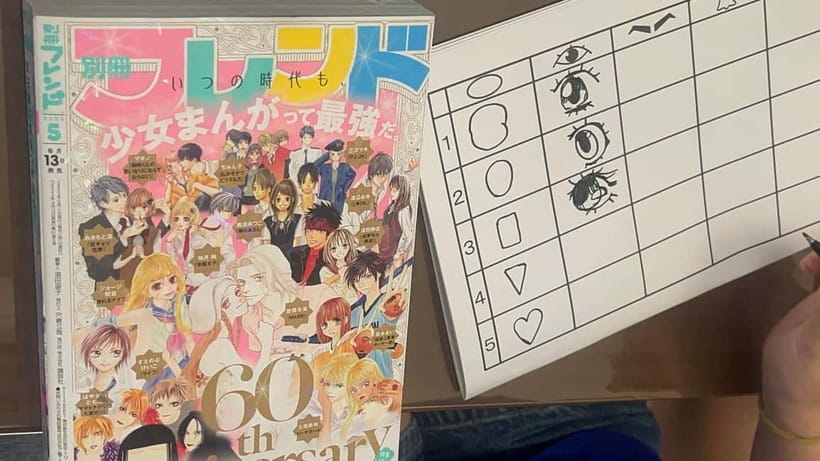
- Professional instruction: Active manga artists teach the class and answer questions about making comics for a living.
- Real manga tools: You use G pens, ink, manga paper, screen tones, and other supplied equipment.
- Three skill levels: Beginner runs 10:00 to 12:00, intermediate 13:00 to 15:00, and advanced 15:00 to 17:00.
- English support: An English interpreter is present, with Akari specifically praised for making the instruction easy to follow.
- Good family option: Children, adults, and group participants can work on characters and short comics together, but children under five cannot join.
- Price needs consideration: The workshop costs $127 and includes equipment, interpretation, and a small gift, but not food or drinks.
Drawing manga beside Ikebukuro’s Animate
The setting does part of the work before the class begins. The workshop is held at a venue near Ikebukuro, right next to Animate, one of Tokyo’s best-known places for manga, anime, character goods, and related pop culture. That makes the location easy to pair with a shopping stop, though the exact meeting point can change according to the option you book.
You are not signing up for a long studio course. This is a compact two-hour introduction to the way manga is planned and drawn. The teachers first give you a look at manga history and its place in Japanese culture, then move into practical work with pen, paper, and character design.
That balance matters. If you already know manga from comics, television, or games, the cultural introduction gives the class some context. If you are new to the form, it explains why manga is more than a drawing style. Panels, facial expressions, pacing, and character choices all help carry a story.
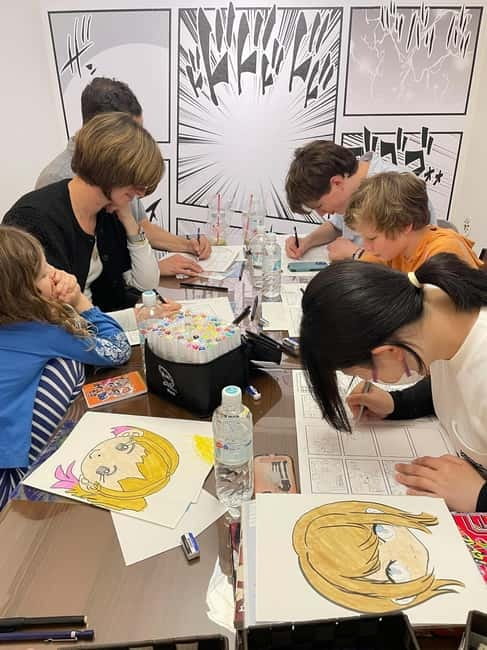
The class is also more personal than a large demonstration. With a maximum of eight participants, you have a better chance to follow the teacher’s hand movements and ask questions. A larger group could make the session feel like a basic craft activity. This small format is better suited to direct help.
More Akihabara and anime tours:
- Official Street Go-Kart Tour – Akihabara
★ 5.0 · 1,578 reviews - Tokyo Go Kart: Asakusa, Skytree, and Akihabara **IDP MUST**
★ 5.0 · 988 reviews - Akihabara Anime & Game Adventure Walking Tour (Group or Private)
★ 5.0 · 404 reviews
What happens during the two-hour class
The exact exercises depend on your course level, but the basic rhythm is clear. The session begins with information about manga and anime, followed by a practical lesson. You then work through drawing exercises with guidance from the instructor and interpreter.
For beginners, the focus is on basic character drawing and simple manga techniques. The teacher may show you how to build a face, use expressive features, or draw a recognizable character. One class included a step-by-step lesson on a character’s face and a drawing of Pikachu, which gives you an idea of the friendly, accessible approach.
The beginner class runs daily from 10:00 to 12:00. It is intended for children of junior-high-school age and younger, as well as families and adults with no drawing background. You do not need to arrive with polished art skills. The point is to give you a clear starting method and let you make something during the session.
A group may also work together on a manga project. That makes the activity useful for families or friends who want to do something creative as a team. The shared task can be more relaxed than asking every person to produce a complete comic alone.
The intermediate class and four-panel comics
The intermediate session runs from 13:00 to 15:00. It is aimed at high school students and adults who already draw illustrations or manga as a hobby. Talented younger participants can also choose it if the subject matter suits their ability.
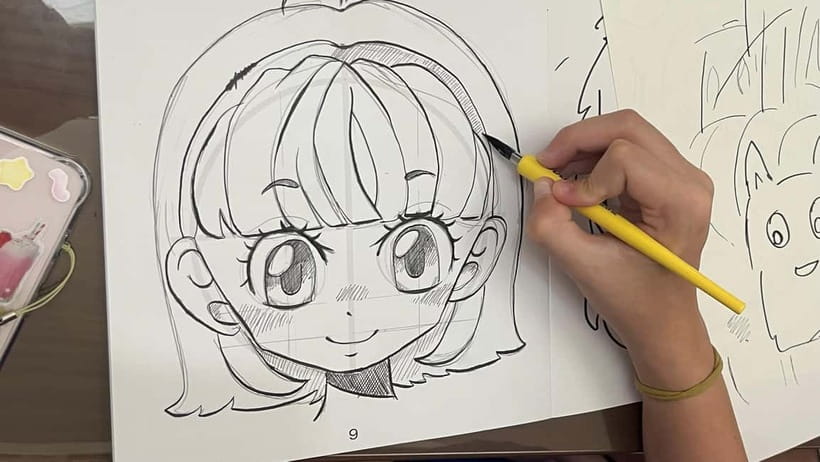
Here, the lesson moves beyond simple character practice. You work on character design, chibi characters, and a four-panel comic, known in Japan as a yonkoma. A four-panel format is a useful teaching tool because it forces you to think about setup, action, and payoff in a small space.
I like this option for people who have filled sketchbooks at home but have never shaped their drawings into a short story. You are not just copying a face. You are thinking about what a character wants, how a scene changes, and how a reader moves from one panel to the next.
Still, keep your expectations sensible. Two hours is enough to learn a process and make a short piece. It is not enough to master anatomy, perspective, inking, and professional page production. The three-star assessment from one participant focused on this concern, noting that the class was fun but did not teach detailed manga skills at a price they felt was too high.
The advanced session for aspiring artists
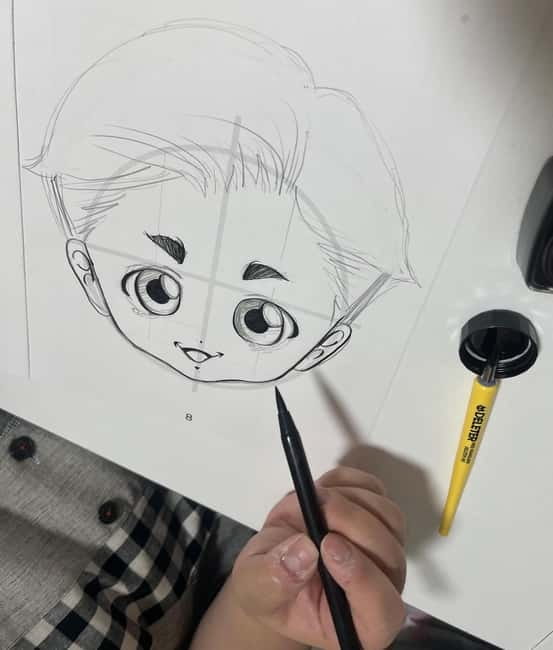
The advanced and professional class runs daily from 15:00 to 17:00. It covers advanced character design, panel layout, storyboarding, anatomy, and facial expressions. This is the best fit if you already draw regularly and want more than a first taste of manga.
The career discussion may be the most useful part for serious participants. You can ask an active manga artist how the work is structured, what a professional routine involves, and how someone earns a living from comics. Those questions are hard to answer through a museum display or a manga shop.
The course is still described as a non-professional activity, so you should not expect a portfolio review or a full vocational program. Think of it as a practical workshop with career access. You receive a short lesson, some professional insight, and a chance to test more advanced techniques.
If you are choosing between intermediate and advanced, be honest about your drawing experience. The advanced session is likely to be frustrating for a complete beginner, while an experienced hobby artist may find the beginner class too basic. Families with younger children should choose the session that matches the child’s skills and attention span.
More hands-on classes and workshops in Tokyo:
- Sushi Making Tokyo Roll and Authentic Japanese Sushi Class
★ 5.0 · 3,971 reviews - Tokyo: Roll and Authentic Sushi Making Class in Asakusa
★ 4.9 · 1,957 reviews - Tokyo Shinjuku Chopsticks Making Class
★ 5.0 · 1,763 reviews - Tokyo: Sushi Making Class in a Happi Coat near a Famous Spot
★ 4.9 · 1,377 reviews
Why the English interpreter matters
The instructors speak Japanese and English interpretation is provided. This is important because manga instruction depends on small visual details. A quick explanation of how to angle a pen or place a facial feature can be easy to miss when translation is limited.
Akari received particular praise for her translation and friendly help. One participant who had worried about the language barrier found the class easy to follow because of her support. That makes a real difference in a short workshop, where there is little time to stop and decode instructions.
The interpreter also helps with questions. You can ask about the artist’s work and career rather than only following a silent demonstration. The experience is strongest when you treat the question period as part of the class, not as an extra.
Still, interpretation adds time to the teaching process. A two-hour session may not contain two full hours of continuous drawing instruction. You receive an introduction, explanations, demonstrations, translation, and practice. That is appropriate for a cultural workshop, but less ideal if your only goal is technical drilling.
Using a G pen, ink, and screen tones
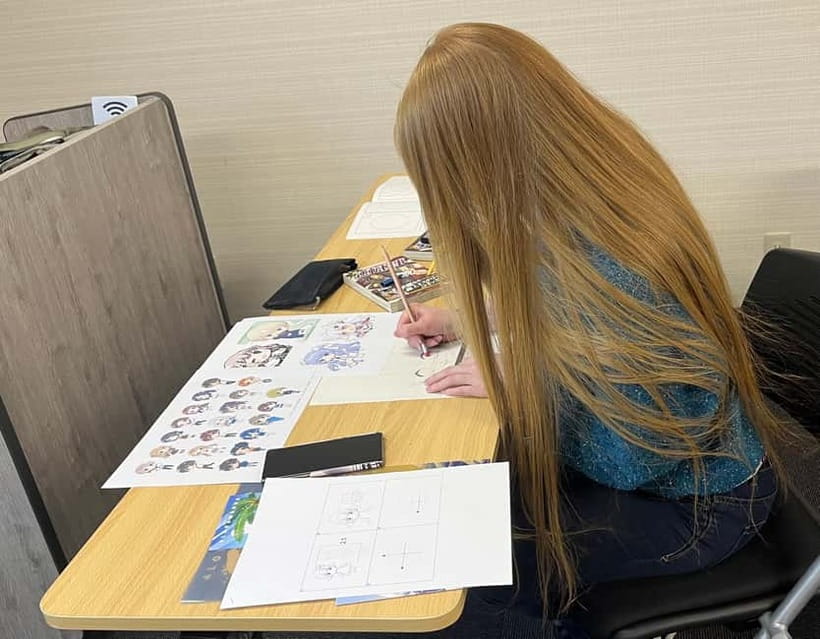
The supplied equipment is one of the more distinctive parts of the workshop. You use tools associated with traditional manga production, including a G pen, ink, manga paper, and screen tones. These are not just decorative extras. They show how printed manga gained its distinctive lines, textures, shadows, and black-and-white effects.
A G pen can feel less familiar than an ordinary pencil or felt-tip pen. It responds to pressure and can create different line widths, so your hand control matters. That makes the exercise more interesting, but it also means your first page may look rough. The teacher’s demonstration helps you understand the tool before you are expected to use it.
Screen tones add another practical lesson. They let you create shades and patterns without painting every gray area by hand. For someone used to digital drawing, this is a quick look at an older production method. For children, it can feel like a craft activity. For adults interested in manga history, it connects the tools to the finished pages they see in Japan’s comic shops.
All equipment is included, along with a small gift from a manga artist. Food and drinks are not included, so plan those separately around your chosen session. The class lasts only two hours, but you will likely want time nearby to browse Animate afterward or eat before the next activity.
Who will enjoy the class most
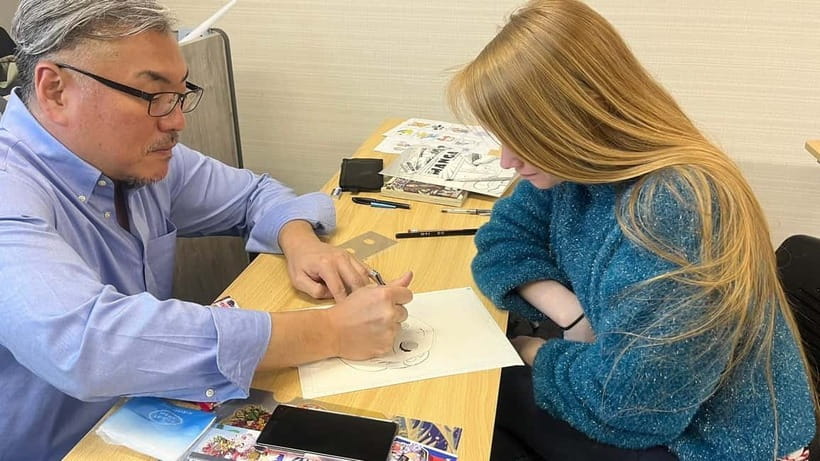
This experience suits families with children who like drawing, manga, or anime. The beginner course is designed with younger participants in mind, and the step-by-step method keeps the activity from depending on advanced artistic skill. Children under five are not allowed, so this is not a preschool activity.
It also suits adults who want a hands-on cultural experience rather than another sightseeing stop. You do not need to be a serious artist. Curiosity about how manga is made is enough for the beginner session.
The intermediate and advanced courses make more sense for older children, high school students, adults, and hobby artists. If you already draw characters, the four-panel comic or advanced storyboarding work should give you more to think about than a simple face-drawing lesson.
This is also a good choice for a small group of friends. The workshop can include group manga production, which gives you a shared task and a finished result to remember. It is less suitable for someone looking for a quiet, private lesson because the format is a small group, not one-to-one tuition.
The activity is listed as wheelchair accessible in one section, but the same information also says it is not suitable for wheelchair users. That conflict should be confirmed with the provider before booking. The stated group size is limited to eight, which is helpful for participants who need a little instructor attention.
Is $127 a fair price?
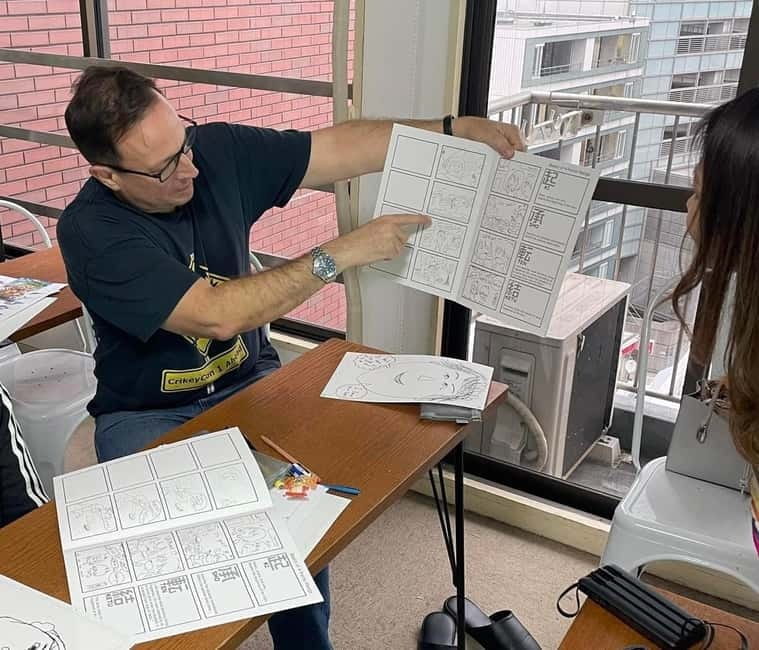
At $127 per person, this is not a cheap drawing class. You are paying for a two-hour session, professional instruction, English interpretation, all drawing equipment, a small gift, and the location beside a major manga destination. The small group also gives the session more personal attention than a large public demonstration.
The value depends heavily on your purpose. If you want a memorable family activity tied to Japanese pop culture, the price may make sense, especially if the child is genuinely interested in manga. You receive a finished creative project and a direct introduction to working artists.
If you want detailed technical training, the price is harder to defend. One participant felt the class should cost about half as much, mainly because the instruction did not go deeply enough into manga drawing skills. That is a fair warning. This is an experience class, not a multi-week art course.
You can get better value by choosing the right level. A complete beginner who books advanced instruction may spend the session trying to catch up. An experienced artist in the beginner class may leave wanting more. Read the course descriptions carefully and match the time slot to your ability.
Timing, cancellations, and practical planning
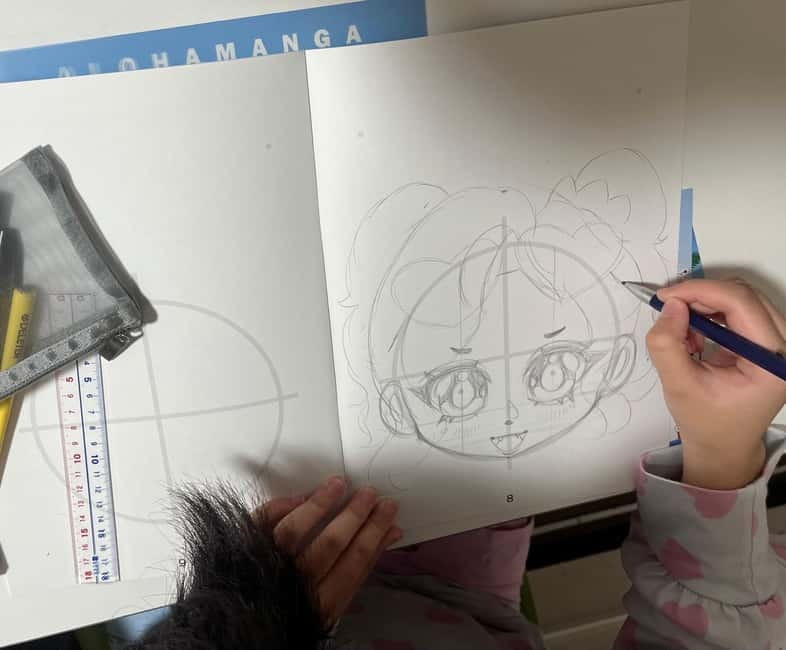
The beginner class runs from 10:00 to 12:00, the intermediate class from 13:00 to 15:00, and the advanced class from 15:00 to 17:00. Availability can vary, so check the starting time before you plan other Tokyo activities around it.
The meeting point may vary by the option booked. Since the venue is near Animate in Ikebukuro, allow enough time to locate the exact place rather than relying only on the neighborhood name.
You can cancel up to 14 days in advance for a full refund. That is a useful safeguard when planning a busy Tokyo schedule, but it also means a late change may not qualify for a refund. Food and drinks are not included, so use the time before or after class for a meal.
Should you book the Ikebukuro manga workshop?
Book it if you want a friendly, hands-on introduction to manga, especially if you are visiting Tokyo with children or enjoy Japanese pop culture. The professional teachers, English interpretation, real manga tools, and small group make it more personal than a simple character-drawing stop.
Choose the course with care. Beginners and families should take the morning session, hobby artists should consider intermediate, and aspiring professionals should choose advanced. At $127, I would book this for the artist contact and cultural experience, not because two hours will turn you into a manga professional.
If your priority is low cost or intensive drawing instruction, skip it. If you want to understand how manga is made, create something of your own, and ask working artists about their craft near Ikebukuro’s Animate, this is a worthwhile Tokyo activity.
FAQ
How long does the manga workshop last?
Each session lasts two hours.
Where is the workshop held?
It is held at a venue near Ikebukuro, right next to Animate. The exact meeting point may vary depending on the option booked.
What course levels are available?
There are beginner, intermediate, and advanced or professional courses.
What time does each course begin?
The beginner course runs from 10:00 to 12:00, the intermediate course from 13:00 to 15:00, and the advanced course from 15:00 to 17:00.
Is English interpretation provided?
Yes. The instructors use Japanese and English interpretation is provided during the class.
What drawing equipment is included?
The workshop provides all manga drawing equipment, including a G pen, ink, manga paper, screen tones, and other tools.
Can children attend?
Yes. The program is intended for children and adults, with a beginner course designed for junior-high-school age and younger participants and families. Children under five are not suitable for the activity.
Are food and drinks included?
No. Food and drinks are not included.
How many people are in each group?
The activity is described as a small-group experience limited to eight participants.
What is the cancellation policy?
You can cancel up to 14 days in advance for a full refund.
Newly reviewed around Tokyo
- Tokyo Asakusa:Calligraphy & Make T-shirt Activity★ 5.0 · 62 reviews
- Intercity Shuttle, Tokyo to Haneda /Narita /Yokohama /Makuhari★ 5.0 · 5 reviews
- 1 Hour Travel around Tokyo with a Professional Photographer★ 5.0 · 3 reviews
- Travel Tokyo with Your Own Personal Photographer★ 5.0 · 43 reviews
- Train in Samurai Swordsmanship and Defeat the Demon in Tokyo★ 5.0 · 5 reviews
- Shuttle Van 6hr Tokyo Tour to-and-from Tokyo, Yokohama and Narita★ 5.0 · 9 reviews
- Kickboxing & Body Training with EX-Pro Fighter★ 5.0 · 4 reviews
- Tokyo History: Sensoji Temple & Asakusa District Private Tour★ 5.0 · 28 reviews
Akihabara and Anime Tours, compared.
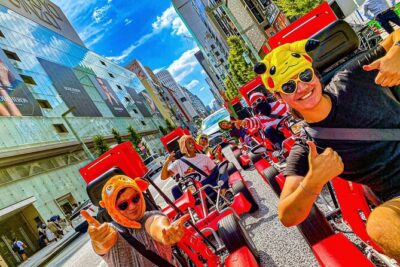
Tokyo Go Kart: Asakusa, Skytree, and Akihabara **IDP MUST**
Read our review →
Akihabara Anime & Game Adventure Walking Tour (Group or Private)
Read our review →

Akihabara Tailor-made Private Tour for Anime Fans
Read our review →
Ramen Making from Scratch +Akihabara Tour –Tokyo Cooking Class
Read our review →Browse the lists this tour appears in