
Reviewed · TOKYO COOKING CLASSES
Tokyo Cute Bento Cooking Class – Make a Kawaii Character Lunchbox
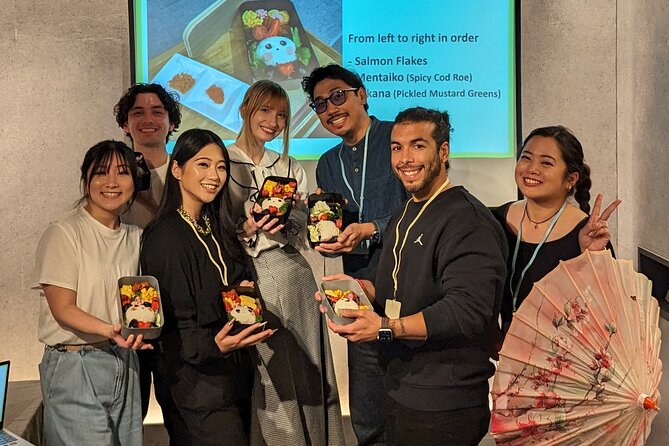
Making a panda, bear, frog, or dog from rice, vegetables, omelet, and other prepared ingredients is the heart of this hands-on Tokyo class. You learn the small tricks behind kawaii bento design, then eat the results instead of merely admiring them in a shop window.
I like the clear step-by-step teaching, especially for beginners, and the thoughtful photo setup with different backgrounds and lights. I also like that Kenji and his team can adjust the menu for vegetarian, vegan, and several allergy needs. The main drawback is finding the venue: it is downstairs beneath a ramen shop in Akasaka, and some people have had trouble locating the entrance.
Key points at a glance
- Make several edible characters: Depending on the class design, you may create pandas, dogs, bears, frogs, hearts, flowers, and other small bento decorations.
- English instruction: Kenji, Mami, Yuzu, and Saori have guided participants through the process in English, using examples and step-by-step images.
- A calm two-hour break: The class includes a short introduction, about an hour of making, photos, and time to eat.
- Dietary requests are welcome: Vegetarian and vegan menus are available, with accommodations for no nuts and no milk when requested at booking.
- Good for families and solo visitors: The maximum group size is 12, but the class can also feel personal when attendance is small.
- Akasaka location: The workshop is at Tokyo Cute Bento, below street level at 2-21, Akasaka, Minato City, Tokyo 107-0052.
What you actually make in two hours
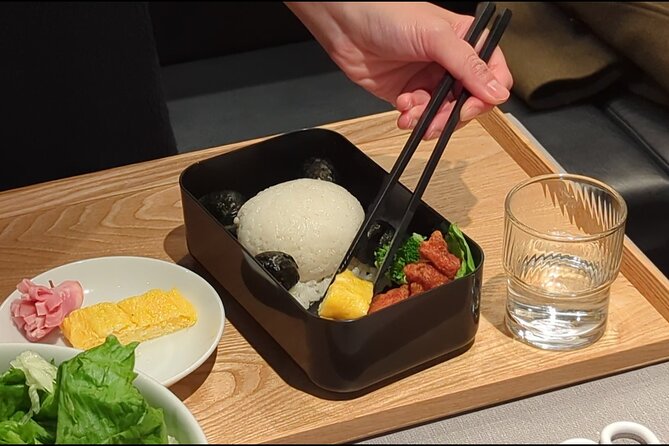
This is not a standard Japanese cooking lesson built around a long recipe or several stove-top dishes. It is a food-art workshop. You work with prepared ingredients and use simple tools and techniques to turn them into a character lunchbox.
The appeal is immediate. A plain rice ball becomes a panda face. Small pieces of food become ears, eyes, flowers, hearts, or other details. You are not expected to arrive with artistic skill, and the instructors guide you through each stage rather than leaving you to guess how the pieces fit together.
Some classes include more than one character or several tiny decorative items. Past designs have included pandas, dogs, bears, frogs, and hearts. The exact character theme can vary, so you should think of the class as a chance to learn the method rather than a promise of one fixed lunchbox design.
I like this format because it gives you something concrete to do from the first few minutes. You are not sitting through a demonstration and then sampling someone else’s work. Your hands are busy, your mistakes are easy to fix, and the final box belongs to you.
More Tokyo cooking classes:
- Tokyo: Roll and Authentic Sushi Making Class in Asakusa
★ 4.9 · 1,957 reviews - Tokyo Shinjuku Chopsticks Making Class
★ 5.0 · 1,763 reviews - Tokyo: Sushi Making Class in a Happi Coat near a Famous Spot
★ 4.9 · 1,377 reviews
The 15-minute introduction to bento culture
The class begins with roughly 15 minutes on the role of bento in Japanese food culture. This gives the cute designs some useful context. Bento is not only about making food look charming. It is also about balance, portioning, presentation, and making a meal easy to carry and eat.
That short introduction matters because it explains why the lunchbox is arranged so carefully. You begin to notice how color, shape, and small details can make familiar foods more appealing. The class then connects that everyday tradition with kawaii food design, the playful side of Japanese presentation seen in character goods, cafés, anime, and manga.
Do not expect a long lecture on Japanese cuisine. The introduction is brief and practical, designed to get you ready for the activity. For most people, that is the right choice. You get enough cultural background to understand what you are doing, then move quickly to the table.
The 60-minute character bento workshop
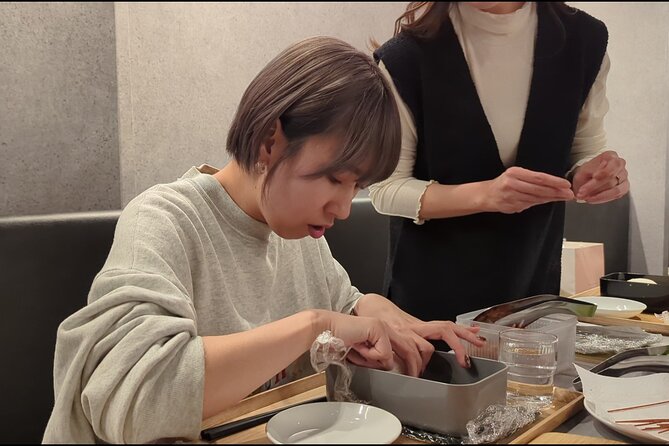
The main portion lasts about an hour. Ingredients and tools are supplied, and the instructors set out prepared portions for each participant. That preparation keeps the class moving and makes the activity manageable for first-time cooks.
Kenji is frequently the main instructor, with Mami, Yuzu, or Saori assisting in some sessions. Their teaching style is patient and personal. You see examples on a screen or in step-by-step images, then work through the same process at your own pace. The instructors remain available when a piece does not hold together or a character starts looking more like a cheerful mystery animal.
The food work may include shaping rice, arranging small features, making decorative flowers, and preparing rolled Japanese omelet. One participant specifically learned how to make tamagoyaki, the rolled omelet often found in bento, while others practiced turning ingredients into panda faces and hearts.
That mix of food preparation and assembly is useful. You do not just place ready-made decorations into a box. You learn techniques you can repeat at home, even if your own kitchen lacks the full range of Japanese bento tools. The class also gives you a better feel for how much care goes into a neatly arranged lunch.
The instructors encourage creativity, but the class is structured enough that you should not feel lost. This is important for adults who enjoy food crafts but do not think of themselves as artistic. It also suits children who like making things, though the information provided does not specify a minimum age. Parents should use their judgment, especially since one comment found the experience less suitable for very small children.
Why the prepared ingredients are a plus
Some people may prefer a class where they chop everything from scratch. That is not the focus here. Ingredients are prepared so you can concentrate on shaping, assembling, and decorating.
I see this as a fair trade for a two-hour activity. You spend your time on the most distinctive part of character bento, rather than using half the session on basic prep and washing up. It also makes the class easier to follow in English, since the instructors can demonstrate the exact task in front of you.
The result is a workshop with a craft-like rhythm. Make one element, check it against the example, adjust it, and add it to the box. It is relaxed, but not passive. You get the satisfaction of making the design yourself without needing advanced knife skills.
A completely different kind of day in Tokyo:
- Mt Fuji and Hakone 1-Day Bus Tour Return by Bullet Train
★ 5.0 · 26,383 reviews - 1-Day Tokyo Bus Tour
★ 5.0 · 14,250 reviews - Tokyo: teamLab Planets TOKYO Digital Art Museum Entry Ticket
★ 4.6 · 9,779 reviews - Mt Fuji & Hakone Cruise, Drum Show Bullet Train 1 Day from Tokyo
★ 4.0 · 7,413 reviews
Photo time with backgrounds and lights
After the making period, the class sets aside about 15 minutes for photographs. This is more than a quick snapshot at the table. The team has prepared backgrounds and lighting, and the instructors may photograph both the bento and you with your finished creation.
That detail adds real value. A character bento is temporary, and the best part may be the few minutes when it looks perfect before you open the lid. Good photos let you remember the design and show it to family at home.
The photo session also gives you time to appreciate the work. You can compare the character you planned with what actually appeared in the box. The setup has been particularly useful for families and couples who want pictures together, and solo participants are not left without a record of the class.
Eating your creation for the final 30 minutes
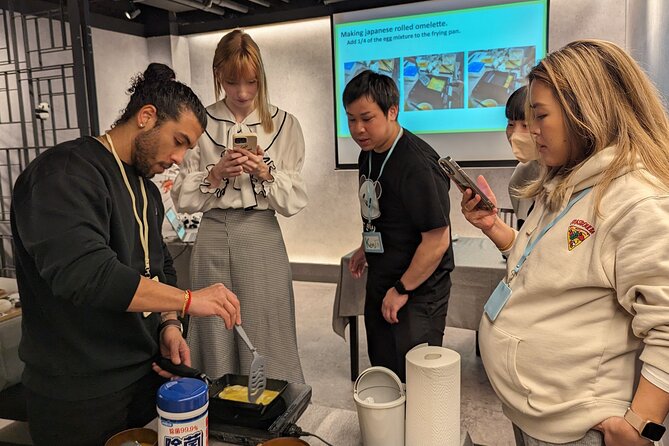
The final half-hour is set aside to enjoy the meal. This is when the cute food becomes lunch, breakfast, or a snack for later. Several participants found the food better than expected, which is worth noting because appearance is the main selling point at first.
You may feel a small moment of hesitation before eating a panda you have just spent an hour making. That is part of the fun. The class lets you enjoy both sides of bento: the care taken in presentation and the simple pleasure of a prepared meal.
You may also be able to take your creation with you, depending on timing and how you prefer to handle the finished bento. The activity description says you can take it home as food or a souvenir, and one family specifically appreciated keeping the bento box itself. Confirm any packing needs with the team if you plan to carry it around Tokyo afterward.
Dietary needs and what to tell the team

Vegetarian and vegan options are available, and the menu can be adjusted for allergies. The class specifically lists no-nut and no-milk accommodations. You need to provide these details when booking, not assume they can be arranged at the last minute.
This is one of the strongest practical features of the experience. Food allergies can make a cooking class stressful, especially when you are working with prepared ingredients. The team has made adjustments for families and worked to help everyone take part safely.
Still, you should state every restriction clearly and early. If you have several allergies or a serious medical condition, contact the provider by email before the class so you understand exactly what can be supplied. The information confirms accommodations, but it does not promise that every possible dietary request can be met.
Finding the Akasaka workshop
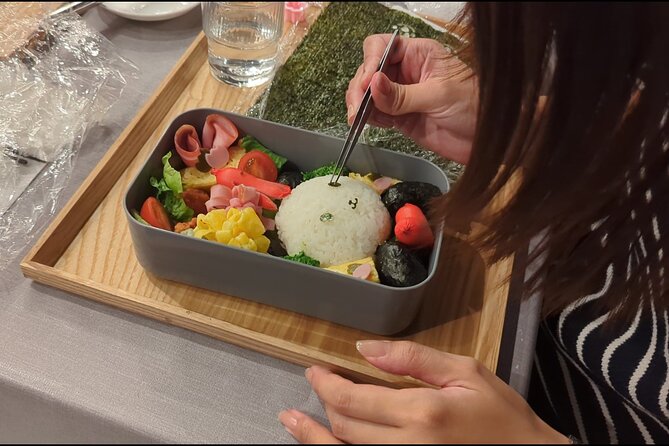
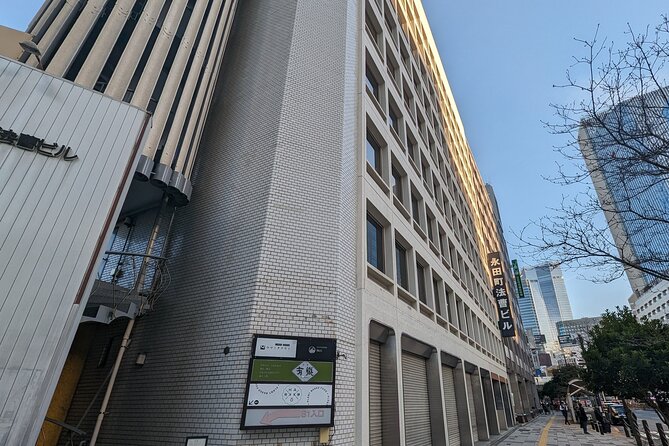
The meeting point is Tokyo Cute Bento at 107-0052 Tokyo, Minato City, Akasaka, 2-chōme 21, on the basement level. The workshop is below street level, underneath a ramen shop.
This is the one part of the visit that needs extra care. The address can be difficult to spot, and one family got lost while looking for it. I would allow time to get your bearings in Akasaka rather than arriving at the exact start time and expecting to walk straight in.
The space itself has been described as modern and pleasant, but the entrance is not presented as a grand street-front cooking studio. Look for the ramen shop and check the booking information closely. If the address seems unclear, contact the provider before leaving for the class.
The location is near public transportation, and the activity begins and ends at the same point. That makes it easy to pair with other plans in central Tokyo, although you should avoid scheduling a distant attraction immediately afterward if you want time for photos, eating, or a little help finding the exit.
Is $66.07 a fair price?
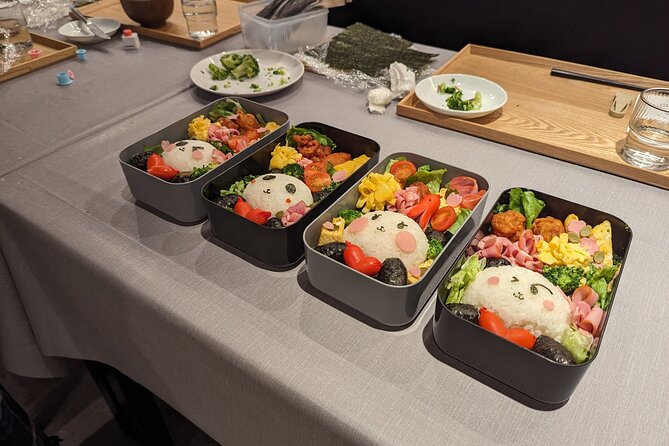
At $66.07 per person, this is not the cheapest meal you can have in Tokyo. You are paying for a guided activity, prepared ingredients, cooking tools, cultural explanation, photo time, and the chance to make a meal you can eat or keep.
For me, the value depends on what you want from a food class. If you are looking for a serious lesson in Japanese knife work or a full menu cooked from raw ingredients, this is not the right purchase. If you want a friendly, creative activity with a finished result, the price is easier to justify.
The two-hour length helps. You get enough time to make several details without turning the class into an all-day commitment. The maximum group size of 12 keeps it from becoming a huge demonstration, while a small booking can feel much more intimate.
It is particularly good value for a family because children and adults can work on the same project. It also works for a solo visitor. One participant ended up alone in the class and found the setting warm and personal rather than awkward.
Who should book this class
I would recommend it to you if you enjoy:
- Japanese food culture and presentation
- Hands-on crafts
- Character design, anime, or manga-style cuteness
- Family activities that do not require advanced cooking skills
- Low-key plans for a rainy day or a break from walking
- Food souvenirs you can actually make yourself
It suits adults as well as children. Several adults enjoyed the creative side, and one solo participant had a good time with the smaller setting. You do not need to be a skilled cook. Patience and a willingness to make something slightly silly are more useful.
Very young children may need close help, and the information does not state a minimum age. If your child cannot safely handle small food pieces or stay focused at a table for an hour, choose another activity. Older children, teenagers, and young adults should find the format especially easy to enjoy.
Who may want a different food class
You may be disappointed if your main goal is to cook a complete Japanese meal from raw ingredients. The emphasis here is design, assembly, and presentation, with some cooking instruction such as rolled omelet.
You may also want to skip it if you dislike taking photographs or have no interest in cute food. The photo session is built into the schedule, and the whole class is centered on kawaii presentation.
Finally, plan carefully if you are sensitive to vague meeting points. The basement location beneath a ramen shop has caused confusion. That problem is easy to reduce by checking the address and allowing extra time, but it is still a real consideration.
Booking, language, and cancellation details
The workshop can be conducted entirely in English, and confirmation is provided when you book. A mobile ticket is accepted, which is handy if you are already moving around Tokyo with your phone.
The maximum group size is 12 people. Service animals are allowed, and the location is near public transportation.
You can cancel for a full refund up to 24 hours before the start time. Changes or cancellations made less than 24 hours before the experience are not accepted for a refund, and the cut-off uses Tokyo local time. Keep that in mind if your itinerary includes a flight, train journey, or weather-sensitive day trip.
Should you book Tokyo Cute Bento?
Book it if you want a memorable, practical slice of Japanese culture that combines food and craft. The best parts are the careful instruction, the friendly teaching style associated with Kenji and his team, the chance to make several small character details, and the polished photo setup at the end.
I would especially choose it for a family, a solo visitor who likes creative activities, or anyone wanting a gentler afternoon away from Tokyo’s long walks. Just confirm dietary needs in advance and give yourself extra time to find the basement entrance.
Skip it if you want a full cooking course, a large meal, or a deep lesson in traditional Japanese cuisine. For everyone else, $66.07 buys more than lunch: you leave with a repeatable bento skill, a set of photographs, and a meal that is almost too cute to eat.
FAQ
How long does the Tokyo Cute Bento class last?
The class lasts approximately two hours. The schedule includes about 15 minutes of bento culture, 60 minutes of hands-on making, 15 minutes for photographs, and 30 minutes to enjoy the meal.
How much does the class cost?
The listed price is $66.07 per person.
Where does the class meet?
It meets at Tokyo Cute Bento, 107-0052 Tokyo, Minato City, Akasaka, 2-chōme 21, on the basement level. The venue is below a ramen shop.
Is the class taught in English?
Yes. The workshop can be conducted entirely in English.
What food designs can I make?
Designs can include pandas, dogs, bears, frogs, hearts, flowers, and other small character or decorative items. The exact design may vary by class.
Can vegetarian or vegan participants join?
Yes. Vegetarian and vegan options are available. The menu can also be adjusted for no-nut and no-milk requirements when requested at booking.
How many people can join the class?
The activity has a maximum of 12 participants.
Can I take photos during the class?
Yes. The schedule includes a 15-minute photography session, and the team provides backgrounds and lighting for pictures of your bento and finished creation.
What is the cancellation policy?
You can cancel up to 24 hours before the start time for a full refund. Cancellations or changes made less than 24 hours before the start time are not accepted for a refund.
More hands-on classes and workshops in Tokyo
- Sushi Making Tokyo Roll and Authentic Japanese Sushi Class
★ 5.0 · 3,971 reviews - Chopstick Making Workshop in Ginza
★ 4.8 · 1,366 reviews - Tokyo Sushi Making Class in Tsukiji with Professional Chef
★ 5.0 · 1,177 reviews - Ramen & Gyoza Cooking Class in Tokyo with Local Supermarket Visit
★ 5.0 · 823 reviews
Newly reviewed around Tokyo
- Tokyo Asakusa:Calligraphy & Make T-shirt Activity★ 5.0 · 62 reviews
- Intercity Shuttle, Tokyo to Haneda /Narita /Yokohama /Makuhari★ 5.0 · 5 reviews
- 1 Hour Travel around Tokyo with a Professional Photographer★ 5.0 · 3 reviews
- Travel Tokyo with Your Own Personal Photographer★ 5.0 · 43 reviews
- Train in Samurai Swordsmanship and Defeat the Demon in Tokyo★ 5.0 · 5 reviews
- Shuttle Van 6hr Tokyo Tour to-and-from Tokyo, Yokohama and Narita★ 5.0 · 9 reviews
- Kickboxing & Body Training with EX-Pro Fighter★ 5.0 · 4 reviews
- Traditional Japanese Knife Sharpening Class★ 5.0 · 18 reviews
Tokyo Cooking Classes, compared.
Roll and Authentic Sushi Making Class in Asakusa
Read our review →
Sushi Making Class in a Happi Coat near a Famous Spot
Read our review →
Tokyo Sushi Making Class in Tsukiji with Professional Chef
Read our review →
Ramen & Gyoza Cooking Class in Tokyo with Local Supermarket Visit
Read our review →
Matcha Making Class in Tokyo with Authentic Japanese Sweets Set
Read our review →
Tsukiji Fish Market Sushi Making Class with Pro Chef
Read our review →
Browse the lists this tour appears in