
Reviewed · TSUKIJI AND TOYOSU FISH MARKET TOURS
Tokyo: Classic Tsukiji Food Tour
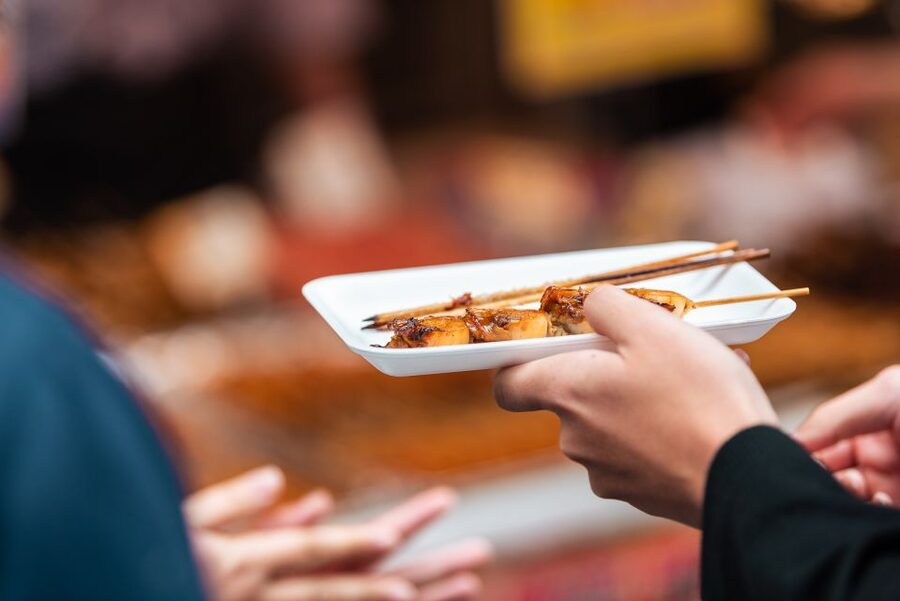
Tokyo’s Tsukiji Outer Market is best understood with an appetite. This three-hour morning walk takes you from a traditional Japanese breakfast to fresh sashimi, tamagoyaki, seafood, sweets, and foods from across Japan. Guides such as Yappy and Kay turn a maze of small shops into a readable, friendly introduction to Japanese food.
I especially like the small group of no more than 10 people, which makes it easier to ask questions and follow a guide through narrow market lanes. I also like the chance to taste fresh wasabi, unusual seafood, regional products, and seasonal treats rather than simply looking at them. The main drawback is the price, $181 per person, and the advanced walking level. You are paying for guidance, food, and local access, not just a stroll through the market.
Key points at a glance
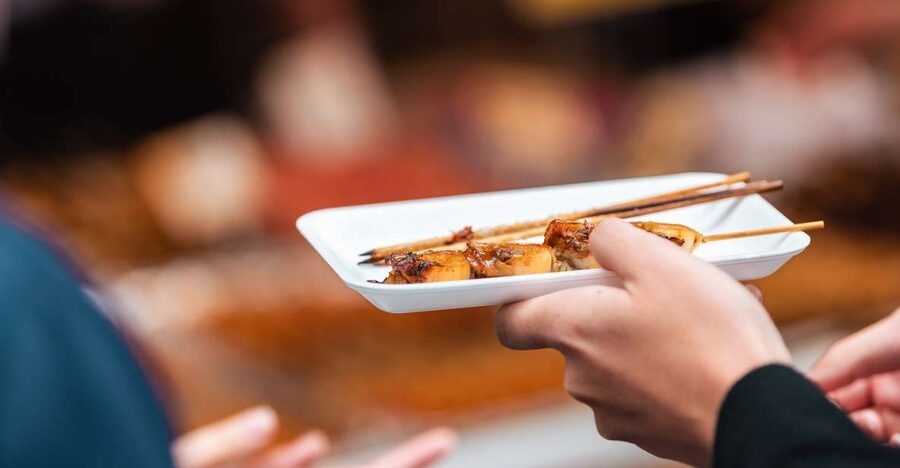
- A full Japanese breakfast begins the morning: Expect rice, miso soup, and local dishes, with some outings including grilled mackerel or black cod.
- Fresh seafood is the star: Sashimi, oysters, and market seafood feature prominently, so this is best for people who enjoy fish.
- Guides make the difference: Yappy, Kay, Sandra, Shigeki, and other English-speaking guides have led guests through the market with humor and useful local advice.
- You taste more than seafood: Traditional sweets, tamagoyaki, pickles, spices, and foods from different parts of Japan broaden the experience.
- The walking is active: Expect narrow alleys, crowds, and plenty of standing. Comfortable shoes matter.
- The value depends on your appetite for context: At $181, this is costly for a three-hour tour, but the breakfast and many tastings help justify the fee.
Starting with breakfast near Tsukiji
Meet your guide at Turret Coffee Shop near Tsukiji Station, using Exit 2. Look for the guide holding an Arigato Travel sign. The meeting point is practical, but allow enough time to find the coffee shop and arrive ready to eat.
The tour begins with breakfast at a local restaurant. This is more than a quick snack before the market walk. It gives you a first taste of how a Japanese meal can bring together rice, miso soup, grilled fish, and small savory dishes. One breakfast included grilled mackerel, black cod, and miso soup, a useful reminder that Japanese breakfast can be hearty and fish-centered rather than sweet.
I like this opening because it gives the rest of the morning a clear purpose. Once you have tasted familiar Japanese staples, you can recognize ingredients and flavors as you move through the market. Your guide can also explain how to eat each dish and point out details you might otherwise miss.
The breakfast menu can vary, so do not treat one particular fish or dish as guaranteed. Still, the overall idea is consistent: start locally, eat well, and then continue tasting. Come hungry. The food does not stop after breakfast.
More Tsukiji and Toyosu fish market tours:
- Tokyo Tsukiji Fish Market Food and Culture Walking Tour
★ 5.0 · 3,184 reviews - Tokyo: Tsukiji Fish Market Food and Walking tour
★ 5.0 · 1,724 reviews - Tokyo: Tsukiji Fish Market Guided Walking Tour
★ 4.9 · 1,397 reviews
Reading the Tsukiji Outer Market
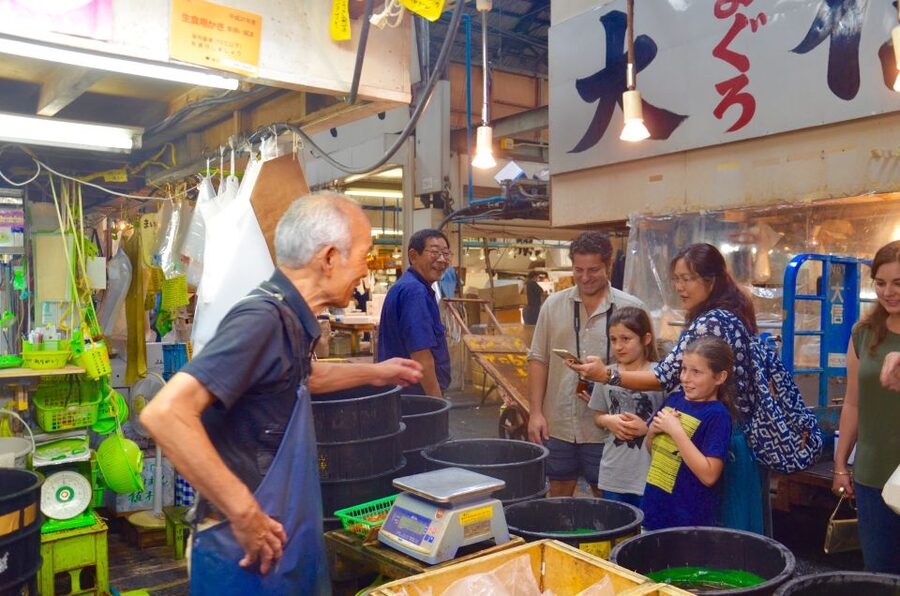
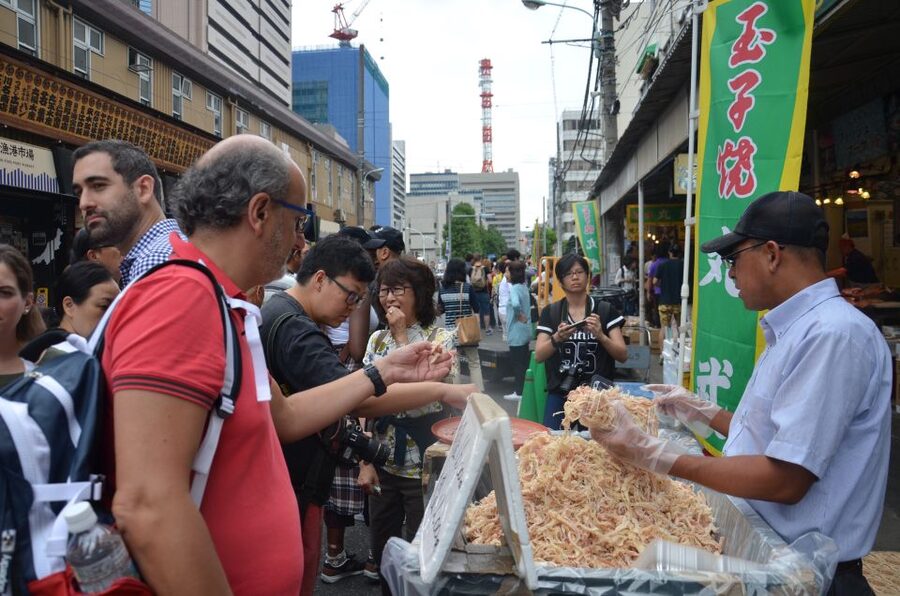
Tsukiji’s wholesale fish market moved to Toyosu, but the Outer Market remains a major food district. Its lanes are packed with shops selling seafood, kitchen goods, pickles, spices, sweets, and prepared foods. The appeal is not a single grand sight. It is the close-up look at daily food culture.
You will walk past displays of fish and other ingredients while vendors work in compact spaces. The market can feel crowded, especially around major holidays. Shigeki, one of the guides, has been praised for handling especially heavy New Year crowds while still keeping the food stops moving.
This is where a guide earns the fee. You could walk through Tsukiji on your own, but you might not know which foods are worth trying, how to order, or where it is sensible to pause. A guide also helps you avoid treating the market like a museum. It is a working food district, and good market manners matter.
The route may include shops and corners you would not feel confident entering alone. Yappy has been described as knowing many of the vendors and steering people toward worthwhile purchases. That kind of local connection can make a short visit feel more personal, though the exact stops will change with the season and the market’s daily rhythm.
Sashimi, oysters, and the best bites
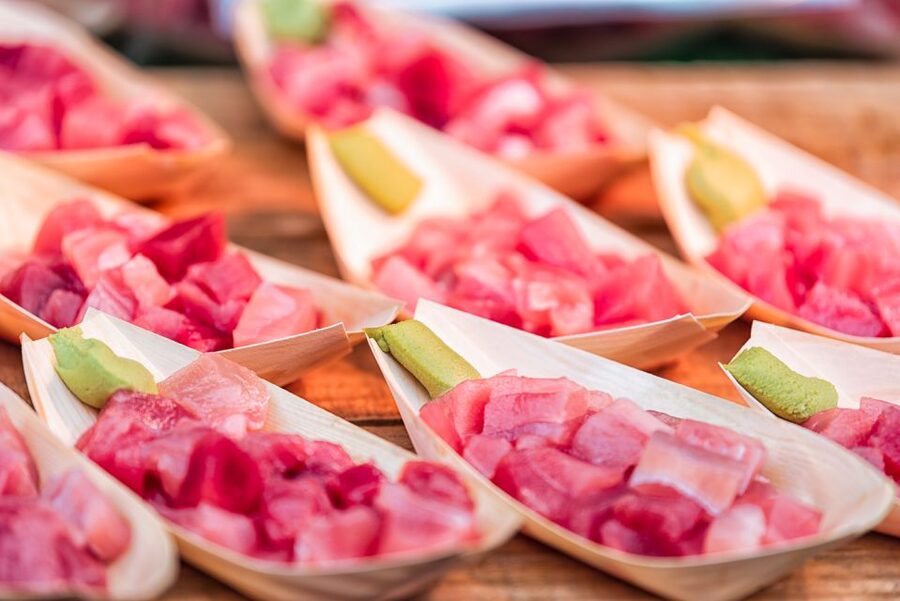
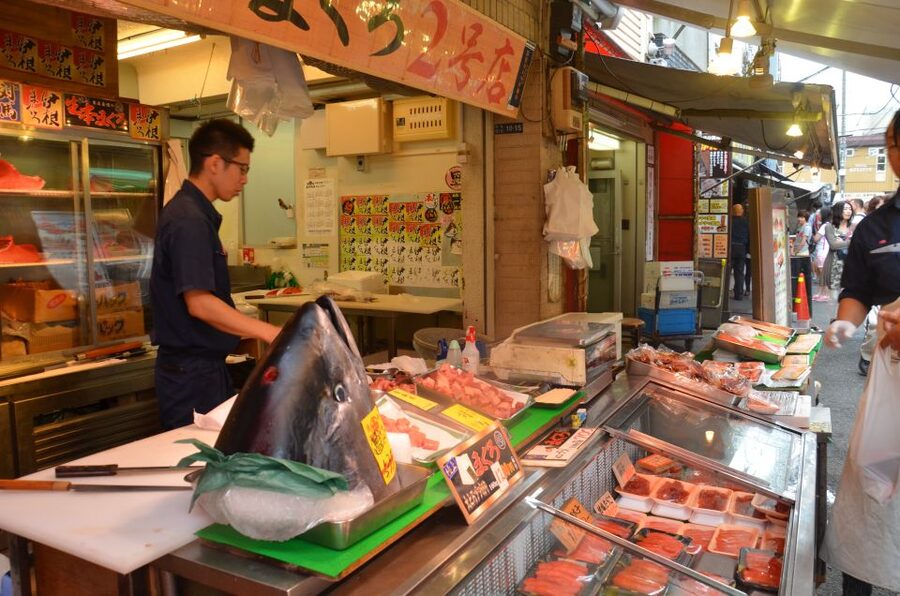
Seafood takes center stage. Depending on the day, you might taste sashimi, oysters, grilled seafood, fresh fish, and other products sold around the Outer Market. The point is not only freshness. It is learning how Japanese shoppers think about season, cut, texture, and quality.
Several food stops may be combined into a larger tasting meal. One tour included shopping with the guide for more sashimi and assembling a picnic-style lunch. That is a useful format because you see the buying process as well as the finished food.
Fresh wasabi can be a memorable lesson. Rather than using only the familiar green paste from a packet, you may learn how fresh wasabi is grated and how its flavor differs from the sharper, simpler version served in many restaurants. This is the sort of detail that changes how you taste an ingredient later in your trip.
The seafood focus has one obvious limit: you should like fish. A guest who enjoys sashimi and oysters will probably find the tastings generous. Someone who avoids raw seafood may have a narrower experience, even though the tour also includes sweets, breakfast dishes, and non-seafood market products.
Do not assume every item is included in unlimited amounts. The tour includes breakfast and tastings, while extra food and drinks can be purchased separately. If you see something you want to try after the official tastings, bring a little spending money.
Sweets, tamagoyaki, and food from around Japan
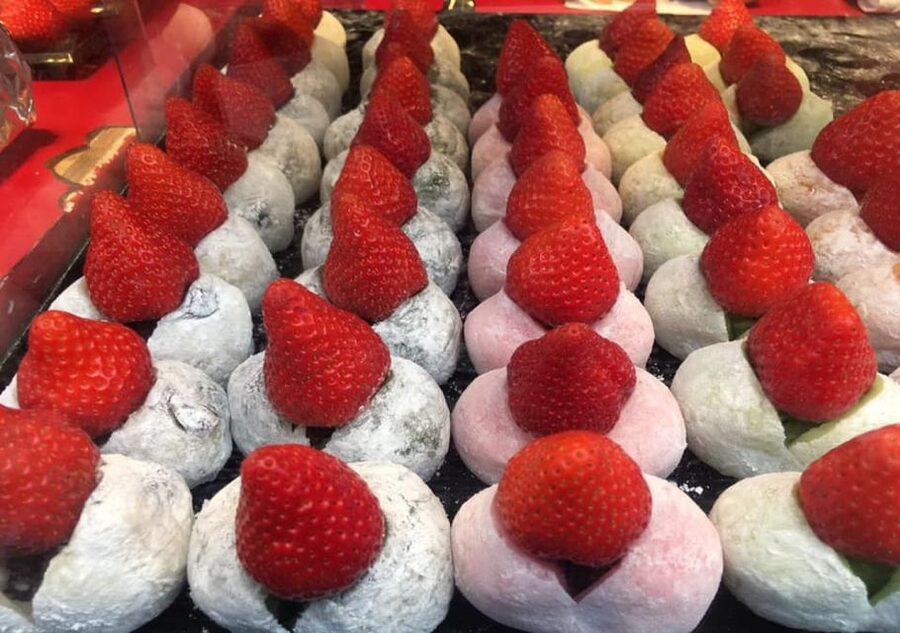
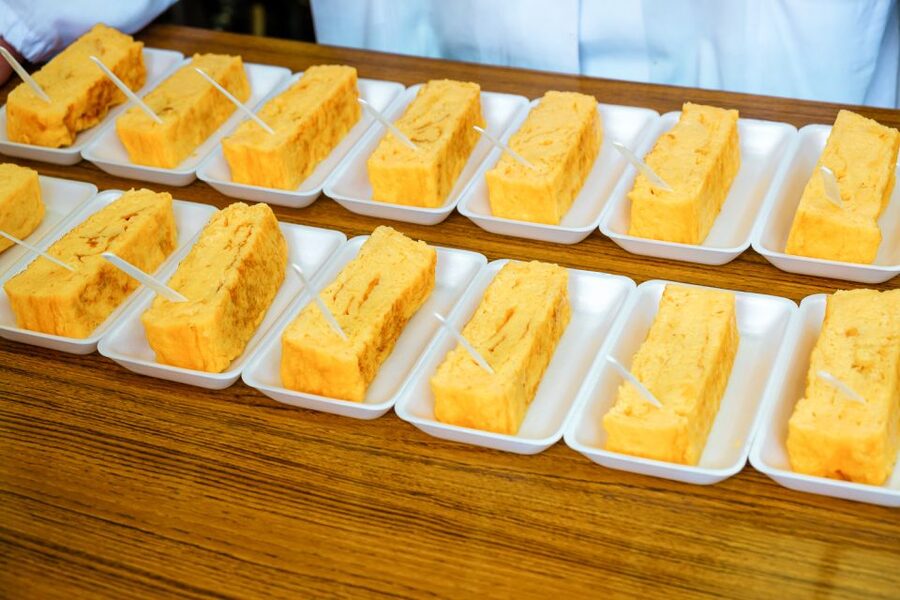
Tsukiji is not only a seafood stop. Traditional Japanese sweets and seasonal foods add balance to the savory dishes. Tamagoyaki, the softly layered Japanese omelet, is one of the market’s familiar specialties. Its sweet-salty flavor and tender texture are a pleasant contrast to raw fish and miso soup.
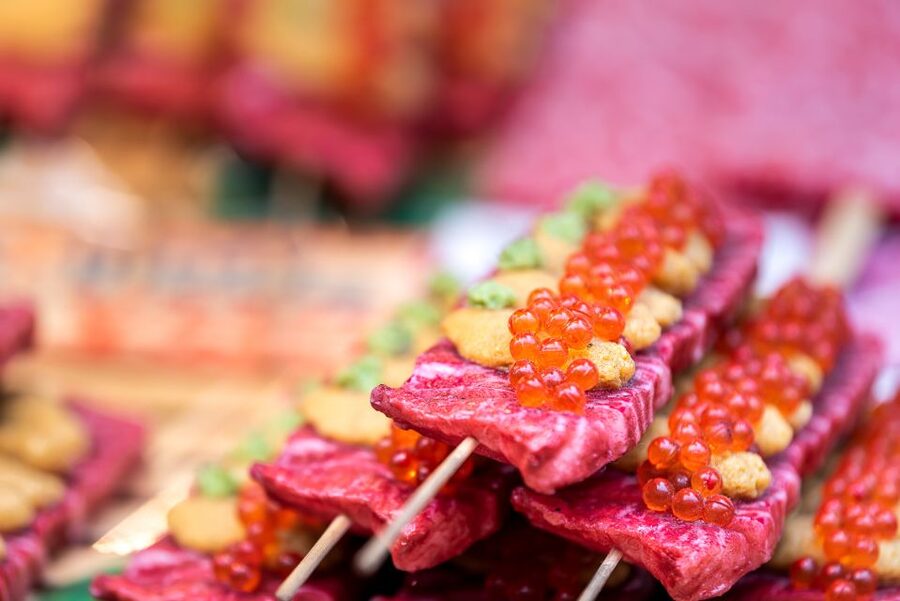
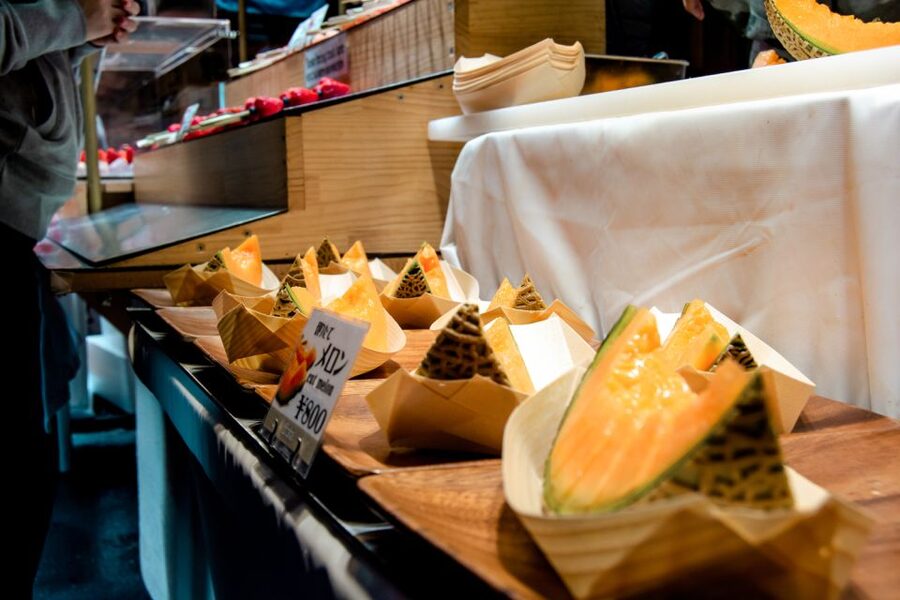
You may also encounter fish-shaped custard sweets, pickles, spices, and products from different regions of Japan. These tastings show how the Outer Market brings together food from far beyond Tokyo. It is a good introduction for first-time visitors, but it also works for repeat visitors who want a closer look at ingredients they have seen without knowing how to use them.
Season matters. The experience is not built around a fixed plate that looks the same all year. The available seafood, produce, sweets, and regional items can change. That gives the tour a more genuine market feel, though it also means you should book it for the style of experience rather than a guaranteed list of bites.
I like this mix because it keeps the morning from becoming a parade of similar seafood samples. You get different textures and flavors, and the guide can explain why a product belongs to a certain region or season. For anyone planning to eat widely in Japan, those small explanations are useful for the rest of the trip.
More Tokyo food tours:
- Tokyo: Shinjuku Food Tour (13 Dishes at 4 Local Eateries)
★ 5.0 · 6,603 reviews - Tokyo: Shinjuku Food Tour (15 Dishes and 4 Eateries)
★ 4.9 · 2,033 reviews - Best of Shinjuku: Izakaya Food Tour (4 Stops, 14+ Tastings)
★ 5.0 · 1,863 reviews - Tokyo Night Foodie Tour in Shinjuku – Seasonal Sushi, Wagyu Beef
★ 5.0 · 1,161 reviews
A shrine and more than food
The route also includes a shrine with more than 300 years of history. It gives the morning a cultural pause and helps place Tsukiji in a wider setting. The shrine visit is not a separate sightseeing tour, but it keeps the experience from feeling like a simple breakfast crawl.
Your guide may connect the shrine, the market, and the neighborhood’s older traditions through stories about local vendors and Japanese food customs. Guides have also answered broader questions about Japanese history, etiquette, and daily life. This makes the tour helpful early in a Tokyo visit, when you are still working out how food, public spaces, and religious sites fit together.
The cultural explanations are a major part of the value. Without them, a market can become a series of quick photos and unfamiliar snacks. With a good guide, you begin to understand why certain foods matter and how vendors maintain practices passed down through generations.
The quality of that experience depends partly on your guide. Yappy has been praised for humor, energy, and excellent English. Kay has been described as friendly and engaging, while Sandra, Michie, Norma, Josh, and other guides have also led strong outings. The company assigns the guide, so you cannot count on one particular person unless the booking process confirms it.
How much food do you really get?
Come hungry, but do not eat nothing before arriving if you have a sensitive stomach. The tour includes a full local breakfast followed by several market tastings, and the portions can add up quickly. One person described eating until there was no room left, which gives you a fair warning about the morning’s pace.
The structure is closer to a grazing meal than a formal restaurant lunch. You may eat standing or in short stops as the guide moves between market areas. That is part of the fun, but it is less relaxed than sitting at one table for a long meal.
If you want a market lunch to remember, the tour can work very well. The guide may recommend or purchase extra items for you, and you can continue sampling at your own expense. If you prefer a slow breakfast and a quiet tasting, the crowded market setting may feel rushed.
The tour does not include additional drinks or food. Budget for extras if you want to buy sweets, seafood, a kitchen tool, or something to take away. One guide helped a couple find a respected Japanese knife shop nearby, showing how the morning can lead naturally into further shopping around Tsukiji and Ginza.
Is $181 a fair price?
At $181 per person, this is not a budget food walk. You could visit the Outer Market independently for much less, especially if you choose only one breakfast and a few snacks. The price makes more sense if you value guided access, a planned sequence of tastings, cultural explanation, and the ease of having someone choose and order foods for you.
The food helps support the cost. You receive breakfast, several tastings, traditional sweets, and regional products within three hours. You are also paying for the guide’s time and for help navigating a compact market where language and ordering can otherwise slow you down.
For four people, the total cost becomes substantial. A family or group should think carefully about how much they would spend on food independently and how important personal guidance is. The tour is easier to recommend for first-time visitors, serious food fans, and people who want a strong introduction without planning every stop themselves.
Repeat visitors can still find value here. The tour reaches beyond the basic sushi meal and adds market customs, seasonal foods, shrine context, and shopping advice. If you have already spent a lot of time in Tsukiji, though, compare the price with a self-guided morning.
Practical details for a smooth morning
The tour lasts three hours and is conducted in English. Groups are limited to 10 people, which is small enough for questions but not necessarily private. A minimum of two people is required per booking.
Hotel pickup is not included. You must make your own way to the meeting point, and transportation costs are separate. Pickup can be arranged for an extra charge, according to the supplied details.
The walking level is listed as advanced. Expect time on your feet, narrow market lanes, crowds, and movement between food stops. Comfortable shoes are essential. Baby strollers are not allowed, and children must be accompanied by an adult.
Children aged 10 and above need a copy of their passport, and a passport is listed among the items to bring. The tour is not suitable for unaccompanied minors. These rules matter for families, so check them before paying.
Cancellation is flexible up to 24 hours before the tour for a full refund. You can also reserve now and pay later, which helps if your Tokyo plans are still shifting. Starting times vary, so check availability for the date you want.
Who should book this Tsukiji tour?
I would choose this tour for a first morning in Tokyo if food is one of your main reasons for visiting Japan. It gives you a useful orientation, a substantial breakfast, plenty of tastings, and a guide who can answer questions before you set off on your own.
It is also a good match for repeat visitors who want to understand the Outer Market beyond the most obvious sushi counters. The regional food, fresh wasabi lesson, sweets, shrine, and market stories add depth to a neighborhood you could otherwise rush through.
I would hesitate if you dislike seafood, cannot walk comfortably for three hours, or want a cheap, independent breakfast. The price is high, and the market can be crowded. You should also be comfortable with food stops that may involve standing and with a schedule shaped by market conditions.
Should you book it?
Book it if you want a guided food education, not simply a meal. The combination of Japanese breakfast, sashimi, sweets, seasonal products, shrine history, and a small English-speaking group gives you a clear way into Tsukiji.
Skip it if you are happy choosing your own stalls, have a strict food budget, or avoid most seafood. For everyone else, the strongest reason to book is the guidance. Yappy, Kay, and the other guides have helped people try foods they might have missed, understand what they were eating, and feel more at ease in the market. That is a useful service, especially on a first Tokyo visit.
FAQ
Where does the Tsukiji food tour meet?
Meet at Turret Coffee Shop in Tsukiji. Use Exit 2, and look for your English-speaking guide holding an Arigato Travel sign.
How long does the tour last?
The tour lasts three hours. Starting times vary, so check availability for your chosen date.
What food is included?
The tour includes breakfast at a local restaurant, tastings from the Tsukiji Outer Market, traditional Japanese sweets, and regional food from around Japan. Extra food and drinks are not included but can be purchased at your own expense.
Is hotel pickup included?
No. Hotel pickup is not included. It can be arranged for an additional charge, while transportation costs are also separate.
Is the tour suitable for children?
Children must be accompanied by an adult, and unaccompanied minors are not allowed. Children aged 10 and above need a copy of their passport.
Can I cancel the booking?
Yes. You can cancel up to 24 hours in advance for a full refund. The tour also offers a reserve-now, pay-later option.
Newly reviewed around Tokyo
- Tokyo Asakusa:Calligraphy & Make T-shirt Activity★ 5.0 · 62 reviews
- Intercity Shuttle, Tokyo to Haneda /Narita /Yokohama /Makuhari★ 5.0 · 5 reviews
- 1 Hour Travel around Tokyo with a Professional Photographer★ 5.0 · 3 reviews
- Travel Tokyo with Your Own Personal Photographer★ 5.0 · 43 reviews
- Train in Samurai Swordsmanship and Defeat the Demon in Tokyo★ 5.0 · 5 reviews
- Shuttle Van 6hr Tokyo Tour to-and-from Tokyo, Yokohama and Narita★ 5.0 · 9 reviews
- Kickboxing & Body Training with EX-Pro Fighter★ 5.0 · 4 reviews
- Traditional Japanese Knife Sharpening Class★ 5.0 · 18 reviews
Tsukiji and Toyosu Fish Market Tours, compared.
Tokyo Tsukiji Fish Market Food and Culture Walking Tour
Read our review →
Tokyo Sushi Making Class in Tsukiji with Professional Chef
Read our review →
Tsukiji Fish Market Guided Tour and Sushi Making with Pro Chef
Read our review →Tsukiji Fish Market Food and Culture Walking Tour
Read our review →
Tsukiji Fish Market: Street Food & Culture Walking Tour
Read our review →
Tsukiji Fish Market Small-Group Food Walking Tour
Read our review →Browse the lists this tour appears in