
Reviewed · CITY TOURS
Tokyo: City Tour B
Tokyo: City Tour B packs Tokyo’s old and new faces into one public-transport day. You move from the quiet grounds of Meiji Shrine to Harajuku’s youth fashion, Akihabara’s pop culture, Ginza’s polished shopping streets, Tokyo Bay, and the famous Shibuya crossing. The contrast is the main event.
I like the Spanish-language guiding and the friendly, close approach promised by NIPONEANDO. I also like the practical shape of the day: you get a quick sense of several major districts, then receive tips that can help you keep exploring on your own. Guide Ismael has been described as warm, enthusiastic, and helpful.
The main caution is the pace. Six major stops, several train rides, and a lunch break fill eight hours, so this works better as a first look at Tokyo than as a slow, detailed study of each neighborhood.
Key points at a glance
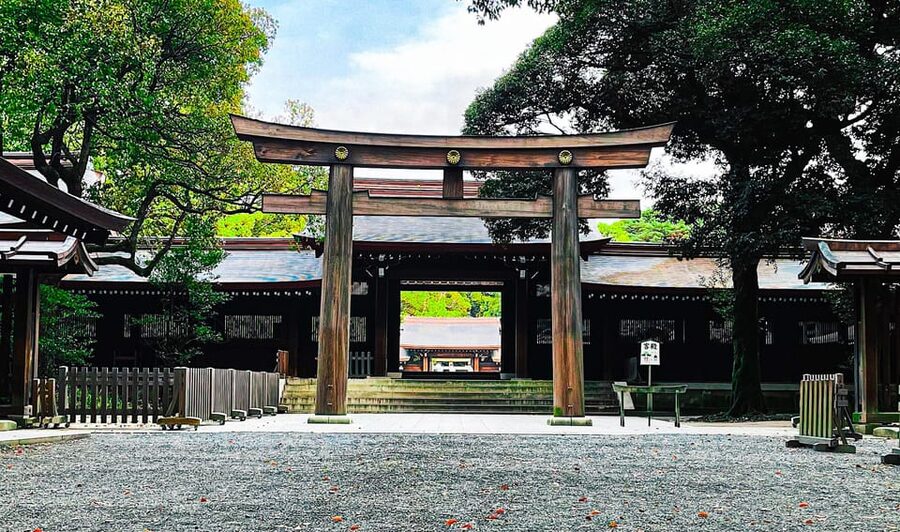
- Meiji Shrine begins the day with calm and ceremony: You start beside a large wooden torii at Yoyogi Park before entering one of Tokyo’s best-known shrine settings.
- Harajuku and Akihabara show two kinds of youth culture: Takeshita Street is tied to fashion and trends, while Akihabara centers on technology and geek pop culture.
- Public transport is part of the experience: Transportation is not included, and the expected total is ¥1,160, but trains help you cover a lot of Tokyo in one day.
- Odaiba adds open waterfront space: The route leaves the city streets for Tokyo Bay before returning to Shibuya.
- The tour ends at Shibuya Scramble Crossing: You finish near Hachiko’s statue and one of Tokyo’s most recognizable city scenes.
- Spanish guiding is the central benefit: This is a useful choice if you want explanations, neighborhood context, and trip advice in Spanish.
A smart first look at Tokyo’s many faces
The route is ambitious by design. In eight hours, you see a shrine, a park, a youth-fashion street, a technology district, a luxury shopping area, a waterfront district, and one of the world’s best-known crossings.
That variety gives you a useful mental map of Tokyo. You may not leave knowing every street in each area, but you will know where you want to return. For a first full day in the city, that can be worth more than spending the entire day in one neighborhood.
The guide also helps connect the stops. Without context, Tokyo can feel like a collection of unrelated districts. A Spanish-speaking guide can explain how the mood changes from one area to the next and point out details that are easy to miss when you are focused on getting around.
NIPONEANDO presents the tour as friendly and eco-conscious, with public transport used throughout. That makes the experience feel more like moving through Tokyo as a resident might, rather than riding in a private coach from one photo stop to another.
Still, keep your expectations in check. The schedule gives you a taste of each place, not hours of free time. If your priority is shopping, anime stores, shrine rituals, or waterfront views, you will likely want to return to your favorite stop later.
More Tokyo city tours:
- Tokyo: Private City Highlights Tour with Local Guide
★ 4.8 · 1,433 reviews - Tokyo: Asakusa, Skytree & Akhihabara Go-Kart City Experience
★ 4.7 · 761 reviews - Tokyo: 3-Hour Bike or E-Bike City Highlights Tour
★ 4.8 · 435 reviews
Starting at Meiji Shrine beside Yoyogi Park
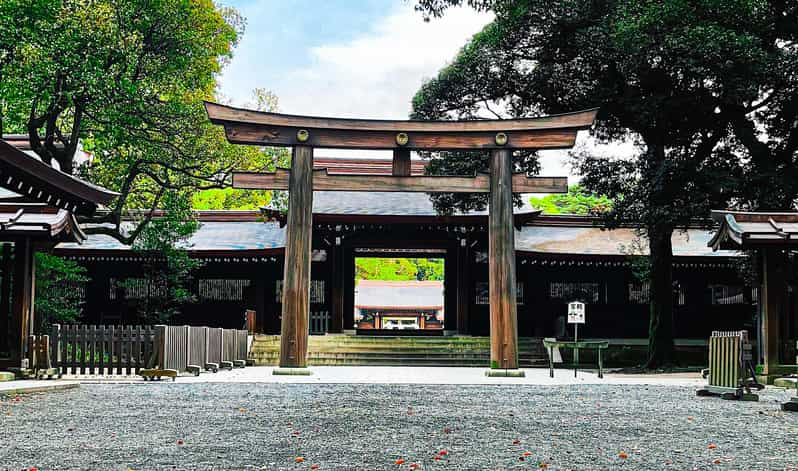
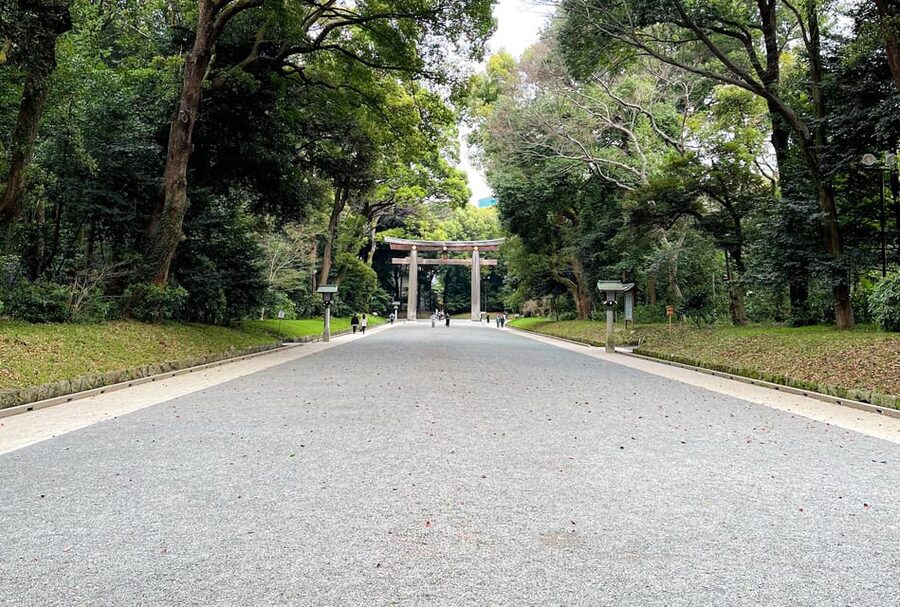
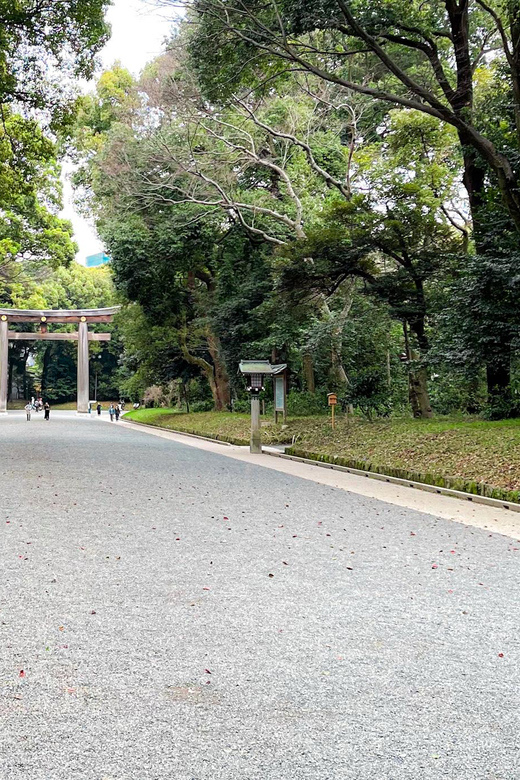
The day begins at the large wooden torii at the West Exit of Harajuku Station. This is the entrance to Yoyogi Park, and the guide waits there with a name tag marked NIPONEANDO. Arrive five minutes early, since a busy station area is not the place to arrive casually at the last second.
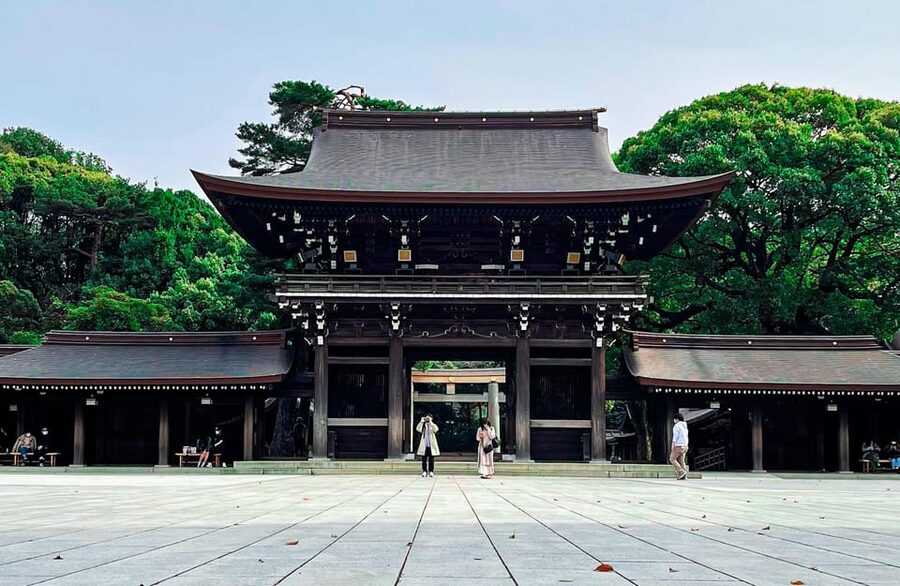
Meiji Shrine is dedicated to Emperor Meiji, the ruler linked with Japan’s move away from feudal rule. The approach through the park gives you a pause from central Tokyo’s traffic and signs. You enter beneath the torii and follow the route toward the shrine during a guided visit of about 90 minutes.
This is the longest stop of the day, which makes sense. The shrine provides cultural grounding before the tour shifts to modern fashion, electronics, and shopping. You can expect the guide to explain the setting and the role of the shrine, though the supplied details do not promise a specific ceremony or special access.
The calm here is part of the appeal. It gives you a chance to slow your pace before the rest of the day becomes more urban and commercial. At the same time, the park is only the opening chapter, so you should not expect a long nature walk or a full historical tour of the shrine complex.
Takeshita Street and Harajuku’s trend machine
From Meiji Shrine, it is a roughly 10-minute walk to Takeshita Street. The street is known as a birthplace of trends in Harajuku, a neighborhood that has shaped youth style for decades.
The scheduled guided visit lasts about 40 minutes. That is enough to understand the street’s role and get a look at its distinctive atmosphere, but it is not a generous shopping window. If you want to browse stores at length, buy food, or investigate side streets, plan to return on your own.
This stop works well after Meiji Shrine because the change is so sharp. You go from a formal religious setting to one associated with youth fashion and new trends. That quick switch is one of the clearest examples of how Tokyo places old customs and modern culture close together.
Do not treat Takeshita Street as a quiet cultural monument. It is a short, concentrated stop in a district famous for style and energy. The guide’s recommendations can help you decide what deserves a second visit after the tour.
Akihabara for technology and pop culture
A train ride of about 25 minutes takes you to Akihabara. The neighborhood is presented as Tokyo’s technology and geek pop culture district, making it a very different experience from Harajuku.
The guided visit lasts around 80 minutes. That is a useful amount of time for orientation, especially if Akihabara is unfamiliar to you. You can learn how the district fits into Tokyo’s popular culture while seeing the streets for yourself.
The word technology can mean different things to different people, so keep the scope clear. This tour does not promise a particular shop, attraction, or purchase. Instead, it gives you a guided look at the district and the chance to decide where you might spend more time later.
Akihabara is also the lunch stop. You have about 70 minutes for a break and a meal, but food is not included. The exact restaurant or menu is not specified, so budget separately and use this pause as a chance to ask your guide for suggestions.
The lunch break matters because the rest of the route keeps moving. Eight hours on foot and on trains is easier if you use this hour to sit down, eat, and reset. It is also the one clearly planned pause before the final series of neighborhood visits.
A completely different kind of day in Tokyo:
- Mt Fuji and Hakone 1-Day Bus Tour Return by Bullet Train
★ 5.0 · 26,383 reviews - 1-Day Tokyo Bus Tour
★ 5.0 · 14,250 reviews - Tokyo: teamLab Planets TOKYO Digital Art Museum Entry Ticket
★ 4.6 · 9,779 reviews - Mt Fuji & Hakone Cruise, Drum Show Bullet Train 1 Day from Tokyo
★ 4.0 · 7,413 reviews
Ginza brings a polished change of pace
After Akihabara, another train ride of about 10 minutes takes you to Ginza. The guided visit here lasts roughly 40 minutes.
Ginza is Tokyo’s luxury district, so the mood shifts again. Instead of Harajuku’s trend-focused street or Akihabara’s pop culture, you see a more polished side of the city. The walk continues until the route reaches the direction of Tokyo Bay, linking the shopping district with the next major stop.
Forty minutes is enough for a guided introduction but not enough for serious shopping. If you want department stores, designer boutiques, or a careful look at the area, treat this stop as reconnaissance. The guide can give you a sense of where to return, while the group keeps to its schedule.
This part of the route is valuable because it prevents Tokyo from being reduced to shrines and youth culture. Ginza shows the city’s formal, high-end side. It also helps explain the sheer range of districts covered in one day.
Odaiba and the Tokyo Bay change of scenery
The tour then takes a train for about 15 minutes to Odaiba, where you spend about an hour with the guide. Odaiba brings you to Tokyo Bay and gives the day a more open setting after several dense city neighborhoods.
The supplied plan describes this as a visit to Odaiba and Tokyo Bay rather than a particular attraction. That means you should expect a guided look at the district, not a guaranteed visit to a named museum, observation deck, or entertainment venue.
This is a welcome change in rhythm. After the shrine, shopping streets, Akihabara, and Ginza, the bay gives you room to take in a different side of Tokyo. You may find the contrast especially useful if you want a broader picture of the city rather than a string of famous downtown streets.
The stay lasts one hour, followed by a train ride of about 20 minutes to Shibuya. Keep your belongings light. Large bags and luggage are not allowed, and managing a bulky suitcase through several train changes would make this day harder than it needs to be.
Ending at Shibuya Scramble Crossing
The final stop is Shibuya City, reached after the ride from Odaiba. The guided visit lasts about 20 minutes and finishes at Shibuya Scramble Crossing.
You also get the chance to see the famous Hachiko dog statue. The ending is well chosen because Shibuya is instantly recognizable and easy to continue exploring after the guide says goodbye. You can remain in the area for food, shopping, nightlife, or a return visit to sights that caught your attention earlier.
The short time here is the main limitation. Twenty minutes gives you an introduction and a clear finish, but it does not allow much room for independent wandering. The best way to use this stop is to listen carefully to the guide’s suggestions, then decide how to spend the rest of your evening.
Because the tour ends at the crossing, you do not need to return to the original meeting point. That is convenient if Shibuya fits your plans for the night.
What the $96 price really covers
The price is $96 per person. That includes the eight-hour Spanish-language tour and the guide, but not your food or public transport. The stated transport cost is ¥1,160, so add that amount to your budget before comparing this with other Tokyo activities.
At first glance, the price may seem high for a day using trains. You are not paying for a private vehicle or included meals. You are paying for a full day of route planning, Spanish explanations, help with a complicated city, and a guide who can connect several districts that would take more effort to organize alone.
The value is strongest if you want broad coverage and Spanish support. It is weaker if you prefer to move slowly, shop for hours, or make your own choices at every stop. You will also want to include lunch and drinks in your daily budget.
Hotel pickup is available if you choose the private tour option or add the pickup supplement. For the private option, the guide picks you up at your hotel or accommodation using public transport, which is not included. The regular meeting point is at the large wooden torii near the West Exit of Harajuku Station.
Who will enjoy this route most
I would recommend this tour to a first-time Tokyo visitor who wants orientation without spending days planning train routes. It is also a strong fit if you prefer Spanish and want more than a silent walk between landmarks.
The route suits people who enjoy variety. You see religious architecture, parkland, fashion, technology, luxury shopping, the bay, and a major city crossing in one day. If you like comparing neighborhoods, this gives you plenty to think about.
It is less suited to anyone hoping for a relaxed day. The schedule includes walking, four train transfers or rides listed in the plan, short visits, and a fixed lunch break. You should be comfortable keeping to the group’s timing.
The tour is wheelchair accessible, though the route uses public transport and includes walking between locations. Large bags and luggage are not allowed. Unaccompanied minors cannot join, and the activity is not suitable for people with hearing impairments.
You can choose a private group if you want a more personal format. The regular public-transport structure remains important in either case, so private does not mean a private car or included transportation.
Practical advice before you go
Wear comfortable shoes and arrive at the meeting point five minutes early. The starting point is specific: in front of the large wooden torii at the entrance to Yoyogi Park, near the West Exit of Harajuku Station.
Bring only what you need for the day. Large bags and luggage are not permitted, and the tour involves multiple train rides. You also need to pay the ¥1,160 transportation cost separately and plan for lunch.
Use the day to collect ideas for later. Ask for recommendations in each neighborhood, especially if you want to return to Takeshita Street, Akihabara, Ginza, Odaiba, or Shibuya at your own pace. That follow-up advice is one of the practical benefits of taking a guide early in your Tokyo stay.
The tour is conducted in Spanish. Some content may appear in its original language, so do not expect every sign, announcement, or piece of material to be translated.
Should you book Tokyo: City Tour B?
Book it if you want a lively Spanish-language introduction to Tokyo and value seeing several districts in one day. The route is thoughtfully varied, Ismael may bring the warm, enthusiastic style noted in the feedback, and the final stop leaves you in an excellent area for the evening.
Think twice if you want long visits, detailed shopping time, or a private vehicle. The schedule is ambitious, and the extra cost of trains and lunch should be part of your calculation.
For many first visits, the best use of this tour is as a city orientation day. Let the guide show you the broad picture, mark the places you want to revisit, then return later for a slower look.
FAQ
Is the tour conducted in Spanish?
Yes. The tour has a live Spanish-speaking guide, and Spanish is the activity language.
How long does the tour last?
The tour lasts eight hours. Starting times depend on availability when you book.
What transportation is used?
The tour is conducted using public transport. Transportation is not included, and the stated cost is ¥1,160.
Where does the regular tour meet?
The meeting point is in front of the large wooden torii at the entrance to Yoyogi Park, near the West Exit of Harajuku Station. The guide waits with a NIPONEANDO identification name tag.
Is hotel pickup available?
Yes. Hotel pickup is available if you select the private tour option or add the pickup supplement. For the private option, pickup is by public transport, which is not included.
Are food and drinks included?
No. Food and drinks are not included. The schedule includes a 70-minute lunch break in Akihabara.
Can I bring luggage?
No. Luggage and large bags are not allowed.
Newly reviewed around Tokyo
- Tokyo Asakusa:Calligraphy & Make T-shirt Activity★ 5.0 · 62 reviews
- Intercity Shuttle, Tokyo to Haneda /Narita /Yokohama /Makuhari★ 5.0 · 5 reviews
- 1 Hour Travel around Tokyo with a Professional Photographer★ 5.0 · 3 reviews
- Travel Tokyo with Your Own Personal Photographer★ 5.0 · 43 reviews
- Train in Samurai Swordsmanship and Defeat the Demon in Tokyo★ 5.0 · 5 reviews
- Shuttle Van 6hr Tokyo Tour to-and-from Tokyo, Yokohama and Narita★ 5.0 · 9 reviews
- Kickboxing & Body Training with EX-Pro Fighter★ 5.0 · 4 reviews
- Traditional Japanese Knife Sharpening Class★ 5.0 · 18 reviews
City Tours, compared.

Private City Highlights Tour with Local Guide
Read our review →
Asakusa, Skytree & Akhihabara Go-Kart City Experience
Read our review →

Private Haneda Airport (HND) to Central Tokyo City Transfer
Read our review →
3-hour Guided E-Bike Tour of the City’s Hidden Gems
Read our review →
3-Hour Bike/E-Bike Tour of the City’s Highlights
Read our review →
Private departure transfer from Tokyo city to Tokyo Haneda Airport(HND)
Read our review →Browse the lists this tour appears in