
Reviewed · TOKYO WALKING TOURS
Tokyo Castle & Imperial PalaceーShogun Walking Tour
Tokyo’s Imperial Palace grounds are much easier to understand when you know what you are looking at. This two-hour walk takes you past the old Edo Castle gates, guardhouses, watchtowers, ruined foundations, and a quiet koi pond, turning a pleasant park stroll into a lesson in how the shogun controlled Japan.
I like the small-group format, advertised for up to 10 people, and the way guides such as K, Keiko, Ai, Shin, and Tomo bring maps and old images to the stops. I also like the price: at $23.88, you are paying mainly for interpretation, while every stop on the route is free to enter.
The main drawback is that this is an outdoor walk with slopes, stairs, and plenty of sun exposure. It is also conducted in English only, and one poor review points to the risk of an uneven guide experience. Still, the 4.9 rating from 725 reviews and 99 percent recommendation suggest that the usual experience is strong.
Key points at a glance
- See the defensive design of Edo Castle: Massive gates, thick stone walls, guardhouses, and watchtowers show how the shogun protected the castle.
- Learn the difference between emperor and shogun: The tour connects Japan’s long imperial system with the military rule of the Edo period.
- Visit the former castle tower site: The East Gardens preserve the base of Edo Castle’s lost main tower.
- Enjoy Ninomaru Garden: Koi, seasonal plants, and a traditional pond provide a quiet finish after the fortress history.
- Expect a true walking tour: Wear comfortable shoes, carry water, and prepare for steep sections and stairs.
- Get more than a silent garden stroll: Guides may use laminated images, castle plans, and photographs to make vanished buildings easier to picture.
Why Edo Castle is the right place to learn Tokyo’s past
Tokyo can feel like a city built in fast-forward. Glass towers, railway lines, and packed streets dominate the modern view. Yet at the center of the city, the Imperial Palace grounds preserve the site where Edo Castle once directed the political life of Japan.
This tour helps you read those remains. You will not enter the Emperor’s residence, which is closed to the public, and you will not see a complete castle complex. Instead, you will walk through the surviving gates, walls, guard posts, garden paths, and foundations that reveal how the original fortress worked.
That distinction matters. If you expect an ornate palace interior or a preserved keep, you may leave disappointed. If you want to understand why the site mattered and how the shogun’s government operated, the walk offers useful context for a modest price.
The focus is also broader than castle architecture. Your guide explains the samurai system, the shogun’s role, Japan’s imperial line, and the transition from the Edo period to modern Tokyo. The best guides turn stones and empty lawns into clues about power, rank, and daily security.
More Tokyo walking tours:
- Tokyo Tsukiji Fish Market Food and Culture Walking Tour
★ 5.0 · 3,184 reviews - Tokyo: Imperial Palace and Shogun Historical Walking Tour
★ 5.0 · 2,251 reviews - Tokyo: Shinjuku Local Bar and Izakaya Guided Walking Tour
★ 4.9 · 1,794 reviews
Meeting at Wadakura Fountain Park
The tour begins at Starbucks Coffee in Wadakura Fountain Park, at 3-1 Kōkyogaien in Chiyoda City. The location is near public transportation and sits within the broad open area around the Imperial Palace.
Arrive ready to walk rather than expecting a seated orientation. A mobile ticket is provided, and a security check is required before entering the Imperial Palace grounds. Do not bring knives or alcohol.
The tour description emphasizes groups of up to 10, which is a useful size for asking questions and staying close to the guide. The activity information also gives a maximum of 60 travelers, so the exact arrangement may depend on the departure. If a very small group is essential to your decision, check the confirmed booking details.
The route is scheduled for about two hours. It is compact enough to fit into a busy Tokyo day, but it is not a light stroll from café to café. You will be outdoors for most of the time, and the walk includes steep slopes and stairs. On hot days, a hat, water, and sun protection will make a real difference. One account also praised a guide for handing out sweets and menthol wipes during extreme heat, but you should still bring your own supplies.
Sakurada Tatsumi Yagura and the first lesson in defense
The first stop is Sakurada Tatsumi Yagura, a surviving turret from the Edo period. It gives you an early look at the castle’s defensive planning before you reach the more elaborate gates.
A turret was more than a scenic old building. From a raised position, guards could watch approaches and protect the walls. This is where the guide introduces the security systems that still shape movement around the Imperial Palace today.
The stop lasts about 20 minutes, making it the longest single explanation on the opening stretch. That extra time is useful because it sets up the rest of the route. Once you understand that Edo Castle was designed to slow, confuse, and control anyone approaching the shogun, the gates and guardhouses become easier to interpret.
Otemon Gate and the castle’s layered entrance
At Kokyo Otemon Gate, you will see two massive gates and sections of original stone wall. The arrangement shows that entry was not a simple matter of walking through one opening.
The design forced people to pass through controlled spaces, giving guards time to inspect them and respond to danger. Your guide explains how the gate layout worked and why Edo Castle was considered so difficult to attack.
This is one of the strongest photo stops, but the real value comes from looking closely at the scale of the walls and gates. Without explanation, you may simply see an impressive entrance. With the castle’s defensive purpose in mind, you can imagine how intimidating it would have been for a visitor approaching the shogun’s seat.
Admission is free, as it is at every listed stop. The $23.88 fee therefore pays for the guide’s interpretation rather than entrance tickets, a fair arrangement if you want the site explained rather than simply photographed.
A completely different kind of day in Tokyo:
- Mt Fuji and Hakone 1-Day Bus Tour Return by Bullet Train
★ 5.0 · 26,383 reviews - 1-Day Tokyo Bus Tour
★ 5.0 · 14,250 reviews - Tokyo: teamLab Planets TOKYO Digital Art Museum Entry Ticket
★ 4.6 · 9,779 reviews - Mt Fuji & Hakone Cruise, Drum Show Bullet Train 1 Day from Tokyo
★ 4.0 · 7,413 reviews
Three guardhouses and the samurai system

The Constable Guardhouse, Hyakunin Bansho Guardhouse, and Obansho Guardhouse form the tour’s clearest lesson in rank and responsibility.
The Constable Guardhouse was used by lower-ranking samurai. This stop helps correct the common picture of every samurai as a high-ranking warrior with the same status and duties. Castle security depended on many levels of personnel, from guards with routine assignments to officials with greater authority.
Hyakunin Bansho was a larger post where many samurai were stationed. The name and scale point to the importance of maintaining a strong security presence near the inner areas of the castle. Your guide explains how these samurai fit into the wider defense system.
At Obansho, near the inner gate, the discussion turns to higher-ranking samurai. Their duties differed from those of the men at the outer posts, and the location helps show how rank was built into the castle’s physical layout.
These stops are not grand architectural sights. A guardhouse can look modest, especially beside the palace walls. Their importance comes from the story. A strong guide helps you see the castle as a working institution with layers of command, not just as a collection of old stones.
Several guides have used laminated images and old castle layouts to show what has disappeared. That is especially useful here, since the original buildings and routines are difficult to picture from the remaining structures alone.
Fujimi-yagura and the view from a watchtower
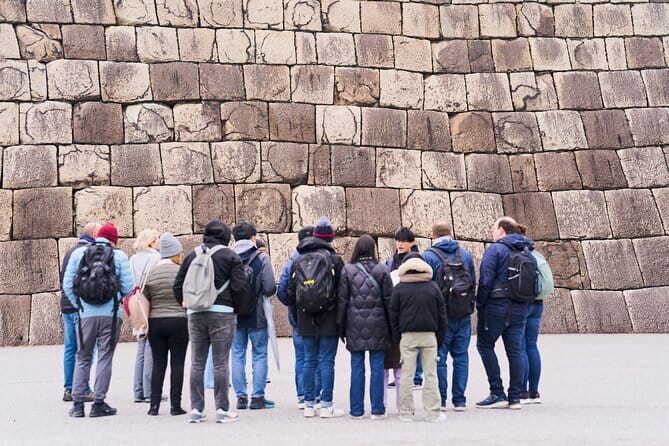
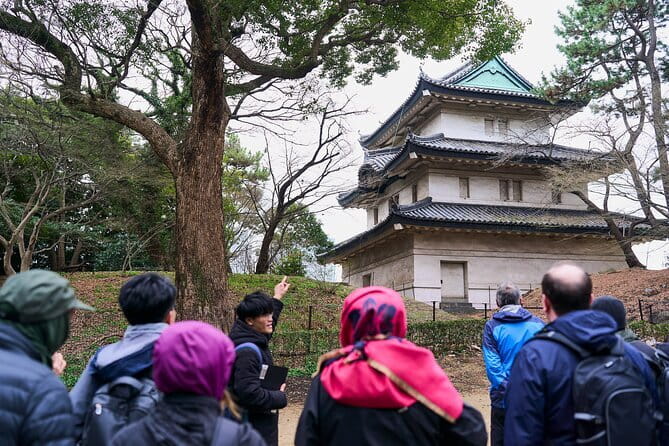
Fujimi-yagura is an old watchtower overlooking the area. The guide explains its role and what made it special in the past.
Watchtowers helped guards observe the approaches, but they could also serve symbolic and practical purposes within the castle. The stop adds another piece to the defense story and gives you a chance to see how the grounds connect.
The route is not built around dramatic panoramic views, so do not treat this as a lookout excursion. The appeal is historical: you are seeing one of the structures that helped the castle monitor movement and protect its inner areas.
The Shozokan model and a clearer picture of vanished buildings
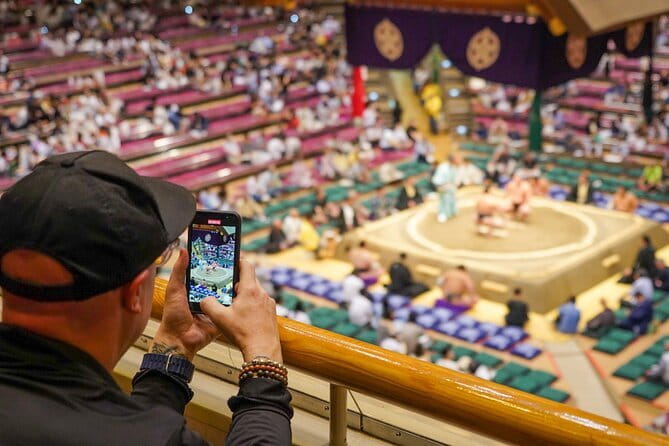
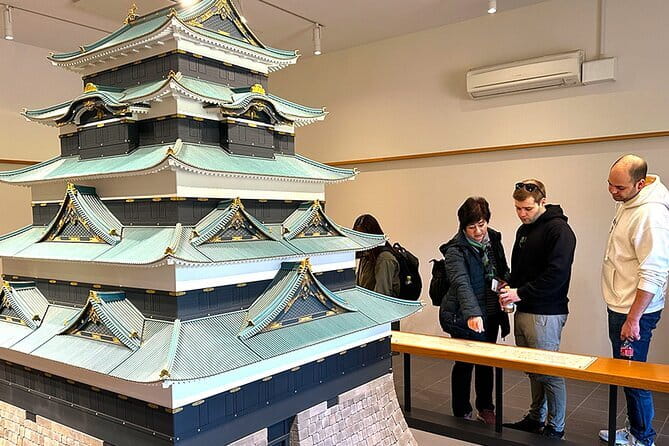
At Kokyo Sannomaru Shozokan, you can see a scale model of the former Edo Castle and visit a souvenir shop with palace-related goods. This may be the most helpful stop for anyone who struggles to imagine the castle as it once was.
The remaining foundations and guardhouses show only fragments. A model lets you connect those fragments to the full design, including the relationship between gates, towers, walls, and inner compounds. If your guide uses additional visual material, this is the point where the old layout can start to make sense.
The souvenir shop is a small extra rather than the purpose of the tour. You should not expect a long shopping break. The visit is scheduled for about 10 minutes, so the focus remains on the model and the historical setting.
The Edo Castle ruin and the missing main tower
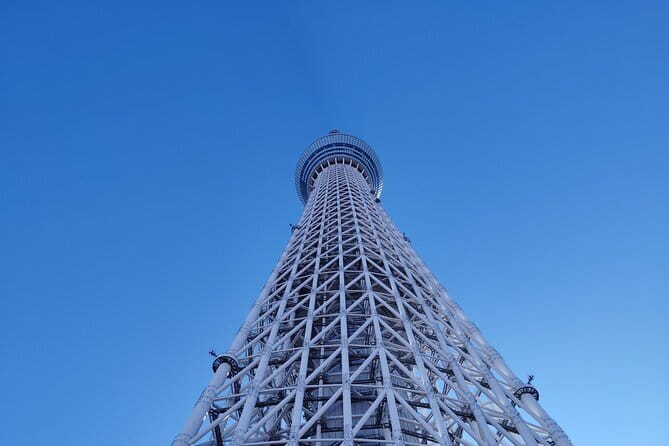
The East Gardens of the Imperial Palace include the former site of Edo Castle’s main tower. The tower itself no longer stands, but its base remains as a physical reminder of the castle’s former scale.
This stop invites an obvious question: why is the tower gone? Your guide explains what happened and why the site now consists of ruins rather than a rebuilt keep. That discussion is more useful than simply showing you an empty foundation, because it places the missing structure within the larger story of Edo Castle’s decline and transformation.
I like this part of the route because it resists the temptation to rebuild the past in your imagination without evidence. You see what survives, learn what has vanished, and gain a better sense of how modern Tokyo developed over the old castle site.
The East Gardens also provide some breathing room after the concentrated gate and guardhouse stops. You remain in a historic setting, but the pace becomes less about security and more about the traces left behind.
Ninomaru Garden, koi, and the quieter side of palace history
Ninomaru Garden changes the mood. Instead of walls, guards, and military rank, you get seasonal plants, a traditional Japanese garden, and a pond with koi.
This is not just a decorative pause. It shows that the castle was also a place of controlled beauty and daily court life. The shogun’s world included gardens and formal spaces as well as military defenses.
The garden is a good place to slow down and take photographs. It is also where the tour’s outdoor demands may be most noticeable. The sun can be strong, shade may not always be available, and the route includes walking over uneven or sloping ground.
If you are visiting Tokyo in hot weather, schedule your energy carefully. The walk lasts only two hours, but you may have spent the morning sightseeing before arriving. Comfortable footwear is essential, and an umbrella can provide useful sun protection as well as rain cover.
Finishing near Tokyo Station
The route concludes in front of the ginkgo-lined avenue stretching toward Tokyo Station. The listed end point is also the meeting point, so check the exact instructions supplied with your booking if you need to coordinate a train or lunch afterward.
This final setting gives you a sharp contrast: a formal avenue and modern Tokyo beyond, with the former castle grounds behind you. It is a fitting place to finish a tour about the shift from shogun rule to the modern imperial capital.
The route does not take you inside the Emperor’s residence. That is an important expectation to set before booking. You are seeing public areas, historic remains, and gardens around the palace, not private rooms or a full interior palace tour.
Guides, language, and the quality of the explanation
The strongest part of this experience is the human explanation. Guides named in the feedback include K, Keiko, Ai, Tomo, Anju, Nana, Yuuko, Yuuki, Shin, Dai, Mako, Yuta, Franky, and Mayuko. Several are praised for clear English, humor, visual aids, patience with questions, and enthusiasm for the subject.
K is repeatedly described as clear, funny, and passionate, with enough command of Japanese and imperial history to answer detailed questions. Keiko is noted for using laminated images and castle layouts. Shin is praised for strong explanations and helpfulness, while Ai, Tomo, Anju, Nana, and others are described as friendly and engaging.
You should keep one qualification in mind: this is English only, with no Japanese-language support. One unhappy participant found the guide’s English difficult to follow and left early. That appears to be an exception within a very high overall rating, but it is still useful information for anyone who needs especially polished spoken English.
The guide can make or break a site like this. If you already know Edo-period history and prefer wandering alone, you may find the walk less necessary. If the names of gates, ranks, and political eras blur together, the commentary gives the grounds a clear structure.
Is $23.88 good value?
At $23.88 per person, this is a relatively low-cost guided experience in central Tokyo. All listed admission tickets are free, so you are paying for the guide, organization, and explanations.
That value depends on how you travel. You can walk through the public grounds without paying for a guide, but the stones and gardens do not explain themselves. The tour gives you a framework for understanding the samurai, the shogun, the imperial system, and the castle’s defense.
The two-hour length is another plus. It is long enough to cover nine meaningful stops, yet short enough to fit before another Tokyo activity. The free cancellation policy allows a full refund when you cancel at least 24 hours before the start time. Changes or cancellations inside that window are not refunded.
Who should book this walk?
I would choose this tour if you are visiting Tokyo for the first time, want a clear introduction to the Edo period, or prefer historical sites to make sense rather than pass by as scenery. Families can also benefit from the short route and visual aids, provided everyone is comfortable with stairs and outdoor walking.
It is a particularly good early-trip activity. The explanations can help you understand later visits to temples, museums, former samurai districts, and other places tied to Japan’s political past.
I would think twice if you want to enter the palace, see the Emperor’s residence, or explore at your own pace without a guide. You should also consider another activity if heat, stairs, or extended outdoor walking are difficult for you.
Should you book the Tokyo Castle and Imperial Palace Shogun Walking Tour?
Book it if you want a compact, affordable lesson in Tokyo’s political past, with real castle remains, samurai guardhouses, a traditional garden, and an English-speaking guide who can connect the pieces. The best guides, including K and Keiko, add maps, images, humor, and detail that you would likely miss on a solo walk.
Skip it if you are looking for palace interiors or a full reconstructed castle. For most visitors who want context without giving up half a day, this two-hour route is a sensible way to meet Edo Castle and the Imperial Palace grounds.
FAQ
How long does the Tokyo Castle and Imperial Palace Shogun Walking Tour last?
The tour lasts approximately two hours.
Is the tour conducted in English?
Yes. The tour is conducted in English only, and Japanese-language support is not available.
Can I visit the Emperor’s residence?
No. The Emperor’s residence is not open to the public. The tour visits public areas, gardens, gates, guardhouses, ruins, and other parts of the Imperial Palace grounds.
Is there a security check?
Yes. You must pass a security check to enter the Imperial Palace grounds. Knives and alcohol are not allowed.
Does the tour include entrance fees?
All listed stops have free admission. The tour price covers the guided experience rather than admission tickets.
Is the tour physically demanding?
You will need to walk up steep slopes and stairs. Most travelers can participate, but comfortable shoes, water, and protection from the sun are sensible.
Newly reviewed around Tokyo
- Tokyo Asakusa:Calligraphy & Make T-shirt Activity★ 5.0 · 62 reviews
- Intercity Shuttle, Tokyo to Haneda /Narita /Yokohama /Makuhari★ 5.0 · 5 reviews
- 1 Hour Travel around Tokyo with a Professional Photographer★ 5.0 · 3 reviews
- Travel Tokyo with Your Own Personal Photographer★ 5.0 · 43 reviews
- Train in Samurai Swordsmanship and Defeat the Demon in Tokyo★ 5.0 · 5 reviews
- Shuttle Van 6hr Tokyo Tour to-and-from Tokyo, Yokohama and Narita★ 5.0 · 9 reviews
- Kickboxing & Body Training with EX-Pro Fighter★ 5.0 · 4 reviews
- Traditional Japanese Knife Sharpening Class★ 5.0 · 18 reviews
Tokyo Walking Tours, compared.
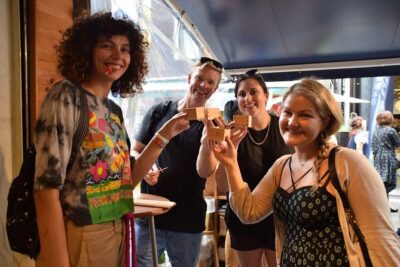
Tokyo Tsukiji Fish Market Food and Culture Walking Tour
Read our review →
Imperial Palace and Shogun Historical Walking Tour
Read our review →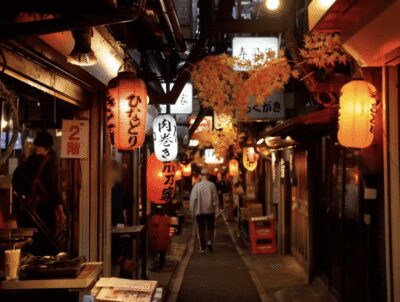
Shinjuku Local Bar and Izakaya Guided Walking Tour
Read our review →
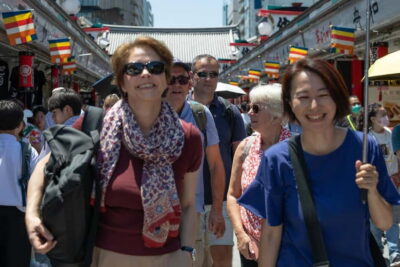
Asakusa Walking Tour with Sensoji Temple Visit
Read our review →
Tokyo Castle & Imperial PalaceーShogun Walking Tour
Read our review →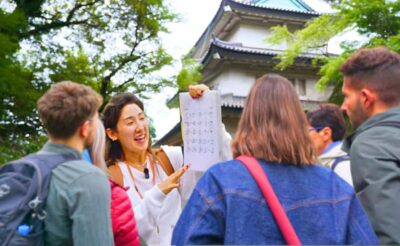
Browse the lists this tour appears in