
Reviewed · TOKYO KIMONO EXPERIENCES
Tokyo: Calligraphy Experience with yukata or Samue
Japanese calligraphy here is more than copying a character onto paper. You learn how each stroke begins and ends, why the order matters, and how a single kanji can carry an idea, feeling, or wish. The class also gives you a chance to wear a yukata or samue, sip tea, and create a keepsake that is genuinely your own. I especially like the patient, step-by-step teaching and the chance to have your name written by a professional calligrapher.
I also like the small group size, limited to 10 people, and the choice of English or French instruction. The main thing to consider is that this is a focused cultural class, not a fast-moving sightseeing tour. Ninety minutes can pass quickly, especially if you enjoy practicing, and the meeting directions are brief enough that you should confirm the exact spot before setting out.
Key points at a glance
- Wear traditional Japanese clothing: Start the activity in a yukata or samue, adding a hands-on cultural touch before you pick up the brush.
- Learn from working calligraphers: Teachers such as Hana, Koushi, and Tomo guide you through brush handling, strokes, and a final kanji artwork.
- Choose English or French: The class is offered in both languages, useful for families and mixed-language groups.
- Make a finished piece: You practice first, then produce artwork on a board or card to take home.
- Enjoy tea and a calm setting: Tea and snacks help make the class feel personal rather than hurried.
- Keep the group small: With no more than 10 participants, the instructor can give individual help.
Why this Tokyo calligraphy class feels personal
Many cultural activities in Tokyo give you a quick demonstration, a photo opportunity, and little time to do anything yourself. This class takes a different route. You put on traditional clothing, sit down with the tools, learn the basic movements, and then make a piece that has your own hand in it.
That difference matters. Japanese calligraphy, or shodo, is built around control. The brush is not held and moved like a pencil. Pressure, speed, direction, and the amount of ink all affect the stroke. Even a simple line can look heavy, light, dry, or fluid depending on how you use the brush.
I like that the class connects technique with meaning. You are not simply told to copy a decorative symbol. The instructor explains the spirituality and background connected with the characters, so your final choice can carry a personal idea. You might work with a kanji that represents a quality, hope, or feeling, then leave with a piece that has more meaning than a standard souvenir.
The atmosphere also seems designed for conversation. Tea and snacks are offered, and the pace allows time for questions. French-speaking instruction is available, along with English, which is a useful detail for families or couples who do not want to rely on translation.
More Tokyo calligraphy classes:
- Tokyo: Calligraphy on Kanji Fan & Scroll with Drink
★ 5.0 · 210 reviews - Let’s experience calligraphy in YANAKA, Taito-ku, TOKYO !!
★ 5.0 · 127 reviews - Experience all of Japanese culture and Japanese food experience classes “origami, udon, Japanese food, green tea, calligraphy” in 4 hours
★ 5.0 · 105 reviews
Getting dressed in a yukata or samue
The experience begins with a traditional clothing element. Depending on the arrangement, you can wear a yukata or samue before starting the calligraphy lesson. A yukata is a light cotton garment often associated with summer wear, while samue is a simple outfit traditionally linked with practical work and Buddhist settings.
This is not just a costume change for a photograph. Clothing affects how the class feels. Sitting in a yukata or samue encourages you to slow down and pay attention to the setting. It also gives children and first-time visitors a clear way into the culture before the more technical part begins.
Some participants have described wearing a kimono or samue, so the exact clothing offered may vary. If a particular outfit matters to you, ask when booking or confirm on arrival. You should also follow the advice to wear clothes that can get dirty. Ink is part of the fun, but it is not always polite enough to stay on the paper.
The clothing portion can be especially appealing for families. It creates a shared activity before everyone begins working, and it gives younger participants something visual and active to enjoy. Still, children under four are not accepted, so this is better suited to older children who can sit, listen, and handle a brush carefully.
The first brush lesson: lines, pressure, and order
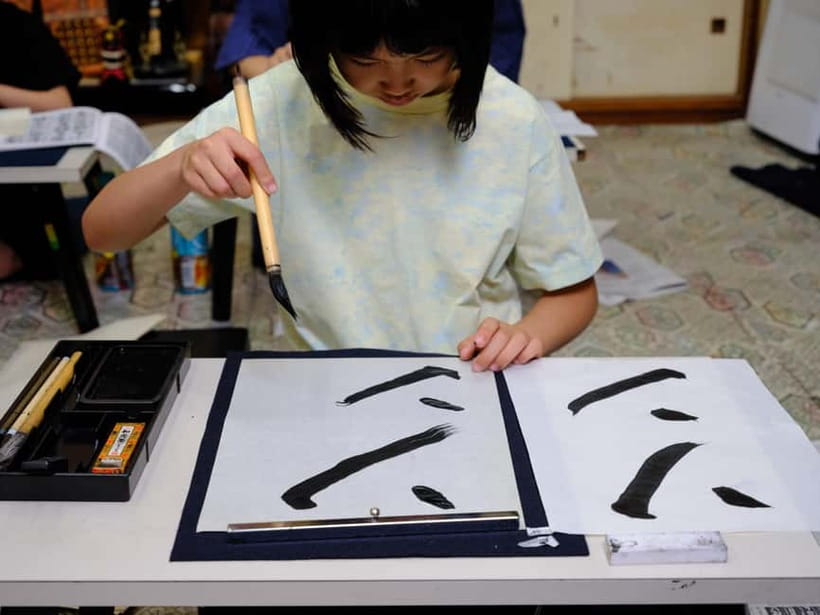
Once you are seated, the instructor introduces the calligraphy tools and shows you how to use the brush. You learn basic lines before attempting a complete character. This practice stage is important because Japanese calligraphy depends on the order and quality of each stroke, not just the shape you see at the end.
Expect to repeat simple movements. You may practice starting a line, changing pressure, lifting the brush, and finishing with control. That can feel modest at first, but it gives you a better sense of why professional calligraphy looks so balanced.
I appreciate this gradual approach. A rushed class would hand you a brush and tell you to copy a character. Here, you have time to understand the mechanics. The instructors are described as patient and considerate, and specific teachers named by participants include Hana, Koushi, and Tomo. One French-language session was led with help from an assistant, giving the group detailed explanations throughout.
The class is not designed to turn a beginner into a master in 90 minutes. It gives you a first taste of the discipline. You will likely produce uneven strokes, and that is part of the point. Calligraphy rewards concentration more than natural drawing talent.
Choosing and writing your kanji
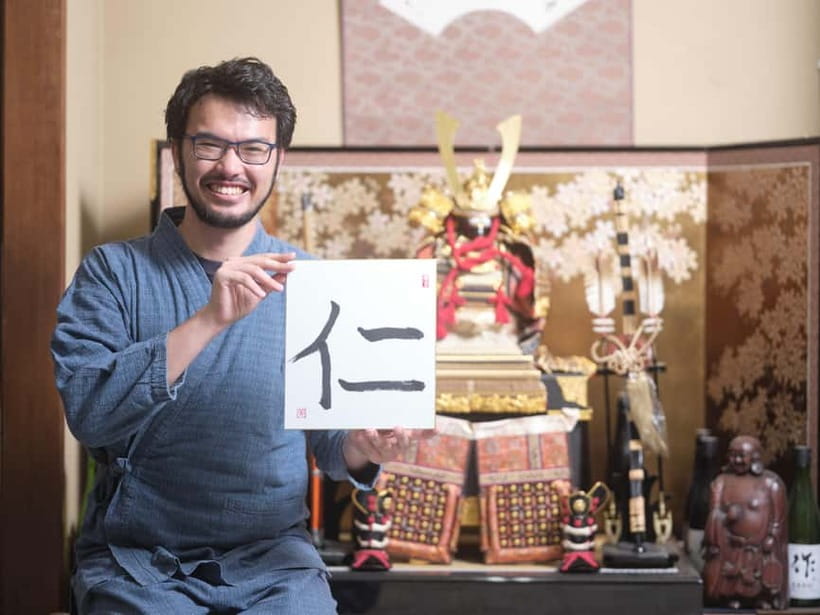
After the basic practice, you work toward a kanji character of your own. The character may represent an idea or quality that matters to you. The instructor explains its meaning and helps you form it one stroke at a time.
This is where the lesson becomes personal. You are not simply buying a printed souvenir with a Japanese symbol that may or may not mean what you think it means. You learn what you are writing, then create the piece yourself with guidance.
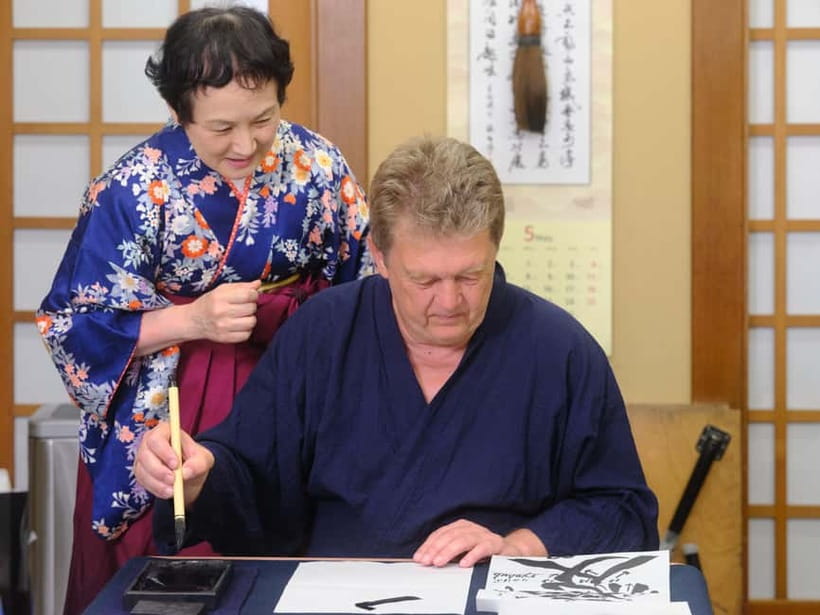
The teacher corrects your position, brush movement, and timing as you go. That individual help is one reason the group limit matters. Ten people is still a group, but it is small enough for the instructor to watch each person. If you are nervous about making a mistake, the practice sheets give you room to try before committing to the final piece.
Several teachers also offer an extra personal touch by writing your name. Hana wrote one participant’s name, while another family returned home with names created by a highly skilled instructor. This is a lovely addition, especially if you want a souvenir that links your identity with the activity.
More Tokyo kimono experiences:
- Let’s make kimono !(Kimono is a gift for you
★ 5.0 · 252 reviews - Tokyo: Matcha and Kimono Experience
★ 4.7 · 219 reviews - Tokyo: Asakusa Kimono Dressing and Matcha Experience
★ 4.9 · 173 reviews - Asakusa: Kimono Tea Ceremony with Matcha and Sweet
★ 4.9 · 153 reviews
Creating the final artwork
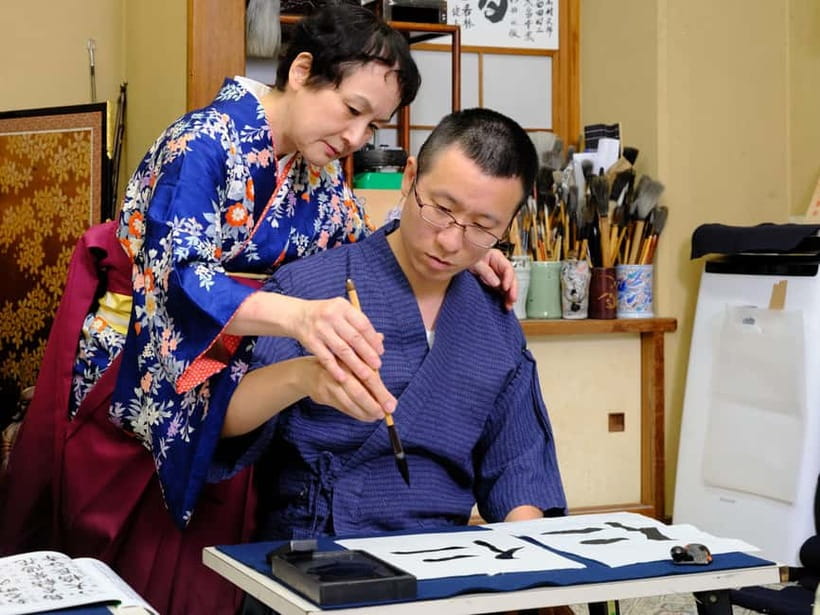
The final work is produced after you have had time to practice. Rather than taking home only a worksheet, you create a finished piece on a board or card. You can then carry it home as a souvenir of your time in Tokyo.
The result will depend on your patience and the guidance you accept. Do not expect the precision of a professional calligrapher. The value is that the work shows your effort, with the teacher helping you bring the character into shape.
This is a better keepsake than another mass-produced trinket if you like souvenirs with a story. You can remember the meaning of the kanji, the feel of the brush, and the moment when you committed the final stroke. The artwork should also be easy to pack compared with fragile ceramics or bulky crafts, although you should protect it from bending and wet weather during the rest of your trip.
You may also have the option to buy or ask about a calligraphy set. One family received help finding a set for a child who wanted to continue practicing. That suggests the class can be a useful introduction if you are considering calligraphy as more than a one-time activity, though the purchase of a set is not included in the $64 price.
Tea, snacks, and the quieter side of Tokyo
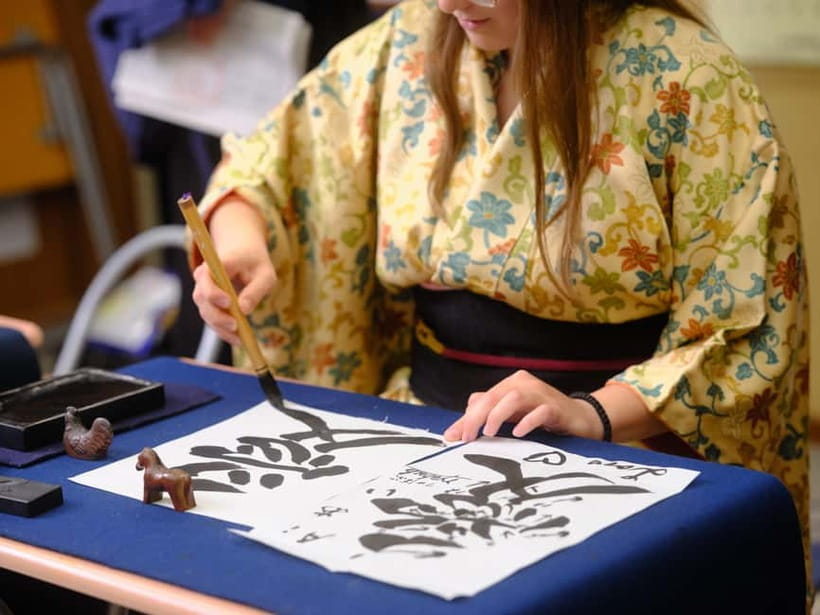
Tea is included, and some sessions also begin with snacks. This pause may sound like a small detail, but it helps shape the experience. Calligraphy requires focus, and a cup of Japanese tea gives you a natural break between instruction and practice.
I like this slower rhythm. Tokyo can be loud, crowded, and packed with choices. Ninety minutes spent sitting with a brush gives you a different way to experience the city. You are not trying to cover five sights or squeeze in another train connection. You are paying attention to one craft.
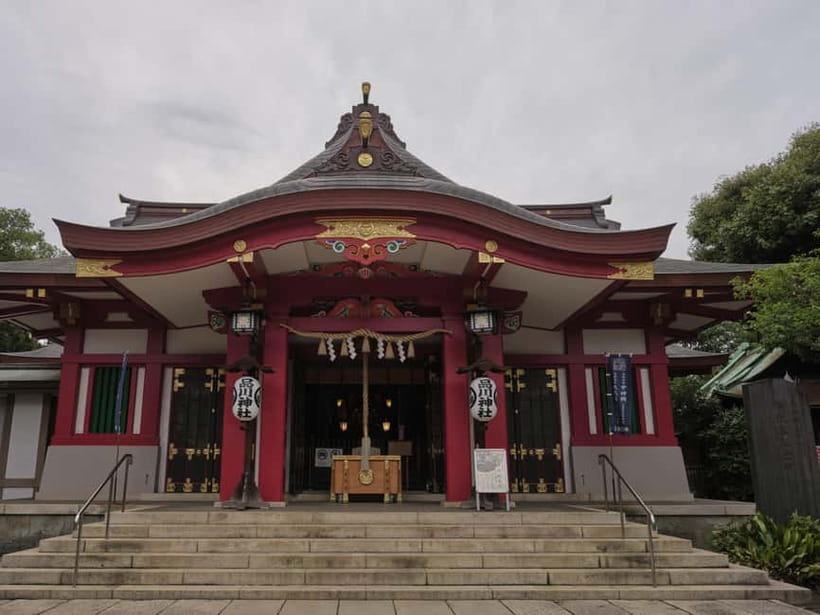
The setting is near a childcare facility and next to Kaideiji, according to the meeting directions provided. Those directions are short and may not be enough for every visitor, so check the exact meeting details carefully before you leave. The activity does not include individual transportation, so you must make your own way to the meeting point.
The value of $64 for 90 minutes
At $64 per person, this is not the cheapest short activity in Tokyo. The price makes more sense when you count what is included: professional instruction, calligraphy tools, English or French guidance, tea, traditional clothing, and the finished artwork.
You are also paying for access to a teacher who can correct your technique. Buying a brush and ink on your own would not give you the same explanation of stroke order, meaning, or cultural background. A museum visit may offer more historical detail, but it will not let you produce something with your own hands.
For me, the best value comes from the combination of teaching and personal output. If you only want to wear a kimono for photographs, you can likely find a simpler activity. If you want a practical introduction to Japanese calligraphy with a finished piece to take home, the price is easier to justify.
The short duration keeps the commitment manageable. You can fit it into a morning or afternoon without giving up a full day of sightseeing. On the other hand, people who become absorbed in the craft may wish for more time. One participant wanted the class to last all day, which is a useful warning for anyone who prefers a longer workshop.
Who will enjoy this experience most
I would recommend this class to you if you enjoy hands-on cultural activities, quiet creative work, and souvenirs with personal meaning. It suits first-time visitors who want more than a quick photo, as well as repeat visitors looking for a slower side of Tokyo.
It is also a good choice for families with children old enough to concentrate. The clothing, tea, brushwork, and final artwork create several different points of interest. The minimum age is four, but the activity is not suitable for children under that age. People over 70 are also listed as unsuitable, so older visitors should check before booking.
Couples and small friend groups should find the format comfortable. The limit of 10 participants makes it less anonymous than a large workshop, while the 90-minute length keeps it from becoming a major schedule commitment.
I would think twice if you dislike sitting still, have no interest in making a craft, or want an activity that covers several Tokyo landmarks. This class stays in one place and focuses closely on one tradition. That focus is its strength, but it will not suit everyone.
Practical details before you book
The class costs $64 per person and lasts 90 minutes. English and French instruction is available, and professional calligraphers lead the lesson. All necessary tools are supplied, so you do not need to bring ink, brushes, or paper.
Wear clothing that can get dirty. This is the most useful packing tip because ink can splash or transfer from the brush. Comfortable clothing will also make it easier to sit and work carefully.
The meeting point description says the location is next to a nursery and beside Kaideiji. Since the directions are brief, check the exact map pin and local meeting instructions before setting off. Individual transportation is not included.
You can cancel up to 24 hours before the activity for a full refund, and the reserve-now, pay-later option lets you hold a place without paying immediately. Availability varies by starting time, so check the schedule when selecting your date.
Should you book the Tokyo calligraphy experience?
Book this if you want to learn, not just watch. The strongest parts are the personal instruction, the traditional clothing, the explanation of each character, and the finished artwork you take home. The extra chance to have your name written by the teacher makes the souvenir even more personal.
I would give this class priority if you are visiting Tokyo with family, want an activity away from the usual sightseeing circuit, or prefer a small group with English or French support. The $64 price is fair for the instruction and included materials, though the 90-minute format may feel short if you become interested in calligraphy.
Skip it if you want a longer workshop, a sightseeing tour, or a very active experience. For everyone else, this is a thoughtful way to spend part of a Tokyo day, with a brush in hand and a meaningful piece of Japanese culture to carry home.
FAQ
How long does the Tokyo calligraphy experience last?
The activity lasts 90 minutes. You learn the basics, practice with the brush, create your final artwork, and enjoy Japanese tea during that time.
What is included in the price?
The $64 price includes instruction by professional calligraphers, calligraphy tools, an English or French-speaking guide, Japanese tea, and your finished calligraphy work to take home.
Can I wear traditional Japanese clothing?
Yes. The experience includes the chance to wear a yukata or samue. Some sessions have also used kimono, so confirm the exact clothing option if that detail is important to you.
Is the class available in English?
Yes. Instruction is available in English and French.
How many people are in the group?
The group is limited to 10 participants, making this a small-group activity.
What should I wear?
Wear clothes that can get dirty. Ink is used during the class, so avoid clothing that you would be upset to stain.
Is the activity suitable for young children or older adults?
Children under four are not accepted, and the activity is listed as unsuitable for people over 70.
Newly reviewed around Tokyo
- Tokyo Asakusa:Calligraphy & Make T-shirt Activity★ 5.0 · 62 reviews
- Travel Tokyo with Your Own Personal Photographer★ 5.0 · 43 reviews
- Intercity Shuttle, Tokyo to Haneda /Narita /Yokohama /Makuhari★ 5.0 · 5 reviews
- 1 Hour Travel around Tokyo with a Professional Photographer★ 5.0 · 3 reviews
- Train in Samurai Swordsmanship and Defeat the Demon in Tokyo★ 5.0 · 5 reviews
- Shuttle Van 6hr Tokyo Tour to-and-from Tokyo, Yokohama and Narita★ 5.0 · 9 reviews
- Kickboxing & Body Training with EX-Pro Fighter★ 5.0 · 4 reviews
- Traditional Japanese Knife Sharpening Class★ 5.0 · 18 reviews
Tokyo Kimono Experiences, compared.
Tokyo Asakusa: Traditional Kimono Rental Experience at Wargo
Read our review →
Tokyo Authentic Kimono Rental in Asakusa with Photography Option
Read our review →
Kimono Rental inside Shinjuku Gyoen National Garden
Read our review →Browse the lists this tour appears in