
Reviewed · TOKYO COOKING CLASSES
Private Gluten-Free Japanese Cooking Class in Tokyo Japan
Japanese food can look like an easy choice for a gluten-free diet. Rice, fish, tofu, vegetables, and seaweed are everywhere. The catch is in the sauces and prepared ingredients. Soy sauce, miso, mirin, fried coatings, noodles, and fish cakes may contain wheat, so Morimi’s class teaches you how to spot the trouble before it reaches your plate.
I like two things right away: you cook the food yourself rather than watch a demonstration, and the class tackles the practical work of reading labels and replacing risky ingredients. I also like the private format. Your group has Morimi’s full attention, and the lunch is part of the class rather than an afterthought.
The main consideration is that this is a three-hour class at a private home kitchen near Meidaimae Station, not a broad Tokyo food tour. You will need to reach the meeting point yourself unless pickup arrangements apply, and the exact menu depends on which of the three courses you choose.
Key points to know before booking
- Three menu choices: Pick the Basic, Tofu, or Sushi course, with seasonal Japanese sweets available as an option.
- Celiac-friendly focus: Learn which Japanese seasonings, coatings, noodles, and processed foods can contain wheat.
- Private instruction: Only your own group takes part, making it easier to ask detailed food-safety questions.
- A full homemade lunch: The class includes the dishes you prepare and eat together.
- Useful take-home skills: Label-reading tips and recipes help you repeat the dishes after returning home.
- Convenient station meeting point: Start at 11:00 a.m. near Meidaimae Station in Setagaya City.
Why Japanese food requires more checking than you expect
Rice is the friendly foundation of many Japanese meals. Onigiri, sushi, tofu, vegetables, fish, and seaweed can all fit naturally into a gluten-free menu. That does not mean every Japanese dish is safe by default.
The hidden issue is seasoning. Regular soy sauce often contains wheat, and the same concern can apply to miso, mirin, prepared broths, fried coatings, noodles, and processed foods such as fish cakes. Even a dish that looks simple may need a closer look at its ingredient label.
That is the useful heart of Morimi’s class. You learn to separate naturally gluten-free ingredients from products that need checking. For someone with celiac disease, this is not a minor cooking tip. It is the difference between seeing Japanese food as confusing and having a clear method for choosing ingredients.
Morimi also shows you how traditional Japanese cooking can be adapted without losing its character. The goal is not to replace Japanese food with generic gluten-free substitutes. It is to use rice, tofu, vegetables, eggs, soup, and carefully chosen seasonings in ways that still feel like Japanese home cooking.
More Tokyo cooking classes:
- Tokyo: Roll and Authentic Sushi Making Class in Asakusa
★ 4.9 · 1,957 reviews - Tokyo Shinjuku Chopsticks Making Class
★ 5.0 · 1,763 reviews - Tokyo: Sushi Making Class in a Happi Coat near a Famous Spot
★ 4.9 · 1,377 reviews
Meeting Morimi near Meidaimae Station
The class begins at 11:00 a.m. at 2 Chome-45 Matsubara, Setagaya City, Tokyo, near Meidaimae Station. The activity ends back at the meeting point, so you do not need to arrange a second destination after lunch.
Pickup is offered, but private transportation is not included. Since the stated meeting point is the practical base for the class, confirm the pickup details when you book rather than assuming a vehicle will collect you from your hotel.
The location is near public transportation, which makes the appointment easier to fit into a Tokyo morning. Still, allow enough time to reach Setagaya City without rushing. A cooking class is a poor place to arrive flustered, especially when the opening discussion covers ingredient safety and menu choices.
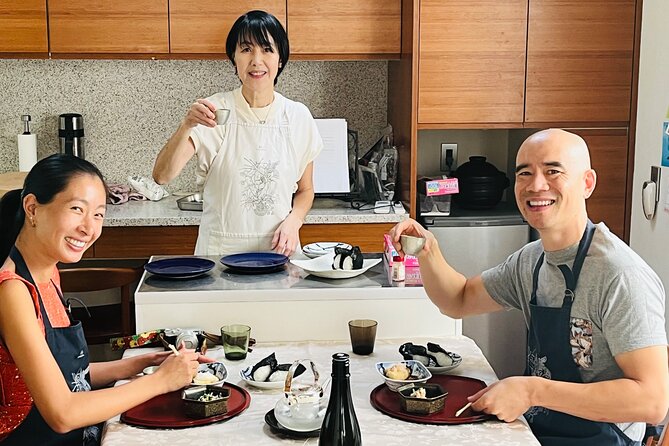
This is a private activity, and only your group participates. That matters here. If you are cooking for someone with celiac disease, you can ask direct questions about ingredients, preparation, and substitutions without trying to keep up with a large class.
The Basic course: a useful Japanese cooking lesson
The Basic course gives you the broadest introduction to everyday Japanese dishes. You prepare two onigiri, Japanese rice balls, along with chicken karaage, dashimaki tamago, shiraae, kinpira, and miso soup.
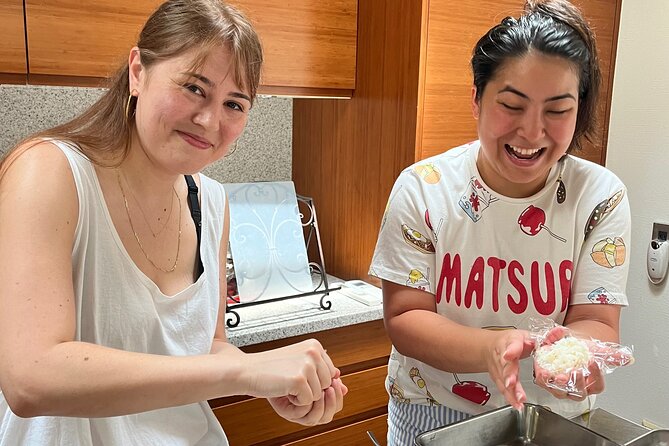
Onigiri is a smart place to begin. It shows how rice can become a portable meal and gives you a foundation for thinking about fillings and seasonings. Two rice balls also give you hands-on practice rather than a single sample-sized task.
Chicken karaage is the dish that requires the most careful gluten-free attention. Japanese fried chicken normally uses a coating, and that coating may contain wheat. Here, you learn how to make the dish within the class’s gluten-free approach, which gives you a practical example of adapting a familiar favorite.
Dashimaki tamago is a Japanese rolled omelet. It looks simple, but the rolled shape takes care and coordination. Shiraae is a tofu and vegetable salad, while kinpira combines stir-fried potatoes and carrots. Together, these dishes give you different textures and cooking methods.
The meal ends with miso soup, another good lesson in checking seasonings and broth ingredients. The Basic menu is likely the best choice if you want a sample of several types of Japanese home cooking rather than a class centered on one ingredient.
The Tofu course: a fuller plant-based menu
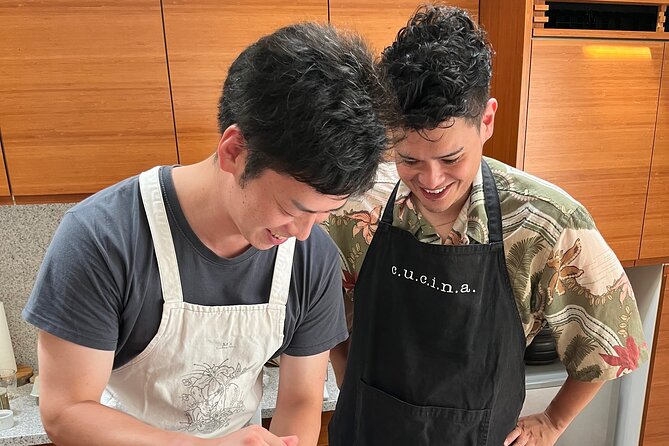
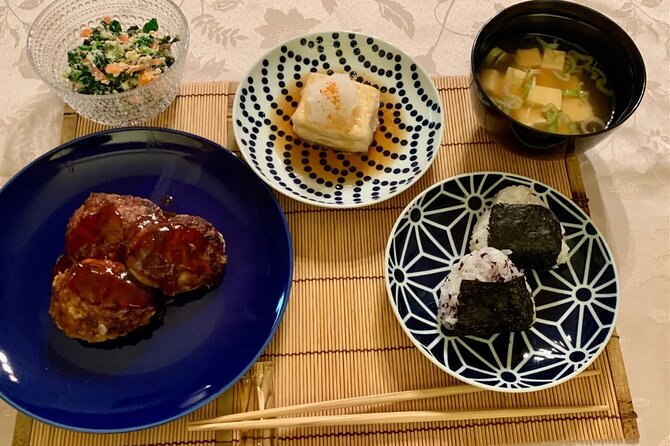
The Tofu course is built around tofu in several forms. You prepare two onigiri, tofu hamburger steak, shiraae, agedashi tofu, tofu miso soup or clear soup, and oboro-tofu, which is freshly made soft tofu.
This menu shows why tofu is more than a meat substitute in Japanese cooking. It can form the base of a burger-style main dish, appear in a vegetable salad, become a fried dish served in broth, and finish as soft freshly made tofu.
Agedashi tofu is especially useful for learning how preparation affects texture. The tofu is deep-fried and served in broth, so you again have to pay attention to coatings and seasonings. The dish offers a clear example of why a gluten-free diner should ask how a familiar Japanese preparation is made rather than relying on the name alone.
You can have tofu miso soup or clear soup. That choice gives you some flexibility, although you should confirm the ingredients used in the broth and miso if you have a serious allergy or celiac disease.
Oboro-tofu adds a special touch because it is freshly made soft tofu rather than a packaged product. It is the sort of preparation that gives the class value beyond a standard recipe lesson. You learn what tofu can be like at the point of making, not just how it appears in a supermarket container.
Choose this course if you like tofu, want several examples of its texture, or prefer a menu with less emphasis on meat. It is also a strong option if your main interest is learning how traditional Japanese ingredients can carry a meal.
A completely different kind of day in Tokyo:
- Mt Fuji and Hakone 1-Day Bus Tour Return by Bullet Train
★ 5.0 · 26,383 reviews - 1-Day Tokyo Bus Tour
★ 5.0 · 14,250 reviews - Tokyo: teamLab Planets TOKYO Digital Art Museum Entry Ticket
★ 4.6 · 9,779 reviews - Mt Fuji & Hakone Cruise, Drum Show Bullet Train 1 Day from Tokyo
★ 4.0 · 7,413 reviews
The Sushi course: six pieces with hands-on shaping
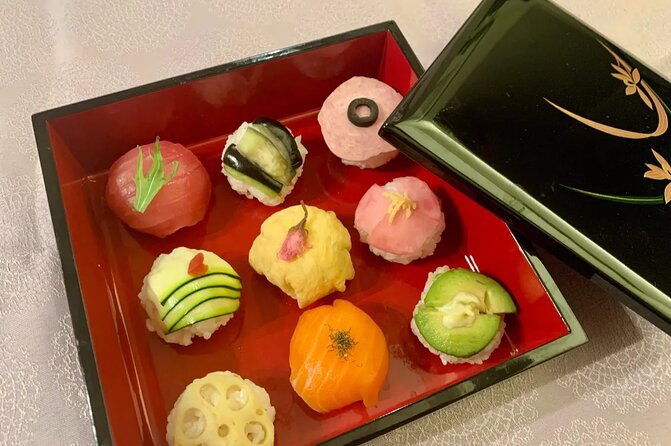
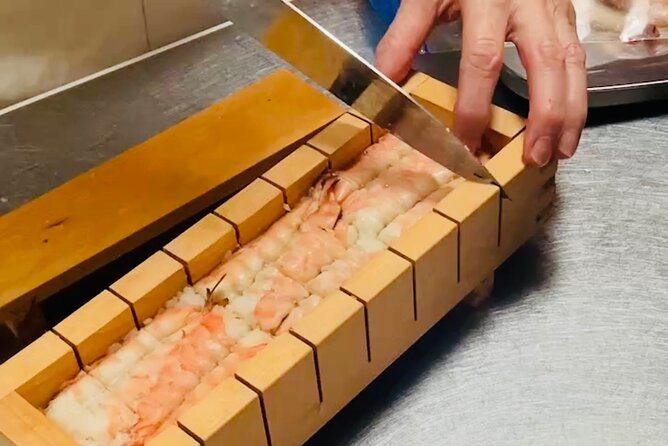
The Sushi course focuses on six pieces of temari sushi and oshi sushi, followed by tofu miso soup or clear soup.
Temari sushi is ball-shaped sushi, while oshi sushi is pressed sushi. The two styles give you a lesson in shaping and presentation, not just in assembling rice and toppings. Because you prepare six pieces, there is enough repetition to become more comfortable with the process.
Sushi can seem naturally gluten-free because rice and fish are central. The same label-checking rule still applies to soy sauce, prepared ingredients, and seasonings. This course lets you work within a sushi format while keeping the class’s attention on safe ingredient choices.
The soup adds a warm, simple side dish to the meal. You can choose tofu miso soup or clear soup, and the choice may suit your taste or your comfort level with checked ingredients.
This is the right pick if sushi is the Japanese food you most want to recreate at home. It is less varied than the Basic course, but more focused. Six pieces also make the class feel like a proper meal rather than a quick demonstration.
Seasonal sweets add a welcome extra
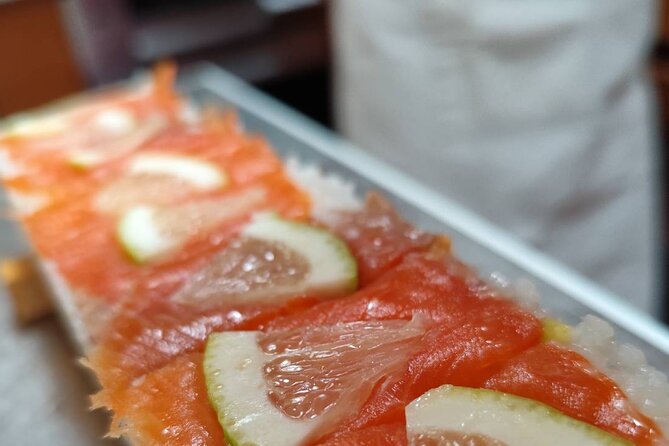
Japanese sweets are optional, and the selection changes with the season. That is a nice way to add a small piece of the calendar to the lesson without changing the main menu.
In spring, you can choose strawberry daifuku, mochi filled with sweet red bean paste and strawberry. Summer brings chilled sweet red bean soup with shiratama dumplings. In autumn, the option is chestnut yokan, a sweet bean jelly. Winter offers shiratama zenzai, sweet red bean soup with rice flour dumplings.
These choices are useful for anyone who worries that gluten-free eating means missing dessert. The options rely on rice flour, beans, fruit, chestnuts, and mochi-style preparations. As always, ask about the exact ingredients if you have celiac disease or a serious allergy, since seasonal sweets can include prepared products.
The sweets also make the menu feel more connected to Japan than a fixed dessert would. You get a sense of how Japanese home cooking changes with the time of year.
What you actually learn during the three hours
The class is not only about following recipes. You learn how to think about Japanese ingredients after you leave Tokyo.
The label lesson is particularly important. Morimi explains how to check Japanese ingredient labels and points out where wheat-derived ingredients can appear. This gives you a method you can use in shops and restaurants, not just a list of dishes that happen to be safe in class.
You also learn ways to adapt traditional menus. That may mean choosing a gluten-free seasoning, checking a coating, selecting a different broth, or avoiding a processed ingredient. The lesson is practical because each menu includes dishes that normally raise questions about sauces, frying, or prepared food.
Morimi’s English is described as very good, though she has apparently been modest about it. That matters when discussing allergy details. You want clear communication when asking what is in a sauce or how a dish was prepared.
The class is suitable even if you are not a confident cook. The instruction is careful enough for beginners, and you work through the dishes with guidance. You also receive recipes, which gives you a better chance of making the food again rather than leaving with only a pleasant memory.
The lunch is part of the value
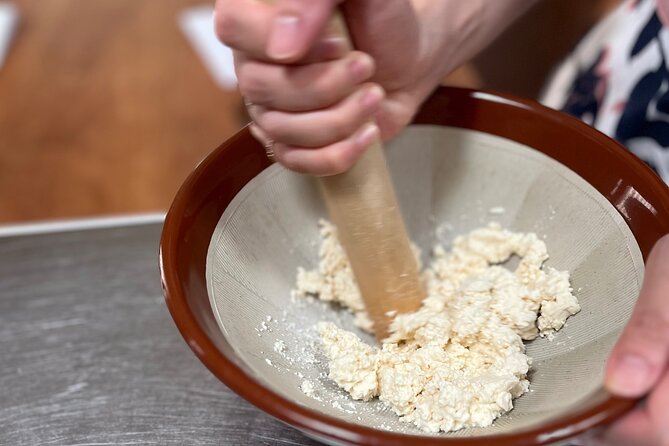
Lunch is included, but the value is more than the simple fact that you get fed. You prepare a complete meal and then sit down to taste the results together. That gives the cooking a clear purpose.
The amount of food is generous. One person with celiac disease described the class as suitable for the whole family and noted that there was a lot to eat. For a private three-hour session priced at $84.54 per person, that combination of instruction, lunch, recipes, and dedicated attention makes the cost reasonable for the right audience.
It is not the cheapest way to eat lunch in Tokyo. You could buy a rice ball or sushi for far less. You are paying for a specialized class, a private setting, food-safety guidance, and recipes you can use later.
The price makes the most sense for someone who actively wants to cook Japanese food at home. If you only want a meal, the class may feel long and expensive. If you need help navigating gluten-free Japanese ingredients, the lesson adds real value.
What the strongest praise tells you
The most consistent praise centers on three things: clear instruction, safe gluten-free cooking, and delicious food. Those are exactly the areas that matter most in this type of class.
The class also works well for families and mixed groups. A person with celiac disease can take part while companions enjoy the cooking as well. You do not need to treat the gluten-free diner as an observer while everyone else prepares the interesting dishes.
The food itself receives strong approval, and the portions are generous. That is worth noting because some specialty cooking classes offer tiny samples. Here, the meal is a real part of the afternoon.
The recipes are another strong point. You can recreate the food at home, including onigiri, tofu dishes, rolled omelet, soup, sushi, and seasonal sweets depending on the course and time of year.
Limitations to consider before you reserve
The class has a narrow focus, which is a benefit for some people and a drawback for others. You will not tour Tokyo, visit a market, or eat at several restaurants. You spend about three hours cooking and eating at the meeting location.
The course menus are set around three choices, so check which one best matches your interests before booking. The Basic course gives you the widest range of dishes. The Tofu course offers the greatest focus on one ingredient. The Sushi course is the clearest choice for anyone who wants sushi-making practice.
The seasonal sweets are optional rather than part of every menu. Availability changes by season, so do not book expecting a particular sweet unless it matches the time of year.
Finally, anyone with celiac disease should communicate their needs clearly before the class. The entire activity is designed around gluten-free cooking, but ingredient labels, sauces, and processed foods still require careful checking. The class teaches that checking process, which is one of its main purposes.
Is this gluten-free Tokyo class right for you?
I would book this class if you have celiac disease, a gluten allergy, or a serious interest in cooking Japanese food safely at home. It is also a good fit for couples, families, and small private groups where some people avoid gluten and others simply enjoy Japanese cooking.
Choose the Basic course for the broadest menu. Pick the Tofu course if you want to understand tofu in several forms. Choose the Sushi course if shaping temari and pressed sushi is your main goal.
At $84.54 per person, the class is worth it when you value instruction, a full lunch, recipes, and personal attention. Skip it if you only want a quick taste of Japanese food or if your schedule cannot spare a three-hour morning-to-afternoon activity.
FAQ
Where does the gluten-free cooking class meet?
The class meets near Meidaimae Station at 2 Chome-45 Matsubara, Setagaya City, Tokyo 156-0043, Japan.
What time does the class start?
The scheduled start time is 11:00 a.m.
How long does the cooking class last?
The class lasts approximately three hours.
Is the class private?
Yes. Only your group participates in the activity.
Which cooking menus can I choose from?
You can choose the Basic course, Tofu course, or Sushi course.
Are Japanese sweets available?
Yes. Optional seasonal sweets are available, including strawberry daifuku in spring, chilled sweet red bean soup with shiratama dumplings in summer, chestnut yokan in autumn, and shiratama zenzai in winter.
Is transportation included?
Private transportation is not included. Pickup is offered, and the class ends back at the meeting point.
Can I cancel for a full refund?
Yes. You can cancel at least 24 hours before the local start time for a full refund. Cancellations or changes made less than 24 hours before the start time are not accepted for a refund.
More hands-on classes and workshops in Tokyo
- Sushi Making Tokyo Roll and Authentic Japanese Sushi Class
★ 5.0 · 3,971 reviews - Chopstick Making Workshop in Ginza
★ 4.8 · 1,366 reviews - Tokyo Sushi Making Class in Tsukiji with Professional Chef
★ 5.0 · 1,177 reviews - Ramen & Gyoza Cooking Class in Tokyo with Local Supermarket Visit
★ 5.0 · 823 reviews
Newly reviewed around Tokyo
- Tokyo Asakusa:Calligraphy & Make T-shirt Activity★ 5.0 · 62 reviews
- Intercity Shuttle, Tokyo to Haneda /Narita /Yokohama /Makuhari★ 5.0 · 5 reviews
- 1 Hour Travel around Tokyo with a Professional Photographer★ 5.0 · 3 reviews
- Travel Tokyo with Your Own Personal Photographer★ 5.0 · 43 reviews
- Train in Samurai Swordsmanship and Defeat the Demon in Tokyo★ 5.0 · 5 reviews
- Shuttle Van 6hr Tokyo Tour to-and-from Tokyo, Yokohama and Narita★ 5.0 · 9 reviews
- Kickboxing & Body Training with EX-Pro Fighter★ 5.0 · 4 reviews
- Traditional Japanese Knife Sharpening Class★ 5.0 · 18 reviews
Tokyo Cooking Classes, compared.
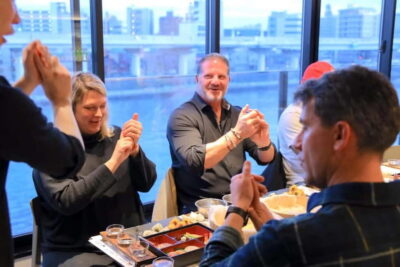
Roll and Authentic Sushi Making Class in Asakusa
Read our review →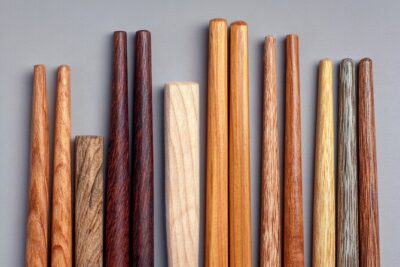
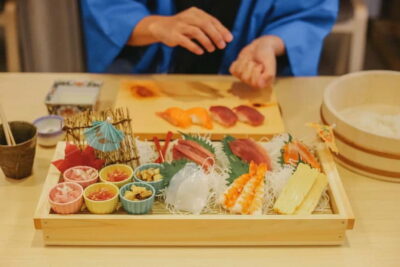
Sushi Making Class in a Happi Coat near a Famous Spot
Read our review →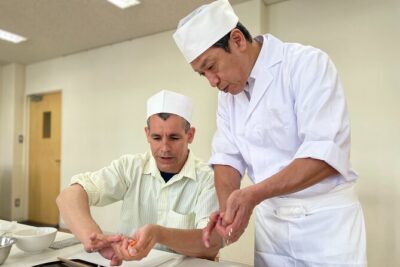
Tokyo Sushi Making Class in Tsukiji with Professional Chef
Read our review →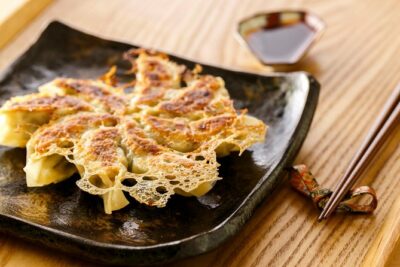
Ramen & Gyoza Cooking Class in Tokyo with Local Supermarket Visit
Read our review →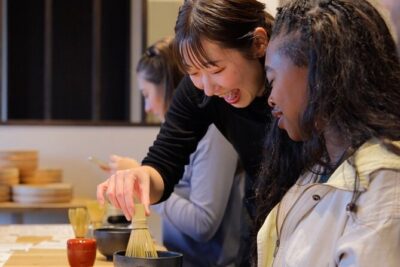
Matcha Making Class in Tokyo with Authentic Japanese Sweets Set
Read our review →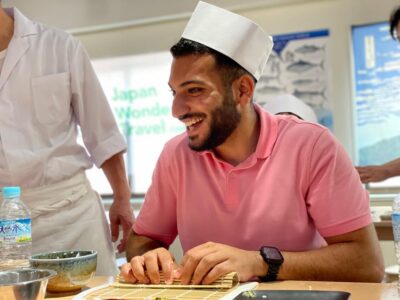
Tsukiji Fish Market Sushi Making Class with Pro Chef
Read our review →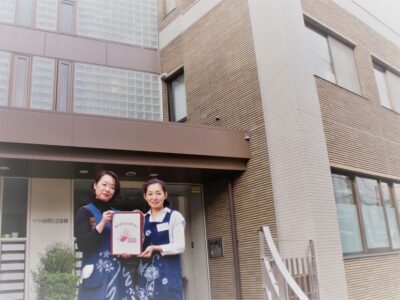
Browse the lists this tour appears in