
Reviewed · TOKYO SAMURAI AND NINJA EXPERIENCES
Martial Arts: Samurai Experience (Iaido)
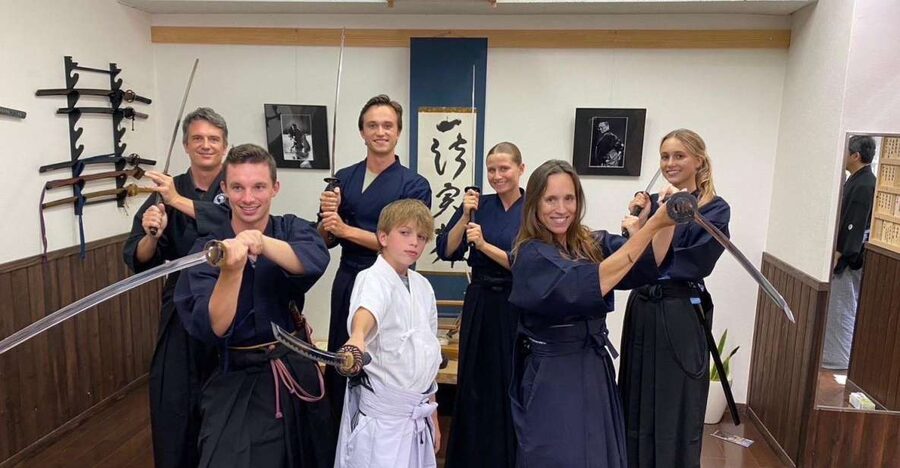
The sharpest part of this Kanto experience is that you do not just watch a samurai display. You put on traditional clothing, hold a katana, and practice the basic movements of Iaido under a Master’s direction. The session also includes a performance with a real sword, called a shinken, which gives the lesson a serious finish.
I like the mix of hands-on practice and historical context. I also like that the instructors make room for questions and help you through the movements, even if you arrive with no martial arts background. The main drawback is practical: this is not suitable for children under five or wheelchair users, and the $161 price does not include food, drinks, or hotel transport.
Key points to know before booking
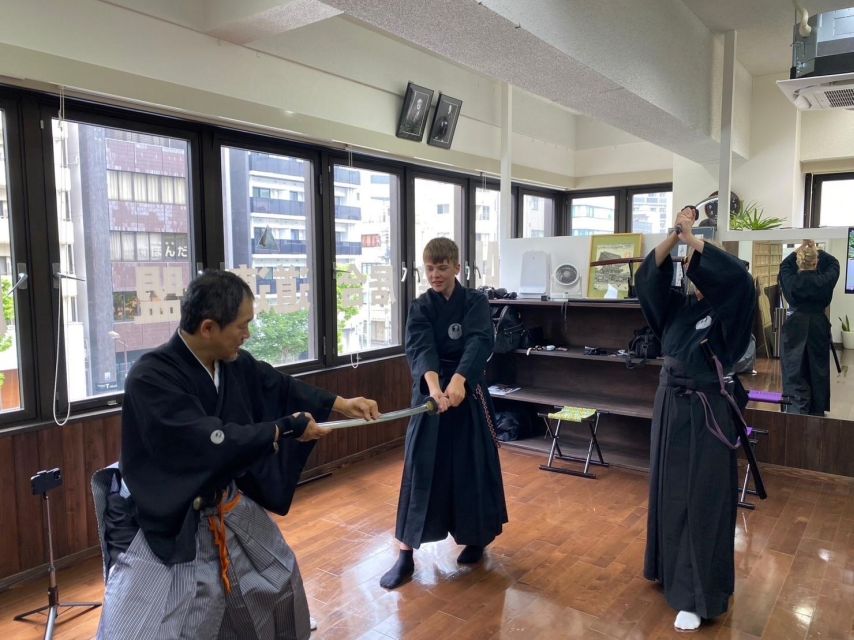
- Practice Iaido with a katana: Learn fundamental movements and sword handling in a dojo setting.
- Wear a rented samurai outfit: Clothing and a practice katana are included in the activity fee.
- Watch a real-sword performance: The Master performs with a shinken, and pupils also take part in a show fight.
- Ask questions directly: An English- or Japanese-speaking instructor leads the session and answers questions at the end.
- Finish with a personal keepsake: You can take commemorative photos with the Master.
- Plan around the meeting point: The Iaido session takes place on the third floor of the meeting-point building and ends there.
What this Iaido experience really offers
Many samurai-themed activities in Japan are built around costumes and photographs. This one goes a step further by giving you a structured introduction to Iaido, the Japanese art of drawing and using a sword. You are not simply posing with a prop. You learn basic movements, handle a katana, and see how control and form matter.
The experience is held in a dojo in the Kanto Region. The setting matters because the activity is presented as martial arts instruction rather than a stage show alone. You begin with an explanation of the samurai and the practice of Iaido, then move into physical instruction with the Master.
I would approach this as a cultural lesson with active participation, not as a combat class. The supplied information does not promise sparring or advanced sword work. Instead, you learn the fundamentals, watch demonstrations, and take part under supervision. That makes it a good choice if you are curious about samurai culture but have never held a katana.
The session is offered with instruction in English or Japanese. That is useful for international visitors, though the exact balance of languages may depend on the session. If you have questions about technique, history, or the organization behind the lesson, there is a dedicated Q&A before the activity ends.
More Tokyo samurai and ninja experiences:
- Tokyo: Samurai Ninja Museum Guided tour and Experience
★ 4.6 · 1,010 reviews - Tokyo: Samurai Sword & Archery Class from Samurai Descendant
★ 5.0 · 603 reviews - Best Samurai Experience in Tokyo
★ 5.0 · 458 reviews
Changing into samurai clothing
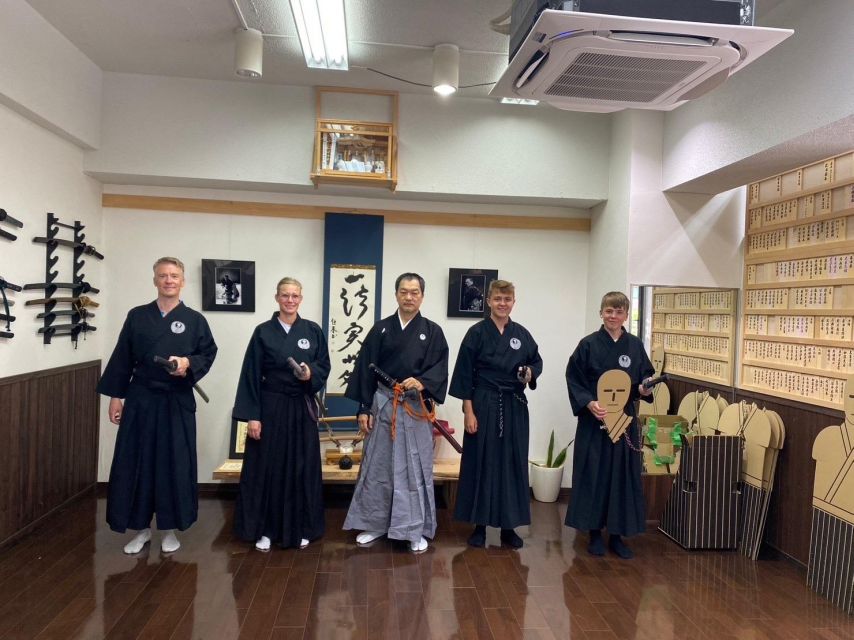
The first step is changing into a rented outfit. This does more than make for a good photograph. It helps mark the shift from sightseeing to practice, and it gives the activity a sense of occasion without requiring you to pack special clothing.
You only need to bring comfortable clothes. Since you will be changing, avoid arriving in anything that makes movement difficult. The available information does not specify the exact outfit style, changing-room arrangements, or whether you should wear particular shoes, so comfortable, practical clothing is the safest choice.
The rented outfit and katana are included in the $161 activity fee. That removes one common nuisance from cultural activities: paying extra for the clothing or equipment once you arrive. You can take part without owning any martial arts gear.
Learning the first movements of Iaido
After changing, the Master explains the basic movements of samurai and the practice of Iaido. The lesson is designed to introduce you to the discipline rather than overwhelm you with technical detail.
You will likely spend much of this part learning how to stand, move, draw, and handle the sword in a controlled way. The information provided does not give the exact number of movements or the formal names of each technique, so I would not book this expecting a complete martial arts course in one visit.
That limitation is also part of the appeal. A short introduction lets you focus on the feel of the practice. The sword is not treated as a toy, and the movements are taught with attention to control. For someone interested in Japanese culture, this can be more meaningful than a quick photo opportunity.
The instructors are described as helpful and willing to answer questions. That is especially useful here because the movements may look simple when performed by an expert but feel less natural when you try them yourself. Give yourself permission to be a beginner.
Handling the katana under instruction
The central part of the experience is learning how to use the katana. The itinerary moves from fundamental movements to more direct instruction in sword use, then to practical application of what you have learned.
The word practical needs some care. The activity does not state that you will cut objects, use a sharpened sword, or take part in a real fight. You handle the katana as part of a guided lesson, while the Master controls the pace and explains the proper use.
This is where the experience earns much of its value. A museum display can show you a sword, but it cannot show you how its weight, grip, and movement affect the body. Here, you get a small sense of the discipline required to use one correctly.
I would pay close attention to the instructor’s directions and avoid treating the sword as a prop. The serious tone is part of the tradition being presented. You are learning about samurai pride and spirit through form, restraint, and repetition, not through theatrical aggression.
More Tokyo martial arts classes:
- Tokyo:Samurai sword and archery class from a samurai descendant
★ 5.0 · 121 reviews - Tokyo 2-Hour Genuine Samurai Experience: Kendo in Japan
★ 5.0 · 112 reviews - Tokyo: Samurai Kendo Practice Experience
★ 4.7 · 102 reviews - Samurai Experience – Learn Bushido through Kendo, in Tokyo
★ 5.0 · 88 reviews
The Master’s shinken performance
The most dramatic section comes when the Master performs with a shinken, or real sword. This is different from the katana used for your practice and gives you a chance to see the technique performed at a much higher level.
The demonstration is valuable because it puts your beginner lesson in context. After trying a few basic movements yourself, you can better appreciate the precision of an expert. The difference between learning the motion and mastering it becomes clear.
The activity also includes a show fight involving the Master’s pupils. This adds a performance element, but it follows the instructional section rather than replacing it. I would think of it as a visual explanation of how the techniques can look when practiced by people with more experience.
Safety details for the performance are not provided, so follow all directions from the dojo staff. Keep your attention on the demonstration and do not assume that a movement is safe to copy on your own.
Photos, questions, and the samurai legacy
After the performance, you can take commemorative photos with the Master. This is a simple feature, but it gives you something tangible from the experience and lets the clothing and dojo setting serve a purpose beyond the lesson itself.
The final Q&A is another strong part of the visit. You can use it to ask about the sword, Iaido, samurai customs, or the way the practice is passed on today. The activity frames modern Iaido as a way to preserve samurai pride and spirit more than 400 years after the samurai era.
It also introduces the International Iaido Organization, which was created to support the teaching of Iaido around the world. That detail helps explain why the lesson is offered to an international audience. You are not being shown an isolated performance. You are being introduced to a martial art that is still taught beyond Japan.
The experience also connects its story with the Last Samurai. If that period of Japanese history interests you, the historical framing will add another layer to the lesson. Still, I would not expect a full lecture on the Last Samurai. The main focus remains the physical practice and the Master’s demonstration.
Is $161 a fair price?
At $161 per person, this is not a casual budget activity. The value depends on what you want from your time in the Kanto Region.
The fee includes the activity, rental clothing, a rental katana, and travel insurance. You also receive instruction, a Master’s performance with a real sword, the chance to watch a pupil show fight, commemorative photographs, and a Q&A. When you add those parts together, the price is easier to understand than if you viewed it as a short costume rental.
I would consider it good value if you have a strong interest in samurai culture, Japanese martial arts, or hands-on cultural activities. You are paying for access to instruction and a structured experience, not merely admission to a performance.
It may feel expensive if you mainly want a quick photograph in samurai clothing. In that case, the sword lesson and historical explanation may not justify the cost. You should also budget separately for food, drinks, and your own transportation, since those are not included.
Travel insurance is included, which adds some practical value. The exact coverage is not described, so I would not treat it as a substitute for checking your wider travel insurance needs.
Timing, location, and what to bring
The activity is listed as lasting one day, with starting times shown during the availability check. Because no fixed start time is provided, confirm the schedule before arranging other plans.
The Iaido session takes place on the third floor of the meeting-point building. It ends back at that same meeting point, so you do not need to arrange a separate return transfer through the activity.
Hotel pickup and drop-off are not included. You will need to make your own way to the meeting point, but no transport route or station details are provided here. Give yourself enough time to locate the building and reach the third floor before the scheduled start.
Bring comfortable clothes. You will change into a rented outfit, and the lesson involves movement, so comfort matters more than dressing formally.
The experience is not suitable for children under five or wheelchair users. The information does not give further details about mobility limitations, so anyone with access needs should confirm suitability before booking.
Cancellation is free up to 24 hours in advance for a full refund. You can also reserve now and pay later, which helps if you are still arranging a Kanto itinerary.
Who will enjoy this most?
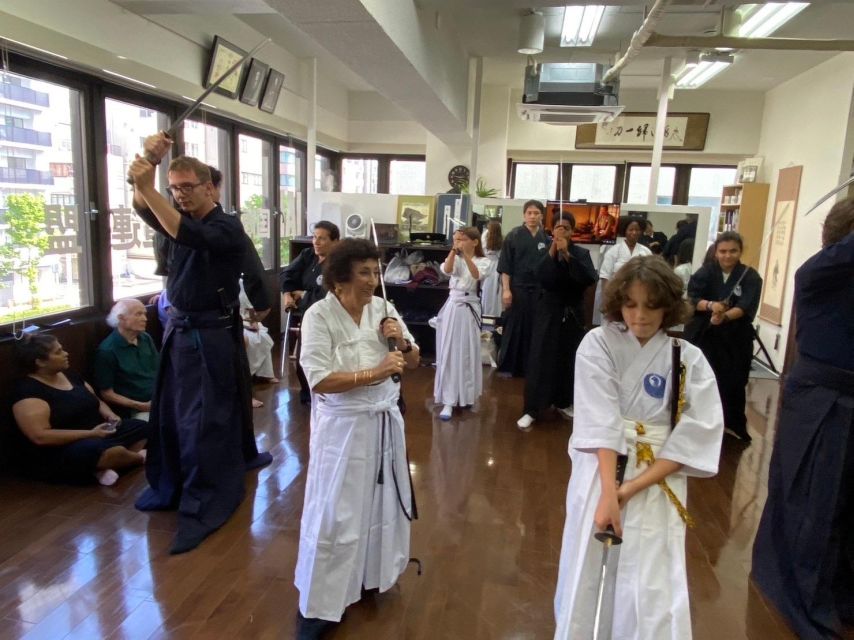
I would recommend this experience to you if you:
- Have a real interest in samurai history or Japanese martial arts
- Want to take part rather than only watch
- Like learning basic technique from an instructor
- Appreciate a cultural activity with a clear structure
- Want photographs in traditional clothing
- Can manage movement in a dojo and do not need wheelchair access
It is especially well suited to adults and older children who already know they enjoy Japanese history. The minimum age restriction is only stated for children under five, so families with older children should still consider the physical format and the child’s interest in following careful instructions.
It is less suitable if you want a relaxed, passive activity. The lesson requires attention and participation. It is also not the right pick if you are looking for a long historical tour, a meal, hotel transport, or a full martial arts qualification.
Practical tips for getting more from the lesson
Read a little about Iaido before you arrive, but do not worry about memorizing techniques. You will get more from the session by watching closely and asking questions than by trying to prepare through online videos.
Treat the clothing and sword with respect. The activity is built around the idea that samurai spirit continues through disciplined practice, so a joking or careless approach could work against the tone of the experience.
Use the Q&A well. Ask about the movements you found difficult, the difference between a practice katana and a shinken, or how Iaido is taught today. The lesson gives you a rare chance to speak directly with the Master, so do not rush away after the performance.
Allow extra time before the start to find the third-floor meeting point. Since pickup is not offered and transport details are not supplied, your own arrival plan matters.
Should you book this samurai experience?
Book it if you want to do more than look at samurai objects in a museum. You will wear the clothing, practice basic Iaido, handle a katana, watch a real-sword performance, and ask questions in a dojo setting. The helpful instruction and strong performance element make it a well-rounded introduction.
Skip it if $161 feels too high for a one-day cultural activity, or if you mainly want sightseeing without physical participation. The lack of meals and hotel transport also means you will need to plan the rest of the outing yourself.
For the right audience, this is a focused and memorable way to meet an old Japanese tradition in active form. I would choose it for a samurai enthusiast, a martial arts fan, or anyone who values a personal lesson over a quick photo stop.
FAQ
Where does the Iaido experience take place?
It takes place in the Kanto Region of Japan, at a dojo on the third floor of the meeting-point building.
How much does the experience cost?
The listed price is $161 per person.
How long does the activity last?
The experience is listed as lasting one day. Starting times vary, so check availability for the schedule.
What is included in the price?
The activity fee, rental outfits, a rental katana, and travel insurance are included.
Are food, drinks, and hotel transfers included?
No. Food, drinks, hotel pickup, and hotel drop-off are not included.
What languages are offered?
Instruction is available in English and Japanese.
Can I cancel the booking?
Yes. You can cancel up to 24 hours in advance for a full refund. Reserve-now, pay-later booking is also available.
Newly reviewed around Tokyo
- Tokyo Asakusa:Calligraphy & Make T-shirt Activity★ 5.0 · 62 reviews
- Intercity Shuttle, Tokyo to Haneda /Narita /Yokohama /Makuhari★ 5.0 · 5 reviews
- 1 Hour Travel around Tokyo with a Professional Photographer★ 5.0 · 3 reviews
- Travel Tokyo with Your Own Personal Photographer★ 5.0 · 43 reviews
- Shuttle Van 6hr Tokyo Tour to-and-from Tokyo, Yokohama and Narita★ 5.0 · 9 reviews
- Kickboxing & Body Training with EX-Pro Fighter★ 5.0 · 4 reviews
- Train in Samurai Swordsmanship and Defeat the Demon in Tokyo★ 5.0 · 5 reviews
- Traditional Japanese Knife Sharpening Class★ 5.0 · 18 reviews
Tokyo Samurai and Ninja Experiences, compared.
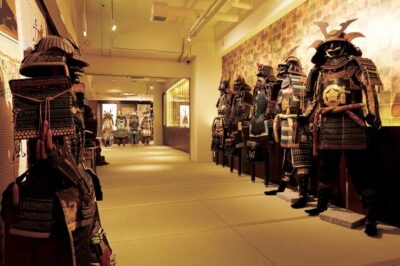
Samurai Ninja Museum Guided tour and Experience
Read our review →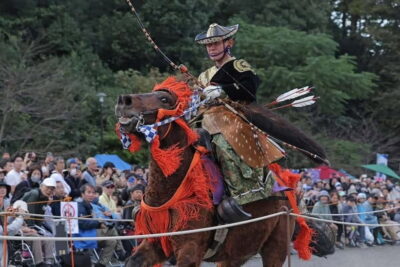
Samurai Sword & Archery Class from Samurai Descendant
Read our review →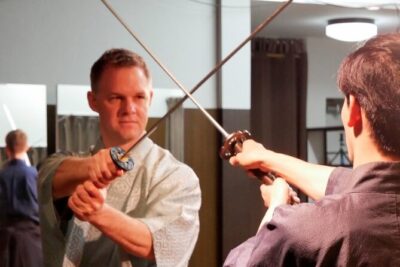
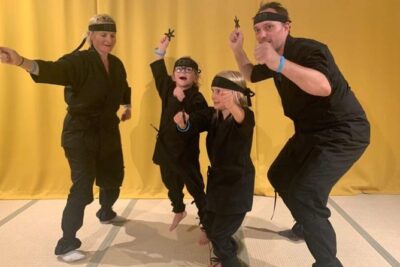
Ninja Experience (Family Friendly) at Samurai Ninja Museum TOKYO
Read our review →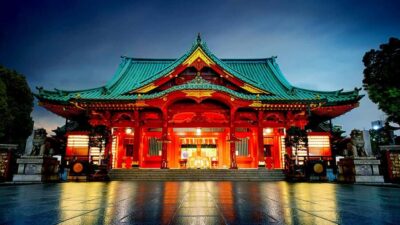
Samurai Entertainment Night Show in Kanda Shrine
Read our review →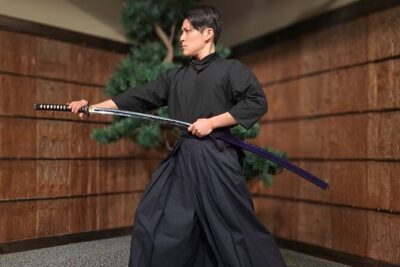
Tokyo Sword Experience – includes Museum Ticket/Ninja Experience
Read our review →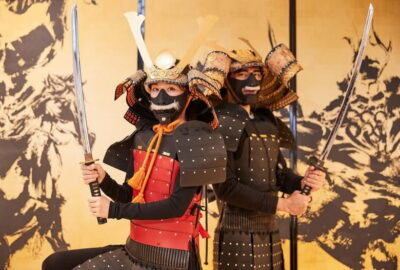
Samurai Ninja Museum Asakusa: Samurai Sword Lesson & Tour
Read our review →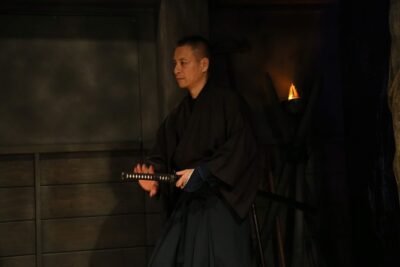
Ninja Samurai 2-hour hands-on lesson by Japanese master in Tokyo
Read our review →Browse the lists this tour appears in