
Reviewed · TOKYO TRADITIONAL CRAFT WORKSHOPS
Make Your Own Bonsai with a Professional Bonsai Artist in Tokyo
The most memorable part of this Tokyo outing is that you do not just look at bonsai behind a rail. You wire and shape your own juniper, then see how that small tree fits into a Japanese art form practiced over decades and, in some cases, centuries. The setting is Shunkaen Bonsai Museum, where Master Kunio Kobayashi and his apprentices work with an extensive collection.
I like the small class size, capped at six, and the patient, hands-on teaching. I also like that the workshop includes time to see remarkable bonsai, including a tree said to be about 1,000 years old. The main consideration is transport: the museum is near public transportation, but it is not in central Tokyo, so allow extra time for the train and final bus or taxi connection.
Key things to know before booking
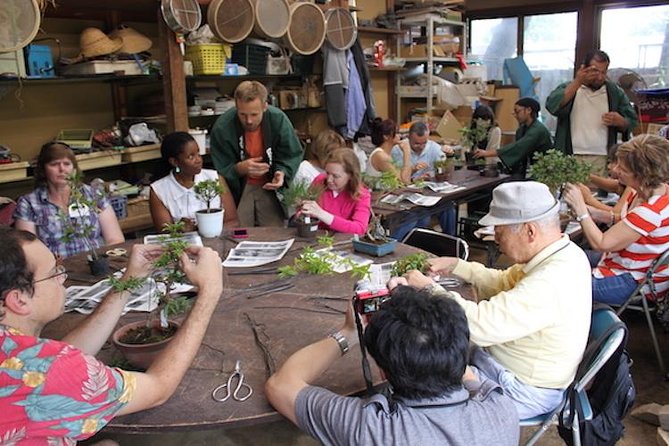
- You shape a real juniper: The class covers basic wiring and the first steps in forming your tree.
- The group is limited to six: That gives you room to ask questions and receive individual help.
- The museum is part of the experience: Your admission is included, with time to view different bonsai styles and old specimen trees.
- Master Kunio Kobayashi is connected to the workshop: He may be present, while apprentices often lead the practical class and tour.
- An assistant can help with translation: Select that option if you want extra language support during the lesson.
- Your tree may need shipping: Shipping is not included, and taking the bonsai home depends on your situation.
A hands-on introduction at Shunkaen Bonsai Museum
This experience takes place at Shunkaen Bonsai Museum in Edogawa City, eastern Tokyo. The address is 1-chōme-29-16 Niihori, Edogawa City, Tokyo 132-0001. The activity begins and ends there, so you will need to arrange your own transport.
The advertised experience lasts about two hours. One part is the bonsai-making lesson, and another part gives you time to see the museum grounds and collection. The timing is short enough to fit into a busy Tokyo plan, but it is not a quick photo stop. You need time to listen, work with the tree, ask questions, and look around without rushing.
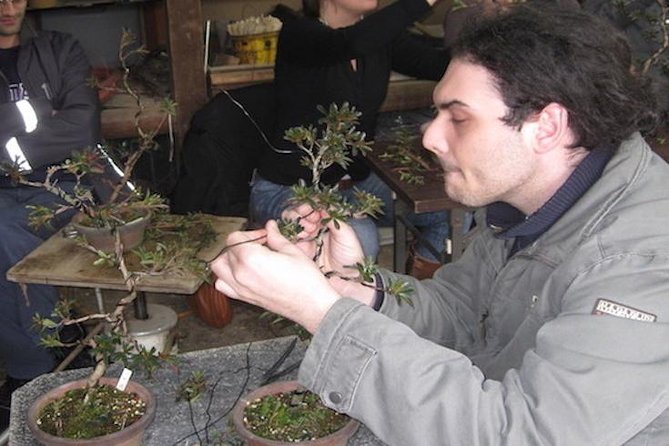
The class is designed for beginners. You do not need a background in horticulture or Japanese arts. The appeal is learning by doing: you handle the tree, use wire, and make choices about its shape with help from the instructor.
That hands-on work matters. Bonsai can seem mysterious when you only see finished trees. Once you learn how branches are guided and how care affects the tree over time, the art becomes easier to understand. You leave with more than a small plant. You have a clearer sense of the patience and repeated attention behind each finished bonsai.
More Tokyo craft workshops:
- Tokyo Shinjuku Chopsticks Making Class
★ 5.0 · 1,763 reviews - Chopstick Making Workshop in Ginza
★ 4.8 · 1,366 reviews - Kintsugi Experience: Art of Golden Joinery in Tokyo
★ 5.0 · 467 reviews
What you actually do with the juniper
The practical lesson focuses on basic bonsai techniques, including wiring a juniper. The instructor shows you the first steps, then guides you as you work. You should expect correction and encouragement rather than a lecture where you simply watch.
Wiring is a useful introduction because it lets you shape a branch gradually. The process also shows why bonsai is not an instant craft project. You are making a small adjustment to a living plant, and the result depends on care over time.
The lesson includes advice on how to look after bonsai after the class. One participant used the workshop to decide whether to buy additional trees, which points to another benefit: the class gives you a better basis for judging what you are taking on before spending more money.
An apprentice may lead the class, and the teaching can be supported by an assistant if you choose that option. Joseph has been praised for explaining bonsai principles clearly and for helping visitors understand the work involved. Other apprentices have also led the class and answered questions during the museum tour.
The exact instructor may vary, so do not book on the assumption that Master Kunio Kobayashi will personally teach every step. His presence is possible, and meeting him would be a special bonus, but the regular value of the class comes from the artist and apprentices assigned to your session.
The museum collection gives the lesson context
After or around the workshop, you can explore the museum and its bonsai collection. This is not filler between activities. It helps you compare different shapes, sizes, and styles after you have just worked on your own tree.
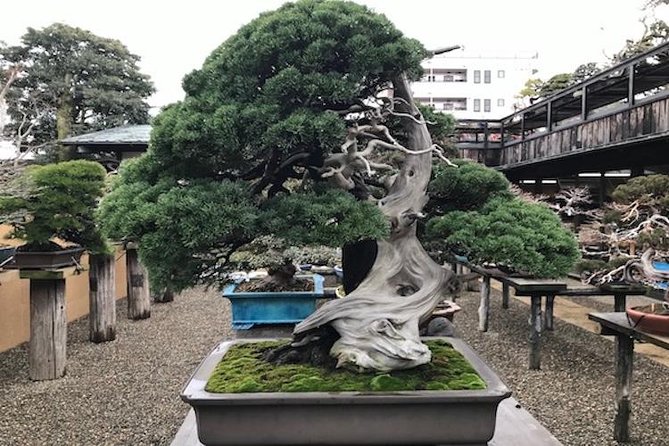
The collection includes many examples of bonsai, along with trees from different periods of development. A specimen reported to be about 1,000 years old gives the visit a striking sense of time. You can look at a tree that has been cared for across many generations, then return to your own young plant and understand that bonsai is a long project.
The grounds include a courtyard and raised areas filled with bonsai. You might see styles that are difficult to appreciate from a single photograph, since the branching, trunk movement, and balance are easier to study in person.
Take your time here. The class itself is fairly compact, and the museum is where you can slow down and notice details. If you are interested in plants, the collection may be as important to you as the workshop. If you are mainly seeking a cultural activity, it gives the craft a setting that feels more authentic than a generic souvenir class.
Tea may also be served during the experience. It is a small touch, but it suits the quiet pace of the museum and gives you a natural pause between questions, practice, and viewing the collection.
Why six people makes a difference
The maximum group size is six. That is one of the strongest reasons to choose this activity over a larger demonstration. Bonsai work involves small movements and individual decisions, so personal help makes a real difference.
You can ask why a branch should be wired in a certain direction, how much pressure to use, or how to care for the tree later. The instructor can look at your work rather than speaking only to the room.
The small group also keeps the atmosphere calm. Several people described the setting as peaceful and friendly, and that matches the nature of the craft. You are not being pushed from station to station or hurried through a crowded schedule.
Still, a small group does not guarantee a private lesson. There may be up to five other participants, and teaching duties may be shared between an artist and an apprentice. If you want translation support, choose the assistant option when booking rather than assuming it is automatically included.
A completely different kind of day in Tokyo:
- Mt Fuji and Hakone 1-Day Bus Tour Return by Bullet Train
★ 5.0 · 26,383 reviews - 1-Day Tokyo Bus Tour
★ 5.0 · 14,250 reviews - Tokyo: teamLab Planets TOKYO Digital Art Museum Entry Ticket
★ 4.6 · 9,779 reviews - Mt Fuji & Hakone Cruise, Drum Show Bullet Train 1 Day from Tokyo
★ 4.0 · 7,413 reviews
The setting and route from Tokyo
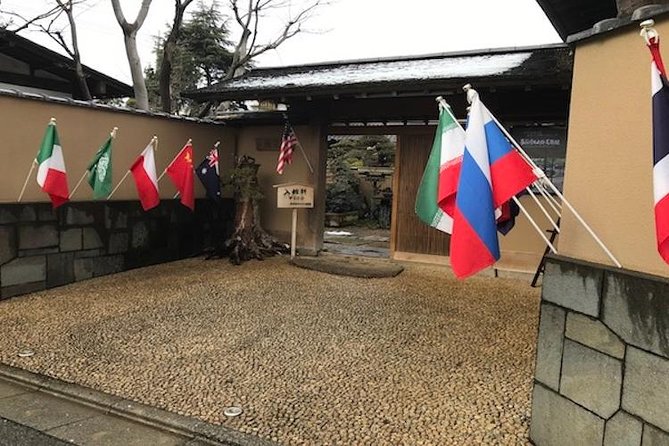
Shunkaen Bonsai Museum is near public transportation, but the address in Edogawa City is a practical warning for anyone staying around Tokyo Station, Shinjuku, Shibuya, or Asakusa. You will need to plan the final part of the journey carefully.
The available information indicates that you can reach the area by train followed by a bus or taxi. Local people generally recognize the museum when asked for directions. A taxi for the final stretch may be easier if you are short on time, carrying luggage, or traveling with someone who does not want a longer connection.
Transport is not included in the price. Build that cost and travel time into your plan, and avoid placing a tightly timed activity immediately afterward. The experience ends at the same place where it begins.
You should also have a moderate level of physical fitness. No demanding physical activity is described, but you will be moving around the museum and standing or sitting during the class. The grounds may be less convenient for anyone who needs a fully accessible route, since no detailed accessibility information is provided.
Is the $78.83 price fair?
At $78.83 per person, this is not the cheapest cultural activity in Tokyo. The value comes from the combination of a guided lesson, a plant you shape yourself, museum admission, access to a major bonsai collection, and a small group.
If you only want to see bonsai, paying for the workshop may be more than you need. The museum visit by itself could be enough for a plant enthusiast who prefers to observe. If you want to understand the craft and try the basic techniques, the price is more reasonable.
Admission is included, which removes one extra cost. The main additional expense is transport. Shipping your bonsai is also not included, and the ability to take it home may depend on where you live and your own arrangements. Ask about that before you assume the tree will fit easily into your return journey.
The workshop can also save you from buying a bonsai without understanding its care. You get direct advice before making a larger purchase, which adds practical value for anyone considering bonsai as a hobby at home.
Who will enjoy this most
I would choose this for someone who wants a quieter cultural activity with a clear result. You learn a skill, make something tangible, and see a collection that gives the lesson meaning.
It suits:
- Plant and flower enthusiasts
- Visitors curious about Japanese arts and daily care traditions
- Couples or families with older children who can focus during a two-hour lesson
- Beginners who want personal instruction
- Anyone considering buying a bonsai and wanting basic care guidance first
- Repeat visitors to Tokyo looking for something beyond the major central sights
It may not suit you if your schedule is packed tightly with central Tokyo attractions. The journey to Edogawa City takes planning, and the experience is deliberately calm rather than fast-paced.
It is also less suitable if your main goal is to take a finished bonsai straight home with no extra arrangements. Shipping is excluded, and the activity does not promise that every participant can carry the tree back internationally.
What makes this more than a craft class
The best part is the link between your small project and the full museum collection. You see a mature bonsai with complex branches, then return to your own juniper and recognize the first stage of that process.
The class also corrects a common misunderstanding. Bonsai is not simply a small tree in a pot. It is ongoing work involving pruning, wiring, watering, shaping, and close observation. The instructors explain the care involved, and that information can change how you look at every bonsai afterward.
You may also gain respect for the apprentices. They are not just assistants handing out supplies. They answer questions, lead lessons, show visitors around, and share their path into the craft. Their role gives the workshop a personal touch while keeping the instruction practical.
If Master Kunio Kobayashi happens to be at the museum, meeting him would add another memorable moment. But the experience does not depend entirely on that possibility. The collection, the setting, and the apprentice-led instruction provide the main substance.
Booking details and cancellation
Confirmation is sent within 48 hours of booking, subject to availability. Since the class is limited to six people and is booked on average 34 days ahead, reserve early if the time matters to your itinerary.
You can cancel for a full refund up to 24 hours before the local start time. Cancellations or changes made less than 24 hours before the activity are not accepted for a refund.
The experience is provided by Beauty of Japan. A mobile ticket is available, so keep the confirmation accessible on your phone when you arrive.
My recommendation
Book this workshop if you want to work with a living art form rather than simply photograph it. The small group, patient instruction, included museum admission, and remarkable old trees make the $78.83 price defensible for plant lovers and culture-focused visitors.
Skip it if you have little interest in plants, dislike traveling beyond central Tokyo, or need a guaranteed way to bring a bonsai home internationally. For everyone else, this is a thoughtful two-hour activity that gives you a skill, a better eye for bonsai, and a quiet break from Tokyo’s faster side.
FAQ
Where does the bonsai workshop take place?
The activity takes place at Shunkaen Bonsai Museum, 1-chōme-29-16 Niihori, Edogawa City, Tokyo 132-0001, Japan.
How long does the experience last?
The experience lasts approximately two hours. The bonsai-making lesson and museum visit take place during that time.
How many people can join the workshop?
The group is limited to a maximum of six travelers.
Is museum admission included?
Yes. Admission to Shunkaen Bonsai Museum is included in the experience.
Is an assistant or translator included?
An assistant is included if you select that option when booking.
Is transportation included?
No. Transportation to and from Shunkaen Bonsai Museum is not included.
Can I take my bonsai home?
Shipping is not included. The available information notes that people living in Japan can take their tree with them for a fee, while arrangements for other locations are not specified.
What level of fitness is required?
A moderate level of physical fitness is recommended.
Can I cancel for a full refund?
Yes. You can cancel at least 24 hours before the local start time for a full refund. Changes or cancellations made less than 24 hours before the start time are not accepted for a refund.
Newly reviewed around Tokyo
- Tokyo Asakusa:Calligraphy & Make T-shirt Activity★ 5.0 · 62 reviews
- 1 Hour Travel around Tokyo with a Professional Photographer★ 5.0 · 3 reviews
- Travel Tokyo with Your Own Personal Photographer★ 5.0 · 43 reviews
- Intercity Shuttle, Tokyo to Haneda /Narita /Yokohama /Makuhari★ 5.0 · 5 reviews
- Train in Samurai Swordsmanship and Defeat the Demon in Tokyo★ 5.0 · 5 reviews
- Shuttle Van 6hr Tokyo Tour to-and-from Tokyo, Yokohama and Narita★ 5.0 · 9 reviews
- Kickboxing & Body Training with EX-Pro Fighter★ 5.0 · 4 reviews
- Traditional Japanese Knife Sharpening Class★ 5.0 · 18 reviews
Tokyo Traditional Craft Workshops, compared.
Kintsugi Experience: Art of Golden Joinery in Tokyo
Read our review →

Authentic Pure Gold Kintsugi Workshop with Master Taku in Tokyo
Read our review →
Private Handmade Ring Workshop Activity in Tokyo Shibuya
Read our review →
Browse the lists this tour appears in