
Reviewed · KAMAKURA DAY TRIPS FROM TOKYO
Kamakura Full Day Walking Tour with Local Expert Guide and Pickup
Kamakura packs a remarkable amount into one day: a giant bronze Buddha, Zen temples, Shinto shrines, forest paths, and a food-lined shopping street. This private tour gives you a guide to connect the places, handle the train and bus system, and adjust the departure time to your plans.
I like the wide range of sights and the chance to ask for personal recommendations as you go. I also like the private format, since your party gets the guide’s attention instead of following a large group.
The main catch is transportation. Pickup means the guide meets you at your Tokyo hotel, cruise port, or airport, but this is not a chauffeured tour. You use public transportation between many stops, and long walks connect the temples. Confirm how fares and entrance tickets will be handled before setting out.
Key points to know before booking
- Six major stops in one day: See the Great Buddha, two important temples, two shrines, and Komachi Street.
- Private guiding: Only your party participates, with guides such as Lana, Raffa, Brian, or Colt assigned according to availability.
- Public transportation is part of the day: The guide helps you move around, but private vehicle service is not included.
- A serious walking day: The route includes temple grounds, station connections, and a roughly 30-minute walk to Zeniarai Benten.
- Flexible start time: You can request an early departure or a later start, subject to confirmation.
- Tickets and meals cost extra: Entry fees, food, and drinks are not included in the $118.88 price.
Why Kamakura works so well as a Tokyo day trip
Kamakura sits about an hour south of Tokyo, but it feels like a different kind of Japan. The city was once a political center, and its religious sites are spread among wooded hills, residential streets, and the coast. You can move from a crowded shopping lane to a quiet temple garden in a matter of minutes.
That variety is the reason I think a guide helps here. Kamakura’s sights are not arranged in one compact historical zone. You need to understand the train system, locate the right entrances, and keep an eye on time if you want to cover the major places in one day.
This tour runs for about eight hours, including transfers between stops. That sounds generous, but the day moves at a steady pace. Each listed stop lasts around 30 to 45 minutes, and the transfers take time too. You will see many headline sights, but you should not expect a slow, meditative visit at every temple.
The private setup gives you room to ask questions about Buddhist and Shinto customs, Japanese history, or practical travel ideas. Guides who have led this outing include Lana, Raffa, Brian, and Colt. The strongest feedback highlights guides who made the history easy to follow and helped with public transportation.
More Kamakura day trips from Tokyo:
- Tokyo: Mt. Fuji, Kamakura, Big Buddha, & Lake Ashi Day Trip
★ 4.5 · 867 reviews - Tokyo:Sea of Mount Fuji, Hakone Ropeway, Ōwakudani, Enoshima
★ 4.9 · 84 reviews - Kamakura 8 hr Private Walking Tour with Licensed Guide from Tokyo
★ 5.0 · 80 reviews
Meeting your guide and getting around by train
The tour offers pickup from a Tokyo hotel, cruise port, or airport. In practical terms, hotel pickup means the guide meets your party at the hotel. It does not mean a vehicle carries you all the way to Kamakura or between the sights.
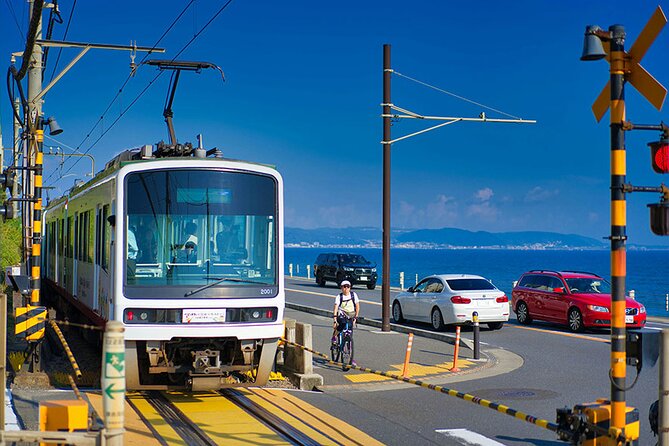
You should expect trains, buses, and walking. One useful benefit is that your guide can show you how to move through Japan’s transport system, which may be more valuable than a private car if you plan to explore independently later. The downside is simple: you pay with time, steps, and some patience.
Private transportation is not included, and the price does not include entry tickets, meals, or drinks. The supplied information also says support is available before and after the tour, which may help if you need assistance preparing for the day.
Before booking, ask two direct questions: Are your public transport fares included, and will the guide’s fares be paid separately? One unhappy customer reported paying the guide’s train and bus costs, while another described the public transport arrangement as an important point to understand. Clear communication here can prevent an unpleasant surprise.
Kotoku-in and the Great Buddha
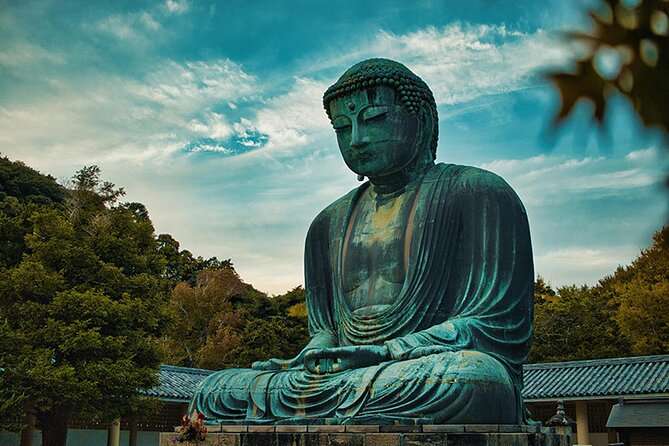
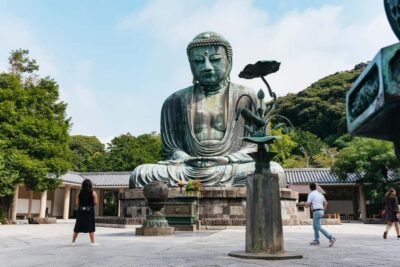
The day’s most famous sight is Kotoku-in, home to the Great Buddha of Kamakura. The bronze figure is more than 11 meters tall and is the image most closely linked with Kamakura.
You get about 30 minutes here. That is enough to see the statue, take photographs, and hear the main story behind it, but it is not a long temple visit. Admission is not included, so bring money for the entry fee.
The Great Buddha is impressive because of its scale and setting. It is not hidden inside a grand hall, so you can appreciate the full form from outside. Ask your guide to explain how this image fits into Kamakura’s Buddhist tradition and how it differs from the city’s Shinto sites.
This is also a good early stop for setting the tone. You begin with an unmistakable landmark, then move into smaller shrines, Zen compounds, and local streets.
Tsurugaoka Hachimangu, Kamakura’s central shrine
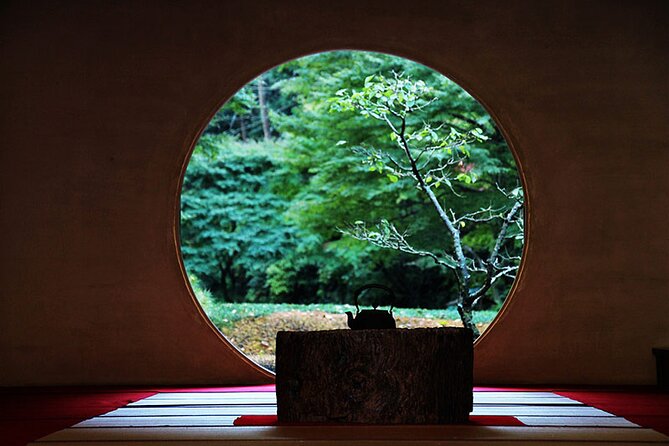
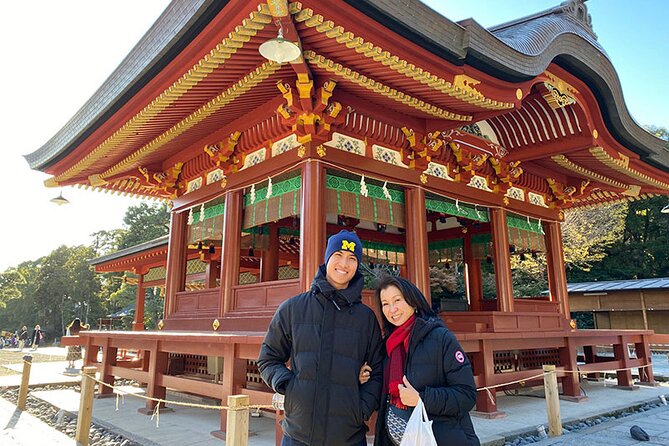
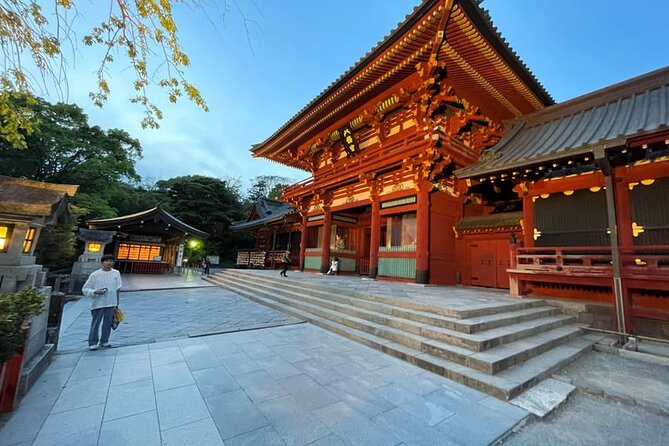
Tsurugaoka Hachimangu receives about 45 minutes and offers a different experience from Kotoku-in. This is a Shinto shrine, not a Buddhist temple, and it plays a central role in Kamakura’s public and religious identity.
The approach, open grounds, greenery, and formal shrine buildings give the visit a strong sense of ceremony. Your guide can help you notice the difference between Shinto and Buddhist spaces, including how people behave, where they pray, and what the buildings are used for.
Admission is free. The site is easier to reach than some of the hill temples, but the open grounds can feel exposed in hot weather. The schedule allows enough time to take in the setting without turning the stop into a long architectural study.
I especially like this part of the route because it gives context to the city itself. The Great Buddha is an icon, but Tsurugaoka Hachimangu helps explain why Kamakura became such an important center.
More Tokyo walking tours:
- Tokyo Tsukiji Fish Market Food and Culture Walking Tour
★ 5.0 · 3,184 reviews - Tokyo: Imperial Palace and Shogun Historical Walking Tour
★ 5.0 · 2,251 reviews - Tokyo: Shinjuku Local Bar and Izakaya Guided Walking Tour
★ 4.9 · 1,794 reviews - Tokyo: Tsukiji Fish Market Food and Walking tour
★ 5.0 · 1,724 reviews
Zeniarai Benten and the money-washing ritual
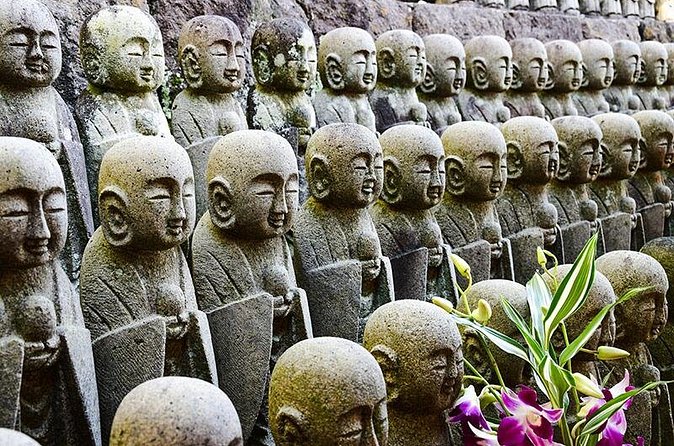
Zeniarai Benten is reached by a scenic walk of about 30 minutes from Kamakura Station, near Genjiyama Park. The shrine is known for washing money in its spring water as part of a ritual associated with prosperity.
The stop lasts around 45 minutes and admission is free. The approach matters as much as the shrine itself. You leave the main station area and walk through a more wooded setting, with a sense that the city has begun to thin out.
This is one place where proper explanation adds real value. The money-washing custom is easy to treat as a novelty, but a guide can explain how ritual actions shape a visit to a Japanese shrine. You can also ask for help with the basic steps of shrine etiquette.
The walk may be a drawback for anyone with limited mobility or little interest in hills and uneven routes. The route is not a quick stop beside a station. Plan for comfortable shoes, water, and a pace that leaves room for the walk.
Meigetsuin, the Hydrangea Temple
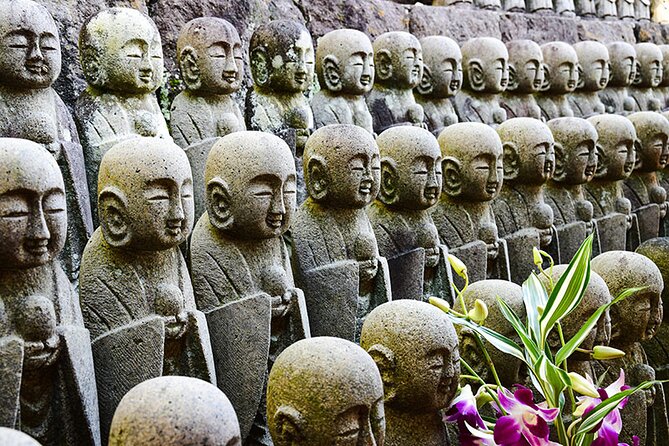
Meigetsuin is known as Ajisaidera, or the Hydrangea Temple, because of its seasonal flowers. You get around 45 minutes here, and admission is not included.
The temple is valued for its calm mood and seasonal beauty rather than one enormous monument. If hydrangeas are blooming, the flowers can be a major reason to include this stop. At other times of year, the appeal comes more from the temple setting and quiet atmosphere.
The guide can help you understand why Japanese temple visits often focus on gardens, seasonal change, and small details rather than a single grand building. Still, this stop is time-sensitive in a different way. If you are booking mainly for the hydrangeas, ask about likely conditions during your date, since the experience can vary by season.
Forty-five minutes gives you time to walk through the grounds and take photographs, but not necessarily enough for a long, unhurried visit if the site is busy. Add the entrance fee to your budget.
Engaku-ji and Kamakura’s Zen tradition
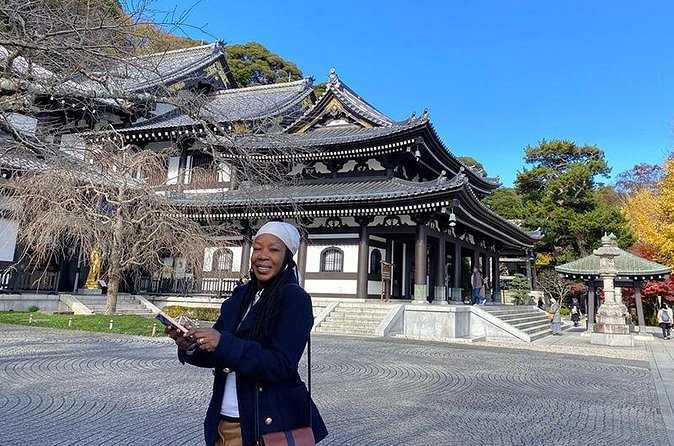
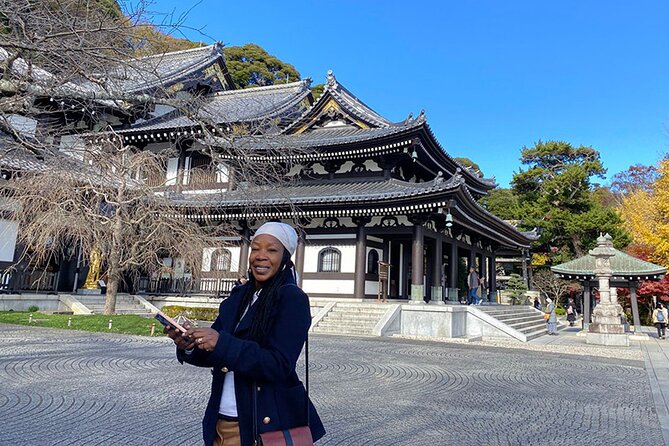
Engaku-ji is another 45-minute stop and one of Kamakura’s important Zen temples. It sits in the hills and offers a quieter change of pace after the shrine and shopping areas.
The temple grounds are known for their religious importance and natural setting. Here, I would use the guide for interpretation rather than simply moving from building to building. Ask about Zen practice, the role of temple compounds, and what makes Engaku-ji different from Meigetsuin.
Admission is not included. The hill setting also reinforces the physical nature of the day. You are not just sightseeing from a bus window. You are walking through temple grounds, moving between stations, and covering real distances.
If you prefer a slow temple visit, the schedule may feel tight. If you want a broad introduction to Kamakura, the 45-minute stop gives you a useful first look without sacrificing the other places on the route.
Komachi-dori for snacks and local shopping
Komachi-dori, listed with Kamakura Goro Kamakura Komachi Street Honten, is the most commercial stop of the day. You get about 45 minutes to explore the shopping street, browse crafts, and try local treats.
This is a good place to take a break from monuments. You can ask your guide what foods or small gifts are worth considering, then use the free time to browse. Food and drinks are not included, so budget separately for anything you buy.
The street can be crowded and lively, especially at popular times. That energy is part of the appeal, but it may feel less authentic if you want only quiet temples. I would save any souvenir shopping for this stop rather than carrying purchases through the earlier walks.
Forty-five minutes is enough for a taste, not a full shopping session. If you want a sit-down meal or extensive browsing, ask how much flexibility you have in the schedule.
The walking level and pace
This is a walking tour in the practical sense, even though trains and buses cover some distances. One stop includes an approximately 30-minute walk from Kamakura Station to Zeniarai Benten, and the temple grounds can involve hills, steps, and uneven surfaces.
A review of the experience specifically points out that the long walking makes it less suitable for very hot weather or people with limited mobility. I would take that warning seriously. Wear supportive shoes, carry water, and consider an early departure during warm months.
The flexible departure is useful. An early start may help you avoid some heat and give you more breathing room at the sights. A later start may suit you if you dislike mornings, but it leaves less margin if transport connections or crowds slow you down.
Most people can participate, and service animals are allowed. Still, the general participation note should not be mistaken for a promise of an easy route. Ask about the day’s walking needs if you have mobility concerns.
Is $118.88 a fair price?
At $118.88 per person, the tour is not the cheapest way to reach Kamakura. You still pay for entrance fees, food, and drinks, and private transportation is not included.
The value comes from the guide, the pickup arrangement, and the amount you cover in one day. You get six major stops, help with public transportation, historical explanation, and the convenience of not having to build the route yourself.
For a private party that wants structure, the price can make sense. You are paying for time saved and for help connecting places that are spread around the city. It is less compelling if you are comfortable using trains, researching temple hours, and planning your own route.
The overall rating is 4.4 from 16 ratings, with strong praise for guides such as Lana, Raffa, Brian, and Colt. The positive pattern is clear: the best days depend heavily on the individual guide’s ability to explain Japan and keep the day pleasant. The lower ratings point to communication, guide expertise, unexpected transport costs, and a tour ending earlier than expected.
That makes pre-tour clarification especially important. Confirm the exact start and finish time, what pickup means for your location, who pays transport fares, and which entrance fees you should carry money for.
Who should book this Kamakura day?
I would choose this tour if you want to see the main Kamakura sights in one organized day and prefer having a local person beside you. It suits first-time visitors to Japan who want help with trains, buses, shrine customs, and the basic story behind each place.
It also works well for a private family or friend group that values flexibility more than the lowest possible price. You can request an early or later start, and the guide can offer personal suggestions during the day.
I would hesitate if you want a private car, dislike walking, or prefer spending an hour or more at each temple. I would also compare the cost with a self-guided day if you already feel confident using Japanese public transportation.
The cancellation policy is generous: you can cancel for a full refund up to 24 hours before the start time. Changes or cancellations within 24 hours are not accepted for a refund.
Should you book it?
Book this experience if your priority is efficient coverage with personal guidance. The route gives you Kamakura’s essential mix: the Great Buddha, Shinto worship, Zen temples, a ritual shrine, seasonal scenery, and local shopping.
Before paying, confirm the public transport costs and entrance fees. If those details are clear and you are ready for a full day on foot, this can be a useful, well-rounded introduction to Kamakura. If you want a slow, quiet temple day or door-to-door vehicle service, choose a different format.
FAQ
How long does the Kamakura tour last?
The experience lasts approximately eight hours, including the time needed to transfer between locations.
Is hotel pickup included?
Pickup is offered from hotels, cruise ports, or airports in Tokyo. Hotel pickup means the guide meets your party at the hotel. Private transportation between locations is not included.
Is this a private tour?
Yes. Only your group participates in the activity.
Which sights are included?
The route includes Kotoku-in and the Great Buddha, Tsurugaoka Hachimangu Shrine, Zeniarai Benten Shrine, Meigetsuin, Engaku-ji, and Komachi Street.
Are entrance fees included?
No. Entrance fees are not included. Food and drinks are also separate.
Will I use public transportation?
Yes. The experience uses public transportation between locations, along with walking. Confirm how your group’s fares and the guide’s fares will be handled before the tour.
Can I cancel for a full refund?
Yes. You can cancel at least 24 hours before the experience start time for a full refund. Cancellations or changes made less than 24 hours before the start time are not refunded.
More full-day trips in Tokyo
- From Tokyo: Mount Fuji Full-Day Sightseeing Trip
★ 4.5 · 4,970 reviews - Mount Fuji Full-Day Private Tour from Tokyo (Customizable)
★ 4.9 · 1,470 reviews - Tokyo Private Full-Day Tour by Car or Van
★ 5.0 · 684 reviews - From Tokyo: Must-Visit Mount Fuji Highlight Full-Day Tour
★ 4.7 · 532 reviews
Newly reviewed around Tokyo
- Tokyo Asakusa:Calligraphy & Make T-shirt Activity★ 5.0 · 62 reviews
- Intercity Shuttle, Tokyo to Haneda /Narita /Yokohama /Makuhari★ 5.0 · 5 reviews
- 1 Hour Travel around Tokyo with a Professional Photographer★ 5.0 · 3 reviews
- Travel Tokyo with Your Own Personal Photographer★ 5.0 · 43 reviews
- Train in Samurai Swordsmanship and Defeat the Demon in Tokyo★ 5.0 · 5 reviews
- Shuttle Van 6hr Tokyo Tour to-and-from Tokyo, Yokohama and Narita★ 5.0 · 9 reviews
- Kickboxing & Body Training with EX-Pro Fighter★ 5.0 · 4 reviews
- Traditional Japanese Knife Sharpening Class★ 5.0 · 18 reviews
Kamakura Day Trips from Tokyo, compared.
Mt. Fuji, Kamakura, Big Buddha, & Lake Ashi Day Trip
Read our review →
Sea of Mount Fuji, Hakone Ropeway, Ōwakudani, Enoshima
Read our review →
Kamakura 8 hr Private Walking Tour with Licensed Guide from Tokyo
Read our review →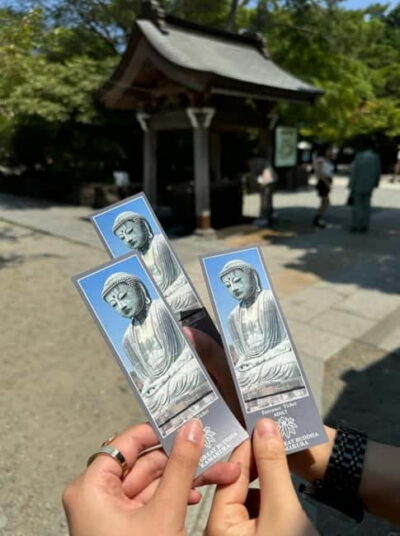
Kamakura & Enoshima Day Tour with Pickup & Train Ride
Read our review →
Kamakura Private & Customizable Tour – All-in-One Experience
Read our review →
Private Car Tour to see Highlights of Kamakura, Enoshima, Yokohama from Tokyo
Read our review →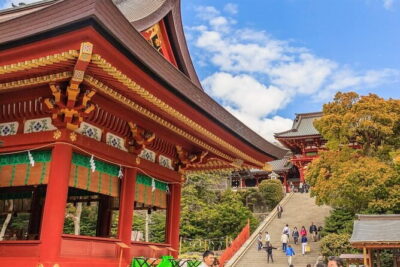
From Tokyo Kamakura, Hachimangu Shrine and Enoshima Full Day Tour
Read our review →
Day Trip to Kamakura & Enoshima: Shrines, Seaside, Temples & Tea
Read our review →Browse the lists this tour appears in