
Reviewed · KAMAKURA DAY TRIPS FROM TOKYO
Kamakura 8 hr Private Walking Tour with Licensed Guide from Tokyo
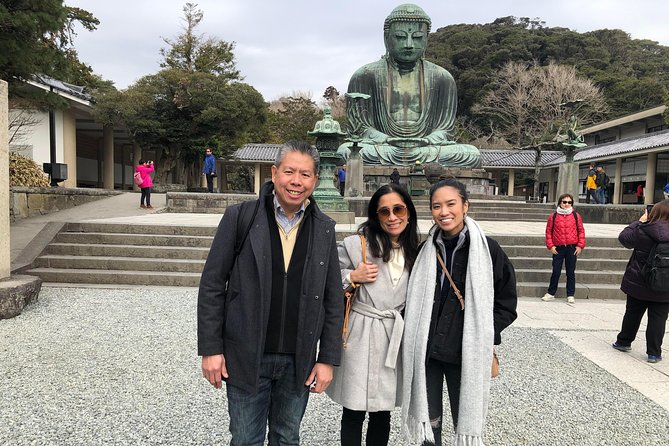
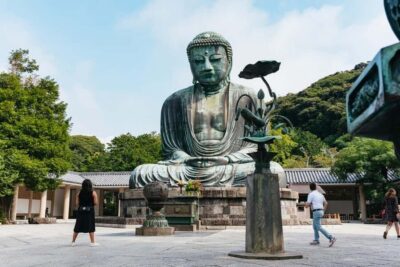
Kamakura’s Great Buddha is the star here: an 11.4-meter bronze Amida Buddha that makes a convincing case for leaving Tokyo for the day. This private tour also gives you a rare luxury in Japan, the freedom to choose your stops instead of being marched through a fixed schedule. I like the personal planning and the help with Tokyo’s trains and Kamakura’s buses. The main catch is that eight hours includes travel from Tokyo, so an ambitious plan can turn into a fast walk.
I especially like the choice of four to six sights, which lets you build a day around temples, gardens, the sea, food, or a little of everything. I also like having a local guide for details that are easy to miss, from the meaning of Tsurugaoka Hachimangu to Kamakura’s dove-shaped hatosabure biscuits. You pay $201.51 per person, plus transport, admission, lunch, and personal costs, so the value improves when shared by a small private group.
The tour is not ideal if you want a slow, quiet temple day. Some of the best plans include several train rides, buses, and long walks, and Kamakura can be crowded. Ask your guide to limit the route if you prefer time to sit, eat, shop, and look around.
Key points to know before booking
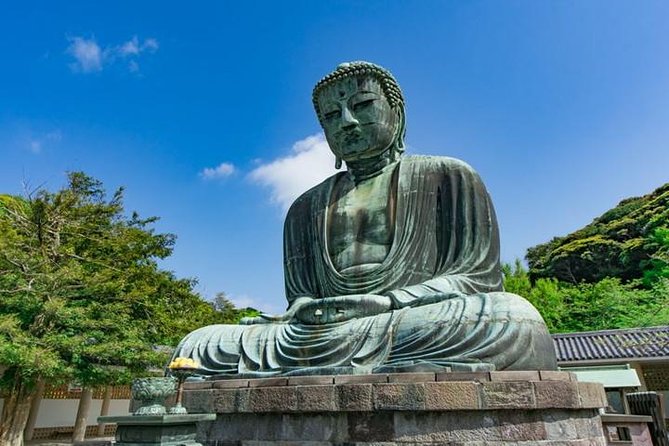
- The Great Buddha is the essential stop: Kotoku-in’s bronze statue is the day’s most memorable sight and admission is extra.
- Your guide helps with public transport: Travel from Tokyo and movement around Kamakura count toward the eight hours.
- You choose the focus: Select from major shrines, Zen temples, bamboo, hiking trails, Enoshima, shopping, and ocean views.
- Hasedera earns its place: Its elevated grounds offer a view toward the sea, along with an important Kannon image.
- Private means flexible, not leisurely by default: Guides have adjusted plans for families, solo visitors, dietary needs, and specific temple requests.
- Budget beyond the tour price: Train and bus fares, entrance tickets, lunch, and personal purchases are not included.
Why Kamakura works so well as a Tokyo day trip
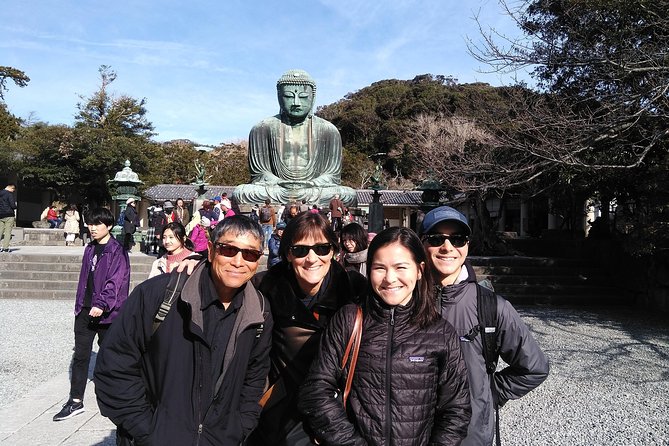
Kamakura gives you a very different Japan without requiring an overnight stay. The town combines samurai-era shrines, Zen temples, wooded hills, a working rail network, shopping streets, and the Pacific coast. That mix is why an eight-hour private tour can feel full even before you add Enoshima.
The route from Tokyo takes time, and that matters. You are not buying eight hours of sightseeing on location. Your guide meets you on foot in a designated part of Tokyo, then helps you make the train and local connections. Public transport fees are yours to pay, but the guidance can save confusion, wrong turns, and wasted time.
I would use the pre-tour planning well. Tell the guide if you care most about Zen, gardens, Buddhist sculpture, the ocean, shopping, food, photography, or a gentle pace. Several guides have adjusted plans after learning what their groups wanted. One guide replaced planned shopping time with more sights, while another arranged a route that included the Great Buddha, the sea, and a bamboo grove.
The private format suits families and mixed-age groups particularly well. Guides have helped older relatives manage the day, found a gluten-free dish, assisted with restaurant ordering, and taken photos along the way. None of this is guaranteed with a particular guide, but the format gives you room to ask.
More Kamakura day trips from Tokyo:
- Tokyo: Mt. Fuji, Kamakura, Big Buddha, & Lake Ashi Day Trip
★ 4.5 · 867 reviews - Tokyo:Sea of Mount Fuji, Hakone Ropeway, Ōwakudani, Enoshima
★ 4.9 · 84 reviews - Tokyo: Kamakura & Enoshima Day Tour with Pickup & Train Ride
★ 4.1 · 61 reviews
Tsurugaoka Hachimangu, Kamakura’s grand starting point
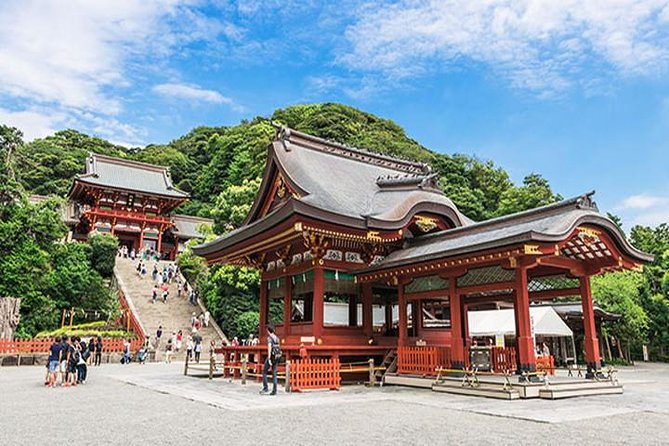
Tsurugaoka Hachimangu is the natural first stop for understanding Kamakura. The shrine honors Hachiman, associated with the Minamoto family and the samurai tradition. Its broad approach and formal setting make a strong contrast with the smaller temple lanes you may visit later.
The planned visit is listed at about 15 minutes, which is enough for an introduction but not a full look around. If shrines interest you, ask for more time here and take it away from a less important stop. The shrine has no admission charge, although donations and personal purchases are separate.
Tsurugaoka also puts you near Komachi Street, Kamakura’s main shopping route. This is a useful place for snacks and souvenirs, but keep your expectations in check. The street is aimed at sightseeing traffic, with plenty of attractive food and shops but not necessarily the most local atmosphere.
Look for hatosabure, a dove-shaped biscuit associated with Kamakura. It is a small, easy-to-pack taste of the town and a pleasant break from temple viewing. Your guide can help you understand what is worth trying, though food costs are not included.
Kotoku-in and the Great Buddha
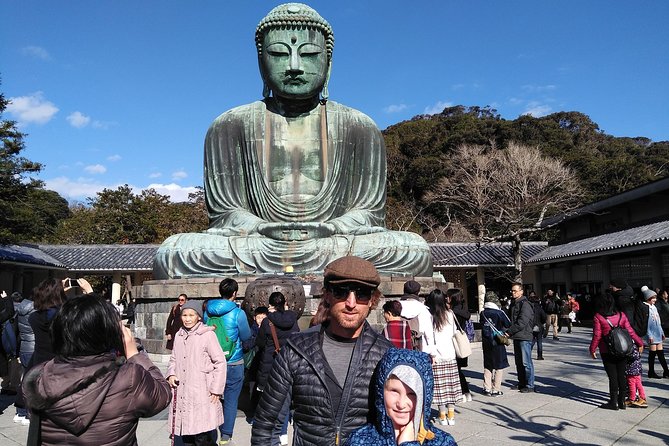
Kotoku-in holds Kamakura’s most famous sight, the Great Buddha of Kamakura. The bronze Amida Buddha measures 11.4 meters high, and its size is most impressive when you approach it through the temple grounds. This is not a tiny garden statue that needs an expert eye. It has immediate visual force.
The planned stop is about 15 minutes, with admission extra. That is enough to see the statue and hear the main explanation, but you may want longer if you wish to take photographs or enter the statue, when available under the site’s operating arrangements. The tour information does not promise interior access, so treat that as a possible extra rather than part of the plan.
I would make this a non-negotiable stop for a first visit to Kamakura. It gives the day a clear center. If you are traveling with children, the scale is also easy to appreciate without a long lecture.
The drawback is popularity. The Great Buddha is one of Kamakura’s busiest sights, and a short scheduled visit may feel abrupt. Tell your guide if you want to linger here, then remove another stop rather than trying to fit everything in.
Hasedera, Kannon, and the ocean view
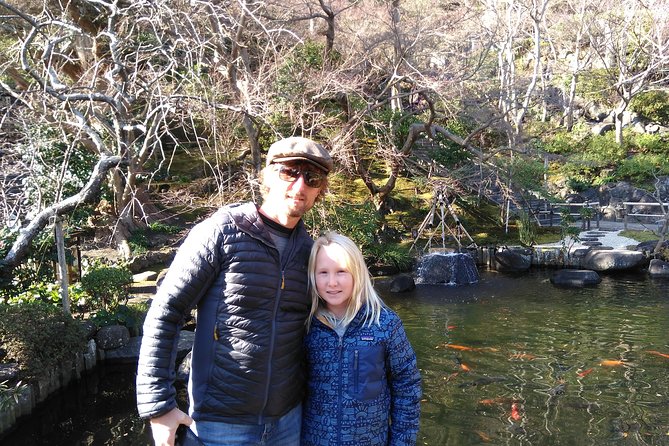
Hasedera is more than a companion stop to the Great Buddha. The Jodo temple is known for its 9.18-meter gilded wooden statue of Kannon, the goddess of mercy, described as an eleven-headed figure. The temple grounds rise above the surrounding area, giving you a view toward the ocean from the higher section.
That combination of sculpture, gardens, paths, and sea makes Hasedera one of the strongest choices on the route. The listed visit is about 15 minutes, but I consider that tight. If you want to appreciate the grounds rather than simply tick off the temple, request extra time here.
Admission is not included for you. The provider states that guide entry fees are covered for sights on the expected list, while the general inclusions also say entrance fees are not included. To avoid confusion, budget for your own admission and ask the guide which tickets are required on the day.
Hasedera involves walking and some uphill movement. It may work well for most people, but anyone who wants a gentler day should mention that before the itinerary is set. A guide can usually make better choices when told about walking limits in advance.
More Tokyo walking tours:
- Tokyo Tsukiji Fish Market Food and Culture Walking Tour
★ 5.0 · 3,184 reviews - Tokyo: Imperial Palace and Shogun Historical Walking Tour
★ 5.0 · 2,251 reviews - Tokyo: Shinjuku Local Bar and Izakaya Guided Walking Tour
★ 4.9 · 1,794 reviews - Tokyo: Tsukiji Fish Market Food and Walking tour
★ 5.0 · 1,724 reviews
Hokoku-ji’s bamboo grove
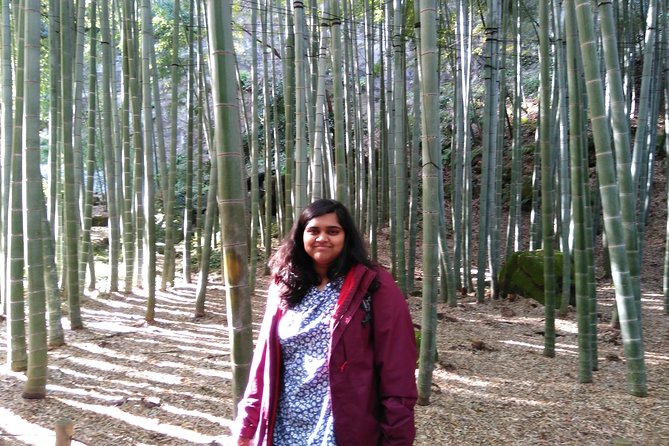
Hokoku-ji is the compact bamboo stop. More than 2,000 dark green bamboo stalks fill a grove behind the main hall, with narrow paths passing through them. It is smaller than the famous bamboo areas around Kyoto, but that is part of its appeal. You can add a different texture to the day without spending hours there.
The listed visit lasts about 30 minutes. That is a sensible amount of time for the grove and temple grounds, though it leaves little room for a long tea break or slow photography. Admission is extra.
I would choose Hokoku-ji if you want variety. A day made only of shrines and Zen halls can blur together, while the bamboo gives you a clear visual change. If you already plan a long hike or several eastern Kamakura temples, it may be one of the stops to drop.
Choosing between Zen temples and quieter corners
The long list of choices is where this tour earns its private format. You cannot see every place in eight hours, especially with Tokyo travel included. A good guide should help you choose a coherent group rather than squeeze in a dozen short visits.
Engaku-ji and Kencho-ji are the major Zen choices. Engaku-ji is one of eastern Japan’s leading Zen temples and ranks second among Kamakura’s five great Zen temples. Kencho-ji ranks first and is described as Kamakura’s oldest Zen temple, founded in 1253. Each is listed at about 30 minutes, with admission extra.
Jochi-ji, Jufuku-ji, Tokei-ji, and Jomyo-ji offer other Zen settings. Jochi-ji is fourth among the five great Zen temples, Jomyo-ji is fifth, and Jufuku-ji is third. Tokei-ji is a small branch temple near Engaku-ji. Their shorter visits, often 15 to 30 minutes, make them useful when you want a quieter stop or a particular architectural setting.
The smaller temples can be a better match for repeat visitors or anyone who dislikes famous sights at peak times. They also require a guide who can explain why one place matters, since a short visit without context may feel like another gate and garden.
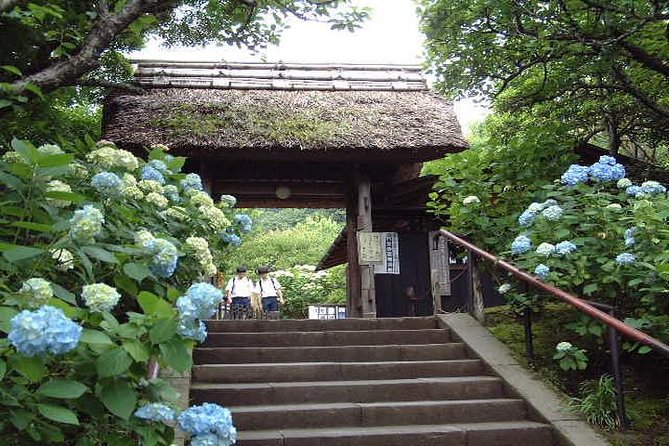
Meigetsu-in, often called the Hydrangea Temple, is best known for hydrangeas and belongs to the Rinzai Zen tradition. Its planned visit is only 10 minutes, so seasonal interest matters. If flowers are central to your plan, confirm the timing and ask whether the visit deserves more space.
Zuisen-ji sits at the far eastern end of Kamakura in a narrow valley surrounded by wooded hills. Ankokuron-ji, Myohon-ji, Eisho-ji, and Jomyo-ji each offer a different religious or historical angle. Eisho-ji is particularly distinctive as Kamakura’s only surviving nunnery. These are not interchangeable stops, and your guide’s explanation can help you pick the one that fits your interests.
Zeniarai Benten and the money-washing custom
Zeniarai Benten is one of Kamakura’s more unusual shrines. Its name refers to coin washing, and visitors come to wash money in the shrine’s spring with the hope that it will increase.
The planned stop is about 30 minutes and admission is free. It is a good choice if you want something more participatory than simply looking at buildings. Bring small money if you want to take part, but the supplied tour details do not specify the shrine’s exact procedure or what you need to purchase.
The shrine is in western Kamakura and may add a less direct movement to the day. I would choose it for cultural interest, not because it fits neatly between every other major sight.
Hiking trails, Enoshima, and the danger of overplanning
Kamakura’s wooded hills have walking trails linking temples and offering a break from city streets. The hiking option is listed at one hour and carries no admission charge. This can be an excellent choice if you want trees, exercise, and a slower connection between sights.
It can also change the entire feel of the day. Add an hour of hiking to a route that already includes Tokyo trains, buses, temples, lunch, and shopping, and you may need to cut two other stops. Wear shoes suited to walking and tell the guide if a trail is a priority.
Enoshima Island lies a short train ride west of Kamakura and connects to the mainland by bridge. The island offers a shrine and other attractions, with about 30 minutes listed for the visit. That is enough for a quick look, not a full island exploration.
Enoshima is worth considering if you want coastal scenery or a change from temples. One guide added a sea viewpoint near Inamuragasaki, and another route included Enoshima after a full day around Kamakura. These examples show what the private format can do, but they also show why you should rank your priorities. Kamakura’s central sights and Enoshima can make a very busy day.
Public transport is part of the tour
This is a walking tour with public transportation, not a chauffeured excursion. There is no private vehicle, and train, bus, and other transport fees are not included. Pickup means meeting the guide on foot within the designated Tokyo area, not a car collecting you from any address.
That arrangement is a strength if you want to learn how to move around Japan. Guides have helped people through Tokyo’s rail connections and Kamakura’s local buses, and this support is especially useful if you are traveling alone or are uneasy with transfers.
It is also the tour’s main practical limitation. One earlier version of the experience used less time, and a visitor found the journey from Tokyo consumed too much of the day. The current eight-hour format gives you more room, but travel still counts toward your total.
Ask for the clearest possible plan before departure: meeting point, likely train route, first stop, lunch timing, and the two or three sights that must not be sacrificed. That simple conversation can prevent an overpacked day.
Price, food, and the value of a private guide
At $201.51 per person, this is not the cheapest way to reach Kamakura. You still pay for transportation, your entrance tickets, lunch, and personal purchases. Group discounts are offered, so the value improves when several people share the private guide rather than booking separate seats on a group excursion.
What are you paying for? You are paying for a licensed English-speaking guide, planning around your interests, help with transfers, and the ability to change the order or emphasis during the day. A guide can also make lunch easier. Specific guides have helped with tempura, soba, gluten-free food, and restaurant ordering.
The best value comes when you care about context or logistics. If you are happy navigating trains, reading temple signs, and choosing a route yourself, you can visit Kamakura for less. If you want to fit major sights into one day without spending your energy on directions, the fee is easier to justify.
Guide quality can vary because different guides lead the tour. Names connected with particularly strong experiences include Taka, Shinji, Kenji, Makoto, Andy, Fumio, Nobu, Eiko, and Yasuho Suzuki. You cannot assume you will receive a particular person, so contact the provider if a specific guide is important to you.
Who should book this Kamakura day?
I would recommend it to first-time visitors who want the Great Buddha, Hasedera, Tsurugaoka Hachimangu, and one or two extra stops in a single day. It is also a strong fit for families, solo visitors, older relatives who need help with transport, and anyone with a particular food or sightseeing request.
It suits curious visitors who want more than photographs. A good guide can explain the samurai connection, Buddhist traditions, shrine customs, and the differences among Kamakura’s Zen temples.
I would hesitate if you want a completely unhurried day, a private car, or a fixed guide by name. I would also hesitate if your main aim is a long hike or a full visit to Enoshima, since either can compete with Kamakura’s central sights.
The tour can be canceled for a full refund up to 24 hours before the start time. Changes or cancellations inside that window are not accepted for a refund, so keep your plans firm once the deadline passes.
Should you book this tour?
Book it if you want a custom Kamakura day with transport support, especially if the Great Buddha and Hasedera are priorities and you want help choosing what comes next. The strongest part is the flexibility: you can build a temple day, a food-and-shopping day, a bamboo-and-ocean day, or a broad first look at the town.
Do not book it expecting a private car or unlimited time at every sight. The eight-hour clock includes the journey from Tokyo, and the best itinerary will require choices. Tell the guide your top three priorities, protect time for lunch, and leave out anything that feels like a rushed afterthought. With that approach, the price buys useful local judgment rather than just a series of quick stops.
FAQ
How long does the Kamakura tour last?
The tour lasts approximately eight hours, and travel time between Tokyo and Kamakura is included in those hours.
Is transportation included in the price?
No. Transportation fees are not included. The tour uses public transportation, and there is no private vehicle.
Where does the guide meet me?
The guide meets you on foot within a designated area of Tokyo. Pickup is not by private car.
How many sights can I choose?
The tour description allows a customizable selection of four to six sites from the available choices. The overview also describes choosing three to four sites, so confirm the intended number with the provider when planning.
Are entrance tickets included?
Your entrance fees are not included. The provider states that guide entry fees are covered for sights listed under the expected activities, but you should budget for your own admissions.
Is lunch included?
No. Lunch and other personal expenses are not included.
Is this a private tour?
Yes. Only your group participates, and groups cannot be combined with other tour groups.
Can I cancel for a full refund?
Yes, if you cancel at least 24 hours before the experience start time. Cancellations or changes made less than 24 hours in advance are not accepted for a refund.
Newly reviewed around Tokyo
- Tokyo Asakusa:Calligraphy & Make T-shirt Activity★ 5.0 · 62 reviews
- Intercity Shuttle, Tokyo to Haneda /Narita /Yokohama /Makuhari★ 5.0 · 5 reviews
- 1 Hour Travel around Tokyo with a Professional Photographer★ 5.0 · 3 reviews
- Travel Tokyo with Your Own Personal Photographer★ 5.0 · 43 reviews
- Train in Samurai Swordsmanship and Defeat the Demon in Tokyo★ 5.0 · 5 reviews
- Shuttle Van 6hr Tokyo Tour to-and-from Tokyo, Yokohama and Narita★ 5.0 · 9 reviews
- Kickboxing & Body Training with EX-Pro Fighter★ 5.0 · 4 reviews
- Traditional Japanese Knife Sharpening Class★ 5.0 · 18 reviews
Kamakura Day Trips from Tokyo, compared.
Mt. Fuji, Kamakura, Big Buddha, & Lake Ashi Day Trip
Read our review →
Sea of Mount Fuji, Hakone Ropeway, Ōwakudani, Enoshima
Read our review →
Kamakura & Enoshima Day Tour with Pickup & Train Ride
Read our review →
Kamakura Private & Customizable Tour – All-in-One Experience
Read our review →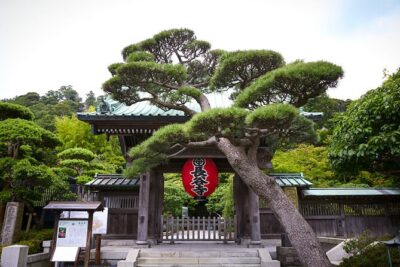
Private Car Tour to see Highlights of Kamakura, Enoshima, Yokohama from Tokyo
Read our review →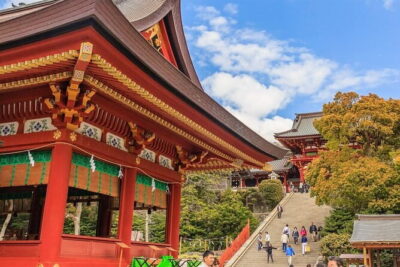
From Tokyo Kamakura, Hachimangu Shrine and Enoshima Full Day Tour
Read our review →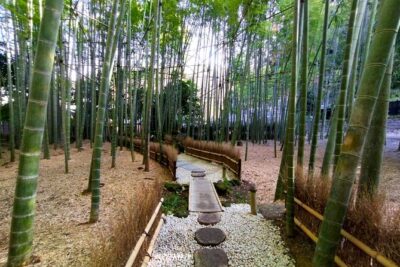
Day Trip to Kamakura & Enoshima: Shrines, Seaside, Temples & Tea
Read our review →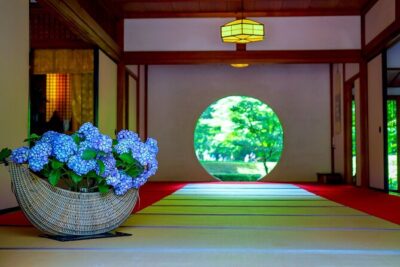
Private Kamakura plus Yokohama Tour – English Speaking Driver
Read our review →Browse the lists this tour appears in