
Reviewed · TOKYO SAKE TASTINGS
Japanese Sake Tasting and Masu Crafting Experience in Tokyo
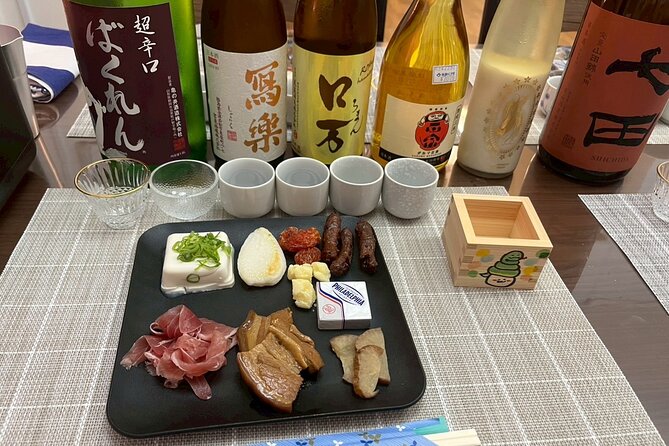
The most memorable part of this Tokyo experience is the side-by-side sake tasting. You try five to six varieties, including warm kanzake, and see how much the same drink can change with temperature. It is a useful lesson for anyone who thinks sake is simply hot or cold rice wine.
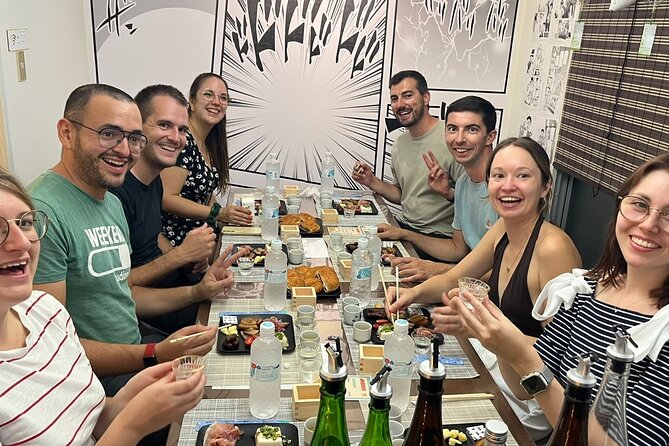
I like the small group of up to eight, which leaves room for questions and easy conversation. I also like the combination of tasting and making: after the drinks and snacks, you decorate a traditional wooden masu cup with Japanese brush pens and take it home.
The main consideration is the setting. This takes place in a cozy apartment-style room near Animate and Ikebukuro Station, not in a large brewery or formal restaurant. Vegetarians and vegans will need to plan around the fixed snack menu, though allergy-friendly options can be arranged in advance.
Key points at a glance
- Five to six sake varieties: Compare different aromas, flavors, and styles in one guided sitting.
- Warm kanzake included: Tasting sake heated as well as chilled or served at room temperature shows how temperature changes the drink.
- Japanese snack pairings: Small bites accompany the sake, including an unexpected curry bread pairing.
- Masu decorating activity: Use Japanese brush pens to create a wooden sake cup you can keep.
- English session near Ikebukuro: Meet at Manga Dojo Tokyo, a short walk from the station and close to Animate.
- Compact evening format: The experience starts at 6 pm, lasts about 90 minutes, and accepts no more than eight people.
Five sake styles in one small Tokyo room
I like tastings that give you a clear point of comparison. Here, you do not simply receive one cup of sake and a general explanation. You sample five to six kinds in succession, which makes differences in taste easier to notice.
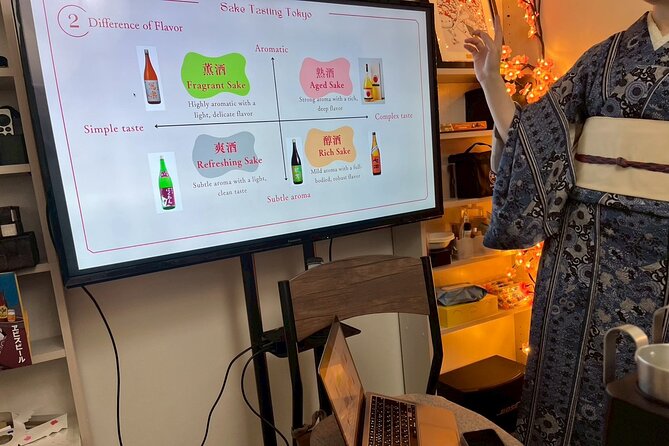
Your host begins with the basics: how sake is made, how to taste it, and why one style differs from another. The session also covers distinctions such as ginjo and daiginjo, terms that even some Japanese drinkers may know without fully understanding.
That makes this a good starting point if sake is new to you. You do not need a trained palate or a list of favorite breweries. The format gives you a simple way to ask what you are drinking and decide which styles suit you.
If you already drink sake, the value comes from comparison. You may find that a sake you would normally ignore becomes more appealing at a different temperature or with the right food.
More Tokyo sake tastings:
- Ramen and Sushi Cooking Class with Sake Pairing Set in Tokyo
★ 5.0 · 291 reviews - Sake Tasting Masterclass in Shinjuku (8+ Varieties with a Pro)
★ 5.0 · 271 reviews - Sake Omakase in Tokyo: Guided Tasting by Certified Sommeliers
★ 5.0 · 239 reviews
Why the warm sake tasting matters
The inclusion of hot sake is more useful than it may first sound. Heating can change the way aromas and flavors come forward, so kanzake gives you a chance to taste the same broad category of drink in a new form.
This also corrects a common shortcut about sake. Japanese sake is not only the hot drink served in a small restaurant carafe. The tasting presents a wider range of styles and temperatures, helping you understand why serving choices matter.
I would pay attention during this section, even if you are mainly there for the social side. It is the part most likely to help you order sake with confidence later in your trip.
The exact bottles and seasonal menu may vary. That is worth remembering if you arrive expecting a particular label or flavor profile. The experience is built around learning through a selection, not guaranteeing one fixed flight.
Snacks that make the tasting easier to understand
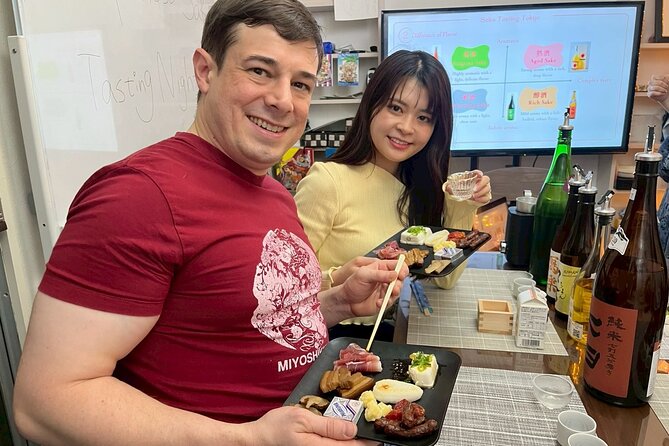
Small snacks are served throughout the session, and they are not merely something to nibble between drinks. They help show how sake works with food.
One especially unexpected pairing is curry bread with sake. That combination may sound odd before you try it, but an unusual match can be more instructive than a predictable one. It encourages you to notice whether the drink softens, sharpens, or balances the food.
The snacks also give the tasting a more relaxed rhythm. You can pause between pours, compare notes, and talk with the people around you instead of treating the session like a fast series of samples.
The limitation is clear: vegetarian and vegan options are not offered. If you have a food allergy, tell the operator ahead of time because allergy-friendly choices are available. The menu can change with the season, so do not expect an identical plate on every date.
Decorating a traditional masu cup
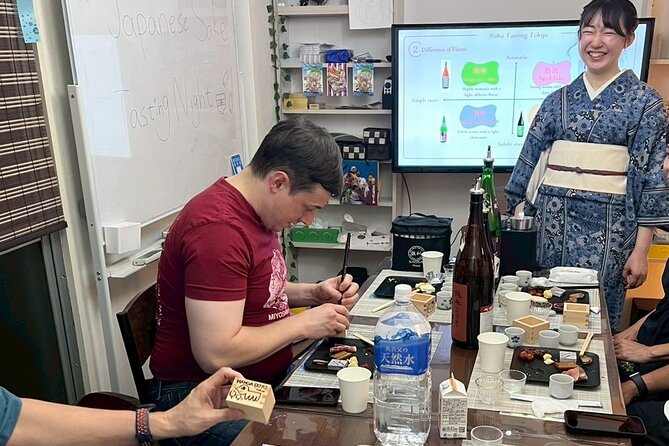
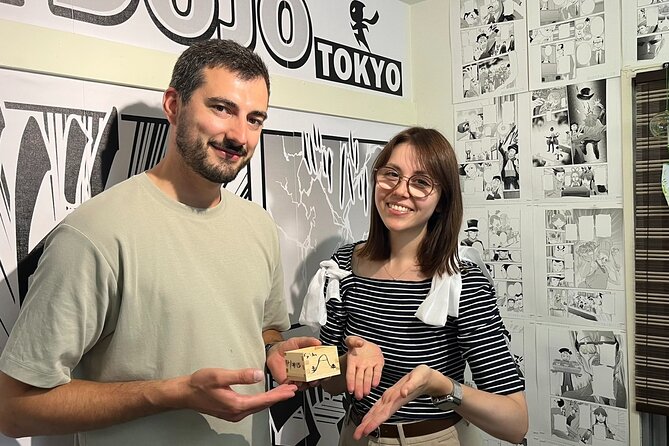
The second half adds a hands-on Japanese craft element. You decorate your own masu, the traditional wooden cup associated with sake, using Japanese brush pens.
This is a smart addition because it gives the evening a physical souvenir rather than leaving you with only a memory of the tasting. You make the cup during the session, then take it home as a keepsake.
You should not think of this as a formal calligraphy class unless that is specifically what you want. The activity is a creative follow-up to the sake tasting, and its appeal is that you can make something personal in a short time.
The brush pens also make the project approachable for beginners. You do not need to arrive with art supplies or a finished design. The manga connection at Manga Dojo Tokyo adds to the creative atmosphere, with manga-related displays and workshop activity in the room.
A completely different kind of day in Tokyo:
- Mt Fuji and Hakone 1-Day Bus Tour Return by Bullet Train
★ 5.0 · 26,383 reviews - 1-Day Tokyo Bus Tour
★ 5.0 · 14,250 reviews - Tokyo: teamLab Planets TOKYO Digital Art Museum Entry Ticket
★ 4.6 · 9,779 reviews - Mt Fuji & Hakone Cruise, Drum Show Bullet Train 1 Day from Tokyo
★ 4.0 · 7,413 reviews
Manga Dojo Tokyo and the Ikebukuro setting
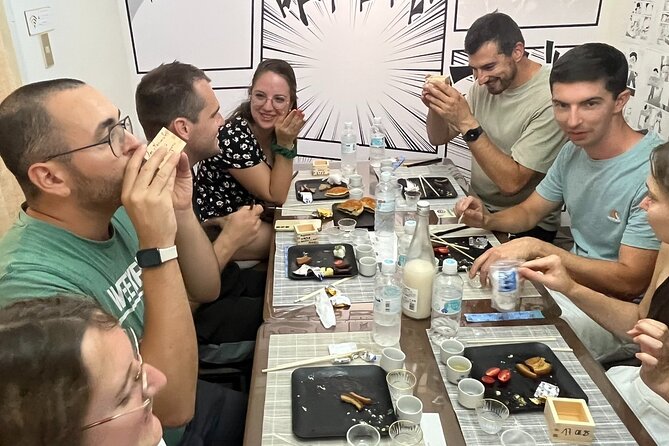
The meeting point is Manga Dojo Tokyo, at 170-0013 Tokyo, Toshima City, Higashiikebukuro 1-chome 31-6, Sansho Building 602. The venue is only a few minutes from Ikebukuro Station and close to Animate, making it easy to pair with an afternoon in the neighborhood.
The room has an apartment-style feel rather than the polished look of a hotel bar. I see that as part of the appeal if you want a more personal cultural exchange, but it may disappoint you if you are expecting a brewery tour, a grand sake cellar, or a formal restaurant setting.
The manga displays give the room its own character. The host, Aki-san, is also connected with manga workshops, so the evening combines two Japanese interests without turning the tasting into a stage show.
Because the activity takes place in one room, there is no walking route or brewery machinery to see. The focus is conversation, tasting, and making. That keeps the pace gentle and practical, especially after a full day of sightseeing.
What the 90-minute schedule feels like
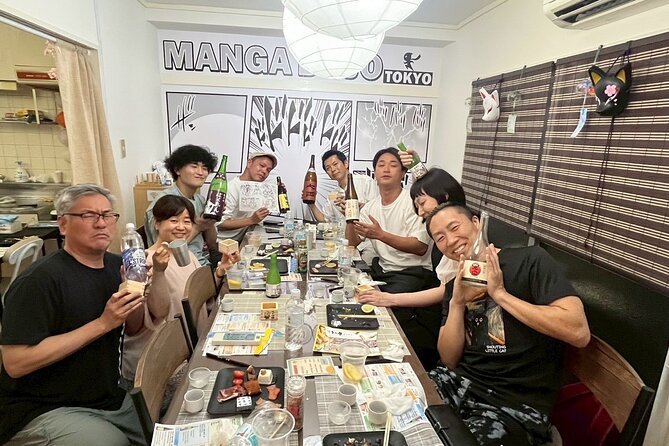
The experience begins at 6 pm and ends back at the meeting point after about an hour and a half. That timing works well as an early evening activity before dinner, though the sake and snacks may already make it part of your evening meal plan.
The opening explanation sets the groundwork. You learn what sake is, how production affects taste, and how to approach each sample. The teaching is designed for an English-speaking audience, so you can follow the discussion without relying on translation.
The tasting follows, with five to six varieties and at least one warm sample. Light snacks arrive alongside the drinks, giving you time to compare sake with food rather than rushing through the flight.
The masu decorating portion brings a change of pace. It lets you use your hands and talk with the group in a less formal way. The small size, capped at eight people, should make it easier to ask questions and meet others without the room feeling crowded.
The exact order of the craft and tasting may depend on the session. The key point is the balance: roughly half cultural lesson and half social, hands-on activity.
The value of $60 per person
At $60 per person, this is not the cheapest way to drink sake in Tokyo. You could buy a bottle or a few small pours for less, especially in a neighborhood izakaya.
The comparison is not quite fair, though. Here you are paying for five to six samples, instruction in English, snack pairings, a warm sake demonstration, a guided cultural discussion, and a decorated wooden cup to take home.
I consider the price reasonable if you want structure. A bar can offer better choice, but it may not explain the difference between styles or help you compare temperatures. A museum can provide cultural context, but it will not let you taste and make something.
The value also depends on how much you use the host. If you already know a great deal about sake and prefer to explore independently, the introductory explanation may feel basic. If you are curious but unsure where to start, the guided format saves you from guessing at labels and serving styles.
For a couple or a small group, the craft activity adds a shared memory without requiring a full-day commitment. For solo visitors, the limited group size and built-in conversation can make the evening easier than sitting alone at a bar.
Who will enjoy this sake experience
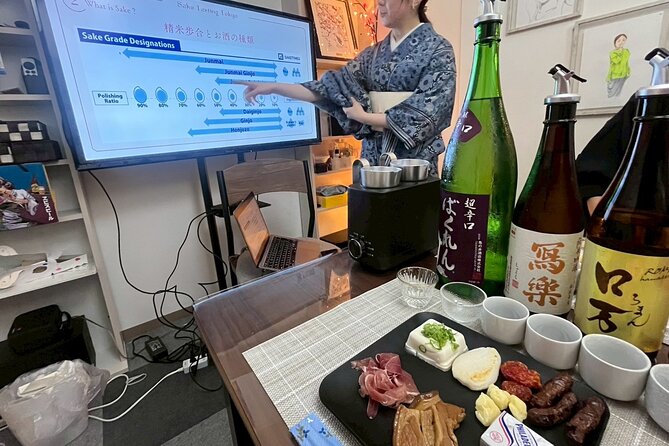
I would recommend this to adults who want a gentle introduction to Japanese sake rather than a technical seminar. Beginners can learn the basic vocabulary, while experienced drinkers can use the flight to compare styles and temperatures.
It suits solo participants, couples, and small groups. The format encourages conversation, and the reports of lively exchanges with other people fit the small-room setting.
The manga element may appeal to anyone already planning time around Ikebukuro’s anime and manga shops. You do not need to be a manga fan to enjoy the sake, but the venue has more personality if you like creative Japanese pop culture.
This is less suitable if you want a large food spread, a full meal, a brewery visit, or a quiet private tasting. The snacks are light, not dinner. The selection changes by season, and the menu does not support vegetarian or vegan diets.
Japanese law prohibits alcohol for anyone under 20. Everyone taking part in the drinking portion must meet that legal age.
Practical details before you book
The activity uses a mobile ticket, and confirmation is sent within 48 hours of booking, subject to availability. It is near public transportation, with the start at Manga Dojo Tokyo and the finish at the same place.
Give yourself time to find the building and room, especially if you are not familiar with Tokyo addresses. The meeting point includes the building and room number, so keep those details available on your phone.
Free cancellation is available up to 24 hours before the 6 pm start time. If you cancel or request changes within 24 hours, you will not receive a refund and changes will not be accepted.
Food allergies should be reported in advance. Do not rely on being able to change the snack menu after you arrive.
Should you book the Tokyo sake and masu experience?
I would book this if you want a compact evening that combines tasting, explanation, snacks, and a hands-on souvenir. The strongest reasons are the five to six sake comparisons, the warm kanzake, and the chance to see how food changes the drinking experience.
The $60 price makes sense when you value guidance and the decorated masu cup. It makes less sense if you only want inexpensive drinks or a full dinner.
Choose this for a friendly, creative introduction near Ikebukuro. Skip it if you need vegetarian or vegan food, dislike small apartment-style venues, or are looking for a brewery tour. For the right visitor, it offers a useful lesson in sake and a personal souvenir in just 90 minutes.
FAQ
Where does the sake tasting take place?
It takes place at Manga Dojo Tokyo in Sansho Building 602, 1-chome 31-6 Higashiikebukuro, Toshima City, Tokyo 170-0013.
What time does the experience start?
The session starts at 6 pm.
How long does the activity last?
The experience lasts approximately 1 hour and 30 minutes.
How many sake varieties will I taste?
You will sample five to six different sake varieties, including a warm sake.
Is the activity conducted in English?
Yes. The session is conducted in English.
Is food included?
Yes. Light snacks are served with the sake to create pairing examples. The menu may vary by season.
Are vegetarian or vegan options available?
No. Vegetarian and vegan options are not offered. Allergy-friendly options are available if you inform the operator in advance.
Can I take anything home?
Yes. You decorate a traditional wooden masu cup with Japanese brush pens and keep it as a souvenir.
Can I cancel for a full refund?
Yes, if you cancel at least 24 hours before the experience start time. Cancellations made less than 24 hours in advance are not refunded.
More Tokyo food tours
- Tokyo: Shinjuku Food Tour (13 Dishes at 4 Local Eateries)
★ 5.0 · 6,603 reviews - Tokyo Tsukiji Fish Market Food and Culture Walking Tour
★ 5.0 · 3,184 reviews - Tokyo: Shinjuku Food Tour (15 Dishes and 4 Eateries)
★ 4.9 · 2,033 reviews - Tokyo: Tsukiji Fish Market Food and Walking tour
★ 5.0 · 1,724 reviews
More Tokyo drink tastings and bars
- Tokyo Bar Hopping Tour in Shinjuku (All-You-Can-Drink + Dinner)
★ 5.0 · 3,587 reviews - Best of Shinjuku: Izakaya Food Tour (4 Stops, 14+ Tastings)
★ 5.0 · 1,863 reviews - Tokyo: Shinjuku Local Bar and Izakaya Guided Walking Tour
★ 4.9 · 1,794 reviews - Shibuya Meltdown Nightlife Tour: All-You-Can-Drink Bar Hopping
★ 5.0 · 1,058 reviews
Newly reviewed around Tokyo
- Tokyo Asakusa:Calligraphy & Make T-shirt Activity★ 5.0 · 62 reviews
- Intercity Shuttle, Tokyo to Haneda /Narita /Yokohama /Makuhari★ 5.0 · 5 reviews
- 1 Hour Travel around Tokyo with a Professional Photographer★ 5.0 · 3 reviews
- Travel Tokyo with Your Own Personal Photographer★ 5.0 · 43 reviews
- Train in Samurai Swordsmanship and Defeat the Demon in Tokyo★ 5.0 · 5 reviews
- Shuttle Van 6hr Tokyo Tour to-and-from Tokyo, Yokohama and Narita★ 5.0 · 9 reviews
- Kickboxing & Body Training with EX-Pro Fighter★ 5.0 · 4 reviews
- Traditional Japanese Knife Sharpening Class★ 5.0 · 18 reviews
Tokyo Sake Tastings, compared.
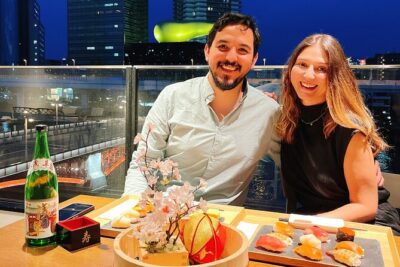
Ramen and Sushi Cooking Class with Sake Pairing Set in Tokyo
Read our review →
Sake Tasting Masterclass in Shinjuku (8+ Varieties with a Pro)
Read our review →
Sake Omakase in Tokyo: Guided Tasting by Certified Sommeliers
Read our review →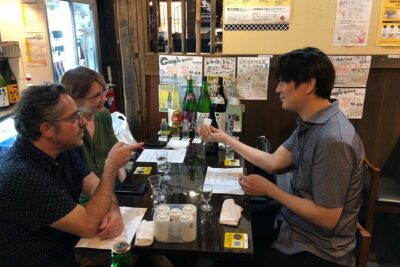
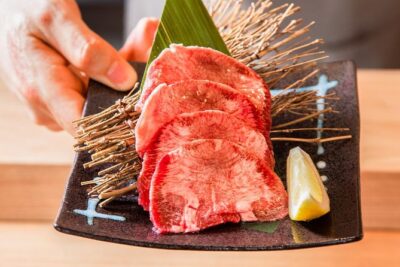
Wagyu & Sake Pairing in Shinjuku – Steak, Shabu-Shabu & More
Read our review →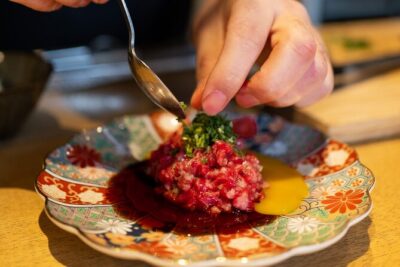
Tokyo Wagyu & Sake Pairing Tasting Experience with Local Flavors
Read our review →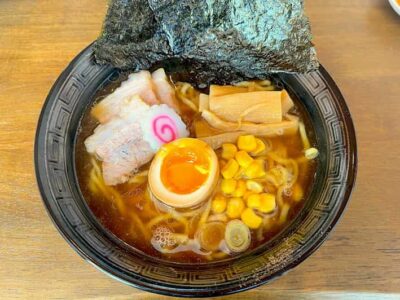
Sushi and Ramen Cooking Class with Sake Pairing Set
Read our review →
Tsukiji: Outer Market Walking Tour & Sake Tasting Experience
Read our review →Browse the lists this tour appears in