
Reviewed · TOKYO COOKING CLASSES
Japanese Food Cooking Class in Asakusa, Tokyo
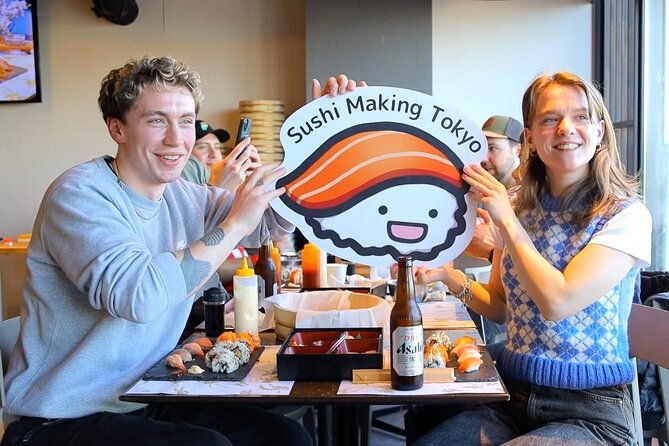
Rolling sushi is a fine way to spend part of a Tokyo day, but this class adds a second Japanese ritual: whisking matcha. Near Sensoji Temple in Asakusa, you learn to prepare sushi with fresh ingredients, then make and eat your own maki and nigiri.
I like the English-speaking instruction and the friendly, patient teaching style associated with instructors such as Jun and Kazu. I also like the easy location and the mix of food and culture in one stop. The main consideration is the pace: with matcha and sushi together, the class uses nearly three hours, and the listed price of $85.87 is for a group size of up to one.
Key points to know before booking
- Two Japanese food traditions in one class: You learn traditional matcha whisking as well as sushi preparation.
- Near Sensoji Temple: The meeting point is a short walk from one of Asakusa’s best-known sights.
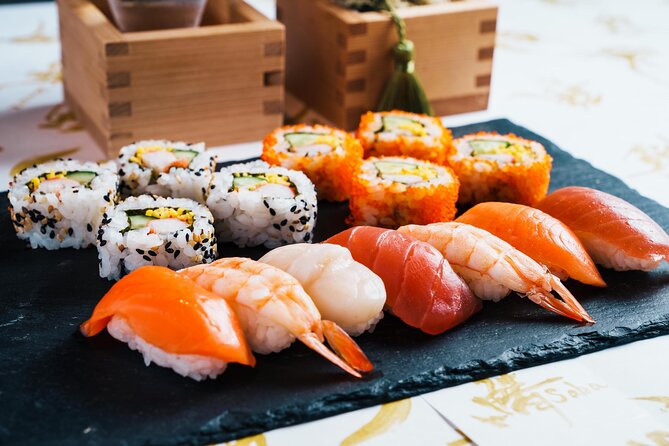
- Maki and nigiri are both covered: You are not limited to one simple sushi style.
- Patient, lively instruction: Jun and Kazu are among the named instructors praised for clear, friendly guidance.
- A good family activity: Children as young as seven have taken part with their families.
- About three hours total: The matcha portion takes one hour, followed by about one hour and 40 minutes of sushi making.
Matcha and sushi make a better pair than you might expect
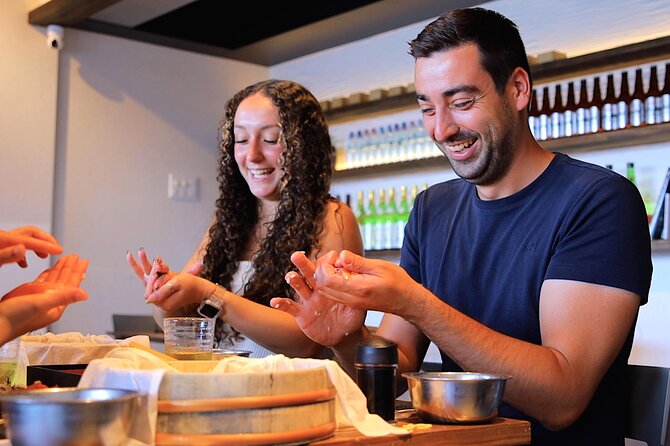
This experience works because it gives you two different ways to approach Japanese food. Matcha is quiet and careful. Sushi is more hands-on and social. You move from whisking powdered tea to shaping rice, adding fillings, and preparing pieces you can eat at the end.
I like that the class does not treat sushi as a mystery reserved for restaurant professionals. The instruction is designed for beginners, with each stage explained in English. You do not need previous cooking experience, and the teaching style is meant to help you finish with food that looks and tastes good.
The class also gives you something more useful than a meal alone. You learn the basic process behind sushi and get some context about its history. That can change how you look at a sushi menu later in your trip. You may still leave the delicate restaurant work to a chef, but you will understand more about the care behind maki and nigiri.
There is one practical limit. The activity is sold as roughly three hours, and the scheduled parts add up to about two hours and 40 minutes. Add arrival and transitions, and this is not a quick stop between two Asakusa sights. Plan it as a main part of your afternoon or morning.
More Asakusa and Sensoji tours:
- Tokyo: Japanese Dance Cabaret Theater Asakusa-Kaguwa Ticket
★ 4.8 · 2,270 reviews - Tokyo: Meiji Shrine, Asakusa, Skytree Bus Tour and Cruise
★ 4.7 · 1,986 reviews - Tokyo: Roll and Authentic Sushi Making Class in Asakusa
★ 4.9 · 1,957 reviews
A convenient Asakusa base near Sensoji Temple
The class begins at 2-chōme-17-9 Kaminarimon, Taito City, Tokyo 111-0034. It is only a few minutes from Sensoji Temple, making it easy to pair the activity with Asakusa’s temple district.
That setting matters. Asakusa is one of the most traditional-feeling areas in central Tokyo, so the class fits naturally into a day spent seeing old temple grounds, shopping streets, and local food stops. You can visit Sensoji before or after class, but allow enough time to find the meeting point without rushing.
The activity ends back at the same meeting point. There is no hotel pickup or drop-off, so you handle your own route to and from the class. The location is near public transportation, which keeps the logistics simple, especially if you are using Asakusa as one stop on a larger Tokyo itinerary.
I would avoid booking this immediately after a timed attraction on the other side of the city. Tokyo trains are efficient, but transfers and crowded station passages can eat up time. Arrive with a little breathing room so you can begin the class relaxed and ready to work with food.
The one-hour matcha session
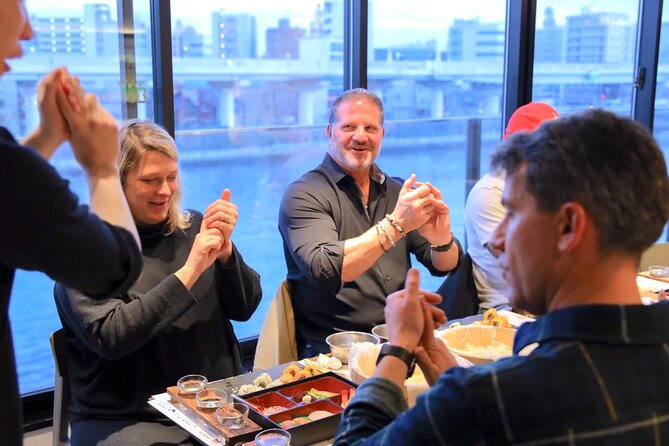
The first part lasts about one hour and focuses on matcha making. You learn how to whisk matcha in the traditional way, with an English-speaking instructor guiding you through the process.
This is a useful introduction because matcha preparation is not simply a matter of stirring powder into hot water. The act of whisking is part of the experience, and the class gives you time to learn the basic method rather than only watching someone else do it.
The matcha portion also gives the class a calmer opening. You are not thrown straight into a busy kitchen task. Instead, you begin with a focused cultural activity, then move into the more active sushi session.
The available information does not specify the matcha equipment, tea grade, serving size, or whether sweets are included. I would therefore book this for the chance to learn the preparation method, not for a full tea ceremony or a formal study of Japanese tea culture. The advertised activity is a matcha-making class, and that is the right expectation.
If you are traveling with children, this part may require more patience than the sushi work. The activity welcomes families, and children have taken part successfully, but matcha preparation involves careful attention and a slower rhythm. Younger children may enjoy the whisking most when an adult helps them follow each step.
The one-hour-and-40-minute sushi session
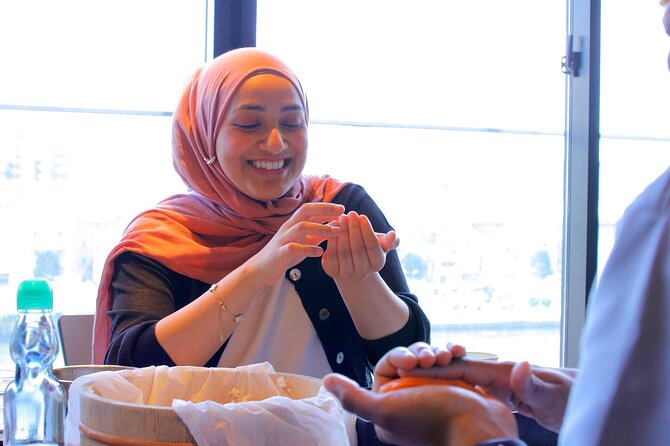
The second portion is the larger part of the class, lasting about one hour and 40 minutes. You work with supplied ingredients and learn how to make both maki rolls and nigiri.
That combination is important. Maki teaches you how to arrange ingredients and roll sushi, while nigiri introduces a different shape and handling method. You get a broader introduction than you would from a class focused only on rolled sushi.
The instruction is step by step. That makes a real difference for first-time cooks. Sushi rice can be awkward to handle, and rolling a neat piece takes some practice. A patient teacher can show you how to work through the process without turning the class into a test.
Jun is praised for explaining how to make sushi rolls and nigiri in a patient, clear way. Kazu is also associated with step-by-step family instruction. The teaching team is described as friendly and funny, which should help keep the atmosphere relaxed when your first roll is less than perfect.
You also learn something about the history of sushi during the session. The history component is not presented as a long lecture, but it adds useful context to the practical work. I like that balance. You learn enough to understand what you are making, then return to the hands-on task.
At the end, the ingredients become your meal. You eat the sushi you prepare rather than simply taking part in a demonstration. That gives the class a clear payoff, especially for children who may be more excited to eat their own maki and nigiri than to hear a long explanation.
The exact menu and ingredient choices are not provided, so I would not book this expecting a specific fish, vegetarian selection, or special dietary menu unless you confirm those details before paying. The class includes the cooking ingredients and meal, but the available details do not list substitutions or allergy arrangements.
More Tokyo cooking classes:
- Tokyo Shinjuku Chopsticks Making Class
★ 5.0 · 1,763 reviews - Tokyo: Sushi Making Class in a Happi Coat near a Famous Spot
★ 4.9 · 1,377 reviews - Tokyo Sushi Making Class in Tsukiji with Professional Chef
★ 5.0 · 1,177 reviews - Ramen & Gyoza Cooking Class in Tokyo with Local Supermarket Visit
★ 5.0 · 823 reviews
Why the teaching style matters
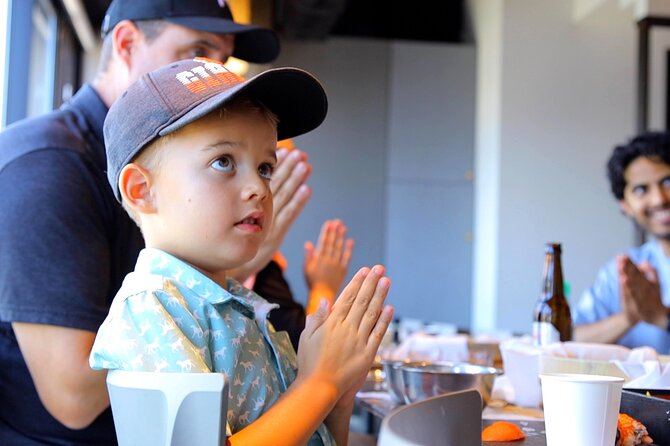
Cooking classes can be enjoyable or frustrating depending on the instructor. Here, the strongest feature is the teaching approach: friendly, patient, and practical.
I would choose this kind of class over a formal demonstration if I wanted to leave with a skill I could try again. The instructors guide you through each part and help you finish the process. That is especially useful for solo participants, families, and anyone who feels unsure about working with sushi rice.
The class is conducted in English, so you can ask questions and follow explanations without needing Japanese. The group can include up to 15 people. That is small enough for a social setting, though it is not a private lesson. If you want constant one-on-one coaching, a group of this size may feel less personal.
The named instructors add a helpful human detail. Jun is praised for patience and clear teaching, while Kazu receives particular praise for working well with children. Staff are also described as friendly and funny, so you can expect a warm class rather than a stiff cooking demonstration.
No experience is required. That does not mean every piece will look restaurant-perfect, of course. The point is to learn the basic methods, enjoy the process, and eat the results.
Family appeal, solo value, and group size
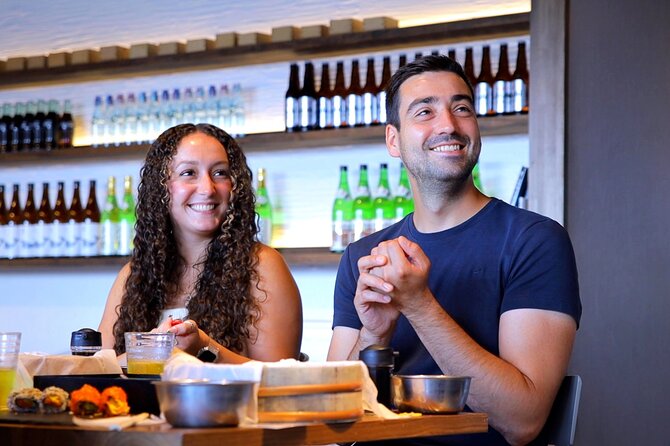
This is one of the more flexible food activities in Asakusa. A family with children can share the work, friends can make an afternoon of it, and a solo participant can join a small social group without needing to organize a private booking.
The family angle is particularly strong. Children aged seven and nine have taken part in a family of four and enjoyed both making and eating the sushi. That gives you a useful guide if you are planning a Tokyo day with children who need more than sightseeing.
For adults, the class offers a break from walking and temple visits. Asakusa can fill a day with visual sights, but a cooking class gives you something active to do. You are not only looking at Japanese culture from the outside. You are handling ingredients, learning a method, and sitting down to eat.
For solo visitors, the advertised price is $85.87 per group of up to one. Read that pricing carefully when booking, since the stated capacity means the listed amount applies to an individual booking rather than a larger party. If you are booking for several people, check the total before confirming.
The maximum group size is 15. That is worth considering when comparing this class with private cooking experiences. A group of 15 can bring more energy and conversation, but the experience will not have the same personal attention as a private session.
Is $85.87 a fair price?
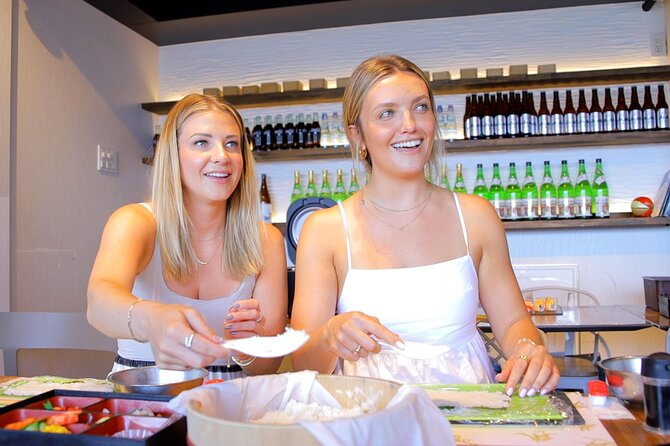
At $85.87 for a solo booking, the value depends on how you use the time. You are getting approximately three hours of instruction, the matcha activity, the sushi lesson, the ingredients, and the meal you prepare. You also get an English-speaking instructor and a central Asakusa location.
I consider that a reasonable price if you want more than a simple meal. The class combines two activities that would otherwise require separate planning, and it gives you direct instruction rather than a short food tasting.
The value is strongest for people who enjoy participating. If you only want to eat sushi, a restaurant will be easier and likely less expensive. If you want a polished tea ceremony, this may not be the right format. But if you want to learn basic sushi making, try traditional matcha whisking, and spend a relaxed half-day near Sensoji, the price makes more sense.
Remember that hotel transportation is not included. You also need to arrange your own route to the meeting point. Those are small costs in Tokyo, but they belong in your day-planning calculation.
Practical planning for the class
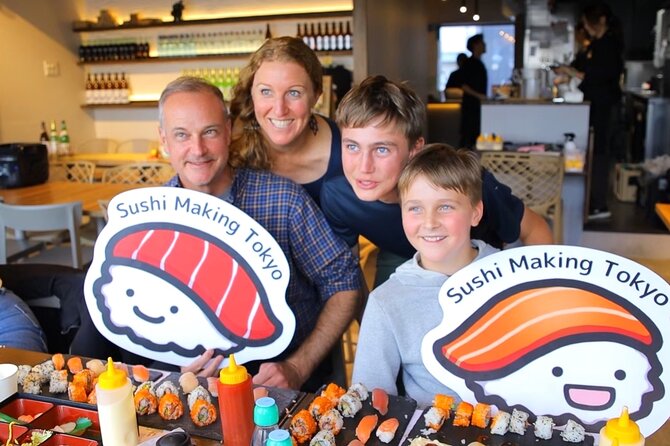
Confirmation is sent within 48 hours of booking, subject to availability. I would avoid leaving this until the last minute if your Tokyo schedule is tight, especially during a busy travel period.
The activity offers free cancellation if you cancel at least 24 hours before the start time. Cancellations or changes made less than 24 hours in advance are not refunded or accepted. Tokyo plans can shift quickly, so choose a time you can realistically keep.
Most people can participate, and the class is near public transportation. The available information does not provide detailed guidance about wheelchair access, specific food allergies, or dietary restrictions. If any of those details affect your booking, ask the provider before making a reservation.
Wear something comfortable for a hands-on food activity. The class is not described as a formal dining event, so you should think of it as a practical lesson followed by a meal.
Who should book this Asakusa cooking class?
I would recommend it most strongly to first-time sushi makers, families with school-age children, and visitors who want a cultural activity that does not require advanced knowledge.
It also suits you if you are staying near Asakusa or already planning to visit Sensoji Temple. The location lets you connect the class with one of Tokyo’s major traditional districts without spending much time crossing the city.
You may want to skip it if your schedule is packed with timed attractions, if you want a private lesson, or if you need a strictly defined menu for dietary reasons. The class has a maximum of 15 people, and the ingredient details are not listed in advance.
The strongest reasons to choose it are clear instruction, a friendly atmosphere, and the mix of matcha, maki, and nigiri. The most useful tip is simple: reserve enough time, arrive at the Kaminarimon meeting point with a little margin, and treat the class as the main event rather than a quick add-on.
Should you book it?
Yes, if you want to do more than photograph Japanese food. This class gives you a practical introduction to sushi making and traditional matcha preparation in a convenient Asakusa location. The patient teaching associated with Jun and Kazu makes it a good choice for beginners and families, and the finished sushi becomes your meal.
I would pass if you are looking for a private culinary lesson, a formal tea ceremony, or a menu tailored to a particular diet. For everyone else, the combination of hands-on work, English guidance, and time near Sensoji makes this a useful and enjoyable addition to a Tokyo itinerary.
FAQ
Where does the Japanese food cooking class meet?
The class begins at 2-chōme-17-9 Kaminarimon, Taito City, Tokyo 111-0034, Japan.
Where does the activity end?
The activity ends back at the same meeting point.
How long does the class last?
The experience lasts approximately three hours. The matcha session takes about one hour, and the sushi session takes about one hour and 40 minutes.
What activities are included?
You take part in a matcha-making class and a sushi-making class. The sushi portion includes instruction for maki rolls and nigiri.
Is an English-speaking instructor provided?
Yes. The class includes an English-speaking instructor who guides you through the activities step by step.
Do I need previous cooking experience?
No. The activity is designed so that people without cooking experience can participate.
Are ingredients and the meal included?
Yes. The cooking ingredients and the meal are included in the activity.
Is hotel transportation included?
No. Hotel pickup and drop-off are not included. The class is near public transportation, and you meet and finish at the stated Asakusa address.
More hands-on classes and workshops in Tokyo
- Sushi Making Tokyo Roll and Authentic Japanese Sushi Class
★ 5.0 · 3,971 reviews - Chopstick Making Workshop in Ginza
★ 4.8 · 1,366 reviews - Matcha Making Class in Tokyo with Authentic Japanese Sweets Set
★ 5.0 · 744 reviews - Tokyo: Samurai Sword & Archery Class from Samurai Descendant
★ 5.0 · 603 reviews
More Tokyo food tours
- Tokyo: Shinjuku Food Tour (13 Dishes at 4 Local Eateries)
★ 5.0 · 6,603 reviews - Tokyo Tsukiji Fish Market Food and Culture Walking Tour
★ 5.0 · 3,184 reviews - Tokyo: Shinjuku Food Tour (15 Dishes and 4 Eateries)
★ 4.9 · 2,033 reviews - Best of Shinjuku: Izakaya Food Tour (4 Stops, 14+ Tastings)
★ 5.0 · 1,863 reviews
Newly reviewed around Tokyo
- Tokyo Asakusa:Calligraphy & Make T-shirt Activity★ 5.0 · 62 reviews
- Intercity Shuttle, Tokyo to Haneda /Narita /Yokohama /Makuhari★ 5.0 · 5 reviews
- 1 Hour Travel around Tokyo with a Professional Photographer★ 5.0 · 3 reviews
- Travel Tokyo with Your Own Personal Photographer★ 5.0 · 43 reviews
- Train in Samurai Swordsmanship and Defeat the Demon in Tokyo★ 5.0 · 5 reviews
- Shuttle Van 6hr Tokyo Tour to-and-from Tokyo, Yokohama and Narita★ 5.0 · 9 reviews
- Kickboxing & Body Training with EX-Pro Fighter★ 5.0 · 4 reviews
- Tokyo History: Sensoji Temple & Asakusa District Private Tour★ 5.0 · 28 reviews
Tokyo Cooking Classes, compared.
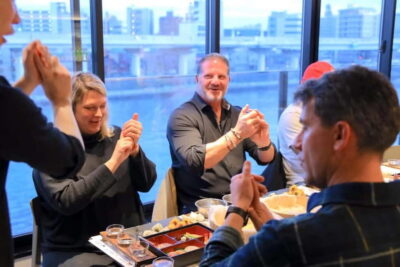
Roll and Authentic Sushi Making Class in Asakusa
Read our review →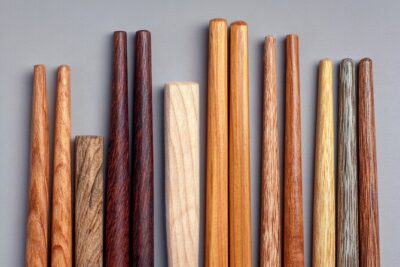
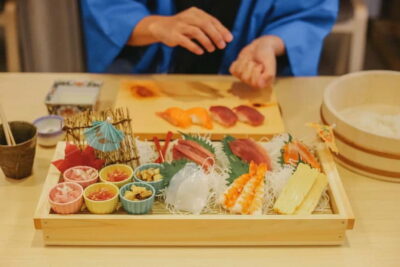
Sushi Making Class in a Happi Coat near a Famous Spot
Read our review →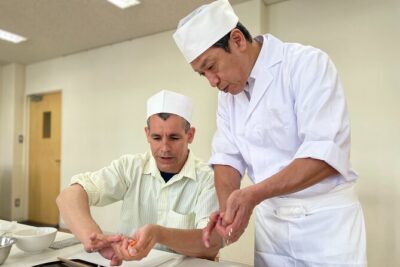
Tokyo Sushi Making Class in Tsukiji with Professional Chef
Read our review →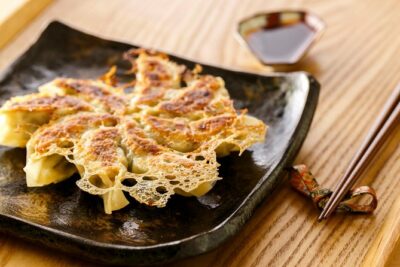
Ramen & Gyoza Cooking Class in Tokyo with Local Supermarket Visit
Read our review →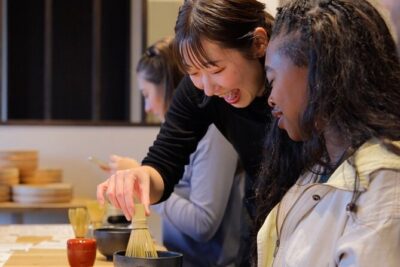
Matcha Making Class in Tokyo with Authentic Japanese Sweets Set
Read our review →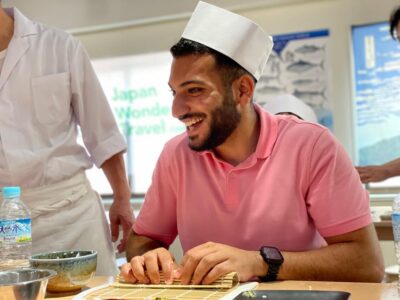
Tsukiji Fish Market Sushi Making Class with Pro Chef
Read our review →
Browse the lists this tour appears in