
Reviewed · TOKYO TRADITIONAL CRAFT WORKSHOPS
IKEBANA experience
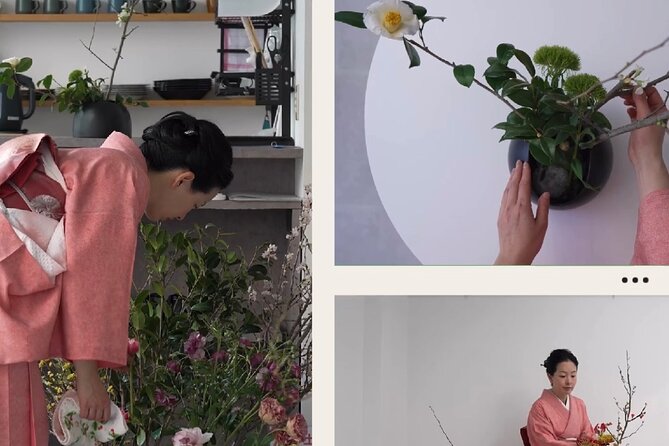
Ikebana is not simply flower arranging. In Hiromi’s class, you learn how a few stems, a clean cut, and an open space can create a balanced display. The lesson takes place in a private Tokyo home, with a Japanese-style room and garden adding a real sense of place.
I especially like the one-to-one attention and the gentle pace. Hiromi demonstrates first, then lets you make your own arrangement before offering thoughtful corrections. The matcha and Japanese sweets in a tatami room are another lovely touch. The main consideration is the price: at $115.31 per person, this is a special-interest experience rather than a cheap activity.
Key points to know
- Learn in English with Hiromi, who explains the art clearly and patiently.
- Make your own arrangement, rather than watching a demonstration from the sidelines.
- See a traditional Japanese home, including a Japanese-style room and garden.
- Finish with matcha and wagashi, if time allows.
- Choose your own level, from basic instruction to a more free-form arrangement.
- Plan about 90 minutes, with the class beginning and ending near Toritsu-daigaku Station.
Why this Tokyo ikebana class feels personal
Many cultural activities in Tokyo take place in formal halls or busy commercial venues. This one brings you into Hiromi’s home studio, where the setting is part of the lesson. You see a Japanese-style room, a tatami space, and a colorful garden rather than a generic classroom.
That setting matters. Ikebana is closely tied to quiet attention, seasonal materials, and the shape of natural growth. Working in a home makes the activity feel less like a performance and more like a visit with a teacher who wants you to understand the craft.
The class is private, so only your group takes part. That gives you room to ask questions without worrying about slowing down a larger class. You can ask about ikebana, tea ceremony, Tokyo, or Japanese customs. Hiromi teaches in English, and the available feedback points to clear explanations and fluent conversation.
You should still keep your expectations sensible. This is a short introductory lesson, not professional training in every ikebana school or technique. You leave with a first arrangement and a useful foundation, not a complete formal education in the art.
More Tokyo craft workshops:
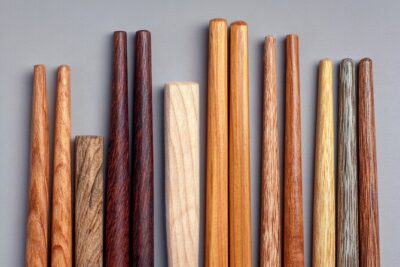
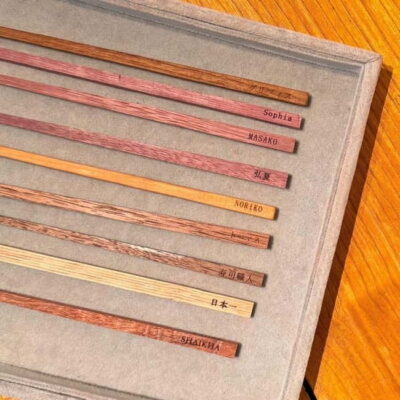
- Tokyo Shinjuku Chopsticks Making Class
★ 5.0 · 1,763 reviews - Chopstick Making Workshop in Ginza
★ 4.8 · 1,366 reviews - Kintsugi Experience: Art of Golden Joinery in Tokyo
★ 5.0 · 467 reviews
Meeting Hiromi near Toritsu-daigaku Station
The meeting point is at Toritsu-daigaku Station, at 1-chōme-5-1 Nakane in Meguro City. The activity returns to the same meeting point when it ends. Since the class is held in a private home, follow the meeting instructions carefully and allow enough time to find the correct spot.
The location gives you a look at a quieter residential side of Tokyo. That is part of the appeal. You are not being moved between major sights, and there is no long bus ride or large tour group to manage. The focus stays on the class and the home setting.
One useful detail is that Hiromi has met a participant at the station and walked to the class. That help can be welcome, especially if you are visiting Tokyo for the first time or carrying bags. Do not assume every booking includes a station escort, though. Confirm the meeting details before you go.
The activity is near public transportation, and most people can participate. The supplied information does not give detailed accessibility notes, so ask ahead if you have mobility needs or require a specific arrangement.
The opening: ikebana explained through demonstration
Hiromi begins by introducing the basic ideas of ikebana. The lesson can suit someone starting from zero, and you can also ask to work from the textbook or try a style that interests you.
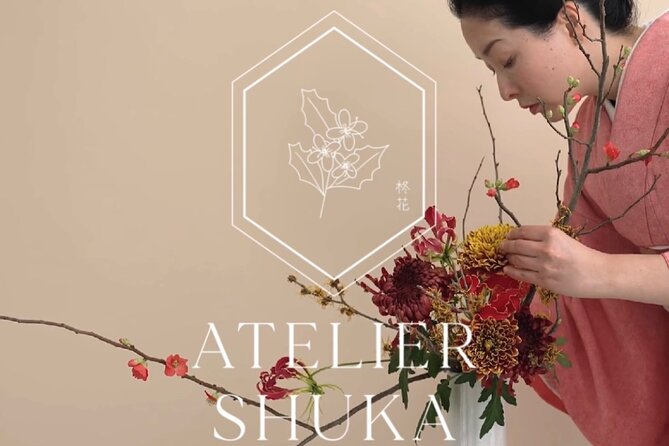
The teaching method is sensible. First, Hiromi makes a sample arrangement while referring to the textbook. You can watch how she handles the flowers, where she cuts the stems, and how she thinks about shape and line. This is far more useful than being handed flowers and told to copy a finished display.
Ikebana uses space as carefully as it uses flowers. You will not necessarily fill a container with a large mass of blooms. The arrangement may use relatively few flowers, with attention given to the direction of each stem, the height of the lines, and the open areas around them.
That makes the class approachable. You do not need to arrive with a design background or a perfect sense of proportion. You learn by seeing the process, then trying it yourself. The pace also leaves room for questions, which is important when the principles are unfamiliar.
The textbook provides structure, but the class is not described as rigid. If you want to learn the basics, Hiromi can guide you through them. If you want to create more freely, she can also help you use your own ideas.
Your arrangement: guidance without taking over
After the demonstration, you make your own ikebana arrangement. This is the heart of the experience. You are not just watching a teacher work, and you are not expected to produce a perfect piece without help.
Hiromi comments on your work and revises it when needed. The balance is appealing: she corrects practical mistakes while leaving room for your own choices. One especially useful part of the lesson is that she allows you to express your creativity rather than forcing every arrangement into one exact pattern.
You can expect instruction on how to cut the flowers properly and place them in the container. The process is hands-on, but not rushed. At the end, you can take a photo of your arrangement, which gives you a record of your first attempt and a reference for future practice.
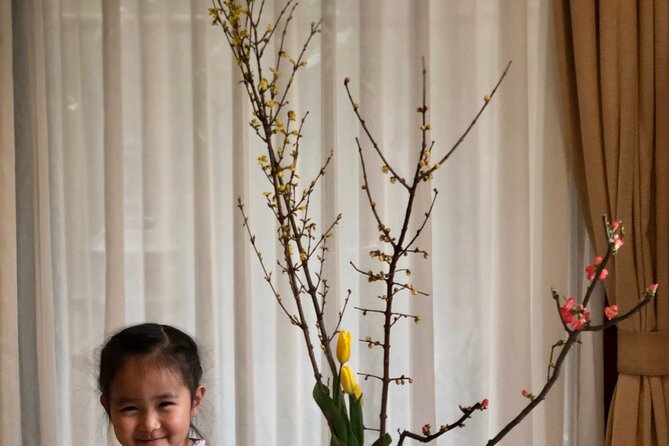
The personal format works well for couples, families, and solo visitors. A parent and child can work at different speeds. A couple can compare arrangements without being separated into a large group. Even a young child has taken part in a freestyle version of the activity, though parents should decide what is suitable for their own child.
For a first lesson, the short format is a strength. You get a clear introduction without giving up half a day of sightseeing. The limitation is that 90 minutes passes quickly. If you want extended practice, detailed work with several styles, or a long conversation about ikebana schools, you may need a longer or follow-up class.
A completely different kind of day in Tokyo:
- Mt Fuji and Hakone 1-Day Bus Tour Return by Bullet Train
★ 5.0 · 26,383 reviews - 1-Day Tokyo Bus Tour
★ 5.0 · 14,250 reviews - Tokyo: teamLab Planets TOKYO Digital Art Museum Entry Ticket
★ 4.6 · 9,779 reviews - Mt Fuji & Hakone Cruise, Drum Show Bullet Train 1 Day from Tokyo
★ 4.0 · 7,413 reviews
Matcha, wagashi, and the tatami room
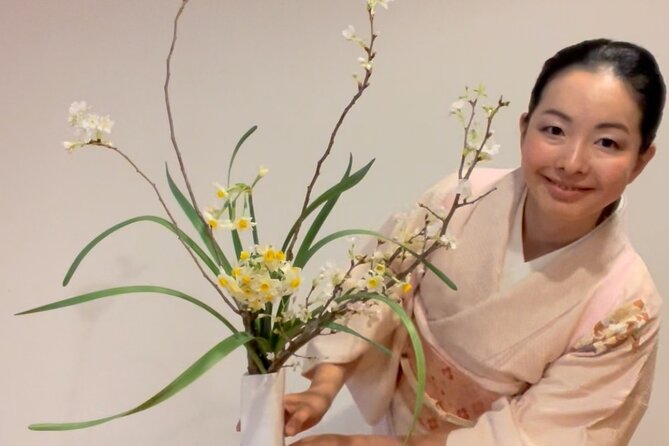
If time allows after the flower lesson, Hiromi serves matcha and Japanese sweets, known as wagashi. This is not a full tea ceremony, but it adds a graceful finish to the class.
You may also learn how to make basic tea if you are interested in tea ceremony. Ask about this early in the lesson, since the tea portion depends on available time. The activity is primarily an ikebana class, so tea instruction should be treated as an additional feature rather than the main event.
The setting makes the tea break special. You sit in an original tatami room, surrounded by the details of a Japanese home rather than a café designed for tourists. Matcha can taste grassy and strong if you are new to it, while wagashi gives you a small sweet contrast. Together, they slow the pace after the hands-on work.
I like this ending because it gives you time to talk. You can ask Hiromi about Tokyo, Japanese culture, flowers, or ways to continue ikebana at home. The class does not end the instant you finish cutting the last stem.
Do not count on a long tea ceremony demonstration, a full meal, or a large selection of sweets. The information promises matcha and a sweet treat if there is time. The value is in the quiet cultural setting and conversation, not quantity.
What the $115.31 price really buys
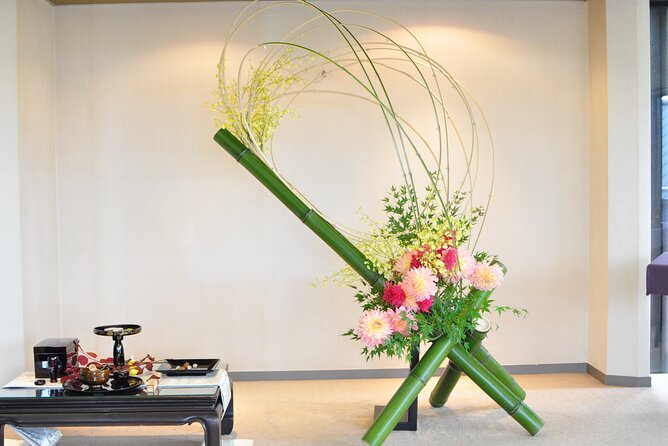
At $115.31 per person, the class is expensive compared with a casual craft workshop. The price makes more sense if you value private instruction, an English-speaking teacher, and access to a real Japanese home.
You are paying for more than flowers and a container. The fee includes Hiromi’s demonstration, personal corrections, time for your own arrangement, and the chance to ask questions in a private setting. Matcha and wagashi may be included when the schedule permits. The class also gives you a finished arrangement to photograph and ideas you can use at home.
The private format is the biggest value point. A low-cost group class might offer a similar introduction, but you could spend much of the lesson watching other people. Here, Hiromi can adjust her explanations to your level and interests.
The cost is harder to justify if you only want a quick photo or a broad overview of Japanese culture. If your itinerary is already full of hands-on activities, you may prefer a less expensive option. This class suits you best when you specifically want ikebana and appreciate a calm, personal setting.
The experience is booked an average of 28 days in advance, so plan ahead if you have fixed Tokyo dates. A private class may have limited availability, and leaving it until the last day could make scheduling difficult.
Who should book this experience
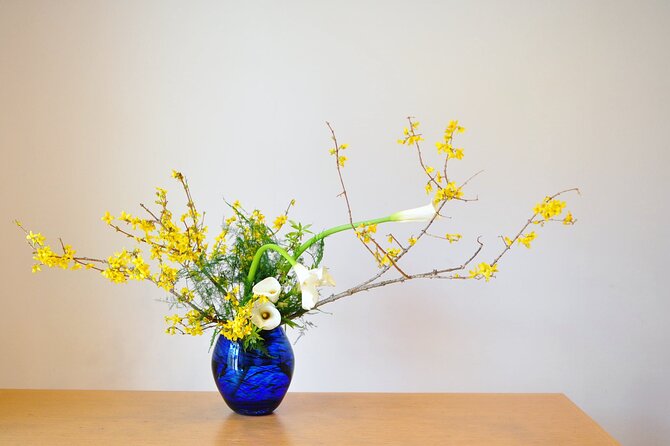
I would recommend this class to first-time ikebana students, couples, solo visitors, and families looking for a quiet activity. It is also a good choice if you want to meet a local teacher and see an ordinary residential part of Tokyo instead of spending every hour among major attractions.
It suits people who enjoy making something with their hands. You need not be artistic, but you should be willing to participate. The best part is not simply receiving a finished flower display. It is learning why the arrangement looks balanced and making choices yourself.
The class also works well for visitors who want a softer pace. Tokyo can be loud, crowded, and demanding. Ninety minutes of focused work with flowers offers a useful change of rhythm. You leave with a memory tied to a skill, not just another photograph of a famous building.
Families should note that children have enjoyed the activity, including a three-year-old in a freestyle class. Still, the class involves flowers, cutting, and concentration, so parents should stay involved. The private format helps because Hiromi can respond to the group rather than follow a fixed public schedule.
You might skip it if you want a large-scale tea ceremony, an advanced ikebana certificate, or a full-day cultural program. You might also skip it if the price feels high for a short class and you have little interest in continuing the craft afterward.
Practical details for a smooth visit
The experience lasts about one hour and 30 minutes. It starts and ends near Toritsu-daigaku Station, and mobile ticketing is available. Confirmation is received when you book, which is useful for an activity held at a private residence.
Wear something comfortable enough for sitting and working with flowers. The supplied information does not set a dress code, so you do not need formal clothing. Still, a neat, practical outfit makes sense for a home visit and a hands-on class.
Allow a little extra time for the meeting point. Residential Tokyo addresses can be easy to miss, and the activity does not begin at a major landmark. Keep your phone charged so you can access the mobile ticket and meeting information.
The class requires good weather, and poor weather can lead to a new date or a full refund. It also requires a minimum number of participants, so cancellation for that reason brings the same choice of another date, another experience, or a full refund.
You can cancel for a full refund up to 24 hours before the start time. Changes or cancellations inside that 24-hour period are not accepted for a refund. The cut-off follows Tokyo local time, so check the clock carefully if you are booking from another country.
How to continue ikebana after Tokyo
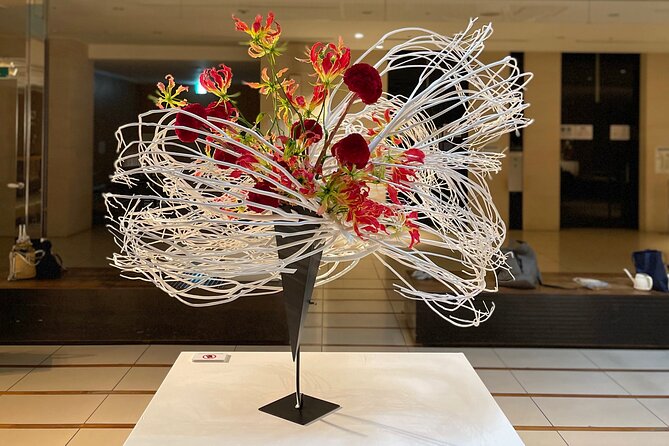
One of the nicest features of this class is that you can continue the practice after you leave. You learn to look at line, space, and balance, not just follow a single recipe. That means you can apply the ideas to flowers available at home.
Supplies have been available for purchase, allowing students to keep making arrangements after returning home. Ask Hiromi about this during the class if you want to continue. The available information also notes that she teaches online classes, which may help if you want further guidance later.
Do not expect to recreate every Tokyo arrangement with supermarket flowers and no tools. Different flowers behave differently, and ikebana containers and supports can affect the result. Still, the lesson gives you a starting point and a way to look at flowers with more attention.
Take a clear photo of your finished piece before you leave. If you want to practice later, photograph the arrangement from several angles and note how the stems were cut. These simple records can help you remember the structure once the flowers are gone.
Should you book Hiromi’s ikebana class?
Book it if you want a private, English-language introduction to ikebana in a real Tokyo home. The strongest reasons are Hiromi’s patient teaching, the chance to make your own arrangement, and the relaxed finish with matcha and wagashi in a tatami room.
The $115.31 price is fair for personal instruction and a small cultural experience, but it is not a bargain activity. I would choose it for a meaningful break from sightseeing, especially if you enjoy flowers, Japanese arts, or quiet conversation.
Skip it if you want a formal tea ceremony, advanced training, or a large amount of sightseeing packed into one booking. For everyone else, this is a thoughtful way to spend 90 minutes and take home more than a souvenir: you take home a new way to see shape, space, and nature.
FAQ
Where does the ikebana class meet?
The meeting point is at Toritsu-daigaku Station, at 1-chōme-5-1 Nakane, Meguro City, Tokyo 152-0031, Japan. The activity ends back at the meeting point.
How long does the activity last?
The class lasts approximately one hour and 30 minutes.
Is the class taught in English?
Yes. Hiromi teaches the lesson in English and explains the demonstration and arrangement process step by step.
Do I make my own ikebana arrangement?
Yes. Hiromi first creates a sample while using the textbook, then you make your own arrangement. She offers comments or revisions afterward, and you can take a photo of your work.
Is matcha included?
If there is enough time after the ikebana lesson, Hiromi serves matcha and Japanese sweets. She can also teach basic tea preparation if you are interested in tea ceremony.
What happens if I need to cancel?
You can cancel at least 24 hours before the start time for a full refund. Cancellations or changes made less than 24 hours before the start time are not accepted for a refund. If poor weather or an insufficient number of participants cancels the activity, you can choose another date or receive a full refund.
Newly reviewed around Tokyo
- Tokyo Asakusa:Calligraphy & Make T-shirt Activity★ 5.0 · 62 reviews
- Intercity Shuttle, Tokyo to Haneda /Narita /Yokohama /Makuhari★ 5.0 · 5 reviews
- 1 Hour Travel around Tokyo with a Professional Photographer★ 5.0 · 3 reviews
- Travel Tokyo with Your Own Personal Photographer★ 5.0 · 43 reviews
- Train in Samurai Swordsmanship and Defeat the Demon in Tokyo★ 5.0 · 5 reviews
- Shuttle Van 6hr Tokyo Tour to-and-from Tokyo, Yokohama and Narita★ 5.0 · 9 reviews
- Kickboxing & Body Training with EX-Pro Fighter★ 5.0 · 4 reviews
- Traditional Japanese Knife Sharpening Class★ 5.0 · 18 reviews
Tokyo Traditional Craft Workshops, compared.
Kintsugi Experience: Art of Golden Joinery in Tokyo
Read our review →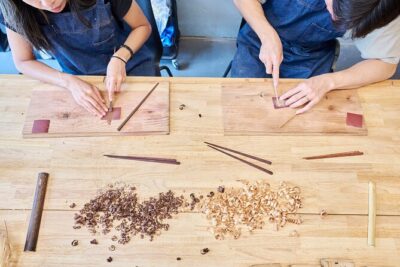

Authentic Pure Gold Kintsugi Workshop with Master Taku in Tokyo
Read our review →
Private Handmade Ring Workshop Activity in Tokyo Shibuya
Read our review →
Browse the lists this tour appears in