
Reviewed · TOKYO COOKING CLASSES
Home Cooking with a Local Host (Optional Shiba Inu Picnic)
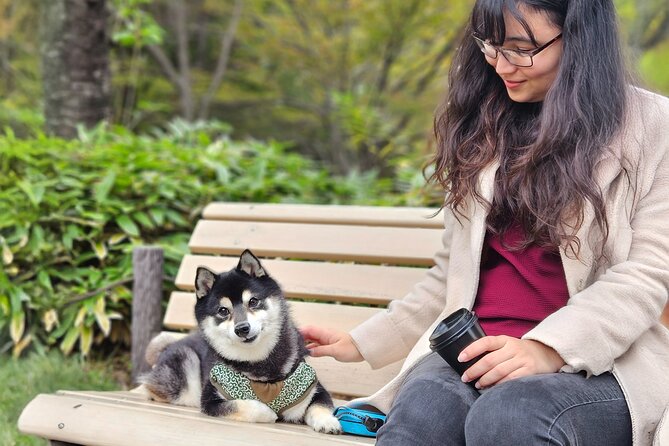
Making lunch in a Japanese family home is the heart of this experience. You prepare a traditional handmade bento with a local mom, then carry it to a nearby park and shrine for a picnic with Ginta, a Shiba Inu who supplies the four-legged entertainment. The home kitchen setting gives you a better look at everyday life than a standard cooking class.
I like two things right away: you get English interpretation and cultural guidance throughout the cooking, and you keep the bento box rather than taking home only a few recipes. The picnic adds a pleasant change of pace, though the $150 price is high for three hours, especially if you are mainly looking for a cooking lesson.
Key points
- Cook in a real Japanese home: Prepare a handmade bento with guidance from a local Japanese mom.
- Meet Ginta the Shiba Inu: Eat your lunch at a nearby park and shrine with the friendly canine companion.
- Keep the bento box: Your cooking container becomes a useful souvenir, not just a photo prop.
- Get bilingual support: An English guide translates instructions and explains Japanese food customs.
- Enjoy a private outing: The tour is designed for small groups, with only your party taking part.
- Receive free photos: Your guide takes pictures during the experience and sends them afterward.
A Japanese home kitchen instead of a standard cooking class
At 10 a.m., you meet your guide at the West Exit of Iidabashi Station. The stated meeting point is 4-chōme-9-5 Iidabashi, Chiyoda City, and the tour returns to the same meeting point after the picnic.
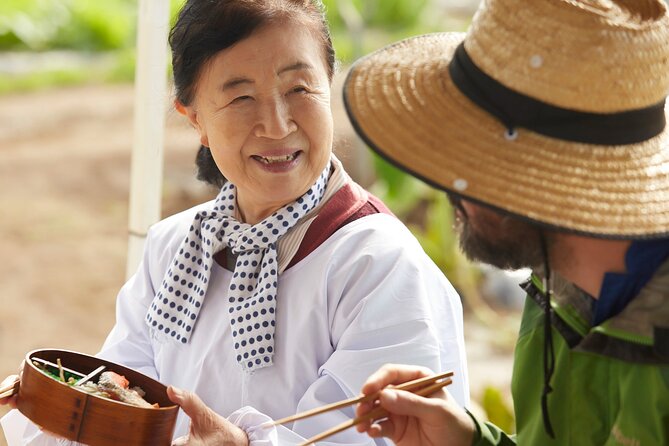
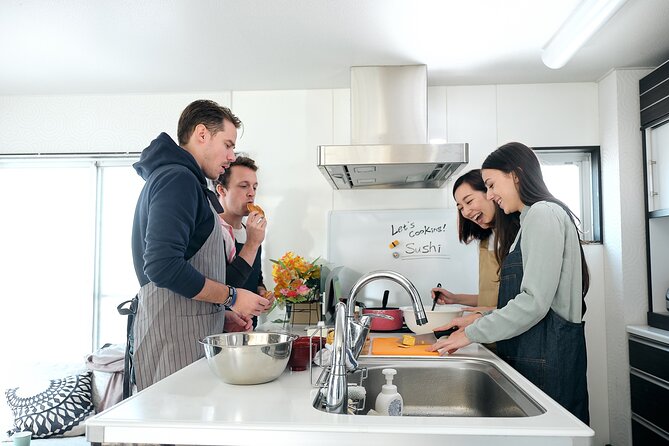
From there, you enter a local home and spend about 90 minutes making a Japanese bento. This is the part that gives the outing its character. You are not simply watching a chef prepare food in a teaching kitchen. You are working in the setting of an ordinary Japanese household, with a local mom showing you how lunch is prepared at home.
That difference matters. A bento is more than food packed into a box. It reflects Japanese habits of presentation, balance, portioning, and convenience. Your guide provides translation and cultural commentary, so you can ask questions and understand the reason behind the steps rather than copying motions without context.
The experience includes ingredients, a recipe, an apron, a cooking cap, hand sanitizer, vinyl gloves, and the bento box. Aprons and basic protective supplies are useful here because the focus is on doing the work yourself. One account of the experience describes the process as easier than expected, which should reassure first-time cooks who worry that a homemade bento will require advanced skills.
You should still arrive ready to take part. This is not a food tasting where someone else prepares your meal. The appeal comes from assembling the lunch yourself, with the local host and English-speaking guide helping along the way.
More Tokyo cooking classes:
- Tokyo: Roll and Authentic Sushi Making Class in Asakusa
★ 4.9 · 1,957 reviews - Tokyo Shinjuku Chopsticks Making Class
★ 5.0 · 1,763 reviews - Tokyo: Sushi Making Class in a Happi Coat near a Famous Spot
★ 4.9 · 1,377 reviews
What the 90-minute bento lesson gives you
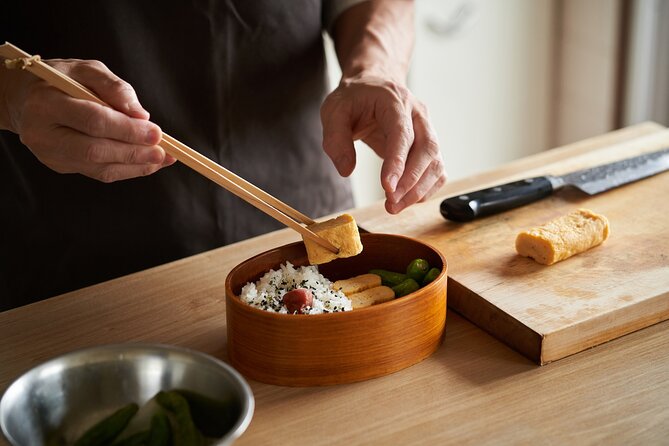
The cooking period runs from 10 to 11:30 a.m. The available details do not list the exact dishes or number of components, so you should not book this expecting a fixed menu unless the provider confirms it in advance. What you do know is that the lesson centers on a traditional handmade bento and includes a recipe you can take with you.
That recipe adds value. The bento box is a physical reminder of the outing, but the instructions give you a way to repeat part of it at home. The class may also help you understand why Japanese lunch boxes are arranged with care, rather than simply filled until everything fits.
The local host is described as a Japanese mom, which suggests a home-style approach rather than restaurant technique. That can be a plus if you want familiar household food and daily customs. It may be less appealing if you want a polished chef-led class, a large menu, or an in-depth lesson in knife skills.
The guide stays with you to translate and explain. That is important because a home kitchen experience can lose much of its value when language gets in the way. You have support for practical instructions, cultural questions, and dining manners. A separate account of a related breakfast experience with the same provider highlights Japanese table manners, so you may receive useful context beyond the food itself, although the exact breakfast content is not part of this bento schedule.
Walking from Iidabashi to a shrine picnic
At 11:30, the group leaves the home and walks for roughly 15 minutes to the picnic location. The destination is described as a nearby park and shrine, with Kitanomaru Park mentioned in the experience feedback. The short walk keeps the schedule simple and avoids the need for private transportation.
You are not paying for a complicated sightseeing route here. The walk is a bridge between two kinds of local life: cooking in a home and eating outdoors near a shrine. It also gives you a little time to leave the kitchen, carry your finished bento, and meet Ginta.
The schedule is fairly tight. The tour moves from cooking to walking to lunch, so you should not expect a long independent stop at the shrine or park. The main purpose of this section is the picnic, not a full shrine visit or a guided tour of the park.
That may suit you if you want a compact morning with a clear focus. If you prefer loose timing, long photography stops, or time to explore a neighborhood on your own, the fixed three-hour plan may feel brisk.
Picnic lunch with Ginta the Shiba Inu
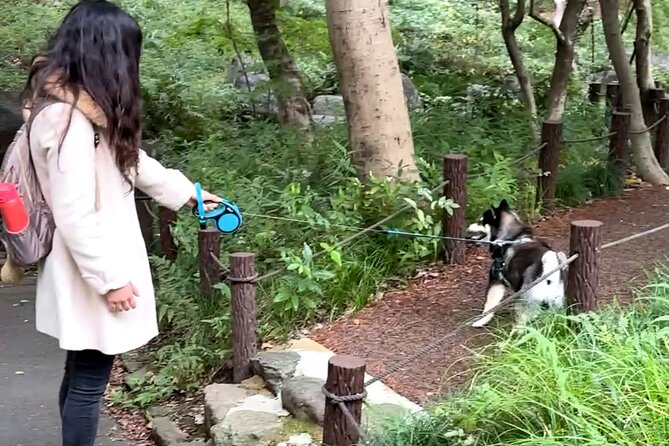
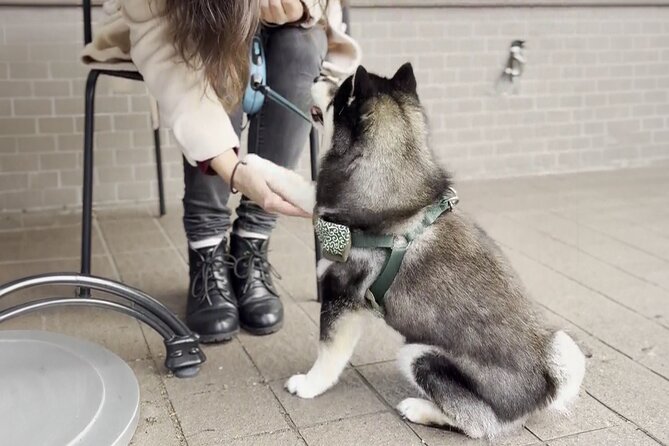
From 11:45 to 12:45, you eat the bento you prepared while spending time with Ginta. The Shiba Inu is not a minor extra added to the description. He is a central part of the picnic, and the available accounts repeatedly highlight the fun of meeting him and taking photos.
The dog gives the second half of the experience a relaxed, social feel. After concentrating in the kitchen, you can sit outdoors, eat your food, and enjoy time with a distinctly Japanese breed. The guide takes photos during the activity and provides them later at no extra charge, so you can focus on the picnic instead of asking someone to document every moment yourself.
You should keep your expectations sensible. Ginta is an animal, not a trained photo prop, and the exact amount of play or interaction can vary. The schedule includes time for photos with him, but it does not promise a particular behavior or a private session without distractions.
The picnic location also depends on the stated nearby park and shrine arrangement. Weather conditions could affect the outdoor portion, but no alternate plan is provided in the details. If the picnic is the main reason you are booking, it is sensible to confirm how the provider handles poor weather before paying, especially because the booking cannot be refunded or changed.
A completely different kind of day in Tokyo:
- Mt Fuji and Hakone 1-Day Bus Tour Return by Bullet Train
★ 5.0 · 26,383 reviews - 1-Day Tokyo Bus Tour
★ 5.0 · 14,250 reviews - Tokyo: teamLab Planets TOKYO Digital Art Museum Entry Ticket
★ 4.6 · 9,779 reviews - Mt Fuji & Hakone Cruise, Drum Show Bullet Train 1 Day from Tokyo
★ 4.0 · 7,413 reviews
What the private format means
This is a private activity, so only your group participates. The information describes the experience as limited to small groups of two to six people, while the overview also says two to four people. That is an inconsistency worth checking before booking if your party has five or six members.
A small private group is useful in a home kitchen. You should have more room to follow instructions, ask questions, and work directly with the host than you would in a large class. It also makes the picnic with Ginta more personal and keeps the photography less awkward.
The private format helps explain part of the price. You are paying for the local home setting, bilingual guide, ingredients, supplies, bento box, photos, insurance, and a private schedule. At $150 per person, it is not a budget lunch or a cheap cooking demonstration. The value is strongest for someone who wants access to an everyday home, personal translation, a prepared activity, and a keepsake.
If you are comparing it with a group cooking class, the price may feel steep. If you are comparing it with a private cultural outing in Tokyo, the cost becomes easier to understand. You are buying a small, hosted experience rather than only the meal.
The bento box is a practical souvenir
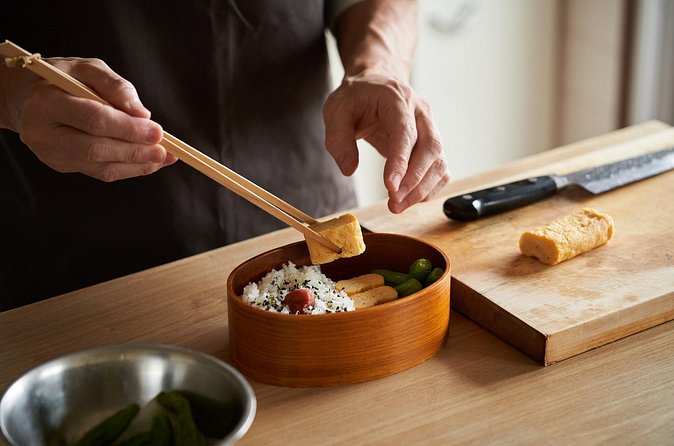
Many food tours end with a full stomach and a recipe card. This one includes a bento box that you keep. That is a useful touch because it connects the cooking lesson to future meals instead of leaving you with a disposable container.
The box also gives the class a clear purpose. You are not making food simply to eat it immediately at a table. You are learning how to prepare and arrange a portable Japanese meal, then using the same box for the outdoor picnic.
The ingredients, recipe, cooking cap, apron, gloves, and hand sanitizer are included. Liability insurance is also provided for injuries and damage at visited sites, excluding intentional acts. These inclusions remove several small costs and make the morning easier to manage, though they do not change the fact that you pay a premium for the setting and personal attention.
English help and cultural context

An English-speaking guide accompanies the activity and provides Japanese and English support. This is especially helpful in a private home, where the experience depends on small instructions and conversation.
The guide is also there to explain customs. You can expect cultural commentary during the cooking, and the related breakfast experience includes dining manners as part of its instruction. For this bento outing, the useful benefit is having someone explain how the food fits into daily Japanese life, not only how to place it in the box.
You should view the guide as an interpreter and cultural bridge, not necessarily as the person cooking every part of the meal. The local mom supplies the home-based instruction, while the guide helps the exchange work smoothly.
The provider also supplies digital photos after the tour. A photo service can be valuable during the picnic, when you may want pictures with Ginta and of the bento you made. Ask how and when the images will be delivered if having them promptly matters to you.
The special discount and privacy tradeoff
A limited-time price offers 20 percent off if you agree to be photographed for the provider’s website, complete a survey, and write a review. That can reduce the cost, but it is not an automatic discount.
You should decide how comfortable you are with promotional photos before accepting. The regular price is listed as $150 per person, and the reduced rate comes with clear conditions. If you do not want your image used online, book on the assumption that you will pay the standard amount and confirm the current price directly.
The free photos taken for you after the tour are a separate benefit from the possible website photography. Make sure you understand the difference between receiving personal tour photos and consenting to promotional use.
Who will enjoy this Tokyo morning most
I would point this experience toward you if you like food, small-group activities, and ordinary local settings more than major sights. It is a good fit for couples, families, and friends who want to do something together rather than sit through a demonstration.
It also suits visitors who enjoy dogs. Ginta is a major part of the picnic, and the animal interaction adds a playful note to the food lesson. If you are booking mainly for the Shiba Inu, remember that the picnic is outdoors and the time with him is built into a larger cooking experience.
Families should consider the three-hour structure and the need to participate in the kitchen. The information does not state age limits, child pricing, allergy procedures, or accessibility details, so ask the provider before booking if any of those points affect your group.
This is less suitable if you need a flexible schedule, have a strict food allergy, dislike being photographed, or want a broad Tokyo sightseeing tour. It also may not suit someone who expects an advanced culinary course, since the focus is on a traditional home bento and cultural exchange.
Timing, meeting point, and booking cautions
The tour starts at 10 a.m. at Iidabashi Station’s West Exit and ends back at the meeting point at about 1 p.m. You handle your own transportation to and from the station. No private vehicle is included.
The start and end at a train station make the outing easy to fit into a Tokyo morning, but allow enough time to find the West Exit and the exact meeting point. The tour is near public transportation, though the provided details do not name the station line or give a walking route from your hotel.
Confirmation is issued at booking. The experience is non-refundable and cannot be changed for any reason, so check your schedule, group size, food needs, and comfort with the outdoor picnic before committing. This matters more than usual because weather and personal plans can affect a fixed home-and-park activity.
Should you book this bento and Shiba Inu picnic?
Book it if you want a personal look at Japanese home cooking, value English support, and like the idea of eating your own creation with Ginta at a park and shrine. The strongest features are the real home setting, private format, reusable bento box, and memorable dog companion.
Skip it if $150 feels too high for a three-hour activity, or if you want a long cooking class with a published menu and more flexible timing. Before paying, confirm the group-size limit, menu, allergy arrangements, weather plan, and photo consent terms.
For the right person, this is not just lunch. It is a small piece of daily Tokyo life, packed into a bento box and carried to the park.
FAQ
Where does the tour begin?
It begins at 10 a.m. at Iidabashi Station’s West Exit, at 4-chōme-9-5 Iidabashi, Chiyoda City, Tokyo 102-0072, Japan.
Where does the tour end?
The activity ends back at the meeting point near Iidabashi Station.
How long does the experience last?
The experience lasts approximately three hours, from 10 a.m. until about 1 p.m.
Is the tour private?
Yes. Only your group participates in the activity.
How many people can join?
The information describes the tour as limited to two to six participants, while another description says two to four people. Confirm the permitted group size with the provider if your party has more than four people.
What is included in the cooking lesson?
Ingredients, a recipe, guidance, an apron, cooking cap, hand sanitizer, vinyl gloves, and a bento box are included.
Is an English-speaking guide provided?
Yes. A bilingual English and Japanese guide provides translation, cultural commentary, and assistance throughout the activity.
Can I keep the bento box?
Yes. The bento box is included and can be taken home as a souvenir.
Is the experience refundable?
No. The experience is non-refundable and cannot be changed for any reason after booking.
Newly reviewed around Tokyo
- Tokyo Asakusa:Calligraphy & Make T-shirt Activity★ 5.0 · 62 reviews
- Intercity Shuttle, Tokyo to Haneda /Narita /Yokohama /Makuhari★ 5.0 · 5 reviews
- 1 Hour Travel around Tokyo with a Professional Photographer★ 5.0 · 3 reviews
- Travel Tokyo with Your Own Personal Photographer★ 5.0 · 43 reviews
- Train in Samurai Swordsmanship and Defeat the Demon in Tokyo★ 5.0 · 5 reviews
- Shuttle Van 6hr Tokyo Tour to-and-from Tokyo, Yokohama and Narita★ 5.0 · 9 reviews
- Kickboxing & Body Training with EX-Pro Fighter★ 5.0 · 4 reviews
- Traditional Japanese Knife Sharpening Class★ 5.0 · 18 reviews
Tokyo Cooking Classes, compared.
Roll and Authentic Sushi Making Class in Asakusa
Read our review →
Sushi Making Class in a Happi Coat near a Famous Spot
Read our review →
Tokyo Sushi Making Class in Tsukiji with Professional Chef
Read our review →
Ramen & Gyoza Cooking Class in Tokyo with Local Supermarket Visit
Read our review →
Matcha Making Class in Tokyo with Authentic Japanese Sweets Set
Read our review →
Tsukiji Fish Market Sushi Making Class with Pro Chef
Read our review →
Browse the lists this tour appears in