
Reviewed · WORKSHOPS
Hand-rolled Sushi Temaki Zushi Workshop in Tokyo
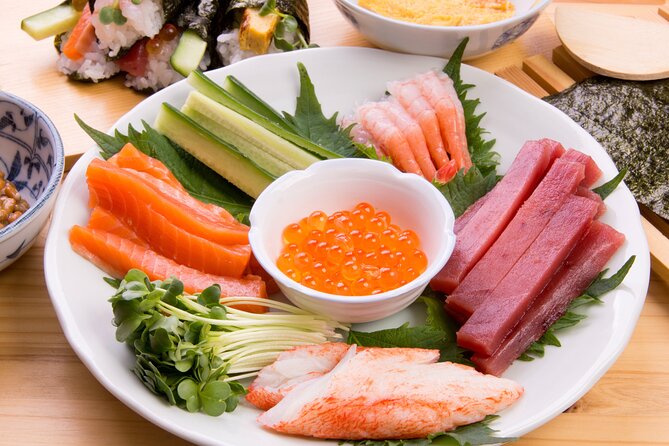
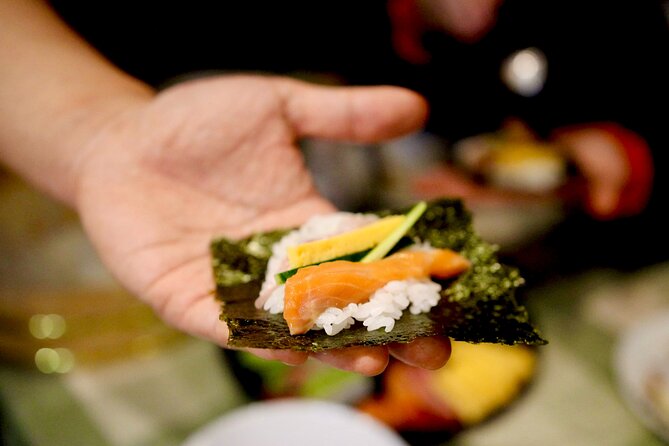
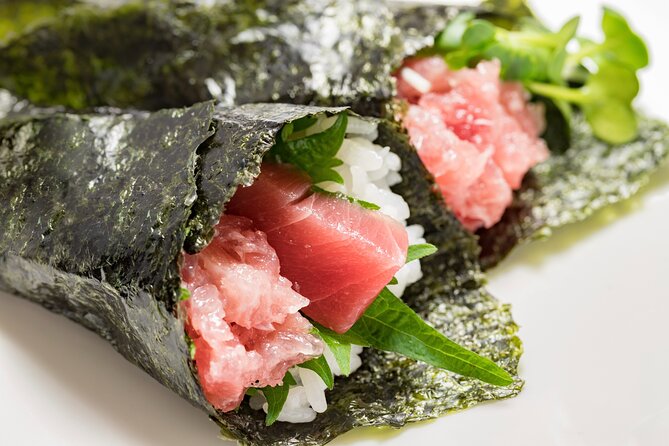
The best part of this Tokyo cooking class is that you learn a dish Japanese families actually make at home. Temaki sushi needs no sushi-chef magic: spread rice on seaweed, add fillings, and roll it into a hand-held cone. It looks festive but remains easy enough to repeat at home.
I like the practical focus on vinegared sushi rice, since that is the base of good sushi, and the freedom to choose fish or vegetables for your rolls. The small group, limited to six people, also gives Mariko-san and Yoichi-san room to guide you closely. A possible drawback is the price: at $72 for about two hours, this is more costly than simply ordering sushi, so its value depends on how much you want the cooking lesson.
Key points to know before booking
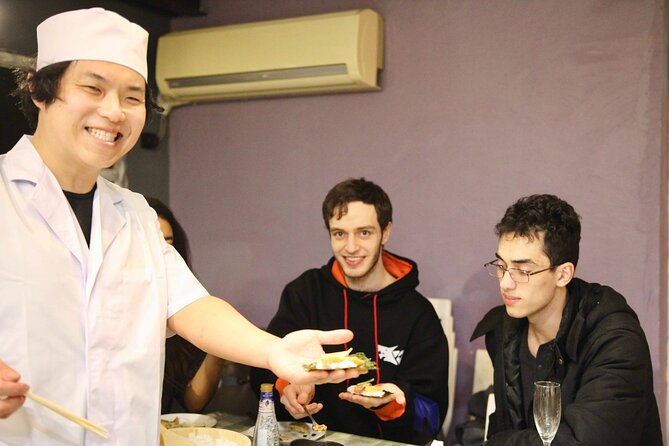
- Learn the trick behind sumeshi: The workshop demonstrates how to make Japanese vinegared sushi rice, the foundation of the meal.
- Make your own hand rolls: You choose fillings and assemble temaki sushi instead of watching a chef work from a distance.
- Fish and vegetarian choices: The filling selection includes seafood and vegetables, and vegetarian preparation is possible.
- Small group setting: The maximum group size is six people, which suits hands-on instruction.
- A second Japanese dish: You also learn to make clear soup to serve with the sushi.
- Simple Tokyo logistics: The class begins and ends at Canal Palace, 2-chōme-16-11 Sumiyoshi, Koto City.
Why temaki sushi makes a good Tokyo cooking class
Temaki sushi is the relaxed cousin of nigiri sushi. Nigiri depends on a trained hand shaping rice and fish with precision. Temaki is more social and forgiving. You build each roll yourself, then eat it with your hands while the seaweed still has its crisp bite.
That makes this class useful beyond the two-hour session. You are not learning a dish that requires special equipment or years of practice. The main lesson is how to prepare the rice, arrange fillings, and roll everything neatly enough to serve at a home gathering.
I like that the workshop treats sushi as a party food, not only as restaurant fare. In Japan, temaki sushi works well when people gather around a table and make their own rolls. Each person can choose a favorite combination, and the host does not need to shape every piece in advance.
The format also leaves room for personal taste. You can select from a range of fish and vegetables, so you are not locked into one set menu. If you are vegetarian, tell the hosts when booking or at the start. A vegetarian participant was able to make hand-rolled sushi, which shows that the format can accommodate a meat-free meal.
More hands-on classes and workshops in Tokyo:
- Sushi Making Tokyo Roll and Authentic Japanese Sushi Class
★ 5.0 · 3,971 reviews - Tokyo: Roll and Authentic Sushi Making Class in Asakusa
★ 4.9 · 1,957 reviews - Tokyo Shinjuku Chopsticks Making Class
★ 5.0 · 1,763 reviews
Starting at Canal Palace in Sumiyoshi
The activity begins at Canal Palace, located at 2-chōme-16-11 Sumiyoshi in Koto City. The meeting point is near public transportation, and the class finishes at the same location. That simple out-and-back setup is helpful in Tokyo, where a cooking activity can otherwise leave you guessing about the final stop.
Allow yourself enough time to reach the address. The supplied details do not name a specific station or provide a walking route, so you should check the meeting point carefully before leaving your hotel. A mobile ticket is provided, which means you can keep the booking on your phone rather than carry a printed voucher.
The group limit is six people. That matters here because this is a working class, not a demonstration from the back of a crowded room. You will need space to handle rice, seaweed, fillings, and soup preparation. A small group also makes it easier to ask about rolling technique or ingredient choices.
The duration is about two hours. It is long enough for instruction, preparation, hands-on assembly, and eating, but short enough to fit into a day of sightseeing in Tokyo. Since the class starts and ends at the same point, you can plan another activity afterward without arranging a separate pickup.
The first lesson: getting the sushi rice right
The class begins with an explanation of how to prepare for temaki sushi. The key lesson is sumeshi, Japanese vinegared sushi rice. This is the part worth paying attention to, because rice affects the texture, flavor, and structure of every hand roll.
You will see a demonstration of the rice-making process and learn the small trick that gives it an authentic sushi flavor. The method is described as simple, but the hosts make clear that one detail matters. That combination is useful for beginners: you are not faced with a difficult recipe, but you do learn where a casual mistake could affect the result.
I appreciate this emphasis. A class that only teaches how to pile fillings onto seaweed would be fun, but limited. Learning the rice gives you a skill you can use for future sushi meals, even if your first rolls are not perfectly shaped.
The rice lesson also helps you understand why temaki sushi is approachable. You do not need to master the finger pressure used by a sushi craftsman. Once the rice is prepared, the rest becomes an assembly job with room for trial and error.
Choosing fillings and making your own rolls
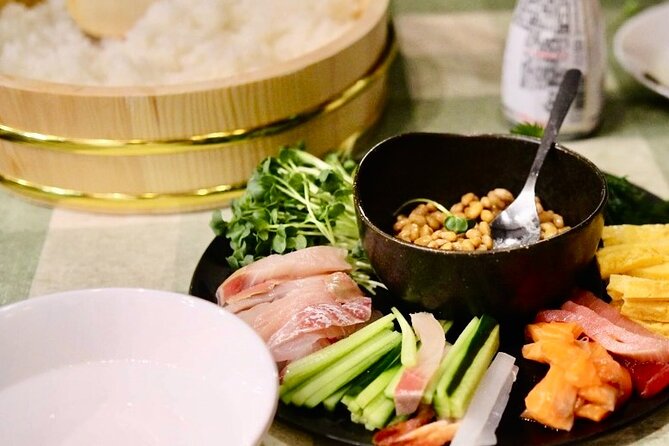
After the rice demonstration, you make your own temaki sushi. The central pleasure is choice. You select from a variety of fish and vegetables, then decide how much filling to use and how tightly to roll it.
This is not a class where you sit back and watch a professional produce a perfect platter. Your own hands do the work. That can be slightly messy, but it is also why the experience stays memorable. You see how the rice behaves, how much filling fits comfortably, and how the seaweed folds around the ingredients.
The hosts show you how to form the roll so it looks attractive and holds together. Temaki sushi is meant to look fancy without demanding expert technique. The finished cone can be served at a party, where each person makes a roll to suit their own taste.
Fresh ingredients are an important part of the experience. The available information specifically highlights fresh sushi ingredients and a wide selection. The exact fish and vegetables are not listed, so do not book expecting a particular species or fixed menu. Instead, think of the meal as a chance to work with the ingredients available that day.
If you prefer vegetables, the format gives you a clear advantage over a fixed sushi tasting. You can build vegetarian hand rolls, and the experience has already accommodated a vegetarian participant. Still, it is sensible to mention dietary needs in advance, since the full ingredient list and any cross-contact details are not provided.
A completely different kind of day in Tokyo:
- Mt Fuji and Hakone 1-Day Bus Tour Return by Bullet Train
★ 5.0 · 26,383 reviews - 1-Day Tokyo Bus Tour
★ 5.0 · 14,250 reviews - Tokyo: teamLab Planets TOKYO Digital Art Museum Entry Ticket
★ 4.6 · 9,779 reviews - Mt Fuji & Hakone Cruise, Drum Show Bullet Train 1 Day from Tokyo
★ 4.0 · 7,413 reviews
Making clear soup alongside the sushi
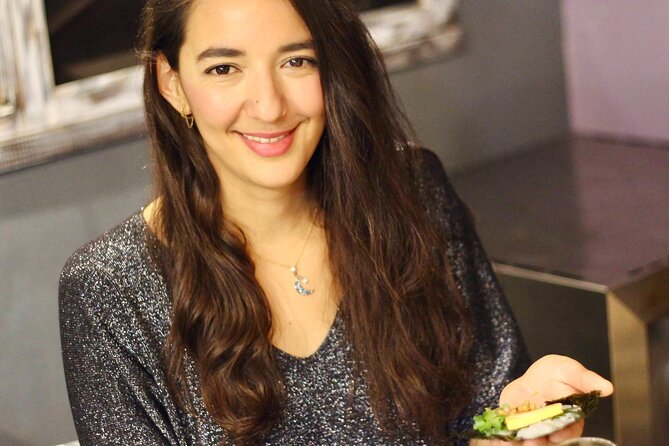
The workshop also includes instruction in Japanese clear soup. This adds a second useful skill and gives the meal a more complete shape. Sushi alone can feel like a collection of small bites. Soup provides a warm side dish that fits naturally with the hand rolls.
The description does not specify the exact soup ingredients or recipe, so you should not expect a particular broth until the class begins. What is clear is that you will be shown how to prepare it and how it pairs with temaki sushi.
This part may appeal to you if you want more than a single recipe. In two hours, you get a lesson in sushi rice, hand-rolled sushi, and a Japanese soup. The soup also makes the class more practical for home cooking, since it can serve as an easy side dish at a future meal.
What the small group changes
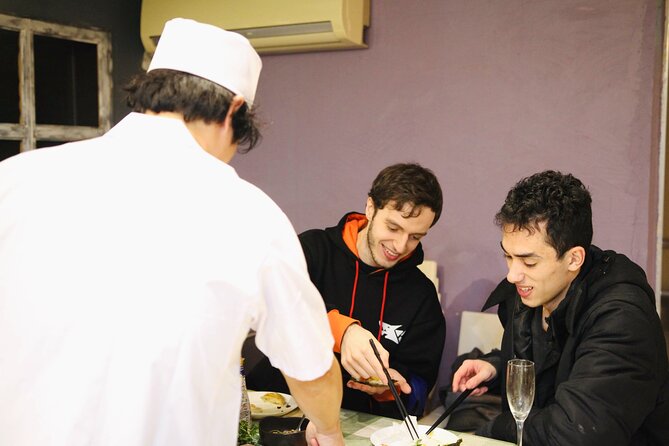
A maximum of six participants is one of the strongest practical features. In a large cooking school, you might spend much of the session watching someone else measure, mix, and roll. Here, the format is better suited to direct participation.
Mariko-san and Yoichi-san lead the workshop and share Japanese food customs along with the cooking steps. Their role is not just to hand you ingredients. They help explain how temaki sushi fits into casual home entertaining and show you how to repeat the process later.
The small size should also make the class comfortable for questions. You can ask for help with the rice, check whether a roll is too full, or request guidance on vegetarian combinations. No special sushi skills are expected, which is important if this is your first Japanese cooking activity.
There is still a limit to what two hours can cover. You will learn one home-style sushi format rather than a full course in Japanese cuisine. You should also expect a shared workshop atmosphere, not a private lesson, unless your booking happens to fill the group.
Is $72 a fair price?
At $72, the class is not the cheapest way to eat sushi in Tokyo. If your only goal is a filling meal, a sushi restaurant will give you more food with less time spent preparing it.
The value comes from the combination of instruction and meal. You learn a repeatable recipe, practice it with guidance, and eat what you make. The class also includes the clear soup lesson, which adds another home-cooking skill. For someone interested in Japanese food, that can justify the price more easily than a short tasting with no hands-on work.
The maximum group size of six improves the value. You are paying for access to instruction, and a small group gives you a better chance to receive useful corrections. The experience is also more worthwhile if you plan to make temaki sushi at home after returning from Japan.
I would see the $72 as reasonable for a visitor who wants a personal food activity rather than another restaurant meal. It is less compelling for someone who is simply looking for the lowest-cost lunch or dinner in Tokyo.
Who will enjoy this workshop most?
This class suits first-time visitors who want a gentle introduction to Japanese cooking. You do not need professional skills, and the process is easy to understand once the rice is ready.
It is also a strong choice for home cooks. The lesson focuses on techniques you can repeat without special sushi training. You can use the basic method for a future family meal, dinner with friends, or casual party.
Vegetarians should consider it because hand-rolled sushi can be built around vegetables. The experience has supported vegetarian preparation, though the full ingredient details are not listed. Contacting the provider before the class is the safest way to confirm your needs.
Families and small groups may appreciate the hands-on design, but the supplied information does not give a minimum age or child policy. If you plan to bring children, confirm that detail before booking.
This is less suitable if you want a formal sushi-chef performance, a long culinary lecture, or a detailed tour of Tokyo. The experience stays focused on making and eating temaki sushi.
Timing, cancellation, and practical planning
The workshop lasts about two hours and ends where it starts. Since the meeting point is near public transportation, you can reach it without arranging a private transfer, though you will need to check the best route from your hotel.
Confirmation arrives when you book, and the ticket is available on your phone. Save the address and meeting time where you can find them quickly. Tokyo addresses can be difficult to interpret at a glance, so allow a little extra time for the final approach.
Free cancellation is available if you cancel at least 24 hours before the scheduled start time. Cancellations made less than 24 hours before the start are not refunded, and changes within that period are not accepted. The cut-off follows local Tokyo time.
Should you book the temaki sushi workshop?
Book it if you want to do more than eat sushi. The strongest reasons are the small six-person group, the practical rice lesson, the freedom to choose fish or vegetables, and the chance to learn a Japanese clear soup as well.
The class is especially good for vegetarian diners, home cooks, and anyone who likes food activities that continue to be useful after the holiday. Mariko-san and Yoichi-san give the experience a personal connection to Japanese home cooking, while the hand-rolled format keeps the lesson relaxed.
Skip it if $72 feels too high for a two-hour meal or if you want a broad survey of Tokyo cuisine. This is a focused workshop, not a market tour or restaurant crawl. For the right person, though, it offers something a sushi dinner cannot: the ability to make the dish yourself.
FAQ
How long does the temaki sushi workshop last?
The workshop lasts approximately two hours.
Where does the activity begin?
It begins at Canal Palace, 2-chōme-16-11 Sumiyoshi, Koto City, Tokyo 135-0002, Japan.
Where does the workshop end?
The activity ends back at the meeting point.
How many people can join?
The maximum group size is six participants.
Who leads the workshop?
The workshop is led by Mariko-san and Yoichi-san.
Do I learn how to make sushi rice?
Yes. The class includes a demonstration of how to prepare sumeshi, or Japanese vinegared sushi rice.
Can I choose my own sushi fillings?
Yes. You can choose from a variety of fish and vegetables when making your temaki sushi.
Can vegetarians take part?
Yes. Vegetarian temaki sushi can be prepared, though the complete ingredient details are not provided.
Is soup included in the lesson?
Yes. The workshop includes instruction in making Japanese clear soup to serve with the sushi.
Is cancellation free?
You can cancel for a full refund if you cancel at least 24 hours before the experience start time. Cancellations made less than 24 hours before the start are not refunded.
Newly reviewed around Tokyo
- Tokyo Asakusa:Calligraphy & Make T-shirt Activity★ 5.0 · 62 reviews
- Intercity Shuttle, Tokyo to Haneda /Narita /Yokohama /Makuhari★ 5.0 · 5 reviews
- 1 Hour Travel around Tokyo with a Professional Photographer★ 5.0 · 3 reviews
- Travel Tokyo with Your Own Personal Photographer★ 5.0 · 43 reviews
- Train in Samurai Swordsmanship and Defeat the Demon in Tokyo★ 5.0 · 5 reviews
- Shuttle Van 6hr Tokyo Tour to-and-from Tokyo, Yokohama and Narita★ 5.0 · 9 reviews
- Kickboxing & Body Training with EX-Pro Fighter★ 5.0 · 4 reviews
- Traditional Japanese Knife Sharpening Class★ 5.0 · 18 reviews
Workshops, compared.
Sushi Making Tokyo Roll and Authentic Japanese Sushi Class
Read our review →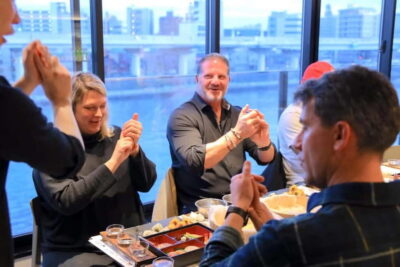
Roll and Authentic Sushi Making Class in Asakusa
Read our review →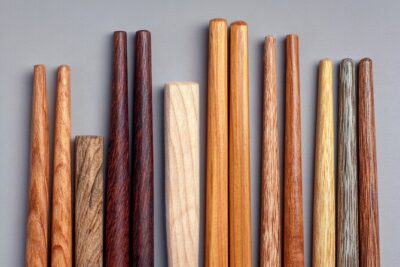
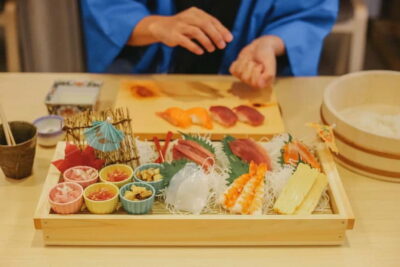
Sushi Making Class in a Happi Coat near a Famous Spot
Read our review →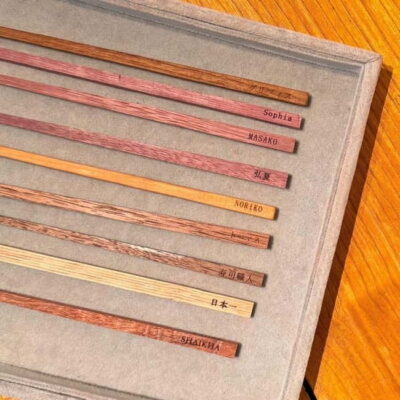
Tokyo Sushi Making Class in Tsukiji with Professional Chef
Read our review →
Ramen & Gyoza Cooking Class in Tokyo with Local Supermarket Visit
Read our review →
Matcha Making Class in Tokyo with Authentic Japanese Sweets Set
Read our review →Browse the lists this tour appears in