
Reviewed · WALKING TOURS
Goshuin Collecting & Garden Walk in Local Tokyo
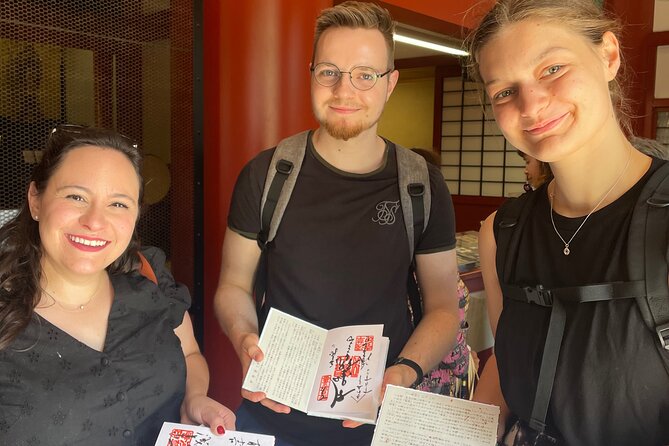
Tokyo’s best religious sites are not always the famous ones. This private walk takes you through quieter temples and shrines in Koto, where goshuin collecting becomes more than a hunt for attractive calligraphy. Masami, also called Ma-chan, explains the customs behind the stamps and helps you approach each site with confidence.
I like the small-group format, since you can stop to ask questions instead of keeping up with a large crowd. I also like the Japanese sweets, garden visit, bus pass, and surprise souvenirs included in the price. The main consideration is that the actual goshuin stamps are not included, and the walk requires comfortable shoes and reasonably good weather.
Key points to know before booking
- Five-part Koto route: The experience begins in Monzennakacho and ends at Kiyosumi-Shirakawa Station after several temple and shrine visits.
- Goshuin guidance: Masami helps you understand shrine and temple etiquette, including how to request calligraphy for your goshuin book.
- Private pacing: Only your group participates, so you can ask questions and take breaks without worrying about a larger party.
- Garden and sweets included: The tour includes Japanese sweets, entrance to a garden, and a few small gifts.
- Budget for stamps: Goshuin fees are separate, so bring extra cash for the stamps you choose to collect.
- Good for first-time collectors: The relaxed format is especially useful if you are new to goshuin and want help distinguishing Shinto and Buddhist customs.
Why this quiet Koto walk is different from a standard Tokyo tour
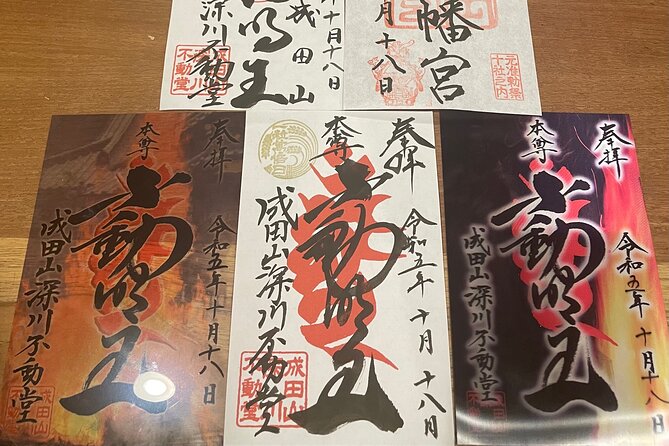
Goshuin are handwritten calligraphy and stamps collected in a special book at Japanese temples and shrines. They are not simply souvenirs. Each one connects to the place where it was issued, and the act of requesting one follows local religious etiquette.
That can feel uncertain if you are new to Japan. You may not know where to stand, when to bow, how to make a prayer, or how to ask for the stamp without interrupting temple staff. This is where Masami’s guidance matters. You get help with the practical steps while also learning how Shinto and Buddhism appear in everyday Japanese life.
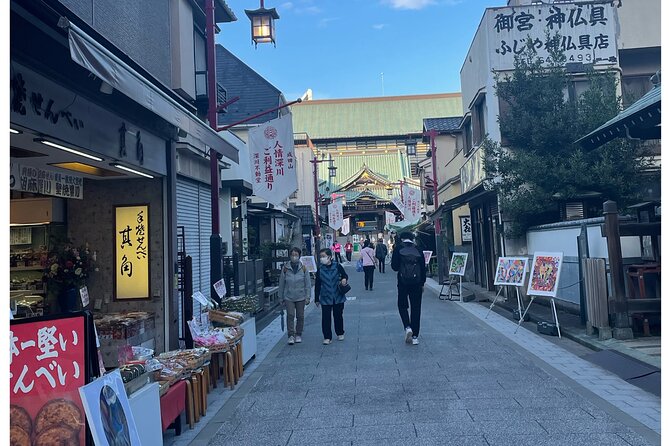
The route focuses on Koto, an eastern Tokyo area that is easy to reach but often skipped by first-time visitors rushing between the city’s famous districts. The start is at 1-chome-9-10 Tomioka, near Monzennakacho, and the finish is at Kiyosumi-Shirakawa Station. That makes the walk useful as a half-day neighborhood outing, not just a sequence of disconnected religious sites.
The tour lasts about two to three hours. Its private format gives you room to ask questions, look carefully at the buildings, and spend more time at a stop if the pace allows. You are not being pushed through a fixed group schedule.
More Tokyo walking tours:
- Tokyo Tsukiji Fish Market Food and Culture Walking Tour
★ 5.0 · 3,184 reviews - Tokyo: Imperial Palace and Shogun Historical Walking Tour
★ 5.0 · 2,251 reviews - Tokyo: Shinjuku Local Bar and Izakaya Guided Walking Tour
★ 4.9 · 1,794 reviews
Starting in Monzennakacho with Japanese sweets
The first stop is in Monzennakacho, where you have time for Japanese sweets. This is a short 15-minute opening stop, with no admission fee listed.
The snack is a small touch, but it sets the tone well. Instead of beginning with a long lecture, the experience starts in a friendly, low-pressure way. You can meet Masami, settle into the pace, and ask early questions about goshuin or temple and shrine customs.
Do not expect this to be a full food tour. The information describes snacks and Japanese sweets, not a meal. If you need lunch, plan to eat before or after the walk.
Monzennakacho is also a practical starting point because the meeting point is near public transportation. Make sure you check the exact address before setting out: 1-chome-9-10 Tomioka, Koto City. A mobile ticket is provided, and booking confirmation is sent within 48 hours, subject to availability.
Four Koto stops with room for questions
After the opening snack, the route continues through Koto with four additional stops. The public details do not name each temple or shrine, which means you should not book this expecting a famous landmark checklist. The point is to visit smaller or less noticed religious sites with local guidance.
The listed time at the four stops is 30 minutes, 45 minutes, 40 minutes, and 20 minutes. That is enough time for the guide to explain what you are seeing and for you to request goshuin where available, rather than simply taking a quick photo and moving on.
The two longer stops are especially useful for first-time collectors. You have time to observe the setting, ask about the difference between a temple and a shrine, and work out the correct way to request a stamp. The shorter final stop may feel more focused, but the exact content of each stop is kept private in the tour details.
That lack of specific names is both a strength and a limitation. It protects the tour’s local, less-publicized character, but it makes it harder to plan around a particular building or religious figure. If you need a famous Tokyo landmark, this is not the right half-day outing. If you want quiet places that you might otherwise miss, it makes more sense.
Learning how to collect goshuin respectfully
The strongest part of this experience is not simply adding stamps to a book. It is learning how to collect them with the right attitude.
Goshuin often include a site name, religious text, a red seal, and handwritten calligraphy. The exact design differs from place to place, so your book becomes a record of the route. Masami explains the customs and helps you feel more comfortable making a request.
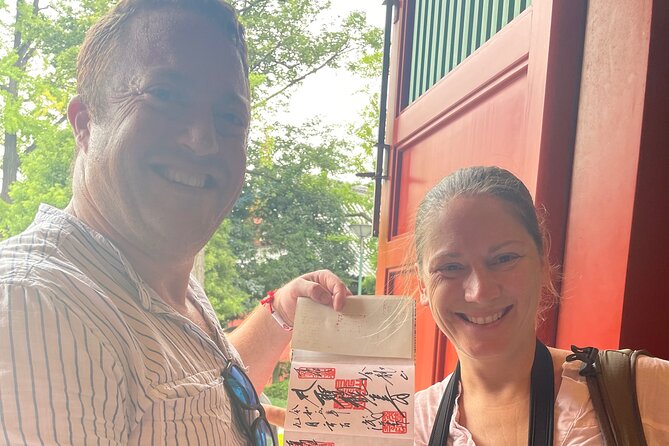
That practical help is valuable. One person who had only recently started collecting goshuin found the tour useful for understanding temple and shrine etiquette and requesting calligraphy. You will still need to pay for the stamps yourself, since they are specifically excluded from the tour price.
Bring a goshuin book if you already have one. The information provided does not say that a book is supplied. It does mention a few small surprise gifts, and groups of three or more receive an additional small souvenir. These gifts are pleasant extras, but I would book the tour for the cultural guidance rather than for the free items.
A word of care: do not treat a temple or shrine like a stamp counter. You are visiting a religious site first. Follow Masami’s lead, keep your voice low, and allow the staff time to complete the calligraphy.
A completely different kind of day in Tokyo:
- Mt Fuji and Hakone 1-Day Bus Tour Return by Bullet Train
★ 5.0 · 26,383 reviews - 1-Day Tokyo Bus Tour
★ 5.0 · 14,250 reviews - Tokyo: teamLab Planets TOKYO Digital Art Museum Entry Ticket
★ 4.6 · 9,779 reviews - Mt Fuji & Hakone Cruise, Drum Show Bullet Train 1 Day from Tokyo
★ 4.0 · 7,413 reviews
The garden visit adds a welcome change of pace
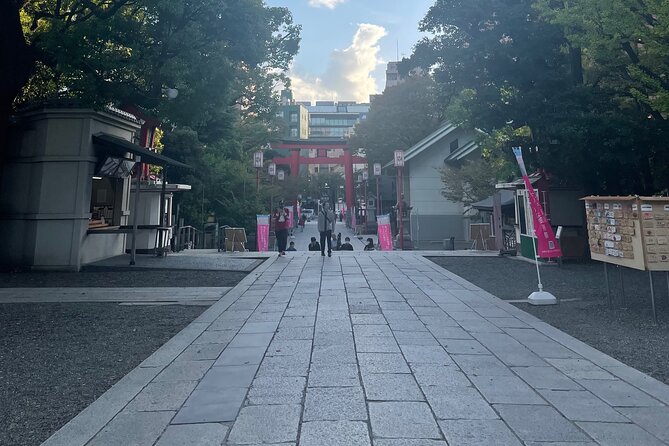
Entrance to the garden is included. The garden is one of the tour’s useful changes of rhythm, giving you a peaceful setting between religious stops and a chance to rest your feet.
The supplied details do not name the garden or describe its layout, so I would not promise a particular pond, bridge, or seasonal display. You might find the garden especially appealing if you enjoy Japanese design and quiet walking spaces, but the exact experience will depend on the season and weather.
This is also a practical benefit for anyone who does not want a full morning of shrine and temple visits. The garden adds variety without changing the tour’s main focus on local culture. It gives you another way to notice how Japanese spaces are arranged, maintained, and used.
The walk is still a walking tour, even with the garden and bus transport included. Wear comfortable shoes. The route has several stops, and summer heat can make even a short Tokyo walk tiring. Masami has provided cooling help, including breaks and a UV umbrella on a hot-weather outing, but you should still dress for the season and carry what you need for the weather.
How the bus pass affects the value
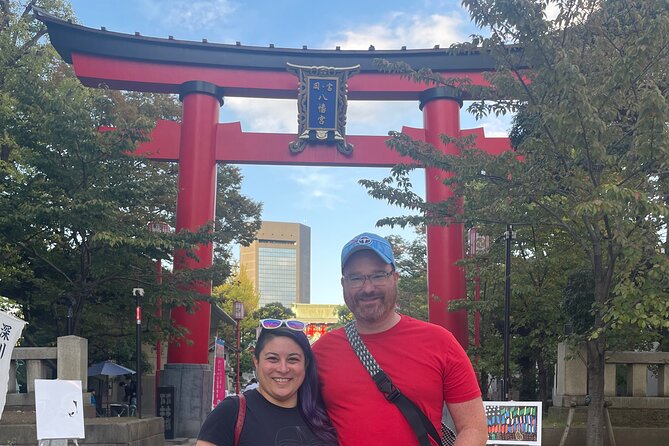
The experience includes a one-day bus pass, which is a useful practical addition if the route requires local bus travel. It keeps you from having to handle each fare during the walk and may help you continue exploring after the tour, depending on the pass terms.
The advertised price is $35.14 per person. For a private two to three hour experience, that is a reasonable price if you value personal instruction, garden admission, snacks, and small gifts. It becomes better value for a group that can share the private format, though each person still pays separately.
Remember the important extra cost: goshuin stamps are not included. The number of stamps you buy is up to you, so the total cost depends on how many sites you choose. If you are collecting seriously, set aside a little money beyond the booking price.
The group bonus begins at three participants, when an extra small souvenir is provided. That is a modest perk, not a reason by itself to assemble a larger group. The real value is having the route and explanations adapted to your party.
A private tour that suits curious beginners
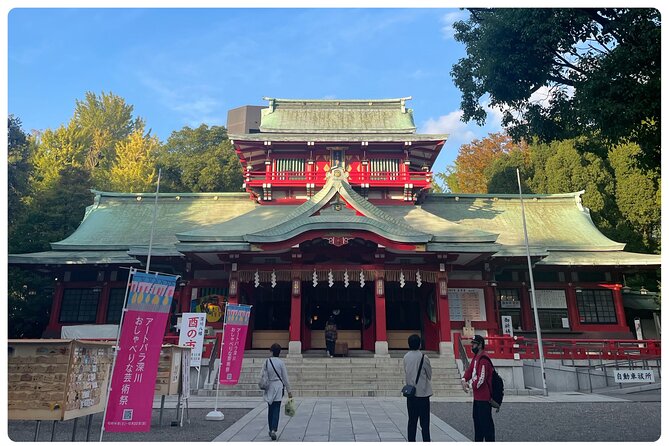
This experience is best for you if you are new to goshuin, interested in Japanese religious customs, or tired of Tokyo’s busiest sightseeing corridors. It also works well for a solo participant or a small private group that prefers conversation over a fixed lecture.
Masami’s approach appears warm and personal. She has been praised for explaining Shinto and Buddhism clearly, sharing cultural background, and helping people feel comfortable with the rituals. Her friendly manner is part of the appeal, especially if you are unsure about etiquette.
You should be comfortable walking for several hours and moving between multiple stops. Most people can participate, and service animals are allowed, but the experience is not presented as a specialized mobility tour. Ask about your own needs before booking if walking or standing is difficult.
The schedule starts at 10:00 a.m. and ends at Kiyosumi-Shirakawa Station. Masami will help you get where you want to go after the tour at the station. That is handy if you plan to continue around Kiyosumi-Shirakawa, though no additional itinerary is specified.
What to pack and what to expect
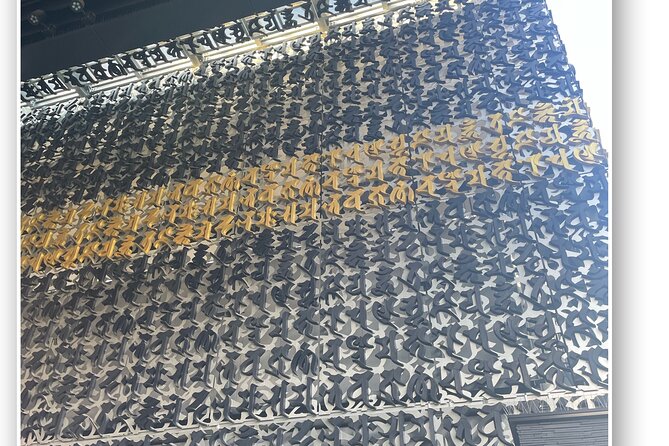
Bring a goshuin book if you have one, comfortable shoes, weather-appropriate clothing, and extra money for stamps. Since the experience depends on good weather, a hot or rainy day may affect comfort even if the tour goes ahead.
You should also arrive ready for a flexible cultural walk, not a performance with a long list of guaranteed sights. The names and details of several stops are intentionally not provided. The reward is the chance to see local religious places with someone who can explain what you are looking at.
The private format means you can ask direct questions. You might ask about the difference between a Buddhist temple and a Shinto shrine, the proper moment to request a goshuin, or why one site’s calligraphy looks different from another’s. Those questions are where the experience earns its keep.
The tour requires good weather. If poor weather causes cancellation, you are offered another date or a full refund. You can cancel for a full refund if you do so at least 24 hours before the start time. Changes or cancellations inside that window are not accepted for a refund.
Should you book this goshuin walk?
Book it if you want a calm, personal introduction to goshuin and prefer lesser-known Tokyo sites to famous attractions. The combination of Masami’s guidance, Japanese sweets, a garden, a bus pass, and a private pace gives the morning more substance than a simple stamp-collecting errand.
I would be more cautious if you want exact landmark names in advance, a food-focused tour, or a major temple with guaranteed architectural highlights. You will also need to pay separately for each goshuin and handle a fair amount of walking.
For first-time collectors, this is the clearest choice. You leave with a better sense of etiquette, several possible stamps, and a route that ends at a useful station. At $35.14 per person, it offers good value for a private cultural experience, provided you understand that the stamps themselves are extra.
FAQ
How long does the Goshuin Collecting and Garden Walk last?
The experience lasts approximately two to three hours.
Where does the tour begin?
It begins at 1-chome-9-10 Tomioka, Koto City, Tokyo 135-0047, Japan, near Monzennakacho.
Where does the tour end?
The tour ends at Kiyosumi-Shirakawa Station at 1-chome-6-13 Shirakawa, Koto City, Tokyo 135-0021. Masami will help you get where you want to go after the tour.
What time does the tour start?
The scheduled start time is 10:00 a.m.
Are goshuin stamps included in the price?
No. The stamps are not included, so you must pay separately for the goshuin you choose to collect.
Is garden admission included?
Yes. Entrance to the garden is included.
Is this a private tour?
Yes. Only your group participates in the activity.
Does the tour include transportation?
A one-day bus pass is included. The experience also begins and ends near public transportation.
What happens if the weather is poor?
The experience requires good weather. If it is canceled because of poor weather, you will be offered another date or a full refund. You can also cancel at least 24 hours before the start time for a full refund.
Newly reviewed around Tokyo
- Tokyo Asakusa:Calligraphy & Make T-shirt Activity★ 5.0 · 62 reviews
- Intercity Shuttle, Tokyo to Haneda /Narita /Yokohama /Makuhari★ 5.0 · 5 reviews
- 1 Hour Travel around Tokyo with a Professional Photographer★ 5.0 · 3 reviews
- Travel Tokyo with Your Own Personal Photographer★ 5.0 · 43 reviews
- Train in Samurai Swordsmanship and Defeat the Demon in Tokyo★ 5.0 · 5 reviews
- Shuttle Van 6hr Tokyo Tour to-and-from Tokyo, Yokohama and Narita★ 5.0 · 9 reviews
- Kickboxing & Body Training with EX-Pro Fighter★ 5.0 · 4 reviews
- Traditional Japanese Knife Sharpening Class★ 5.0 · 18 reviews
Walking Tours, compared.
Tokyo Tsukiji Fish Market Food and Culture Walking Tour
Read our review →
Imperial Palace and Shogun Historical Walking Tour
Read our review →
Shinjuku Local Bar and Izakaya Guided Walking Tour
Read our review →
Asakusa Walking Tour with Sensoji Temple Visit
Read our review →
Tokyo Castle & Imperial PalaceーShogun Walking Tour
Read our review →
Browse the lists this tour appears in