
Reviewed · TOKYO WALKING TOURS
Explore the Local “Non-touristy” Side of Tokyo: Jujo and Akabane Walking Tour
Tokyo’s everyday life takes center stage on this three-hour walk from Jūjō to Akabane. You’ll browse a 500-shop shotengai, pause at a leafy neighborhood park, see the remains of a medieval castle, and finish among old-fashioned izakayas.
I like the small maximum group of eight, which gives a guide room to explain local customs and answer questions. I also like the chance to taste local foods and tea, and to learn how offerings and prayers work. The main drawback is that food, drinks, and transportation are extra, and the route requires moderate fitness.
Key points to know
- Jūjō Ginza has around 500 shops, including prepared food, fresh produce, clothes, and everyday goods.
- The route ends in Akabane, a neighborhood known for daytime izakayas and pubs.
- The 3 pm start works well for seeing shopping streets and Akabane’s early evening atmosphere.
- Fumiko may add food, tea, temple, and cultural explanations to the walk, based on the experience described by a past participant.
- The tour is priced at $71.53 per person, with local taxes and a guide included, but no food, drinks, or transit.
- The route covers several stops in three hours, so expect a walking tour rather than long visits at each sight.
Why Jūjō and Akabane make a good Tokyo walk
Tokyo is easy to experience through famous districts such as Shibuya, Asakusa, and Shinjuku. Those areas have plenty to offer, but they also show you Tokyo at its most polished and crowded.
Jūjō and Akabane give you a different view. Here, shopping streets serve local residents first. Food is practical and affordable. Small pubs open during the day. People use parks, arcades, stations, and neighborhood restaurants as part of ordinary life.
That is the real appeal of this tour. You are not collecting major landmarks. You are learning how a Tokyo neighborhood works.
The route starts at Jūjō Station at 3 pm and finishes at Akabane Station. That arrangement is useful because you do not need to return to your starting point. You can continue into Akabane afterward, or take a train from the ending station.
The walk lasts about three hours. That is enough time to see four distinct places without turning the afternoon into a marathon. You should still wear comfortable shoes. The tour includes several stops and requires a moderate level of fitness.
More Tokyo walking tours:
- Tokyo Tsukiji Fish Market Food and Culture Walking Tour
★ 5.0 · 3,184 reviews - Tokyo: Imperial Palace and Shogun Historical Walking Tour
★ 5.0 · 2,251 reviews - Tokyo: Shinjuku Local Bar and Izakaya Guided Walking Tour
★ 4.9 · 1,794 reviews
Jūjō Ginza: Tokyo shopping without the department store gloss

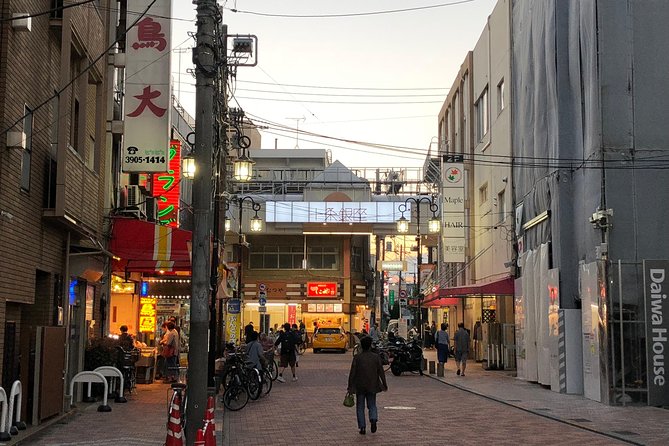
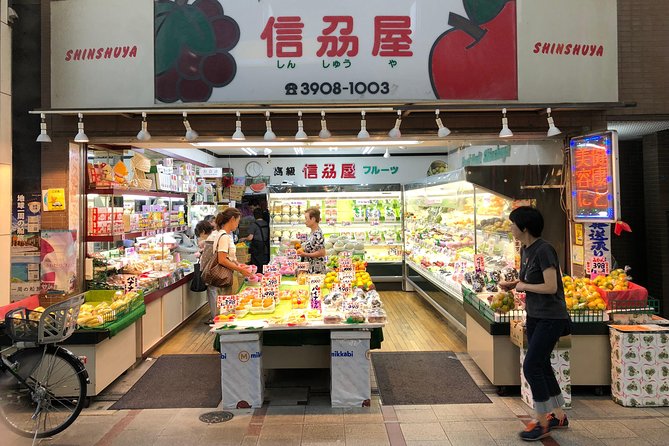
The first stop is Jūjō Ginza Shopping Arcade, one of Tokyo’s older shopping streets. The arcade has about 500 shops selling prepared foods, fresh foods, clothing, and other daily goods.
This is where the tour earns its keep. A guide can help you make sense of the displays, explain what different foods are, and point out items you might otherwise pass without noticing. A shopping street like this is not arranged for sightseeing. It is arranged for buying dinner, picking up clothes, or meeting a neighbor.
You should expect an active commercial street rather than a quiet historic lane. There may be plenty to look at, but the experience is not built around grand architecture or formal attractions. The charm comes from ordinary details: the food counters, the mix of small shops, and the way the arcade serves its neighborhood.
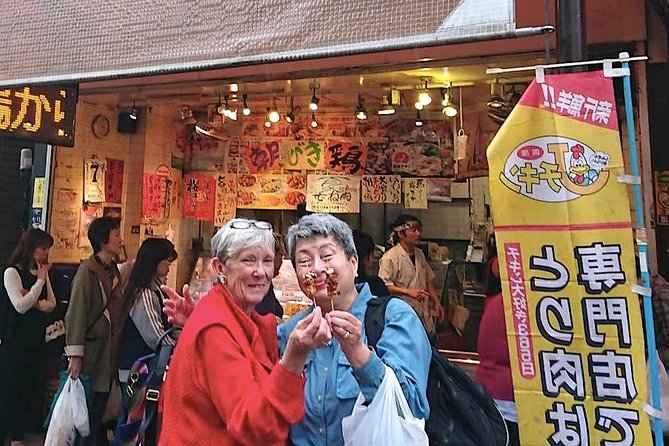
The one-hour stop is the longest part of the walk. That gives you time to look closely instead of racing through with a camera. It also makes the food side of the tour especially useful. One participant praised the food information and tastings, so ask your guide what is worth trying and how locals usually eat it.
Food and drinks are not included in the tour price. That is a minor inconvenience, but it also gives you control over your spending and appetite. If you want to sample several things, set aside extra money. If you prefer to watch and listen, you can do that too.
Shimizuzaka Park: a short pause among local residents
After the shopping arcade, the walk moves to Shimizuzaka Park. This is a quiet green space with trees, a pond, an open square, and a 52-meter roller slide for children.
The park matters because it shows another part of neighborhood life. Tokyo is densely built, but local parks provide space for children, families, and residents to take a break. You are seeing a place used for daily life, not a site prepared for sightseeing.
The scheduled stop lasts about 20 minutes. That is enough for a breather and a look around, but not enough for a long park visit. If you enjoy photography, the trees and pond may offer a change of pace after the shopping arcade. If you are mainly interested in food and history, this will probably feel like a short interlude.
I like the balance here. The route does not force you through shops for the entire afternoon. At the same time, the brief stop means you should not book this tour expecting a leisurely nature walk.
Inatsuke Castle Remains and the story of Ōta Dōkan
The next stop is the remains of Inatsuke Castle, about 21 meters above sea level. The site is connected with Ōta Dōkan, the 15th-century warlord known for building Edo Castle. A statue of him is also located here.
Do not expect a full castle complex. The attraction is a set of remains and the story attached to them. The planned visit lasts only about 15 minutes, so this is best understood as a compact historical stop rather than a major archaeological visit.
That short pause can still add useful context. Tokyo’s modern streets often hide older layers, and a local guide can explain how a small rise or fragment connects with the city’s past. The contrast is part of the pleasure: one moment you are looking at daily shopping, and soon after you are considering a 15th-century stronghold.
Admission is not included, so check the tour details at booking if that cost matters to you. The available information does not give an admission amount.
A completely different kind of day in Tokyo:
- Mt Fuji and Hakone 1-Day Bus Tour Return by Bullet Train
★ 5.0 · 26,383 reviews - 1-Day Tokyo Bus Tour
★ 5.0 · 14,250 reviews - Tokyo: teamLab Planets TOKYO Digital Art Museum Entry Ticket
★ 4.6 · 9,779 reviews - Mt Fuji & Hakone Cruise, Drum Show Bullet Train 1 Day from Tokyo
★ 4.0 · 7,413 reviews
Akabane Ichibangai: daytime drinks and old-school pubs
The final major stop is Akabane Ichibangai Shopping Street. This area contains several dozen pubs and izakayas, with many open by noon.
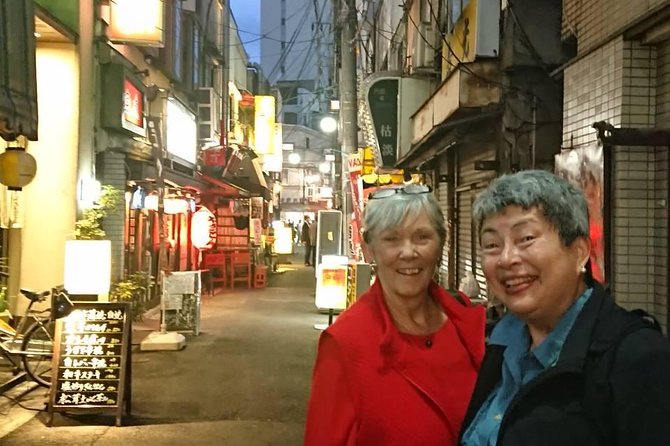
The atmosphere changes here. Jūjō Ginza is primarily a shopping arcade. Akabane Ichibangai is more focused on eating, drinking, and social life. It is not unusual to see older men enjoying sake in the middle of the afternoon at a familiar local izakaya.
That detail tells you what makes the street interesting. You are not being led to a formal dining district built for international visitors. You are seeing a local drinking culture at a time when many sightseeing areas are still focused on attractions and shopping.
The stop lasts about 40 minutes. That is long enough for your guide to explain the area and perhaps help you understand the customs around izakayas. It may not be long enough for a full meal, especially if the group has questions or moves between several locations.
Food and drinks are extra. If you want to eat or have a drink, confirm with your guide how much time is available. The tour price does not cover these purchases.
The ending point is Akabane Station, at the ticket gate. This is practical, but it also means the tour finishes in the middle of a neighborhood you may want to explore on your own. If you like local pubs, this is a good place to continue. If you are tired, the station makes the return journey simple.
What the guide adds to the experience
A walk through Jūjō and Akabane is more useful with a guide than without one. The streets are open to everyone, but the meaning of what you see is not always obvious.
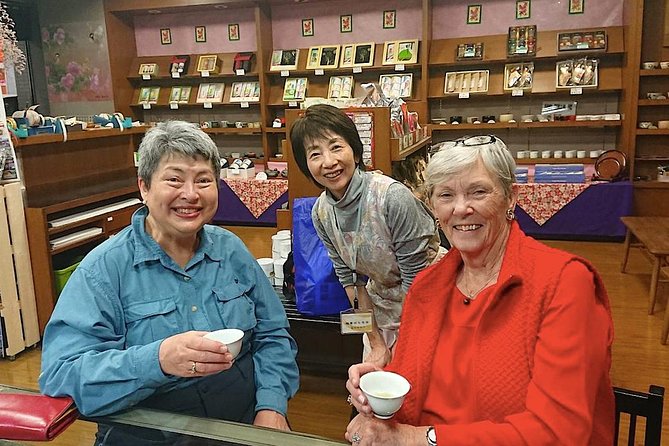
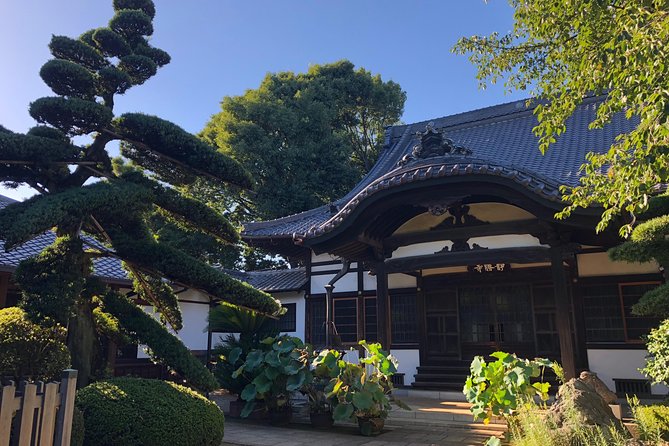
A good guide can explain what is being sold, how the shopping arcade functions, and why certain foods or customs matter. The experience described by one participant included food tastings, tea tasting, a beautiful temple, instruction about making offerings and prayers, and discussion of Japanese history and daily life.
The named guide in that account was Fumiko. If you are hoping for those specific additions, ask at booking or at the start of the tour what your route will include. The listed itinerary focuses on Jūjō Ginza, Shimizuzaka Park, Inatsuke Castle remains, and Akabane Ichibangai, so the temple and tasting elements may depend on the guide and timing.
That flexibility can be a benefit. A local guide can respond to your interests. If you care most about food, say so early. If you want history or customs explained, mention that too.
The tour provider is Trip Designer Inc. A response to the experience described Fumiko’s role warmly and invited future visitors to book other parts of Japan with the company. That suggests the company may arrange different local experiences, but this tour itself is the one covered here.
Is $71.53 a fair price?
At $71.53 per person, this is not a cheap way to simply walk through two neighborhoods. You can visit the shopping streets and parks without paying for admission. Food, drinks, and transportation are also not included.
The price is paying for interpretation and organization. You get a local guide, a planned route, local taxes, and the convenience of connecting four stops from Jūjō Station to Akabane Station. The small group, listed as a maximum of eight, can make the explanations more personal than a large city tour.
The value is strongest if you want help understanding what you see. It is weaker if you are comfortable exploring shopping arcades alone and do not need guidance with food, customs, or local history.
There is one point to clarify before booking. The tour is described as a small-group experience with a maximum of eight, but the additional information also calls it a private activity for only your group. Those descriptions do not mean exactly the same thing. Confirm whether your booking will be private or combined with other participants.
Group discounts are available, which may improve the price for people booking together. The tour is also commonly booked well ahead of time, with an average lead time of 68 days. That does not guarantee that you need to book two months ahead, but it is a useful warning during busy travel periods.
Timing, meeting point, and practical details
You meet at Jūjō Station at 3 pm. The address is in Kita City, Tokyo, near Jūjō. The tour ends at the ticket gate of Akabane Station.
Because hotel pickup and drop-off are not included, you must make your own way to Jūjō. Transportation to and from the attractions is also not included. The route appears to be a walking experience, so budget for any train fares you need before or after it.
The afternoon departure has clear advantages. The shopping arcade is open during the day, and Akabane’s pubs may already be active by the final stop. You also avoid using your prime morning hours for a walking tour.
The tradeoff is daylight and energy. Depending on the season, the later stops may feel more like an early evening outing. If you have another fixed booking after 6 pm, leave plenty of time. The tour is listed at about three hours, but walking tours can run a little long when questions, tastings, or local explanations are involved.
Wear shoes suitable for walking and bring money for optional food or drinks. A moderate fitness level is required. No separate accessibility details are provided, so ask the provider directly if you have concerns about steps, surfaces, or the pace.
Free cancellation is available if you cancel at least 24 hours before the start time. Changes or cancellations made inside that period are not accepted for a refund.
Who should book this Jūjō and Akabane walk?
I would choose this tour if you have already seen Tokyo’s major sights and want a closer look at ordinary neighborhood life. It also suits first-time visitors who prefer markets, local food, and small historical stops to large museums or landmark views.
Food-minded visitors should find plenty to discuss at Jūjō Ginza and Akabane Ichibangai. Ask about tastings, tea, and local eating customs. People interested in Japanese religious practice may also value the reported explanation of offerings and prayers, though the listed route does not spell out a temple stop.
Families may enjoy Shimizuzaka Park, especially the long roller slide, but the tour is not presented as a child-focused activity. People who want a fast, landmark-heavy schedule may find the pace too slow in the shopping arcade and too brief at the historical sites.
Should you book it?
Book this walk if you want Tokyo explained at street level. The best parts are the 500-shop Jūjō Ginza arcade, the chance to ask about food and customs, and the finish in Akabane’s daytime izakaya district.
Skip it if you prefer to explore independently, want included meals, or need a tour built around major monuments. Before paying, confirm the private versus shared group arrangement and ask whether Fumiko or another guide will lead the walk. With those details clear, the $71.53 price can be worthwhile for a personal introduction to a side of Tokyo many visitors miss.
FAQ
How long does the tour last?
The walking tour lasts approximately three hours.
What time does the tour begin?
The tour starts at 3 pm.
Where does the tour begin?
You meet at Jūjō Station in Tokyo.
Where does the tour finish?
The tour ends at the ticket gate of Akabane Station.
What is included in the price?
Local taxes and a local guide are included.
Are food and drinks included?
No. Food and drinks are not included in the tour price.
Is transportation included?
No. Hotel pickup, hotel drop-off, and transportation to or from the attractions are not included.
How many people can join the tour?
The tour is described as a small-group experience with a maximum of eight people. The booking information also describes it as a private activity for only your group, so you should confirm the arrangement before booking.
What level of fitness is required?
A moderate level of physical fitness is required.
Can I cancel for a full refund?
Yes, if you cancel at least 24 hours before the experience starts. Cancellations or changes made less than 24 hours before the start time are not eligible for a refund.
Is the tour available with a group discount?
Yes. Group discounts are listed as a feature of the experience.
Newly reviewed around Tokyo
- Tokyo Asakusa:Calligraphy & Make T-shirt Activity★ 5.0 · 62 reviews
- Intercity Shuttle, Tokyo to Haneda /Narita /Yokohama /Makuhari★ 5.0 · 5 reviews
- 1 Hour Travel around Tokyo with a Professional Photographer★ 5.0 · 3 reviews
- Travel Tokyo with Your Own Personal Photographer★ 5.0 · 43 reviews
- Train in Samurai Swordsmanship and Defeat the Demon in Tokyo★ 5.0 · 5 reviews
- Shuttle Van 6hr Tokyo Tour to-and-from Tokyo, Yokohama and Narita★ 5.0 · 9 reviews
- Kickboxing & Body Training with EX-Pro Fighter★ 5.0 · 4 reviews
- Traditional Japanese Knife Sharpening Class★ 5.0 · 18 reviews
Tokyo Walking Tours, compared.
Tokyo Tsukiji Fish Market Food and Culture Walking Tour
Read our review →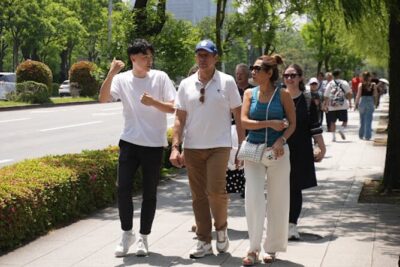
Imperial Palace and Shogun Historical Walking Tour
Read our review →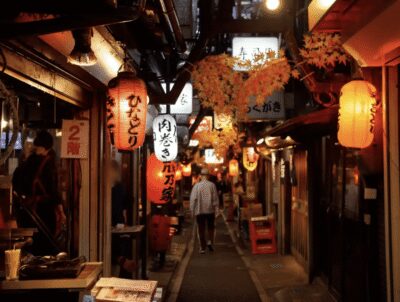
Shinjuku Local Bar and Izakaya Guided Walking Tour
Read our review →
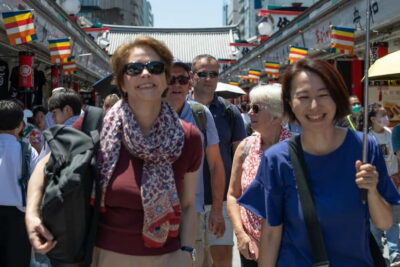
Asakusa Walking Tour with Sensoji Temple Visit
Read our review →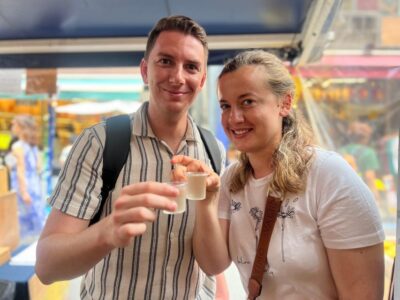
Tokyo Castle & Imperial PalaceーShogun Walking Tour
Read our review →
Browse the lists this tour appears in