
Reviewed · AKIHABARA AND ANIME TOURS
Explore Akihabara with Local Cosplayer Guide(s)!
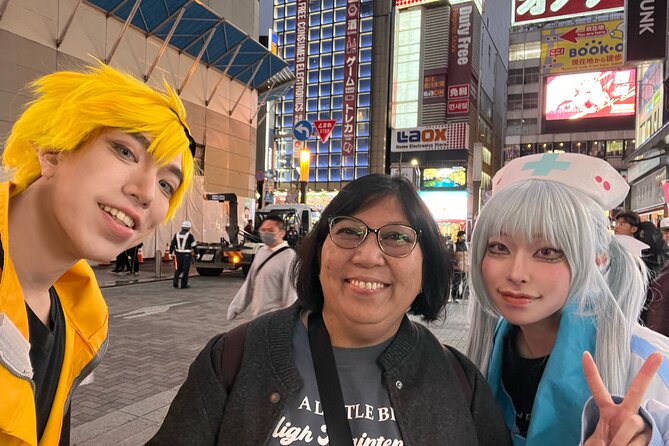
Akihabara is easier to enjoy when someone can explain what you are seeing. This private walk pairs you with a local cosplayer guide, who leads you through anime stores, game centers, retro shops, and Kanda Shrine while adding the small cultural details you would likely miss alone. Guides Mune and Ann have also helped visitors search for particular figures and recommended places to eat afterward.
I like the chance to customize the walk around your interests, and I like that the guide can help with practical things such as Japanese arcade games or finding older merchandise. The main drawback is the price: at $97.73 per person for roughly two hours, this makes the most sense for a private group that wants personal help, not for someone content to browse Akihabara independently.
Key points to know before you book

- A cosplayer leads the walk: Expect a friendly guide who can discuss anime, games, Japanese customs, and otaku culture in an informal way.
- Four very different stops: The route covers Radio Kaikan, GiGO, Super Potato, and Kanda Shrine, mixing shopping, play, nostalgia, and tradition.
- Custom requests are welcome: You can ask to focus on a certain anime, figure, game, store, or cultural topic, although every request may not be possible.
- Private attention matters: Only your group participates, so you can ask questions and spend more time where your interests lie.
- Photos are part of the fun: You may take casual photos with the guide using your own camera during the walk.
- Bring a spending plan: Admission is free, but merchandise, arcade play, food, drinks, and transportation are not included.
Why a cosplayer changes the Akihabara experience
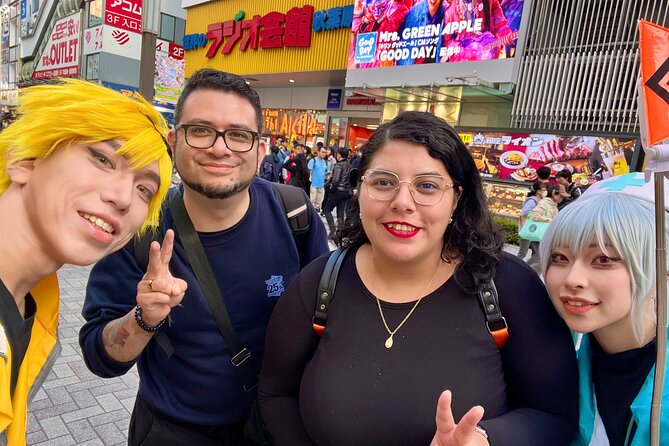
Akihabara can feel like a huge shop window with no clear starting point. A local guide gives the area some shape. Instead of simply walking past rows of character goods, you can ask what a store sells, which floors are worth your time, and where to look for a particular figure or older title.
The cosplay element gives the outing a playful tone, but it is not the whole point. The useful part is having someone who knows the area and can talk comfortably about anime, games, collecting, and daily life in Tokyo. The supplied details identify guides Mune and Ann in several past experiences, though your confirmed guide may differ.
This is a private activity, not a large group lecture. That matters if you want to ask direct questions, practice a little Japanese, or explain that you are searching for one specific character or game. One participant received active help while looking for a figure, and the guides carefully checked several stores rather than leaving the search to chance.
The route lasts about 1.5 to 2 hours, even though the listed stop times add up to around 110 minutes. In practice, expect a compact walk with time divided between the four places, casual conversation, and photographs. If you want extended shopping time, you may need to continue on your own after the official tour ends.
More Akihabara and anime tours:
- Official Street Go-Kart Tour – Akihabara
★ 5.0 · 1,578 reviews - Tokyo Go Kart: Asakusa, Skytree, and Akihabara **IDP MUST**
★ 5.0 · 988 reviews - Akihabara Anime & Game Adventure Walking Tour (Group or Private)
★ 5.0 · 404 reviews
Radio Kaikan, Akihabara’s best first stop
The walk begins at Akihabara Radio Kaikan, one of the neighborhood’s most recognizable buildings. Its many floors hold anime merchandise, character figures, trading cards, and other collector goods. Admission costs nothing, but purchases are entirely your responsibility.
This is a strong opening because it shows you how varied Akihabara shopping can be. One floor may appeal to figure collectors, another to card players, and another to fans hunting for a particular series. The building is not a single themed store, so a guide’s help can save time, especially if you have a clear shopping goal.
Ask your guide to explain the difference between new and older goods, or tell them what you hope to find. One guide response specifically refers to the difficulty of locating items that are not brand-new, even for famous anime. That is a useful warning: do not assume a popular character will be easy to find just because Akihabara is known for anime.
The 40-minute estimate gives Radio Kaikan the largest share of the walk. I would use that time well. If you are shopping, decide before arrival whether you want to browse widely or focus on one category. If you are mainly sightseeing, ask the guide which floors best explain Akihabara’s collector culture.
The possible weakness is obvious. A building packed with shops can tempt you to spend the whole tour indoors. Keep an eye on the clock, especially if the game center and shrine are important to you.
GiGO for arcades and Japanese game-center customs
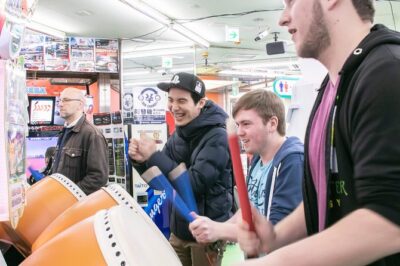
Next comes GiGO, a major Akihabara game center. The focus is hands-on: claw machines, rhythm games, and fighting games are all part of the stop. Your guide can explain how to play a Japanese arcade game, which is helpful if the machines and instructions are unfamiliar.
This stop adds energy to the tour without requiring you to be an expert. You can watch the action, try a machine, or ask questions about how Japanese game centers work. The activity does not include arcade costs, so keep some money available if you want to play.
GiGO is scheduled for about 30 minutes. That is enough for an introduction and perhaps a quick attempt, but not enough for a long arcade session. If you have a favorite game type, say so early. The tour can be adjusted when possible, and a clear request gives the guide a better chance to shape the stop around you.
I like this part because it turns a familiar subject into a social experience. You are not only looking at Japanese pop culture in a shop. You are learning how to take part in it. Still, people who dislike games or do not want to spend extra money may find this stop less useful than the shrine or shopping portion.
Super Potato and the appeal of older games
Super Potato shifts the mood from current releases to retro gaming. You can browse classic consoles and vintage games, then see arcade machines from an earlier era. The planned visit lasts about 20 minutes.
Even if you do not buy anything, this stop gives the tour a sense of history without requiring a long museum visit. It is a place to compare older games with the newer titles you may have seen at GiGO. If you already collect retro games, you may want to ask whether the guide can help you identify items or point out sections worth checking.
The short time limit is the main consideration. Super Potato can reward slow browsing, but the scheduled stop is brief. Treat it as a focused introduction rather than a full shopping session. You can return later if the store catches your interest.
The stop also helps balance the tour. Radio Kaikan is broad and merchandise-heavy. GiGO is active and noisy. Super Potato gives you a quieter chance to look at gaming’s past, even though the surrounding area remains lively.
More guided tours in Tokyo:
- Tokyo 6hr Private Tour with Government-Licensed Guide
★ 5.0 · 3,902 reviews - Tokyo: Shinjuku Local Bar and Izakaya Guided Walking Tour
★ 4.9 · 1,794 reviews - Tokyo: Private City Highlights Tour with Local Guide
★ 4.8 · 1,433 reviews - Tokyo: Tsukiji Fish Market Guided Walking Tour
★ 4.9 · 1,397 reviews
Kanda Shrine, where pop culture meets tradition
Kanda Myojin provides the sharpest change of scene. This is a working shrine with traditional customs, yet it also has a connection to anime and an otaku-friendly reputation. The guide explains how to pray properly, giving you a simple way to approach the visit with respect.
The shrine stop lasts about 20 minutes. That is enough for basic guidance and a look around, but it is not a long religious tour. I see its value in the contrast: after shops and arcades, you get a chance to think about how modern fan culture and older Japanese traditions can exist side by side.
Ask your guide about proper shrine behavior rather than guessing. The tour specifically includes instruction on how to pray, which makes this more useful than a quick photo stop. You can enjoy the connection to anime while remembering that the shrine remains a religious place.
Because the tour ends back at the meeting point, Kanda Shrine also helps complete the loop. You do not need to arrange a separate ride from the final stop. The walk returns to the starting area, near Akihabara Station’s Electric Town West Plaza.
What the private format is really worth

The price is $97.73 per person. That is a serious amount for a 1.5 to 2-hour walk, especially since you pay separately for transportation, food, drinks, arcade games, and shopping.
The value comes from personal attention, not admission tickets. A guide can help you search for a specific figure, explain an unfamiliar game, answer questions about Japanese life, and adjust the route when possible. For a private group with a strong anime or gaming interest, that may be worth more than a standard sightseeing walk.
For a solo visitor, the cost is harder to justify unless you particularly want a cosplay guide or need help shopping. For two or more people sharing the experience, the personal format becomes easier to assess. The right question is not whether the tour includes expensive attractions. It does not. The question is whether you want a local companion who can turn Akihabara’s many choices into a more focused visit.
The price also makes the cancellation rule important. This experience is non-refundable and cannot be changed for any reason, so book only when your schedule is firm.
How to make the most of your two hours
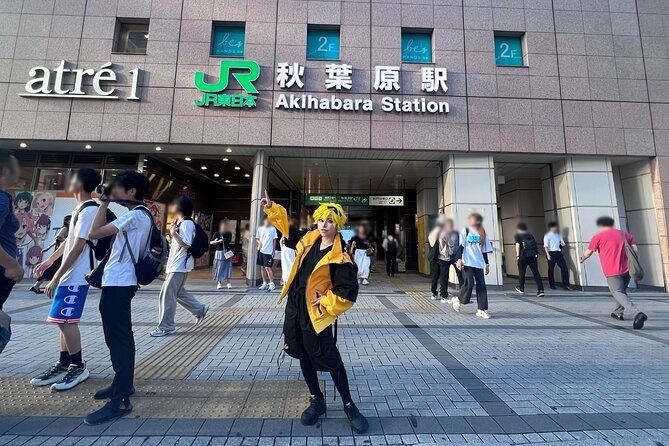
Start by deciding what you want from Akihabara. You might want anime merchandise, retro games, arcade play, shrine customs, casual photos, or a general introduction. Tell the guide as soon as you meet. The route can be customized, but requests are subject to availability.
If you are hunting for a certain figure, bring the character name, series title, and any useful details. The guides have helped people search through stores, including for goods that are no longer new. There is no promise that you will find the item, but specific information gives the guide something practical to work with.
Wear comfortable shoes. This is a walking tour through several indoor and outdoor locations, and the experience works best when you have enough energy to browse rather than rush. Keep your camera or phone ready for the short photo time, but remember that the guide’s main role is to lead and explain, not serve as a full-time photographer.
You can also ask about life in Tokyo. The supplied experiences include conversations about anime, local life, language, food, and even metal music. That range suggests the best use of the tour is an open conversation, not a rigid script.
Afterward, you may want to eat nearby. Food is not included, but the guides have recommended restaurants after the walk, including ramen and curry. Treat that as a possible local suggestion, not part of the paid activity.
Who should book this Akihabara walk
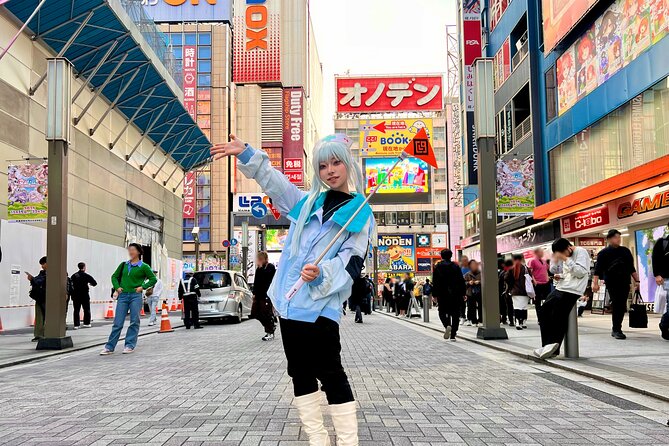
I would recommend it most strongly to anime fans who want help shopping, first-time visitors who find Akihabara confusing, and parents or friends who want a light, friendly introduction to Japanese pop culture. It also suits people who enjoy meeting locals and asking questions rather than following a fixed sightseeing speech.
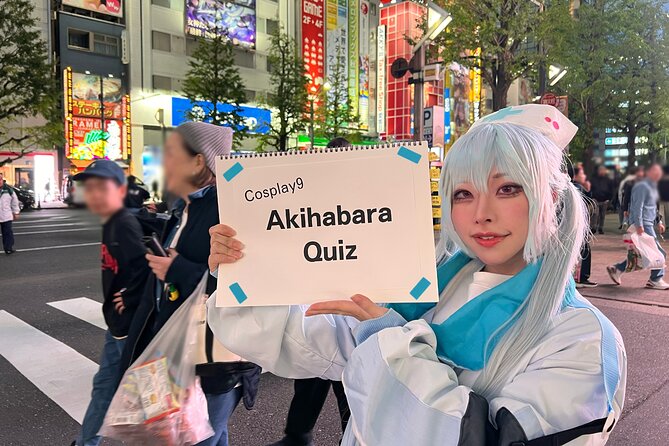
It may work well for visitors who do not speak Japanese. One person received patient help while searching for a figure, and the guide made a clear effort to assist with communication. The tour can also suit families. A past group used quizzes during the walk, showing that the guides can add playful touches for younger participants when appropriate.
The activity is less suitable if you want a long shopping session, a formal history tour, or a low-cost introduction to the district. You can visit the four locations yourself, and admission to each stop is free. The reason to pay is the guide’s time, personal help, cultural explanations, and cosplay presentation.
Most people can participate, and the meeting point is close to public transportation. The activity begins at Akihabara Station Electric Town West Plaza, at 1-chome-17-18 Sotokanda, and finishes back there. Confirmation is sent within 48 hours of booking, subject to availability.
My booking advice
Book this if you want Akihabara explained by someone who enjoys the same culture you came to see. The strongest reasons are the private format, the ability to ask for a custom focus, and the practical help with stores, games, shrine manners, and merchandise searches.
Skip it if you mainly want to browse alone or if $97.73 feels high for a short walk without included purchases or meals. Akihabara is easy to continue exploring after the tour, but the guide’s value is greatest when you arrive with questions and a clear interest.
FAQ
Where does the tour begin?
It begins at Akihabara Station Electric Town West Plaza, at 1-chome-17-18 Sotokanda, Chiyoda City, Tokyo 101-0021, Japan.
Where does the tour finish?
The activity ends back at the meeting point.
How long does the experience last?
The walking tour lasts approximately 1.5 to 2 hours. The individual stops are planned for about 40 minutes at Radio Kaikan, 30 minutes at GiGO, 20 minutes at Super Potato, and 20 minutes at Kanda Shrine.
Is this a private tour?
Yes. Only your group participates in the activity.
Can I request a custom route?
Yes. The tour can be customized, so you can ask about particular interests. Some requests may not be available.
Are photographs with the guide allowed?
Yes. The experience includes a short photo period, and you may use your personal camera.
Are admission fees included?
There are no admission tickets for the listed stops. Food, drinks, transportation to and from the meeting point, personal purchases, and arcade spending are not included.
Can I cancel or change the booking?
No. The experience is non-refundable and cannot be changed for any reason. A cancellation or amendment request does not qualify for a refund.
Newly reviewed around Tokyo
- Tokyo Asakusa:Calligraphy & Make T-shirt Activity★ 5.0 · 62 reviews
- Intercity Shuttle, Tokyo to Haneda /Narita /Yokohama /Makuhari★ 5.0 · 5 reviews
- 1 Hour Travel around Tokyo with a Professional Photographer★ 5.0 · 3 reviews
- Travel Tokyo with Your Own Personal Photographer★ 5.0 · 43 reviews
- Train in Samurai Swordsmanship and Defeat the Demon in Tokyo★ 5.0 · 5 reviews
- Shuttle Van 6hr Tokyo Tour to-and-from Tokyo, Yokohama and Narita★ 5.0 · 9 reviews
- Kickboxing & Body Training with EX-Pro Fighter★ 5.0 · 4 reviews
- Traditional Japanese Knife Sharpening Class★ 5.0 · 18 reviews
Akihabara and Anime Tours, compared.


Tokyo Go Kart: Asakusa, Skytree, and Akihabara **IDP MUST**
Read our review →
Akihabara Anime & Game Adventure Walking Tour (Group or Private)
Read our review →

Akihabara Tailor-made Private Tour for Anime Fans
Read our review →
Ramen Making from Scratch +Akihabara Tour –Tokyo Cooking Class
Read our review →Browse the lists this tour appears in