
Reviewed · TOKYO SAKE TASTINGS
Experience a western twist on Japanese sake snacks
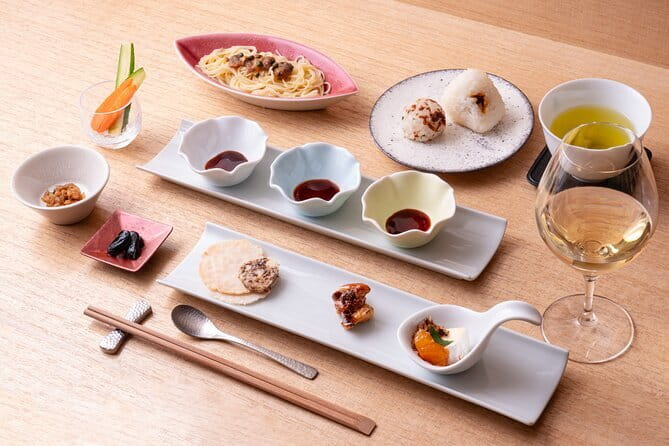
Tsukudani turns preserved seafood into a surprisingly flexible Japanese snack. At Shinbashi Tamakiya, a shop founded in 1782, you’ll taste classic versions alongside newer combinations with rice, pasta, nuts, and drinks. It is a compact way to meet a part of Japanese food culture many visitors skip.
I like the private format, which gives your group a personal tasting rather than a crowded counter stop. I also like the mix of traditional and modern pairings, including rice with tsukudani and furikake, plus wine or sake. The main consideration is that this is a focused 90-minute food experience, not a broad Tokyo food tour, and preserved seafood may not suit every palate.
Key points
- Taste three signature tsukudani preparations at Shinbashi Tamakiya, an established shop dating to 1782.
- Learn about the secret sauce and how tsukudani has been part of Japanese food culture since the Edo period.
- Try familiar and unexpected pairings, from rice and furikake to pasta and nuts.
- Choose sake or wine to match the seafood snacks.
- Enjoy a private tasting with only your own group participating.
- Plan around a 90-minute visit, with morning and afternoon tasting times available.
Why tsukudani makes a good Tokyo food stop
Tsukudani is seafood preserved in a sweet-salty sauce. The method dates to the Edo period, when preserving food helped make fish and other ingredients last longer. Today, it remains a small but meaningful part of Japanese home cooking, often eaten with rice.
That everyday connection is what gives this tasting its value. You are not simply sampling an expensive specialty. You are learning about a food that has long been used to add strong flavor to a plain bowl of rice.
The experience also shows how an old preparation can move beyond its traditional setting. At Shinbashi Tamakiya, the tasting includes familiar Japanese combinations, then shifts toward pairings with wine, pasta, nuts, and other ingredients. That western twist helps you understand tsukudani as an ingredient, not just a preserved side dish.
If you like food experiences that explain why a dish matters, this is a better fit than a quick market snack. If you want a large meal or a wide survey of Tokyo cuisine, it may feel narrow.
More Tokyo sake tastings:
- Ramen and Sushi Cooking Class with Sake Pairing Set in Tokyo
★ 5.0 · 291 reviews - Sake Tasting Masterclass in Shinjuku (8+ Varieties with a Pro)
★ 5.0 · 271 reviews - Sake Omakase in Tokyo: Guided Tasting by Certified Sommeliers
★ 5.0 · 239 reviews
Entering Shinbashi Tamakiya, founded in 1782
The tasting begins at Shinbashi Tamakiya in Shinbashi, Minato City. The shop was established in 1782, so the setting connects the food directly to a long-running Japanese business rather than presenting tsukudani as a new tourist invention.
You will learn about the shop’s background and the history of tsukudani before tasting. That opening matters because the first bite of preserved seafood can be hard to place if you have never tried it. The explanation gives you a frame for the flavors and the preservation method.
The exact address is 4-chōme 25, Shinbashi, at the Ishida Building, 1st floor. The meeting point is near public transportation, and the activity ends at the same location. That makes it easy to fit into a morning or afternoon in central Tokyo without arranging a separate return transfer.
The shop’s age is one of the strongest reasons to choose this experience. You are tasting food from a business with a long connection to the dish, not simply receiving a generic Japanese snack plate.
The first tasting: sauce and three signature tsukudani
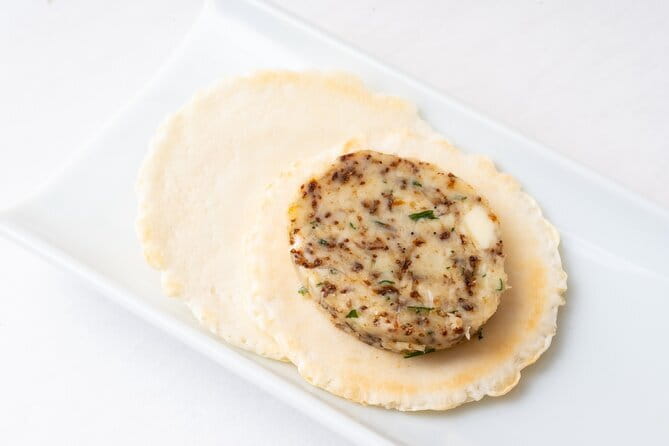
The tasting starts with the shop’s secret sauce and three signature tsukudani preparations. The supplied details do not identify each seafood by name, so you should expect a sampling of the shop’s selected specialties rather than a fixed list of named fish.
This part is likely to be the most traditional section. Tsukudani is known for concentrated flavor, so small portions make sense. A little can go a long way, especially when the seafood is salty and sweet.
Pay attention to how the different preparations compare. The point is not only to decide which one you like best. You can also notice how texture, sauce, and seafood change the experience. The shop’s staff will explain the food and show you how it is traditionally eaten.
The taste may be unfamiliar if you usually prefer fresh, lightly seasoned seafood. That is not a flaw in the experience, but it is worth knowing before you book. Tsukudani is bold and preserved, not delicate sashimi.
Rice, furikake, and the everyday Japanese connection
Next, you taste rice with tsukudani and furikake seasonings. This is one of the most useful parts of the experience because it shows the snack in an ordinary Japanese context.
Rice softens the intensity of the preserved seafood and gives the tasting a clear purpose. Tsukudani is not meant only to be eaten by itself. It works as a savory topping that turns plain rice into a more flavorful meal.
Furikake adds another familiar Japanese element. It is commonly used as a rice seasoning, and pairing it with tsukudani lets you compare two different ways of building flavor in a simple bowl.
The experience includes brunch, snacks, and alcoholic beverages. The rice tasting makes the visit more substantial than a few tiny samples, though you should still think of it as a tasting rather than a full restaurant lunch.
A completely different kind of day in Tokyo:
- Mt Fuji and Hakone 1-Day Bus Tour Return by Bullet Train
★ 5.0 · 26,383 reviews - 1-Day Tokyo Bus Tour
★ 5.0 · 14,250 reviews - Tokyo: teamLab Planets TOKYO Digital Art Museum Entry Ticket
★ 4.6 · 9,779 reviews - Mt Fuji & Hakone Cruise, Drum Show Bullet Train 1 Day from Tokyo
★ 4.0 · 7,413 reviews
Pasta, nuts, and a western twist
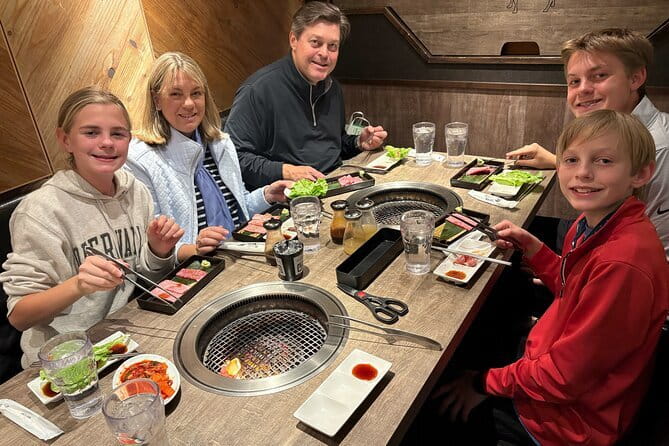
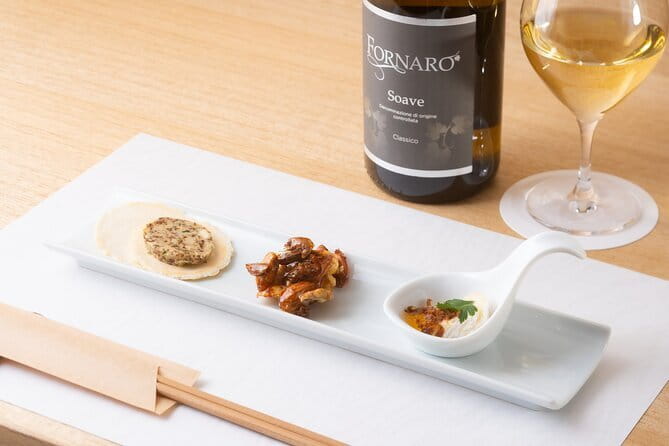
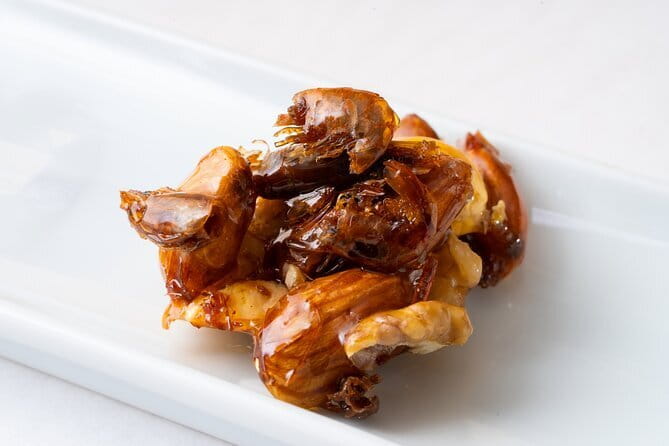
The modern section pairs tsukudani with ingredients such as pasta and nuts. This is where the experience becomes especially useful for anyone wondering how to use tsukudani outside traditional Japanese meals.
Pasta gives the preserved seafood a western setting, while nuts add a different texture and another way to balance the sauce. These combinations may not be what you expect from a shop with Edo-period roots, but they help show how the ingredient can work in contemporary cooking.
I like this contrast because it keeps the tasting from becoming a history lesson with food attached. You can compare the classic rice pairing with newer ideas and decide which style suits you.
The modern combinations will not necessarily appeal to everyone. Some people will prefer the traditional rice and seafood pairing, while others will find the pasta and nuts easier to approach. Since the tasting includes several formats, you get a fair chance to discover your preference.
Sake or wine with preserved seafood
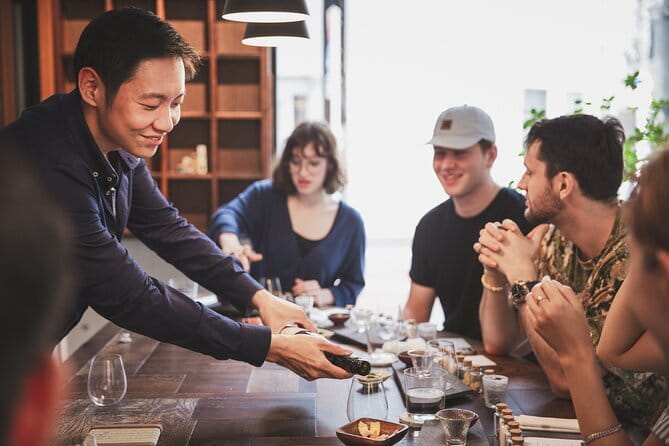
The tasting includes a pairing with sake or wine. This adds another layer to the experience, since the drinks can change how the salty and sweet flavors come across.
Sake is the more natural choice if you want to keep the tasting close to Japanese food tradition. Wine offers the western comparison promised by the experience and may help you think about tsukudani in the same way you would approach a savory appetizer.
The details do not specify the exact sake or wine served, so you should not book this expecting a particular label or a formal beverage class. The focus is on trying the drinks with the food, not on a large tasting menu of alcohol.
Alcoholic beverages are included, but the experience also needs to work for people who are mainly interested in the food. If you do not drink, confirm the available arrangement before booking, since the published details specifically mention sake or wine rather than a nonalcoholic substitute.
A private 90-minute format
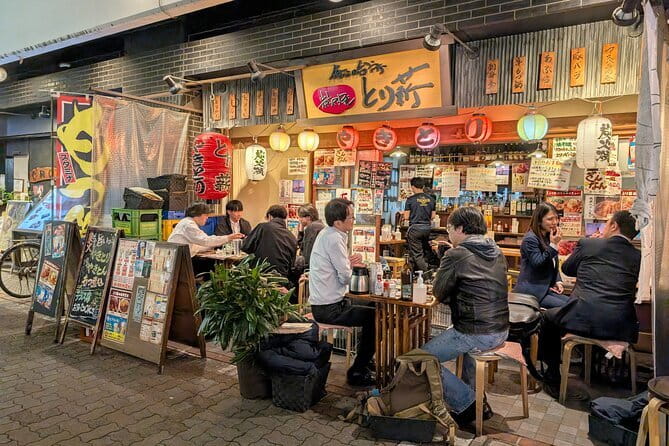
The activity lasts about 1 hour and 30 minutes. That is long enough for an explanation, several tasting stages, and a relaxed comparison of the food, without taking over your day.
The private format is a real advantage. Only your group participates, so the pace can feel more personal than a large food walk. You can ask questions about the sauce, the preservation method, and how to eat the tsukudani without worrying about holding up a crowd.
This format also suits couples, families, or small groups with different levels of interest in Japanese food. One person can focus on the history, another on the sake pairing, and another on finding the easiest way to use tsukudani at home.
The tradeoff is that a private activity often gives you less spontaneous interaction with other people. If you enjoy meeting fellow food enthusiasts, a shared market tour may offer more social energy. Here, the reward is attention and focus.
Morning and afternoon tasting times are available. The morning option could work well before sightseeing, while the afternoon session may fit better after visiting nearby parts of central Tokyo. Since the experience is short, you can place it between other plans rather than giving up half a day.
What the price includes at $36.24
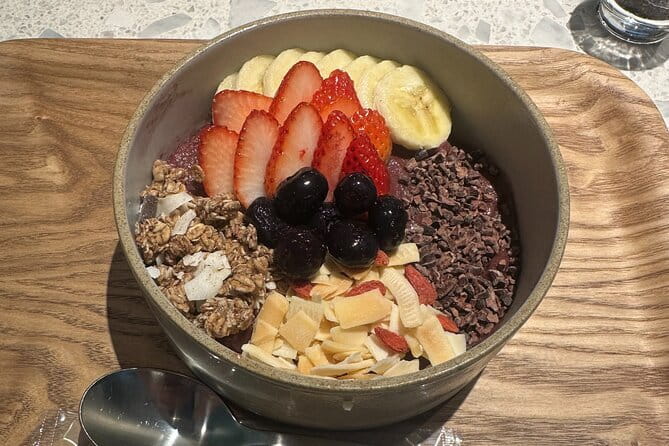
At $36.24 per person, the price covers the private tasting, the tsukudani samples, brunch, snacks, and alcoholic beverages. For a 90-minute private experience at a shop with roots going back to 1782, that is a reasonable price if you care about context as much as quantity.
You are paying for more than preserved seafood on a plate. The value comes from the explanation of the shop and dish, the chance to compare traditional and modern uses, and the personal format. A simple snack purchase would cost less, but it would not give you the same guided introduction.
The price is less attractive if you only want a large meal. The food is presented as a tasting, and tsukudani is a strong-flavored specialty rather than a broad menu of Japanese dishes.
I would compare this experience with the cost of a standard Tokyo food tour. It covers a much smaller food category, but it also offers a more focused look at one old preparation. If you have already done several general food tours, this can add something different. If this is your first food activity in Tokyo, you may prefer a broader tour unless tsukudani specifically interests you.
Who will get the most from this tasting
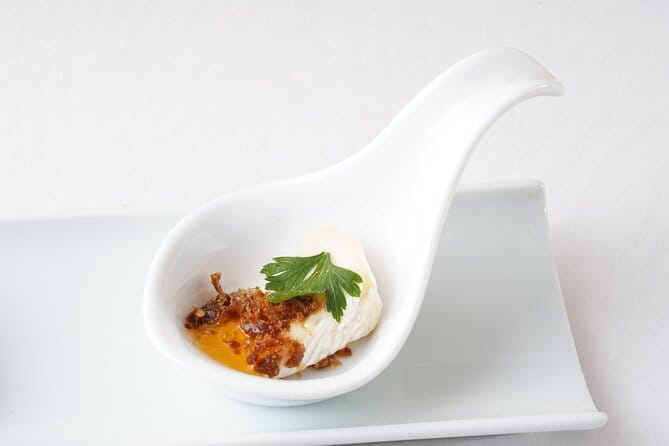
I recommend this experience most to people who enjoy food with a story and are willing to try preserved seafood. It suits anyone curious about the difference between everyday Japanese food and the dishes most often served to international visitors.
It is also a good pick for visitors who prefer private activities. You receive a more personal tasting without committing to a full day of touring. The mobile ticket makes it practical to keep the booking on your phone while moving around Tokyo.
Families may appreciate the short duration, though individual reactions to seafood and strong flavors will vary. Most people can participate, and service animals are allowed. The meeting point is near public transportation, but the supplied information does not provide a detailed route from a particular station, so check your route before setting out.
You may want to skip it if you dislike seafood, sweet-salty sauces, or alcohol-focused food pairings. The activity does not promise a replacement menu or a broader selection for people who want meat, vegetables, or desserts.
Booking timing and cancellation details
This activity is booked an average of 59 days in advance, which suggests that planning ahead is sensible, especially if you need a particular morning or afternoon time. Confirmation is sent within 48 hours of booking, subject to availability.
You can cancel for a full refund up to 24 hours before the local start time. Cancellations or changes made less than 24 hours before the start are not refunded or accepted.
The activity is private, so you should book it with the right number of people in your group. The published information does not give a maximum group size, so ask the provider if you are planning to attend with a larger party.
Should you book Shinbashi Tamakiya?
Book it if you want a close look at a lesser-known part of Japanese food culture, prefer a private setting, and enjoy trying unusual seafood in several forms. The strongest features are the shop’s 1782 roots, the three signature tastings, and the move from traditional rice to modern pairings with pasta and nuts.
The excellent 4.9 rating from 32 submitted ratings and a 100 percent recommendation record support the idea that the personal teaching and welcoming food presentation are central strengths. Still, the experience is specialized. You should not expect a full Tokyo food tour or a large lunch.
For the right eater, $36.24 is a fair price for a short, focused introduction to tsukudani, with sake or wine included. If preserved seafood sounds intriguing rather than intimidating, this is a smart way to taste it with guidance and context.
FAQ
Where does the tsukudani tasting take place?
It takes place at Shinbashi Tamakiya, 4-chōme 25, Shinbashi, Minato City, Tokyo 105-0004, at the Ishida Building on the first floor.
How long does the experience last?
The tasting lasts approximately 1 hour and 30 minutes.
Is the activity private?
Yes. Only your own group participates in the activity.
What food is included?
The tasting includes tsukudani samples, brunch, and snacks. You will try three signature tsukudani preparations, rice with tsukudani and furikake, and tsukudani with ingredients such as pasta and nuts.
Are drinks included?
Yes. Alcoholic beverages are included, with sake or wine offered as pairings.
Can I choose a morning or afternoon time?
Yes. Morning and afternoon tasting times are available.
Does the activity end at the same place where it starts?
Yes. The activity ends back at the Shinbashi Tamakiya meeting point.
What is the cancellation policy?
You can cancel up to 24 hours before the local start time for a full refund. Cancellations or changes made less than 24 hours before the start are not accepted or refunded.
More Tokyo food tours
- Tokyo: Shinjuku Food Tour (13 Dishes at 4 Local Eateries)
★ 5.0 · 6,603 reviews - Tokyo Tsukiji Fish Market Food and Culture Walking Tour
★ 5.0 · 3,184 reviews - Tokyo: Shinjuku Food Tour (15 Dishes and 4 Eateries)
★ 4.9 · 2,033 reviews - Tokyo: Tsukiji Fish Market Food and Walking tour
★ 5.0 · 1,724 reviews
More Tokyo drink tastings and bars
- Tokyo Bar Hopping Tour in Shinjuku (All-You-Can-Drink + Dinner)
★ 5.0 · 3,587 reviews - Best of Shinjuku: Izakaya Food Tour (4 Stops, 14+ Tastings)
★ 5.0 · 1,863 reviews - Tokyo: Shinjuku Local Bar and Izakaya Guided Walking Tour
★ 4.9 · 1,794 reviews - Shibuya Meltdown Nightlife Tour: All-You-Can-Drink Bar Hopping
★ 5.0 · 1,058 reviews
Newly reviewed around Tokyo
- Tokyo Asakusa:Calligraphy & Make T-shirt Activity★ 5.0 · 62 reviews
- Travel Tokyo with Your Own Personal Photographer★ 5.0 · 43 reviews
- Intercity Shuttle, Tokyo to Haneda /Narita /Yokohama /Makuhari★ 5.0 · 5 reviews
- 1 Hour Travel around Tokyo with a Professional Photographer★ 5.0 · 3 reviews
- Train in Samurai Swordsmanship and Defeat the Demon in Tokyo★ 5.0 · 5 reviews
- Shuttle Van 6hr Tokyo Tour to-and-from Tokyo, Yokohama and Narita★ 5.0 · 9 reviews
- Kickboxing & Body Training with EX-Pro Fighter★ 5.0 · 4 reviews
- Traditional Japanese Knife Sharpening Class★ 5.0 · 18 reviews
Tokyo Sake Tastings, compared.
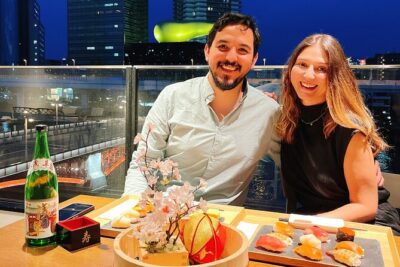
Ramen and Sushi Cooking Class with Sake Pairing Set in Tokyo
Read our review →
Sake Tasting Masterclass in Shinjuku (8+ Varieties with a Pro)
Read our review →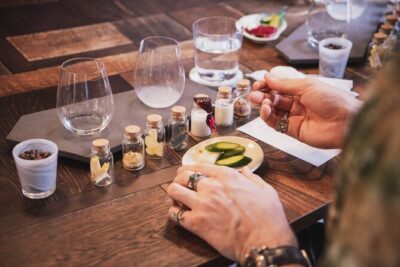
Sake Omakase in Tokyo: Guided Tasting by Certified Sommeliers
Read our review →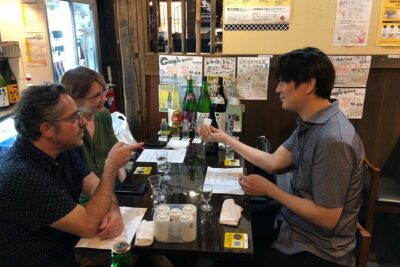
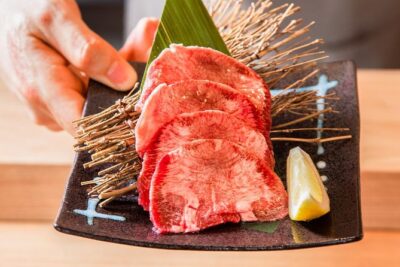
Wagyu & Sake Pairing in Shinjuku – Steak, Shabu-Shabu & More
Read our review →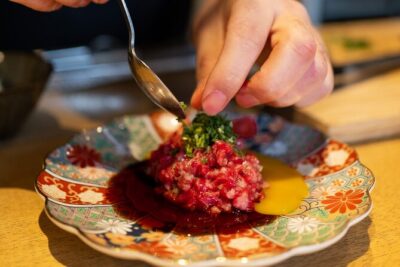
Tokyo Wagyu & Sake Pairing Tasting Experience with Local Flavors
Read our review →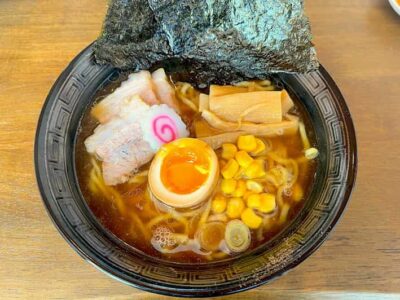
Sushi and Ramen Cooking Class with Sake Pairing Set
Read our review →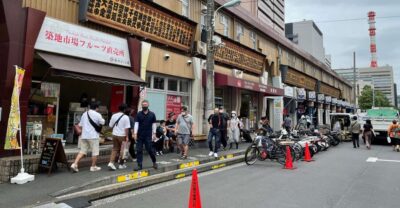
Tsukiji: Outer Market Walking Tour & Sake Tasting Experience
Read our review →Browse the lists this tour appears in