
Reviewed · MEIJI SHRINE TOURS
Tokyo: Meiji Jingu Shrine & Inner Garden Guided Tour (2h)
Meiji Jingu is one of Tokyo’s best places to slow down. Behind the first torii, city noise gives way to a broad forest path, sake barrels, ritual water, and a shrine where your guide explains what to do instead of leaving you to guess. The tour also reaches Shinen Garden, where South Pond and Kiyomasa’s Well add a quieter, more natural side to the visit.
I like the practical focus: you learn the handwashing ritual and the proper way to pray, then try an omikuji fortune for yourself. I also like the human touch from guides such as Minoru, Kai, Kyo, and Takashi, who are praised for clear explanations, humor, kindness, and useful cultural context. The main drawback is time. Two hours passes quickly, and Kiyomasa’s Well is visited only if the schedule allows.
Key points to know before you book
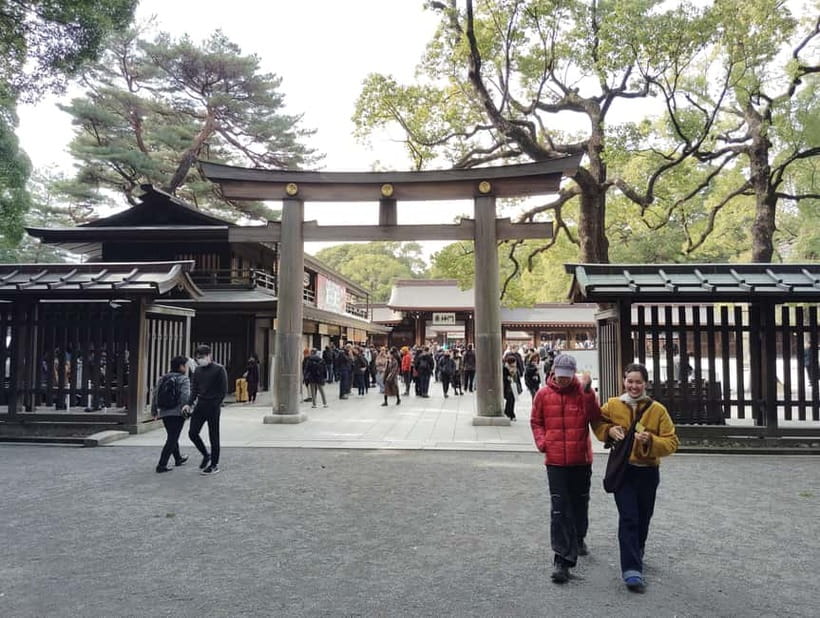
- The tour begins at Meiji Jingu’s first torii: Meet in front of Ichinotorii, where the guide holds a yellow DeepExperience sign.
- You learn the rituals, not just the names: Your guide explains handwashing and how to pray at the shrine.
- Sake barrels introduce the Eternal Forest: This is a useful first stop for understanding the shrine’s setting and traditions.
- Shinen Garden costs extra on many shrine visits, but entry is included here: The fee also covers the omikuji and other stated experience fees.
- The guide can shape the experience: English and Japanese guiding are available, with private or small-group options.
- Kiyomasa’s Well is not guaranteed: The tour focuses on South Pond, and the well depends on the time available.
Why Meiji Jingu works so well as a guided visit
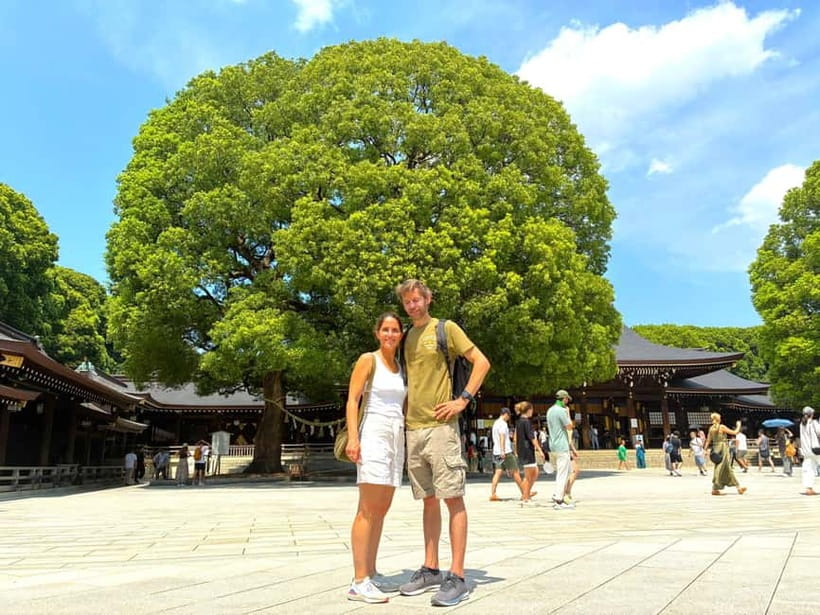
Meiji Jingu can look simple at first: a long forest approach, a large shrine, and a few ritual stations. The details become more meaningful once someone explains them. This tour gives you that framework without turning the visit into a long classroom lecture.
You begin at the first torii, the large entrance gate where the walk into the shrine grounds starts. Your guide gives a short introduction to the route and the ideas behind the visit. That opening matters because Meiji Jingu is not just a photo stop in central Tokyo. It is a place where customs, offerings, architecture, and quiet behavior all fit together.
I would choose a guided visit here if this is your first encounter with Shinto practice. You can certainly walk through the grounds alone, but it is easy to miss what the sake barrels mean, how the purification ritual works, or why the prayer sequence matters. The guide gives you a way to take part respectfully rather than simply watch other people.
More Meiji Shrine tours in Tokyo:
- Tokyo: Meiji Shrine, Asakusa, Skytree Bus Tour and Cruise
★ 4.7 · 1,986 reviews - Tokyo Panoramic 1 Day: Meiji Shrine, Asakusa, Odaiba and SKYTREE®
★ 4.5 · 1,222 reviews - Tokyo: Meiji Shrine Walking Tour — Shinto & Imperial System
★ 4.9 · 266 reviews
From the first torii into the Eternal Forest
The walk starts under the first torii of Meiji Jingu. The meeting point is practical, but you should pay attention to the exact location: in front of Ichinotorii, with the guide holding a yellow sign marked with the DeepExperience logo.
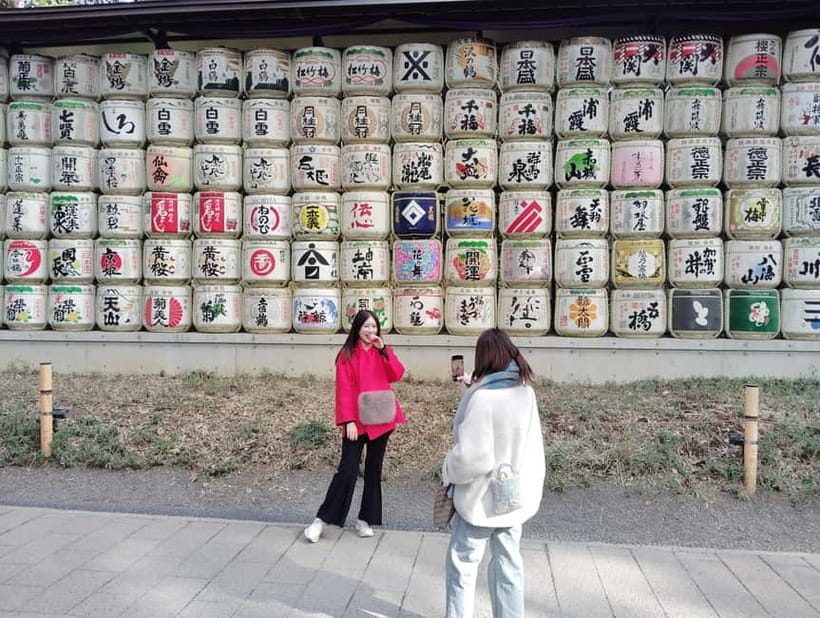
From there, you walk toward the sake barrel offering area. The barrels make a good early photo stop, but their real value is the story attached to them. Your guide explains the role of sake offerings and introduces the idea of Meiji Jingu’s Eternal Forest.
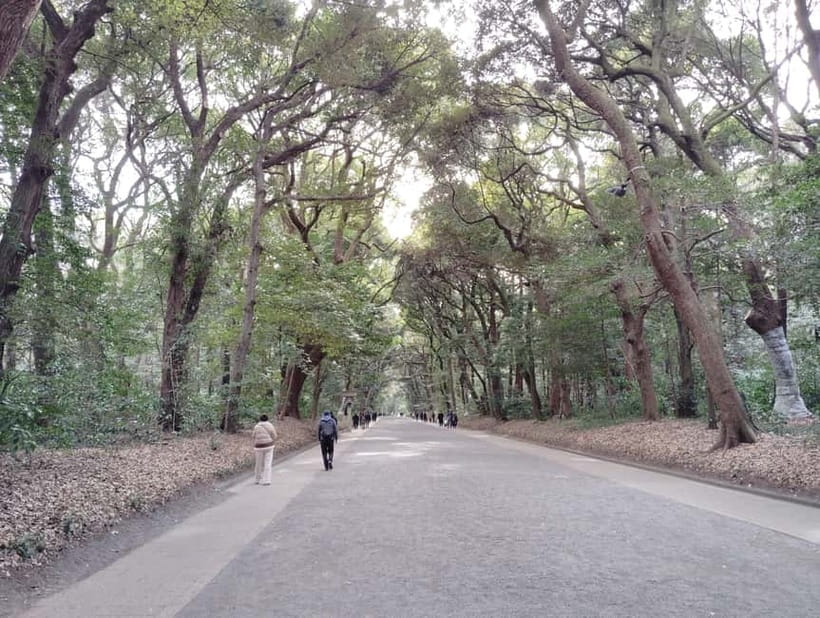
The forest is one of the shrine’s defining features. The tour uses this walk to connect the natural setting with the spiritual purpose of the grounds. Sunlight filtering through the trees, the broad paths, and the distance from nearby traffic help create the calm mood promised by the experience.
This part of the tour is also where your guide can add wider cultural context. Kyo, for example, is described as offering fresh perspectives on Japanese history, religious practice, and everyday life, with a friendly and easygoing manner. That kind of explanation can help you connect a formal shrine visit with the Japan you see outside the gates.
You will have time for photographs, but this is not designed as a rapid photo circuit. I would take a few pictures, then put the phone away for part of the walk. The forest is most effective when you notice the change in pace.
The grand torii and the handwashing ritual
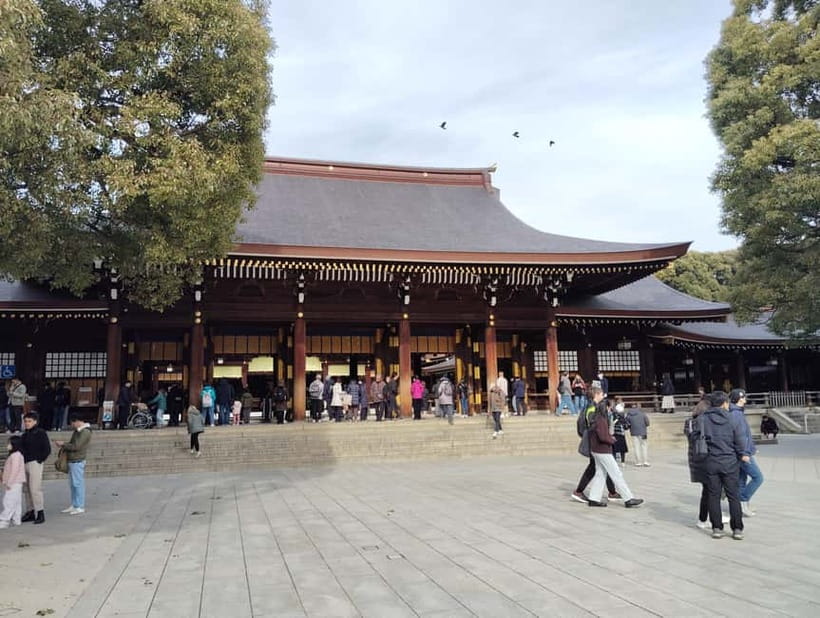
The route continues to the grand torii, where you can take part in the traditional handwashing ritual before entering the main shrine area. This is one of the tour’s most useful sections because the guide demonstrates the purpose and order of the ritual.
You do not need prior knowledge of Shinto customs. The point is to prepare yourself before approaching the shrine, not to perform a complicated ceremony. A guide can also explain the difference between simply copying a movement and understanding why it is done.
At Meiji Jingu, this moment helps set the tone for the rest of the visit. You are asked to slow down, pay attention, and approach the shrine with respect. For many people, it is a small but memorable part of the tour because it turns a cultural idea into something you actually do.
The ritual also makes the visit easier for families and first-time visitors. Instead of wondering if you are standing in the wrong place or using the water basin incorrectly, you have clear direction. That practical help is a strong reason to pay for a guide here.
Learning how to pray at Meiji Jingu
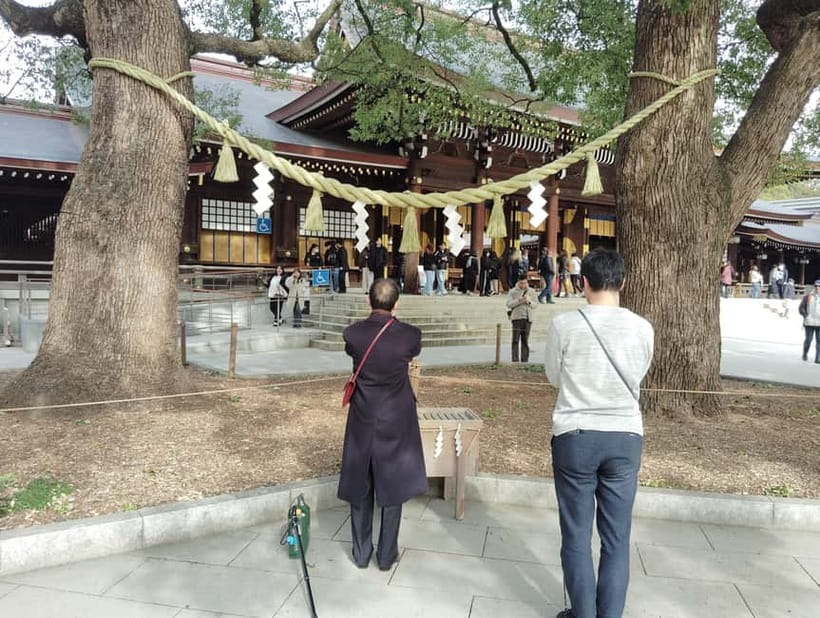
At the shrine, your guide explains the proper way to pray. The instruction is brief but valuable, especially if you have never visited a Shinto shrine before. You learn what to do at the offering area and have time for a quiet moment of reflection.
I appreciate that the tour does not treat prayer as a theatrical performance. The goal is to understand the custom and decide how you want to take part. You can follow the steps, observe respectfully, or simply pause in the shrine grounds.
Takashi is specifically praised for giving historical background that helps make the shrine easier to understand. That context can change the visit from a quick look at a large wooden structure into a clearer picture of why Meiji Jingu matters to Japan’s modern identity.
You should also expect the shrine area to be active at times. The provided schedule does not promise a private or empty approach. A small-group or private format may give you more room to ask questions, but the shrine itself remains a public place.
More 2 Hour Experiences in Tokyo:
- Ninja Samurai 2-hour hands-on lesson by Japanese master in Tokyo
★ 5.0 · 194 reviews - Tokyo 2-Hour Genuine Samurai Experience: Kendo in Japan
★ 5.0 · 112 reviews - Tokyo: Flagship 2-Hour Street Go-Kart Tour by Street Kart
★ 4.9 · 94 reviews - Tokyo: Shinjuku Izakaya and Golden Gai Bar Hopping Tour (2h)
★ 4.9 · 67 reviews
Omikuji, protective charms, and a little luck
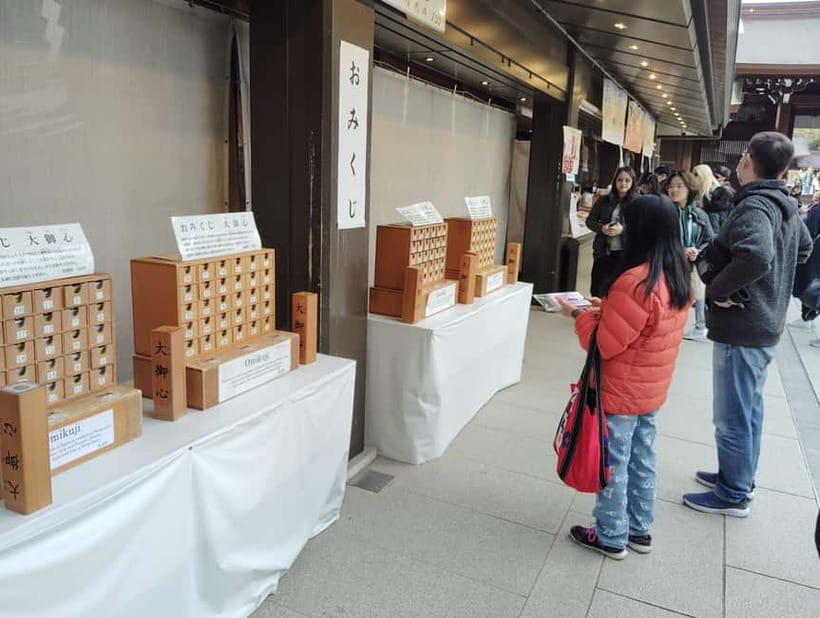
After the shrine visit, the tour includes a fortune-telling experience using an omikuji. The fee for the omikuji is included, so you do not need to budget separately for that part.
This is a fun change of pace after the more serious prayer instruction. Your guide can explain what the fortune means and how this custom fits into a shrine visit. If you like, you can also receive a protective charm, though the supplied details do not say that a charm is included in the price.
The omikuji is a small experience, but it gives you something personal to take away from the visit. It is also an easy way to engage with a Japanese tradition without needing much time or specialist knowledge.
Keep in mind that the exact fortune is part of the experience, not a promise of a particular result. The value lies in the custom, the explanation, and the moment of curiosity.
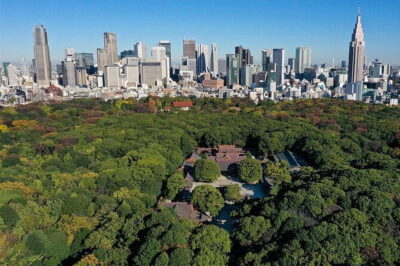
Shinen Garden and the quiet South Pond
The second half of the tour moves into Meiji Jingu Garden, also called Shinen Garden in the tour description. Entry is included, which improves the value of the $48 price because the garden requires a separate admission fee on its own.
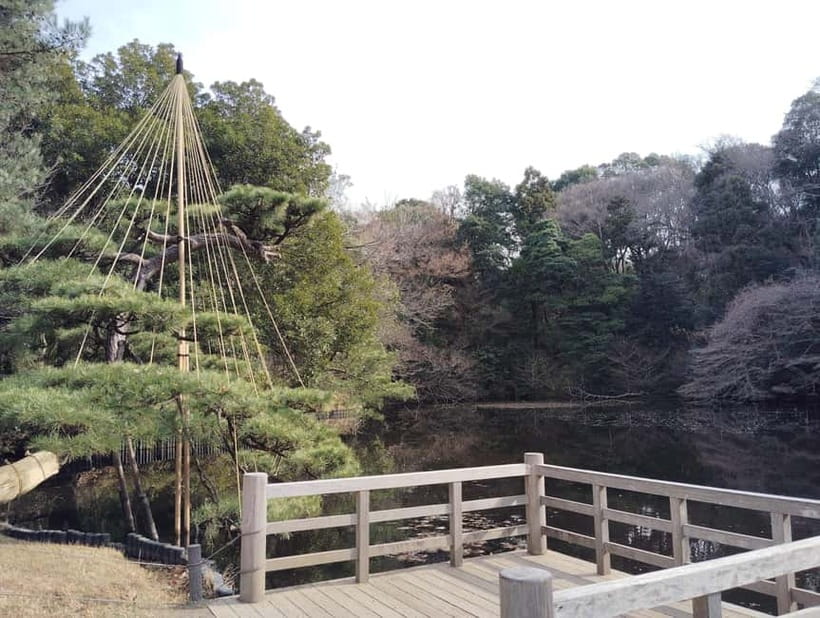
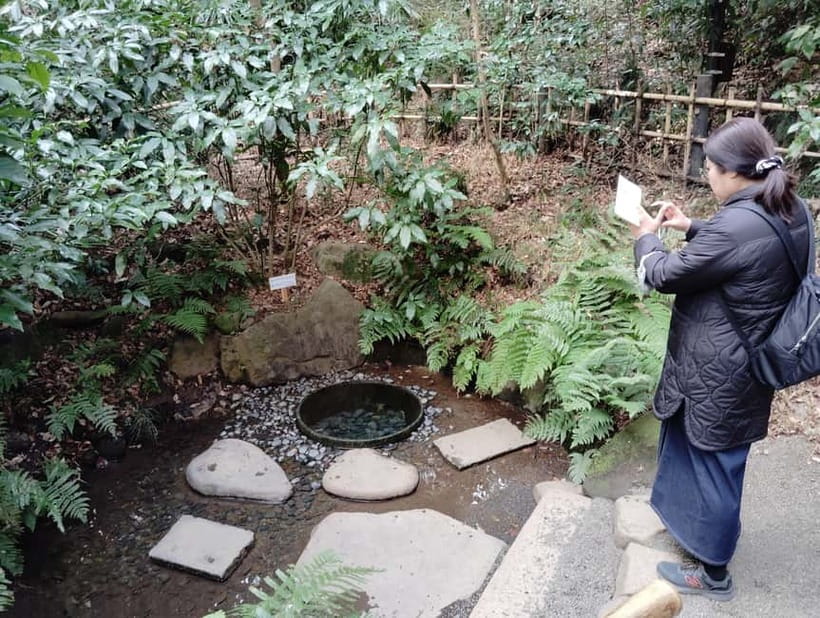
The tour focuses on the South Pond area. This is a slower section, with the guide drawing your attention to the garden’s natural features rather than rushing you from one landmark to the next. After the shrine rituals, the pond gives the walk a more peaceful rhythm.
You should think of this as a focused garden visit, not a full-day botanical tour. The schedule allows about an hour for the shrine and about an hour for the later guided section, so the garden portion has enough time to feel worthwhile but not enough for extended wandering.
I like this combination because the shrine and garden offer different experiences. The shrine gives you ritual and architecture. The garden gives you stillness, water, and a chance to process what you have learned.
The route is also a good choice if you want a break from Tokyo’s dense streets. The experience stays within the Meiji Jingu grounds, so you do not spend the two hours transferring between distant sights. There is no private transportation, but none is needed during the tour.
Kiyomasa’s Well, if the clock allows
Kiyomasa’s Well may be included if there is enough time. The wording matters: it is a possible stop, not a guaranteed part of every departure.
If the well is important to you, ask your guide at the beginning how the timing looks. A private or small-group booking may make it easier to discuss the pace, but the schedule and conditions still determine what can fit.
This is the one point where I would keep expectations flexible. South Pond is the stated focus of the garden visit, while the well is an additional possibility. The tour is better booked for the shrine, rituals, garden, and guiding rather than for one specific final landmark.
How the guides shape the experience
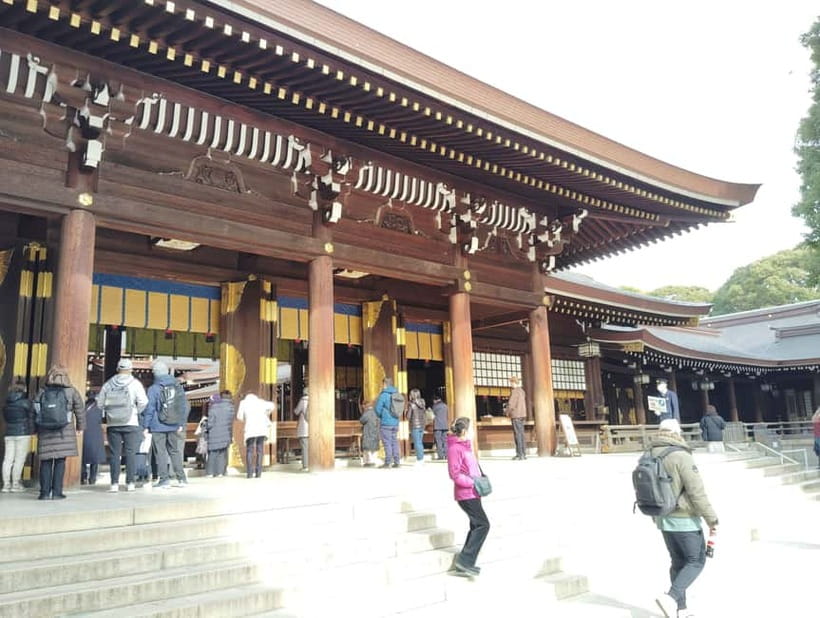
The tour is offered with live English guiding, and Japanese is also listed as an available guide language. The guide names associated with the experience include Minoru, Kai, Kyo, and Takashi.
Minoru is described as kind and generous with anecdotes. Kai is noted for explaining both the shrine and Japanese culture. Kyo brings an easygoing style, humor, and contemporary context, including help with understanding everyday Japanese life. Takashi is praised for his passion and historical explanations.
That range matters because the tour is not only about memorizing shrine facts. The strongest guiding here connects the formal setting with daily customs, religious practice, and modern Japan. You should expect the personality and depth of the experience to vary somewhat by guide, but the common thread is clear instruction and a friendly approach.
The option of a private or small-group format is useful if you want to ask many questions or prefer a calmer pace. The supplied details do not specify the maximum group size, so check the available option before booking if group size is important to you.
Is $48 a fair price?
At $48 per person, this is not the cheapest way to walk through Meiji Jingu. You can enter the shrine grounds independently without paying for a guided visit. The price makes sense if you want the shrine and garden entrance, an omikuji, a live English-speaking guide, and help with customs in one package.
The value comes from the interpretation. You are paying for someone to explain the sake barrels, Eternal Forest, handwashing, prayer, and garden setting in a connected way. You also avoid the uncertainty of trying to work out shrine etiquette on your own.
The price is easier to justify for a first visit to Japan, a short Tokyo stay, or anyone interested in religion and culture. If you already know Shinto practices and prefer to wander silently, an unguided visit may suit you better.
There is no food, drink, or transportation included. That is not a serious issue because the tour stays within the shrine and garden area, but you should plan your own meal and onward transport.
Timing, meeting point, and practical planning
The experience lasts two hours, with starting times available according to the date you choose. It begins and ends at Meiji Jingu’s first torii, so you return to the same general meeting area rather than finishing at a separate neighborhood.
Arrive with enough time to find Ichinotorii and look for the yellow DeepExperience sign. The supplied details do not give a precise arrival requirement, so leaving a small margin is sensible, especially if you are coming from another part of Tokyo.
Wear shoes and clothing suited to a long walk through forest paths and garden grounds. The tour description does not promise special accessibility arrangements, so contact the provider before booking if mobility support is essential.
The experience allows cancellation up to 24 hours before departure for a full refund, and you can reserve now and pay later. Those terms are useful if your Tokyo plans are still moving around.
Who will enjoy this Meiji Jingu tour most?
I would recommend it to first-time visitors who want more than a quick shrine photograph. It also suits anyone curious about Japanese spirituality but unsure how to approach a religious site respectfully.
Families may appreciate the handwashing lesson and omikuji because they give children something active to do. People who enjoy photography will have several good stops, especially the sake barrels and forest approach, though the tour is not built around constant picture-taking.
It is also a good match for a short Tokyo itinerary. In two hours, you get a major shrine, cultural instruction, a garden, and a return to the same entrance. The pace gives you a clear introduction without consuming half a day.
I would hesitate only if you want a completely self-directed walk, need guaranteed time at Kiyomasa’s Well, or dislike guided explanations. The tour works best when you are willing to listen, try a few customs, and let the forest slow you down.
Should you book it?
Book this tour if you want Meiji Jingu explained in plain English, with the practical details that make a shrine visit feel less awkward. The included garden entry and omikuji add real value, while the guide brings the context that is easy to miss on your own.
Choose a private or small-group option if asking questions matters to you. Just remember that Kiyomasa’s Well depends on time, and the two-hour format favors a focused introduction rather than a leisurely exploration of every corner.
For most first-time visitors, the combination of ritual, forest, garden, and friendly guiding makes this a sensible $48 introduction to Meiji Jingu.
FAQ
Where does the Meiji Jingu tour meet?
The meeting point is in front of Ichinotorii, the first torii of Meiji Jingu. The guide holds a yellow sign with the DeepExperience logo.
How long does the experience last?
The tour lasts two hours. It begins and ends at Meiji Jingu’s first torii.
Is the tour available in English?
Yes. A live English-speaking guide is available. Japanese guiding is also listed.
What is included in the price?
The $48 price includes the guide fee, entrance to Meiji Jingu Garden, the omikuji, and other stated experience fees.
Is food or transportation included?
No. Food, drinks, and private transportation are not included.
Will I visit Kiyomasa’s Well?
You may visit Kiyomasa’s Well if time allows. The South Pond area is the main focus of the garden portion.
Can I cancel the booking?
Yes. You can cancel up to 24 hours in advance for a full refund. Reserve now and pay later is also available.
Newly reviewed around Tokyo
- Tokyo Asakusa:Calligraphy & Make T-shirt Activity★ 5.0 · 62 reviews
- Intercity Shuttle, Tokyo to Haneda /Narita /Yokohama /Makuhari★ 5.0 · 5 reviews
- 1 Hour Travel around Tokyo with a Professional Photographer★ 5.0 · 3 reviews
- Travel Tokyo with Your Own Personal Photographer★ 5.0 · 43 reviews
- Train in Samurai Swordsmanship and Defeat the Demon in Tokyo★ 5.0 · 5 reviews
- Shuttle Van 6hr Tokyo Tour to-and-from Tokyo, Yokohama and Narita★ 5.0 · 9 reviews
- Kickboxing & Body Training with EX-Pro Fighter★ 5.0 · 4 reviews
- Traditional Japanese Knife Sharpening Class★ 5.0 · 18 reviews
Meiji Shrine Tours, compared.
Meiji Shrine, Asakusa, Skytree Bus Tour and Cruise
Read our review →
Tokyo Panoramic 1 Day: Meiji Shrine, Asakusa, Odaiba and SKYTREE®
Read our review →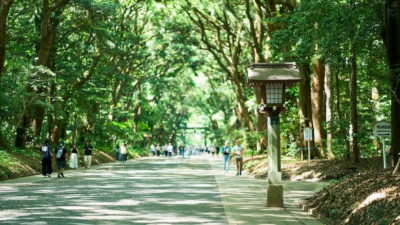
Meiji Shrine Walking Tour — Shinto & Imperial System
Read our review →
Meiji Jingu Shrine and Shinto Culture Walking Tour
Read our review →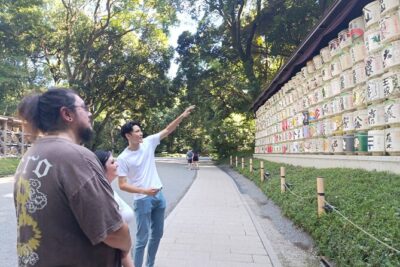
Meiji Shrine Walking Tour — Shintoism & Imperial System
Read our review →
1 Day Bus Tour with Meiji-Jingu,Odaiba,lunch&Skytree
Read our review →
Tokyo Morning Tour : Meiji Shrine, Asakusa and Fish Market
Read our review →Browse the lists this tour appears in